Apparel and lifestyle retail
A contrasting handle or lower panel can frame a printed mark while a gusset gives folded garments or accessories room to settle.

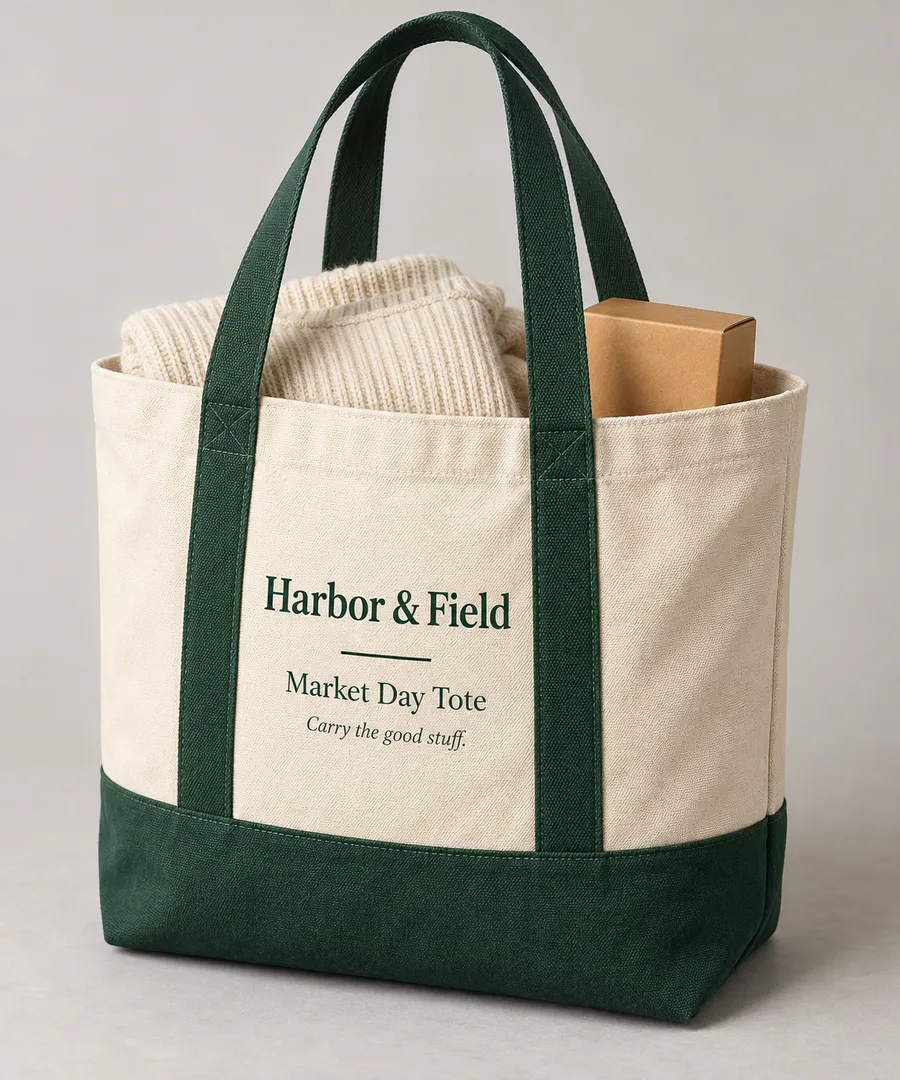
Classic two-tone canvas tote with contrast handles and lower panel carrying a folded sweater and candle box
Retail and Tote Bags
Custom classic two tone tote bags pair a contrasting body and handle treatment with a practical carry format for retail, events, and local pickup. Choose the finished width, height, gusset, handle drop, textile or paper construction, and print panels around the products and load the bag will actually carry. Easy Box Packaging keeps the quote tied to those details.
Last updated
Working quote
Product brief
A two-tone tote should make the handoff easy while keeping the printed brand visible. The contrast can sit on the body and handles, on a reinforced base, or as a second panel that frames the artwork; the useful arrangement depends on where the bag is held and which face the shopper sees. This page covers custom retail tote bags for apparel, books, boxed gifts, bakery items, and event materials, not a one-size promotional blank.
Start with the packed product. Send the largest item width, height, and depth, the approximate combined load, the number of items per bag, and whether the bag is handed over at a counter or placed inside an outer shipper. A folded shirt, a boxed candle, and a flat book set can all use a tote, but their gusset and handle position are not the same. If the bag must stand upright, show the base shape and how much room the contents need below the handle.
The finished footprint controls how the tote sits and how the product is revealed. A flat base suits a slim purchase or a lightweight event kit; a gusseted base gives a boxed item room to settle without forcing the front panel outward. The quote should identify the body width, height, depth or gusset, opening width, and handle drop as one set of decisions. Handle length also changes whether the bag is carried by hand or over a shoulder, so describe the intended route rather than selecting a generic drop.
A classic two-tone construction can use a natural or light body with a darker contrast handle, a colored lower panel, or a second textile tone around the gusset. Keep the transition line clear of the main wordmark when the print spans the front. If the bag will hold mixed purchases, provide a representative loaded arrangement instead of the smallest item; the center of gravity and the way the handles meet the top edge affect the practical specification. No universal load rating should be assumed before the material, seam, handle attachment, and filled product are reviewed together.
Common category directions include cotton canvas, recycled cotton or recycled polyester textile, kraft paper, and non-woven polypropylene. These are starting points for a specification, not a blanket sustainability claim or a promise of one fixed weight. A textile tote can provide a soft hand feel for repeated retail use, while a kraft-paper carrier can suit a short handoff where flat storage matters. Non-woven polypropylene can be considered when the brief calls for a wipeable, structured carry surface; the actual construction and finish still depend on the product and route.
The two-tone palette is part of the printed and sewn specification. Explain which color is the primary body, where the contrast begins, and whether the handles, side gusset, or base use the second tone. Share any preference for a natural textile appearance, a clean solid color, or an unprinted area for handling. Claims about recycled content, compostability, or a fixed fabric weight need product-specific confirmation, so the page keeps those decisions open for the quote.
Use the largest uninterrupted front panel for the brand name or seasonal mark, then reserve the reverse or side for a short line, care note, store detail, or event date. Screen print or spot-color print can suit a restrained one- or two-ink mark; full-color digital transfer can carry a more detailed illustration when the supplied artwork supports it. A foil accent may be considered for a selected word or linework, while contrast webbing or a stitched handle detail can make the two-tone construction legible even without extra ink.
Artwork should show the seam, handle attachment, opening, gusset folds, and the transition between the two colors. Keep small copy away from a curved seam or a handle junction where the panel may flex. The images illustrate how print can sit on the package; your own brand artwork is placed on the dieline during proofing. Dieline and proof review are included on every order, so the proof should confirm front and reverse orientation, panel limits, color placement, and the way the bag is shown when filled.
The standard fulfillment path starts at 50 units. Production is estimated from 7 business days after digital proof approval, and Free US shipping is available on that standard path. Dieline and proof review are included at no extra charge. A sample kit carries a $44.99 USD shipping charge credited toward the first order when you need to compare textile hand feel, handle attachment, print density, contrast colors, and finish before committing. Pricing remains quote-only because body material, two-tone layout, dimensions, quantity, and print method change the scoped build.
For a quote, provide the filled product dimensions, approximate combined weight, number of items, body and contrast color direction, handle preference, gusset or flat-base choice, quantity, destination, and artwork status. Quote requests are typically answered the same business day and always within 24 hours. After the digital proof is approved, production timing begins from 7 business days; the proof is the place to catch a handle crossing, a logo too near a seam, or a color transition that changes the intended hierarchy.
Custom two-tone tote bags can carry apparel and accessories at checkout, books and stationery at a store event, bakery boxes at a local pickup, or a small assortment in a gift-with-purchase campaign. A gusseted base can accommodate a boxed candle or folded garment, while a flat base can keep a light conference kit compact in storage. For a heavy or long-distance route, describe the packed weight and whether an outer shipper provides support; the tote should not be described as a freight container without that information.
A clear brief connects the product, carry route, body and contrast layout, handle attachment, print area, and proof. If the tote will be reused, explain how it will be stored between uses and whether the artwork must read on both sides. If it is a one-time retail handoff, a simpler flat construction may be sufficient. The more precisely the quote describes the finished bag, the easier it is to review a practical two-tone specification rather than a decorative color sample.
Proof points
A useful proof shows how the tote is filled, held, and read from both sides, rather than treating the artwork as a flat color block.
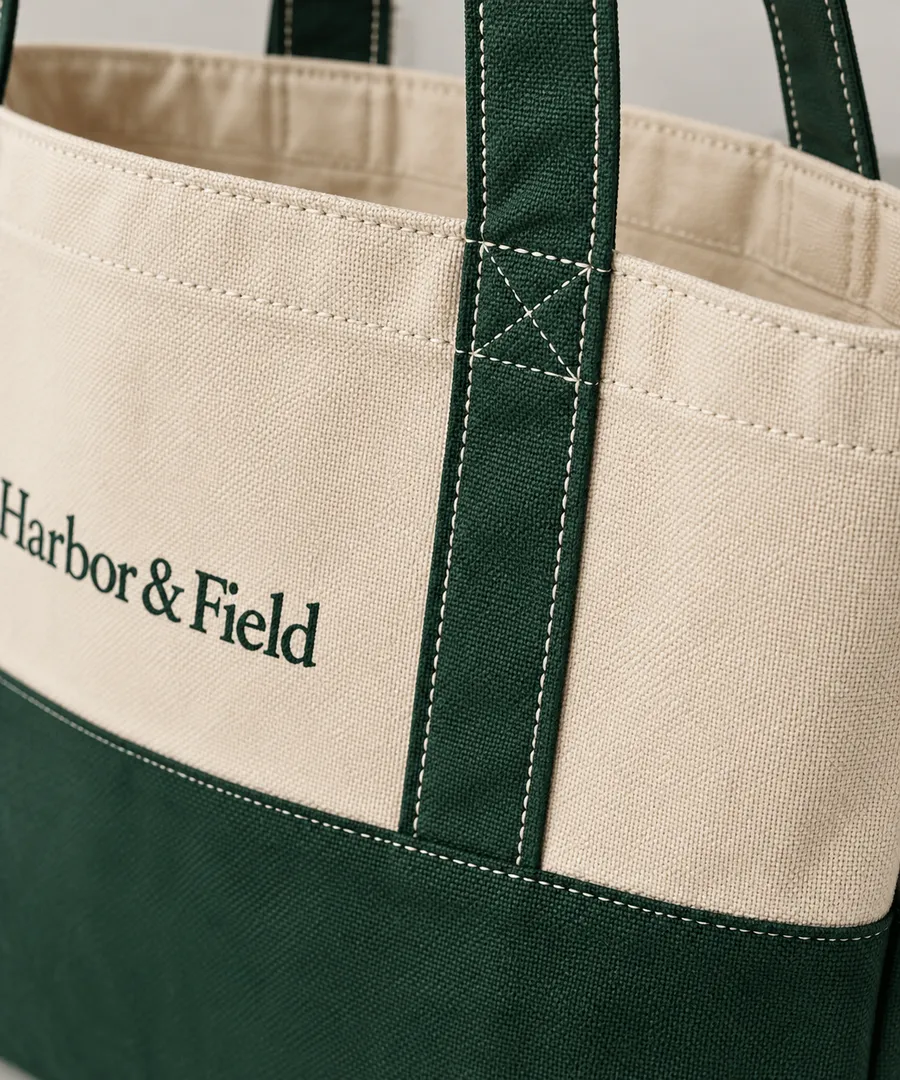
The contrast is useful only when it works with the bag's body, gusset, handle attachment, and printed panel. Share the filled product and carrying route so the tote's proportions and color break can be reviewed as one construction.
A contrasting handle or lower panel can frame a printed mark while a gusset gives folded garments or accessories room to settle.
A flat or shallow base can keep a small book set organized, with the reverse panel carrying a store line or event detail.
A gusseted tote can be reviewed around boxed pastries, candles, or gift items that need an upright handoff.
A two-color palette can separate a sponsor mark from an event message on a reusable-feeling textile or paper carry format.
Use the clearest front panel for the brand or campaign cue, then plan the reverse, side, and contrast areas for supporting information that remains readable in motion.
A classic tote is both a carrier and a moving print surface. Material, handle drop, base shape, color transition, and artwork need to agree before the proof is approved.
Width, height, depth, item count, and combined load guide the body and gusset rather than a generic stock size.
Handle drop, attachment, contrast webbing, and the way the bag is held are reviewed with the filled product and handoff route.
Front, reverse, side, seam, and transition areas are checked so the two-tone layout supports the mark instead of cutting through it.
A quote is easier to evaluate when the packed products, carry route, color break, and artwork are described together rather than reduced to a color name.
Provide the largest packed width and height, depth or gusset need, item count, approximate combined load, photos, and orientation.
Explain hand carry or shoulder carry, handle drop preference, flat or gusseted base, and whether the bag enters an outer shipper.
Name the primary body color, contrast location, print panels, artwork status, and any preference for screen print, digital transfer, or foil.
Confirm front and reverse orientation, handle and seam clearance, color transitions, required information, and finish representation before production begins.
Need help with structure, materials, or production planning? See how we manufacture custom packaging.
A sample kit ships for a $44.99 USD charge credited toward your first order, useful when you need to compare textile or paper hand feel, handle attachment, print density, contrast colors, and finish before approving the bag.
Shipping charge: $44.99. Credited toward your first order.
Request a Sample KitFind clear answers about fit, materials, and ordering below.
The two-tone treatment can place a contrasting color on the body, lower panel, side gusset, base, or handles. The final break is mapped with the printed panels and handle attachment during proof review.
Provide the largest packed product width, height, and depth, the number of items per bag, and the approximate combined load. The body, gusset, opening, and handle drop are then reviewed around that arrangement.
Cotton canvas, recycled cotton or recycled polyester textile, kraft paper, and non-woven polypropylene are category directions. The confirmed construction and any sustainability statement depend on the product-specific specification.
Yes. Contrast webbing or a stitched handle detail can be considered alongside a two-tone body or lower panel. Handle length and attachment should be reviewed with the filled product and carry route.
The approved standard estimate is from 7 business days after digital proof approval. Orders start at 50 units, and free US shipping is available on the standard fulfillment path.
Dieline and proof review are included on every order at no extra charge. The proof should confirm the color transition, handle and seam clearance, front and reverse panels, and finish representation.
Orders start at 50 units and scale up to 500,000 for bulk runs, with pricing from $0.32 per unit on larger quantities. Standard production is from 7 business days after digital proof approval.
Compare nearby products and request the format that best fits your next run.
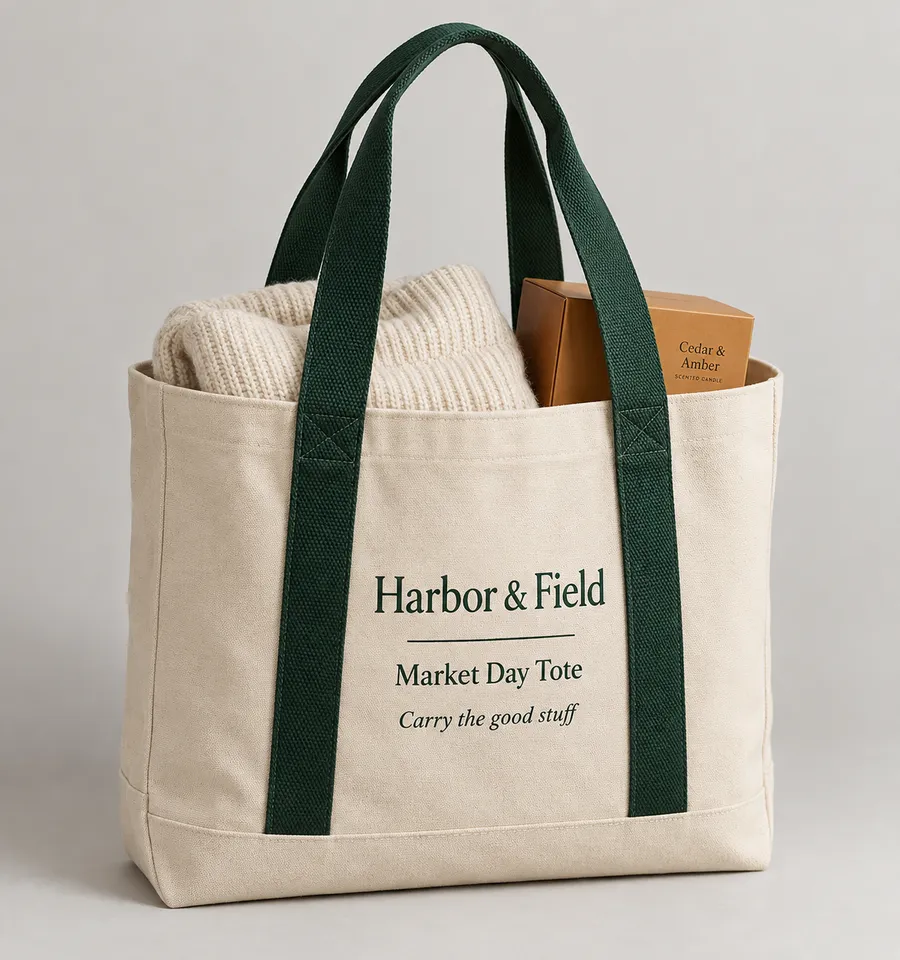
Available product
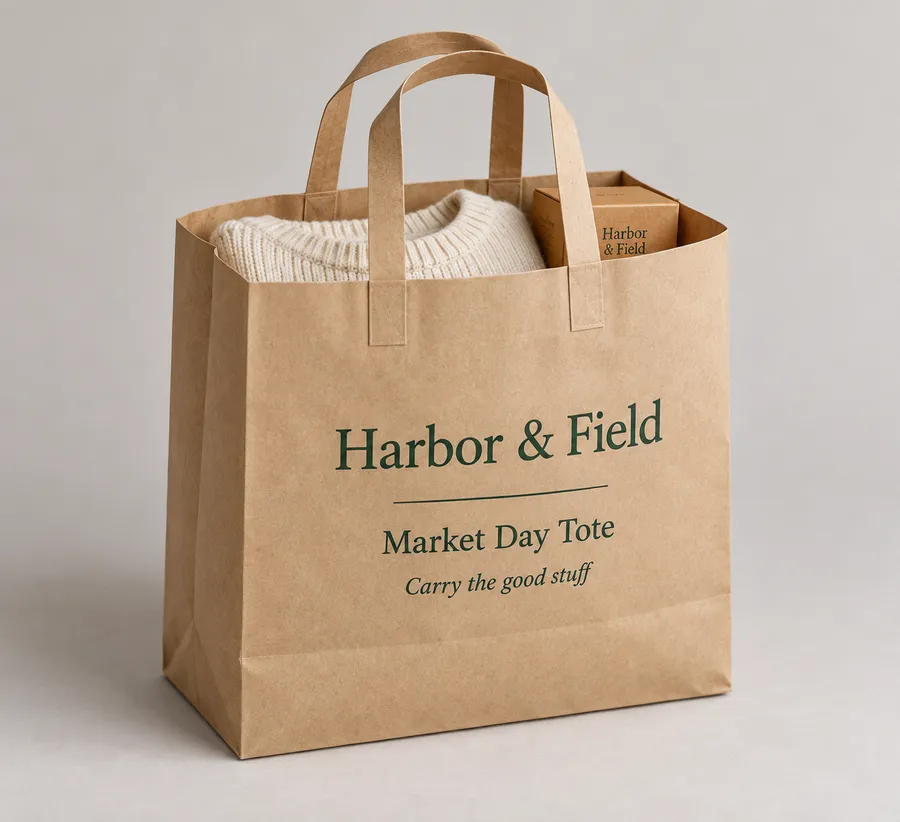
Available product
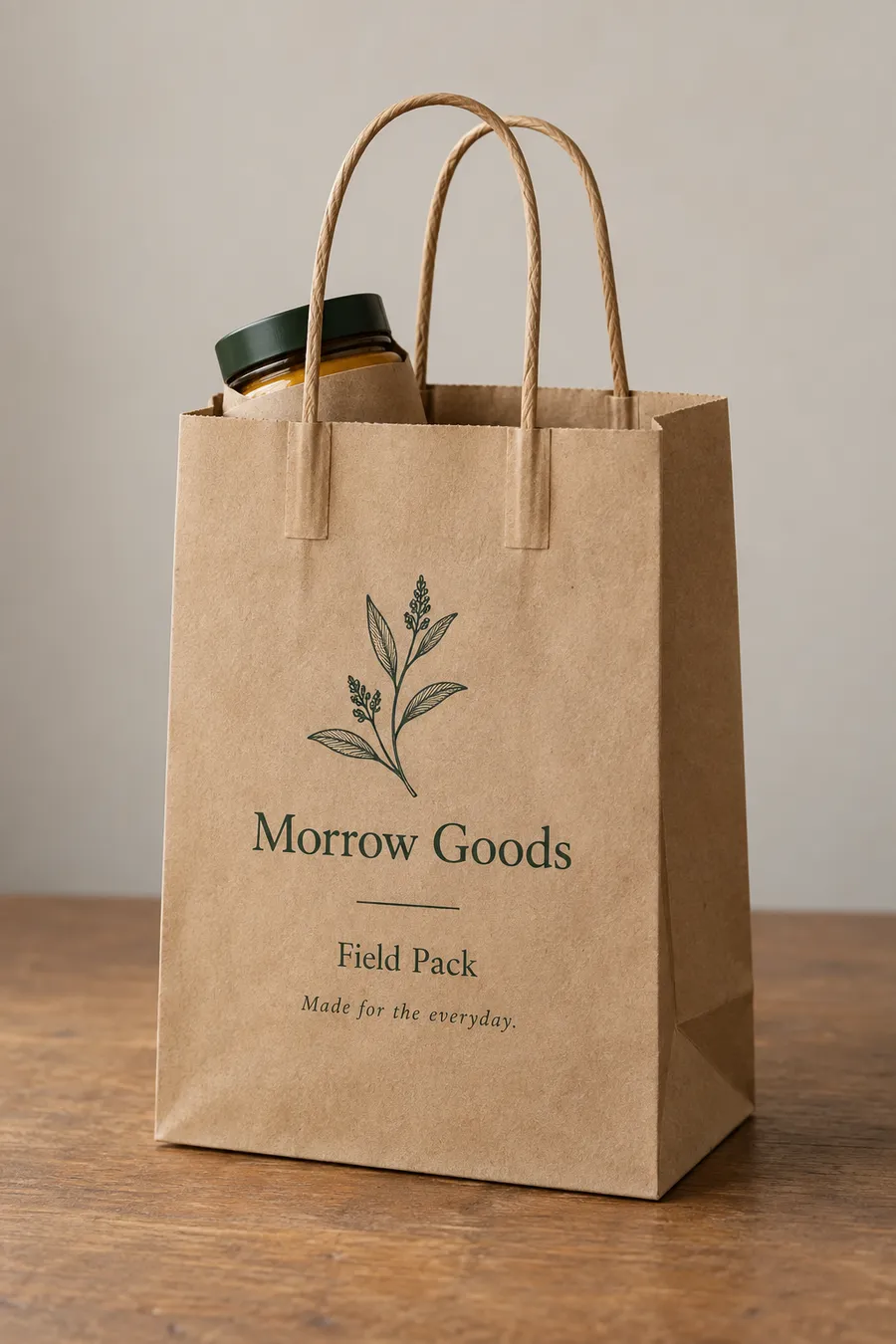
Available product
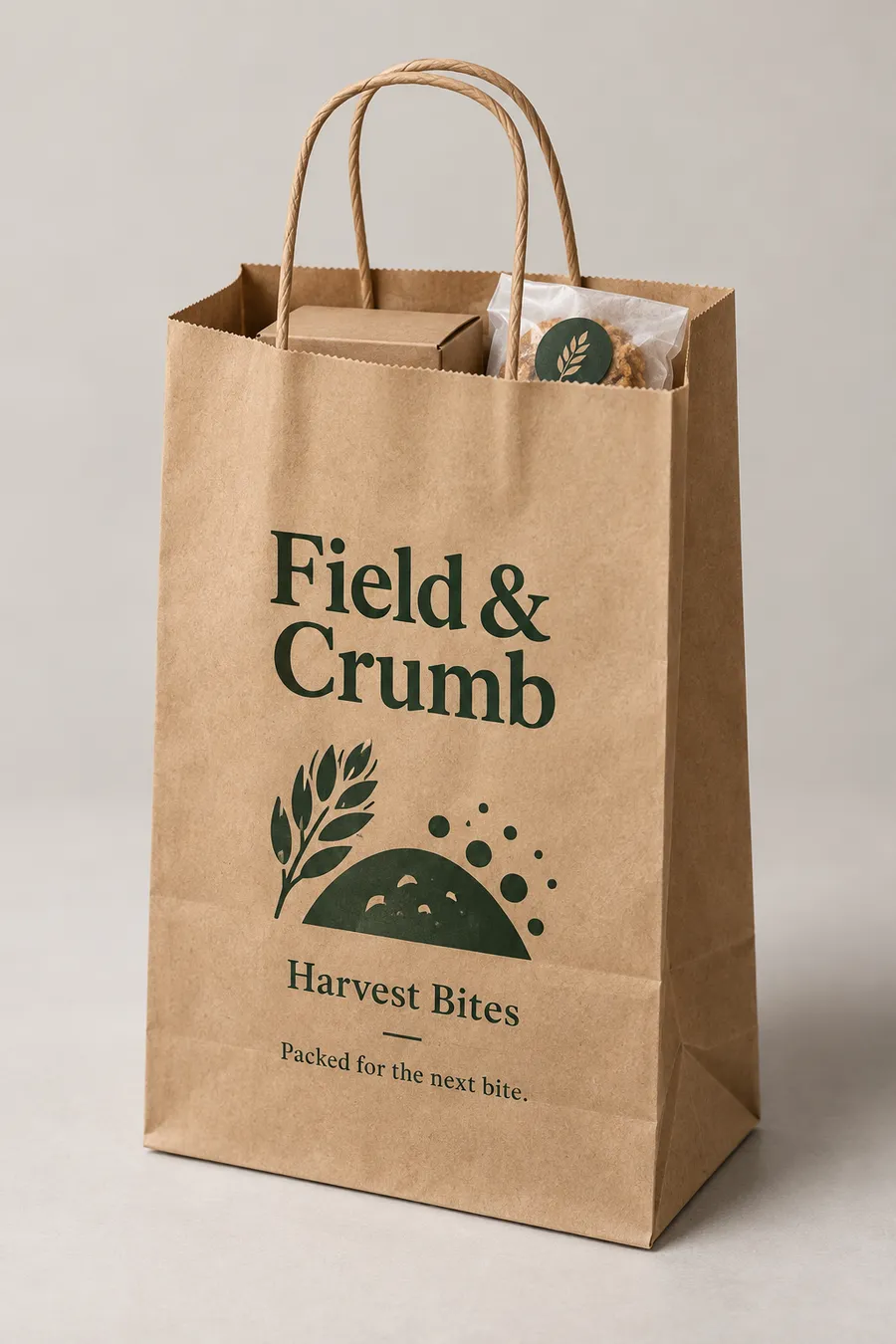
Available product
Plan the tote around the handoff
Send the packed product details, expected load, body and contrast colors, handle preference, base shape, print direction, and artwork status. Easy Box Packaging can then review the tote as one quote-ready specification.
Add your product details to see a quote summary.