Shelf-ready retail packs
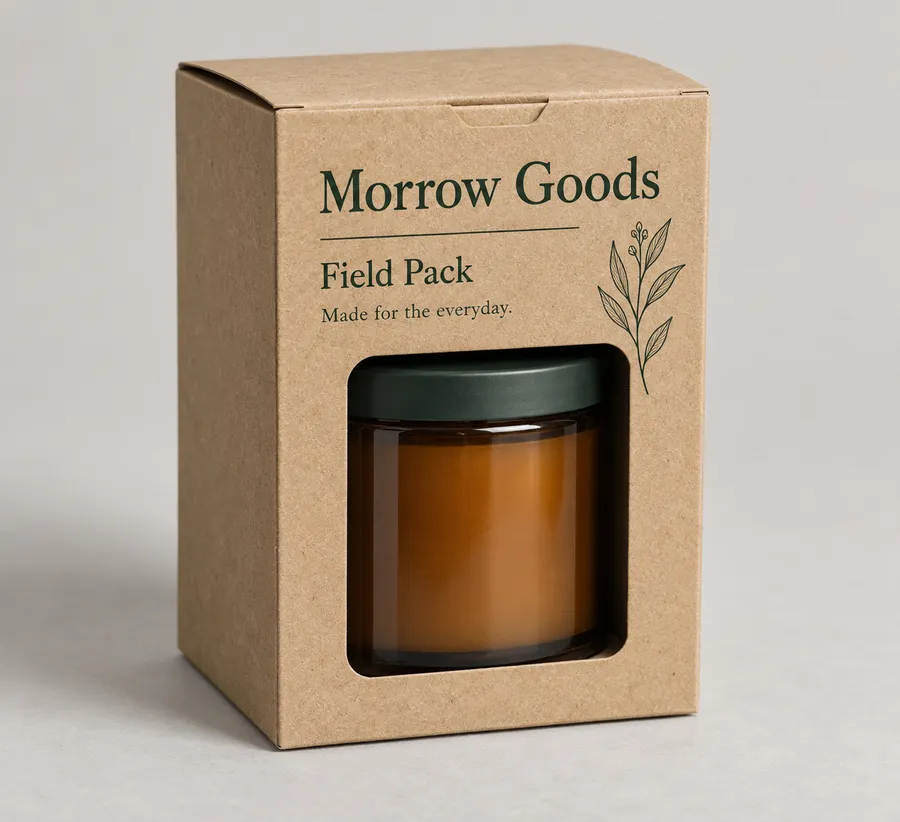
A folding carton or tuck-end box can give a small consumer product a defined front panel while the window shows the product and the kraft surface frames the print.

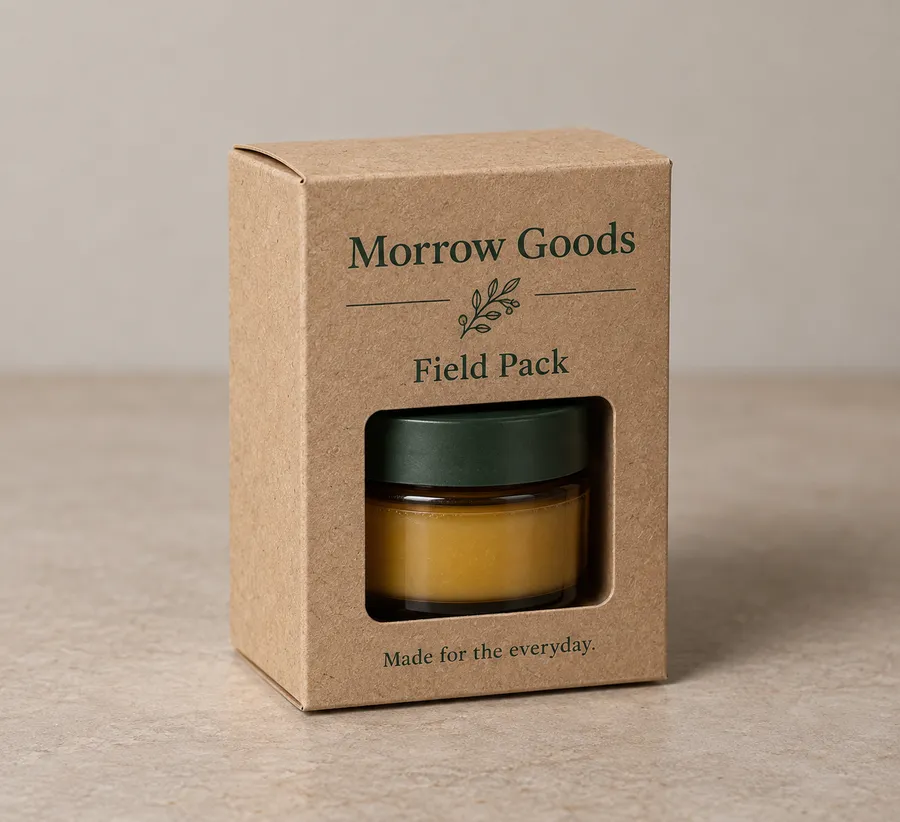
Brown kraft window box with green print showing an amber botanical balm jar
Kraft Boxes
Custom kraft paper window boxes pair a warm, visible kraft surface with a planned product reveal. The box can be shaped as a folding carton or tuck-end pack around the packed dimensions, loading direction, closure, and window placement. Choose print coverage, board direction, and finish while keeping the visible product and brown paperboard in the same visual system.
Last updated
Working quote
Product brief
Custom kraft paper window boxes are useful when the package should show part of the product without giving up a tactile brown paperboard presentation. Begin with the job the box must do: a shelf pack needs a readable front panel, a gift format may need a deliberate reveal, and an ecommerce pack needs a closure that suits parcel handling. Record the packed product height, width, depth, widest point, orientation, and any part that projects beyond the main body. Also describe which face should remain visible through the window and whether the product stands, lies flat, or sits beside an insert.
A folding carton or tuck-end box sets the panel sequence, opening direction, and place where the window can be cut into the front or another panel. A mailer-style construction may be appropriate when the package opens around a packed order, while a presentation carton can prioritize a clean face and a controlled reveal. These are separate structural decisions even when the kraft color is the same. The dieline follows the closure, panel depth, product orientation, window position, and any internal support; a different size normally needs its own review rather than a copied outline.
Send assembled dimensions and include the widest body point, cap or closure, handle, shoulder, accessories, and the direction in which the product loads. For several units, state the count, row arrangement, separators, and whether every unit should be visible or only one should sit behind the window. Note the window's preferred viewing area, the amount of kraft border around it, and whether a folded paperboard support or separate insert changes the packed profile. Final allowances are confirmed during specification and dieline review; a generic window-box size should not be assumed to fit every product.
The window creates a viewing area, while the surrounding Kraft Paperboard carries the brand name, product name, instructions, and supporting information. A restrained one- or two-color treatment can leave the warm brown tone visible around the opening; broader coverage can create a stronger contrast between the printed panel and the product inside. Corrugated Board may suit a mailer-style build, while SBS Paperboard can be considered when a smoother white printed surface is the intended direction. The material decision should follow the box geometry, packed weight, handling plan, and desired balance between visible product and paperboard.
Keep the primary message on the panel that customers see first, then place secondary information on the side, top, or interior panels. Matte Lamination can create a quieter low-glare surface direction; Spot UV can add selective gloss contrast; Foil Stamping can highlight chosen lettering or linework; and Embossing/Debossing can add a tactile change. Each treatment should be reviewed around the window edge, folds, cut edges, and small type so the opening and artwork remain legible together.
Internal support is a specification choice rather than a default promise. Product geometry, weight, fragility, orientation, window placement, closure movement, presentation, and fulfillment all matter together. Support may be integrated into a folded paperboard structure or supplied as a separate insert, depending on the packed product and the desired reveal. Share photographs or a sample when a bottle shoulder, irregular base, loose accessory, or multiple-unit arrangement could change the view through the window.
A useful quote brief names the product, assembled dimensions, quantity, construction preference, window position, board direction, print coverage, finish direction, internal support, and intended use. Note whether artwork is ready or still being developed and identify the panel that should carry the primary message. Easy Box Packaging supplies a dieline for the selected construction, then a digital proof is reviewed and approved before production. The standard path starts at 50 units, production is from 7 business days after digital proof approval, and Free US shipping is available on the standard fulfillment path.
Send packed-product measurements, product count, orientation, closure details, desired viewing area, quantity, artwork status, and any preference for Kraft Paperboard, Corrugated Board, or SBS Paperboard. Add the print colors, finish direction, support requirements, destination, and a photograph or physical sample when the shape is unusual. A sample kit carries a $44.99 shipping charge credited toward the first order, which can help you compare kraft surfaces, print contrast, and windowed construction before committing to a specification.
The result is a quote-ready starting point: a custom kraft paper window box shaped around the product, with the opening, closure, board, artwork, and finish decisions visible before the proof is approved.
Proof points
A successful window box brings the visible product, paperboard surface, closure, and printed message into the same specification. These are the points to confirm before the proof moves toward production.
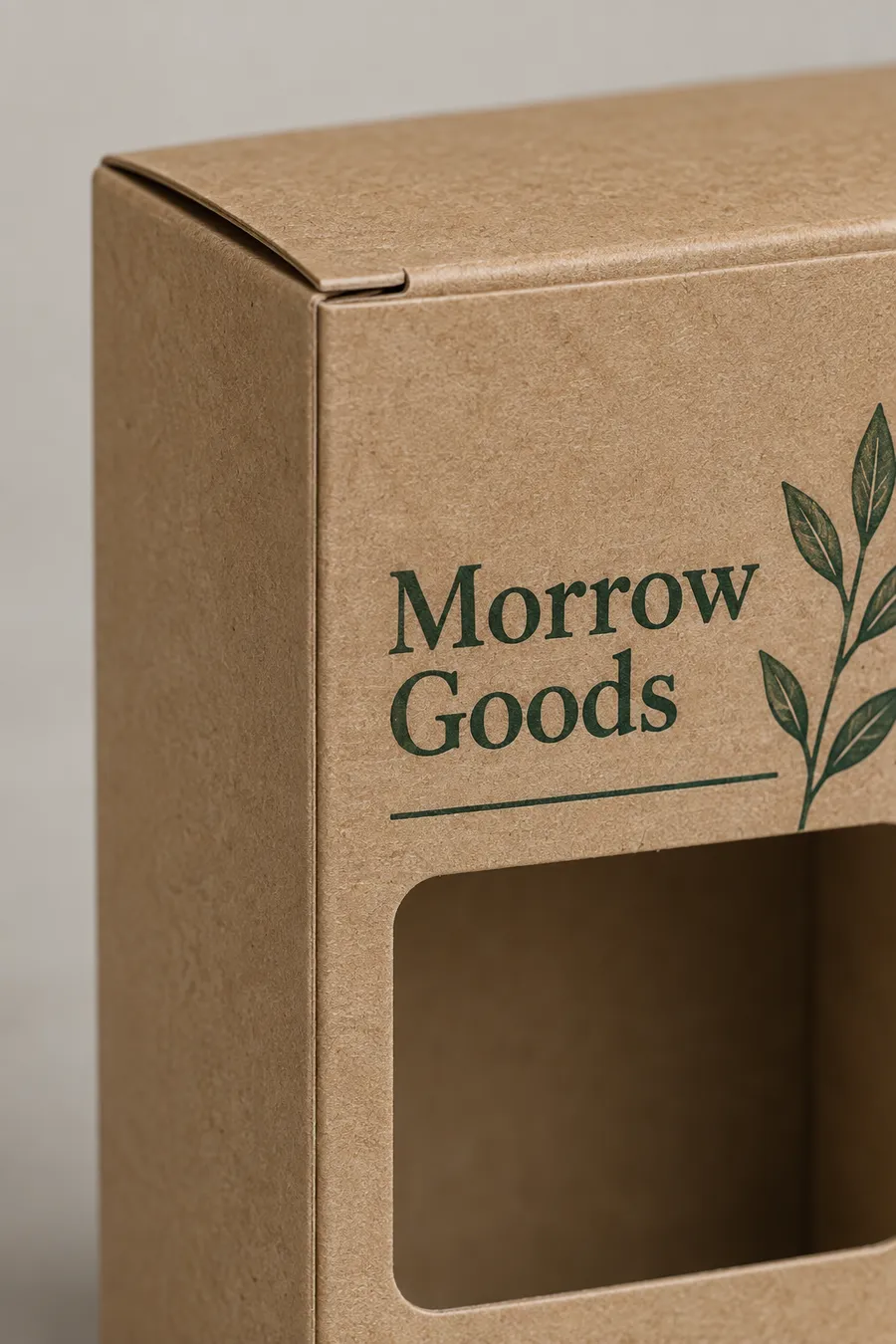
A custom kraft paper window box is a coordinated carton rather than a plain box with an opening cut into it. The panel sequence, window location, closure, and loading direction determine how the product is seen and how much warm brown paperboard remains available for the printed message. A folding carton, tuck-end pack, or mailer-style structure can be reviewed against the product's actual use setting.
A folding carton or tuck-end box can give a small consumer product a defined front panel while the window shows the product and the kraft surface frames the print.
A carefully placed opening can make the product part of the presentation while a sleeve, lid, or considered reveal controls how the box is opened.
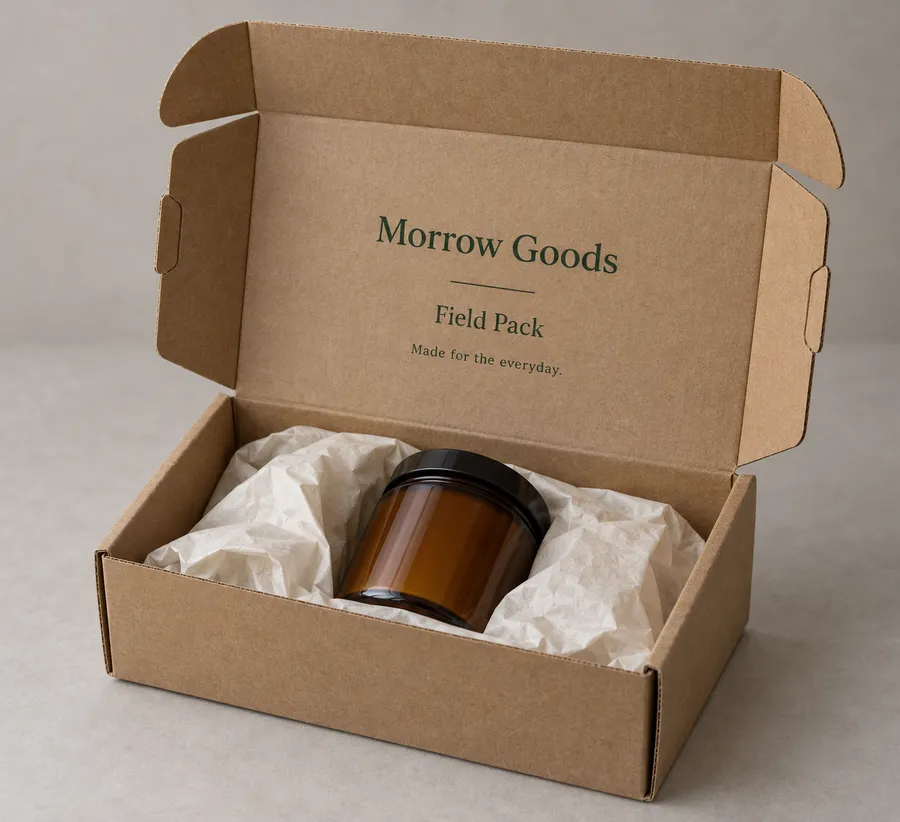
A mailer-style structure can organize the opening sequence around the packed product, insert, and locking tabs used for ordinary parcel handling.
A 50-unit starting point can suit a test assortment or seasonal run when the viewing area, structure, artwork, and quantity are defined before proof approval.
Use the natural brown tone as part of the visual system, or create stronger contrast across the front, side, top, and interior panels. The selected treatment should be checked around the opening, folds, cut edges, small lettering, and the way the box is opened.
The structural review connects the packed product to the viewing area before artwork is finalized. It covers the product envelope, window position, panel sequence, closure, loading direction, material choice, and any folded or separate support needed for the intended presentation.
Share assembled height, width, depth, widest point, closure, and accessories so the opening and surrounding panels are planned around the actual product.
Identify which product face should be visible, how much of it should show, and whether a border or insert changes that view.
Describe the tuck flaps, locking tabs, sleeve, or other access direction and explain whether the product stands, lies flat, or needs a folded support or separate insert.
The quote process is clearer when the packed product, viewing area, opening method, and artwork direction arrive together. The review then moves from dimensions to dieline and proof before production.
Send assembled dimensions, widest point, orientation, quantity per box, accessories, photographs, or a physical sample that clarifies the shape.
Identify the product face to show, preferred window position and border, retail, ecommerce, or gift setting, opening direction, closure, and any internal support.
Share a preference for Kraft Paperboard, Corrugated Board, or SBS Paperboard, plus print coverage and Matte Lamination, Spot UV, Foil Stamping, or Embossing/Debossing.
Confirm panel order, window opening, closure, product orientation, artwork placement, and finish areas before the digital proof is approved for production.
Need help with structure, materials, or production planning? See how we manufacture custom packaging.
Request a sample kit to compare brown paperboard character, print contrast, folded construction, and the way a window frames a product. The $44.99 shipping charge is credited toward your first order.
Shipping charge: $44.99. Credited toward your first order.
Request a Sample KitFind clear answers about fit, materials, and ordering below.
Share the packed product dimensions, widest point, orientation, quantity, desired viewing face, window position, intended setting, preferred construction, board direction, print coverage, finish direction, artwork status, and any internal support requirement. A photograph or physical sample helps explain an unusual shape.
Either arrangement can be reviewed. State the unit count, row arrangement, product orientation, and whether every unit should be visible or only one should sit behind the opening so the panel and support decisions follow the actual pack.
It can, depending on the coverage and treatment. Share whether the warm brown tone should remain visible, where contrast is needed, and which panels carry the primary message so the artwork can be reviewed against the substrate and opening.
Matte Lamination, Spot UV, Foil Stamping, and Embossing/Debossing are finish directions in the kraft-boxes category. The selected treatment remains subject to artwork review around the window edge, folds, cut edges, and small details.
Production is from 7 business days after digital proof approval on the standard path. Orders start at 50 units, and free US shipping is available on the standard fulfillment path.
Yes. A sample kit can help compare paperboard surfaces, print treatments, and windowed construction; its $44.99 shipping charge is credited toward your first order.
Orders start at 50 units and scale up to 500,000 for bulk runs, with pricing from $0.38 per unit on larger quantities. Standard production is from 7 business days after digital proof approval.
Compare nearby products and request the format that best fits your next run.
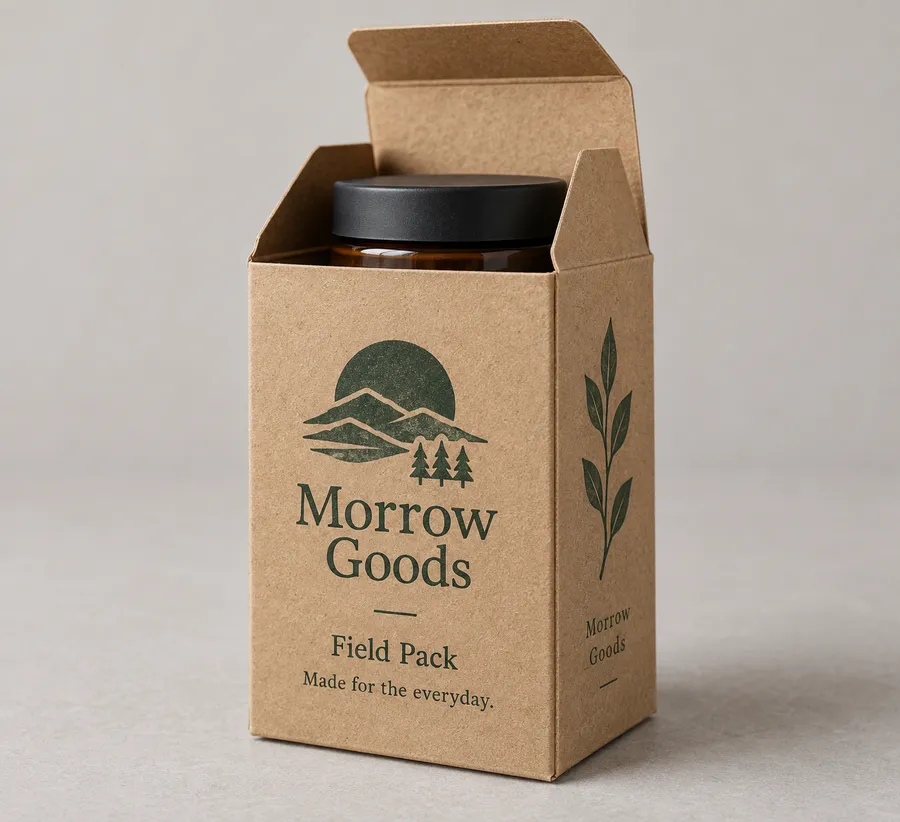
Available product
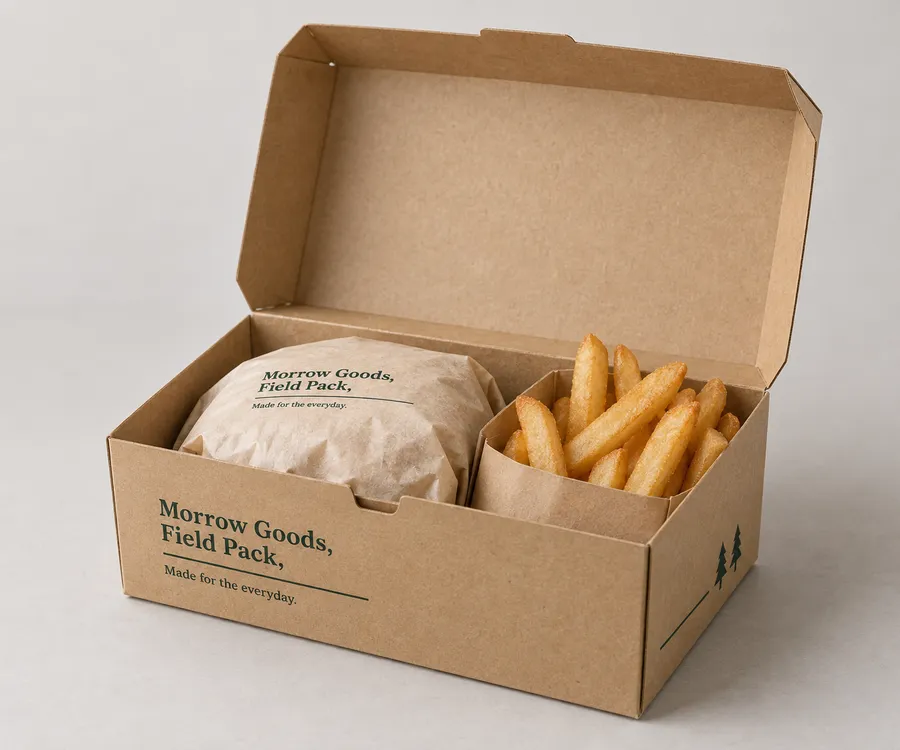
Available product
Available product
Available product
Plan the window around the product
Send the packed dimensions, quantity, intended setting, viewing area, structure preference, artwork status, and board or finish direction. Easy Box Packaging can then review the opening, closure, printed surfaces, and support as one quote-ready specification.
Add your product details to see a quote summary.