Small personal-care products
A kraft pillow carton can present a compact bottle, bar, or sample with a broad branded face and shaped end profile around the product.

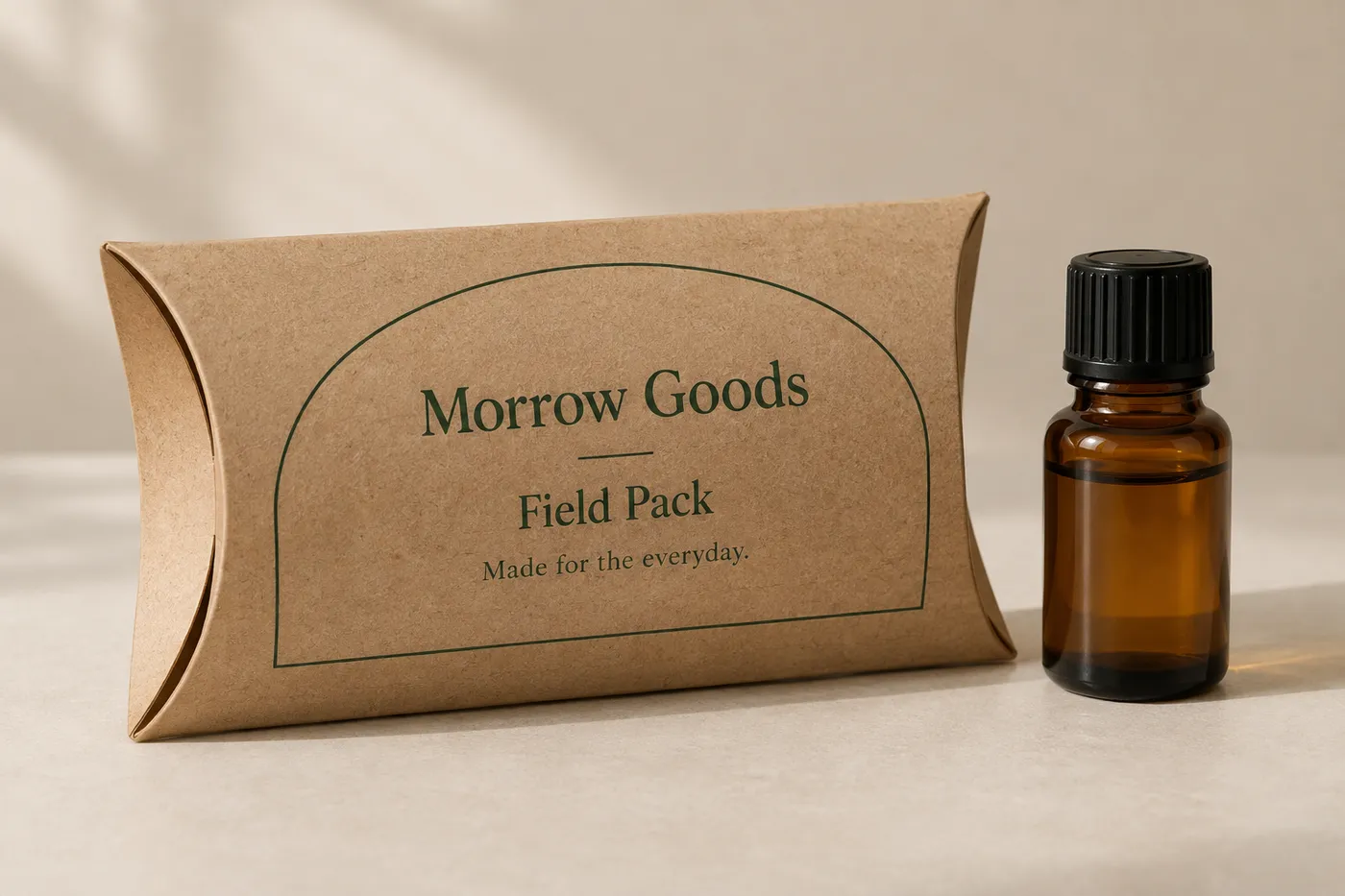
Closed kraft pillow box with curved ends, forest-green print, and an amber fragrance bottle
Kraft Boxes
Kraft pillow boxes for brands that want a compact folding carton with curved end panels, a defined tuck closure, and a natural brown printed surface. The box can be sized around a small product or coordinated set, with kraft paperboard, artwork placement, internal fit, and finishes reviewed against the actual pack.
Last updated
Working quote
Product brief
A kraft pillow box uses a one-piece folding blank to create a broad front panel, curved or arched ends, and tuck closures. The silhouette gives a small product a distinct presentation without moving to a rigid base-and-lid format. It can suit a counter display, a retail shelf, a gift handoff, or a small ecommerce pack when the packed product and handling route support the format. The shape is part of the construction decision: front-panel width, curved end depth, score positions, closure direction, and printed areas must be reviewed together. A natural brown kraft surface also becomes part of the visual hierarchy, because ink contrast and coverage change how the curved profile reads after folding.
Send the packed length, width, height, weight, product count, and orientation before a pillow-box profile is selected. Include caps, handles, corners, wraps, trays, dividers, or other projections that can affect the usable cavity and the way the ends close. If the box holds a small set, describe the arrangement and which item should be seen first. A compact fit usually needs a different blank from a loose presentation pack, so final clearance is established during specification and dieline review rather than copied from a generic allowance. The opening sequence also matters: a product that needs to be lifted straight out may call for a different end depth from one that is tipped forward.
The pillow profile comes from the relationship between the central panels and the folded end sections. A shallow pack can keep a flatter silhouette, while a taller or more delicate item may need greater depth and a more carefully placed tuck. The carton may arrive as a flat blank for assembly at the packing point, so score lines, fold order, and closure engagement should be checked with the filled product in place. An open cavity, wrap, divider, or paperboard support can be considered when product geometry, weight, fragility, orientation, and presentation call for it. The digital proof should show both the flat blank and assembled form so the buyer can check where the front panel lands and whether copy approaches a score or cut.
Kraft paperboard keeps a warm brown tone and lightly tactile character visible behind the artwork. One- or two-color ink, a restrained dark palette, or carefully planned coverage can preserve that material read while keeping product naming legible. SBS paperboard can be reviewed when the brief needs a smoother face, and corrugated board can be considered when the product or handling route needs a different construction; the final board choice is tied to the die-cut profile, folds, packed weight, and route. Exact caliper and board specification are confirmed with the product brief.
The front panel can carry the brand and product name, while curved ends and closure panels can hold supporting copy or a small motif. Foil stamping can highlight selected lettering, matte lamination can reduce glare, spot UV can add a selective gloss contrast, and embossing or debossing can add tactile relief where the artwork supports it. Finish selection is reviewed against score lines, cut edges, fold behavior, and the natural kraft surface rather than chosen as a disconnected decoration.
Keep the main identity on the panel that remains visible after assembly, then map instructions, ingredients, or secondary information to the available curved and closure areas. The proof should show the pillow box flat and assembled, including the tuck direction and any interior print. Dieline and proof review are included at no extra charge. If artwork is still in progress, include the brand status, required copy, preferred ink colors, and any finish priorities in the quote brief so the design can be planned around the one-piece blank.
Standard orders start at 50 units. Production begins from 7 business days after digital proof approval, and free US shipping is included on the standard fulfillment path. A sample kit carries a $44.99 shipping charge credited toward the first order when board feel, print treatment, or the curved opening needs to be checked in hand. Quote requests are typically answered the same business day and always within 24 hours. Send the packed dimensions, weight, quantity, product orientation, preferred pillow profile, artwork status, kraft or alternate board direction, and finish preference so the quote can be tied to a real specification.
Proof points
The finished carton needs to read clearly as a curved package and as a printed kraft surface. These are the points to confirm before production.
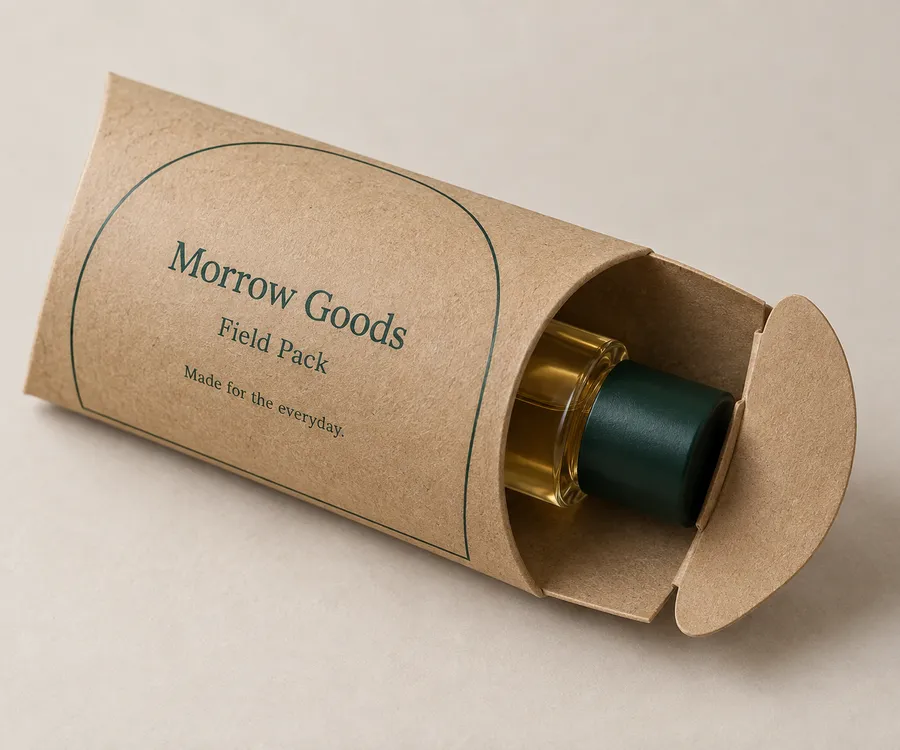
The pillow box is planned as a one-piece folding carton with a broad printed face, curved end panels, and tuck closures. Its profile, cavity, and opening direction are reviewed around the packed product so the natural kraft surface and silhouette remain useful after assembly.
A kraft pillow carton can present a compact bottle, bar, or sample with a broad branded face and shaped end profile around the product.
The curved opening gives a small gift or keepsake a distinct presentation while the interior is planned around the actual item and any wrap.
A printed kraft box can keep product naming and instructions visible on a small package intended for a counter or shelf setting.
The format can be scoped around a branded giveaway or coordinated small item when the product count, presentation, and artwork are known.
Artwork is mapped to the flat blank and assembled pillow carton so the front panel, curved ends, tuck areas, and supporting copy read in the intended order on the natural kraft surface.
A useful kraft pillow-box brief connects the packed product, curved profile, closure, board direction, and printed surface before a dieline is prepared.
Share packed dimensions, weight, product count, orientation, and any wrap, tray, divider, or insert that must fit inside the curved carton.
Describe the preferred pillow depth and opening direction so the end panels, score lines, tuck areas, and product reveal can be reviewed together.
Check the front panel, curved ends, closure areas, and supporting copy against the flat dieline and assembled proof before approval.
The fastest route to a useful quote is a complete packed-product brief followed by a structural and artwork review.
Send packed dimensions, weight, product count, orientation, intended route, and any wrap, tray, divider, insert, or presentation requirement.
Describe the preferred depth, curved silhouette, opening direction, kraft board direction, and print or finish preferences for the carton.
Review the dieline and assembled artwork so the curved panels, tuck areas, score lines, product copy, and front face are represented correctly.
After digital proof approval, production begins from 7 business days on the standard path, with free US shipping included.
Need help with structure, materials, or production planning? See how we manufacture custom packaging.
A sample kit can help you review kraft board feel, printed surface, curved folds, and the opening sequence before committing to the full pillow-box specification. The sample kit carries a $44.99 shipping charge credited toward your first order.
Shipping charge: $44.99. Credited toward your first order.
Request a Sample KitFind clear answers about fit, materials, and ordering below.
Measure the packed product as it will sit inside the carton, including length, width, height, weight, orientation, and any wrap, tray, divider, or insert. Note projections and the number of products packed together so the curved cavity and closure can be reviewed around the actual arrangement.
Yes. The interior can be reviewed as an open cavity, wrap, divider, or insert depending on product geometry, weight, fragility, orientation, product count, presentation, outer structure, and fulfillment. The chosen support is confirmed with the pillow-box structure rather than added as a generic default.
Natural kraft paperboard is the primary direction for this product, with SBS paperboard or corrugated board reviewed when the product and handling brief call for it. The final choice depends on the die-cut profile, folds, printed surface, packed product, and route.
Artwork can be planned across the front panel, curved end areas, closure panels, and interior when that placement suits the brief. The digital proof should show the flat blank and assembled carton so the buyer can check folds, score positions, tuck direction, and copy placement.
The approved standard estimate is from 7 business days after digital proof approval. The quote still needs the packed product details, quantity, pillow profile, artwork, and finish direction before that production estimate can be applied to the order.
Orders start at 50 units and scale up to 500,000 for bulk runs, with pricing from $0.19 per unit on larger quantities. Standard production is from 7 business days after digital proof approval.
Kraft pillow boxes for brands that want a compact folding carton with curved end panels, a defined tuck closure, and a natural brown printed surface. Each order is made to order around your packed product and artwork, and the specification is confirmed against a digital proof before production.
Compare nearby products and request the format that best fits your next run.
Available product
Available product
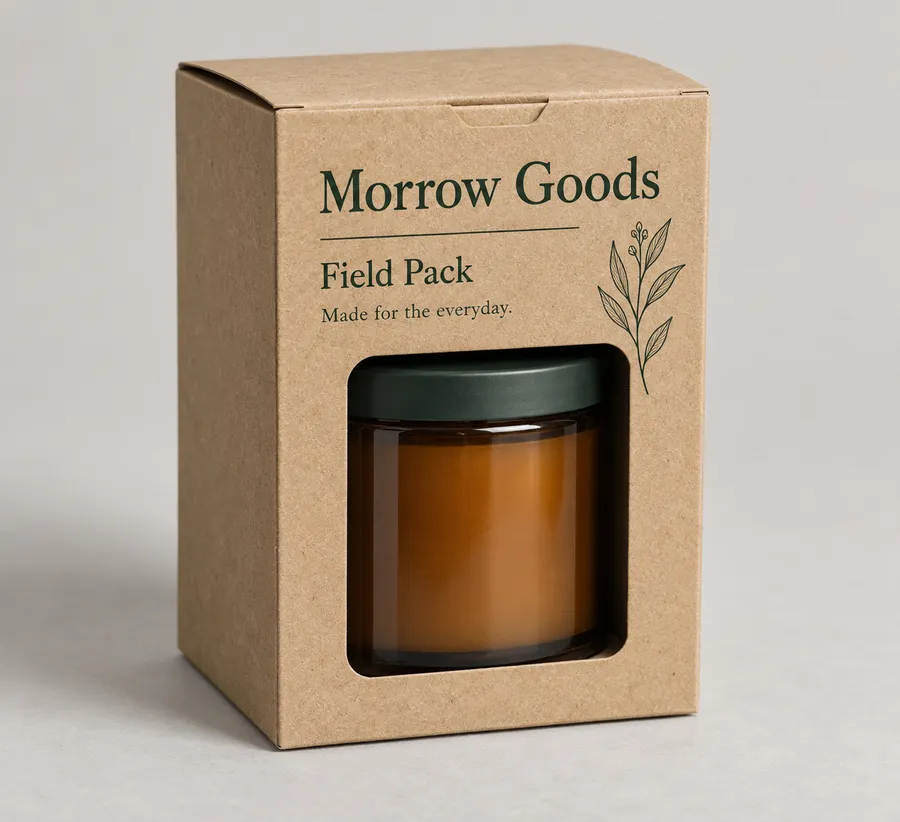
Available product
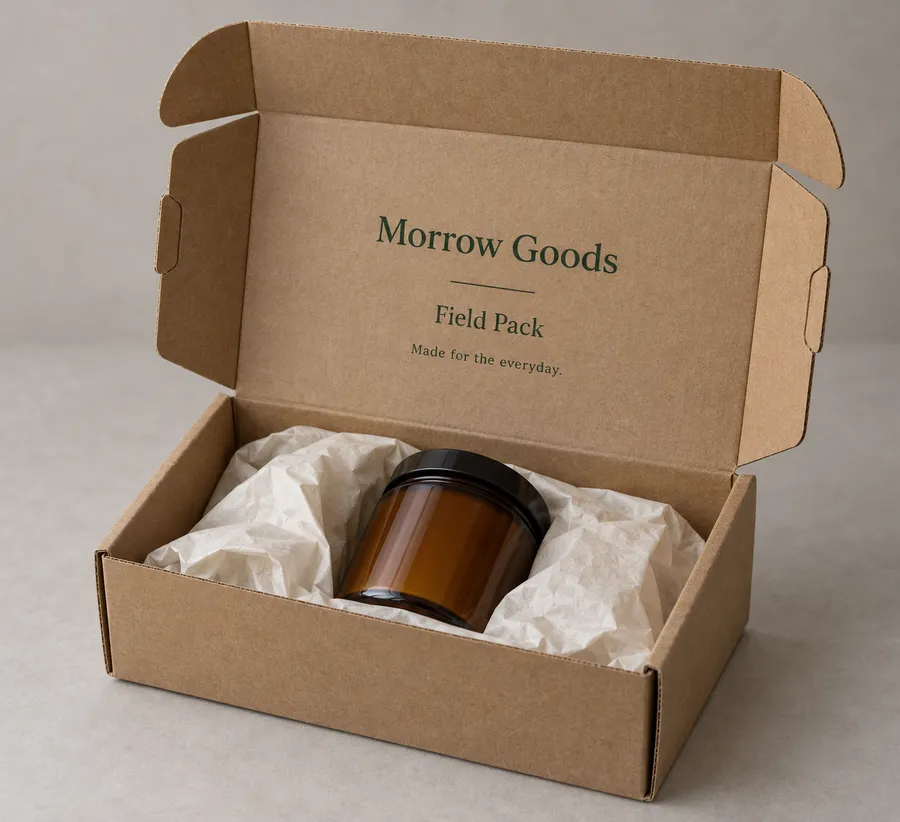
Available product
Ready to scope the pack?
Share the packed dimensions, weight, quantity, preferred pillow profile, opening direction, material or finish preference, and artwork status. The quote can then be built around the actual folding carton brief.
Add your product details to see a quote summary.