Small boxed goods
A retail carton containing an accessory, cosmetic, or small household item can use a cushioned flexible mailer when its edges and thickness leave room for the flap.

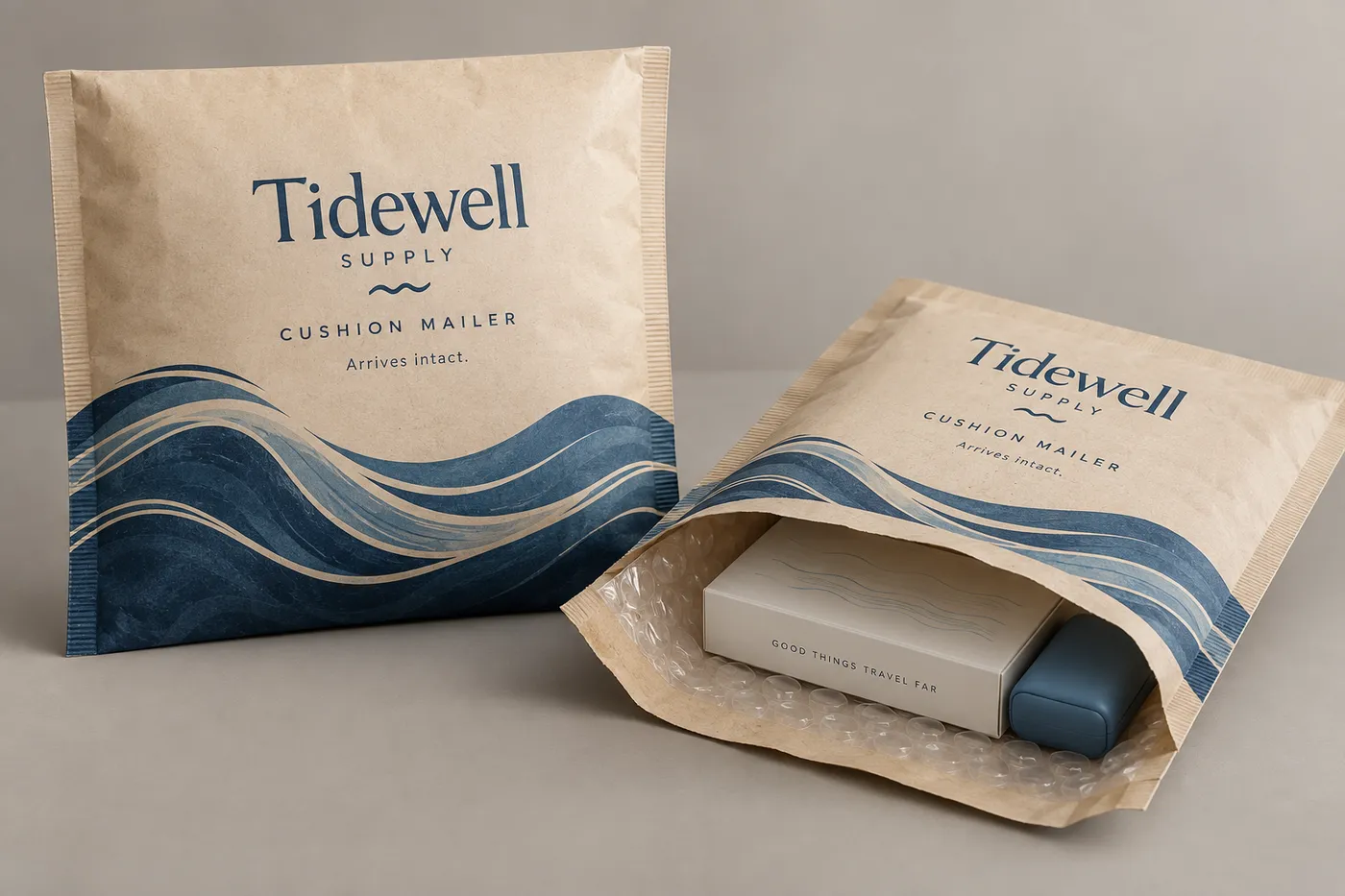
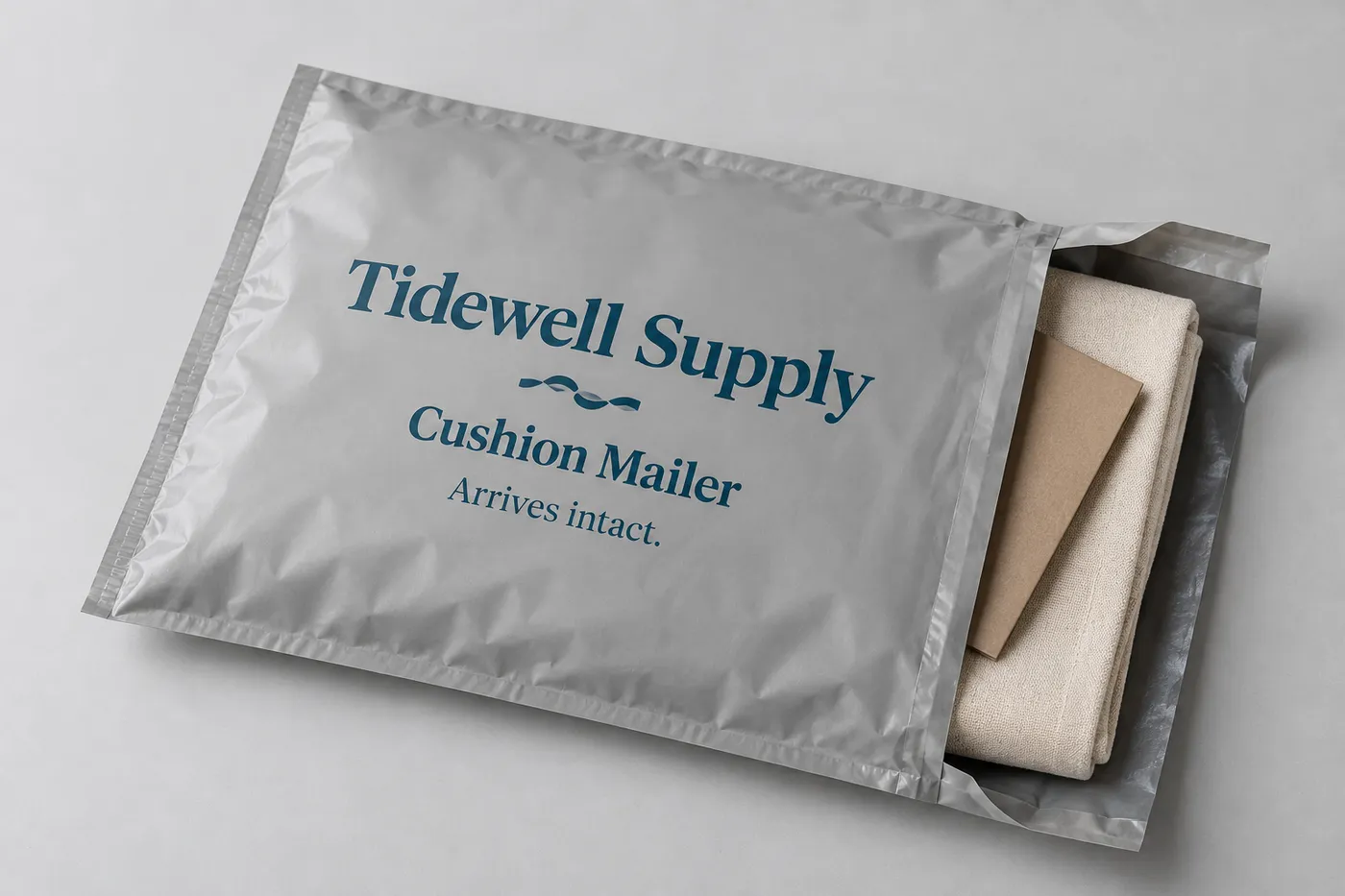
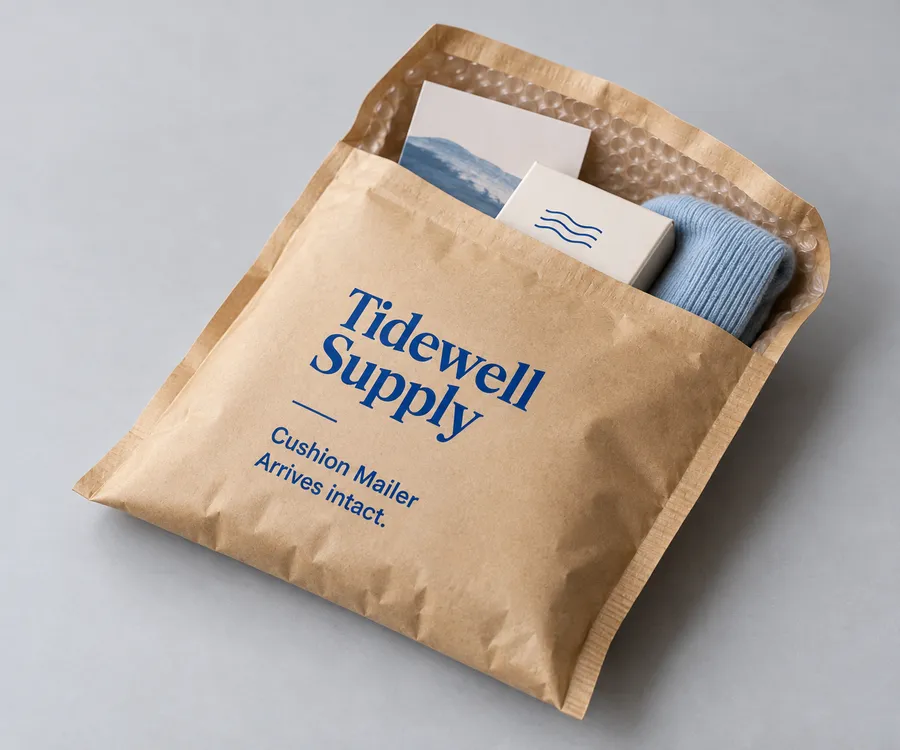
Printed kraft bubble mailer beside an opened padded mailer with a slim retail carton visible
Bubble Mailers & Flyers
Recycled mailers are a flexible bubble-lined format for suitable small shipments that need more cushioning than a plain envelope without the fixed walls of a carton. The packed product, thickness, edges, flap, print area, and requested material direction should be reviewed together so the final specification is useful without assuming an unverified recycled-content percentage or performance claim.
Last updated
Working quote
Product brief
Recycled mailers are a practical starting point when a shipment needs a little separation from knocks but does not need the standing walls of a rigid carton. A bubble-lined interior can suit a small boxed accessory, sample, card set, soft good, or replenishment item when the filled profile is understood. The flat flexible shape remains easy to store and handle, while a printed outer panel can carry the brand through delivery and opening. It is still a flexible package, not a crush-resistant box.
The word recycled describes the requested sourcing direction, not a confirmed percentage or certification in this brief. Final material, film, lining, adhesive, and print compatibility must be confirmed during sourcing and proof review. The useful facts to specify are the bubble-lined interior, outer face, side seams, flap, closure, packed item, and mailing route. Keeping those details explicit prevents the product name from becoming an unsupported sustainability or performance promise.
Prepare the contents as they will actually enter the mailer. Record packed length, width, and fullest thickness, then note hard corners, caps, clasps, rigid inserts, or projections that could press into the flexible wall. Include a retail carton, tissue, information card, sleeve, or accessory that stays inside. A flat flyer-like use can suit documents and cards that tolerate some flexibility; a thicker or sharp-edged product needs enough room that the flap and seal area do not press against it.
The outside silhouette is not the same as usable interior space. Bubble lining, seams, the flap, adhesive area, and the opening route all occupy part of the envelope. If several products share the program, list the smallest and largest filled versions rather than one average size. Say which face should sit against the cushioned side and whether the item needs an insert or sleeve. A filled sample or clear photographs help the quote team review fit and closure as one decision.
The padded interior can buffer light knocks for a suitable product, but it does not create the crush structure of a rigid box. Consider the item's fragility, edge character, weight, orientation, surface sensitivity, and handling route before choosing this format. A card pack, fabric accessory, or boxed cosmetic has a different need from glass, a projecting metal part, or a gift set that must arrive in a defined arrangement. When the contents can crush, bend, or shift, compare a paperboard or rigid mailer or add an inner pack instead of relying on the flexible envelope alone.
A peel-and-seal flap can keep pick-and-pack work quick after the product is inserted. A tear strip can make the recipient opening step clearer when that experience matters. Closure, flap overlap, bubble-lined face, and any return direction should be reviewed in the filled state. The opening route also affects where the main artwork sits: a wordmark or handling cue should remain readable after the flap is closed and should not be hidden by adhesive or a fold.
Use the broad outer face for a wordmark, product name, repeat pattern, campaign artwork, handling message, or return direction. Map the front, back, flap, and seam areas on the folded package so the reading order survives assembly. Matte Lamination can be reviewed for a lower-glare direction, Gloss Lamination for a higher-sheen direction, Spot UV for selected contrast, and Foil Stamping for limited lettering or linework. Each finish remains subject to the selected material and artwork review.
The pictured print is an example of artwork placement. Approved production artwork should replace it with the buyer's brand, product information, regulatory copy, and return details. Review an assembled proof, not only a flat file, so the printed mark is oriented correctly when the flap is closed and the package is handled.
The standard fulfillment path starts at 50 units, and production is from 7 business days after digital proof approval. Free US shipping and dieline and proof review are included at no extra charge. A sample kit carries a $44.99 USD shipping charge credited toward the first order if you want to compare the bubble-lined feel, flap closure, surface direction, and print treatment in hand. Pricing remains quote-only because packed dimensions, material direction, artwork coverage, finish, closure, quantity, and destination change the specification.
Send the packed length, width, fullest thickness, product count, approximate weight, edge notes, closure preference, requested recycled-material direction, artwork status, print coverage, finish choice, and delivery destination. Quote replies are available within 24 hours. Before production, use the digital proof to check interior fit, flap overlap, seam position, printed orientation, return information, finish representation, and the boundary between the cushioned side and the outer face.
A small e-commerce order can use a recycled mailer when a boxed accessory or soft item benefits from cushioning and can tolerate flexible handling. A sample program can use one for cards, swatches, or light sample packs when sleeves and inserts are included in the packed profile. Subscription or replenishment shipments can use a consistent printed outer face when the filled thickness stays within the reviewed range. Documents and flat promotional pieces may fit the flyer side of the category when bending is acceptable.
The use case changes when a product is brittle, sharp-edged, unusually heavy, or meant to arrive as a rigid presentation. Explain that requirement early and compare the mailer with a paperboard or rigid construction. The right package depends on what the envelope carries and how it should be received, not on a generic promise that every recycled-direction mailer handles every route.
Share the product as packed, including length, width, thickness, orientation, quantity, inserts, sleeves, and any feature that changes the outline. Add the desired opening route, exterior or interior print coverage, finish direction, and any return or handling message. If several sizes share a program, provide each filled format rather than an average. Explain whether the item is soft, rigid, fragile, surface-sensitive, or likely to puncture a flexible film.
The standard path starts at 50 units, production is from 7 business days after digital proof approval, and the quote remains dependent on the actual packed product and material direction. This information gives Easy Box Packaging a usable basis for the dieline, proof, closure, cushioning, print, and route review while keeping the recycled claim appropriately limited to what sourcing confirms.
Proof points
A useful proof shows the filled mailer as an assembled package. Compare the usable interior, flap overlap, seam route, printed orientation, selected finish, and material direction with the information supplied for the quote.
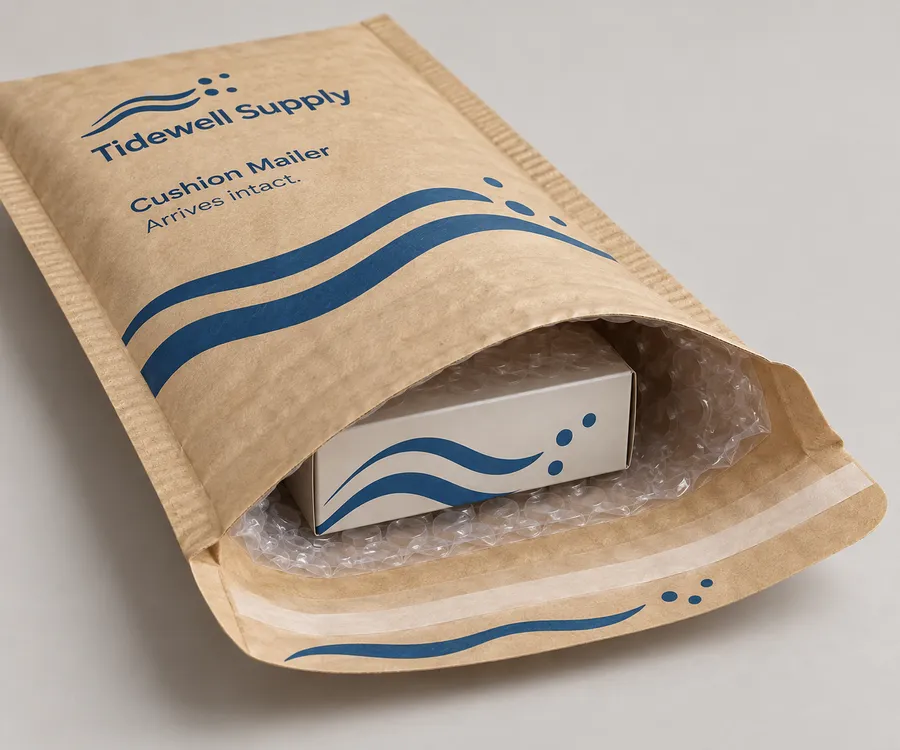
Start with the filled product, thickness, edge shape, approximate weight, opening route, and mailing conditions. The bubble lining, flexible outer face, flap, seams, and printed panels can then be reviewed together without turning an unconfirmed recycled direction into a fixed material specification.
A retail carton containing an accessory, cosmetic, or small household item can use a cushioned flexible mailer when its edges and thickness leave room for the flap.
Cards, fabric swatches, sachets, or light sample packs can fit when sleeves and inserts are included in the packed profile.
Repeat shipments can use a consistent printed outer face when the filled thickness and closure routine remain within the reviewed range.
Reports, cards, and promotional pieces can use the flyer side of the category when some flexibility is acceptable.
Map the front, back, flap, seam, and opening areas on the assembled flexible package so brand text, product information, return details, and handling cues remain readable. Matte Lamination, Gloss Lamination, Spot UV, and Foil Stamping can be considered for selected artwork subject to material and proof review.
A flexible bubble mailer can suit a product that needs some separation from light knocks and can tolerate flexible handling. The filled profile determines whether the flap, seal, seams, and cushioned side work as intended; brittle or crush-sensitive contents may need a different outer structure.
The padded lining can buffer light knocks for suitable small goods without claiming the crush resistance of a rigid carton.
A peel-and-seal flap can keep packing quick, while a tear strip can clarify the recipient opening when that route is needed.
The requested recycled direction is confirmed during sourcing with the final material, lining, adhesive, and print compatibility.
A supported quote starts with the filled product and ends with digital proof approval. Share the physical details and visual direction together so the mailer, flap, cushioning, material request, and route can be considered as one specification.
Provide packed length, width, fullest thickness, orientation, quantity, weight, and any sleeve, insert, hard corner, or projection.
Explain how the package will be mailed, handled, carried, and opened, including any tear-strip or return requirement.
Identify the requested recycled direction and note any category material, lining, adhesive, or surface questions for sourcing.
Share artwork status, exterior or interior coverage, and any Matte Lamination, Gloss Lamination, Spot UV, or Foil Stamping preference.
Check filled fit, flap overlap, seam position, printed orientation, return details, material note, and finish representation.
Need help with structure, materials, or production planning? See how we manufacture custom packaging.
A sample kit carries a $44.99 USD shipping charge credited toward your first order, useful when you need to compare the bubble-lined feel, flap closure, surface direction, and print treatment before approving a recycled-mailer brief.
Shipping charge: $44.99. Credited toward your first order.
Request a Sample KitFind clear answers about fit, materials, and ordering below.
It is a flexible mailer brief with a bubble-lined interior, closeable flap, and printed outer face for suitable shipments. The requested recycled direction is confirmed during sourcing; no recycled-content percentage or certification is assumed without evidence.
Send the packed length, width, fullest thickness, product count, orientation, approximate weight, hard corners or projections, and any carton, tissue, card, or sleeve that stays inside. The lining, seams, flap, and adhesive area occupy part of the outer envelope.
Only when the product can tolerate flexible handling and does not need a defined crush-resistant presentation. The lining can cushion light knocks for suitable goods, but brittle, sharp, heavy, or crush-sensitive contents may need a rigid mailer or inner pack.
The category directions include Kraft Paperboard, flexible film, and Corrugated Board, with Matte Lamination, Gloss Lamination, Spot UV, and Foil Stamping as finish directions. The final recycled material and finish remain subject to sourcing, construction, and artwork review.
Map the front, back, flap, seams, adhesive area, and opening route on the assembled mailer. Keep the wordmark, product information, return details, and handling cues readable after closing, and use the digital proof to check orientation and finish representation.
The standard fulfillment path starts at 50 units. Production begins from 7 business days after digital proof approval, with free US shipping and dieline and proof review at no extra charge. Your final unit price is confirmed in a quote because the packed product, material direction, closure, artwork, finish, and quantity determine the specification.
Orders start at 50 units and scale up to 500,000 for bulk runs, with pricing from $0.35 per unit on larger quantities. Standard production is from 7 business days after digital proof approval.
Compare nearby products and request the format that best fits your next run.
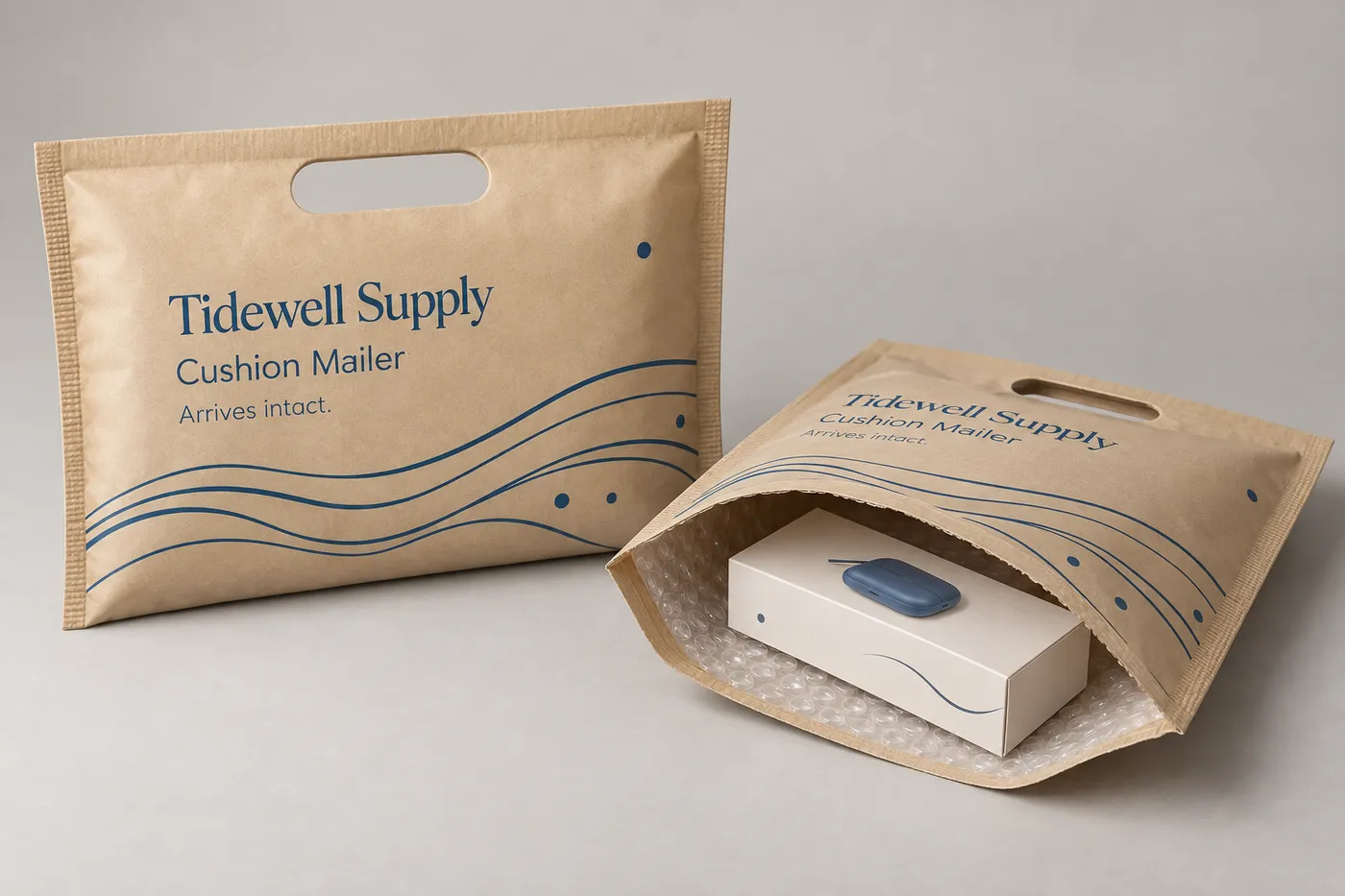
Available product
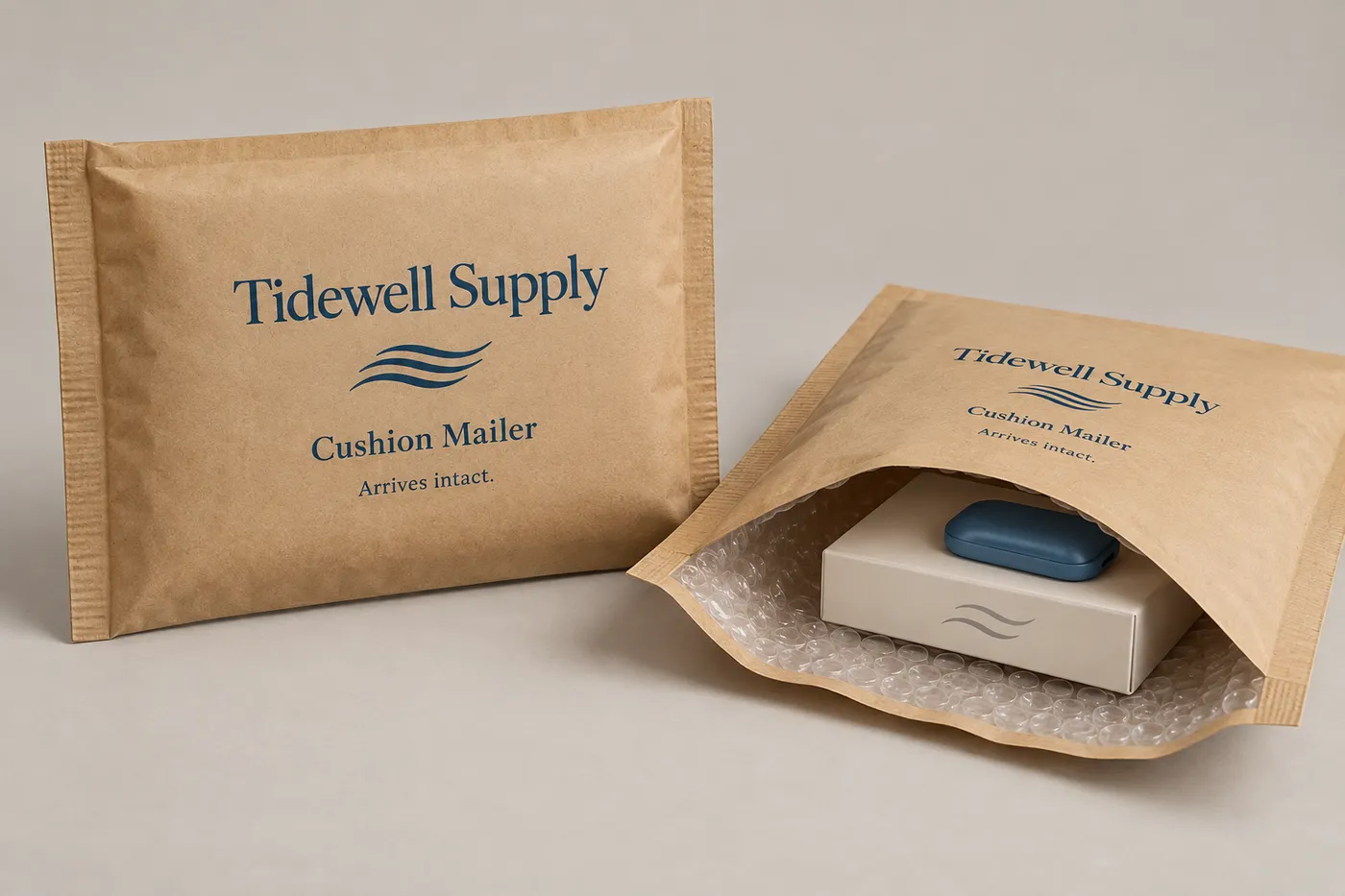
Available product
Available product
Available product
Plan the shipment
Send the packed dimensions, product details, opening route, requested recycled-material direction, artwork status, and finish choice. Easy Box Packaging can then review the cushioning, flap, printed panels, sourcing questions, and mailing route as one quote-ready specification.
Add your product details to see a quote summary.