Ecommerce parcels
A defined shipper footprint, aligned closure, printed brand panel, and clear label area can be scoped for a product moving through a parcel route.

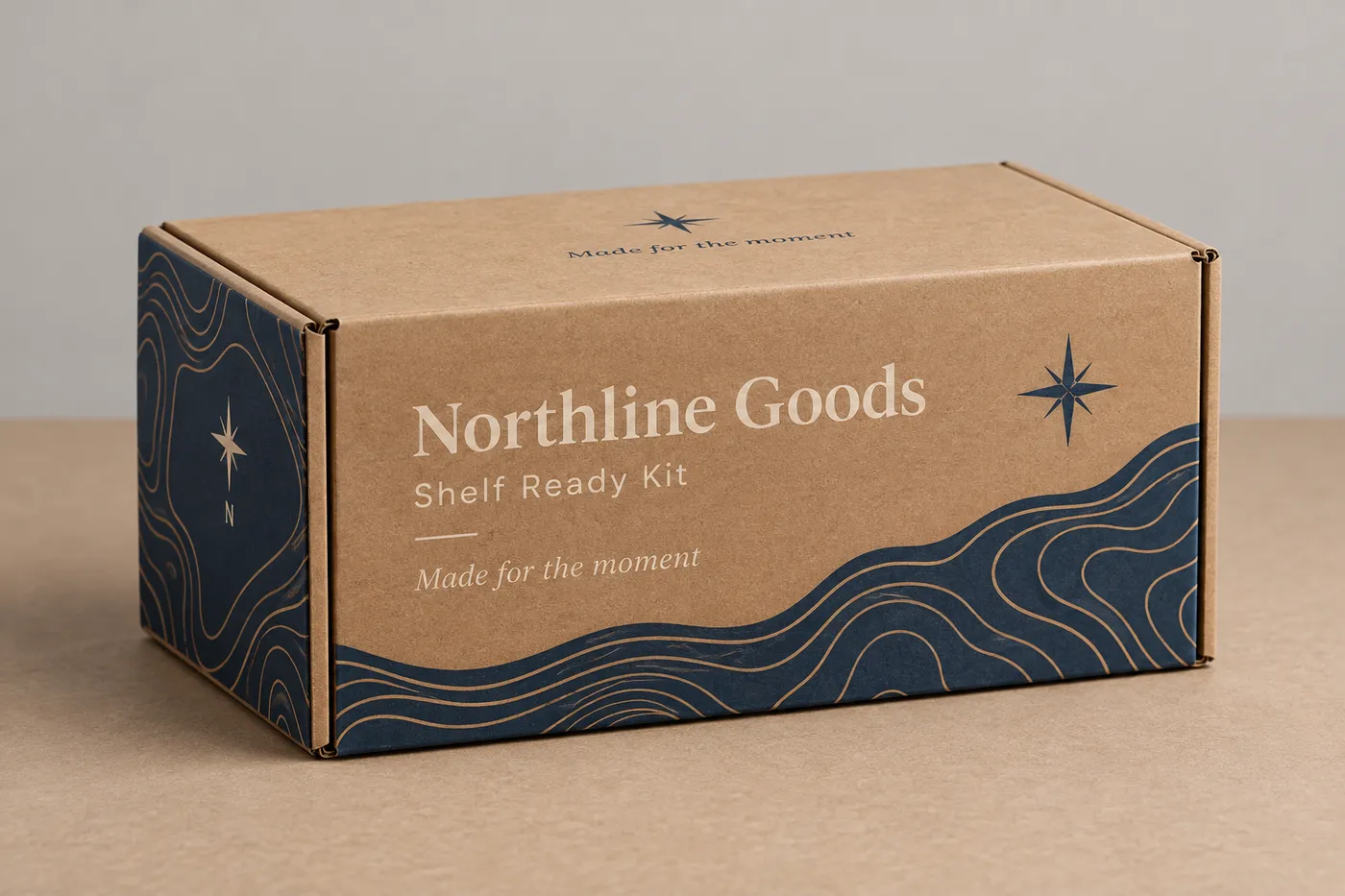
Closed kraft retail shipping box with printed panels, tuck closure, and clean scored folds
Retail Packaging
Custom retail shipping boxes are sized around the packed product, the opening sequence, and the route from fulfillment to customer. Corrugated or paperboard construction, printed exterior and interior panels, practical closures, and optional support can be reviewed together so the box works as both a shipper and a retail touchpoint.
Last updated
Working quote
Product brief
A retail shipping box has to make sense at two moments: when a packer fills it and when a customer receives it. Begin with the packed product, the route, and the presentation goal rather than an empty nominal size. Tell us whether the carton moves through parcel handling, local pickup, store replenishment, or a subscription workflow. That context changes the questions around closure alignment, stacking, product clearance, label placement, and whether the carton is assembled before handoff or stored flat.
The first useful brief is the complete load. Share the packed length, width, height, widest points, weight, orientation, item count, accessories, and any protrusions. A single boxed item, a bottle with a pump, and a multi-piece kit create different panel and support needs even when the outside footprint appears similar. Include a photo or simple top and side view when the contents are irregular.
Finished dimensions should leave the clearance needed for the real product, closure, and any insert or void-fill under review. Do not substitute a nominal product size for the filled arrangement. Note whether packing is manual or repeatable on a line, whether cartons will be stored assembled, and whether filled boxes will be stacked. Those details connect the interior footprint to the fold sequence and the way the pack will be carried.
A retail shipper may use a tuck top, locking tab, hinged lid, mailer-style fold, or another closure suited to the geometry. The right choice depends on how the carton is filled, sealed, labeled, carried, and opened. A short local handoff and a parcel-network route do not create the same handling brief. A presentation-led box may also reserve space for tissue, a card, or a fitted support while a protection-first carton prioritizes restraint and a clean label zone.
Corrugated Board is the primary material direction for this shipping format. Kraft Paperboard and SBS Paperboard can also be reviewed when the structure or printed surface calls for a different direction. Treat these as material options, not a promise of a particular flute, gsm, edge-crush value, food-contact approval, or moisture rating. Those details are confirmed for the specific job before production.
Internal restraint depends on product geometry, packed weight, fragility, orientation, and how much movement the route allows. It may be integrated into the carton or supplied as a separate divider, card, or fitted insert after review. A stable item with a simple footprint raises different questions from a fragile or irregular product. The box should be evaluated as a complete pack, including the item, support, closure, and the label or barcode area that must remain usable.
Shipping does not mean the artwork is limited to a logo on one outside panel. Share the brand hierarchy, product information, code placement, opening message, handling notes, and any panel that must remain clear for a label. Artwork should account for fold direction, cut edges, seams, tuck areas, and the surfaces that will be hidden when the carton is closed. A digital proof is where those relationships can be checked before production.
Matte Lamination, Gloss Lamination, Spot UV, Embossing/Debossing, and Foil Stamping are finish directions that may be reviewed against the board, folds, cut edges, artwork scale, and handling context. A finish changes the surface treatment; it does not replace the need to select a suitable structure. Inside-lid or interior-panel printing can be useful when the opening sequence is part of the retail experience, but it should be planned around the actual closure and packing process.
An ecommerce parcel needs a clear closure and practical label area. A local pickup carton may put more weight on quick packing and a clean handoff. A subscription or gift kit can use printed interior panels and a deliberate opening path while still being sized around the recurring packed arrangement. Retail replenishment may need a carton that stores flat and assembles consistently. Seasonal launches and private-label goods may need a defined presentation panel without the box being mistaken for a universal protective rating.
The standard fulfillment path starts at 50 units. Production is from 7 business days after digital proof approval, with Free US shipping and dieline and proof review included at no extra charge. Quote requests are answered within 24 hours, typically the same business day. A sample kit carries a $44.99 USD shipping charge credited toward the first order when you need to compare board feel, closure direction, print treatment, and the relationship between an outer shipper and an inside reveal.
Include packed dimensions, weight, quantity, orientation, item count, handling route, loading method, closure preference, board direction, artwork status, finish direction, label area, and any divider or support need. Note whether the box should ship flat, arrive assembled, or be packed and sealed before handoff. If the carton carries an inside-lid message, identify the opening sequence and the panel that should be read first. A final proof should make the product position, closure, fold direction, printed panels, support, finish representation, and code placement easy to inspect before approval.
A well-scoped retail shipping box is a coordinated structure: the product footprint sets the interior, the route informs the closure and board review, and the proof confirms the artwork on the finished panels. Give those facts together so the quote describes a real pack that can move through fulfillment and still make sense at the customer's opening moment.
Proof points
The useful proof is an assembled-package check, not a flat artwork check alone.
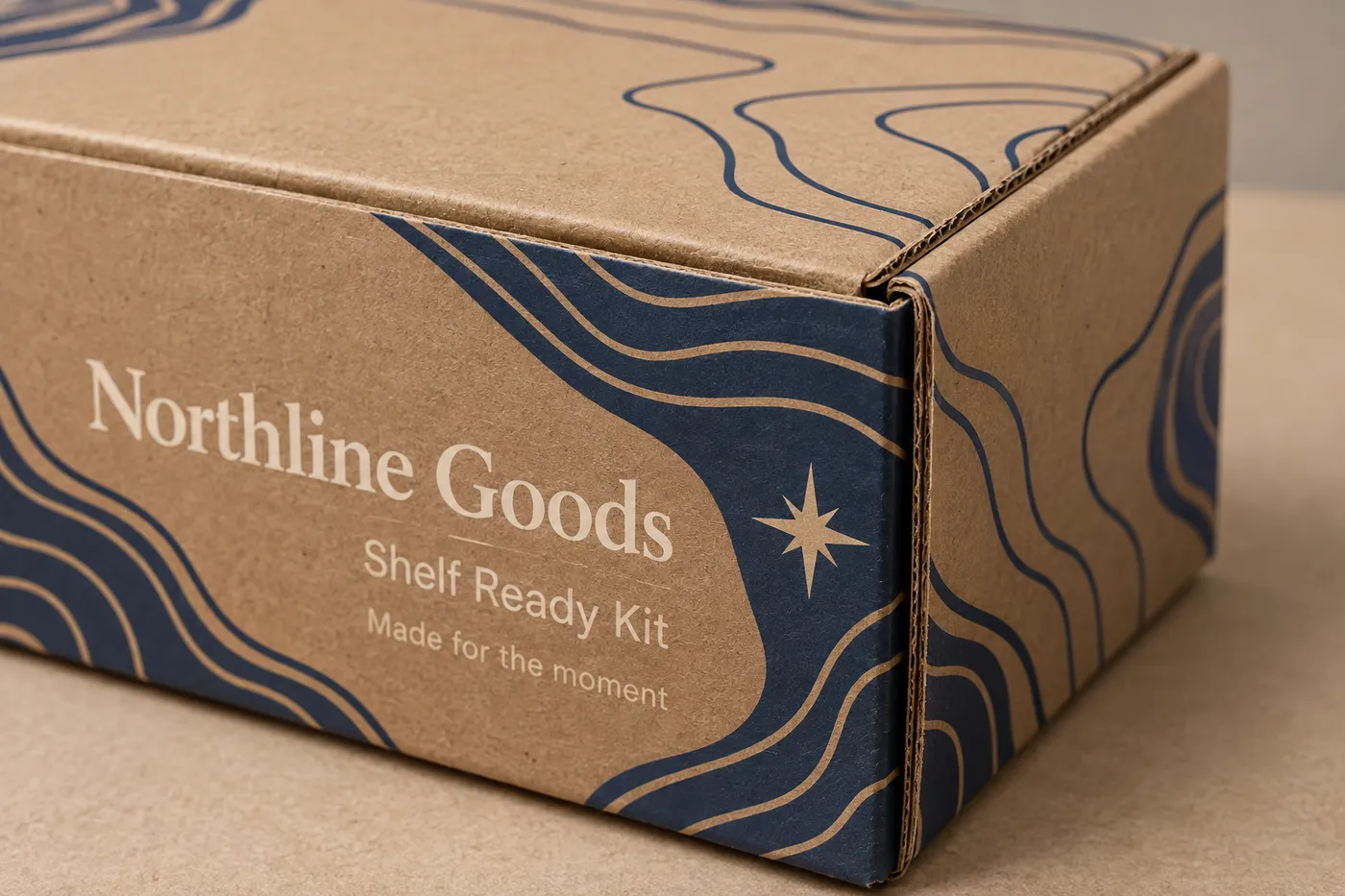
The carton is sized with the product footprint, closure, fold lines, printed panels, and handling route in view. That keeps the packed load defined while leaving room for the retail details customers see when the box is opened.
A defined shipper footprint, aligned closure, printed brand panel, and clear label area can be scoped for a product moving through a parcel route.
A structured carton can protect a prepared item or curated set while the closure and loading sequence stay practical for a short handoff.
Printed panels and a deliberate opening path can organize a recurring set or gift bundle around the actual packed arrangement.
A flat-shipped or assembled carton can be planned for repeatable packing and store delivery when the product needs a defined outer shell.
Share the dieline, artwork, color references, code placement, label area, and any inside-lid message. Finishes are selected with folds, seams, board direction, and the packed product in view.
Send the packed dimensions, weight, orientation, item count, closure preference, artwork status, label area, and route. Those inputs give the dieline and proof review a real basis.
Describe the product footprint, protrusions, orientation, and any divider or insert so the interior and closure are reviewed against the real load.
Describe whether the pack is parcel-led, pickup-led, retail-led, or a hybrid so the construction and closure can be reviewed around handling.
Review the printed hierarchy, label area, product position, fold direction, closure, and opening sequence together in the digital proof.
A clear sequence keeps the packed product, construction, and artwork aligned before the run begins.
Send packed dimensions, weight, orientation, item count, handling route, closure preference, label area, and whether the box ships flat or assembled.
Provide the dieline if available, printed panels, color references, codes, finish direction, and a photo or sketch of the packed arrangement.
Check the folds, closure, label area, printed hierarchy, opening sequence, and product position together. Dieline and proof review are included at no extra charge.
Once the configuration and proof are approved, production starts from 7 business days and the standard fulfillment path includes Free US shipping.
Need help with structure, materials, or production planning? See how we manufacture custom packaging.
A sample kit carries a $44.99 USD shipping charge credited toward your first order, giving you a way to review board feel, print, finish, and closure direction before committing to a run.
Shipping charge: $44.99. Credited toward your first order.
Request a Sample KitFind clear answers about fit, materials, and ordering below.
Measure the packed product's width, depth, and height, then note orientation, weight, item count, desired clearance, closure preference, and the way the finished box will be handled. A photo or sketch helps clarify the load.
Yes. Interior print, dividers, cards, or a fitted support can be considered when each feature matches the packed product, loading sequence, and route. The final relationship is confirmed in the dieline review.
Corrugated Board is the main material direction, with Kraft Paperboard or SBS Paperboard reviewed when the structure and printed surface call for it. Matte Lamination, Gloss Lamination, Spot UV, Embossing/Debossing, and Foil Stamping are finish directions subject to artwork and production review.
Yes. Dieline and proof review are included at no extra charge. Check the closure, product position, folds, artwork, codes, label area, and opening sequence together before approval.
The approved standard estimate is from 7 business days after digital proof approval. The final schedule follows the confirmed construction, artwork, quantity, and production path.
The standard fulfillment path starts at 50 units. The final quote depends on the finished dimensions, board direction, closure, artwork, handling route, and quantity requested.
Orders start at 50 units and scale up to 500,000 for bulk runs, with pricing from $0.35 per unit on larger quantities. Standard production is from 7 business days after digital proof approval.
Compare nearby products and request the format that best fits your next run.
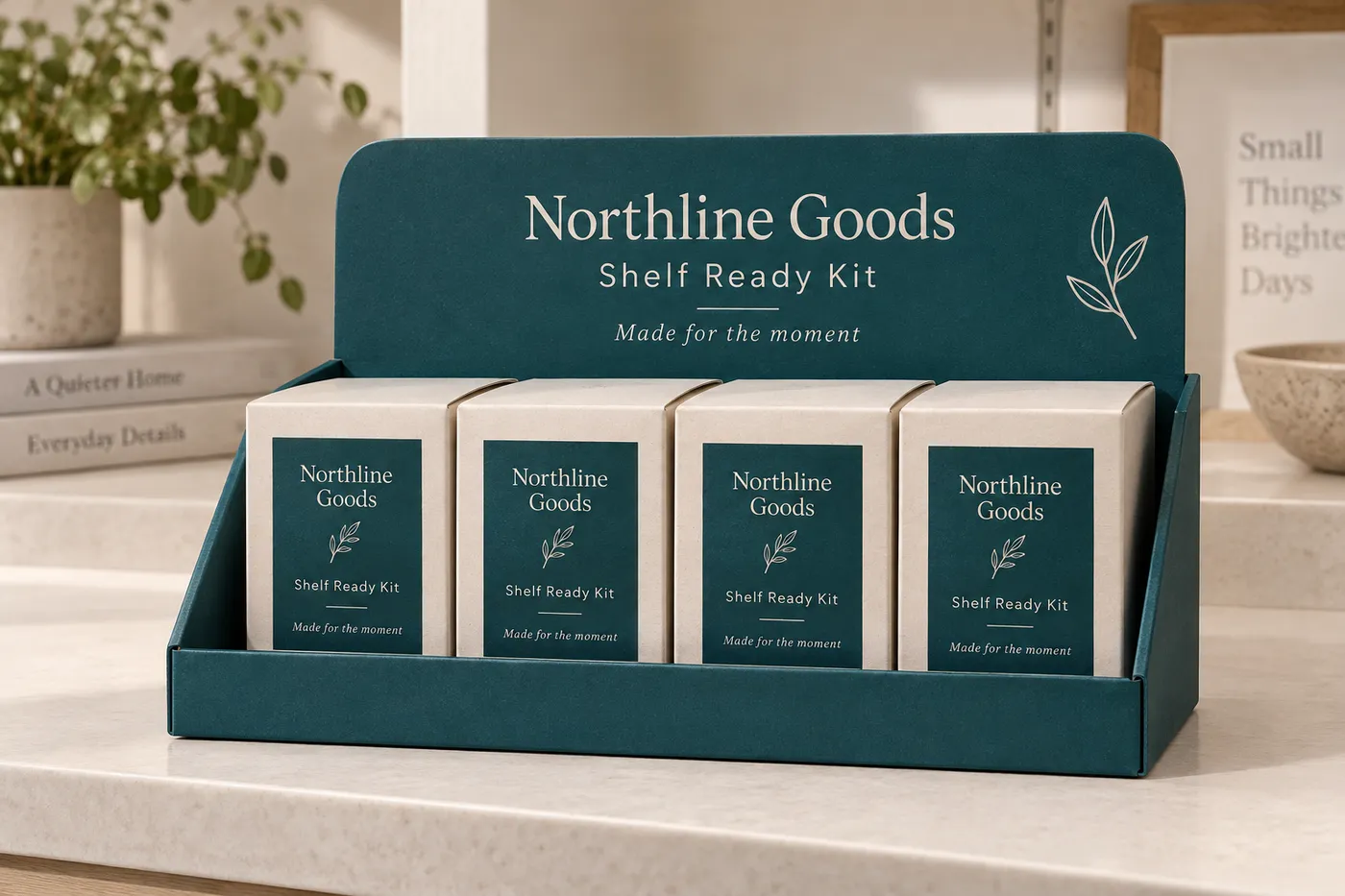
Available product
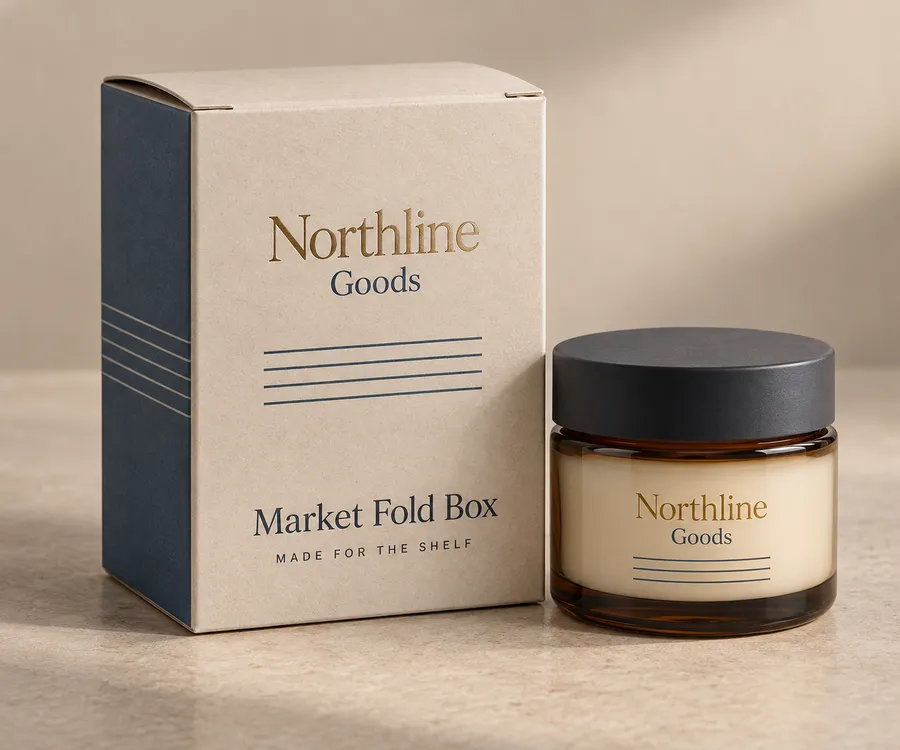
Available product
Retail shipping packaging
Send the packed dimensions, route, artwork, quantity, closure preference, and support needs. We will review the board direction, closure, printed panels, and opening experience as one configuration.
Add your product details to see a quote summary.