Subscription parcels
A consistent white exterior can give recurring shipments a clear visual base while the interior is sized for the product set, card, and packing material in each cycle.

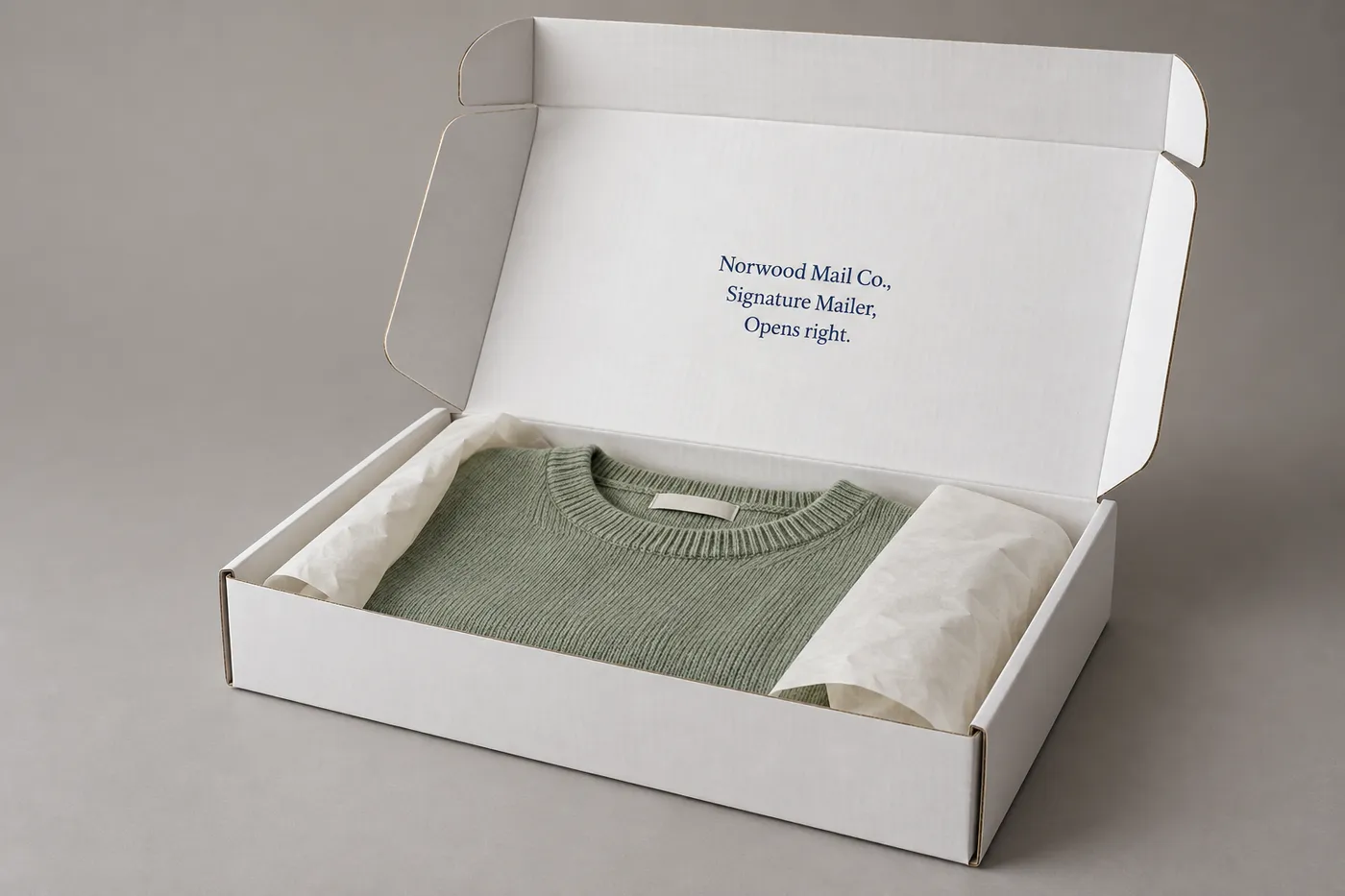
Open white mailer box with folded green knit apparel inside
Mailer Boxes
White mailer boxes give ecommerce, subscription, and small-goods shipments a clean paper-faced exterior without losing the product-specific structure of a made-to-order folding box. The packed dimensions, board direction, tuck-in closure, print placement, and optional finish are reviewed together so the white surface works as part of the shipment rather than as a generic carton color.
Last updated
Working quote
Product brief
White mailer boxes create a clear, neutral presentation for a shipment, but the color does not determine the structure by itself. The box still needs to be sized around the finished packed product, the way it will be loaded, the closure route, and the surface treatment that should remain visible after folding. A white paper-faced corrugated or paperboard direction can suit subscription parcels, apparel bundles, stationery, accessories, and other compact products that need a contained folding format. The visual choice is cleaner than a natural kraft exterior, while the practical work remains the same: define what goes inside, how it is oriented, and what the recipient should see when the lid opens.
The white surface also gives artwork a different starting point from an unprinted kraft mailer. A small navy wordmark, a restrained interior message, or a limited color field may read clearly against the light face, subject to artwork and proof review. That does not mean every white mailer needs broad coverage. The right brief may be a mostly white exterior with one controlled brand cue, or it may call for a more complete printed treatment. Decide that after the product, folding panels, and opening sequence are understood.
Start with the packed item as it will enter fulfillment. Provide the finished length, width, and height, product count, packed weight, orientation, existing tissue or wrap, and any part that projects beyond the main body. A folded garment should be described as the folded bundle rather than the garment laid flat. A book or stationery set should include its sleeve, belly band, or protective wrap if that component remains in the mailer. For a subscription parcel, list the items together and identify whether a card, insert, or filler changes the stack height.
Those inputs establish the interior footprint, depth, lid relationship, and amount of space available for the opening sequence. Final clearance is confirmed during specification and dieline review rather than guessed from a product category. If the packed item can be placed in more than one orientation, state which presentation matters at fulfillment and which face should greet the recipient. A white mailer can look simple from the outside while still needing a careful fit decision inside.
The lid and locking panels determine how the mailer is loaded, closed, and opened, so they should be reviewed as one route. A tuck-in lid can keep the exterior clean before dispatch, while the side tabs and fold lines guide the assembled shape. The useful arrangement depends on the packed thickness, product rigidity, orientation, packing method, and whether the recipient should open the box from the top or the front. A soft bundle may compress differently from a book or a boxed accessory, which can change the relationship between the lid and the product surface.
A white exterior does not remove those structural decisions. In fact, a light surface makes folds, panel transitions, and print placement worth checking carefully because they remain part of the finished presentation. The digital proof is the point to review the opening direction, lid coverage, locking area, and any artwork that approaches a fold. If the product changes size or the number of packed items changes, send the revised packed information for a new specification review rather than assuming the previous fit still applies.
Corrugated board, SBS paperboard, and kraft paperboard are the category's material directions to review against the actual product and shipping use. Corrugated board can suit a structured shipping format where the pack needs a more substantial board character. SBS paperboard may be considered when a smoother light-colored face matters for a controlled print treatment. Kraft paperboard can be evaluated when the construction brief needs a paperboard option with a different surface character, while the exterior direction remains white through the selected stock or print treatment.
There is no universal material choice for every white shipping mailer. Compare the packed weight, product rigidity, intended shipping route, fold pattern, surface character, and desired print treatment together. Exact board thickness or flute figures are not assigned here because they need product-specific confirmation. The quote should capture the actual packed item and the desired white appearance so the stock and structure can be reviewed as one specification.
The white face can remain mostly open, carry a small text mark, or support a fuller printed design. Matte lamination can create a lower-glare surface direction, gloss lamination can introduce more sheen, and foil stamping can highlight selected lettering or linework, subject to artwork review. These options affect how the box reads in the hand and how the printed area sits across the lid, side panels, and folds.
Keep the print brief specific. Note whether the outside should stay predominantly white, whether the inside of the lid needs a message, and which panel should carry the main brand cue. The digital proof allows the artwork, panel orientation, closure route, and visible white space to be checked together. A white mailer should not be treated as a blank canvas detached from its folds; the assembled form determines what the recipient actually sees.
Orders start at 50 units. Production begins from 7 business days after digital proof approval, and free US shipping is included on the standard fulfillment path. Dieline and proof review are included on every order at no extra charge, so the buyer can confirm the packed fit, lid route, panel orientation, white surface, and selected artwork before production. A sample kit ships for a $44.99 USD charge credited toward the first order when the board feel, fold behavior, or finish needs to be checked in hand.
For a quote, send the packed dimensions, product count, weight, intended shipping use, preferred white material direction, artwork status, finish request, and any internal support requirement. The product remains quote-only because no defensible product-specific unit price is present in the available sourcing record. That keeps the commercial answer tied to the real specification instead of presenting a generic number that may not match the pack.
Proof points
The light exterior is deliberate. The proof points are the construction and presentation decisions that make the color work for a real fulfillment route.
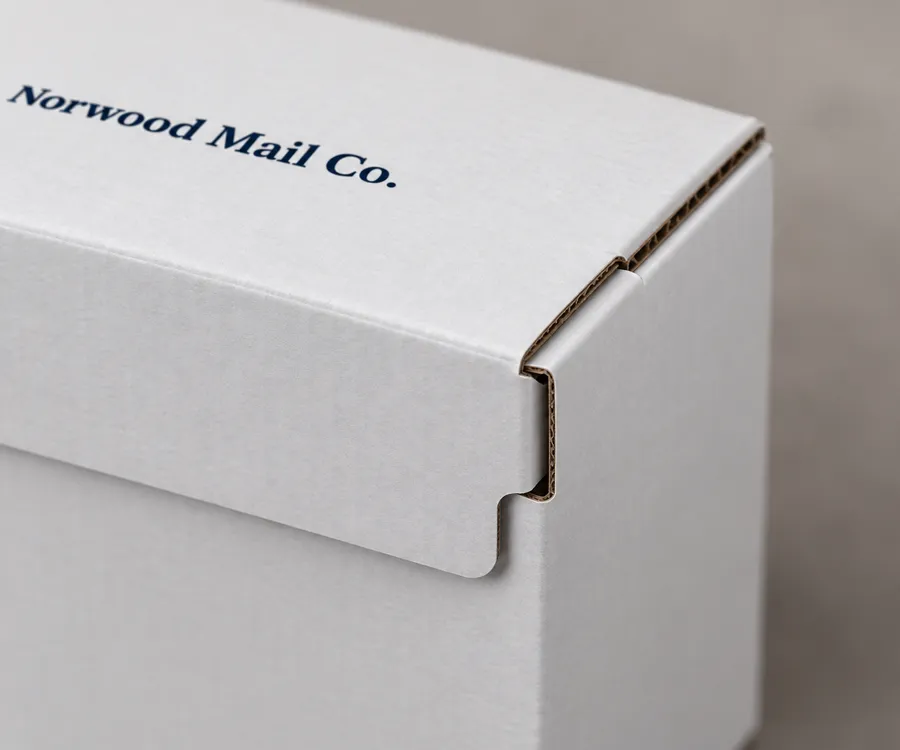
A white mailer box gives the shipment a clean exterior while the specification handles the packed product, lid depth, closure route, material direction, and print placement. That combination suits a brand that wants a clear presentation without treating color as a substitute for structural planning. Share the finished pack dimensions, loading method, and intended surface direction so the mailer can be reviewed as an assembled format rather than a generic box with a white finish.
A consistent white exterior can give recurring shipments a clear visual base while the interior is sized for the product set, card, and packing material in each cycle.
A folded garment or soft accessory can use a shallow mailer when the compressed bundle, opening direction, and amount of filler are defined before sizing.
A white paperboard mailer can contain flat goods with a clean exterior, provided the packed stack height and any corner protection are included in the specification.
Compact accessories can use a folding white format when the product count, individual wrap, and any internal support are reviewed together.
The primary direction is a clean white outer face. If the box needs a brand cue or a different surface response, select the treatment with the lid folds, locking panels, and reading angle in mind.
The white surface is only one part of the brief. These inputs keep the appearance, packed fit, and opening route tied to the real order.
Finished length, width, height, weight, orientation, count, and existing wrap establish the interior information to review.
The tuck-in lid, side locking panels, and fold lines are considered with the loading method and recipient opening direction.
The outer face can remain mostly white, carry a restrained mark, or support a selected finish subject to artwork review.
A quote is easier to scope when the white surface is described alongside the packed product and the way the box will be fulfilled.
Provide packed length, width, height, weight, orientation, product count, and any projection or wrap that changes the fit.
Explain how the item will be placed, whether filler or internal support is involved, and how the lid should open at fulfillment and delivery.
State how much of the exterior should remain white and share any request for a mark, interior message, material, or finish.
Check the packed fit, lid and closure, panel orientation, white space, surface treatment, and artwork before production begins.
Need help with structure, materials, or production planning? See how we manufacture custom packaging.
A sample kit ships for a $44.99 USD charge credited toward your first order, useful when you need to compare board feel, fold quality, white surface character, or a selected finish before approving the mailer.
Shipping charge: $44.99. Credited toward your first order.
Request a Sample KitFind clear answers about fit, materials, and ordering below.
The white direction starts with a light paper-faced exterior rather than a natural kraft appearance. The interior footprint, lid, closure panels, material, packed fit, and artwork review are still customized around the product. A restrained wordmark, interior message, or selected finish can be scoped without turning every exterior panel into a printed pattern.
Provide the finished packed length, width, and height, along with weight, product count, orientation, existing wrap, and any part that projects beyond the main body. Measure a folded garment as a folded bundle and a book with its sleeve or wrap. Final clearance is confirmed during the dieline review.
Corrugated board, SBS paperboard, and kraft paperboard are the category's material directions to review. The selected stock should be considered with the packed product, shipping use, fold pattern, desired white appearance, and print treatment rather than chosen from color alone.
A small wordmark or interior message can be reviewed as an artwork choice. Placement should be checked against the lid folds, locking panels, and opening direction in the digital proof. The white exterior can remain mostly open, or a broader print direction can be considered when the assembled panels and intended reading angle support it.
The approved standard estimate is from 7 business days after digital proof approval. Orders start at 50 units, and free US shipping is included on the standard fulfillment path. Dieline and proof review are included on every order at no extra charge, while the final schedule remains tied to the approved product specification.
Orders start at 50 units and scale up to 500,000 for bulk runs, with pricing from $0.40 per unit on larger quantities. Standard production is from 7 business days after digital proof approval.
White mailer boxes give ecommerce, subscription, and small-goods shipments a clean paper-faced exterior without losing the product-specific structure of a made-to-order folding box. Each order is made to order around your packed product and artwork, and the specification is confirmed against a digital proof before production.
Compare nearby products and request the format that best fits your next run.
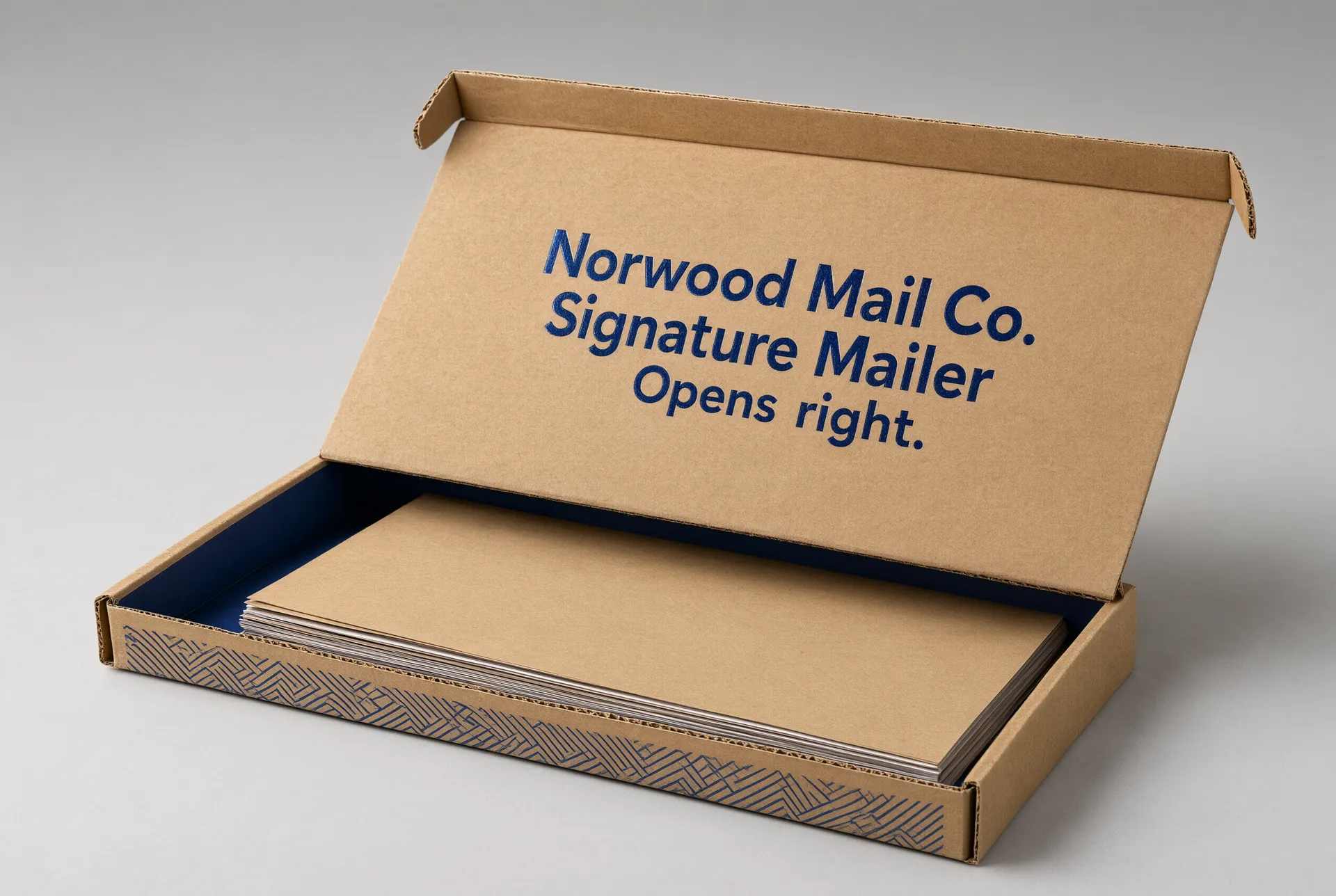
Available product
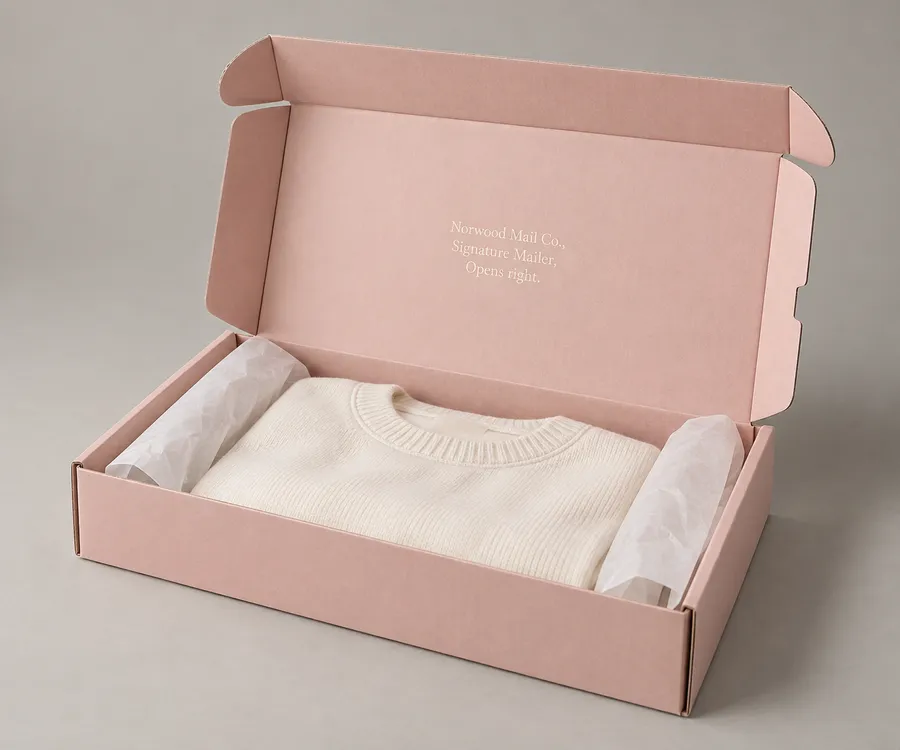
Available product
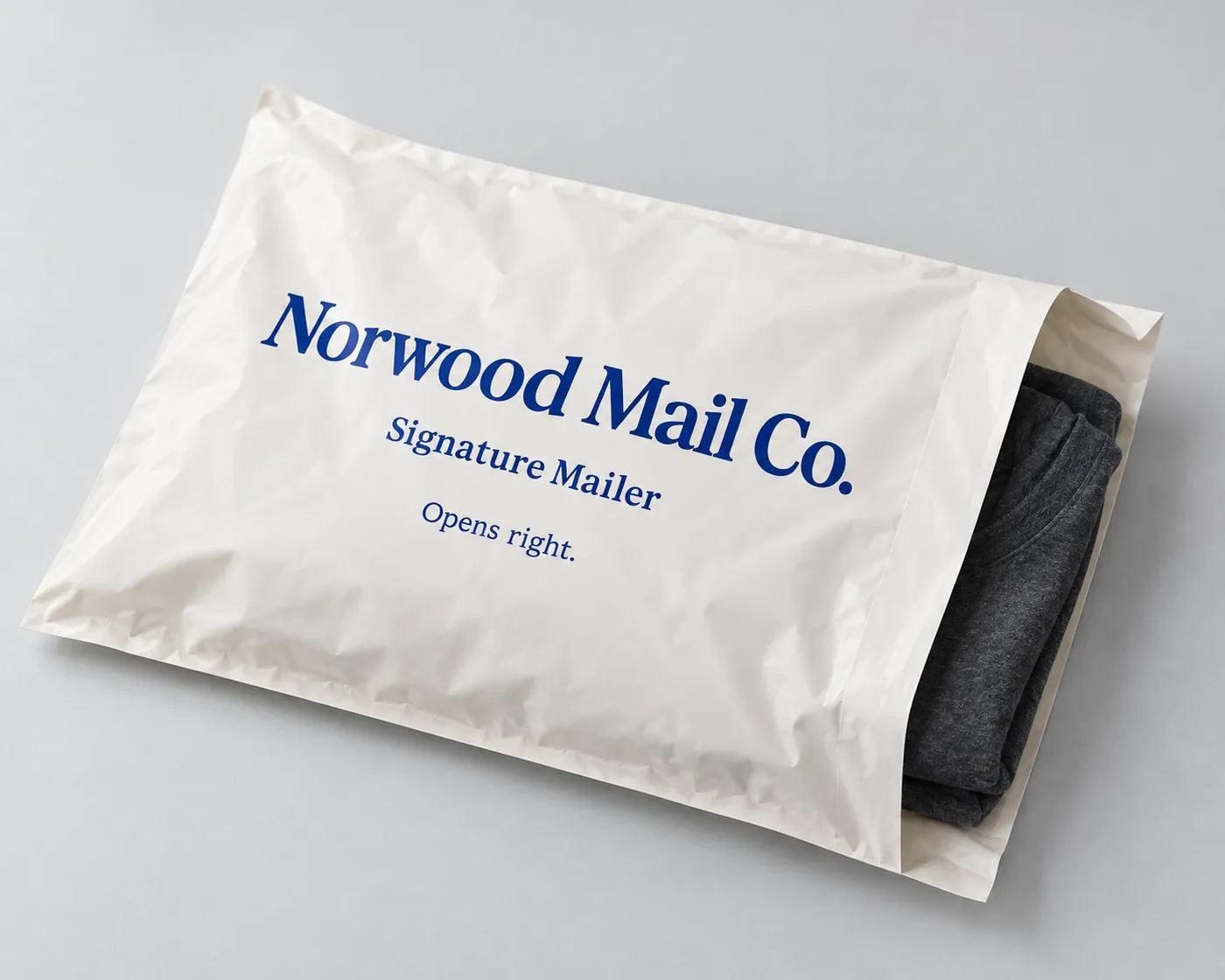
Available product
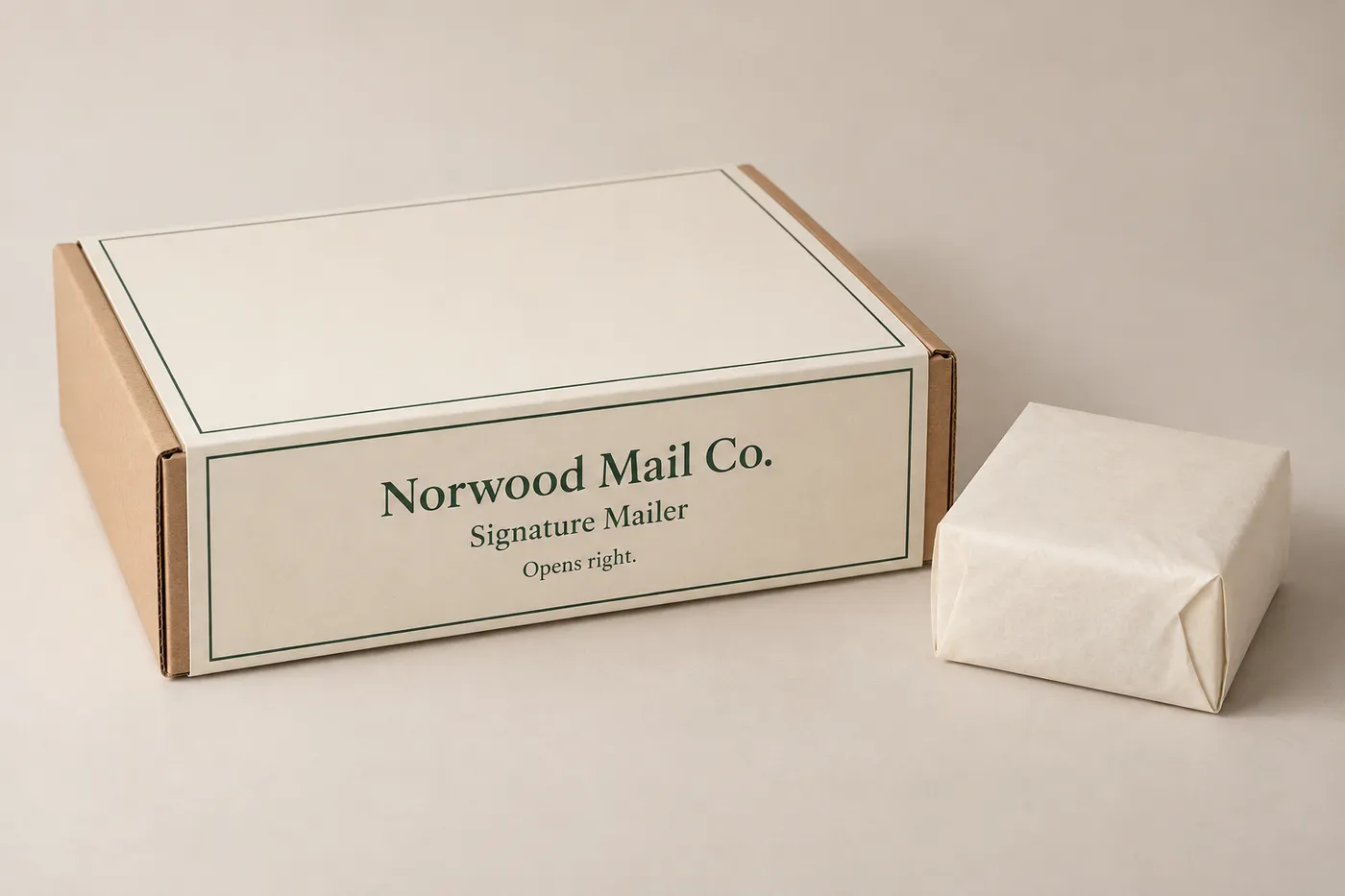
Available product
Start with the packed product
Send the packed dimensions, product count, intended shipping use, and preferred white material direction. Easy Box Packaging can then review the mailer structure, closure, board, artwork, and selected finish as one quote-ready specification.
Add your product details to see a quote summary.