Better unit economics
Larger quantities can distribute setup and production costs across more units, depending on the packaging specification and production method.

Wholesale custom packaging
Scale custom packaging around a proven product, repeat SKU, or recurring packaging program. Easy Box Packaging supports larger custom production runs across selected folding cartons, mailers, corrugated packaging, rigid boxes, inserts, and other formats, with specifications, artwork, materials, finishes, and production requirements reviewed before manufacturing.
Start with a confirmed specification, keep repeat orders consistent, and plan future quantities around real demand.
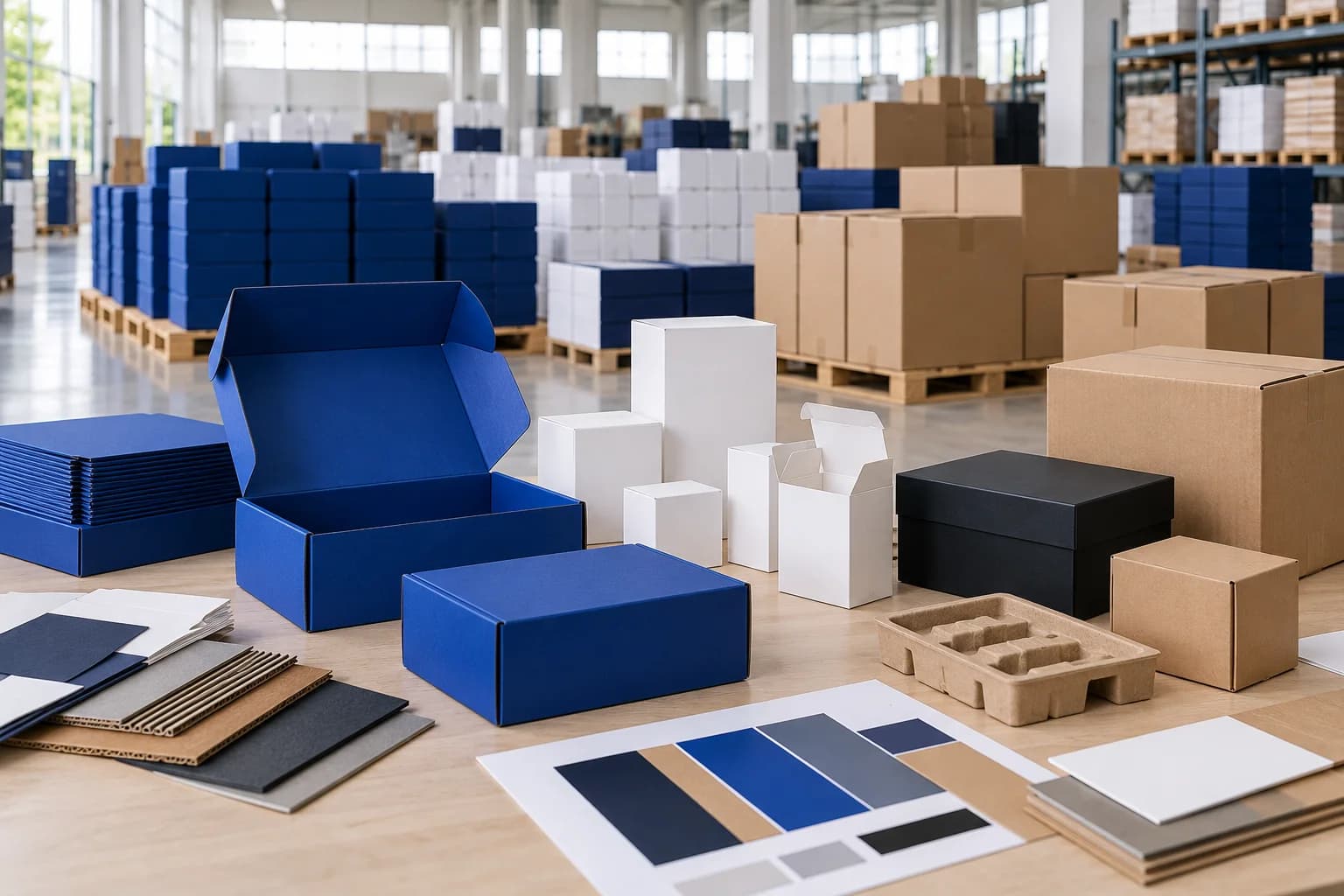
Wholesale and larger-volume production becomes useful when packaging is proven and the priority shifts toward repeatability, scale, inventory planning, and more efficient production.
Larger quantities can distribute setup and production costs across more units, depending on the packaging specification and production method.
Keep the same approved structure, artwork, and material specification as the basis for future packaging orders.
Coordinate related packaging across multiple products, sizes, or variants while maintaining a consistent brand system.
Plan larger repeat orders when demand becomes more predictable instead of rebuilding the packaging specification each time.
About wholesale custom packaging
Wholesale custom packaging is most useful for established products, repeat SKUs, and larger production requirements where dimensions, artwork, materials, and finishing can be defined and repeated. Easy Box Packaging supports larger custom packaging programs across selected box and packaging formats, with quantity, pricing, production method, and schedule confirmed against the approved specification.
Keeping the dieline, artwork version, material, and finishing details consistent helps simplify future repeat orders while allowing the packaging program to scale with demand.
Wholesale is specification-dependent. Suitability depends on packaging structure, quantity, material, dimensions, printing method, finishing, setup, packing, freight, and reorder frequency. A larger-volume program is usually the right frame when a product already has repeat demand and a longer replenishment plan.
Packaging formats
Explore the packaging categories buyers most often coordinate across a larger product range.
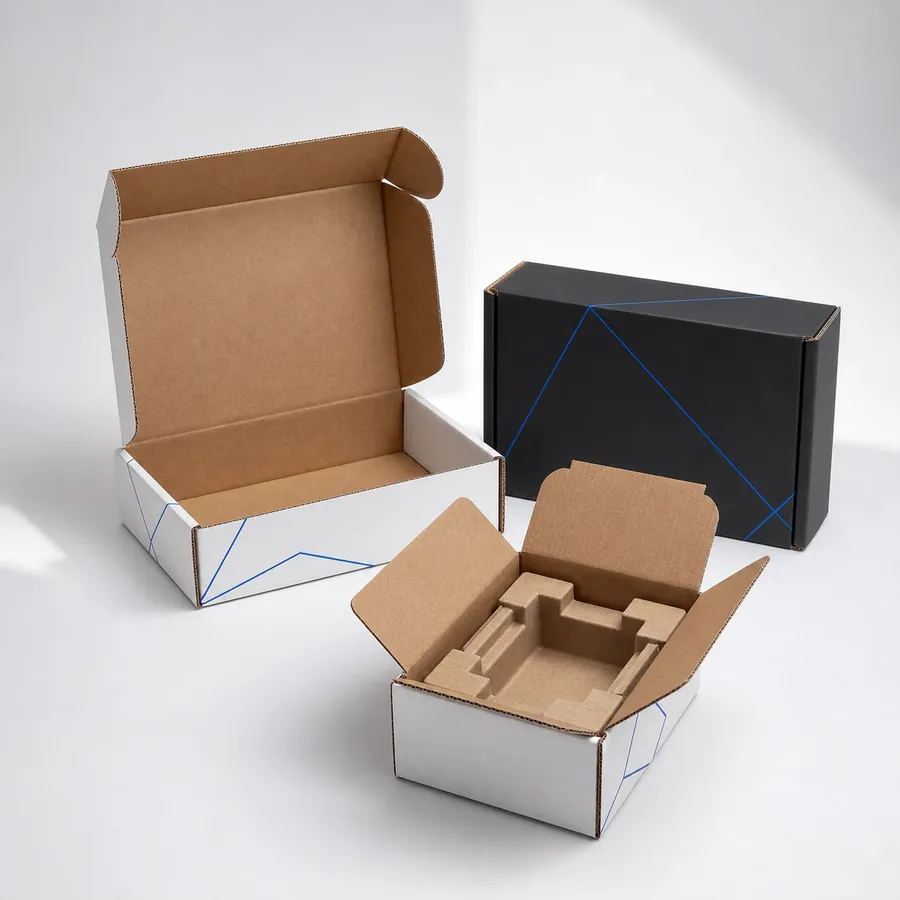
For ecommerce, subscription, launch kits, and branded direct-to-customer shipping.
Explore mailer boxes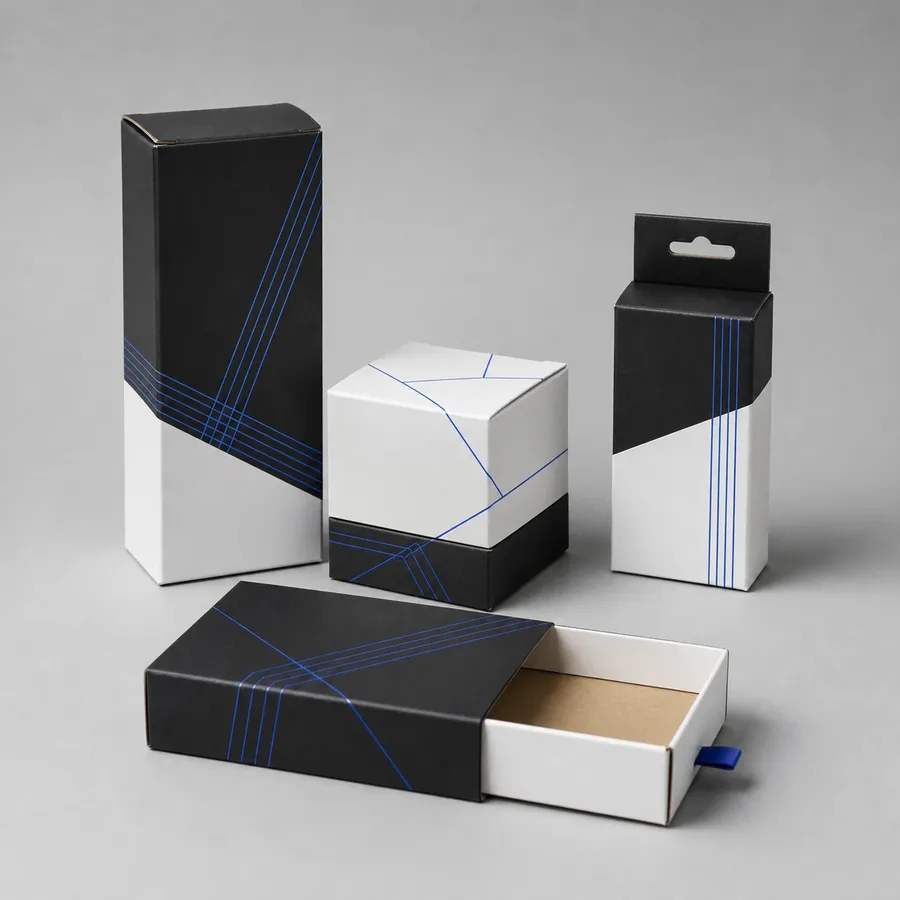
Printed folding cartons for retail, consumer goods, and repeat product lines.
Explore product boxes
Custom packaging for beauty, skincare, and personal-care product ranges.
Explore cosmetic boxes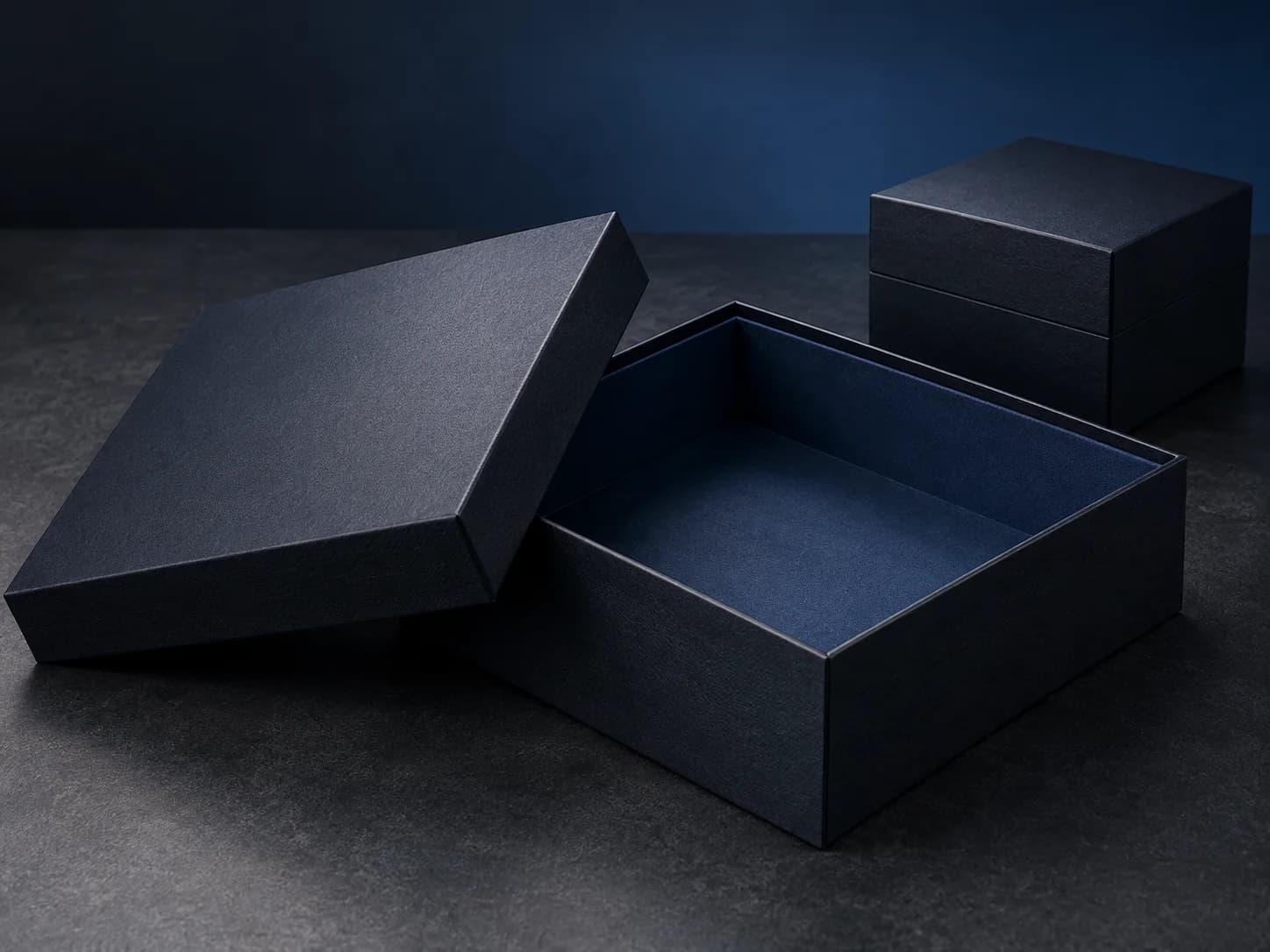
Premium presentation packaging for higher-value products, gifting, and programs.
Explore rigid boxes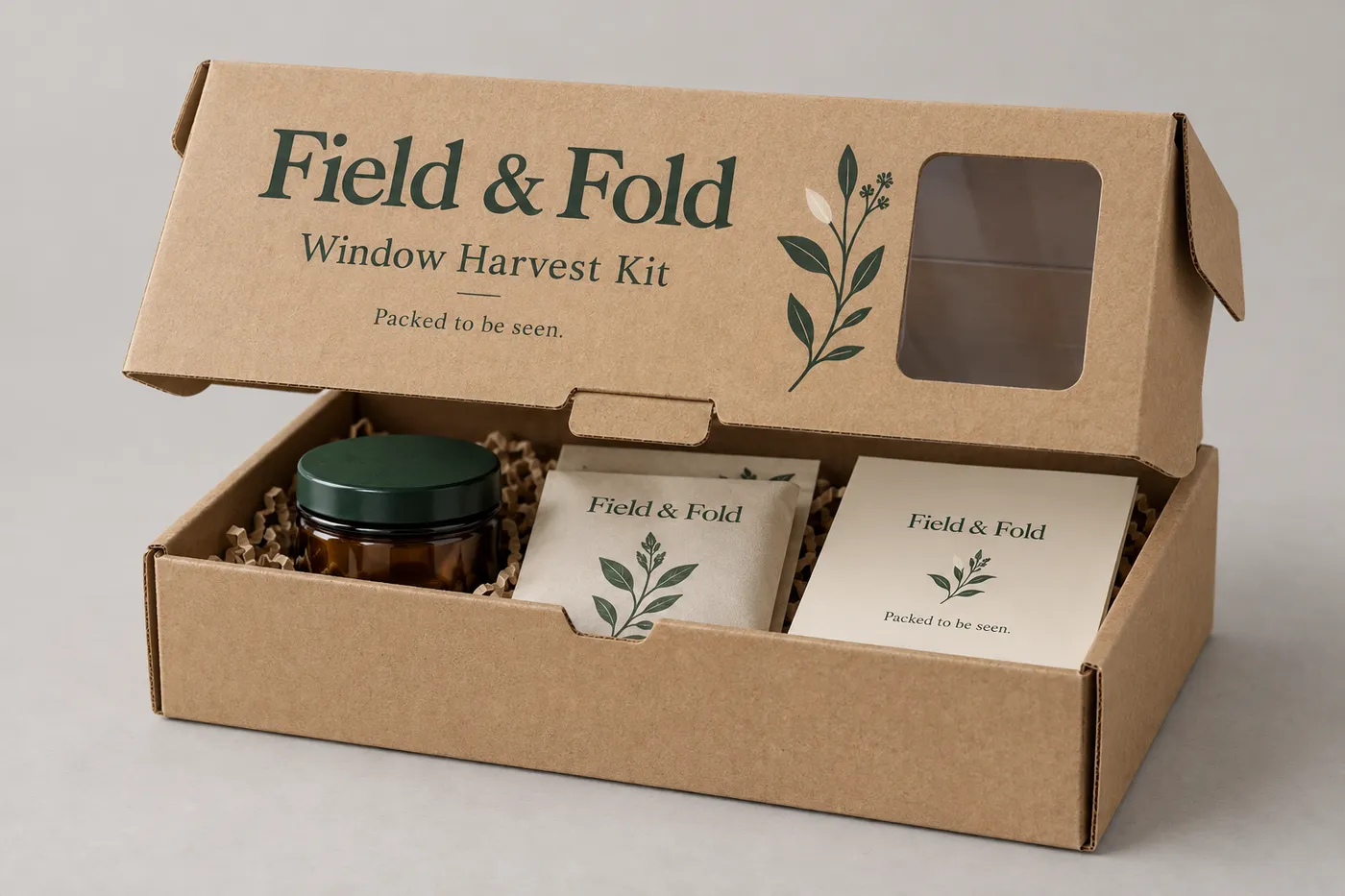
Protective custom corrugated packaging for shipping, distribution, and larger items.
Explore mailer & corrugated shipping boxes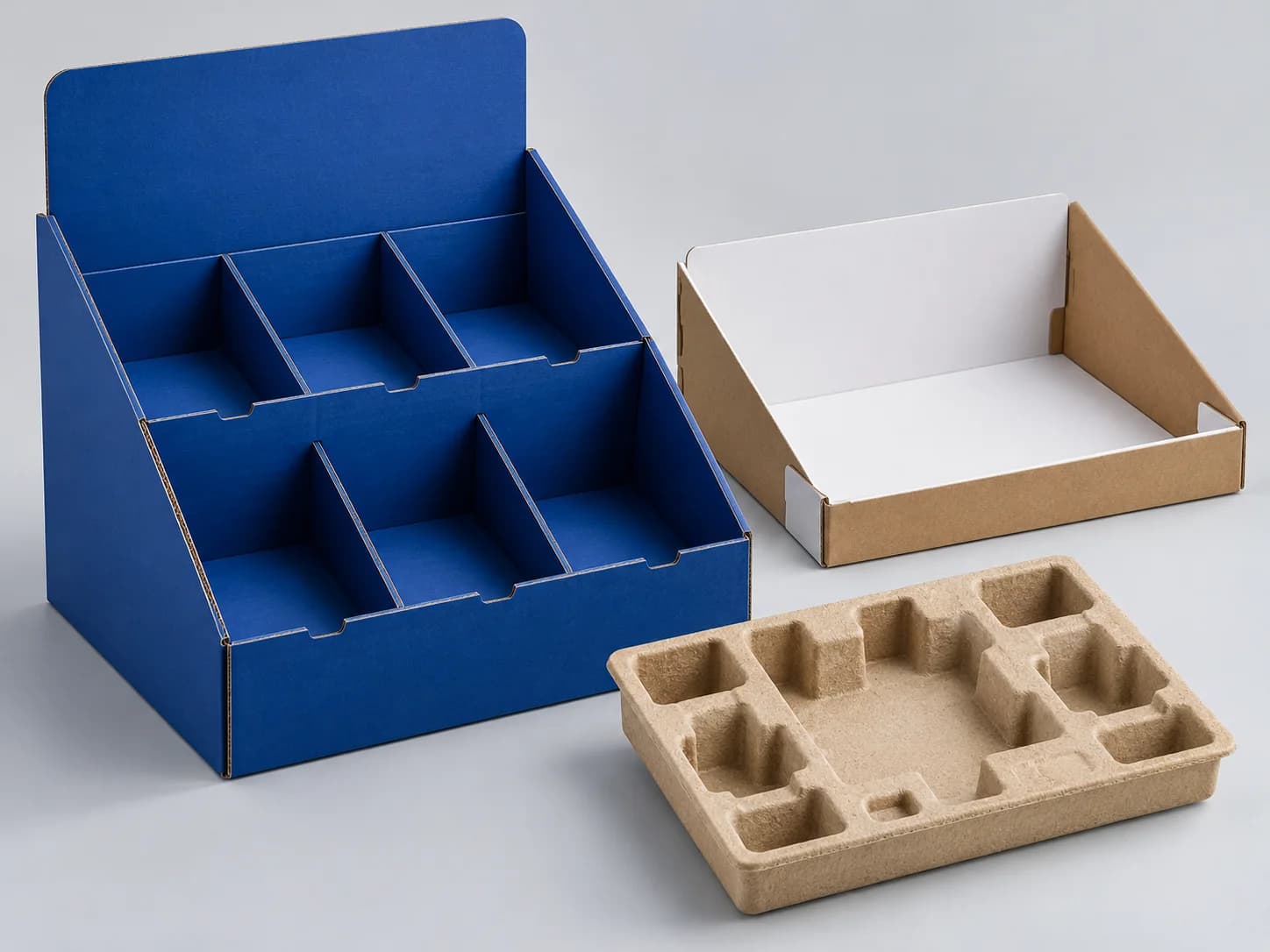
Structural inserts and display packaging for product presentation and organization.
Explore inserts & displaysQuantity matters, but it is only one part of the final packaging cost.
Complex structures can require additional converting, setup, or assembly.
Larger packaging generally uses more material and can affect shipping efficiency.
Board grade, corrugated flute, rigid board, and specialty materials change cost.
The suitable printing method depends on the design, quantity, and format.
Color requirements and print coverage can affect production setup.
Foil, embossing, specialty coatings, and other finishes add operations.
Custom inserts add material, tooling, or assembly depending on the design.
Larger runs generally distribute setup costs across more pieces.
Packing configuration can affect handling and freight.
Freight requirements vary with volume, packed dimensions, and destination.
Stable repeat demand can make production planning more predictable.
Use these illustrative buying stages to discuss planning, not to promise fixed discounts or universal thresholds.
Swipe horizontally to compare all quantities.
| Planning lens | 500 UnitsEarly volume | 1,000 UnitsGrowing demand | 2,500 UnitsEstablished SKU | 5,000+ UnitsLonger-term program |
|---|---|---|---|---|
| Best for | Initial repeat demand | Growing product line | Established products | Higher-volume recurring demand |
| Inventory commitment | Moderate | Moderate | Higher | Higher |
| Unit economics | Improving | More efficient | Better setup allocation | Generally strongest scale efficiency |
| Production planning | Plan short replenishment cycles | Regular replenishment | Ongoing production planning | Longer-term supply planning |
Actual economics depend on structure, material, print method, finishing, packing, freight, and production route.
Wholesale custom packaging
Low-MOQ custom packaging
Larger and repeat programs work best when important packaging details are documented and reused accurately. A clear reference set makes the next quote easier to review and reduces the risk of an outdated file or material being reused.
Keep the correct structural file tied to the right product and finished dimensions.
Maintain the approved artwork version so outdated files are not reused accidentally.
Document the approved board, flute, paper, or other substrate requirements.
Keep printing, coatings, foil, embossing, and other approved finishing details aligned.
Reference the appropriate approved proof or sample for future repeat production.
Use consistent SKU names or identifiers across quote and production records.
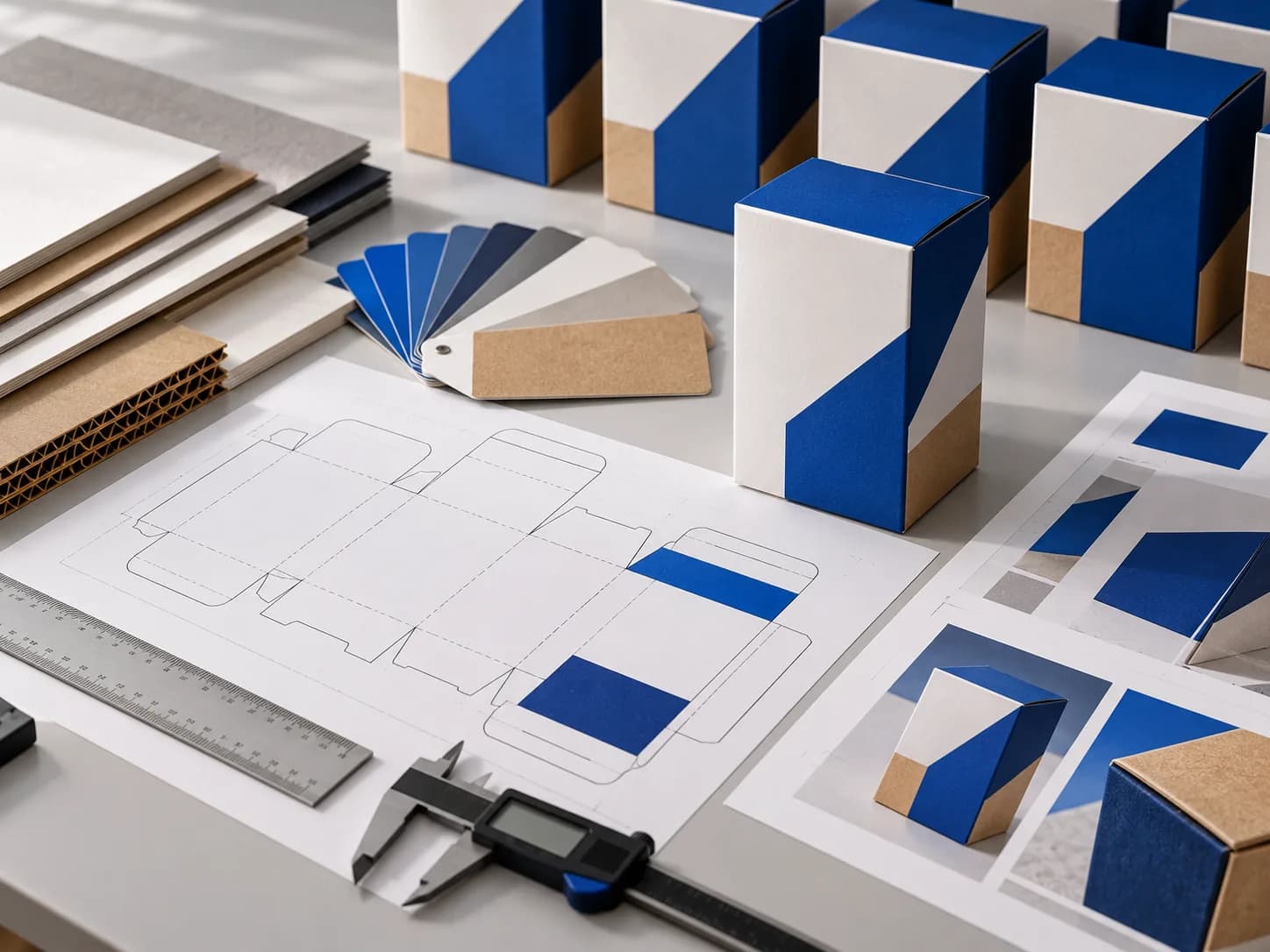
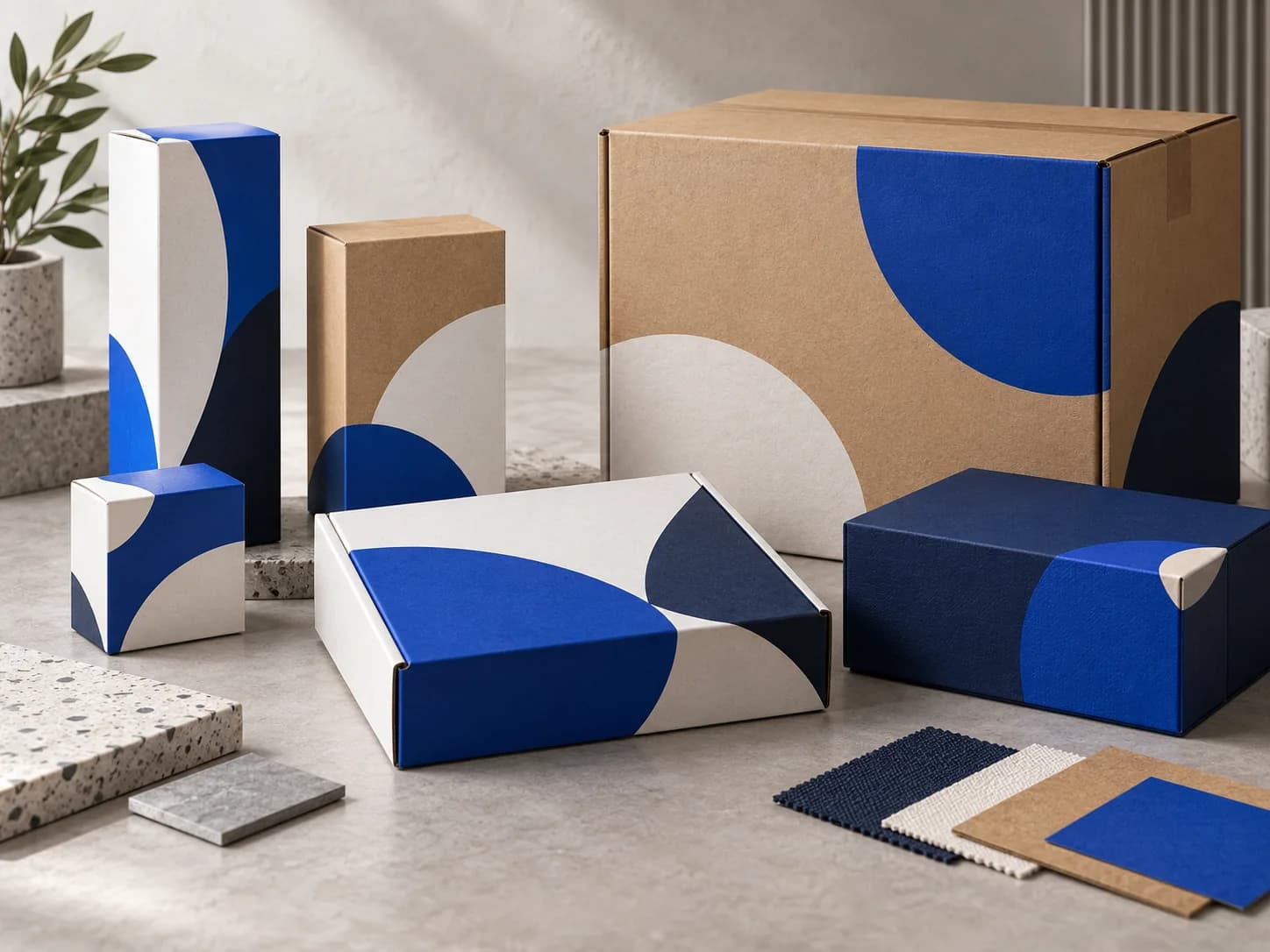
Wholesale packaging buyers often need multiple sizes, variants, flavors, products, seasonal designs, or channels. The program is easier to coordinate when each SKU has a clear dieline, artwork version, finished dimensions, quantity, and repeat-order plan.
Different buyers use repeat custom packaging for different operational reasons. The common thread is a known specification and a plan for future demand.
Coordinate printed product boxes across shelves, retail launches, and repeat replenishment cycles.
Keep mailers, inserts, and shipping cartons consistent as fulfillment demand grows.
Plan a larger packaging run around a campaign, seasonal range, or established product moment.
Support multiple channels or product variants with a shared packaging specification system.
A simple process from requirements to production and repeat supply.
Tell us about the products, application, quantities, SKU count, and repeat requirements.
Share current quantities and expected future demand where available.
Confirm the box style, dimensions, material, and finishing requirements.
Align the correct artwork with the approved packaging structure.
Review the applicable proof or sample route before production.
Manufacture against the confirmed packaging specification.
Prepare finished packaging for the confirmed destination and reorder plan.
Get an accurate quote
The more detail you share, the faster the team can evaluate the right structure, quantity, production path, and repeat-order plan.
Start your packaging briefAn approved packaging specification can become the basis for future repeat quotes. Keep the dieline, dimensions, artwork, material, print, finish, proof or sample, SKU name, quantity, and shipping configuration tied to the right product.
When demand grows, the same reference set helps the next order start from a known position. Pricing, production method, timing, and freight should still be reconfirmed for every new quantity.
Plan a repeat packaging programShort answers for buyers comparing bulk, repeat, and larger-volume packaging programs.
Wholesale custom packaging is made for larger or repeat quantities where dimensions, artwork, materials, and finishing can be defined and repeated against an approved specification. There is no single universal wholesale threshold for every packaging format.
Wholesale suitability depends on the structure, material, dimensions, printing method, finishing, setup, packing, freight, and reorder frequency. Quantities shown on this page are planning stages, not universal minimums.
Yes. An approved dieline, artwork version, material, print, finish, and proof or sample can provide a reference for future repeat quotes. Quantity, timing, and production route should be reconfirmed on each reorder.
Larger quantities can distribute setup and production costs across more pieces, but actual economics depend on the packaging specification, production method, packing, and destination.
Yes. Share each product or variant with its dimensions, dieline, artwork version, quantity, and shipping requirements so the packaging program can be evaluated as a coordinated range.
Custom dimensions, materials, printing, and finishing can be reviewed for the selected packaging format. Availability depends on structure, quantity, production method, and artwork.
The applicable proof or sample process is reviewed before production. Requirements depend on the packaging format and the project brief.
In many cases, a validated smaller run can become the basis for larger repeat production. Keep the approved specification consistent, then reconfirm the new quantity, timing, and production route.
Product dimensions, estimated quantity by SKU, packaging style, artwork status, material, printing, finish, destination, target date, and expected repeat requirements are useful starting points.
Timing is confirmed against the specification, quantity, artwork readiness, proof route, production capacity, and destination. Share the target date with the quote brief so the appropriate schedule can be reviewed.
Share the product, packaging format, quantity, and repeat requirements for a wholesale quote built around your specification.