Mailer & Shipping Boxes
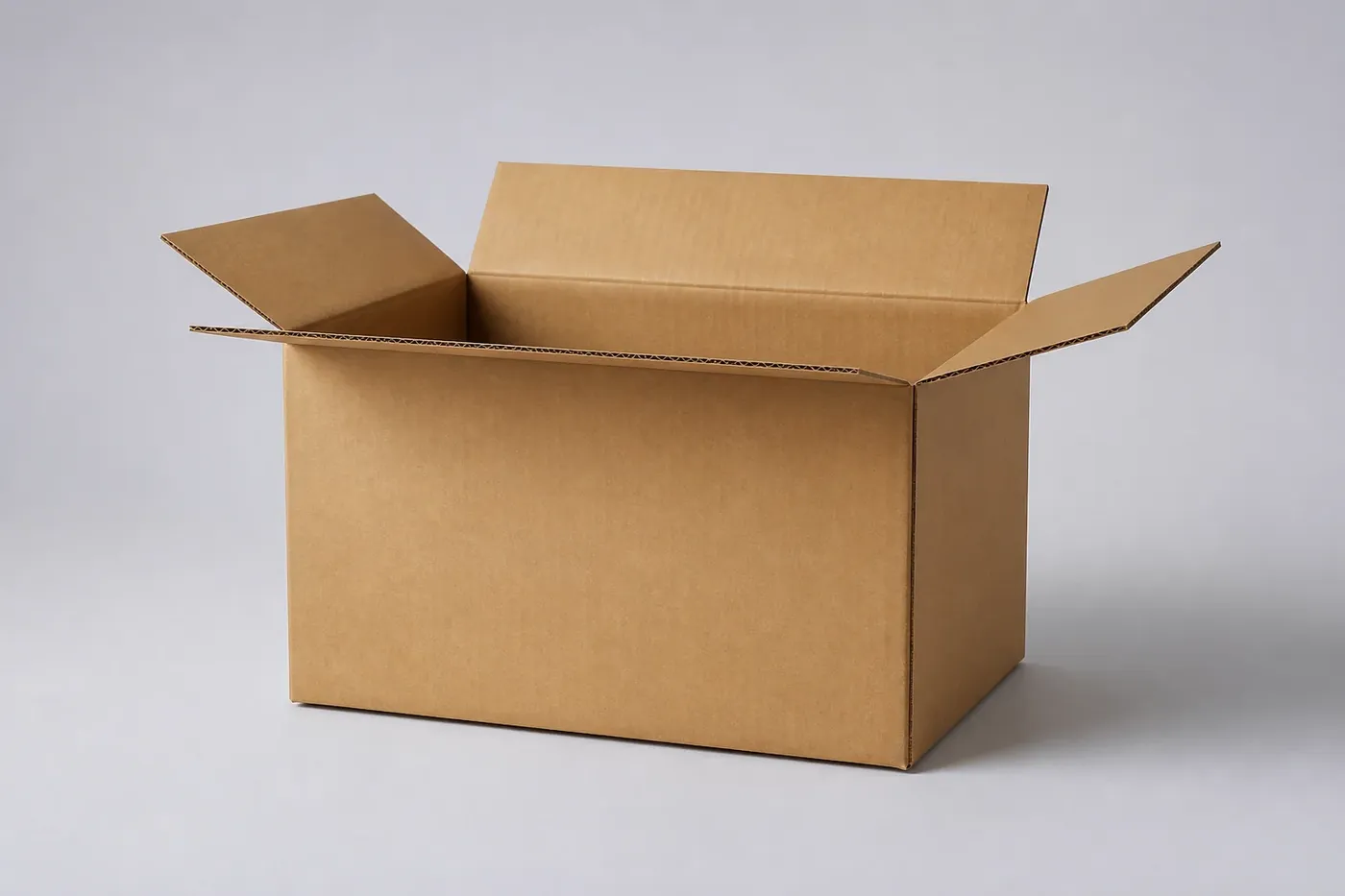
E-Commerce Shipping Box
A made-to-order corrugated shipping carton specified around packed dimensions, gross weight, cushioning, closure, label placement, and the demands of parcel fulfillment.
Request a Quote
Packaging Design Guides
A practical first-order guide to measuring your product, briefing a packaging manufacturer, reviewing the design, and approving production.
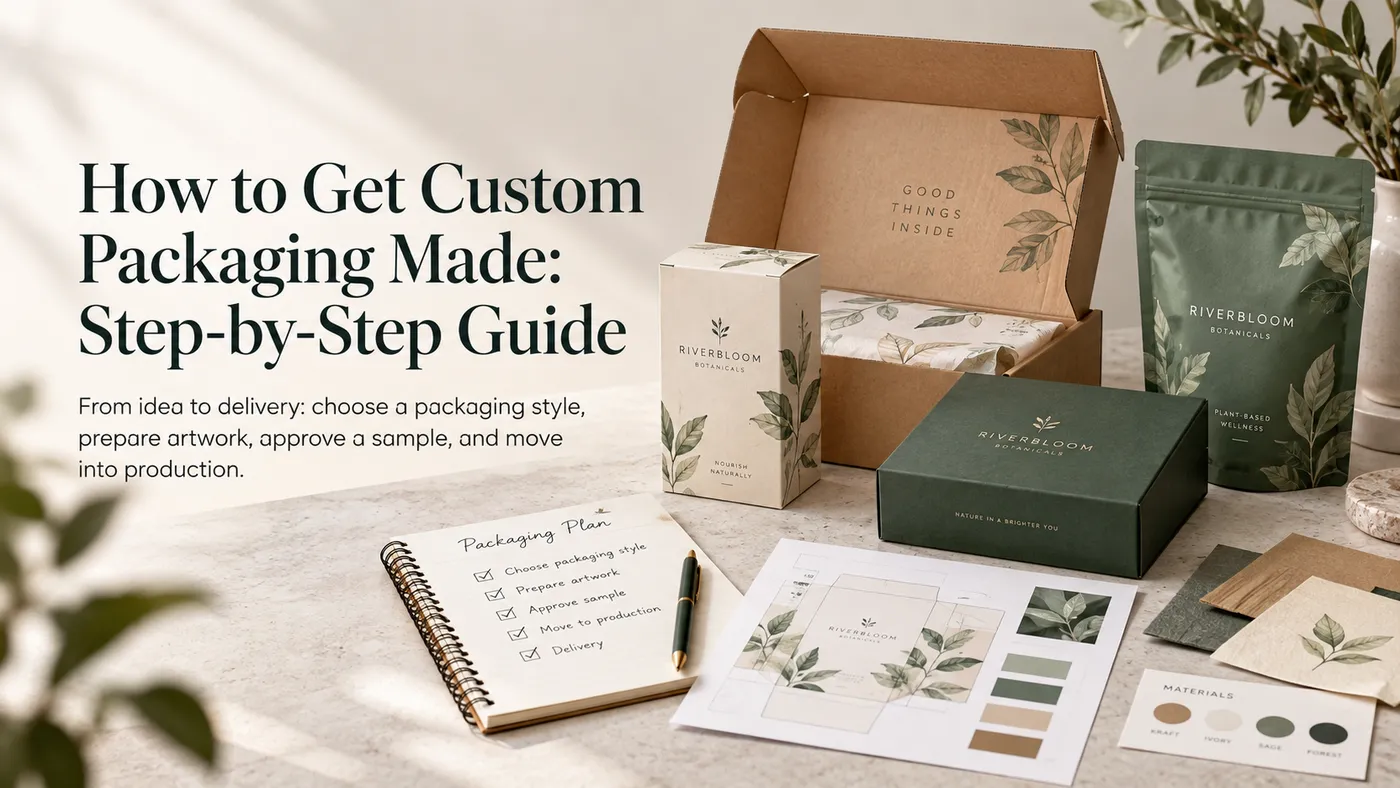
To get custom packaging made, measure the product in its final packed state, send a manufacturer a brief about quantity and use, and review the proposed structure and artwork before approving production. You can start before you have a finished design; dimensions, product details, and a clear goal are enough to begin the conversation.
Custom packaging is made around a specific product, order, and job rather than taken as a generic stock box. It can be a sized structure, a printed box with your artwork, or a format with an insert or a particular opening. The manufacturer needs to know what goes inside, how the package will be handled, and what the customer should see when it opens.
Start with the item in the condition it will enter the package. Include any bottle cap, wrap, pouch, accessory, divider, or insert that takes up room. For a box, record the length, width, and height you need on the inside; also note the product's weight and how many pieces go in each box. If the product is fragile, has a protruding part, or must sit in one orientation, call that out.
Don't add a guessed clearance and treat it as final. The usable space depends on the structure, board, and any cushioning. Send the measurements and ask the manufacturer to confirm the inside dimensions and fit before artwork is finalized. A photo of the product beside a ruler can help explain an unusual shape, but it doesn't replace the measurements.
Decide what the package needs to do before choosing a box name. Will it ship directly to the customer, sit inside another shipper, hang on a retail hook, or present several items as a gift set? Explain the route and the opening experience. The supplier can use those details to recommend a structure, material, and any internal support.
A mailer box may suit an e-commerce order that needs a folding shipping structure and a branded opening. A folding carton may be the product package inside a separate shipper. A rigid box can suit a presentation-focused set, but its construction and assembly need to be part of the brief. Compare those options against the packed product, handling, storage, and budget before settling on one.
If a mailer is on your shortlist, see custom cardboard mailer box options and note which details still need a recommendation.
You don't need every technical answer. You do need to make the known decisions clear and label the open ones. This gives the manufacturer a better starting point than “I need a custom box.”
For details you haven't decided, write “please recommend.” In particular, don't guess a board grade, insert, or finish just to fill a field. Mark it as an open decision and ask what information the supplier needs to recommend it.
Before comparing quotes, check that each one describes the same job. Confirm the structure, inside dimensions, material, print coverage, finish, quantity, and any insert or sample. Ask whether setup, tooling, sampling, or freight is listed separately, and whether the quoted delivery estimate includes shipping. Those details can change what looks comparable on the first page of two quotes.
Minimum quantities depend on the format and specification. Easy Box Packaging lists some custom options starting at 50 units; confirm the minimum for the exact structure and order you are requesting. The custom packaging quote form lets you begin with the decisions you know and flag dimensions or structure that still need help.
A few Easy Box Packaging products that fit what this article covers.
Mailer & Shipping Boxes
A made-to-order corrugated shipping carton specified around packed dimensions, gross weight, cushioning, closure, label placement, and the demands of parcel fulfillment.
Request a Quote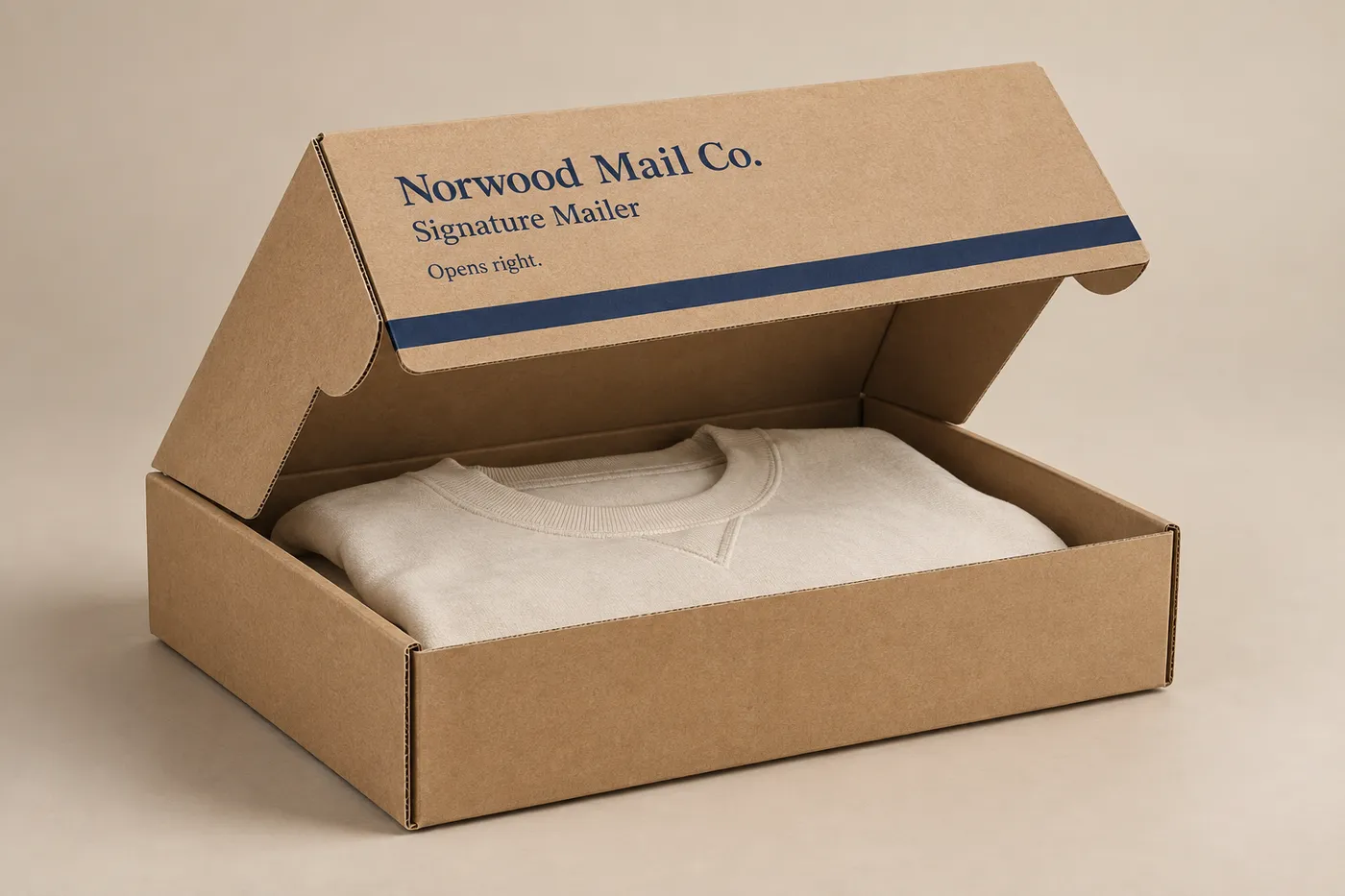
Mailer Boxes
Custom made mailer boxes are printed shipping boxes sized around the product, the packed order, and the unboxing experience you want to create. Choose a mailer-style closure, corrugated board or paperboard direction, exterior and optional interior printing, and a finish that fits the product and shipping route.
Request a Quote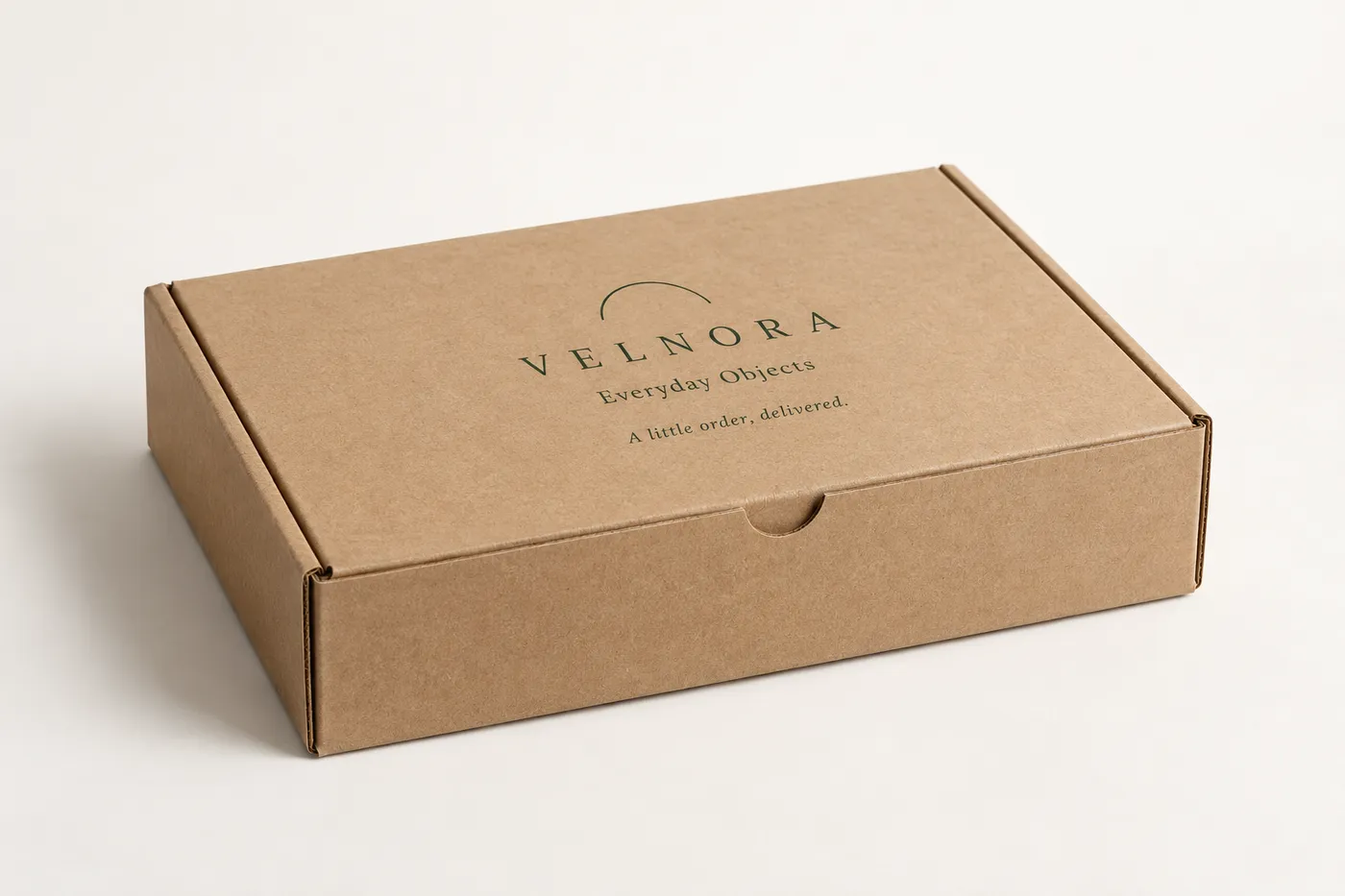
Mailer & Shipping Boxes
Custom mailer boxes coordinate the packed size, closure and printed presentation of an e-commerce order. Discuss corrugated construction, inside and outside artwork, and any insert or divider requirements. Easy Box Packaging reviews the proposed specification and proof before production, with the final board, finish and delivery terms confirmed in your quote.
Request a Quote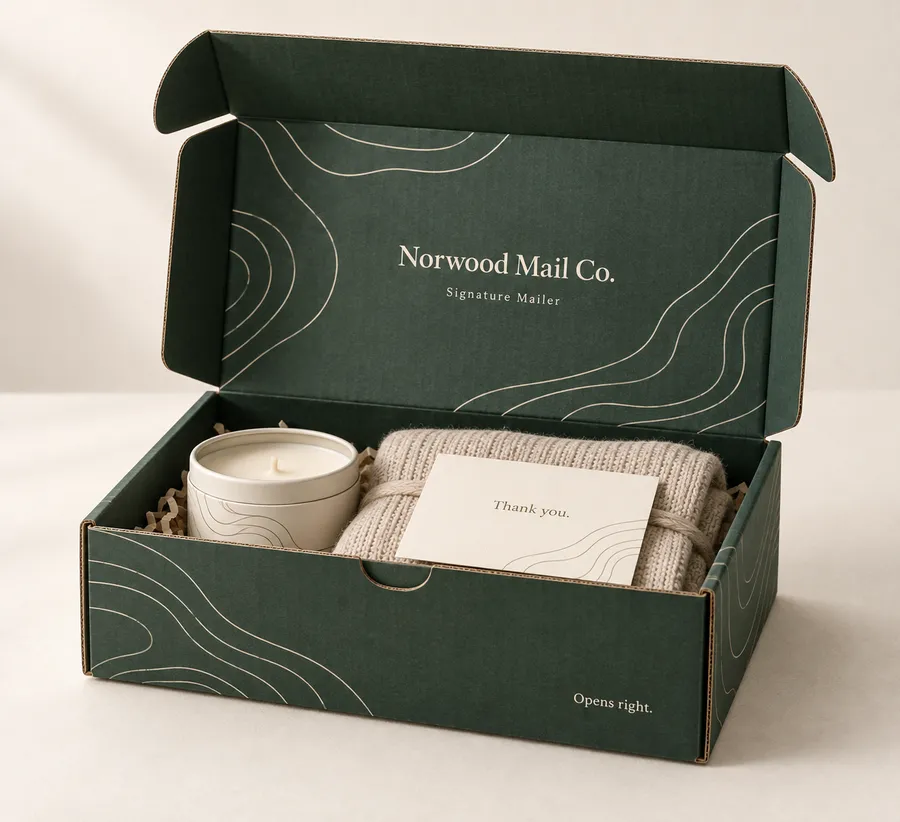
Mailer Boxes
Custom mailer gift boxes combine a protective shipping structure with a printed unboxing presentation for subscription gifts, retail bundles, and direct-to-recipient orders. Choose the packed dimensions, board family, outside or inside print, and finish around the gift set you are shipping, then review the dieline and digital proof before production.
Request a Quote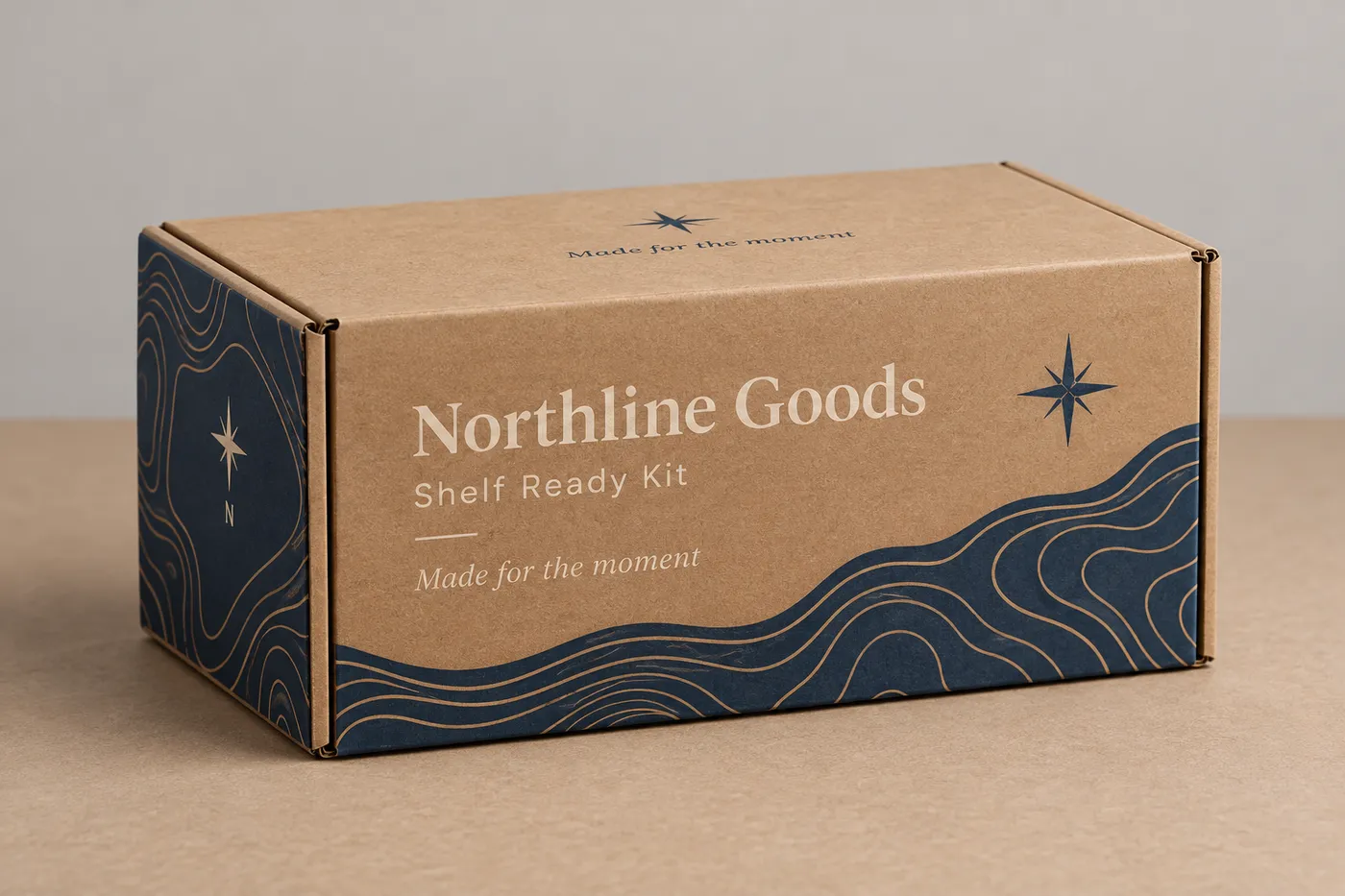
Retail Packaging
Custom retail shipping boxes are sized around the packed product, the opening sequence, and the route from fulfillment to customer. Corrugated or paperboard construction, printed exterior and interior panels, practical closures, and optional support can be reviewed together so the box works as both a shipper and a retail touchpoint.
Request a Quote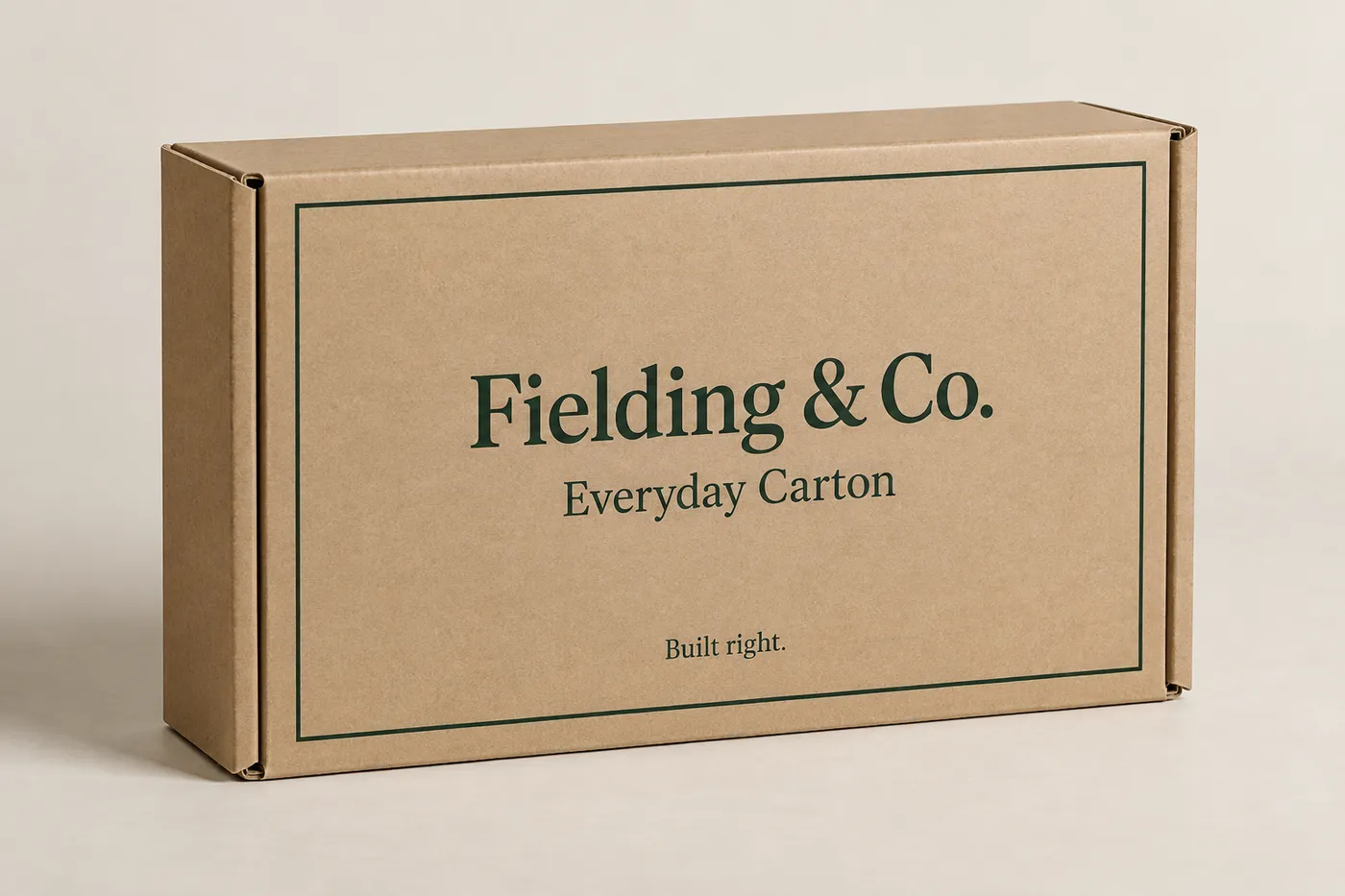
Cardboard Boxes
Custom cardboard mailer boxes for brands sending products in a folding package with a defined closure and a printable outer surface. The mailer can be shaped around the packed product, with board, tuck-top geometry, dust flaps, internal support, and finishes reviewed against the product, parcel route, and unboxing experience.
Request a QuoteA dieline is the flat structural layout showing the panels, cuts, folds, and closures. A proof shows how the artwork is placed on that layout. Ask the manufacturer which file represents the final dimensions and which version you are being asked to approve.
Review the package in its assembled orientation, not just as a flat page. Check the logo and copy on each panel, the order in which the package opens, text near folds or cut edges, and any barcode or required product information. Confirm the inside and outside print, color references, and finish notes. If a detail is unclear, mark it on the proof and ask for a corrected version rather than approving based on an assumption.
If fit, board feel, or the opening sequence matters to the order, ask whether you should review a physical sample and what it will represent. Test it with the actual packed product and your normal packing steps. A digital proof can show layout; it cannot confirm by itself how your product fits or how the finished material feels.
If you're preparing the artwork yourself, our guide to designing a custom box in Canva or Illustrator explains why the supplier's dieline should lead the artwork setup.
Before production starts, make sure the approved proof matches the final written specification. Confirm the quantity, artwork version, and any changes to the dimensions, material, print, finish, or insert. Keep the approved proof and quote together. If you change a detail after approval, ask what needs to be reviewed again before it goes forward.
Confirm the delivery address and requested in-hand date with the manufacturer. Ask for the production estimate after proof approval and the expected shipping window separately; timing can depend on the structure, quantity, artwork, and finish. If you have a fixed launch or event date, share it before the quote is finalized so the supplier can say whether the schedule is workable.
Use this as a checklist. If a detail is still open, label it and ask the manufacturer to recommend what information is needed.
Questions, answered
Measure the product in its final packed state, send a manufacturer a brief about quantity and use, and review the proposed structure and artwork before approving production. You can start before you have a finished design.
Describe the product, how it is packed, where it will be sold or shipped, and what the package needs to do. A manufacturer can recommend a structure from that brief, so you do not need to arrive with the technical name.
Yes. Start with the product, quantity, dimensions if known, and use. The artwork and proof requirements can be worked out as the specification develops.
Minimums vary by structure and order details. Easy Box Packaging lists some options from 50 units, but check the live product details or your quote for the format you want.
Measure the item as it will be packed, including any cap, wrap, pouch, accessory, divider, or insert that takes up room. Record the inside length, width, and height you need, the weight, and how many pieces go in each box, then ask the manufacturer to confirm the fit rather than adding a guessed clearance.
A dieline is the flat structural layout showing the panels, cuts, folds, and closures. A proof shows how your artwork is placed on that layout. Ask the manufacturer which file represents the final dimensions and which version you are approving.
Review the package in its assembled orientation. Check the logo and copy on each panel, how the package opens, text near folds or cut edges, any barcode or required product information, the inside and outside print, color references, and finish notes. Mark anything unclear and ask for a corrected version.
If fit, board feel, or the opening sequence matters to the order, ask whether to review a physical sample and what it will represent. A digital proof shows layout but cannot confirm by itself how your product fits or how the finished material feels.
Check that each quote describes the same job: structure, inside dimensions, material, print coverage, finish, quantity, and any insert or sample. Ask whether setup, tooling, sampling, or freight is listed separately and whether the delivery estimate includes shipping.
Start your brief
Send your packed product dimensions, quantity, and how it will be used. Easy Box Packaging will review the specification and send a quote, even if your artwork is not final.