Retail checkout
A flat or gusseted tote can carry apparel, books, gifts, or small boxed goods when the base and handle route are mapped to the filled order.

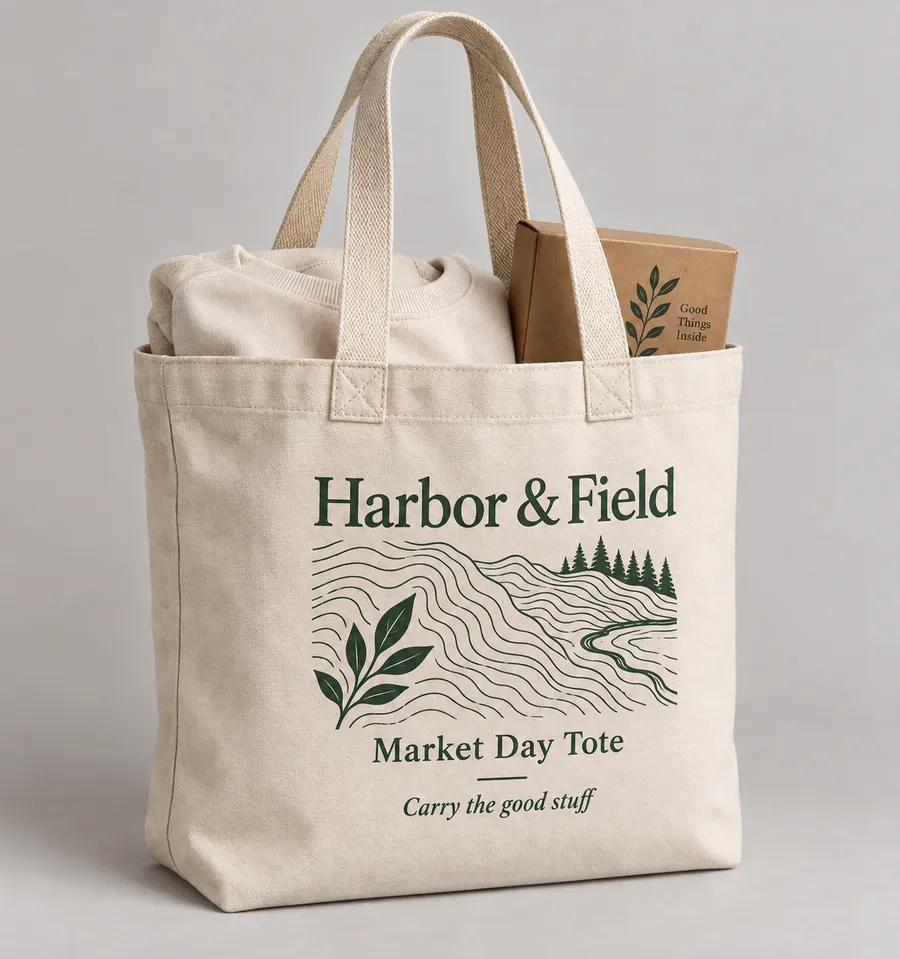
Printed natural canvas tote with folded retail goods and stitched handles.
Retail and Tote Bags
Canvas tote bags give retailers, events, and local pickup teams a reusable carry format with a broad printable front panel. Define the packed weight, finished width and height, gusset, handle drop, fabric direction, and artwork coverage so Easy Box Packaging can review the bag around the real carry route rather than a stock silhouette.
Last updated
Working quote
Product brief
Canvas tote bags are reusable textile carriers for retail checkout, events, gifts, books, apparel, and local pickup. The broad front and back panels make the bag visible after checkout, but the useful specification starts with what goes inside. Share the packed width, height, fullest depth, weight, and whether the item is boxed, wrapped, folded, or loose. A flat tote can suit a light, compact handoff; a gusseted base may be the better direction when a carton or several products need to sit upright.
The standard fulfillment path starts at 50 units, and production begins from 7 business days after digital proof approval. Those are planning anchors, not a promise that every fabric, handle, artwork treatment, and destination will follow the same schedule. Pricing is quote-only because the finished size, canvas or textile direction, print method, handle construction, quantity, and delivery route change the work.
Measure the packed product at its fullest points before choosing the bag footprint. Record width, height, depth, weight, number of pieces, and how the items should sit when the bag is lifted. A folded shirt, a book set, and a boxed candle do not create the same base requirement even if their front view looks similar. If the bag needs a gusset, describe the amount of side or bottom expansion needed rather than assuming a standard depth. If the contents must remain upright, say so in the brief.
Handle drop affects comfort and clearance. Short handles keep a bag close to the hand for a small retail purchase, while a longer drop can make a fuller tote easier to carry over the shoulder. The final handle route also depends on webbing width, attachment patches, stitch pattern, the loaded weight, and whether the bag is carried from a shop to a car or across an event venue. Do not describe a handle as load-rated until the finished construction has been reviewed.
Cotton canvas gives the bag a woven hand and a structured face for a simple printed mark. Recycled cotton or recycled polyester textile can be discussed when that material direction fits the brief, but the final fiber content and any sustainability wording should be confirmed for the actual order. Non-woven polypropylene is a separate carry-bag construction, not a synonym for canvas. The material choice should follow the intended reuse, packed weight, storage method, and surface needed for printing.
Ask for reinforcement where the load and route call for it. A folded hem can stabilize the opening, while stitched handle patches distribute force across the panel. A bottom gusset can give a boxed product more room, and a boxed or sewn corner can help the bag keep its shape while it is filled. These are construction decisions to show on the proof, not generic promises about strength.
Use the front panel for the brand name, product cue, or short campaign line that should be legible at arm's length. Keep important artwork clear of the opening hem, side folds, bottom seam, handle patches, and areas likely to wrinkle. A quiet reverse panel can carry a short URL, store detail, care note, or event message without competing with the lead mark. If the tote is two-tone, state which panel or handle color carries the contrast so the artwork is reviewed on the formed bag.
Screen print or spot-color print can suit a simple one- or two-color mark on a textile surface. A full-color digital transfer can support more detailed artwork when the selected fabric and production method allow it. Foil accents, contrast webbing, and stitched details can be considered for a specific visual direction, but they should not hide required information or make the bag awkward to fold and store. The digital proof should show the artwork on a formed tote as well as the flat placement.
A clothing or lifestyle retailer can use a gusseted tote for a folded garment, book, or small boxed purchase, with the front panel carrying the store identity after checkout. An event organizer can use a flatter format for a program, notebook, and light giveaway, provided the packed route and handle drop are clear. A bakery, market stall, or gift shop can use a reusable carrier for wrapped or boxed goods when the base, interior clearance, and carry distance have been considered. A local pickup team can use the same format for a grouped order, but should share the filled weight and number of pieces rather than relying on an empty-bag photograph.
For e-commerce handoff, describe how the tote will be stored before use and whether it travels inside another shipper. Canvas can fold, but printed areas, seams, handles, and boxed contents still need protection from rubbing and compression. Send the packed route, any inner wrap, and the number of units grouped together so the quote discussion covers the tote and its actual handling context.
Send the finished width, height, gusset or flat-base preference, packed dimensions, packed weight, item count, handle drop, handle material, reinforcement needs, fabric direction, artwork status, print colors, finish preference, quantity, and destination. Explain whether the bag is for a one-time event, retail checkout, repeated shopping use, or local pickup. If the same design will carry different products, list each packed profile so the base and handle decisions are not averaged into one vague size.
Easy Box Packaging can use the brief to review the canvas direction, carry construction, print coverage, digital proof, and sample route. Free US shipping and dieline and proof review are approved service capabilities; quote requests are typically answered the same business day and always within 24 hours. A sample kit carries a $44.99 USD shipping charge credited toward the first order when you need to compare fabric hand, print coverage, handle placement, and formed proportions. Final dimensions, material, stitch details, pricing, and delivery timing remain quote-specific and should be confirmed before production.
Proof points
The proof should show the flat artwork and the formed bag together. Check the panel proportions, opening hem, gusset or flat base, handle attachment, stitch path, artwork boundaries, and how the packed product sits inside.
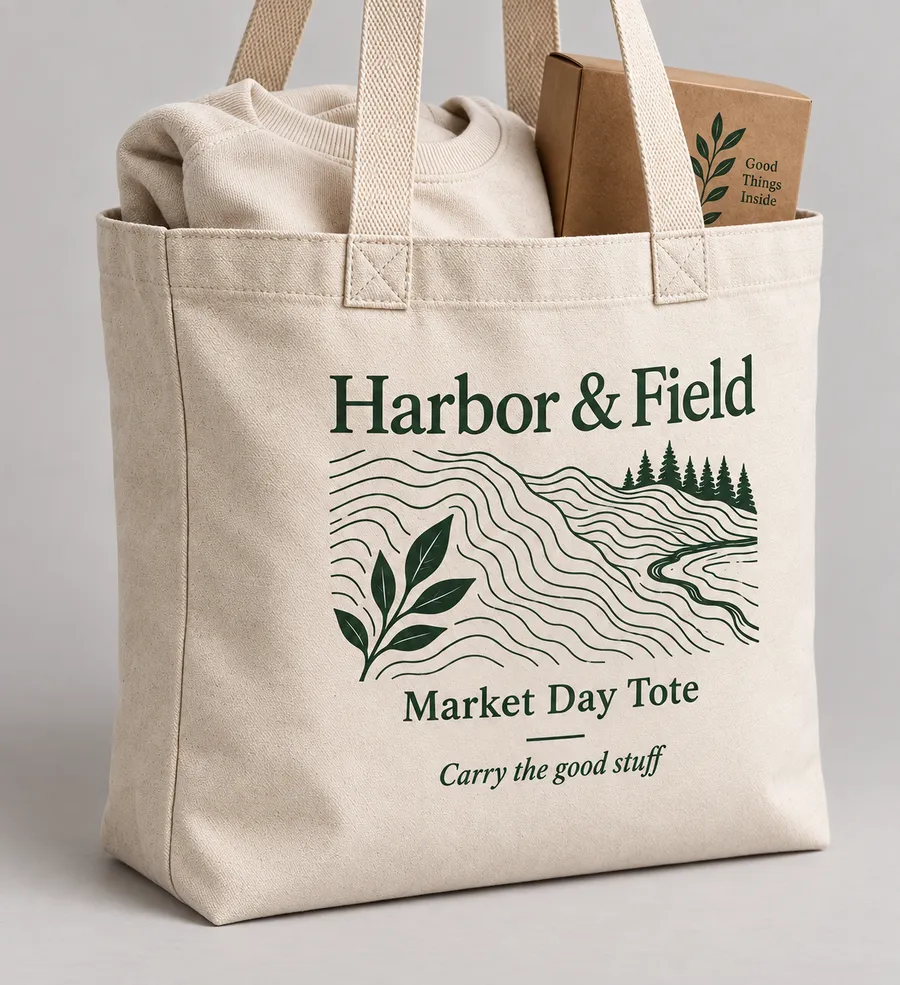
Share the packed width, height, fullest depth, weight, item count, gusset preference, handle drop, fabric direction, artwork coverage, and delivery route before the tote footprint is fixed. The final textile and stitched construction should be reviewed against the actual carry job.
A flat or gusseted tote can carry apparel, books, gifts, or small boxed goods when the base and handle route are mapped to the filled order.
A lighter format can group a notebook, program, and small giveaway when the packed profile and shoulder or hand-carry distance are clear.
A reusable carrier can present wrapped bakery goods, market purchases, or lifestyle products when the textile, print, and interior clearance fit the route.
A branded tote can group a customer order for collection when the number of pieces, filled weight, base behavior, and storage route are specified.
Map artwork on the flat layout and the formed tote. Front and reverse panels, side folds, bottom seams, opening hems, handle patches, and the customer's viewing angle all affect what stays readable in use.
A focused brief lets the quote address fit, carry comfort, reinforcement, print hierarchy, and storage instead of guessing from an empty-bag photograph.
Provide width, height, fullest depth, weight, item count, orientation, and any box or inner wrap that must sit inside the tote.
Explain the handle drop, hand or shoulder carry, distance, expected load, reinforcement points, and whether the bag is reused.
Identify the lead panel, print colors, side or bottom artwork, opening hem, handle patches, and any care or store information.
A useful quote starts with the filled order and carry route, then connects textile, handle, reinforcement, artwork, and storage needs. These steps turn that information into a reviewable tote specification.
Provide packed width, height, fullest depth, weight, item count, orientation, irregular edges, and whether the tote needs a flat base or gusset.
State hand or shoulder carry, distance, expected load, handle drop, handle material, and any reinforcement or stitch preference.
Share the cotton canvas, recycled textile, or other reviewed material direction, along with the desired hand feel and storage method.
Identify front and reverse branding, side or bottom artwork, opening hem, handle patches, care note, URL, and safe print boundaries.
Check the artwork on the flat layout and assembled tote, including gusset or base, seams, handle attachment, text legibility, and packed silhouette.
Need help with structure, materials, or production planning? See how we manufacture custom packaging.
A sample kit carries a $44.99 USD shipping charge credited toward your first order, useful when you need to compare fabric hand, print coverage, handle placement, stitch detail, and formed proportions before approving a run.
Shipping charge: $44.99. Credited toward your first order.
Request a Sample KitFind clear answers about fit, materials, and ordering below.
They are printed textile carry bags for retail checkout, events, gifts, books, apparel, market goods, and local pickup. The useful size, base, handle, and reinforcement depend on the packed product, filled weight, carry distance, and whether the bag is reused.
Send the packed width, height, fullest depth, weight, item count, orientation, and any inner carton or wrap. Include whether the tote needs a flat base or gusset, the handle drop, carry route, fabric direction, and required front or reverse panels.
Cotton canvas is a common direction for a woven hand and printable face. Recycled cotton, recycled polyester, or non-woven polypropylene may be discussed for a different brief, but the final fiber content, hand feel, print method, and sustainability wording require product-specific confirmation.
Yes, a flat base or bottom gusset and a short or longer handle drop can be considered together. The proof should show the filled silhouette, handle attachment, reinforcement, seams, and the clearance needed for the intended hand or shoulder carry.
Map the front and reverse panels, side folds, bottom seam, opening hem, handle patches, and safe print boundaries on the flat layout, then check the formed tote. Keep the lead mark and required information clear of areas that may wrinkle, fold, or be hidden.
The standard fulfillment path starts at 50 units. Production begins from 7 business days after digital proof approval, with free US shipping and dieline and proof review included at no extra charge. Your final unit price is confirmed in a quote because the tote specification determines the work.
Orders start at 50 units and scale up to 500,000 for bulk runs, with pricing from $0.26 per unit on larger quantities. Standard production is from 7 business days after digital proof approval.
Compare nearby products and request the format that best fits your next run.
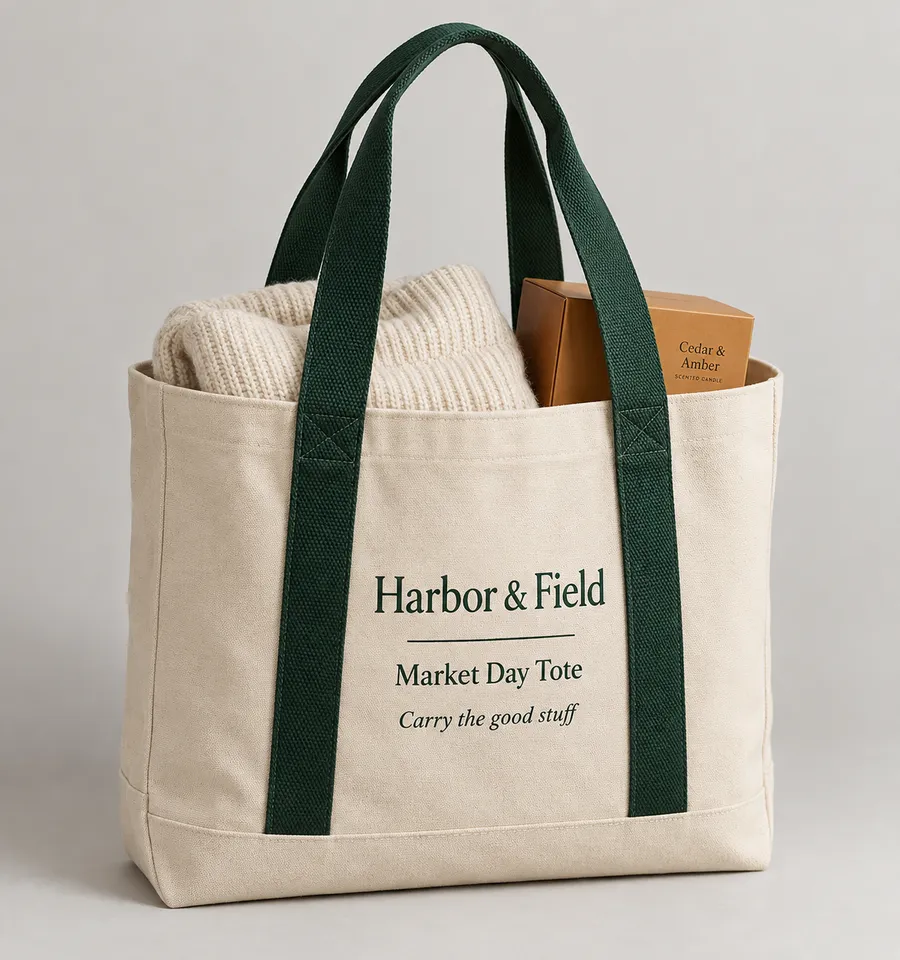
Available product
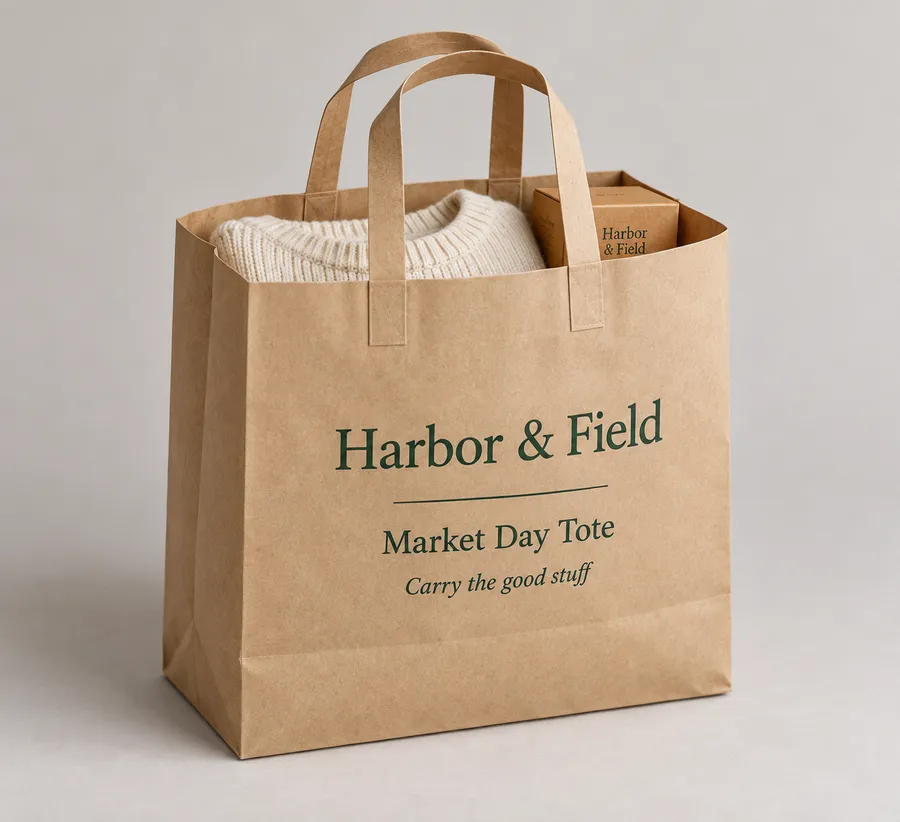
Available product
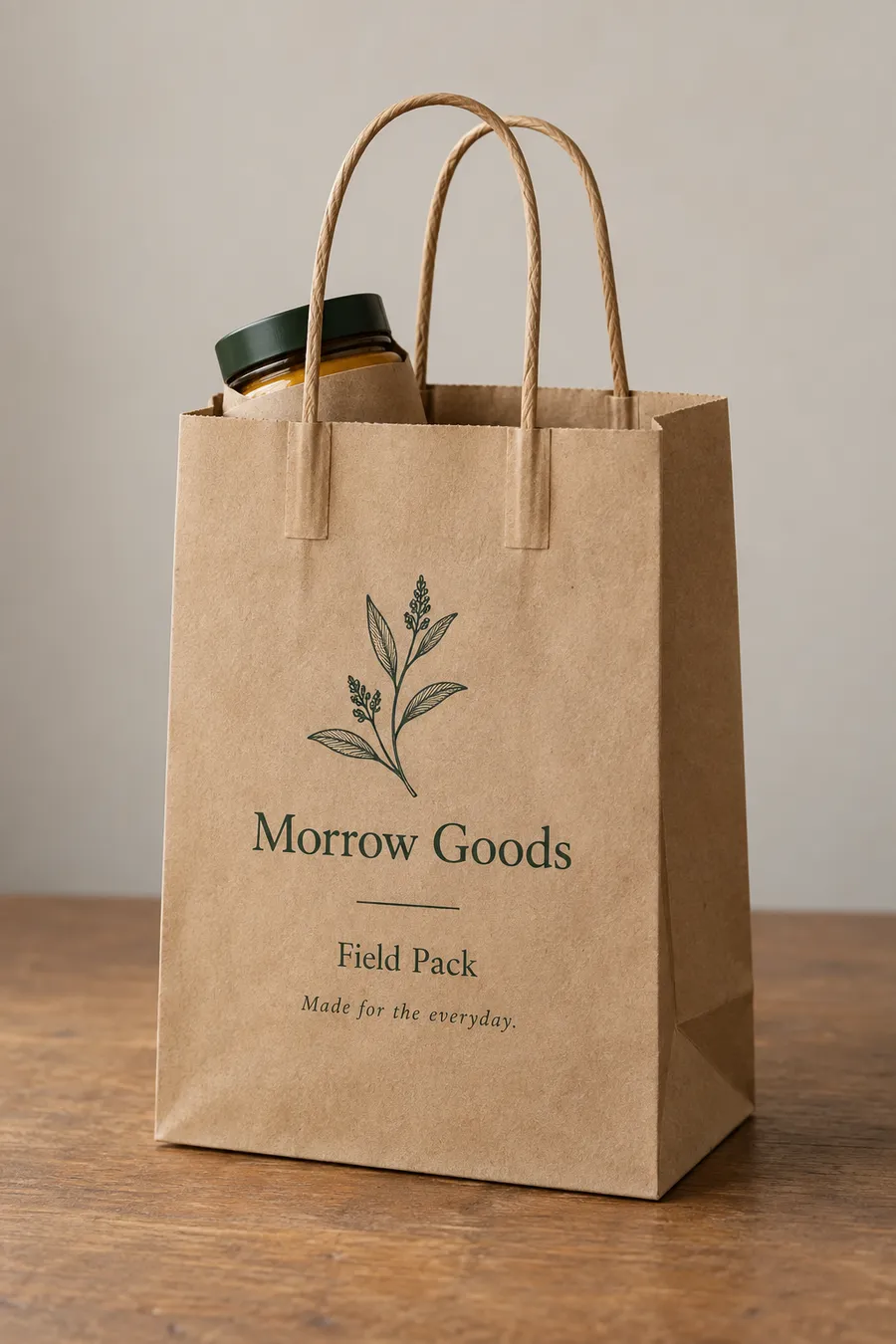
Available product
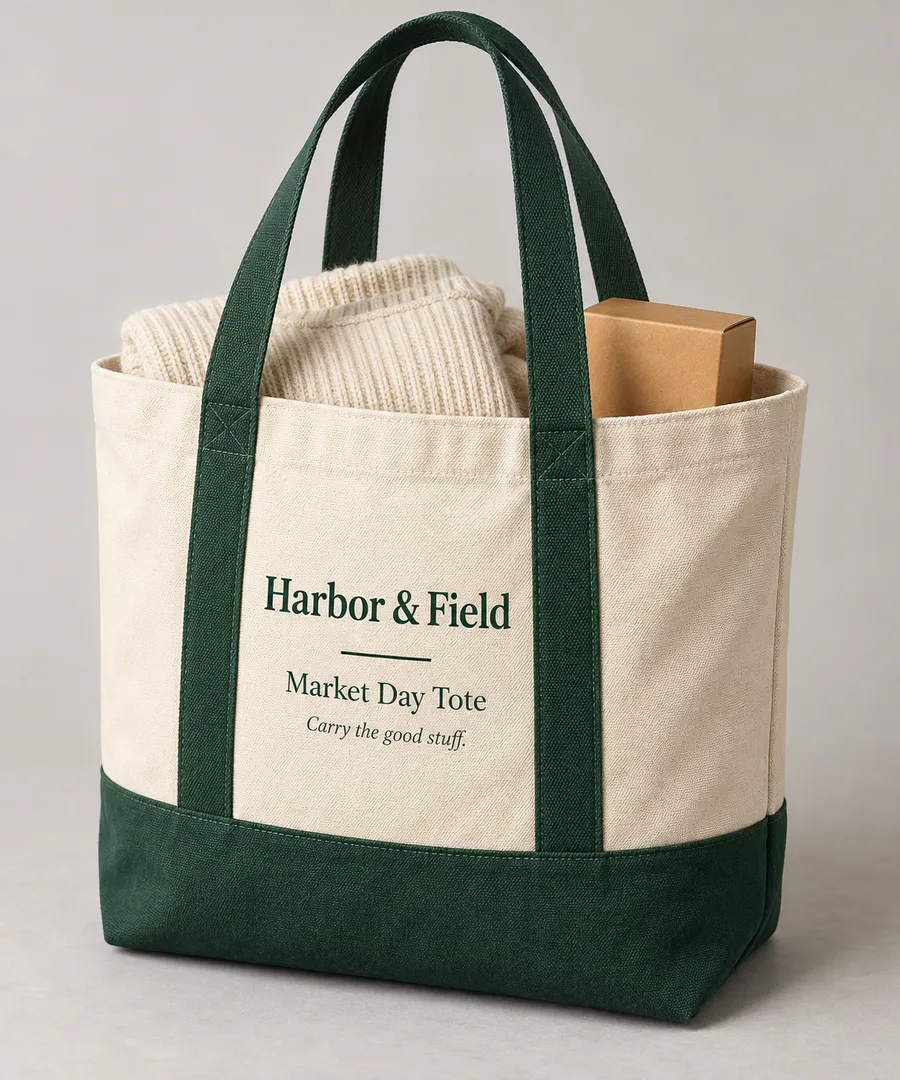
Available product
Plan the carry route
Send the packed dimensions, weight, item count, gusset preference, handle drop, fabric direction, artwork status, print colors, quantity, and destination. Easy Box Packaging can then review the textile, stitch path, print coverage, and formed tote as one quote-ready specification.
Add your product details to see a quote summary.