Single retail bar
A window tuck carton can show the soap face while keeping scent, ingredients, directions, and the brand on nearby solid panels.

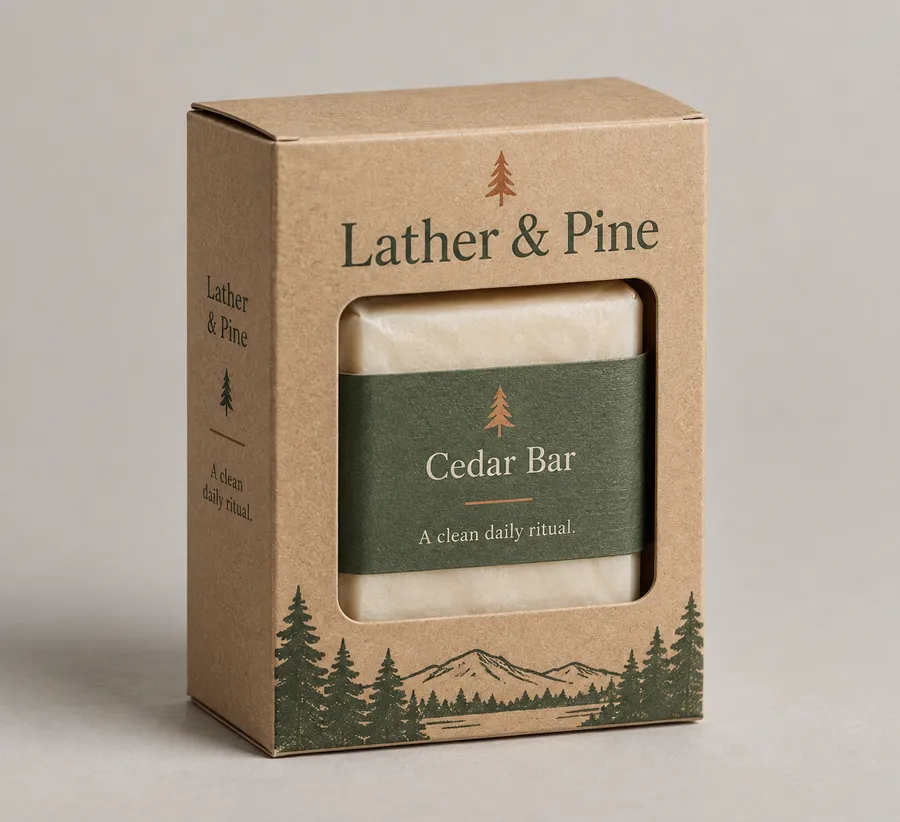
Natural kraft soap box with a die-cut window showing a wrapped cream bar and sage band
Soap Boxes
Custom soap boxes with a window are printed paperboard cartons sized around the finished bar, wrap, and desired first view. A die-cut window can reveal the bar or its label while the solid panels carry the brand, scent, ingredients, directions, and market information. Share the packed dimensions, window preference, board direction, artwork, and quantity so the dieline can be reviewed around the real soap rather than a nominal size.
Last updated
Working quote
Product brief
Custom soap boxes with window work best when the window, closure, and print panels are planned from the finished pack. Measure the cured bar with its wrap, band, label, or sleeve in place. Record length, width, depth, widest points, rounded corners, bevels, and approximate weight. A wrapped bar that is slightly thicker than the unwrapped bar can change the tuck clearance and the visible position of a window. The dieline should follow the packed footprint, not a generic nominal soap size.
A window carton gives the first view a job: it can reveal the bar color, a paper band, or a label without opening the package. The window may be centered on a front panel, offset to preserve a larger brand area, or placed on a side panel when ingredients and directions need the main face. The actual opening, film, edge spacing, and contact requirements are reviewed for the order; this page does not assume one universal window material or a cosmetic-contact approval.
Map the assembled carton before final artwork. Put the brand and scent name where the shopper sees them beside or above the window, then reserve a solid panel for ingredients, directions, weight, batch information, and any market-required copy. A broad window can reduce the uninterrupted print area, while a smaller cutout can leave room for a larger mark or a longer information block. Keep small text away from fold lines, tuck flaps, and the window edge so the final folded carton remains legible.
For an opaque or lightly wrapped bar, the window may show the finished color and shape. For a heavily labeled bar, it may be more useful to frame the label rather than expose the whole product. If a set contains two or three bars, decide whether one window should reveal the arrangement or whether separate openings and an internal tray are needed. The set count, tissue, card, bar geometry, and delivery route all affect the outer pack; do not select a support from the window alone.
A folding tuck carton can keep the window and front panel aligned while giving the recipient a familiar opening route. A sleeve can place the cutout over an existing wrap and leave the ends open, subject to the fit review. A shallow tray or divider may be considered for a sampler when the bars need defined positions. The window is a visual feature within that structure, not a substitute for clearance or support. Confirm the closure, board build, and any lining after the finished soap details are supplied.
Kraft Paperboard can retain a natural paper character; SBS Paperboard can provide a smooth face for fine artwork and small information text; Corrugated Board is a category direction for an outer or shipping-ready layer when the handling route calls for it. An FSC-certified paper option is available as a material direction, not a blanket certification of every finished box. Matte Lamination, Gloss Lamination, Spot UV, Foil Stamping, and Embossing/Debossing can be discussed around the artwork, folds, and window edge. Finish placement remains subject to proof review.
The digital proof should show the assembled carton, not just a flat artwork file. Check that the window lands over the intended part of the wrapped bar, that the front and side panels read in the correct orientation, and that the tuck flaps do not cover the reveal. Review the cut line, clear edge, any film or open window treatment, print coverage, finish accents, ingredient text, scent name, weight, and required market copy. If the bar is tapered or beveled, confirm that the visible area still looks intentional when the product settles in the carton.
Send a reference photo or physical sample when the label, band, or soap color is important to the reveal. A photo does not replace packed measurements, but it helps the team understand which face should appear through the window. Note if the bar is sold singly, as a sampler, at a market, in hospitality, or through direct delivery. Those contexts can change the desired opening, support, and outer handling layer.
The standard fulfillment path starts at 50 units, with production from 7 business days after digital proof approval. Free US shipping and dieline and proof review at no extra charge are included on the standard path. Quote requests are typically answered the same business day and always within 24 hours. A sample kit carries a $44.99 USD shipping charge credited toward the first order when you need to compare board feel, window treatment, print coverage, and finish direction in hand. Pricing stays quote-only because the packed soap, window geometry, board, artwork, finish, and quantity determine the specification.
Send the finished bar dimensions, wrap thickness, desired reveal, window position, opening route, board direction, artwork status, print coverage, finish choice, and delivery destination. After the dieline is prepared, use the proof to check the assembled window, panel hierarchy, readable information, closure, and any support before approval. Easy Box Packaging can then move a confirmed specification into production planning without treating a stock size or a generic window as the brief.
A useful window soap carton coordinates what the customer sees with what the package must say. When the window is sized around the wrapped bar and the solid panels are mapped before printing, the result can present the product clearly while keeping fit, handling, and required information in one reviewable package.
Proof points
The digital proof should make the assembled window carton clear. Compare the packed fit, reveal, flap route, information panels, cut edge, and finish placement with the brief supplied for the quote.
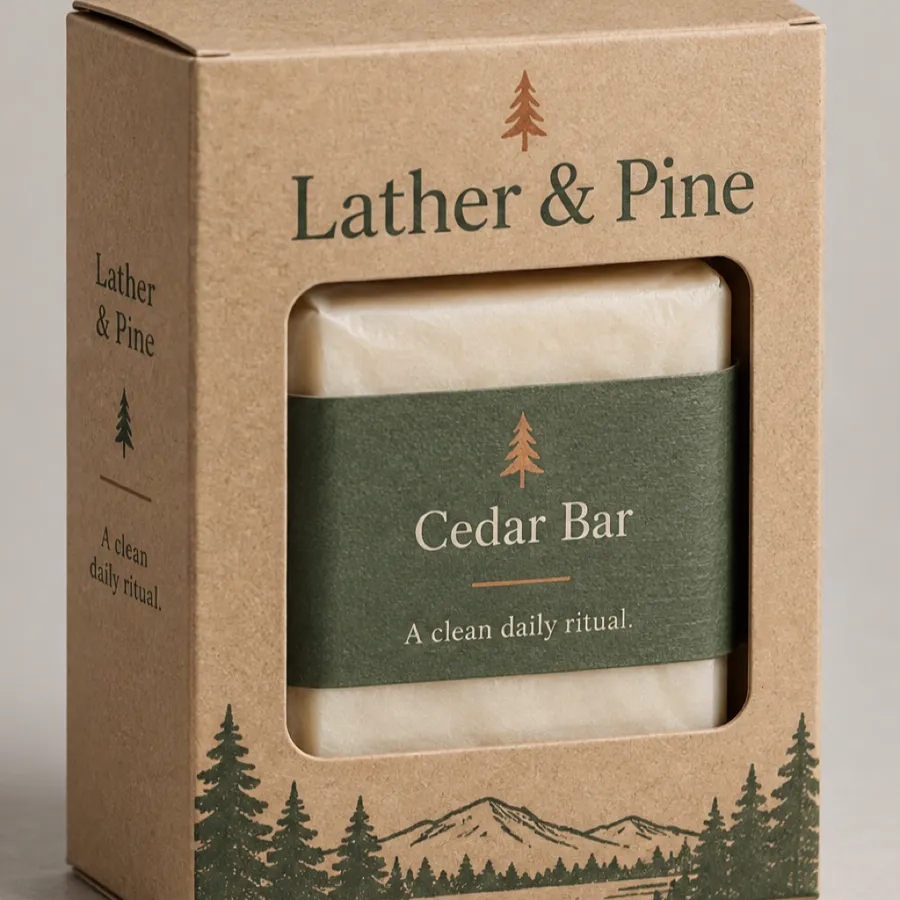
The carton should fit the cured bar and wrap, reveal the intended face, and preserve readable space for the brand and required information. Start with packed dimensions, the opening route, window position, and handling context so the structure can be reviewed around a real soap product.
A window tuck carton can show the soap face while keeping scent, ingredients, directions, and the brand on nearby solid panels.
A cutout can frame a paper band or label when the wrapped presentation is part of the product story.
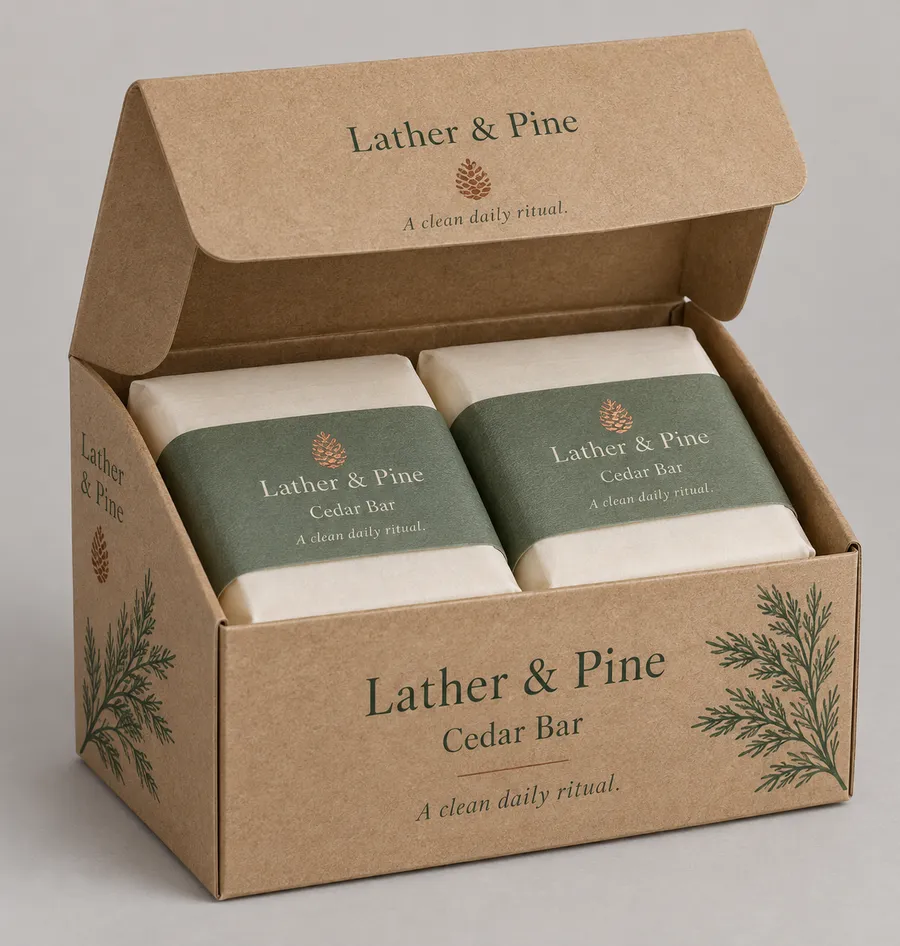
A larger window, tray, or divider can be reviewed around two or three bars and the order in which the set is revealed.
A compact carton can reserve a visible mark and a practical information panel for guest, wedding, or seasonal distribution.
Map artwork on the assembled carton so the brand, scent, ingredient text, window, flap, and finish accents remain correctly oriented when the soap is packed and opened.
The window, outer carton, closure, printed panels, and any internal support are considered together. Depending on the bar geometry and selling format, the pack may use a close-fitting tuck carton, sleeve, tray, or divider after the actual contents and delivery route are reviewed.
Measure the bar with its wrap, band, or label in place so the window and closure are positioned against the real footprint.
Choose which face should be visible and leave a solid panel for scent, ingredients, directions, weight, and required copy.
For two- or three-bar sets, arrange the contents first and then review a tray, divider, or other support around the spacing and delivery route.
A useful quote starts with the finished bar and the exact face the window should reveal. These steps turn that description into a carton that can be checked before production.
Provide cured length, width, depth, widest points, shape, approximate weight, wrap thickness, and any label or band that remains inside.
Show which face, label, or soap color should appear through the window and whether a single bar or a set is being packed.
Explain whether you prefer a tuck carton, sleeve, tray, divider, open cutout, or film-treated window and what should be seen first.
Send the brand, scent, ingredients, directions, weight, required market copy, print coverage, and preferred board or finish direction.
Check cutout position, edge spacing, flap orientation, readable panels, bar clearance, support, and finish representation in the digital proof.
Need help with structure, materials, or production planning? See how we manufacture custom packaging.
A sample kit carries a $44.99 USD shipping charge credited toward your first order, useful when you need to compare paperboard feel, cutout treatment, print coverage, and finish direction before approving a custom soap box.
Shipping charge: $44.99. Credited toward your first order.
Request a Sample KitFind clear answers about fit, materials, and ordering below.
Measure the cured bar at its length, width, depth, and widest points, then repeat with the wrap, band, label, or card that remains inside. Note rounded corners, bevels, tapers, and approximate weight so the cutout and closure can be reviewed around the finished pack.
A window can reveal the bar color, shape, paper band, or label without opening the carton. The desired visible face determines the cutout position, edge spacing, and the solid print area left for the brand and required information.
It can be reviewed as a set when the actual arrangement is supplied first. A larger window, shallow tray, divider, tissue, or card may be considered around the bar geometry, spacing, weight, and delivery route rather than assumed as a universal insert.
Kraft Paperboard, SBS Paperboard, and Corrugated Board are category material directions. An FSC-certified paper option is available as a material direction. The final board construction, window treatment, and any lining requirements are confirmed during specification review.
Matte Lamination, Gloss Lamination, Spot UV, Foil Stamping, and Embossing/Debossing can be considered for selected panels and artwork. Placement remains subject to review around folds, cut edges, windows, and small information text.
The standard fulfillment path starts at 50 units. Production begins from 7 business days after digital proof approval, and free US shipping plus dieline and proof review at no extra charge are included. Your final unit price is confirmed in a quote because the soap, window, structure, artwork, finish, and quantity determine the specification.
Orders start at 50 units and scale up to 500,000 for bulk runs, with pricing from $0.30 per unit on larger quantities. Standard production is from 7 business days after digital proof approval.
Compare nearby products and request the format that best fits your next run.
Available product
Available product
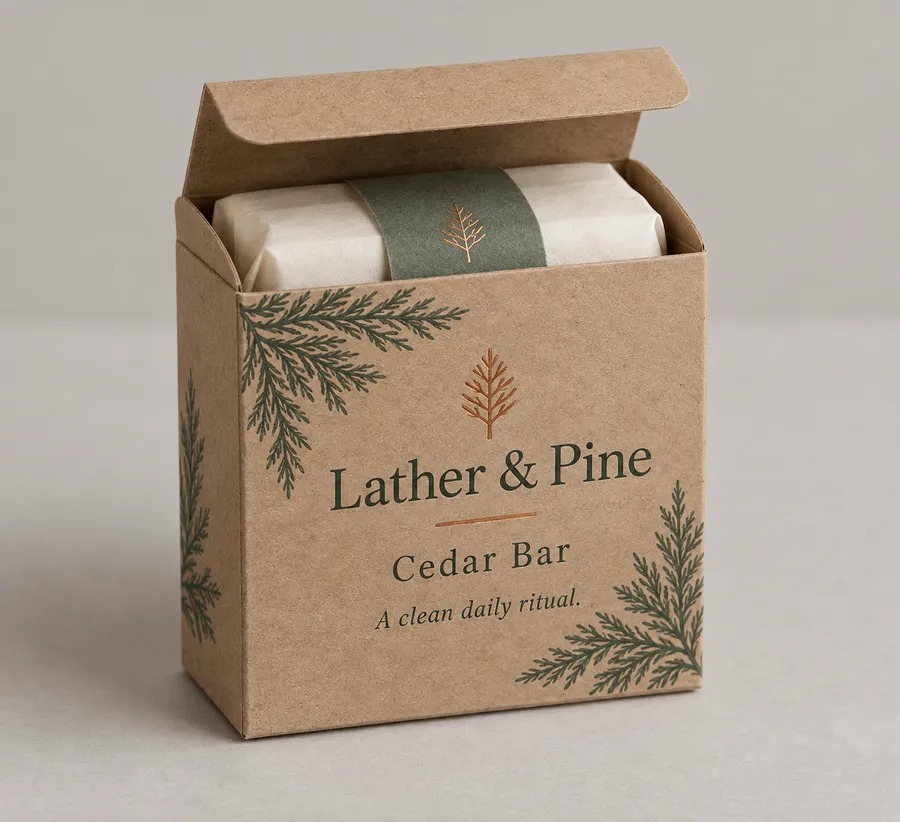
Available product
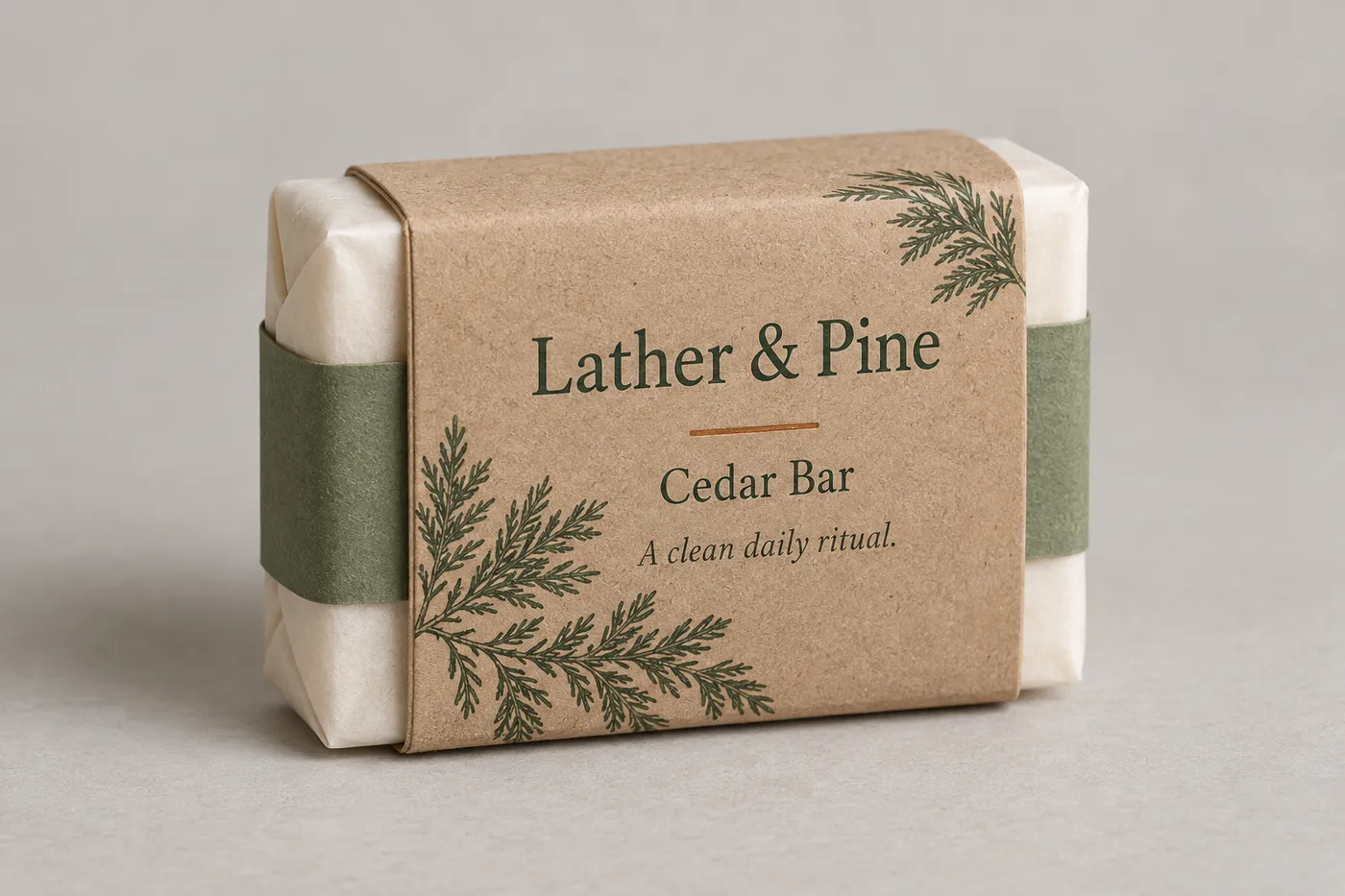
Available product
Plan the first view
Send the finished dimensions, wrap, desired reveal, window position, opening preference, information panels, artwork status, and finish direction. Easy Box Packaging can then review fit, print surface, and window treatment as one quote-ready specification.
Add your product details to see a quote summary.