Single-bottle retail carton
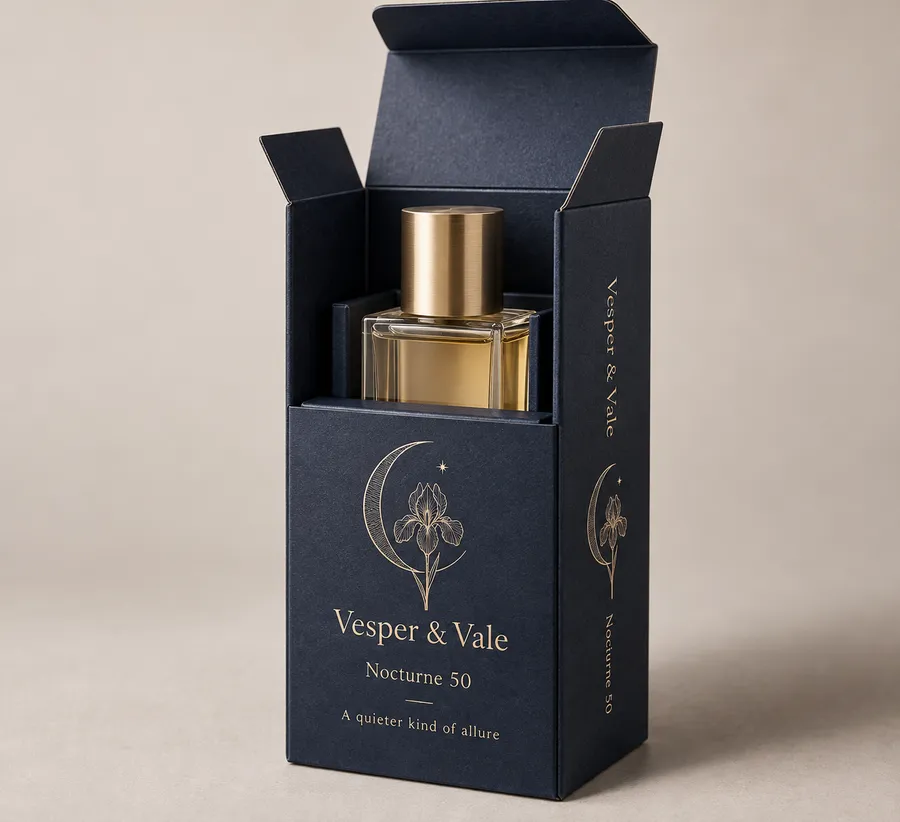
A printed folding carton keeps the front label and fragrance name easy to read while the bottle stays aligned in its cavity.

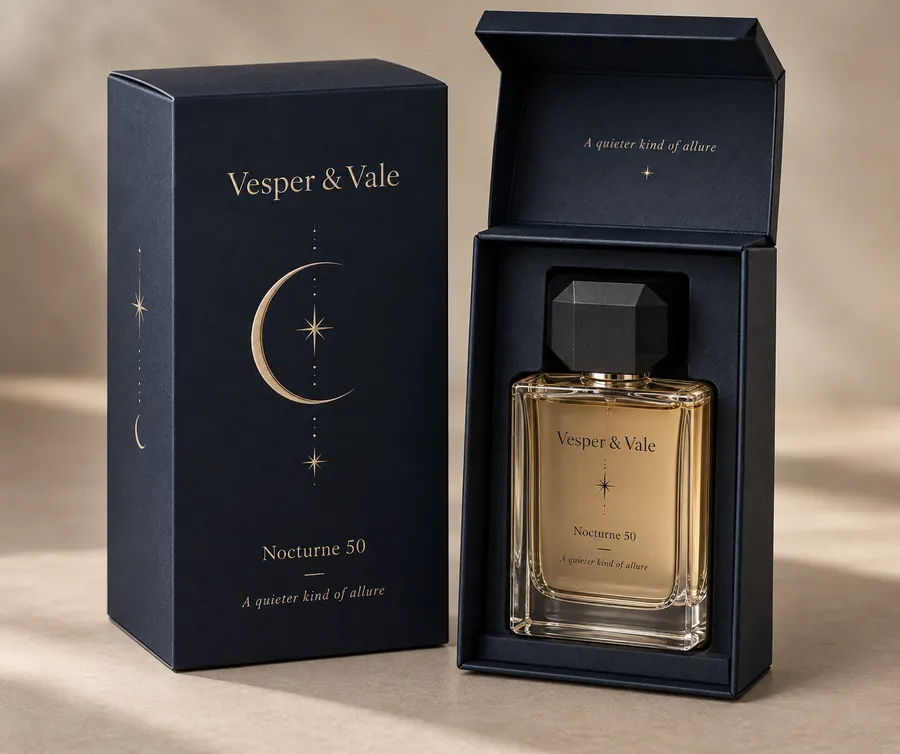
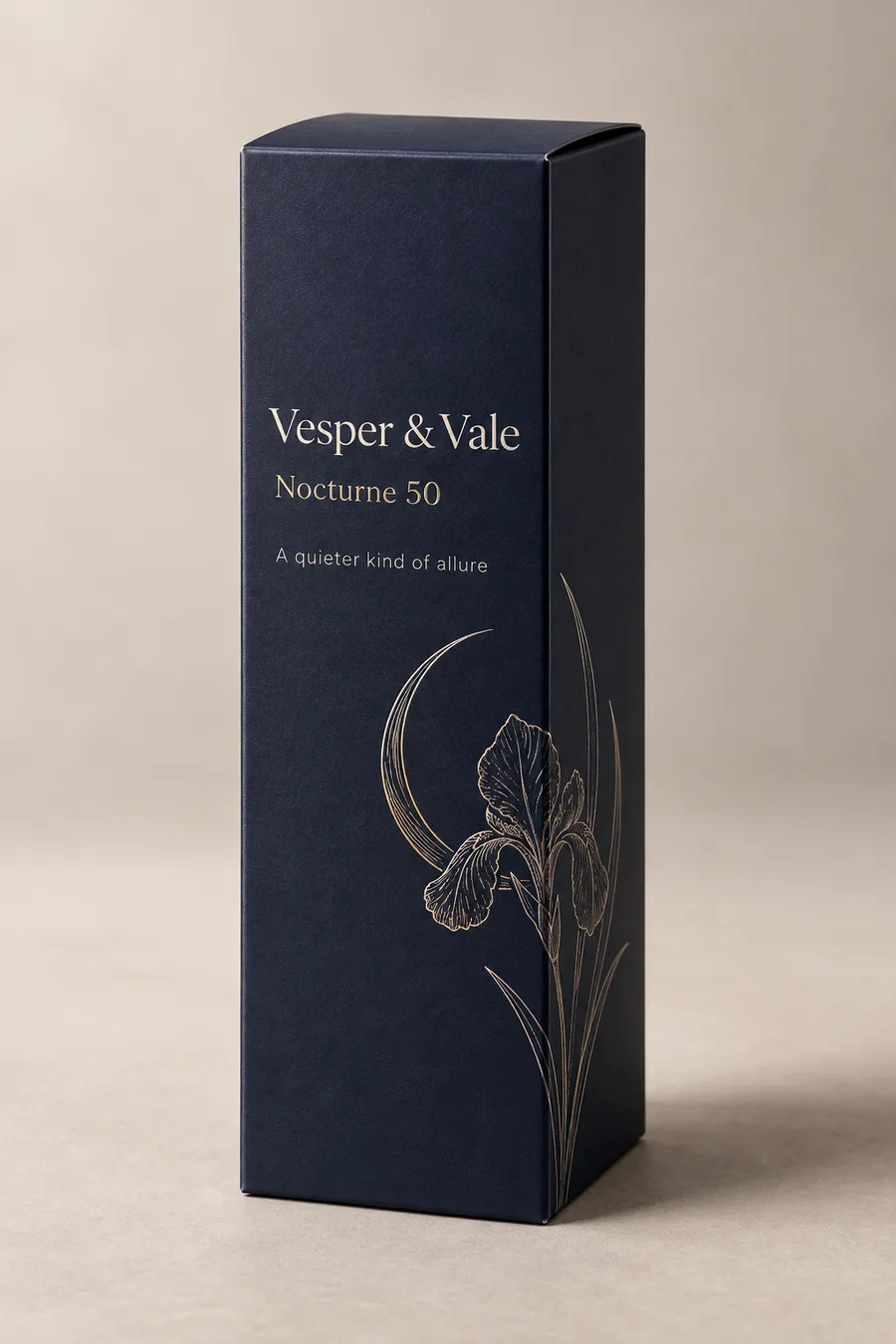
Tall printed luxury perfume box with a fitted amber fragrance bottle and tuck-top carton.
Perfume Boxes
Luxury perfume boxes give fragrance brands a measured way to present a bottle, cap, and story as one considered pack. Build around the bottle's outside dimensions and opening style, then choose SBS or kraft paperboard, a tuck or rigid construction, an insert, and finishes such as matte lamination, foil, or spot UV for the intended shelf or shipping route.
Last updated
Working quote
Product brief
A clean fit keeps the bottle upright and gives the opening sequence a deliberate feel. Start with the bottle's outside width, depth, and height, including the cap, collar, and any pump or overspray clearance. Add the packed product weight, orientation, and whether the carton will sit on a retail shelf, move inside a shipping case, or be handed over as a gift. A minimum order of 50 units is available on the standard path, while the final footprint remains specific to your bottle and insert brief.
Send the measurements in one consistent unit and identify the surfaces that must remain visible after packing. A tall rectangular bottle may suit a narrow vertical carton with a top tuck; a broad bottle or boxed set may call for a wider footprint, a shoulder detail, or a rigid two-piece construction. Do not size from the glass alone: the cap, label relief, and desired reveal all affect the usable cavity. A paperboard riser, locking neck support, or separate insert can be reviewed when geometry, weight, fragility, orientation, and presentation point to different support needs.
The structure decides how the customer opens the fragrance and how the printed face stays oriented. A folding carton can keep the pack light and efficient for individual retail units, with tuck flaps or a controlled opening that presents the front panel first. A rigid box can create a more substantial lid-and-base sequence for launches, sets, or gift presentation, but it needs a clear fit plan for the bottle and any inner tray. A sleeve over a fitted carton can add a branded outer layer while keeping the inner pack straightforward.
Share whether the box will be opened at a counter, placed in a gift bag, or sent through parcel fulfillment. That context guides panel order, closure access, and the amount of internal movement that is acceptable. The dieline and proof review are included on the standard path, so the opening line, glue areas, tuck clearances, and insert position can be checked before production. From 7 business days is the standard production estimate after digital proof approval; timing still depends on the confirmed construction and order details.
Board choice gives the artwork a surface and the bottle a defined enclosure. SBS paperboard provides a smooth face for small type, tonal gradients, and fine fragrance notes. Kraft paperboard keeps a visible natural character and can work when the artwork is designed around an unbleached ground. Corrugated board can be considered for an outer shipper or a display format where added fluting is part of the brief; it should not be assumed for a small retail carton without reviewing the folds and edge profile. An FSC-certified paper option is available as a material choice, rather than a blanket certification of every finished box.
Use matte lamination when a low-glare touch suits the label and retail lighting, or gloss lamination when a higher-shine face is part of the approved artwork. Spot UV can isolate a crest, ingredient note, or border, while foil stamping can mark a name or monogram. Embossing or debossing adds a tactile change to selected artwork. Board, line weight, foil registration, and emboss depth should be reviewed together; the final combination is confirmed against the supplied dieline and artwork.
A fitted interior keeps the reveal intentional without hiding the bottle's label. Depending on the bottle geometry, weight, fragility, orientation, closure, and fulfillment route, support may be integrated into a paperboard insert, a riser, a locking shoulder, or a separate tray. Leave enough clearance for the cap and hand access, while avoiding a cavity so loose that the glass shifts during ordinary handling. If a set includes a miniature, atomizer, or card, map those pieces before the cavity is drawn so the opening order remains clear.
Send a side, front, and top view of the packed bottle when possible, along with the cap height and any protruding pump. A physical sample or a simple fit mockup can resolve questions that a flat dieline cannot. The sample-kit program carries a $44.99 shipping charge credited toward the first order, which can help compare board, finish, and insert direction before a larger run.
Give the front panel one clear hierarchy: brand, fragrance name, and the line of copy that should be read first. Keep small regulatory or scent notes on a panel with enough quiet space for legibility. Extend backgrounds through bleed, keep critical type away from folds and glue, and identify any foil, spot UV, or emboss areas as separate artwork layers. A digital proof confirms placement and color intent; it does not replace checking the physical bottle fit, so both parts of the brief should be reviewed.
For a dark bottle, an opaque or high-contrast panel may be useful; for a light bottle, a restrained field can let the label carry the visual weight. If kraft is selected, account for the substrate tone when judging pale inks. If the fragrance will ship in a secondary carton, reserve the retail face for the brand story and use the outer pack for handling marks.
A useful quote request includes the bottle's outside dimensions, cap and collar details, quantity, destination, preferred structure, insert or support needs, artwork status, print coverage, desired finishes, and whether the box is for retail display, gifting, or parcel fulfillment. Include a reference image only to explain a construction or finish; do not rely on a competitor's exact dieline. Quotes are typically answered the same business day and always within 24 hours. Once the specification is clear, the team can prepare a dieline, review the digital proof, and confirm the production path.
Luxury perfume boxes work best when the bottle fit leads the design and decoration follows the opening sequence. Bring the measurements, intended quantity, and artwork direction first. From there, the board, closure, insert, and finish can be chosen as a connected set rather than as isolated effects. That approach keeps the carton specific to the fragrance, gives the shelf face a readable hierarchy, and leaves the shipping or gifting context visible in the final brief.
Proof points
A digital proof and dieline review connect the artwork to the actual carton construction.
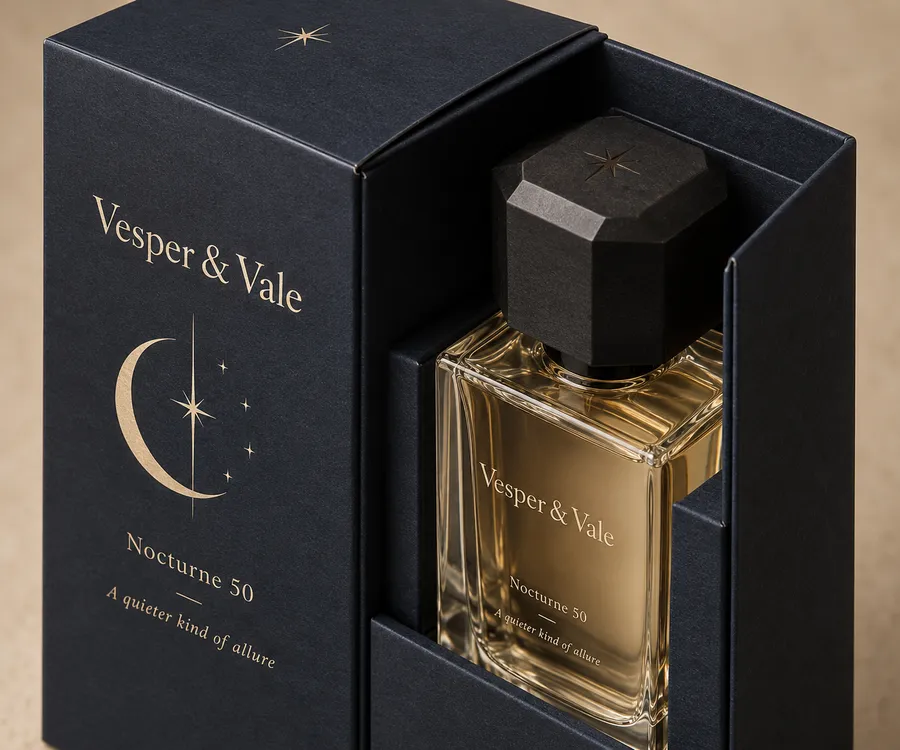
This pack is planned around the fragrance bottle, cap, opening style, and intended handoff. Folding cartons, rigid two-piece boxes, sleeves, and fitted interiors can be compared after those practical inputs are known.
A printed folding carton keeps the front label and fragrance name easy to read while the bottle stays aligned in its cavity.
A wider rigid or fitted presentation can organize a full-size bottle with miniatures, an atomizer, or a scent card.
A sleeve or lid-and-base sequence can make the first opening feel intentional when the pack is handed over rather than shelved.
Keep the brand name and fragrance note readable first, then use surface treatments on defined details.
Internal support is selected with the bottle, closure, orientation, fragility, and presentation in view rather than from a single rule.
A shaped paperboard tray or riser can hold the bottle in a defined reveal while leaving the label visible.
Cap height, collar detail, and hand access are checked so the first lift does not catch on the carton.
Miniatures, atomizers, cards, or samples are mapped before the insert is finalized.
A clear brief shortens the path from concept to a buildable perfume carton.
Send bottle dimensions, cap and collar details, quantity, destination, use case, and artwork status.
Compare folding, sleeve, rigid, and insert directions against the opening and shipping context.
Check folds, glue areas, clearances, panel hierarchy, and finish callouts in the digital proof.
Once the bottle fit and artwork are confirmed, the approved specification moves into production planning.
Need help with structure, materials, or production planning? See how we manufacture custom packaging.
The sample-kit program uses a $44.99 shipping charge credited toward your first order, giving you a practical way to review surface, print, and insert direction.
Shipping charge: $44.99. Credited toward your first order.
Request a Sample KitFind clear answers about fit, materials, and ordering below.
Measure the bottle, cap, collar, and any protruding pump, then add the clearance and insert space needed for the intended opening. Share width, depth, height, weight, and orientation so the dieline can be built around the complete pack.
Yes. A folding carton can suit an individual retail unit, while a rigid lid-and-base or fitted set can suit a launch, discovery set, or gift handoff. The choice depends on bottle geometry, presentation, and shipping context.
The category taxonomy includes matte lamination, gloss lamination, spot UV, foil stamping, and embossing or debossing. Each should be placed on defined artwork areas and reviewed with the board and dieline.
Support depends on geometry, weight, fragility, orientation, closure, clearance, presentation, and fulfillment. A paperboard riser, locking structure, or separate tray may be appropriate after those variables are reviewed together.
The standard minimum order is 50 units. Production is from 7 business days after digital proof approval, with the final schedule tied to the confirmed construction and order details.
A sample kit is available with a $44.99 shipping charge credited toward the first order. It can help compare board, print, finish, and insert direction before a larger run.
Orders start at 50 units and scale up to 500,000 for bulk runs, with pricing from $0.19 per unit on larger quantities. Standard production is from 7 business days after digital proof approval.
Compare nearby products and request the format that best fits your next run.
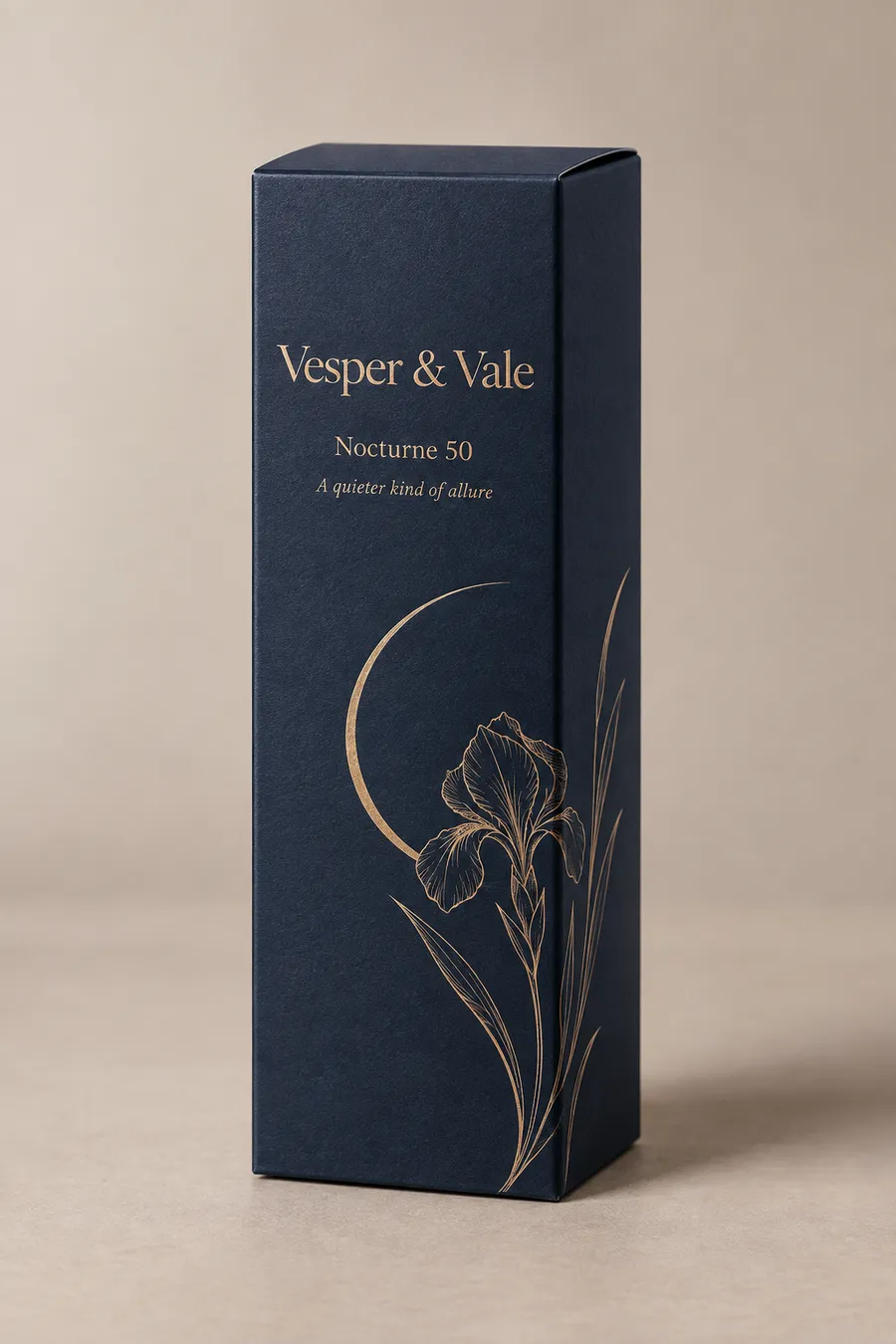
Available product
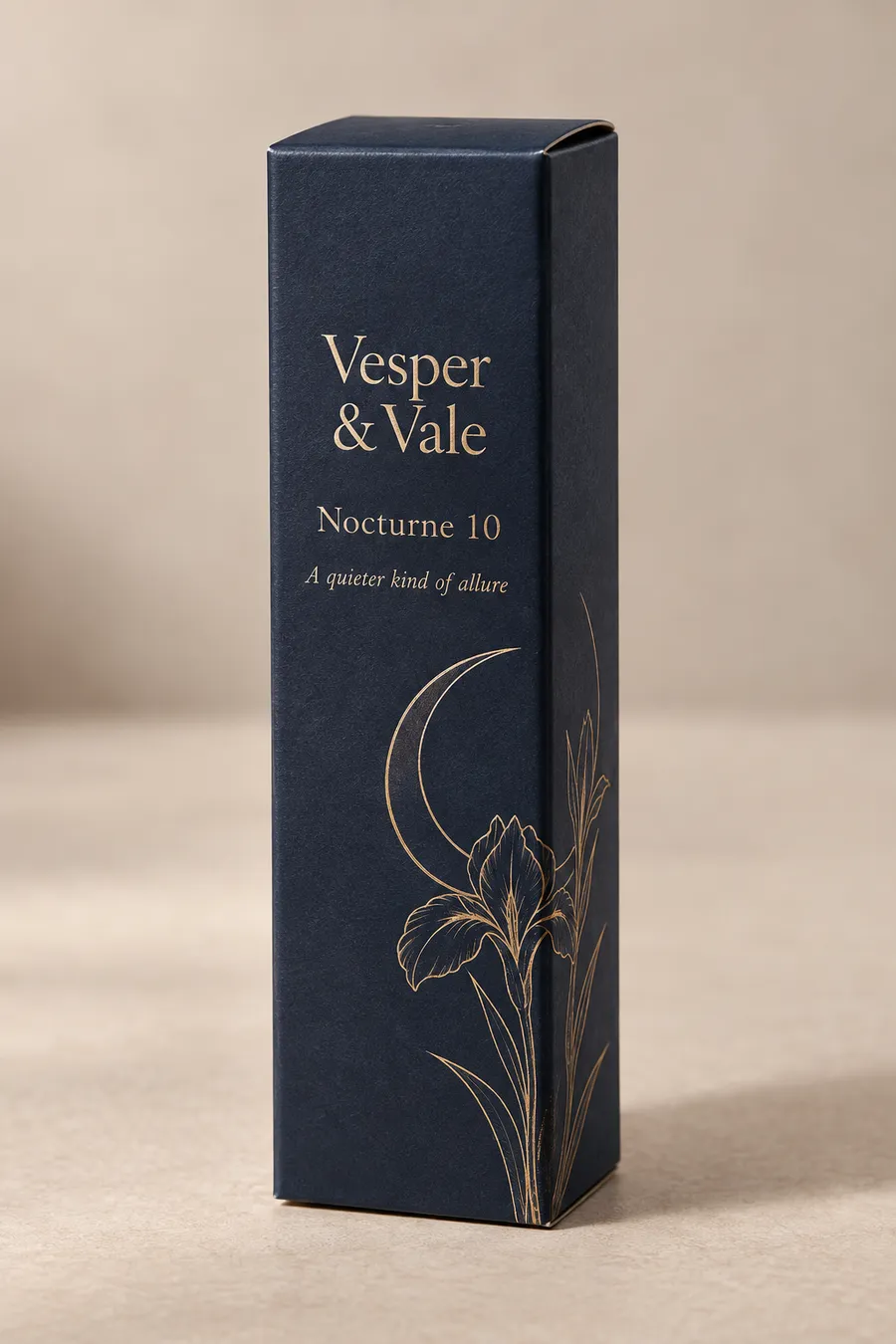
Available product
Available product
Available product
Start with the bottle
Send the dimensions, quantity, structure preference, and artwork direction for a quote that reflects the actual fragrance pack.
Add your product details to see a quote summary.