Single retail roller cartons
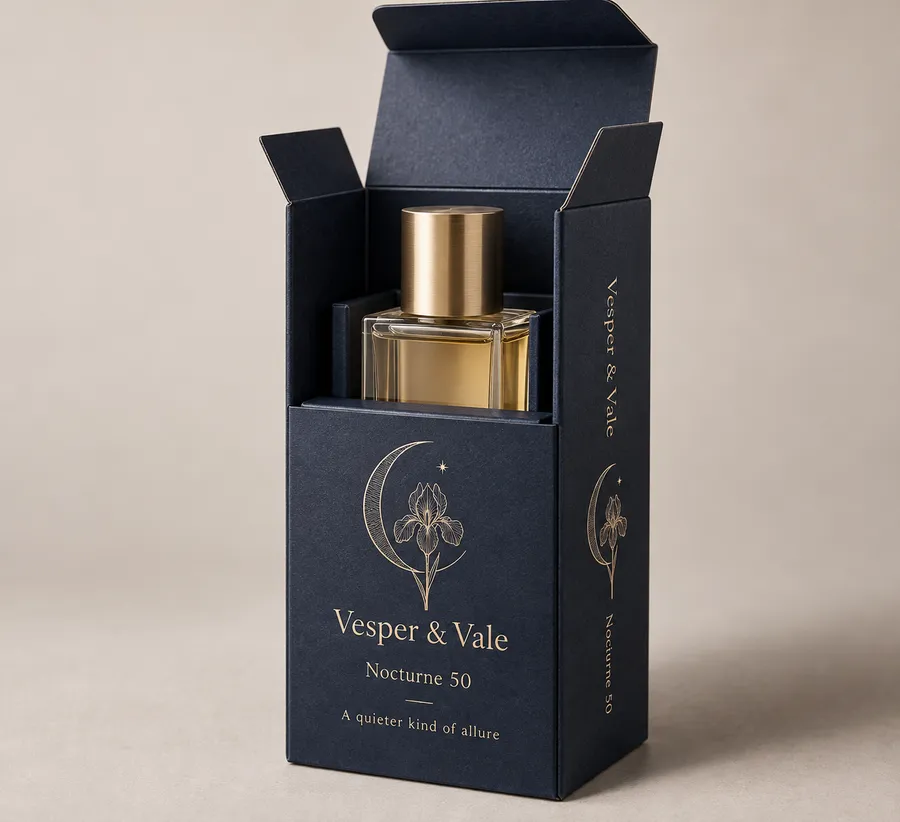
A close-fit folding carton can keep one roller bottle, cap, scent name, and volume statement legible on a shelf-facing panel.

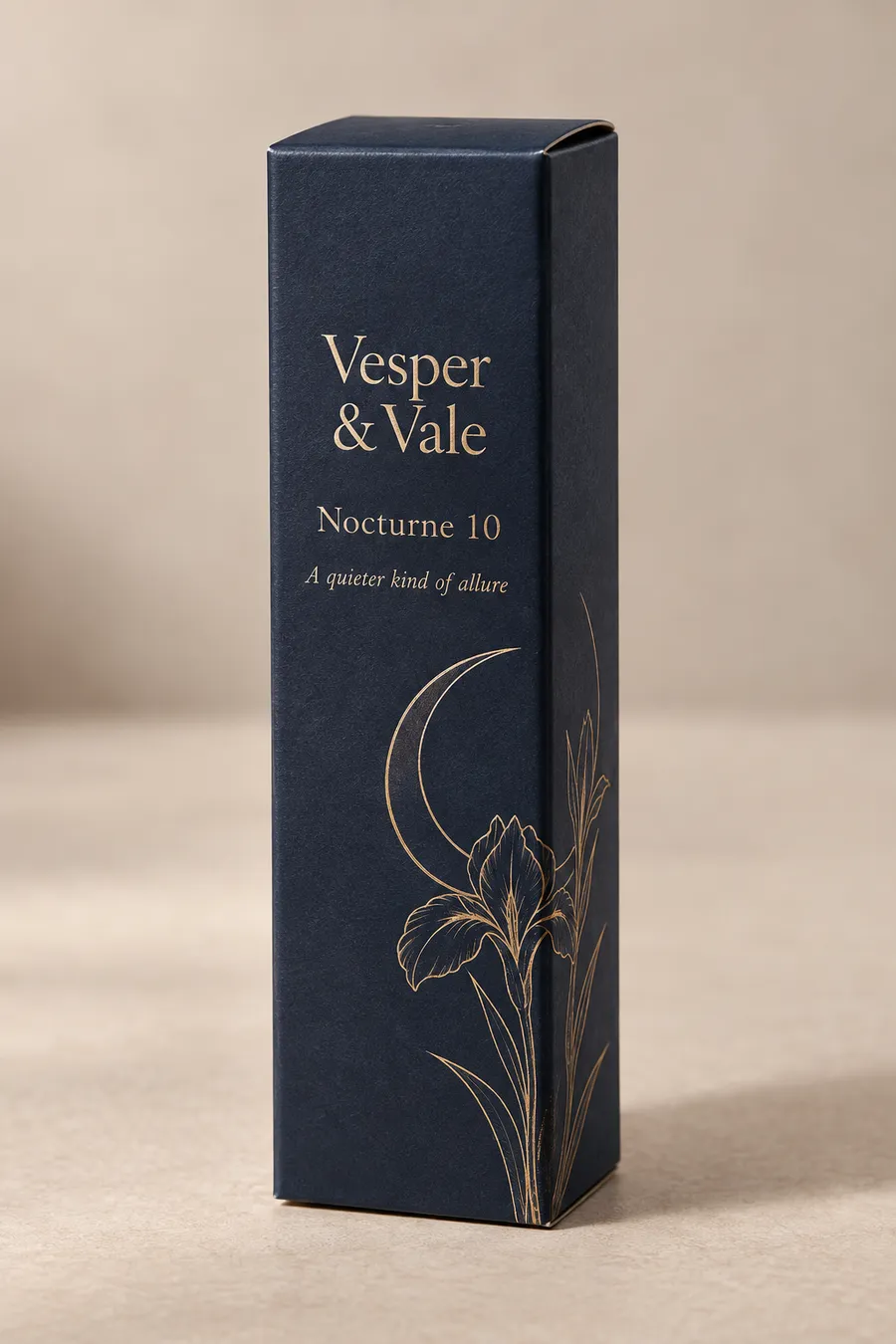
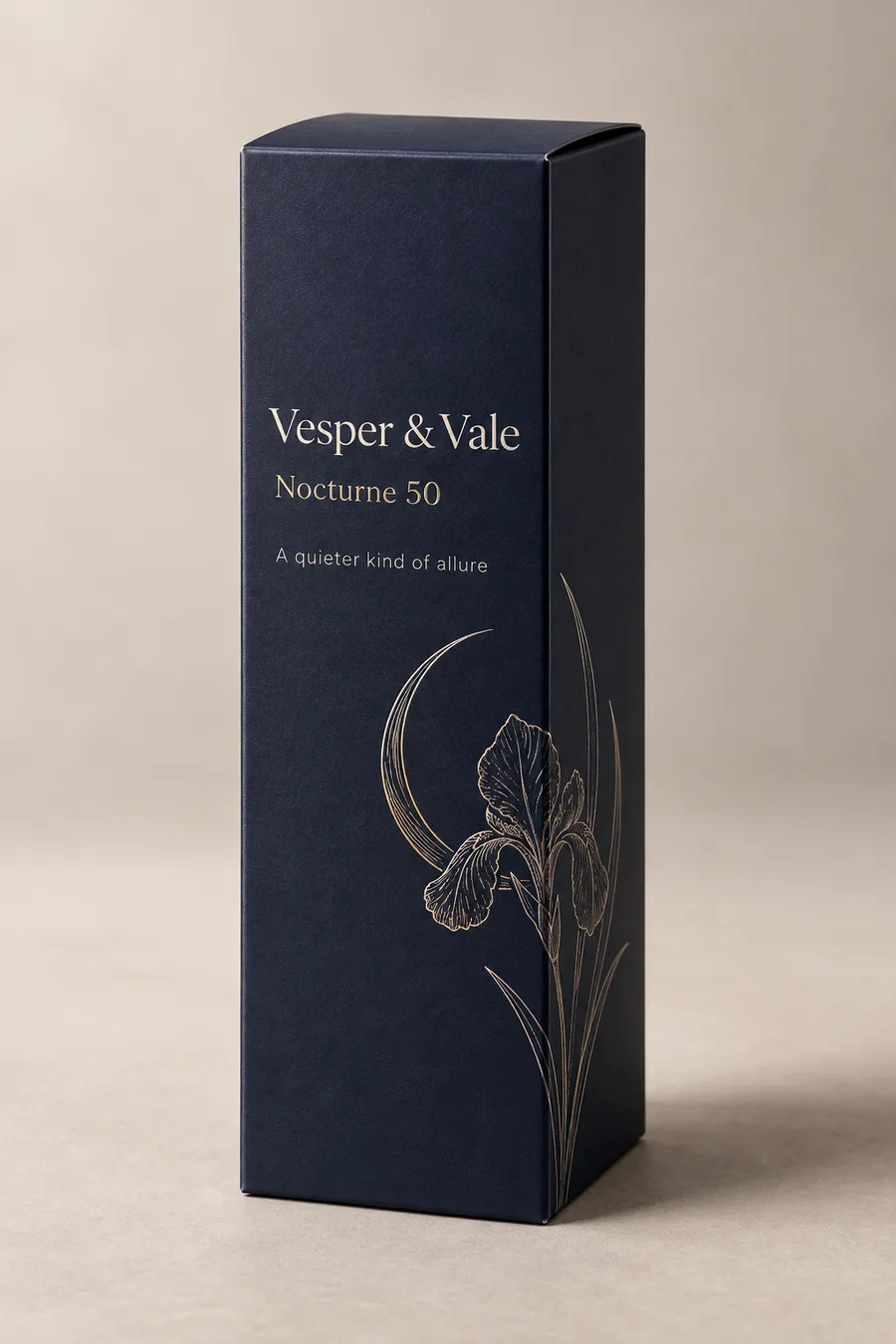
Closed midnight-blue perfume roller carton with champagne foil Vesper & Vale print
Perfume Boxes
Perfume roller boxes are sized around the roller bottle, cap, ball housing, and the way a customer lifts the small pack from a shelf or parcel. Choose a printed folding carton, sleeve, or more structured presentation format, then coordinate the insert, board, artwork panels, and finish with the bottle count and handoff you need.
Last updated
Working quote
Product brief
The first job is to keep a small roller bottle centered while making its label, cap, and scent name easy to read. A tester, a travel roller, and a retail roller can have different shoulders, caps, and center-of-gravity needs even when the bottles look similar. Start with the finished bottle, cap, ball housing, packed weight, and the direction in which the customer will lift the product. That information sets the carton footprint, insert contact points, and opening sequence.
Measure the bottle at its widest point, then record length, width, height, cap height, ball or spray housing, neck, and packed weight. Note whether the cap is threaded, press-fit, or a decorative cover that extends past the glass. Include the orientation in the box and the clearance needed to remove a small bottle without pinching the label. If the box holds 2, 3, or 4 rollers, show the spacing and order in a simple top view. A paperboard collar, divider, riser, or shaped cradle may change the internal width more than the glass itself. The final dieline is reviewed against those measured parts rather than an assumed universal roller size.
A tuck-end folding carton keeps one roller compact for a retail shelf, counter display, or direct-to-customer parcel. A sleeve can leave the bottle silhouette visible while a small inner tray controls movement. A structured base-and-lid format can slow the opening for a launch set or gift presentation. For a 3- or 4-scent discovery set, dividers can keep each roller in a deliberate sequence and prevent caps from touching. The useful comparison is bottle clearance, insert strategy, opening route, storage, order quantity, and shipping method together. No single closure is correct before the packed product and route are known.
SBS paperboard gives a smooth face for fine fragrance copy and a clean color field. Kraft paperboard can make the natural stock character part of a small-batch concept, while corrugated board can be considered for an outer shipping layer around a presentation carton. Matte lamination reduces glare on a small front panel; gloss lamination gives a brighter face where the artwork is designed for it. Foil stamping can reserve a metallic accent for a scent name or a thin border. Spot UV can isolate a small motif, and embossing or debossing can give a tactile change to a defined mark. Keep the finish count proportional to the panel size so short text remains legible after folding and handling.
Map the brand name, scent name, concentration wording, volume statement, ingredient or regulatory copy supplied by the brand, and any opening message to the assembled box. A roller carton has little uninterrupted area, so the front panel should carry the primary hierarchy while the side or back carries supporting copy. For a discovery set, assign each roller a clear scent name and keep the sequence visible when the lid or sleeve is opened. Easy Box Packaging can review the dieline and digital proof so the label area, cap clearance, folds, closure, and finish coverage are checked as one package.
Send the bottle and cap dimensions, ball housing or neck detail, packed weight, number of rollers, quantity, intended use, artwork status, preferred structure, material direction, and finish preference. State whether the pack is a single retail roller, a 2-piece gift set, a 3-scent discovery set, or a direct-to-customer insert inside an outer shipper. The standard path begins at 50 units, with production from 7 business days after digital proof approval. A sample kit carries a $44.99 USD shipping charge credited toward the first order, which lets a team compare board feel, print density, insert fit, and opening details before committing to a run. Free US shipping is included on the standard fulfillment path.
The proof review should confirm that a roller can be lifted without scraping the printed face, that the cap does not press into a neighboring divider, and that the ball housing remains supported during normal handling. Check front, side, top, and inside panels at final print size. Confirm whether matte or gloss lamination changes the contrast of small text, and whether foil or spot UV stays away from fold scores. For a multi-roller set, verify the order of scents and the direction of every insert. After digital proof approval, the production estimate begins at 7 business days; timing can still depend on the confirmed specification and order route.
Request a quote with the packed roller details and a working artwork file, even if the final scent copy is still being refined. Include the quantity, bottle family, shipping route, and the opening experience you want. That gives the packaging team enough context to compare a tuck carton, sleeve, or structured presentation box, recommend a board and insert direction, and return a specification that can be checked before production.
Proof points
The package is reviewed as an assembled fragrance presentation in which roller fit, support, printed surfaces, and opening sequence work together.
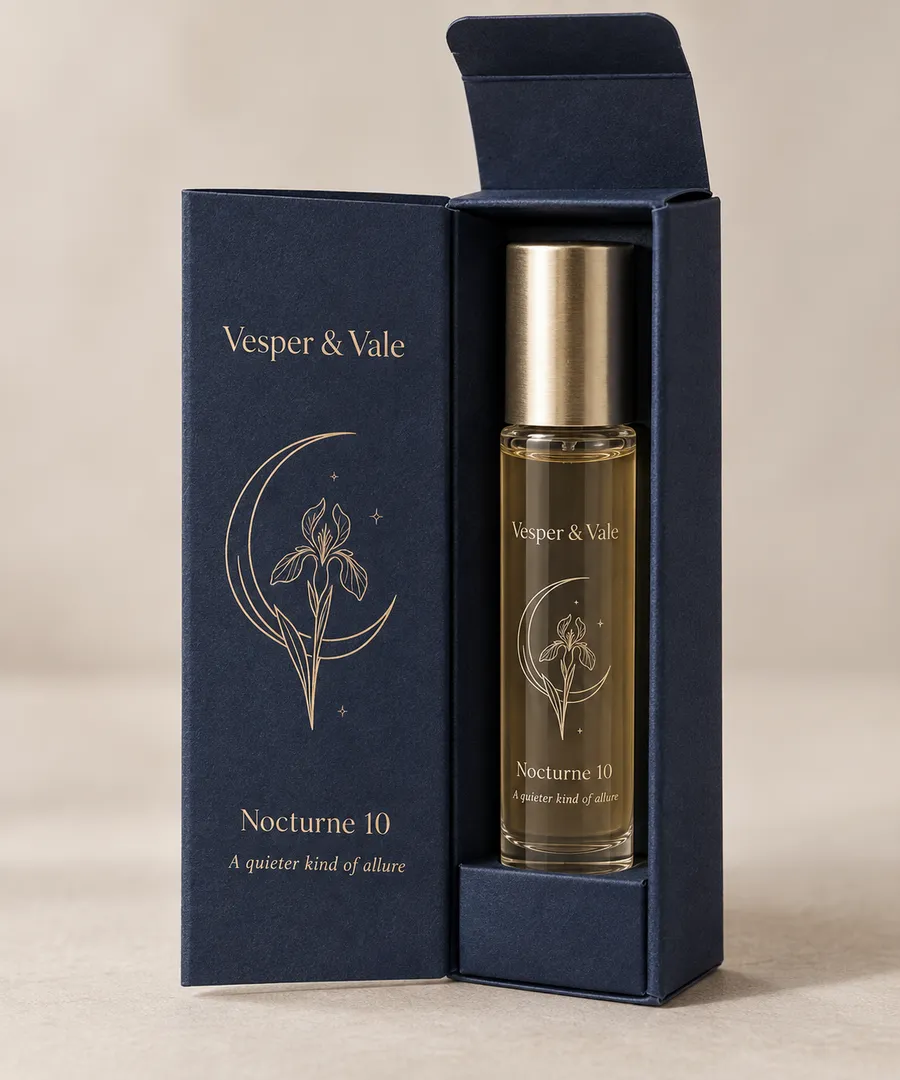
Sizing begins with the finished roller bottle and cap, including the widest shoulder, ball housing, packed weight, orientation, insert, and intended reveal. Those details let the panels, closure, interior support, and printed face be considered around the actual fragrance instead of a stock footprint.
A close-fit folding carton can keep one roller bottle, cap, scent name, and volume statement legible on a shelf-facing panel.
A sleeve or tuck carton can protect a compact 5 ml or 10 ml roller while keeping the opening simple for a handbag or carry-on routine.
A divider or fitted paperboard structure can sequence 2, 3, or 4 small rollers when their arrangement and scent order are known.
The presentation box can sit inside an outer shipper, with the delivery route and surfaces that should remain visible included in the brief.
Artwork is mapped to the assembled package so the fragrance name, concentration, folds, edges, and finish remain intentional after the small box is closed.
A useful brief links the small bottle geometry to the opening route and fulfillment path so the carton is reviewed as one presentation.
Share bottle and cap length, width, height, ball housing, neck, weight, orientation, and any second, third, or fourth roller.
Explain whether the pack is a shelf carton, travel roller, launch gift, discovery set, or inner box inside an outer shipper.
Identify the brand, scent name, concentration, volume statement, panel hierarchy, artwork status, and preferred board or finish direction.
The quote process is clearer when the fragrance is described as a packed bottle or set with a defined arrangement, opening, and delivery route.
Provide bottle and cap dimensions, shoulder and ball-housing details, packed weight, orientation, and any 2-, 3-, or 4-roller arrangement.
Explain whether the package is shelf-facing, travel-led, a discovery set, a launch gift, or an inner presentation box inside a shipper.
Discuss a tuck carton, sleeve with tray, or structured format with SBS paperboard, kraft paperboard, or corrugated board.
Identify the fragrance name, concentration, panel priorities, artwork status, and preferred foil, lamination, spot UV, or embossing direction.
Check bottle clearance, cap contact, insert position, closure, printed panels, and finish coverage against the packed rollers.
Need help with structure, materials, or production planning? See how we manufacture custom packaging.
A sample kit carries a $44.99 USD shipping charge credited toward your first order, useful when you need to review board feel, printed surface, insert position, cap clearance, and the opening sequence before approving a perfume roller run.
Shipping charge: $44.99. Credited toward your first order.
Request a Sample KitFind clear answers about fit, materials, and ordering below.
Measure the completed roller bottle and cap, including length, width, height, widest shoulder, ball housing, neck, packed weight, and orientation. Add the insert, divider, or 2-, 3-, or 4-roller arrangement when it changes the interior clearance.
A folding carton can suit a compact shelf or parcel format, a sleeve can pair a visible bottle silhouette with an inner tray, and a structured format can suit a slower gift reveal. The choice depends on bottle geometry, cap clearance, desired opening, storage, quantity, and handling route.
That decision depends on bottle geometry, weight, fragility, orientation, clearance, presentation requirements, outer structure, and fulfillment together. A collar, riser, divider, or shaped paperboard support can be considered from the packed specification.
SBS paperboard, kraft paperboard, and corrugated board are the category material directions. Foil stamping, matte lamination, gloss lamination, spot UV, and embossing/debossing are finish directions, with the selected combination reviewed against artwork and structure.
The standard minimum order is 50 units. Include bottle dimensions, quantity, intended use, artwork status, and preferred structure or finish in the quote request so the package can be scoped around the actual rollers.
The approved standard estimate is from 7 business days after digital proof approval. Free US shipping is included on the standard fulfillment path, and dieline or proof review is included at no extra charge.
Orders start at 50 units and scale up to 500,000 for bulk runs, with pricing from $0.35 per unit on larger quantities. Standard production is from 7 business days after digital proof approval.
Compare nearby products and request the format that best fits your next run.
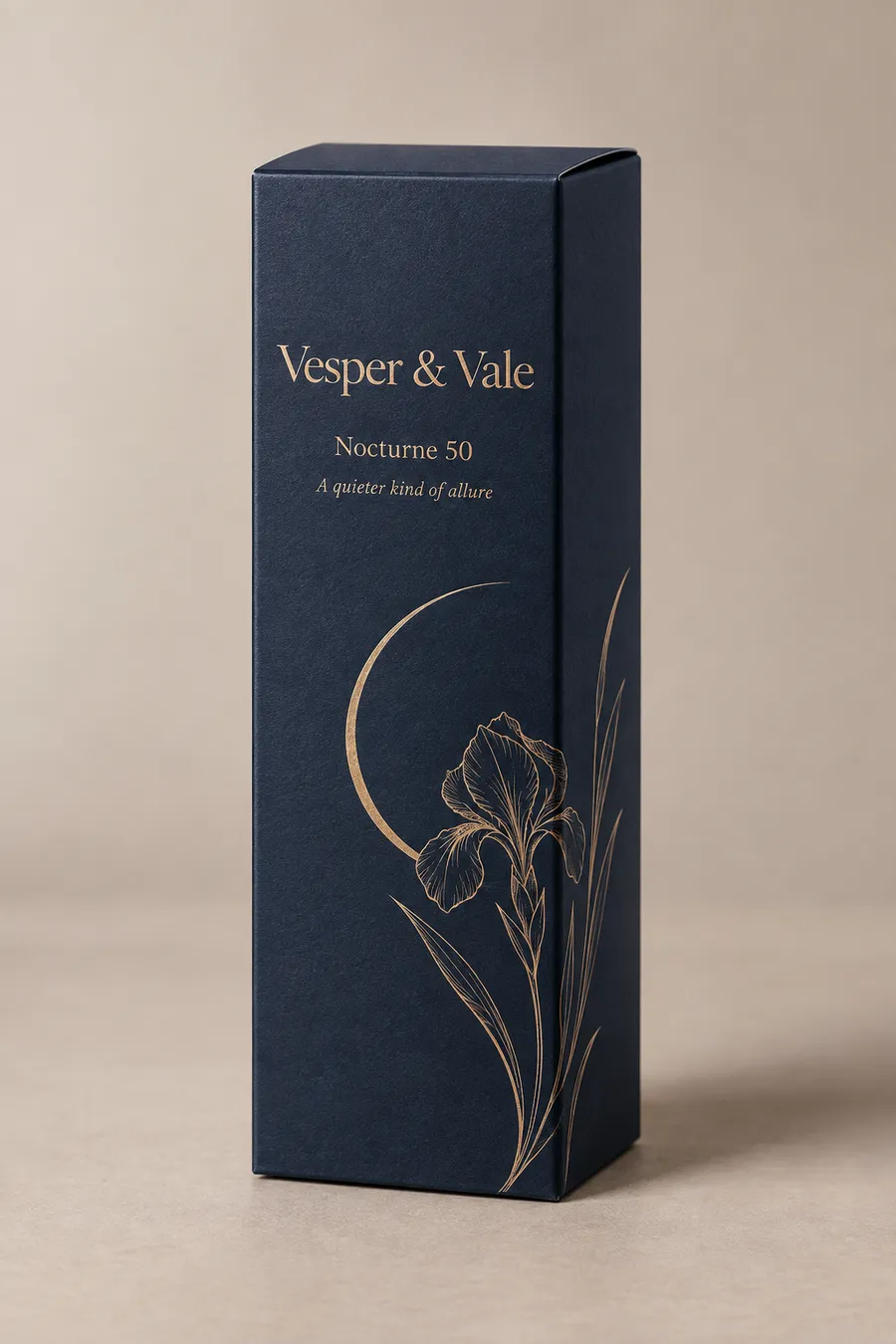
Available product
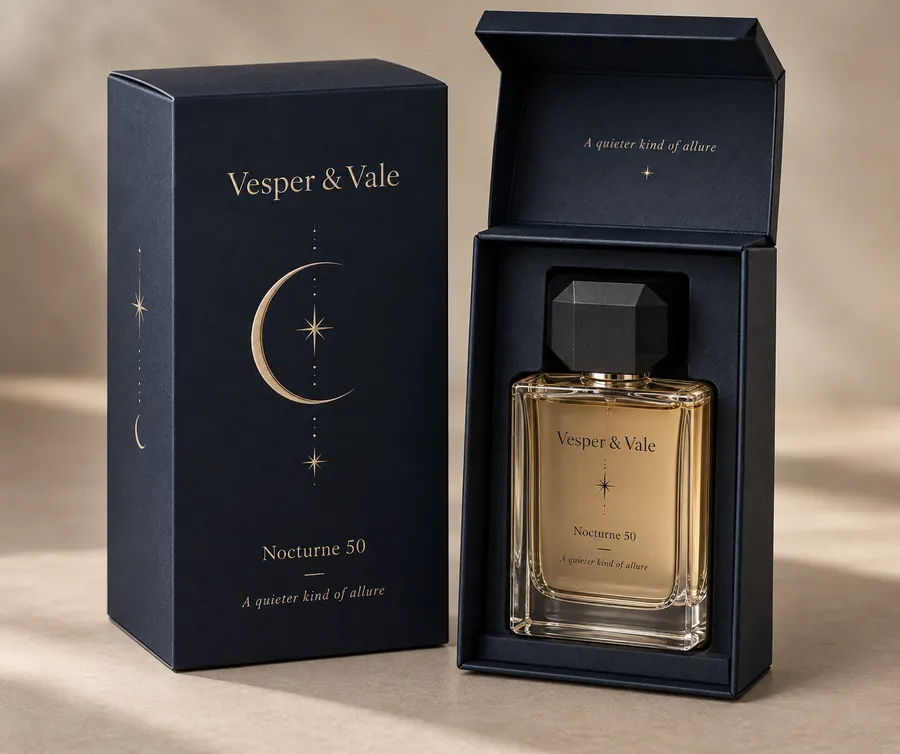
Available product
Available product
Available product
Plan the roller fragrance presentation
Send the packed roller details, intended handoff, quantity, artwork status, preferred structure, material direction, and finish preference so Easy Box Packaging can review the package as one quote-ready specification.
Add your product details to see a quote summary.