Soap and candle trays
A sleeve can frame a single bar or jar while an inner tray keeps the product oriented for a controlled reveal.

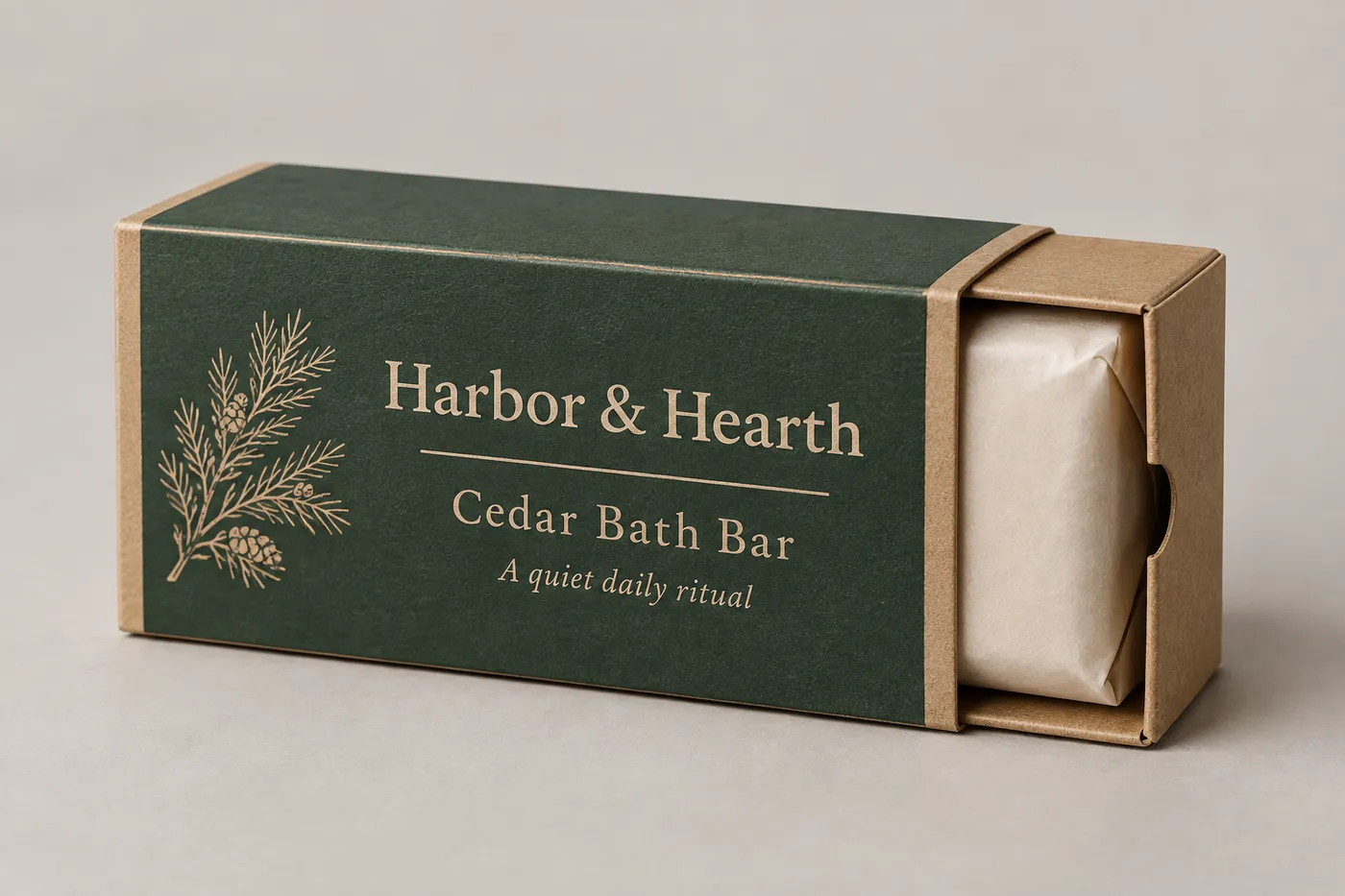
Printed kraft paper sleeve sliding around a shallow tray with a wrapped cedar soap bar
Sleeve Boxes
Paper sleeve packaging wraps a printed paperboard band around an inner tray, carton, or wrapped product, giving the outside a wide branded panel while the inner pack controls fit. Share the filled length, width, height, weight, opening direction, and print coverage so Easy Box Packaging can review the sleeve as a quote-ready construction.
Last updated
Working quote
Product brief
A paper sleeve should make the inner product easy to identify and easy to handle without pretending to be the inner pack. The sleeve can slide over a tray, hold a small carton in alignment, or wrap a single wrapped item; its useful role depends on what sits inside and how the customer opens it. This format suits soap, candles, cosmetics, stationery, food gift sets, and other products that benefit from a broad printed panel around a more compact inner construction.
Start with the filled inner pack rather than a nominal sleeve size. Send the longest side, shortest side, height, approximate weight, any wrap or insert, and the direction the pack should slide. A sleeve that must reveal one end has a different opening and artwork boundary from a band that covers the full side wall. If the product is handed over in a store, describe that route; if it travels inside an outer shipper, identify the shipper and the points where the sleeve may be handled.
The right clearance lets the sleeve move over the inner pack without looking loose. The quote should connect the inner tray or carton footprint, sleeve length, overlap or locking area, and the direction of the reveal. A shallow tray holding one soap bar, a deeper tray holding a candle jar, and a carton containing several small components all create different contact points. Product-to-sleeve clearance, weight, orientation, presentation, and fulfillment route should be reviewed together before an inner support is selected. Support may be integrated into the paperboard structure or provided as a separate insert, depending on the specification.
A sleeve is not a replacement for a shipper. If the finished pack will be placed in a mailer or corrugated outer box, share the outer dimensions and the way the pack is nested. That information helps keep the printed sleeve aligned during handling without claiming a shipping-protection result the sleeve alone cannot provide. For a retail shelf, the broad face and a short end panel may need different information: use the long face for the product name and the end for a variant, barcode area, or handling cue.
Kraft Paperboard can leave a natural, tactile ground when the design benefits from visible paper character. SBS Paperboard provides a smooth white surface for a cleaner color field and fine text. Corrugated Board is a direction to review when the sleeve is part of a more structured pack, but the flute, folds, and outer shipper relationship need to be specified rather than assumed. These are category material directions, not a promise of one fixed paper weight or board thickness.
Surface treatment changes how the printed panel is handled and read. Matte Lamination can be considered when a low-glare touch is wanted; Gloss Lamination can be considered when a high-shine appearance fits the artwork. Spot UV can call attention to a selected wordmark or line, while Foil Stamping or Embossing/Debossing can be reviewed for a defined detail. Each finish should be checked against the supplied artwork, fold lines, sleeve overlap, and the product's handling route.
Reserve the widest uninterrupted panel for the brand name, product name, and one useful descriptor. Keep small copy away from the overlap, opening edge, and any corner that is hidden by the inner tray. If a barcode, ingredients panel, or care note is required, identify its face before the proof rather than squeezing it into the end after the artwork is set. A repeating band or a single front panel can both work; the choice depends on how much of the sleeve is visible at the shelf or during the opening.
The sample print layout in the image direction demonstrates printed output on the sleeve. Dieline and proof review are included on every order at no extra charge, so the proof should show the sleeve overlap, front and reverse orientation, color placement, and the way the inner pack reveals when pulled.
The standard fulfillment path starts at 50 units. Production is estimated from 7 business days after digital proof approval, and Free US shipping is available on that standard path. A sample kit carries a $44.99 USD shipping charge credited toward the first order when you need to compare paperboard surface, sleeve clearance, print density, and finish. Pricing remains quote-only because filled dimensions, board direction, quantity, print coverage, finish, and delivery route change the scoped build.
For a quote, provide the filled inner-pack dimensions, approximate weight, inner tray or carton description, opening direction, sleeve overlap preference, quantity, destination, and artwork status. Quote requests are typically answered the same business day and always within 24 hours. After the digital proof is approved, production timing begins from 7 business days; the proof is where the opening edge, overlap, end-panel information, and print-to-fold relationship are checked.
A printed sleeve can frame a single soap or candle tray, give a small cosmetic carton a wider branded face, group stationery or gift components in an inner tray, or add a retail-ready band around a wrapped food item. The use case changes the decision: a handoff pack may prioritize the opening reveal and front panel, while a direct-to-customer pack may need the sleeve nested inside an outer shipper. A sleeve around several pieces should describe the tray and component arrangement, not just the total count.
A clear brief connects the filled product, inner construction, sleeve footprint, overlap, artwork faces, selected material, finish, and route to the customer. If the product changes size across variants, list the largest and smallest packed versions so the sleeve family can be reviewed without assuming one tolerance fits every SKU. The more precisely the brief describes the finished relationship, the easier it is for Easy Box Packaging to prepare a practical paper sleeve packaging quote.
Proof points
A useful proof shows the sleeve around its actual inner pack, not as an isolated flat artwork file.
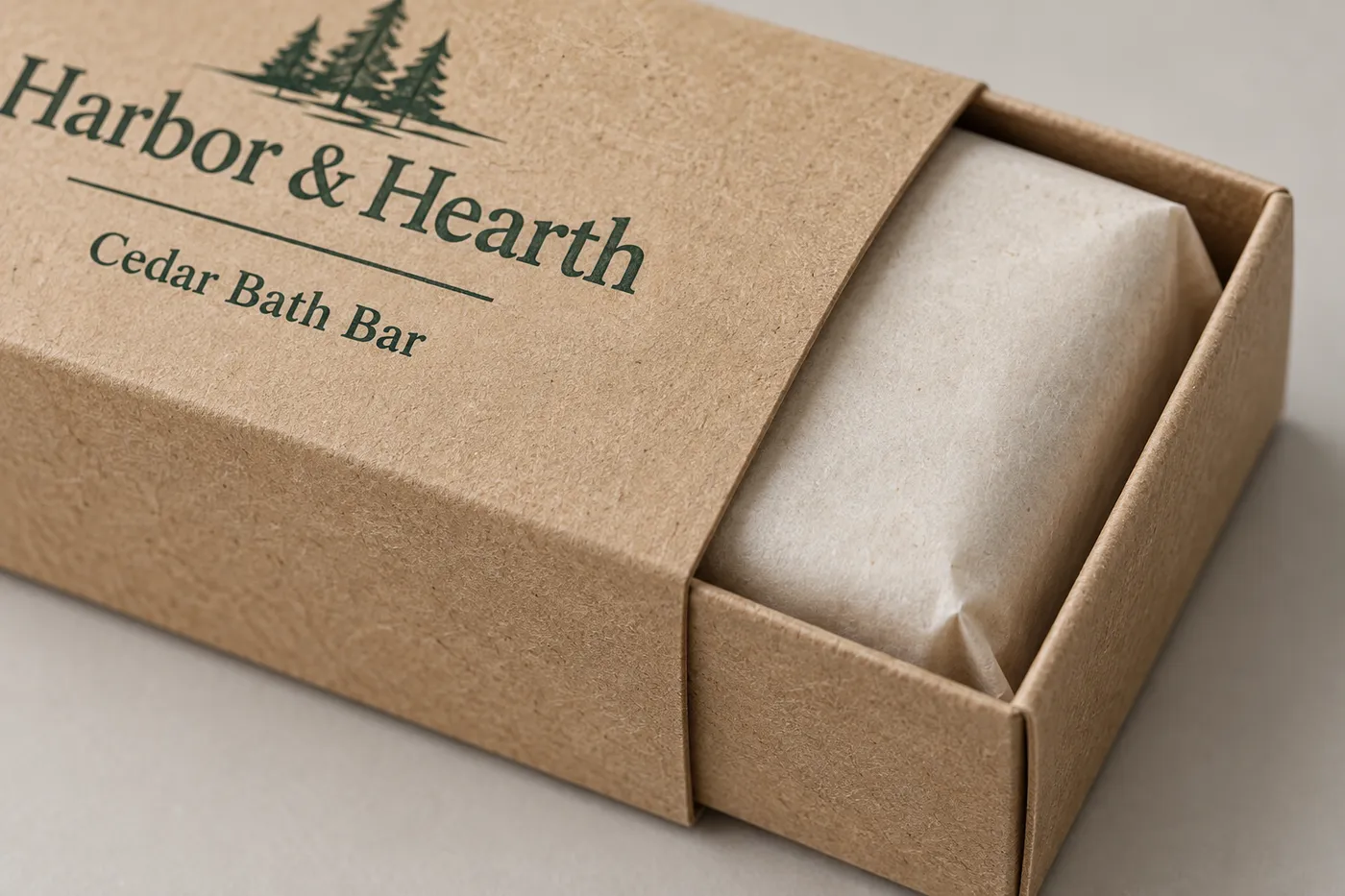
The sleeve's footprint, overlap, opening direction, paperboard choice, and artwork faces need to be reviewed with the filled tray or carton. Share the packed product and handling route so the sleeve is specified as part of a complete pack.
A sleeve can frame a single bar or jar while an inner tray keeps the product oriented for a controlled reveal.
A wide printed face can add product naming or a variant cue around a smaller carton without changing the inner closure.
An inner tray can keep cards, notebooks, or small components aligned while the sleeve groups the set for retail display.
A paperboard band can carry the front story around a wrapped item, subject to the confirmed inner pack and any food-contact requirements.
Use the sleeve's longest clean panel for the product name and primary mark, then plan the reverse and end panel for information customers need while the pack is closed.
A sleeve is both a printed surface and a moving fit around an inner pack. Clearance, overlap, panel hierarchy, material, and finish need to agree before the proof is approved.
Length, width, height, weight, wrap, tray, carton, and product orientation guide the sleeve opening and clearance.
Slide direction, overlap, end reveal, and the outer shipper route are reviewed with the way the customer opens and carries the pack.
The broad front, reverse, end panel, fold lines, and overlap are mapped so required copy stays visible and clear.
A quote is easier to evaluate when the inner pack, sleeve opening, printed faces, and handling route are described together.
Provide length, width, height, approximate weight, component count, photos, wrap or tray description, and orientation.
Explain the slide direction, end reveal, overlap or locking area, inner support, and whether an outer shipper is used.
Name the front, reverse, end, overlap, barcode or care-information areas, artwork status, and any finish direction.
Confirm opening edge, overlap, panel hierarchy, fold clearance, color placement, and finish representation before production begins.
Need help with structure, materials, or production planning? See how we manufacture custom packaging.
A sample kit ships for a $44.99 USD charge credited toward your first order, useful when you need to compare paperboard surface, sleeve clearance, print density, overlap, and finish before approving the pack.
Shipping charge: $44.99. Credited toward your first order.
Request a Sample KitFind clear answers about fit, materials, and ordering below.
It is a printed paperboard sleeve that slides around an inner tray, carton, or wrapped product. The sleeve supplies a broad branded panel while the inner construction controls the product's fit and opening.
Provide the filled inner-pack length, width, height, approximate weight, wrap or insert, component count, and slide direction. The sleeve length, overlap, and clearance are then reviewed around that finished arrangement.
Kraft Paperboard, SBS Paperboard, and Corrugated Board are category directions. The confirmed board, thickness or flute decision, and any food-contact requirement depend on the product-specific specification.
Matte Lamination, Gloss Lamination, Spot UV, Foil Stamping, and Embossing/Debossing can be reviewed for selected artwork areas. The proof checks each finish against folds, overlap, and handling.
The approved standard estimate is from 7 business days after digital proof approval. Orders start at 50 units, and free US shipping is available on the standard fulfillment path.
Yes. Dieline and proof review are included on every order at no extra charge. The proof should confirm the opening edge, overlap, panel hierarchy, fold clearance, and finish representation.
Orders start at 50 units and scale up to 500,000 for bulk runs, with pricing from $0.16 per unit on larger quantities. Standard production is from 7 business days after digital proof approval.
Compare nearby products and request the format that best fits your next run.

Available product
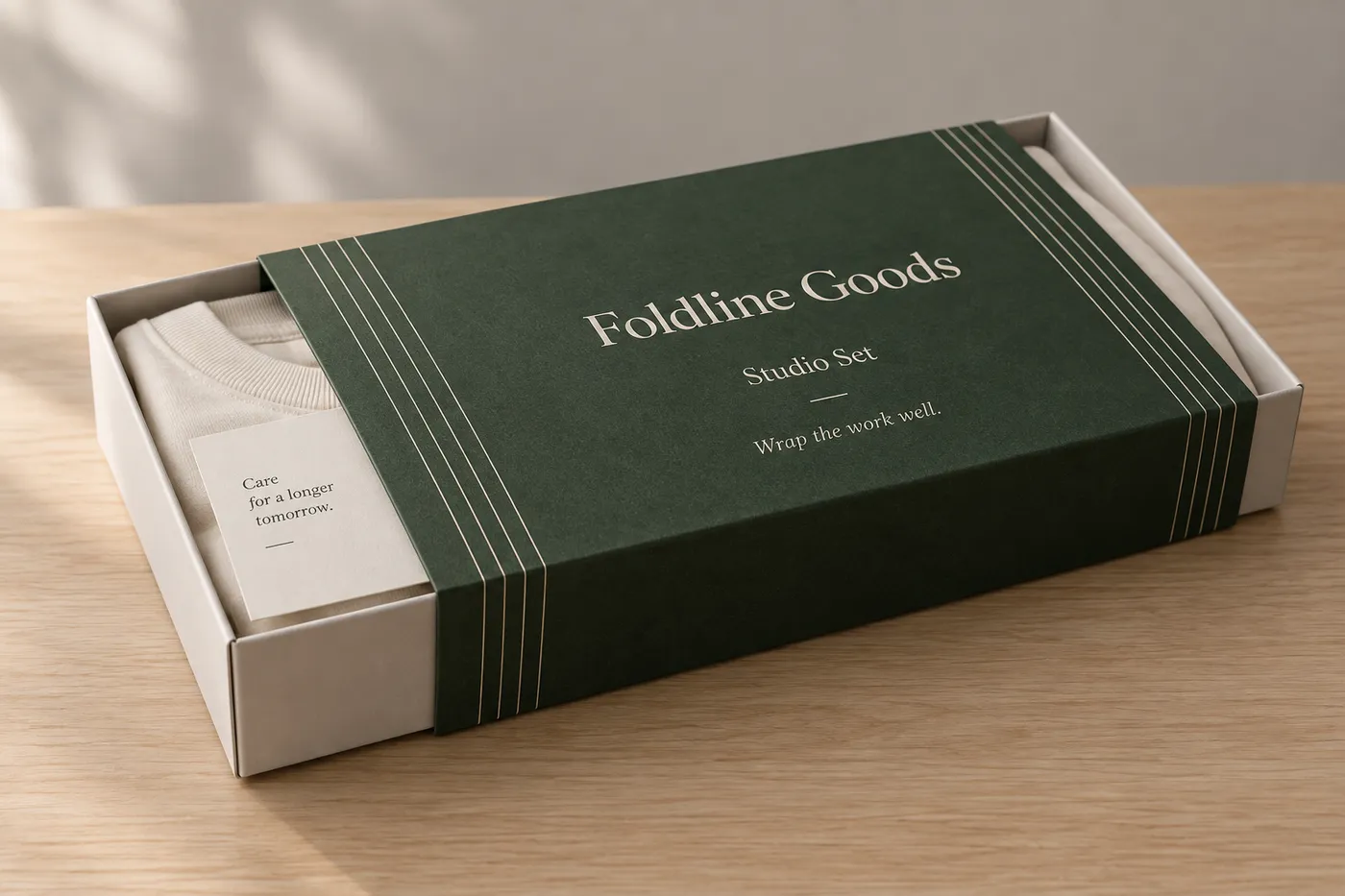
Available product
Specify the sleeve around the product
Send the filled product dimensions, inner tray or carton details, opening direction, sleeve overlap, material direction, printed panels, finish, quantity, destination, and artwork status. Easy Box Packaging can then review the sleeve and inner pack as one specification.
Add your product details to see a quote summary.