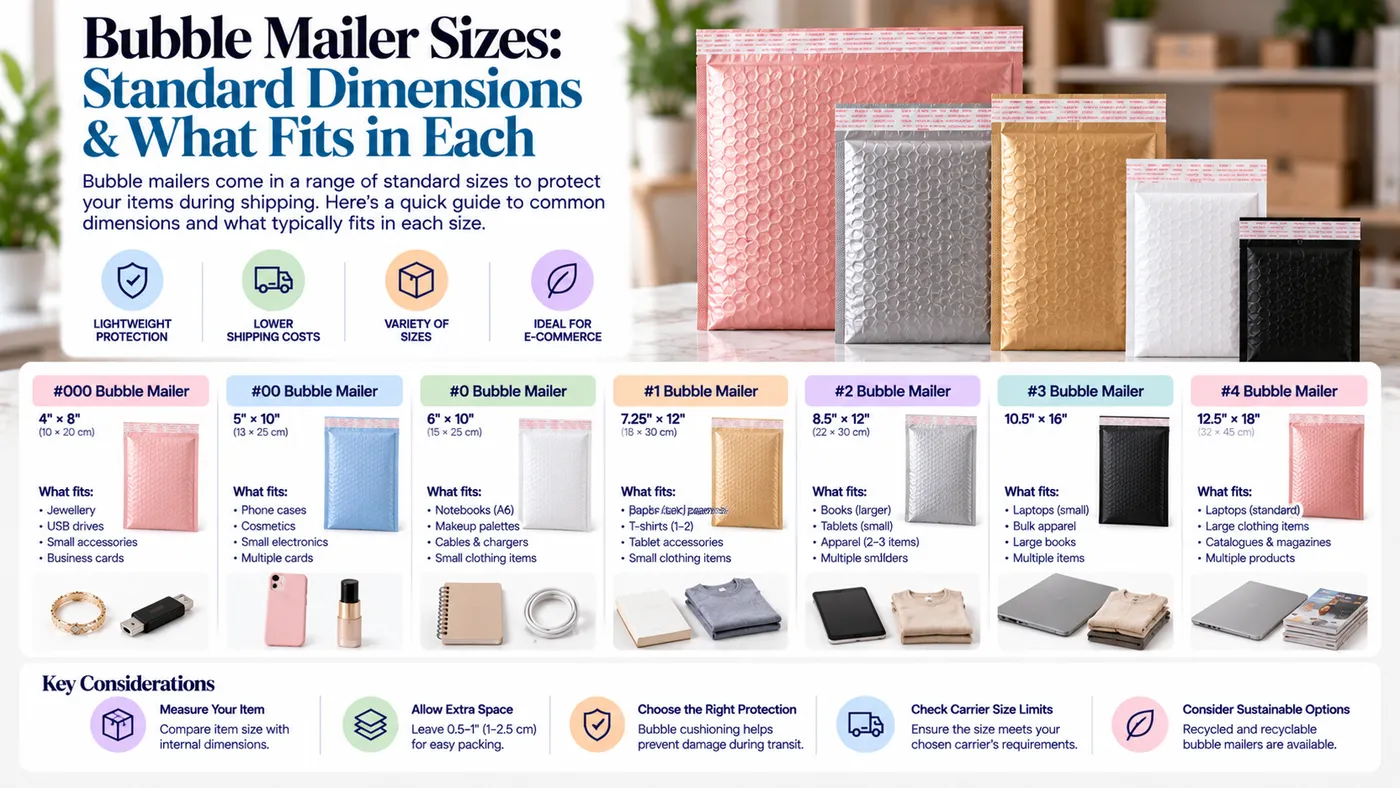
Quick answer: Bubble mailer sizes run from #000 (4" × 8") to #7 (14.25" × 20"). They're listed as width × length, measured flat. Usable room inside is smaller, usually by about 0.1 to 1.25 inches. Common picks: #0 (6" × 10") for small goods, #2 (8.5" × 12") for books, #5 (10.5" × 16") for larger items.
*Last updated: November 2026.*
Bubble mailer sizes follow a numbered system that most suppliers share. But the number only helps if you know what it measures. Below you'll find the full chart and the usable room inside. You'll also get a way to pick a size from your own product.
Bubble Mailer Dimensions Chart
Suppliers differ by a fraction of an inch, so treat every figure as typical. Usable interior shows a range, because two suppliers measured it differently.
Size #
Flat dimensions (in)
Usable interior (in)
Fits (product type)
#000
4 × 8
3.9–4 × 6.75–7
Jewelry, coins, USB drives, samples
#0
6 × 10 (some list 6.5 × 10)
5.9–6.5 × 8.75–9
Small cosmetics, trading cards, cables
#1
7.25 × 12
7.1–7.25 × 10.75–11
Paperback, small candle, phone case
#2
8.5 × 12
8.4–8.5 × 10.75–11
DVD, small book, flat accessories
#3
8.5 × 14.5
8.4–8.5 × 13.25–13.5
Large paperback, slim boxed item
#4
9.5 × 14.5
9.4–9.5 × 13.25–13.5
Hardcover book, small tablet case
#5
10.5 × 16
10.4–10.5 × 14.75–15
Folded tee, magazine, framed print
#6
12.5 × 19
12.4–12.5 × 17.75–18
Folded sweater, large book, multiple items
#7
14.25 × 20
14.1–14.25 × 18.75–19
Bulky apparel, board games, large flat goods
Key takeaway: Choose by the usable interior, never by the number on the label.
How the Number System Works
The # system is a convention, not a law. No standards body sets it. Suppliers adopted it over the years, so #2 from one brand lands close to #2 from another.
Close isn't identical. One supplier lists #0 as 6" × 10". Another lists it as 6.5" × 10". Both are labeled #0. The labels #00 (5" × 10") and #3 (8.5" × 14.5") also exist in many catalogs.
Bubble envelope sizes are written width first, then length. The flat measurement includes the seams and the flap. That's why the room inside is always smaller.
How to Measure Your Product for Bubble Mailer Sizes
Pack the item the way it will ship. Include any box, card, or tissue. Then take three numbers: longest side, widest side, and thickest point.
Next, compare those numbers to the usable interior. I'd give the length 1 to 2 inches of spare room for the flap and seal strip. Give the width about 1 inch extra. Thickness matters too, since a bulky item bows the mailer and eats room on both sides.
Then run a simple test. Slide the item in, press the seal flat, and shake the mailer gently. If the seal strains or the item rattles, go up one size. A snug mailer fails more often than a slightly roomy one.
Cushioning Options and Seals
Padded mailer sizes only tell you the footprint. The cushion is a separate choice. Here's what to compare.
- Bubble height. One supplier's mailers use a 3/16" bubble lining. Other bubble heights may exist, so ask each supplier for the spec. - Exterior. Kraft paper looks plain and natural. Poly-lined exteriors resist water better. Pick poly if wet weather is a worry. - Seal. Self-seal means a peel-and-stick strip. You pull the liner and press. No tape is needed. Heat-seal styles need a sealer or staples, and they're rarer for small shops.
You'll feel the difference right away. A kraft mailer has a dry, papery rustle. A poly one is slick and slightly stretchy.
Bubble vs Poly vs Padded Kraft vs Mailer Box
Each format fits a different job.
- Poly mailer: cheapest and lightest. Good for clothes. No cushion. Our poly mailer sizes guide has the chart. - Bubble mailer: light cushion for small, scuff-prone goods. It won't stop a crush. - Padded kraft: the same idea with a paper exterior, which many buyers prefer. - Mailer box: a rigid shell for gifts and fragile goods. See our mailer box sizes chart.
My opinion: a bubble mailer is for items that can take a bump but not a scratch. If it can snap or crush, skip the mailer. For flat paper goods, the envelope sizes chart may be all you need.
Products that fit this guide
A few Easy Box Packaging products that fit what this article covers.
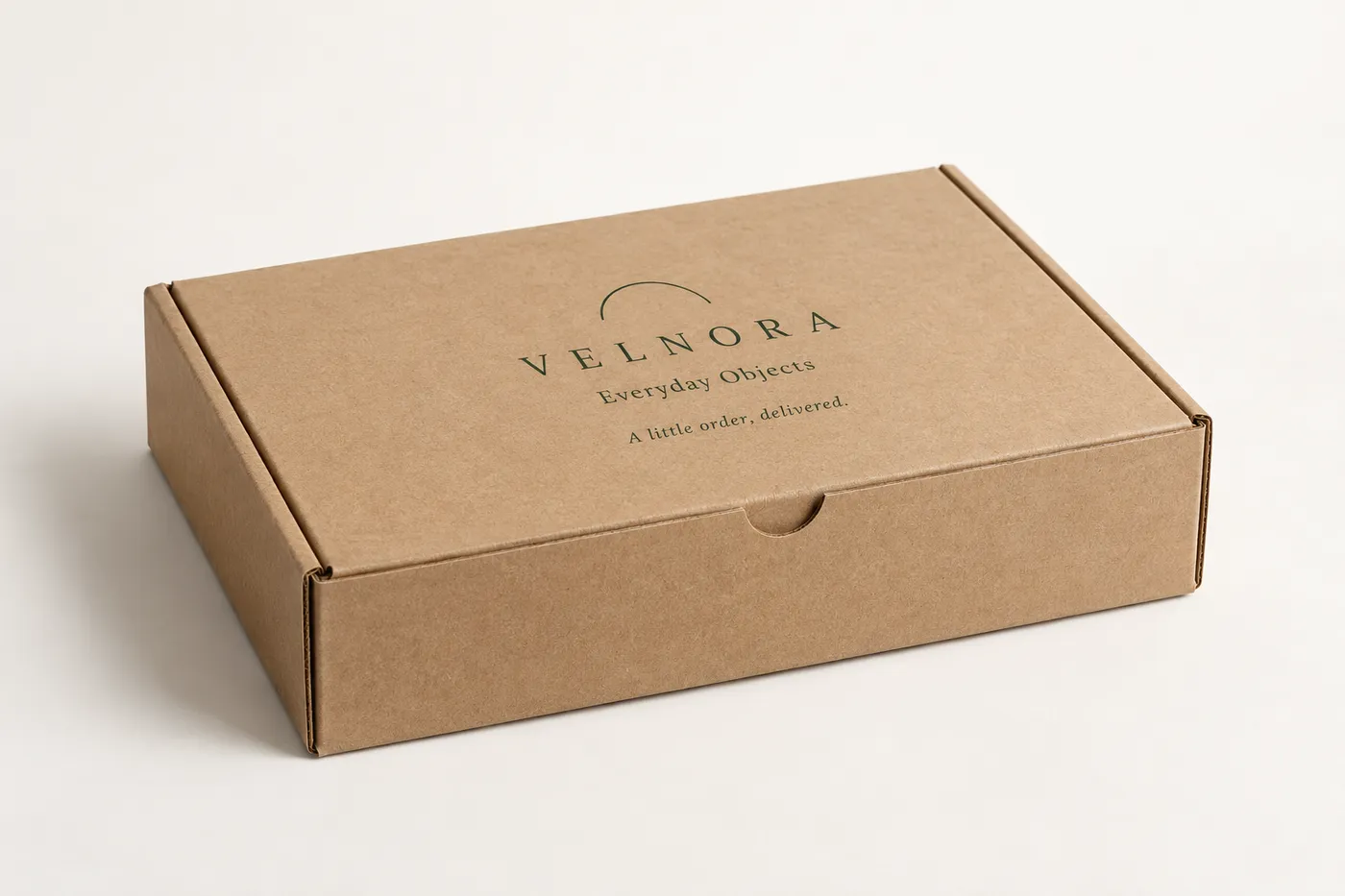
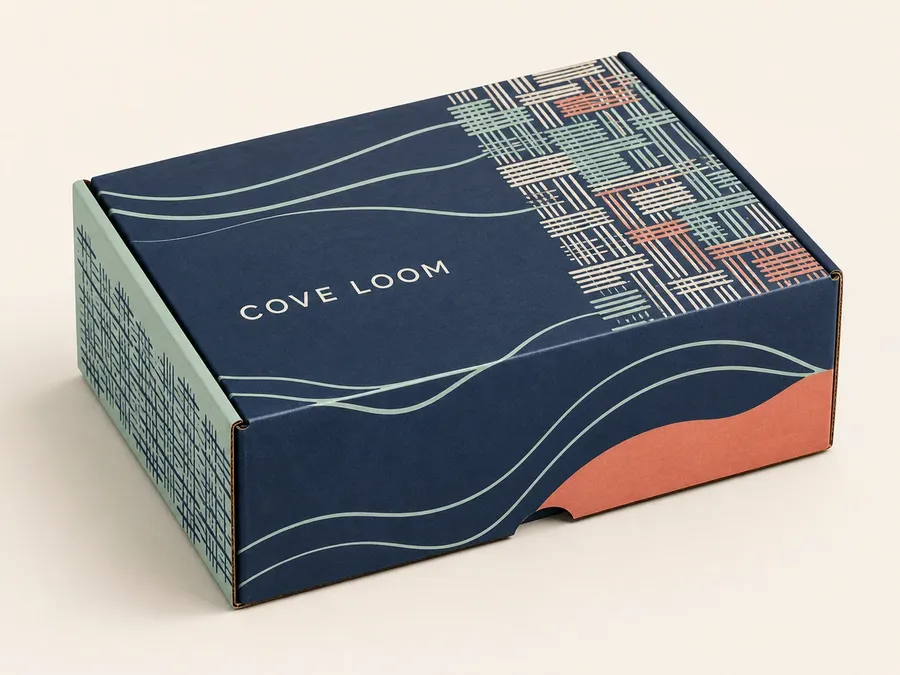
Custom mailer boxes coordinate the packed size, closure and printed presentation of an e-commerce order. Discuss corrugated construction, inside and outside artwork, and any insert or divider requirements. Easy Box Packaging reviews the proposed specification and proof before production, with the final board, finish and delivery terms confirmed in your quote.
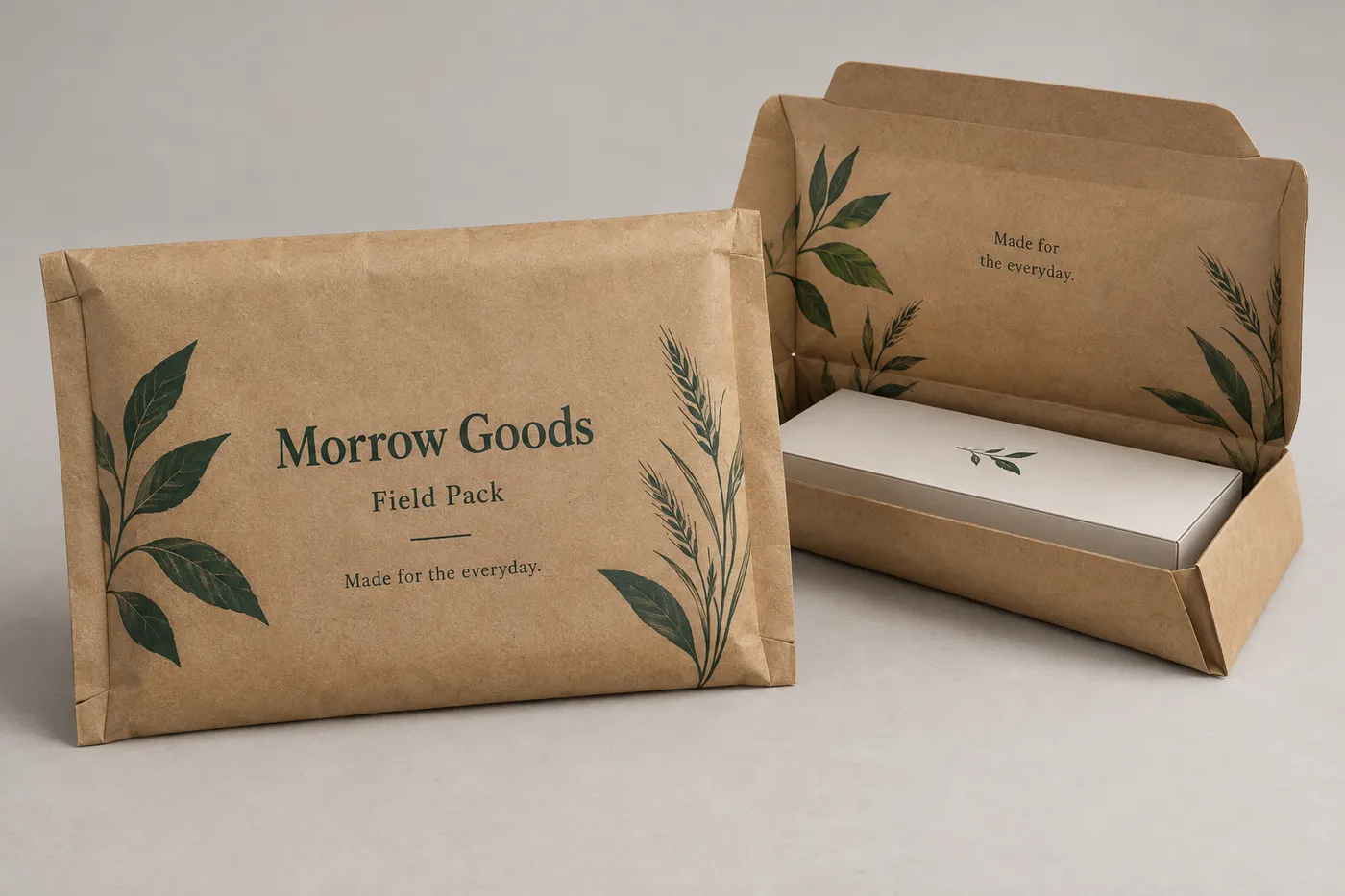
Kraft mailers give ecommerce, subscription, and small-product shipments a natural paper-led presentation in a lightweight foldable format. Share the packed dimensions, product weight, closure route, panel orientation, print coverage, and finish direction so the mailer can be reviewed around the actual shipment.
Kraft mailer boxes pair a natural brown paper surface with a folding shipping structure sized around the packed product. Plan the tuck-in lid, locking tabs, board direction, print coverage, and finish around product weight, parcel handling, and the opening experience rather than treating kraft as a one-size stock format.
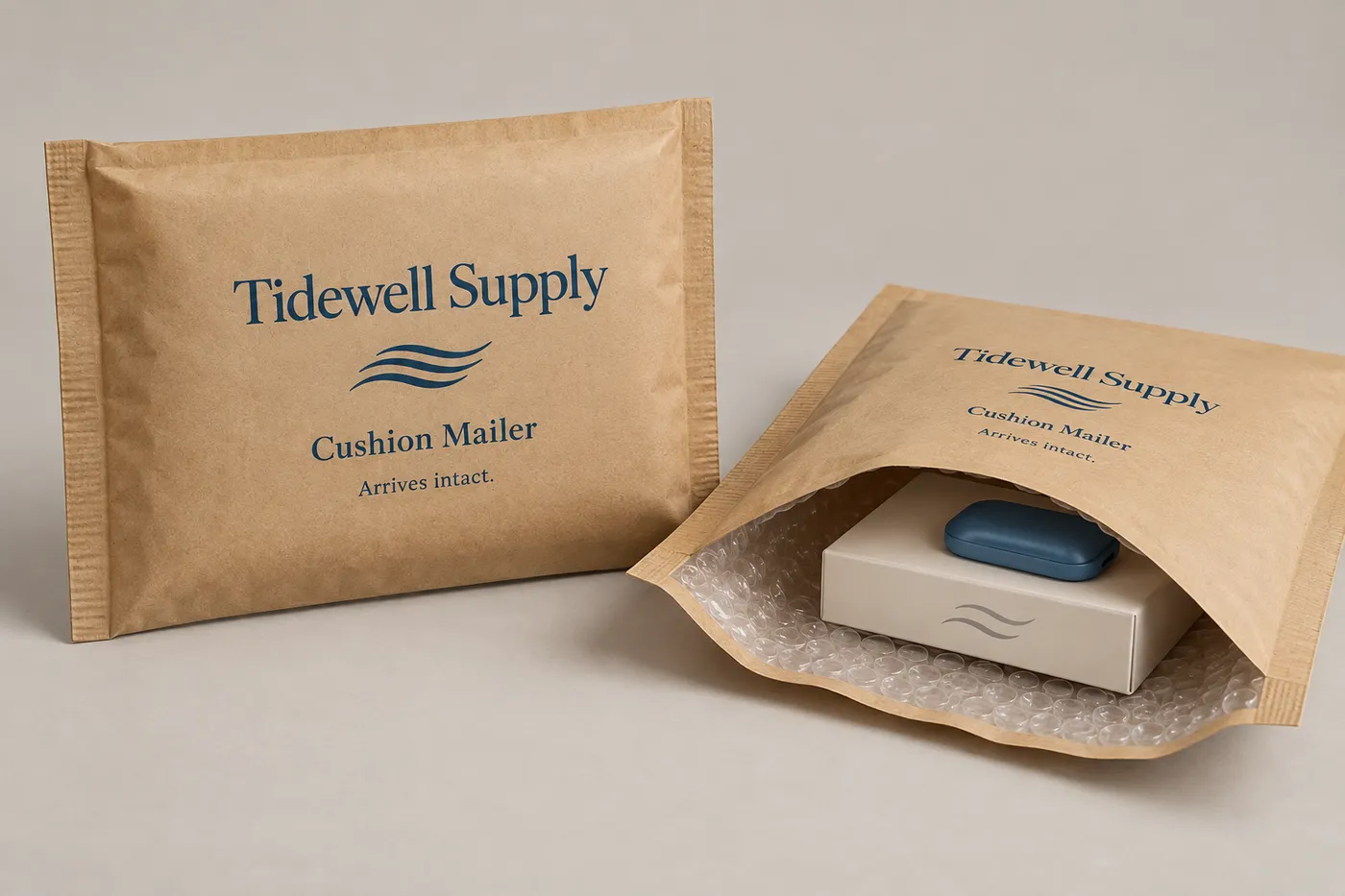
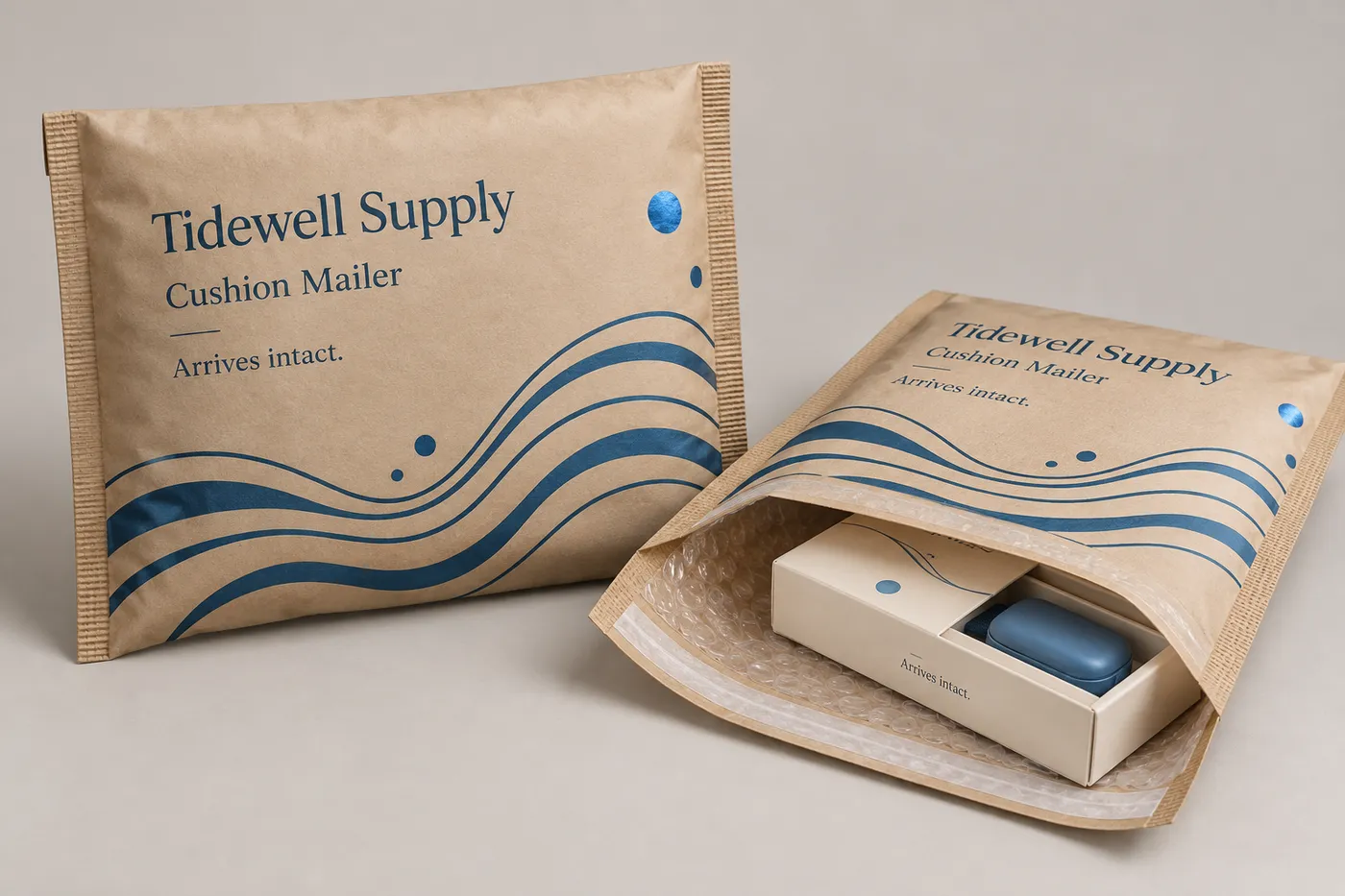
Kraft bubble mailers pair a warm kraft-toned flexible exterior with a bubble-lined interior for small boxed goods, accessories, samples, and other shipments that need cushioning without a rigid carton. The flat profile stores efficiently and a peel-and-seal flap keeps packing simple. Share the packed dimensions, thickness, edge shape, artwork, closure, and finish direction so the mailer is sized around the real shipment.
Bubble mailers are flexible, bubble-lined envelopes for small boxed goods, accessories, samples, and other items that need cushioning without a rigid carton. The flat profile stores efficiently, while a peel-and-seal flap keeps fulfillment simple. Share the packed product dimensions, thickness, edge shape, closure preference, artwork, and finish direction so the mailer is sized around the actual shipment.
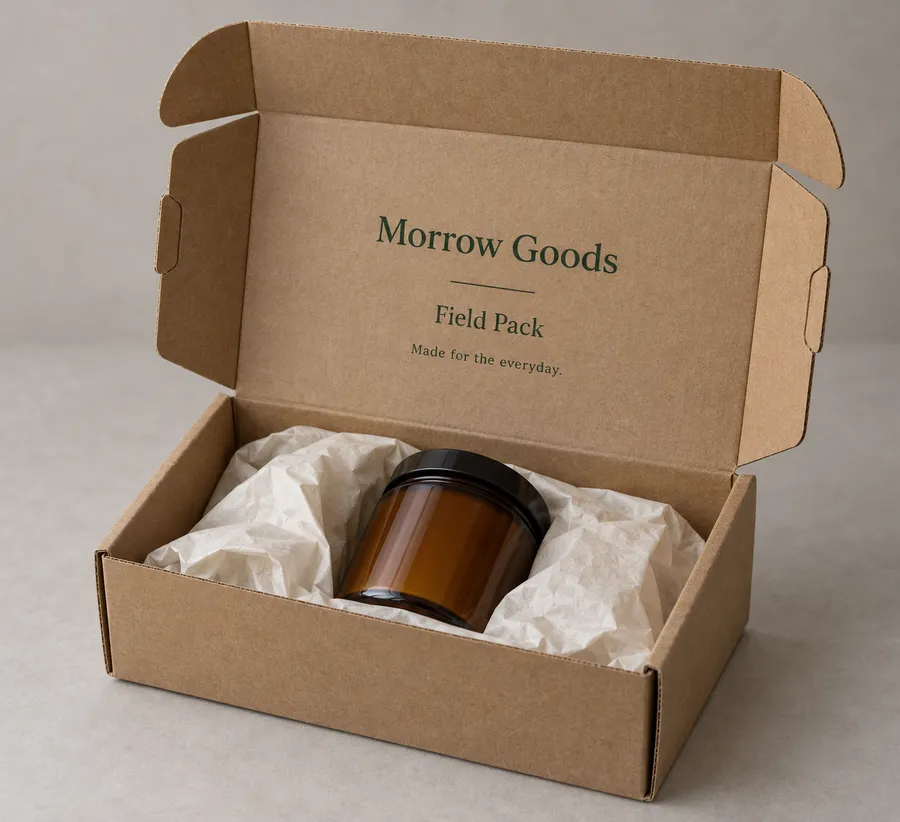
A custom-printed corrugated mailer designed for repeat subscription shipments, consistent inside-lid reveals, insert planning, and efficient recurring fulfillment.
Use a box when the item has hard corners, glass, or a shape that won't lie flat. A mailer sags around those shapes, and the edges can push through.
A box also helps when the unboxing matters. Customers judge a brand by how the package looks on arrival. And an oversized mailer can cost more to ship if a carrier bills by dimensional weight. Our guide to right-sized packaging and dimensional weight shows how that math works.
Custom Bubble Mailer Sizes
Stock padded envelope dimensions cover a lot. They don't cover odd items, like a record, a boxed candle, or a monthly assortment. For those, a mailer built to your measurements wastes less space.
Our bubble mailers and flyers category lists bubble-lined mailers with a peel-and-seal flap. Formats range from kraft to poly. The page states many formats start from 50 units, with production from 7 business days after proof approval. Rush runs from about 4 days. The quote confirms the final specification.
If your product needs a rigid shell instead, we also make custom mailer boxes. Standard sizes are the starting point. We cut to your measurements.
Check Specs Before You Ship
Carrier rules and supplier specs change. Sizes and usable room vary by maker and by lot. Verify both before you ship or buy in bulk. The USPS Domestic Mail Manual is the official source for mail standards. Check your carrier's own site for current limits and rates.
Bubble Mailer Sizes FAQ
What size is a #2 bubble mailer? A #2 bubble mailer is 8.5" × 12" flat. The usable interior is about 8.4" to 8.5" × 10.75" to 11".
What size bubble mailer fits a book? A #2 (8.5" × 12") fits most paperbacks and slim books. Hardcovers usually need a #4 (9.5" × 14.5") or larger.
What size bubble mailer fits a T-shirt? A #5 (10.5" × 16") fits one folded adult tee. Two tees or a hoodie need a #6 (12.5" × 19").
What is the most common bubble mailer size? The #0 (6" × 10") and #2 (8.5" × 12") are two of the most common. Many small sellers stock both.
Are bubble mailer sizes measured inside or outside? Most listings give the outside flat size, width first. The usable interior is typically 0.1 to 1.25 inches smaller.
What does the # on a bubble mailer mean? It's a size code, from #000 to #7. It's an industry convention, so the same number can differ slightly between suppliers.
What is the difference between padded mailers and bubble mailers? Both name the same cushioned envelope. "Bubble" refers to the plastic lining. "Padded" can also mean a paper-fiber fill, so check the spec.
Are self-seal bubble mailers better than heat-seal? Self-seal needs no tools. You peel the liner and press the strip. Heat-seal styles need a sealer or staples, so they suit packing lines more than small shops.
Choosing the Right Bubble Mailer Sizes
Bubble mailer sizes come down to the usable room inside, not the label. Measure your packed product, add the margin, and test one real order. Most shops need only two or three sizes. For other product types, start at our box size guide.
Product doesn't fit a standard size? We custom-cut every box to spec — get a free quote.
Questions, answered
Frequently Asked Questions
What size is a #2 bubble mailer?+
A #2 bubble mailer is 8.5" × 12" flat. The usable interior is about 8.4" to 8.5" × 10.75" to 11".
What size bubble mailer fits a book?+
A #2 (8.5" × 12") fits most paperbacks and slim books. Hardcovers usually need a #4 (9.5" × 14.5") or larger.
What size bubble mailer fits a T-shirt?+
A #5 (10.5" × 16") fits one folded adult tee. Two tees or a hoodie need a #6 (12.5" × 19").
What is the most common bubble mailer size?+
The #0 (6" × 10") and #2 (8.5" × 12") are two of the most common. Many small sellers stock both.
Are bubble mailer sizes measured inside or outside?+
Most listings give the outside flat size, width first. The usable interior is typically 0.1 to 1.25 inches smaller.
What does the # on a bubble mailer mean?+
It's a size code, from #000 to #7. It's an industry convention, so the same number can differ slightly between suppliers.
What is the difference between padded mailers and bubble mailers?+
Both name the same cushioned envelope. "Bubble" refers to the plastic lining. "Padded" can also mean a paper-fiber fill, so check the spec.
Are self-seal bubble mailers better than heat-seal?+
Self-seal needs no tools. You peel the liner and press the strip. Heat-seal styles need a sealer or staples, so they suit packing lines more than small shops.
Start a packaging brief
Turn the article into a packaging brief.
Share the product, quantity, dimensions, and route to market. Easy Box Packaging will help connect those requirements to a practical structure and production path.