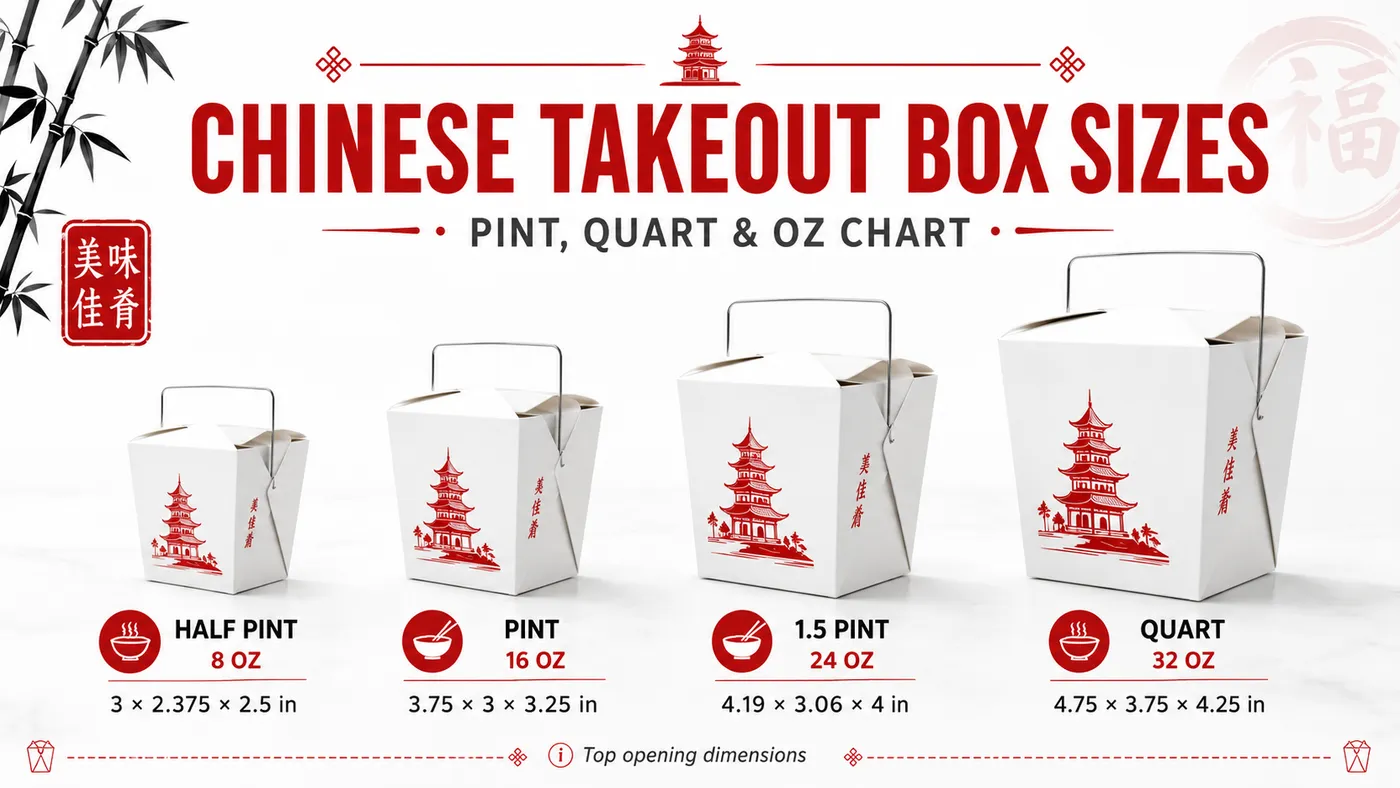
Chinese takeout box sizes run from a half pint holding 8 ounces up to a quart holding 32 ounces. Pint and quart are the two most ordered sizes. People mix them up constantly, since neither term describes the box shape itself. This guide charts all four common sizes. It also explains the taper that lets these boxes fold flat before use. It’s part of our size guide series alongside our cereal box dimensions and shipping box sizes guides. For everything else, our full box size guide covers the rest.
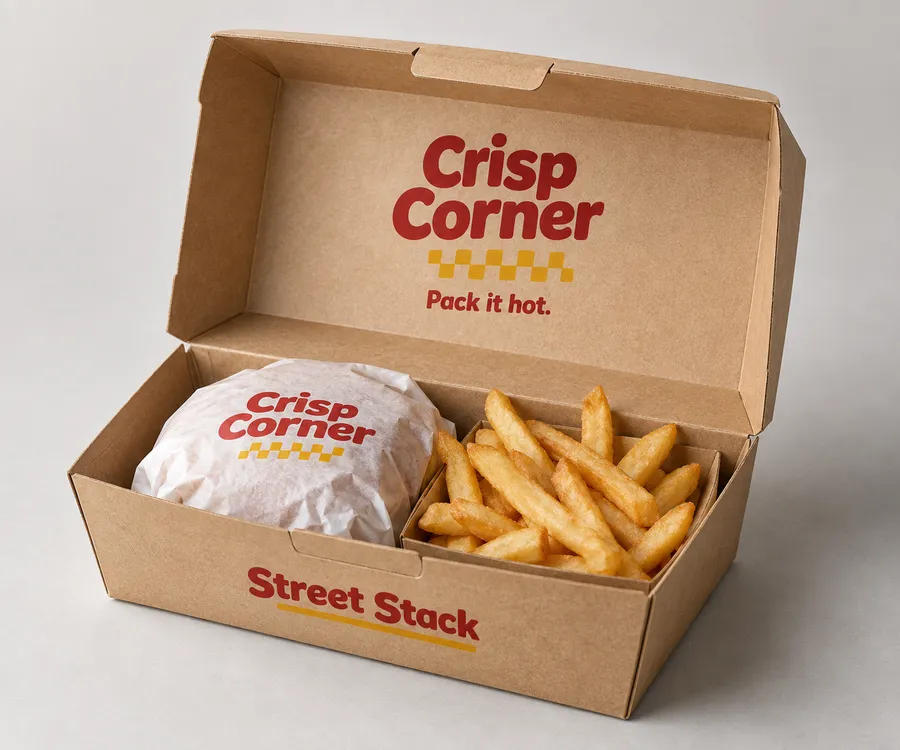
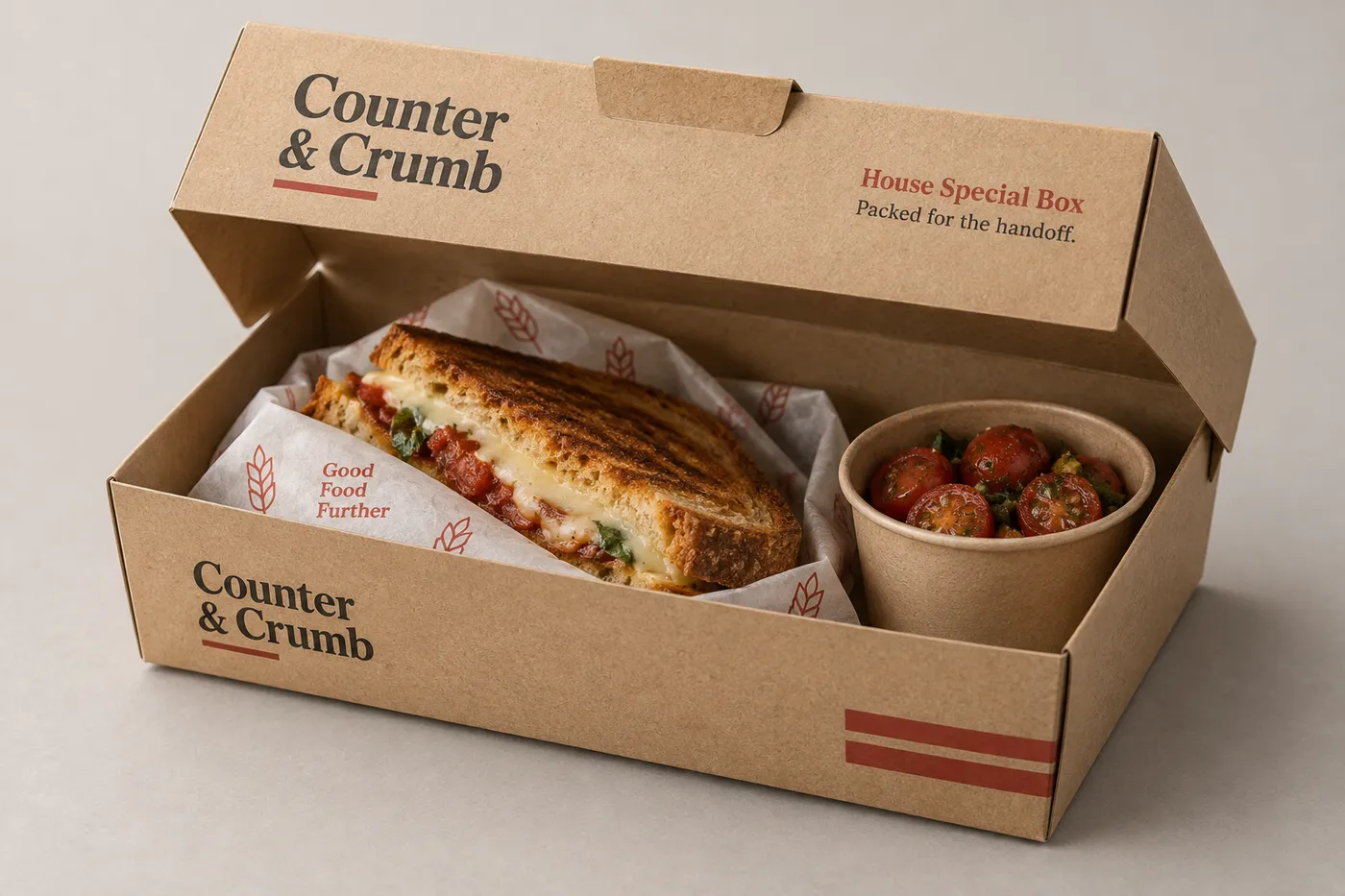
Custom fast food takeout boxes are printed paperboard cartons for burgers, sandwiches, fries, fried chicken, and other prepared takeaway portions. Choose a hinged, tuck, or fitted construction around the packed food, then review ventilation, grease exposure, print coverage, and the finished dieline before production.
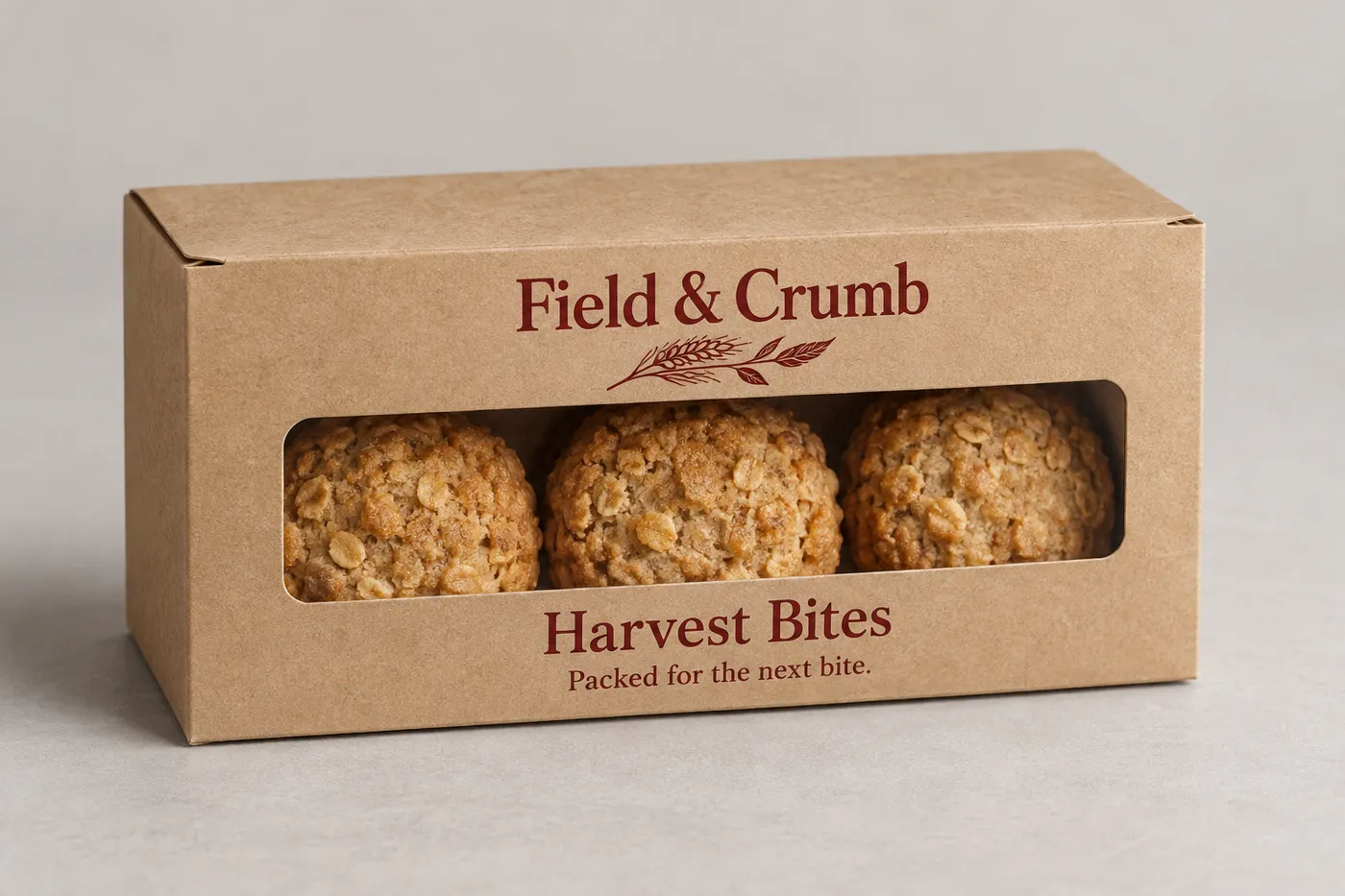
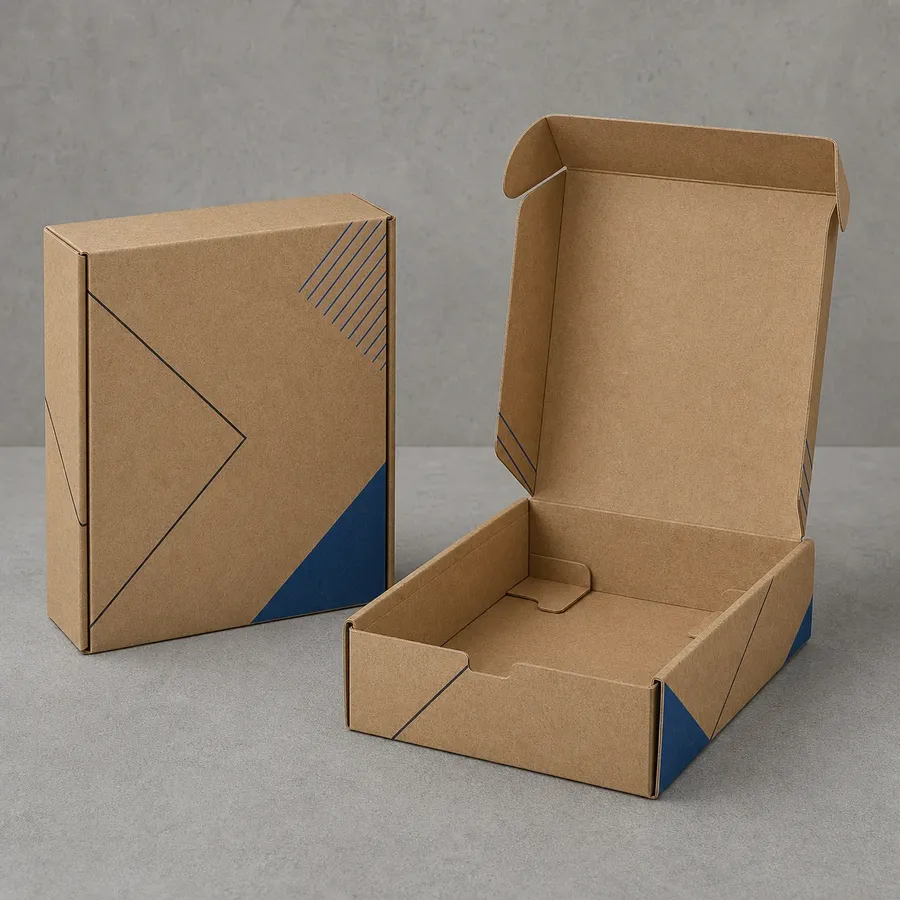
Cardboard food boxes are custom printed paper and board packs for bakery items, snacks, takeaway portions, and retail foods. The right format depends on the packed dimensions, warmth, grease or moisture, ventilation, and delivery route. Share the food's finished footprint, weight, closure preference, material direction, artwork, and quantity so the box can be reviewed around the actual serving or shelf job.
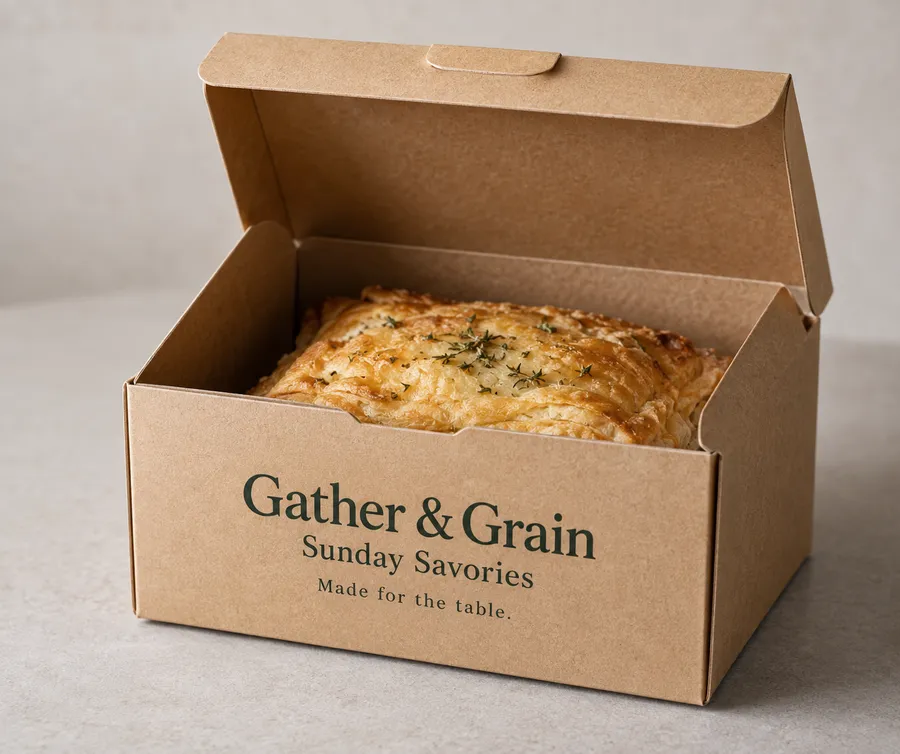
Custom food-grade paper packaging gives bakeries, takeaway operators, snack brands, and food-adjacent businesses a printed paper or board format planned around the packed product. Define the finished length, width, depth, closure, grease or moisture conditions, print panels, quantity, and service route so Easy Box Packaging can review a practical carton or pouch direction rather than treating every food box as interchangeable.
Custom food restaurant boxes are printed paperboard cartons sized around the meal, snack, or bakery item your team hands over. Choose the cavity, closure, ventilation approach, board direction, and artwork around the actual food and route from counter to customer. Share packed dimensions, portion count, heat and grease conditions, print coverage, and quantity so Easy Box Packaging can prepare a quote-ready structure.
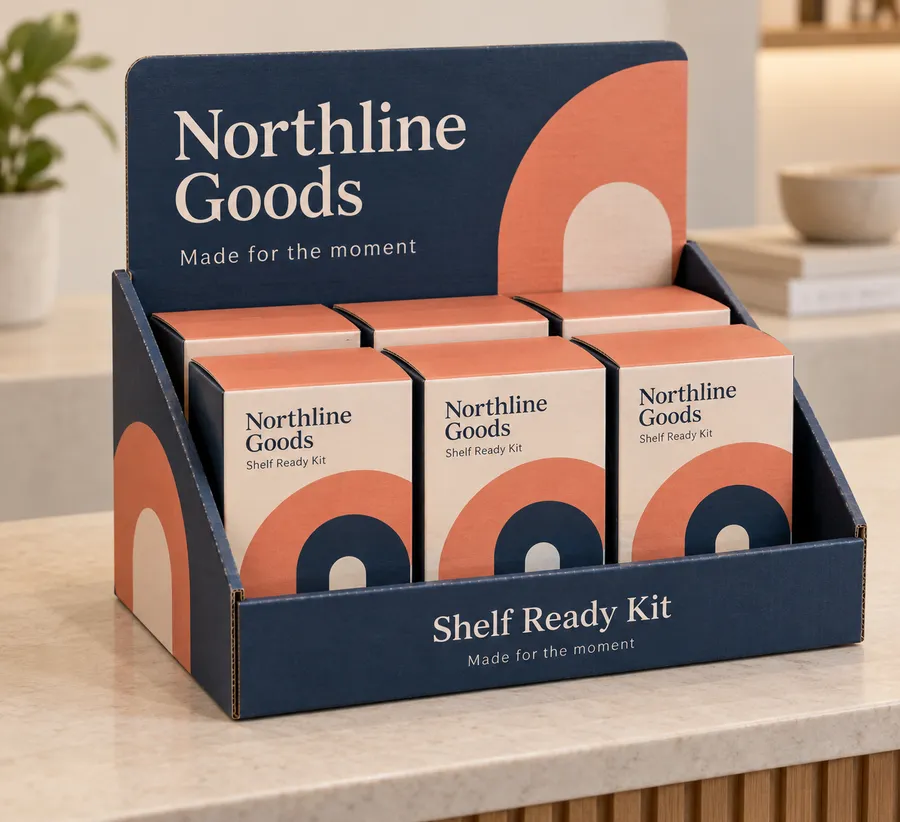
A retail counter display groups several packaged units into a customer-facing tray or tiered presentation for a checkout, service desk, or compact retail surface. Specify the individual pack dimensions, unit count, facing, loaded weight, available footprint, board direction, print coverage, and finish so the display can be planned around the actual assortment.
These figures describe the top opening. That’s the dimension the lid and any sleeve need to clear. The bottom runs smaller on every size in this chart, by design, not by manufacturing error.
Why the Top Is Wider Than the Bottom
A Chinese takeout box isn’t a straight-sided box at all. It’s a folded paperboard pail. It’s wider at the top than at the bottom, closer in shape to a bucket than a carton. That taper is what lets thousands of them ship flat. It’s also what lets each one pop into shape in one motion at the counter.
The wire handle folds down into two slots along the top edge. That same taper is what keeps the handle from pulling loose. A full quart of food puts real weight on those two small slots. A straight-sided box wouldn’t hold a wire handle nearly as well under that same load. The folded, tapered shape looks old-fashioned. It’s still doing real structural work every time someone carries one by the handle alone.
The design also nests. Flat blanks stack tightly for storage and shipping, which matters for a restaurant that only has so much back-of-house space. A case of flat-packed pails takes up a fraction of the room a case of pre-formed boxes would need. That’s a real cost saver most people never think about until they’re the one stocking the shelf.
Pint vs. Quart: Picking the Right Size
Pint and quart don’t describe portion count. They describe fluid volume, and that trips up first-time buyers constantly. A pint holds about 16 ounces, roughly two cups. A quart holds 32 ounces, or about four cups. Neither number tells you how many people that feeds. A soup fills a box differently than fried rice does, since one pours and the other piles.
I’d size up rather than down whenever a dish includes sauce or broth. A half-full quart box travels better than an overfull pint box. Sauce needs room to slosh. Without that room, it pushes against the lid seam on every turn in the car. That’s usually where a leak starts.
Density matters here too, the same way it does with cereal. A pint of steamed rice weighs more than a pint of lo mein, even though both fill the same space. Restaurants sizing new menu items should weigh a test portion in an actual box. Guessing from the dish name alone leads to boxes that run too big or too small half the time.
Products you might Interested in
A few Easy Box Packaging products that fit what this article covers.
Custom fast food takeout boxes are printed paperboard cartons for burgers, sandwiches, fries, fried chicken, and other prepared takeaway portions. Choose a hinged, tuck, or fitted construction around the packed food, then review ventilation, grease exposure, print coverage, and the finished dieline before production.
Cardboard food boxes are custom printed paper and board packs for bakery items, snacks, takeaway portions, and retail foods. The right format depends on the packed dimensions, warmth, grease or moisture, ventilation, and delivery route. Share the food's finished footprint, weight, closure preference, material direction, artwork, and quantity so the box can be reviewed around the actual serving or shelf job.
Custom food-grade paper packaging gives bakeries, takeaway operators, snack brands, and food-adjacent businesses a printed paper or board format planned around the packed product. Define the finished length, width, depth, closure, grease or moisture conditions, print panels, quantity, and service route so Easy Box Packaging can review a practical carton or pouch direction rather than treating every food box as interchangeable.
Custom food restaurant boxes are printed paperboard cartons sized around the meal, snack, or bakery item your team hands over. Choose the cavity, closure, ventilation approach, board direction, and artwork around the actual food and route from counter to customer. Share packed dimensions, portion count, heat and grease conditions, print coverage, and quantity so Easy Box Packaging can prepare a quote-ready structure.
A retail counter display groups several packaged units into a customer-facing tray or tiered presentation for a checkout, service desk, or compact retail surface. Specify the individual pack dimensions, unit count, facing, loaded weight, available footprint, board direction, print coverage, and finish so the display can be planned around the actual assortment.
Most Chinese takeout boxes today use a poly coating on the inside. That coating resists grease and moisture far better than plain paperboard would on its own. Some of these boxes are labeled microwave-safe by the manufacturer. That rating depends on the specific liner used, though. It’s worth checking the box itself rather than assuming every poly-coated box carries the same rating.
Wax-coated boxes were the older standard. They still show up on some suppliers’ shelves today. Wax holds up fine against grease. It can’t go in a microwave at all, though, since the coating melts under that heat. A restaurant expecting customers to reheat leftovers straight from the box should default to poly-coated. If cost matters more than reheat convenience, wax-coated still handles the basic job just fine.
Neither coating changes the fold or the taper. Both versions still ship flat, still pop into shape the same way, and still take the same wire handle. The coating is a surface treatment layered onto the same underlying structure, not a different box.
Custom Chinese Takeout Box Sizes
The chart above covers the four standard fluid-volume sizes. Combo platters, family-style bundles, and paired dipping-sauce inserts all need sizing outside this range. None of them fit neatly into a single fluid-ounce tier.
Easy Box Packaging builds Chinese takeout boxes to a restaurant’s actual menu and portion sizes. We also build Indian food takeout boxes, since that cuisine carries similar sauce-forward portioning needs. Our broader restaurant packaging line covers everything else on the menu.
Frequently Asked Questions
What’s the difference between a pint and a quart takeout box? A pint holds about 16 ounces. A quart holds about 32 ounces, twice as much. Both use the same tapered pail shape, just scaled up, with the same wire handle and fold pattern.
Are Chinese takeout boxes microwave-safe? Many poly-coated boxes are labeled microwave-safe, but wax-coated versions aren’t. Check the specific box before reheating food inside it, since the rating varies by liner and by supplier.
The Bottom Line
Chinese takeout box sizes run on fluid volume, not portion count. The tapered pail shape is what makes the wire handle and flat-pack folding possible in the first place. Match the size to how much sauce or broth the dish carries, not just the ounce count on the menu. Weigh a sample portion before locking in a size for a new dish. The same testing habit applies to any food packaging, not just takeout. Get a quote and get takeout packaging sized to your actual menu.
Questions, answered
Frequently Asked Questions
What’s the difference between a pint and a quart takeout box?+
A pint holds about 16 ounces. A quart holds about 32 ounces, twice as much. Both use the same tapered pail shape, just scaled up, with the same wire handle and fold pattern.
Are Chinese takeout boxes microwave-safe?+
Many poly-coated boxes are labeled microwave-safe, but wax-coated versions aren’t. Check the specific box before reheating food inside it, since the rating varies by liner and by supplier.
Start a packaging brief
Turn the article into a packaging brief.
Share the product, quantity, dimensions, and route to market. Easybox will help connect those requirements to a practical structure and production path.
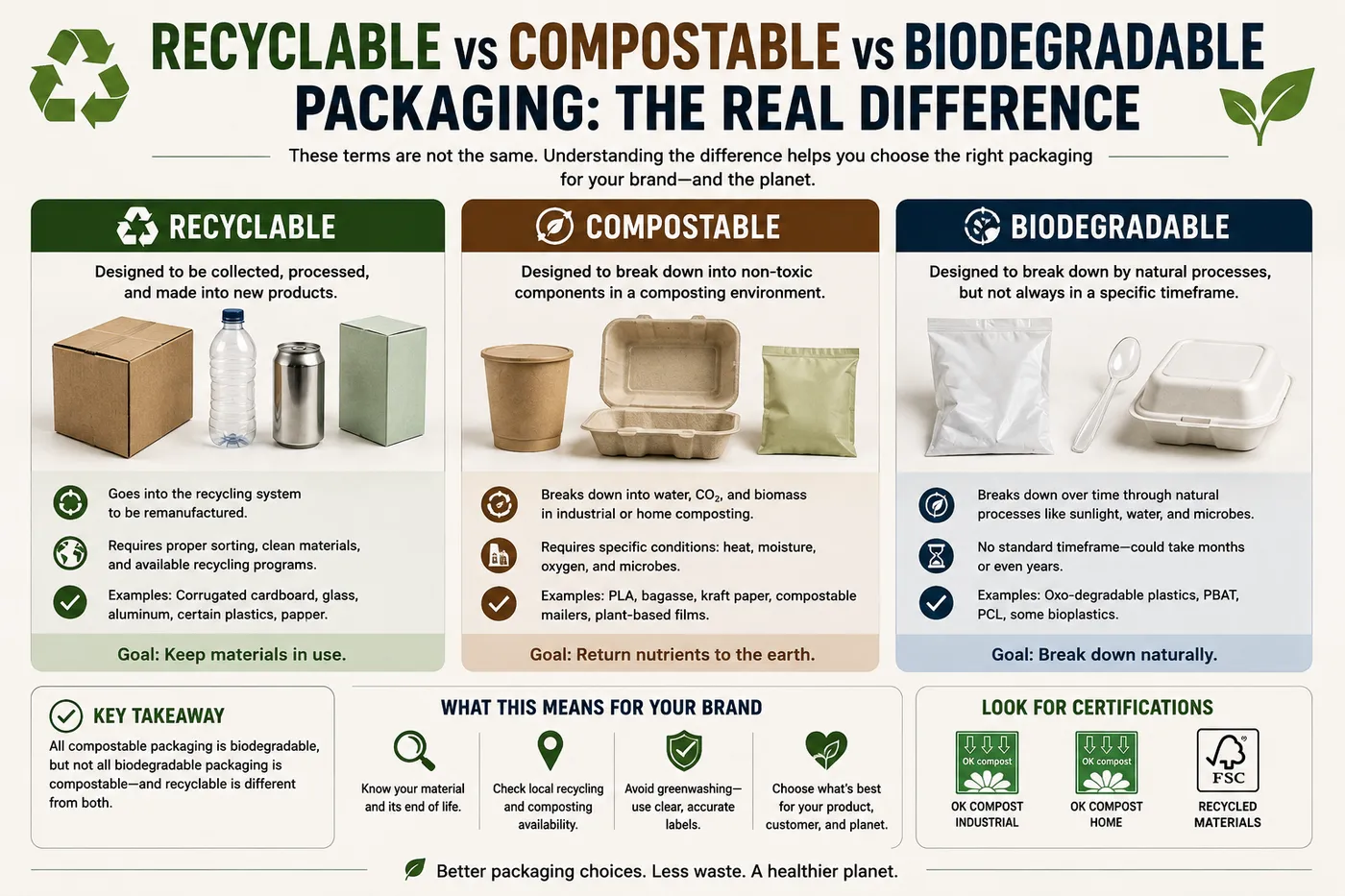
Recyclable vs compostable packaging explained: what each term needs to actually work, why biodegradable is often a red flag. Request a free quote today.