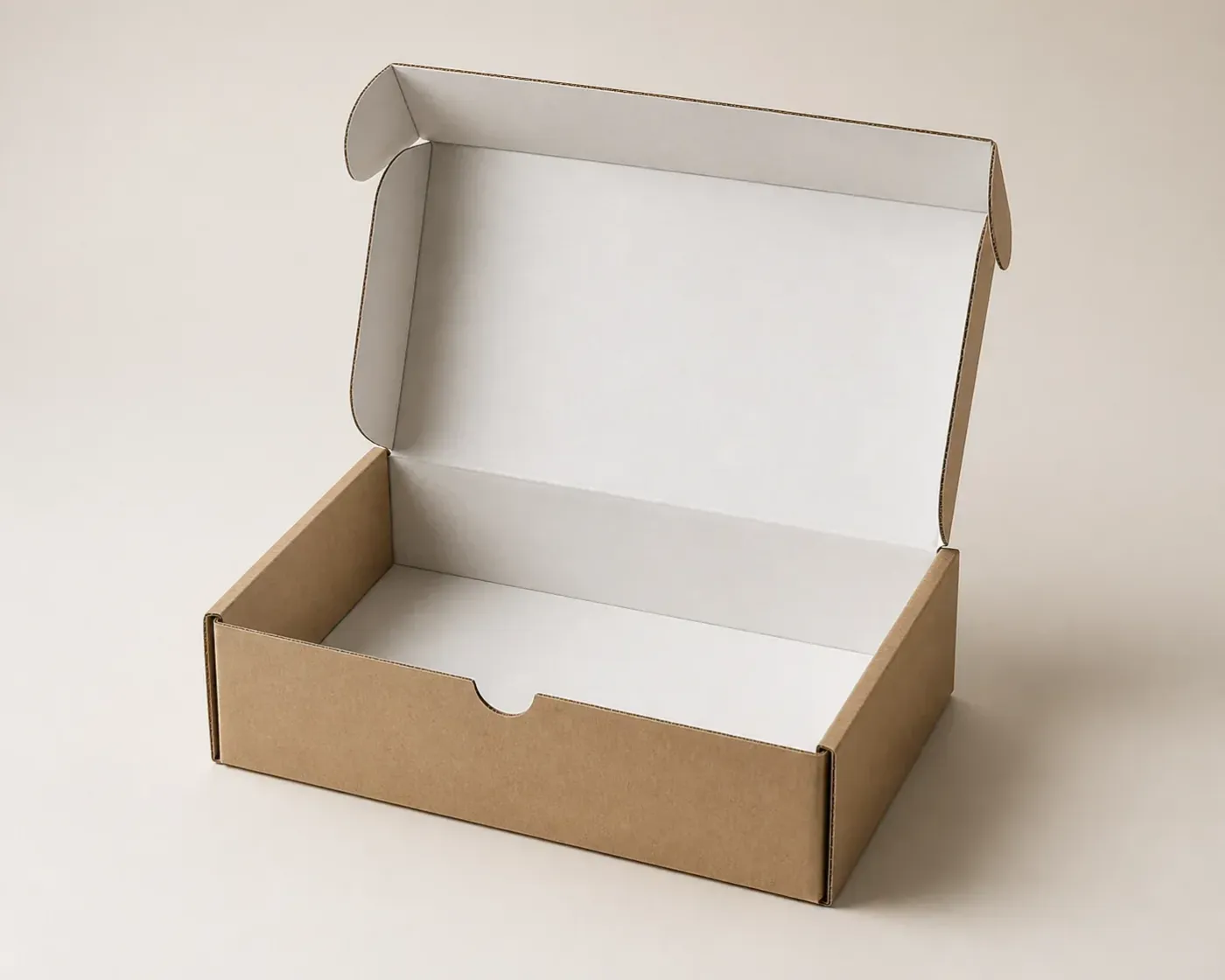
Mailer & Shipping Boxes
Corrugated Mailer Box
A one-piece corrugated mailer built around product fit, folded side protection, and a presentation-ready opening for e-commerce orders, subscriptions, and launch kits.
Request a Quote
Size Guides
Digital vs offset printing packaging, plus flexo: how to match print method to run size and material, with worked 250-box and 5,000-box examples.
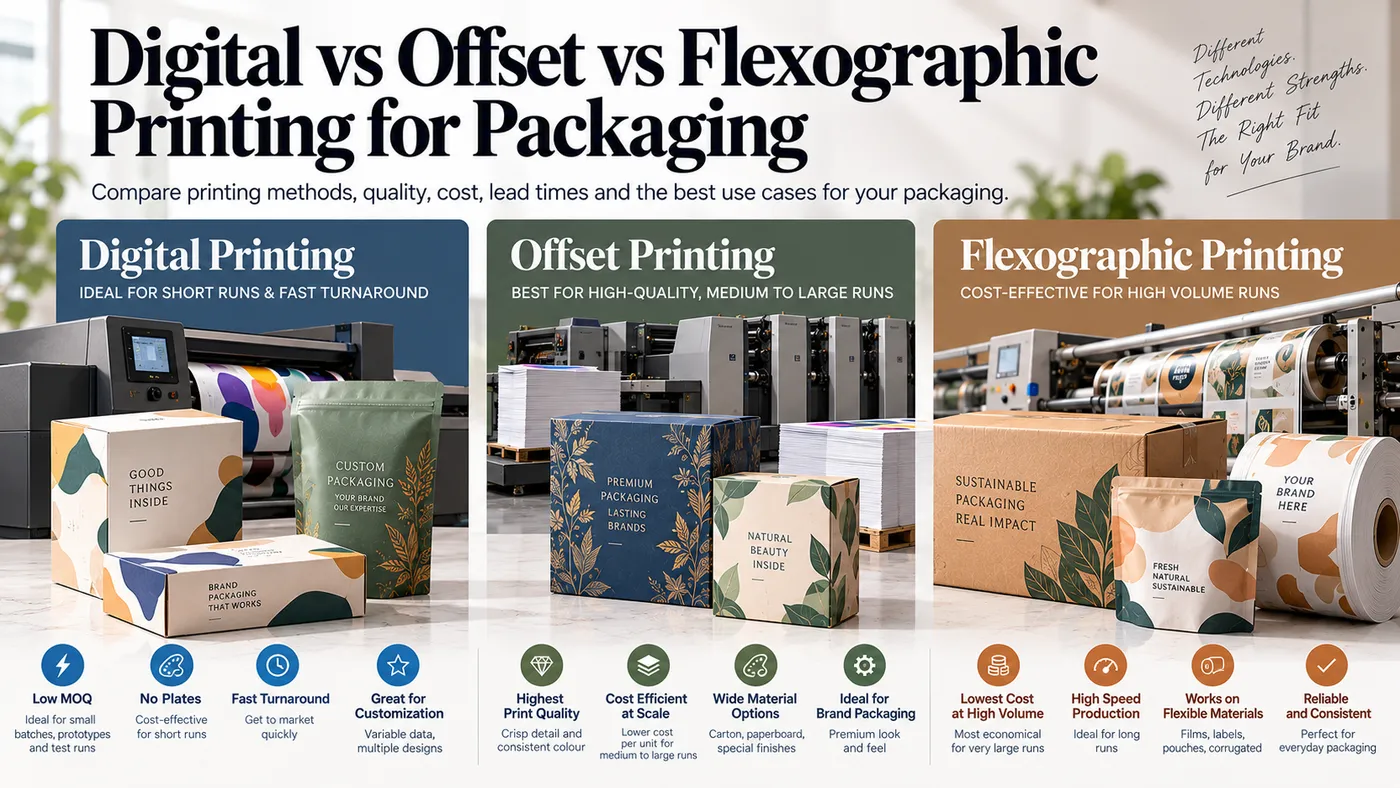
Quick answer: In digital vs offset printing packaging choices, digital suits short runs and changing artwork. It needs no plates. Offset suits mid-to-high volume work that needs tight color and rich finishing. Flexo suits long runs on corrugated and film. The crossover points vary by job, so your quote confirms where your order lands.
*Last updated: November 2026.*
The digital vs offset printing packaging question mostly comes down to run size, material, and color accuracy. The table below compares the three side by side.
Method | Typical volume fit | Best materials | Setup | Color | Best use |
|---|---|---|---|---|---|
Digital | Low volume, short runs, many versions | SBS paperboard, E-flute corrugated | No plates, file prep only | Good, can vary slightly by batch | Launches, tests, seasonal SKUs |
Offset | Mid to high volume, stable artwork | SBS paperboard, coated E-flute liners | Plates for each color | Excellent, tight spot-color matching | Retail cartons, premium finishes |
Flexographic | Long runs, repeat orders | Corrugated board, flexible film | Plates for each color | Good to excellent, press dependent | Shipper cartons, pouches, film |
Key takeaway: Choose digital when volume is small or artwork keeps changing. Choose offset or flexo when volume is steady and the design is locked.
Digital printing works like a very large, very good inkjet. The press reads your file and prints it straight onto the board. There are no plates to make, so setup is fast.
Offset uses metal plates, one per ink color. Each plate transfers ink to a rubber blanket, and the blanket lays it on the sheet. Plates take time to make. Once they're on press, color stays steady across thousands of sheets.
Flexographic printing uses flexible relief plates and fast-drying inks. It runs well on rough or absorbent surfaces. That's why flexo packaging dominates corrugated shippers and flexible film.
We run all three at Easy Box Packaging. You can see the equipment and process on our manufacturing page. Because we offer every method, we've got no reason to push one over another.
For digital vs offset printing packaging at small scale, take 250 mailer boxes in E-flute corrugated, with a full-color design. This is a classic short run.
Digital is the usual answer here. There are no plates to pay for or wait on. You can also change the artwork on your next order without scrapping anything. A plate that's been made for one design is useless for the next one.
Offset at 250 units is hard to justify for most jobs. You'd carry the full plate and setup effort across a tiny quantity. It only makes sense if you need an exact spot color that digital can't hit.
Here's my honest take. Under a few hundred units, I'd start with digital printed boxes almost every time. I've watched brands pay for plates on a first order, then redesign their logo two months later.
Many custom formats start from 50 units, so a 250-box test run is well within range. Our MOQ by format guide covers what's practical for each structure.
Now take 5,000 folding cartons in SBS paperboard. The artwork is final. You'll reorder every quarter.
Here the plate cost spreads across thousands of units. Offset printed boxes become the sensible choice. You get strong color control and room for finishes like foil, spot UV, and embossing.
If those 5,000 units are plain corrugated shippers, flexo moves to the front. Flexo handles uncoated liners well and runs fast on long jobs. Detailed photo-style graphics aren't its strength, though. That's a real trade-off.
Digital can still win at 5,000 units in one case. That's when you have many versions of the artwork, like ten flavors or ten languages. Plates for each version would pile up quickly.
The exact crossover point depends on colors, size, material, and finishing. It varies by job and must be confirmed by quote. Anyone handing you one fixed number for every box is guessing.
Material often decides the method before volume does. Here's how the main substrates behave.
Substrate | Digital | Offset | Flexo |
|---|---|---|---|
SBS paperboard (smooth, coated) | Excellent | Excellent | Limited use |
Corrugated E-flute (thin, smooth liner) | Very good | Very good with coated liner | Good |
Corrugated B or C flute (standard shipper) | Possible, simple art | Poor | Best fit |
Flexible film (PET, PE, metallized structures) | Available on some presses | Rare | Common choice |
SBS stands for solid bleached sulfate. It's a bright white, smooth board. Ink sits on top of it cleanly, so fine detail and photos look sharp. Our retail product boxes are often built on this kind of board.
Corrugated is trickier. The thin, smooth E-flute liner takes fine print well. The coarser B and C flutes absorb ink unevenly. You'll get bolder, simpler graphics there. Our corrugated boxes page lists the structures we make.
Flexible film is a separate world. Stand-up pouches and flat bags are usually printed with flexo or a similar roll-fed process. If you're planning pouches, see our Mylar bags page. Film also needs a barrier structure, which is its own decision.
A few Easy Box Packaging products that fit what this article covers.
Mailer & Shipping Boxes
A one-piece corrugated mailer built around product fit, folded side protection, and a presentation-ready opening for e-commerce orders, subscriptions, and launch kits.
Request a Quote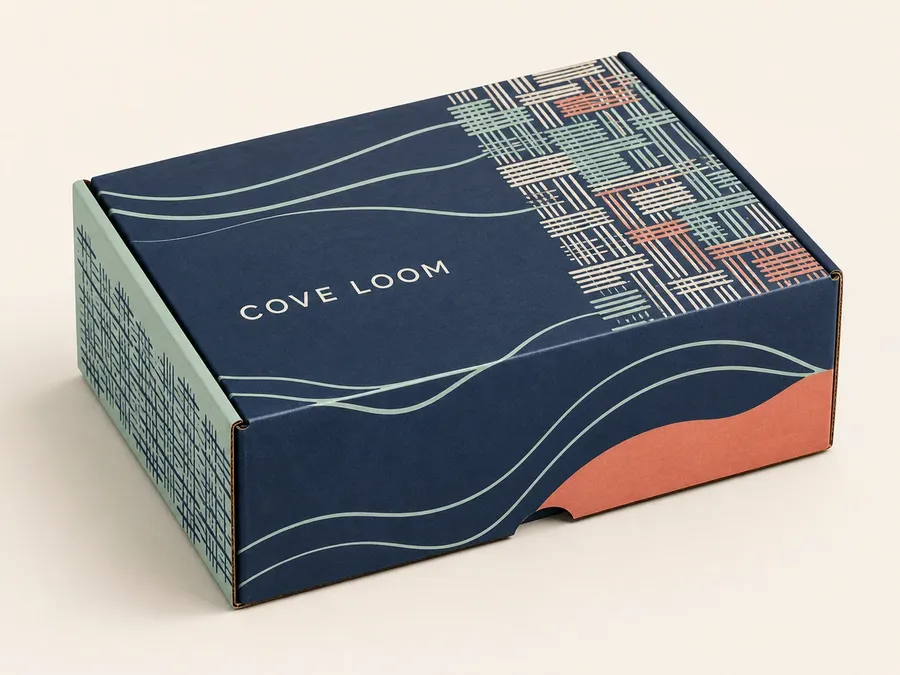
Mailer & Shipping Boxes
A custom-printed corrugated mailer designed for repeat subscription shipments, consistent inside-lid reveals, insert planning, and efficient recurring fulfillment.
Request a Quote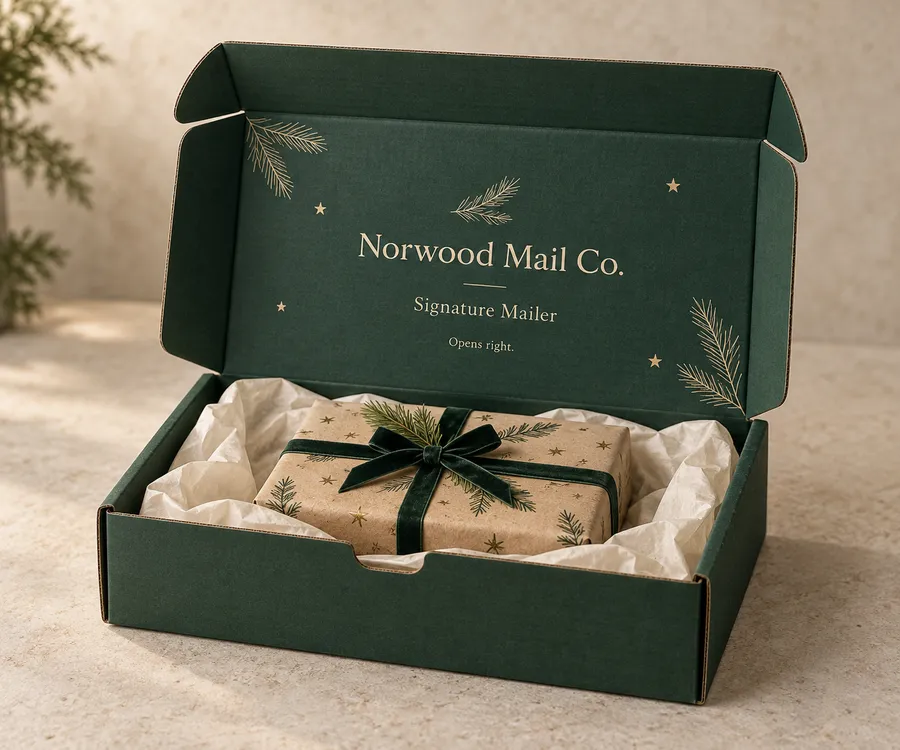
Mailer Boxes
Christmas mailer boxes give seasonal gifts a protective shipping format and a deliberate opening sequence. Choose a one-piece mailer around the packed product, then decide on corrugated board or kraft paperboard, exterior and interior printing, and a finish that supports the holiday artwork without obscuring the closure or fit.
Request a Quote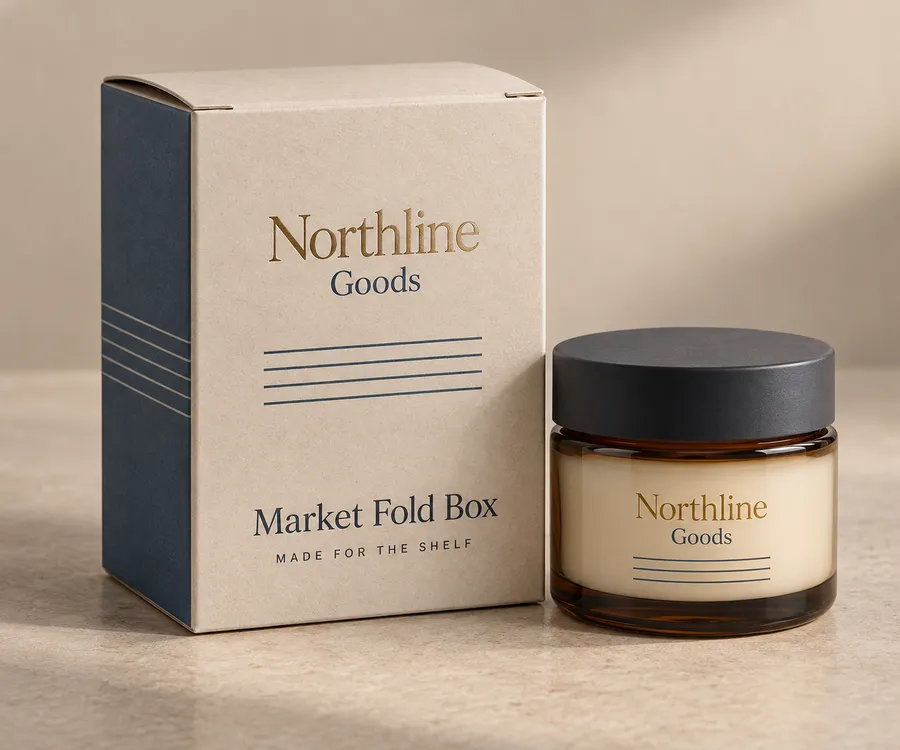
Retail Packaging
Custom retail cardboard boxes planned around the packed product, shelf position, opening route, board direction, printed panels, and finish. Choose a folding carton or more structural corrugated direction after sharing the real dimensions, weight, count, artwork needs, quantity, and delivery route.
Request a Quote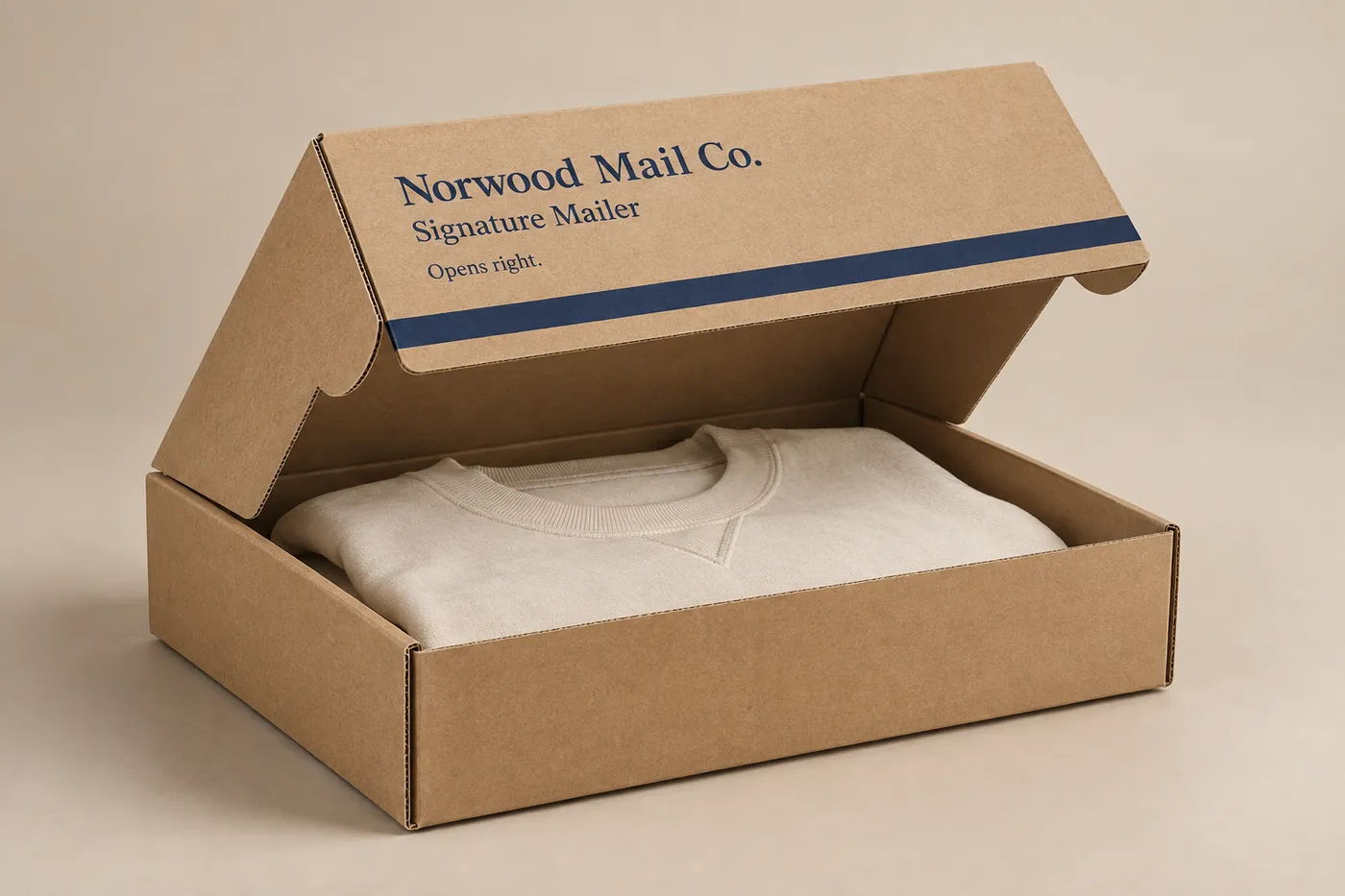
Mailer Boxes
Custom made mailer boxes are printed shipping boxes sized around the product, the packed order, and the unboxing experience you want to create. Choose a mailer-style closure, corrugated board or paperboard direction, exterior and optional interior printing, and a finish that fits the product and shipping route.
Request a Quote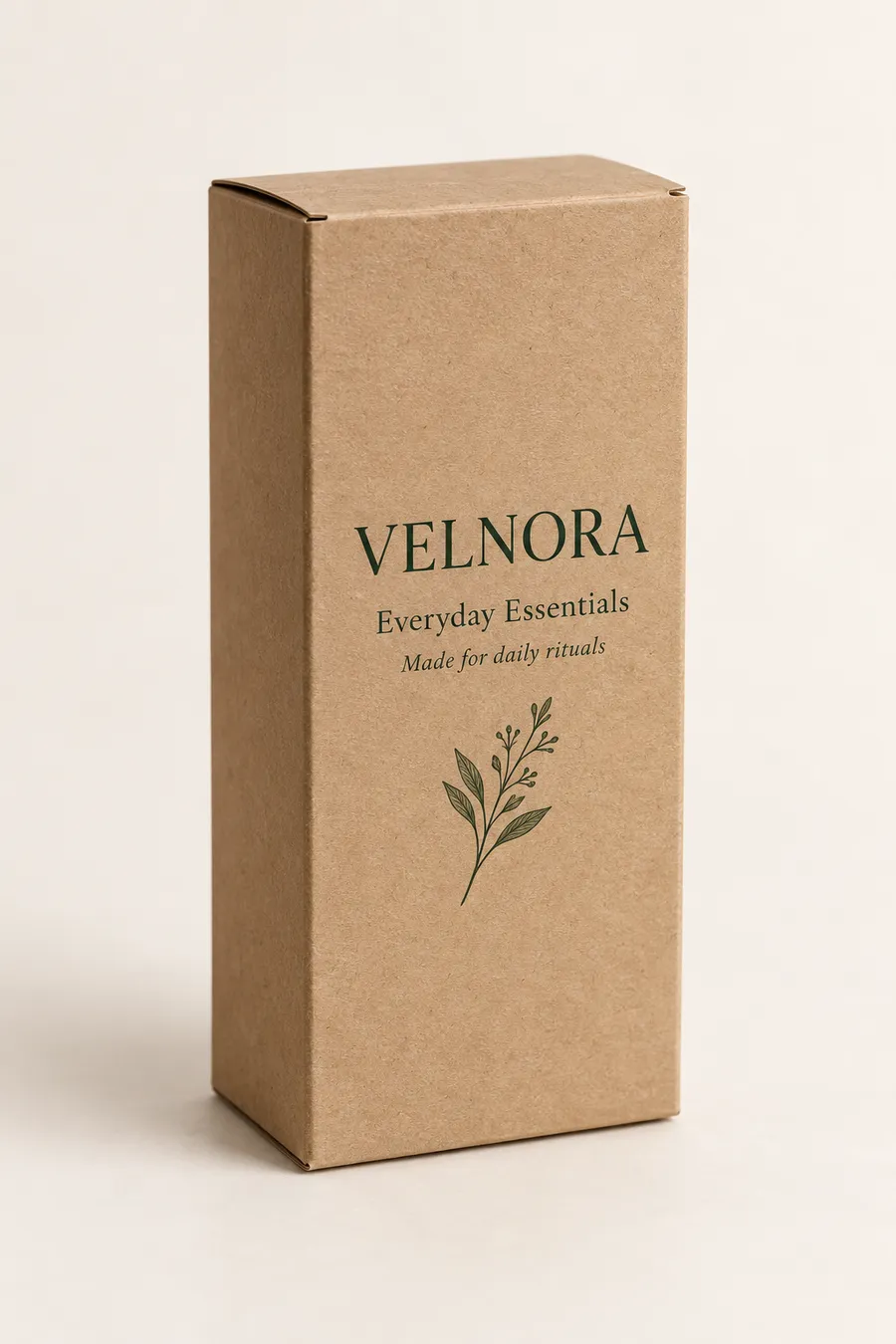
Retail & Product Boxes
Custom kraft product boxes pair a natural brown paperboard surface with printed artwork for individual retail items. Plan the carton around your packed dimensions, opening direction and shelf presentation, then review print coverage and any internal support with the proposed structure. Board grade and finish suitability are checked for the specific item.
Request a QuoteEvery method gives something up. Knowing the cost of each choice helps you decide.
Digital. Fast to set up and flexible. The trade-off is that color can drift slightly from batch to batch. It also gets less competitive as volume climbs.
Offset. Best color control and finish range. The trade-off is plate work and setup time up front. That makes it a poor fit for tiny runs or designs that change often.
Flexo. Efficient on long runs and tough surfaces. The trade-off is that very fine detail and gradients are harder to hold. It also rewards big, repeat orders.
Color is where people get stung. If your brand has one exact blue, offset gives the most dependable match. Digital gets close, and close is fine for most brands. Nobody holds a swatch next to your shipper at the doorstep. Retail shelves are different.
Run through these in order. Most jobs sort themselves out by question three.
1. How many units will you order? Hundreds point to digital. Thousands point to offset or flexo. 2. What's the material? Smooth paperboard suits digital or offset. Standard corrugated and film lean toward flexo. 3. Is the artwork final? If it may change, avoid plates for now. 4. How strict is your color? Exact brand colors push you toward offset.
If two methods tie, ask for quotes on both. A fair supplier will show you the comparison. Our earlier guide to custom packaging printing methods explains how each process works.
Digital vs offset printing packaging comes down to volume, material, and how fixed your artwork is. Digital wins small and changing jobs. Offset wins steady volume with premium finishing. Flexo wins long corrugated and film runs.
My opinion: decide on material first, then volume, then method. Reversing that order is how brands end up with muddy color on the wrong board. Send your quantity, size, and material, and we'll tell you where your job sits.
What is the main difference in digital vs offset printing packaging? Digital needs no plates, while offset uses one plate per color. Digital sets up faster, and offset controls color better on larger runs.
Which printing method is best for 250 custom boxes? Digital is usually the best fit for 250 boxes. It avoids plate work and lets you change artwork on the next order.
Which method is best for 5,000 boxes? Offset usually fits 5,000 paperboard cartons with final artwork. Plain corrugated shippers at that size often suit flexo instead.
Is flexographic printing good for packaging? Yes, flexographic printing packaging works well on corrugated and flexible film. It's efficient on long runs but holds fine detail less well than offset.
Can digital printed boxes match my brand colors? Digital gets close to most brand colors. For one exact spot color, offset is the more dependable match, so test a proof first.
Does the print method change the minimum order? Yes. Digital generally suits the smallest runs, since there are no plates. Many of our formats start from 50 units, and your quote confirms the minimum for your method.
Does printing method affect production time? Yes. Standard production is 7 business days after approval, with rush from about 4 days. Plate-based methods can add prepress steps, so confirm the schedule in your quote.
Can I switch methods between orders? Yes. Many brands start with digital and move to offset or flexo once volume and artwork settle. You'd need new plates for the plate-based methods.
Not sure which method fits your run? Get a free quote. We'll recommend the print method with your quote.
Questions, answered
Digital needs no plates, while offset uses one plate per color. Digital sets up faster, and offset controls color better on larger runs.
Digital is usually the best fit for 250 boxes. It avoids plate work and lets you change artwork on the next order.
Offset usually fits 5,000 paperboard cartons with final artwork. Plain corrugated shippers at that size often suit flexo instead.
Yes, flexographic printing packaging works well on corrugated and flexible film. It's efficient on long runs but holds fine detail less well than offset.
Digital gets close to most brand colors. For one exact spot color, offset is the more dependable match, so test a proof first.
Yes. Digital generally suits the smallest runs, since there are no plates. Many of our formats start from 50 units, and your quote confirms the minimum for your method.
Yes. Standard production is 7 business days after approval, with rush from about 4 days. Plate-based methods can add prepress steps, so confirm the schedule in your quote.
Yes. Many brands start with digital and move to offset or flexo once volume and artwork settle. You'd need new plates for the plate-based methods.
Start a packaging brief
Share the product, quantity, dimensions, and route to market. Easy Box Packaging will help connect those requirements to a practical structure and production path.