Post-Consumer Recycled (PCR) Content in Packaging Explained
Post consumer recycled packaging explained: PCR vs PIW, common percentage tiers, print quality tradeoffs, and how to request a free custom packaging quote.
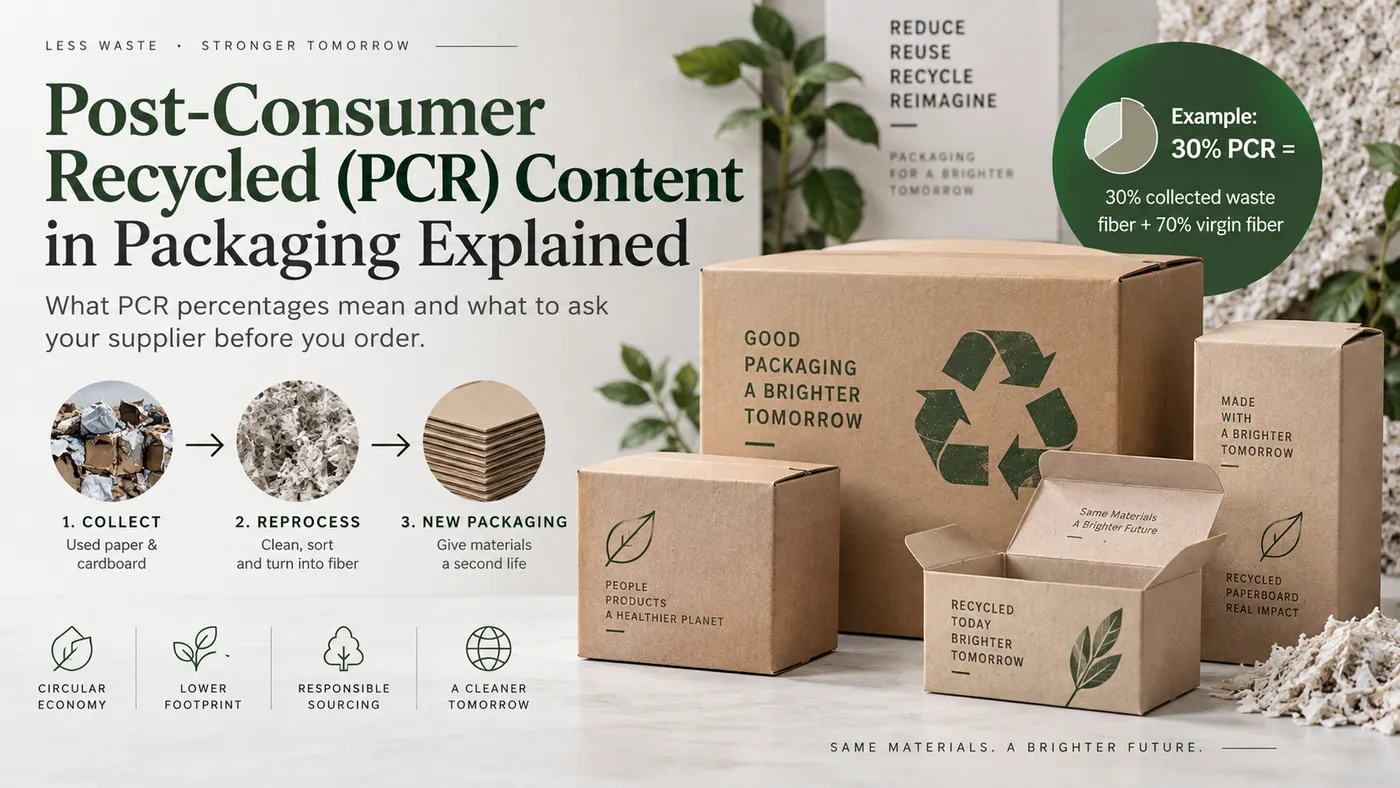
Post consumer recycled packaging is made with material a shopper used first. That material got collected. It got reprocessed. Then it went back into new box stock. A box labeled “30% PCR” has 30% collected waste fiber in it. The rest is fresh, virgin fiber.
This article covers post consumer recycled packaging in plain terms. It covers what the percentage actually means, and what to ask your supplier before you order.
Why Brands Choose Post Consumer Recycled Packaging
Brands turn to post consumer recycled packaging for a few reasons. Shoppers increasingly notice recycled content claims on a box before they even open it. A documented PCR percentage also supports retailer sustainability requirements. More stores are adding these requirements to their vendor onboarding process.
There’s a supply-chain reason too. Collected, reprocessed fiber gives paper mills another feedstock source. This can add stability during periods when virgin pulp costs swing. None of this means post consumer recycled packaging is automatically cheaper. Ask your supplier for current pricing on your specific PCR tier. It varies by mill and by market conditions.
PCR vs PIW: The Mix-Up Most Guides Skip
PCR and PIW sound alike, but they’re not the same thing. PCR means post-consumer recycled. That’s material a shopper actually used first. PIW means post-industrial waste. That’s mill scrap, trimmed off during manufacturing. It never reached a shopper at all.
A box labeled “100% recycled” isn’t always 100% PCR. Some of that recycled share could be PIW instead. This distinction matters most when a specific PCR number backs a retailer claim. Ask your supplier which type of recycled stock you’re actually getting. Confirm this before you put that claim in writing.
How PCR Content Is Measured and Labeled
Paper mills track PCR share as a percentage of total fiber. A “30% PCR” label means 30 out of every 100 parts of fiber came from collected, used material. The rest is virgin fiber, made from fresh wood pulp.
This number should show up on your supplier’s spec sheet. Ask for it in writing if a specific PCR percentage matters for your brand’s sustainability claim.
Common PCR Percentages in Paperboard
Paperboard PCR content usually comes in a few common tiers: 10%, 30%, 50%, and 100%.
Lower tiers, like 10% or 30%, are widely available. They print close to virgin stock in brightness and color vibrancy. Mid tiers, like 50%, start to show a slightly duller white point on some stocks.
The highest tier, 100% PCR, has the most visible shift in tone. Processing has narrowed this gap a lot in recent years. Newer mills use cleaner sorting and pulping methods than they did a decade ago. Ask for a physical sample at your target tier. A digital swatch can’t show you the actual white point or texture.
Does PCR Affect Box Strength?
At common tiers like 10% to 30%, strength differences are minimal. Most brands won’t notice a change in how the box holds up.
At very high PCR shares, fiber quality can vary more between batches. This can show up as a small strength difference on some stocks. Ask your supplier for a sample at your target PCR level before committing to a full run.
Fiber breaks down a little each time it’s reprocessed. That’s true of any recycled paper stock, not just PCR specifically. Mills blend in some fresh fiber even at high PCR tiers to keep strength consistent. This blending is one reason a true post consumer recycled packaging box still ships well. It holds up fine under normal shipping conditions.
The PCR vs Recycled Mix-Up
Products that fit this guide
A few Easy Box Packaging products that fit what this article covers.
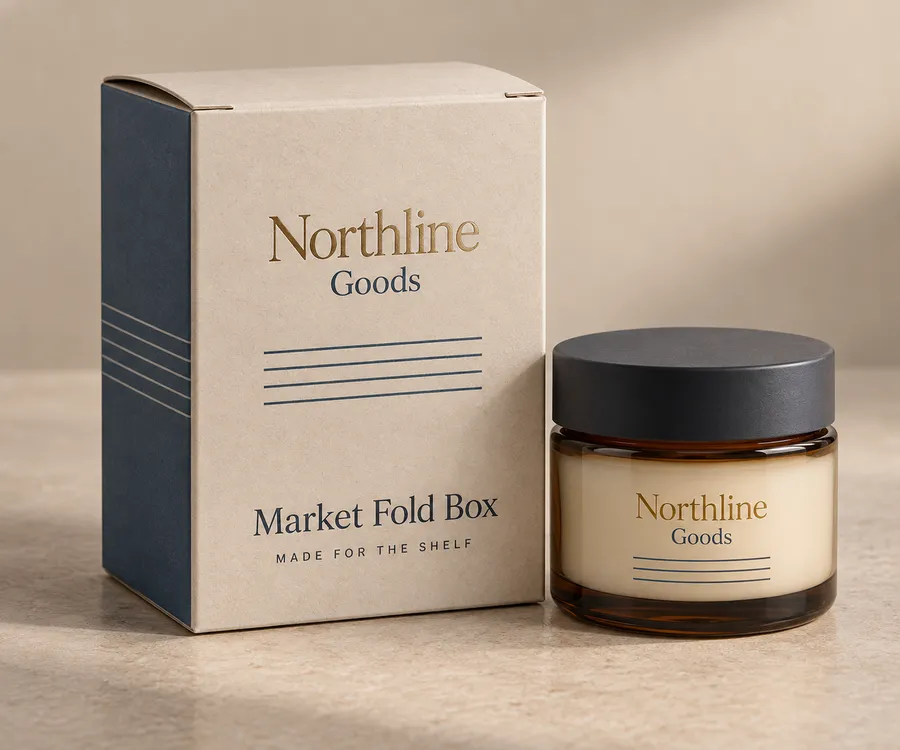
Custom retail cardboard boxes planned around the packed product, shelf position, opening route, board direction, printed panels, and finish. Choose a folding carton or more structural corrugated direction after sharing the real dimensions, weight, count, artwork needs, quantity, and delivery route.
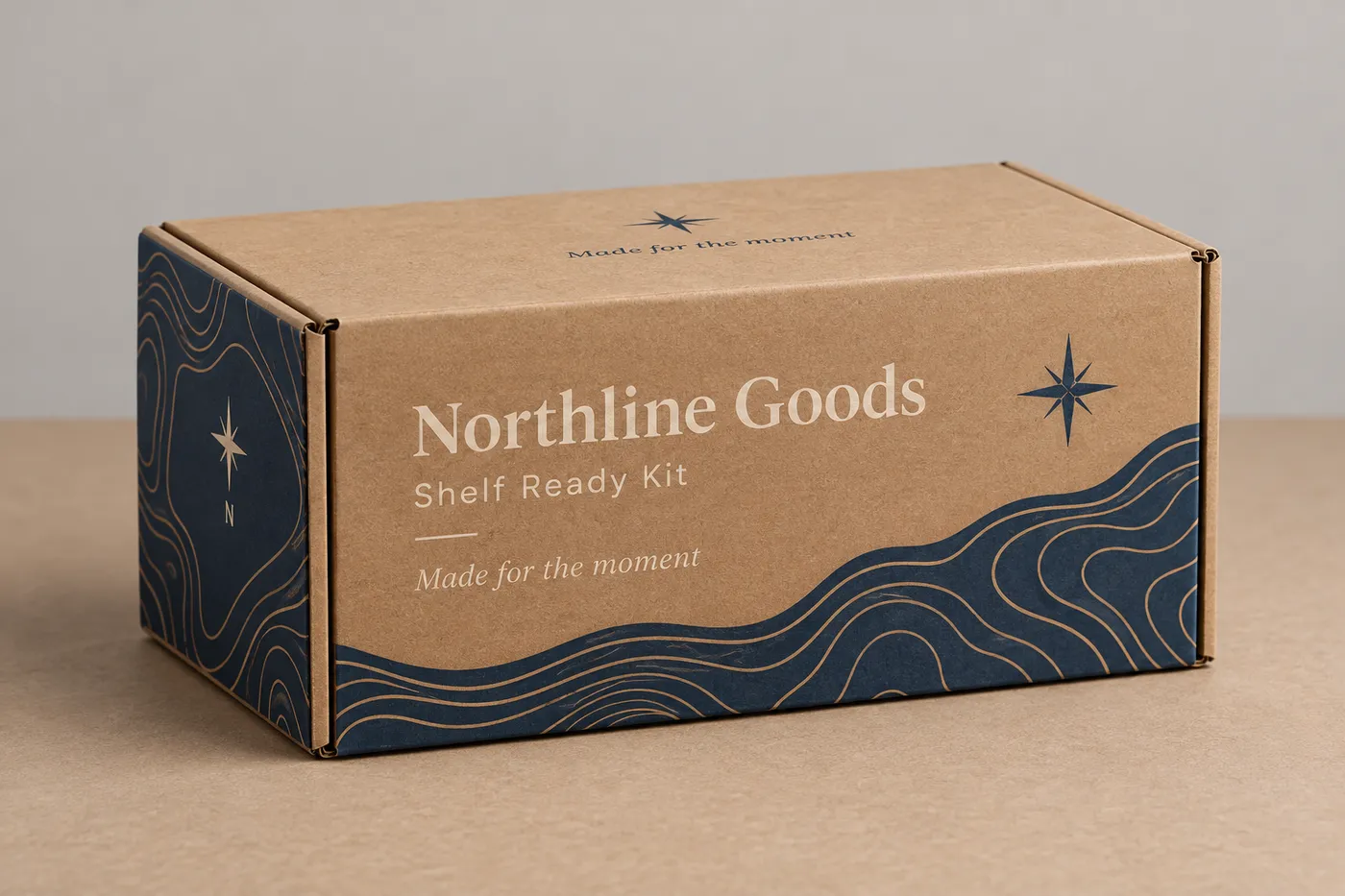
Custom retail shipping boxes are sized around the packed product, the opening sequence, and the route from fulfillment to customer. Corrugated or paperboard construction, printed exterior and interior panels, practical closures, and optional support can be reviewed together so the box works as both a shipper and a retail touchpoint.
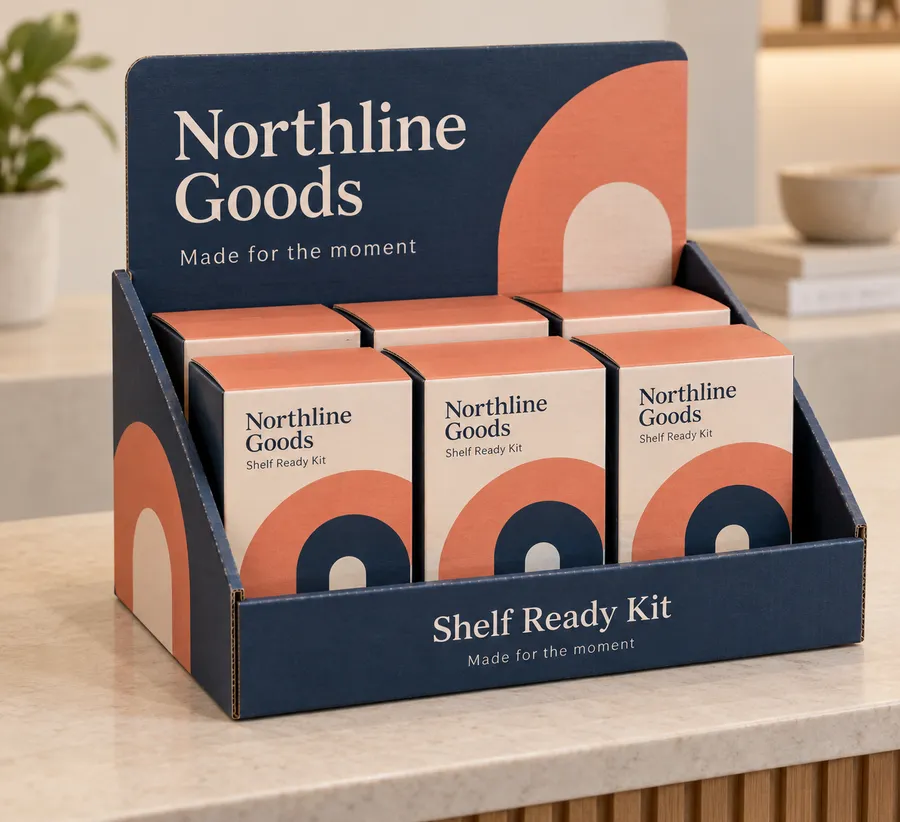
A retail counter display groups several packaged units into a customer-facing tray or tiered presentation for a checkout, service desk, or compact retail surface. Specify the individual pack dimensions, unit count, facing, loaded weight, available footprint, board direction, print coverage, and finish so the display can be planned around the actual assortment.
Custom kraft paper packaging gives brands a made-to-order paperboard surface for folding cartons, tuck-end boxes, mailer formats, and small retail packs. Share the product dimensions, packed weight, closure preference, print coverage, and intended route so the board, dieline, finish, and artwork can be reviewed as one specification.
Custom small kraft boxes use the warm, visible fiber character of kraft paperboard for compact retail products, samples, gifts, and mail-ready packs. Plan the carton or tuck-end structure around the packed dimensions, closure, handling, and display setting, then choose print coverage and finish with the natural kraft surface in view.
I’ve seen a brand order “100% recycled” packaging for a retailer sustainability claim. They assumed that meant 100% PCR. Their supplier flagged the gap. Part of that recycled content was actually PIW, mill scrap that never reached a shopper.
The brand needed a documented PCR number for their retailer’s requirements, not just a general recycled label. They had to switch to a stock with a confirmed PCR percentage instead.
Post consumer recycled packaging claims often hinge on this exact distinction. General “recycled” language and a specific PCR number aren’t the same promise.
How to Ask Your Supplier for PCR Content
Ask for the specific PCR percentage in writing, not just the word “recycled” on a spec sheet. Request documentation your brand can point to if a retailer or customer asks for proof. The FTC’s Green Guides cover what a recycled content claim needs to hold up. They apply to any packaging sold in the US.
Ask about FSC-certified or PCR-verified stock options in your quote request. Confirm which claims are backed by paperwork before you print them on your own packaging. Our kraft stock options page lists some of the base materials PCR content is commonly built into.
Post Consumer Recycled Packaging: PCR Percentage, Print Quality & Use Case
PCR Level
Print Quality
Cost Premium
Typical Use Case
10%
Close to virgin stock
Minimal
Everyday retail boxes
30%
Slightly duller white point
Low
Ecommerce, sustainability-focused brands
50%
Noticeable tone shift on some stocks
Moderate
Brands prioritizing recycled content
100%
Most visible shift, improving with newer processing
Higher
Strong sustainability claims
Common Mistakes
The first mistake is assuming “recycled” and “PCR” mean the same thing. This trips brands up when shopping for post consumer recycled packaging. A recycled claim can include PIW mill scrap, which doesn’t count toward most PCR requirements.
A related mistake is skipping written documentation. A verbal claim from a supplier isn’t the same as a spec sheet. Get the specific PCR percentage listed in writing.
The third mistake is choosing the highest PCR tier without a print sample first. Color vibrancy can shift more than expected on some designs, especially ones with bright, saturated colors.
A fourth mistake is claiming a certification EBP or any supplier hasn’t confirmed in writing. Ask about FSC-certified or PCR-verified stock in your quote instead of assuming a claim applies by default.
A fifth mistake is picking a PCR tier based on cost alone. Our guide to eco-friendly custom packaging covers other sustainability cost tradeoffs worth weighing alongside PCR content.
Questions, answered
FAQ
What does PCR mean in packaging?+
PCR stands for post-consumer recycled content. It’s material a shopper used first, then it was collected and reprocessed into new packaging stock.
Is PIW the same as PCR?+
No. PIW is post-industrial waste, or mill scrap trimmed during manufacturing. It never reached a shopper, so it doesn’t count as PCR.
Does higher PCR content weaken a box?+
At common tiers, like 10% or 30%, most brands see no strength difference. Very high tiers can show more batch-to-batch variation. Mills blend in fresh fiber to help offset that.
Where can I learn more about recycled packaging materials?+
Our guide to recyclable vs compostable packaging covers a related point. It’s a good next read. Our guide to kraft paper covers one common base stock. Our guide to cardstock vs cardboard vs corrugated covers the others PCR content gets built into.
Get a free quote — dieline and design support included.
Start a packaging brief
Turn the article into a packaging brief.
Share the product, quantity, dimensions, and route to market. Easybox will help connect those requirements to a practical structure and production path.