Puree and mash portions
A printed flat or gusseted pouch can carry a smooth puree or textured mash when fill volume, particulates, headspace, and opening direction are described.

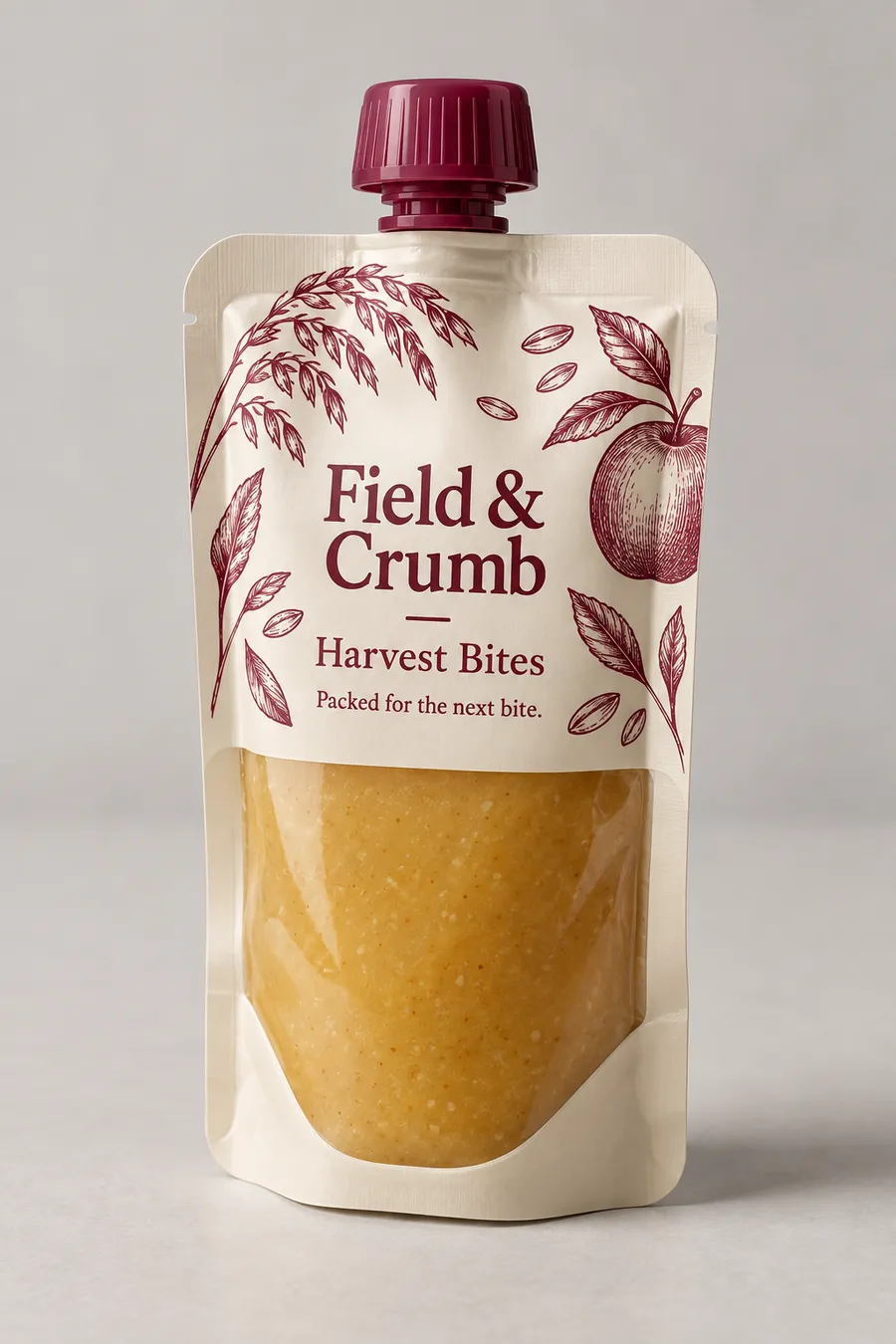
Printed flexible baby food pouch with a cranberry cap and golden puree
Food Boxes
Custom baby food pouches give puree, mash, and snack brands a printed flexible pack planned around the actual portion and feeding route. The brief should cover fill volume, pouch width and height, spout or tear feature, seal area, headspace, food-contact surface, barrier needs, and whether the pack is sold as a single serve or multipack. Confirm the food and market requirements before production.
Last updated
Working quote
Product brief
A baby food pouch is a flexible printed pack for a puree, mash, yoghurt-style food, smoothie, or soft snack portion. Its useful specification starts with the filled product rather than a stock silhouette: describe the portion volume, density, viscosity, headspace, filling temperature, closure or spout, and how the parent will hold and serve it. A short single-serve pouch may need a different width, grip area, and tear path from a larger resealable pouch intended for a multipack.
The standard fulfillment path starts at 50 units. Production is from 7 business days after digital proof approval, and free US shipping applies to the standard route. Pricing remains quote-only because the pouch film, barrier direction, print coverage, seal geometry, finish, filling process, and order quantity have to be reviewed together. Easy Box Packaging can reply to a quote request within 24 hours, typically on the same business day, once those details are clear.
Send the filled product or a representative sample, then record the widest and tallest filled areas, the mass or volume, the headspace, and the way the pouch is opened. A top seal, tear notch, spout, cap, or resealable feature changes the usable print area and the pressure around the seal. A pouch for a smooth puree may need a different opening brief from one carrying a textured mash or a snack with particulates. The final material and closure must be checked against the actual food, contact time, filling temperature, storage conditions, and market requirements; a category material name alone does not prove food-contact approval or a barrier level.
If the pouch will be squeezed directly into a spoon or onto a tray, keep the front panel, opening direction, and grip area readable in the hand. If it will be displayed in a carton or retail tray, reserve a calm panel for the product name, flavour or recipe, preparation guidance, and required information. Do not place important artwork across a seal, crease, spout base, or tear feature until the dieline has been reviewed.
Food-Grade Flexible Pouch Film is a category direction for discussion, not a blanket certification. State whether the contents are acidic, oily, watery, particulate, warm-filled, chilled, or shelf-stable, and identify the intended storage and delivery route. The converter can then review the appropriate layer construction, seal behaviour, opacity, puncture considerations, and print surface with the food-contact requirements for the relevant market. Avoid assuming that a pouch is microwave-safe, retort-rated, leakproof, or suitable for a particular disposal route unless a separate approved source confirms that exact construction.
Build the artwork on the pouch dieline and check it both flat and filled. The printed example in the images shows print placement only, and production uses your approved artwork. Matte Lamination, Gloss Lamination, Spot UV, Foil Stamping, and Embossing/Debossing are finish directions from the food-boxes category pack; their suitability depends on the film, print process, flexing, seal zones, and food-use review.
Provide the packed dimensions, fill details, closure preference, food-contact and barrier requirements, artwork, quantity, destination, and any carton or multipack plan. Easy Box Packaging reviews the pouch structure and digital proof, including the front panel, back information area, opening feature, seal, and any fold or gusset. The standard path begins at 50 units, with production from 7 business days after proof approval. A sample kit carries a $44.99 USD shipping charge credited toward the first order, which can help compare film feel, print, opening behaviour, and filled presentation before the custom pouch is approved.
Proof points
The proof should show the flat dieline and a filled presentation. Compare the portion fit, seal and opening feature, food-contact surface, barrier brief, front artwork, back information area, and any carton or multipack placement with the supplied product details.
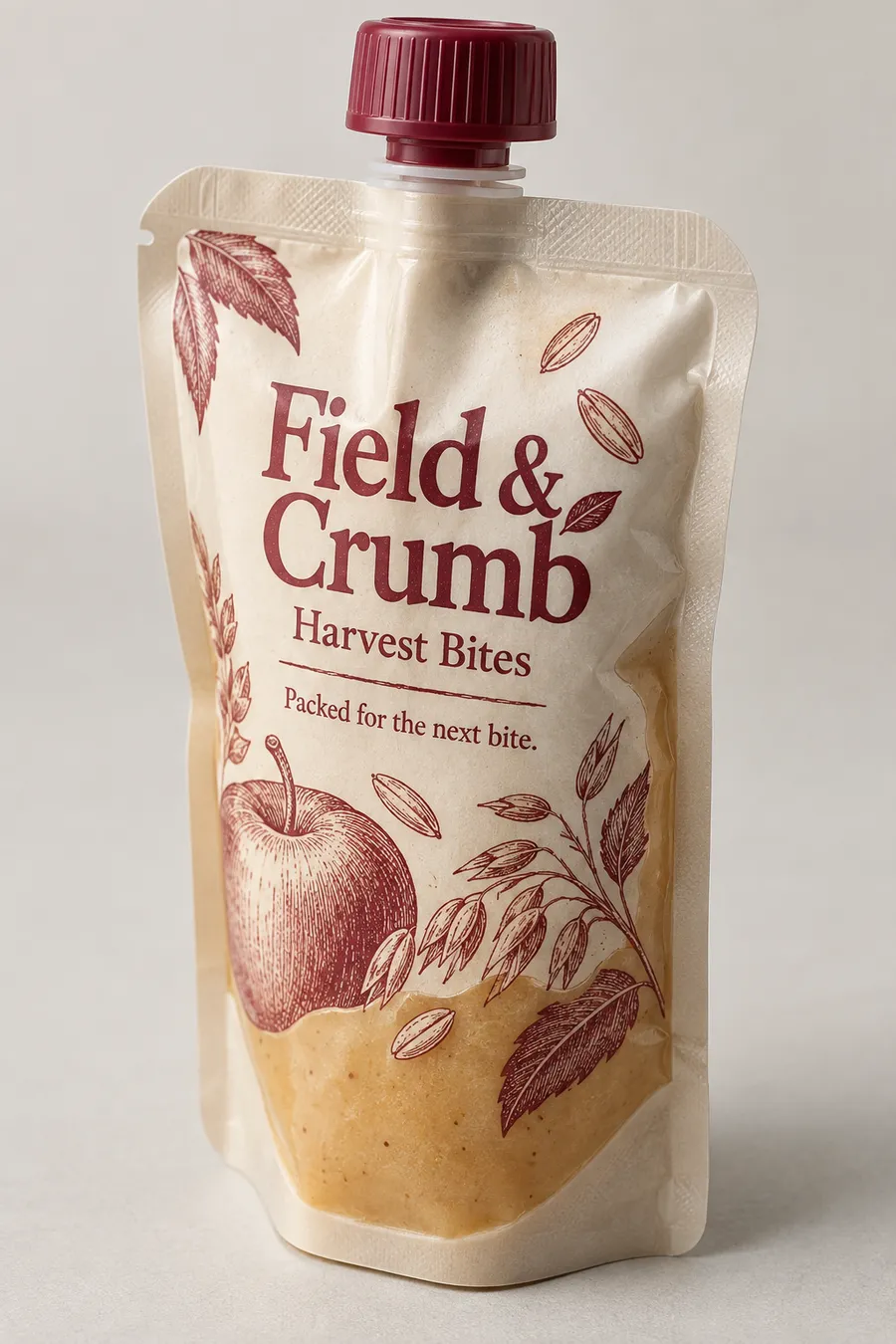
The pouch should contain the actual puree, mash, or soft snack portion, keep its opening and seal functional, and leave the important front and information panels readable when filled. Start with volume, filled width and height, headspace, viscosity, filling condition, closure, storage route, and market requirements so the film and print brief follows the product.
A printed flat or gusseted pouch can carry a smooth puree or textured mash when fill volume, particulates, headspace, and opening direction are described.
A flexible pack can support a soft snack when moisture, acidity, storage conditions, seal path, and the intended feeding method are reviewed together.
A spouted or controlled-opening direction may suit a drinkable food when the grip area, flow, cap or tear feature, and filled presentation are mapped.
Individual pouches can be arranged in a printed carton or sleeve when the front panel, batch or information area, pouch dimensions, and shelf presentation are planned together.
Map artwork on the flat dieline and check it on a filled pouch. The front panel, back information area, seal, spout or tear feature, gusset, and any carton placement affect how the brand and required information are seen.
A baby food pouch combines a flexible film structure, a seal or opening feature, and printed panels. The practical choice depends on the filled food, handling method, barrier question, storage route, and whether the pouch is sold alone or inside a multipack.
Portion volume, widest filled area, headspace, density, and any particulates determine the pouch footprint and usable print field.
A tear notch, spout, cap, or resealable feature must be reviewed with grip, feeding method, seal clearance, and artwork orientation.
Front branding, recipe or flavour information, required copy, and handling guidance should remain legible when the flexible pack is filled and held.
A useful quote starts with the filled food, the opening method, and the route from filling to feeding. These steps turn that product description into a reviewable pouch brief.
Provide filled volume, widest and tallest areas, headspace, density, particulates, and whether the pouch will sit in a carton or multipack.
State the food type, viscosity, acidity, moisture or oil, fill temperature, storage, contact time, and relevant market requirements.
Explain whether you need a tear notch, spout, cap, or resealable feature, and how the parent will grip, squeeze, pour, or spoon the contents.
Share the Food-Grade Flexible Pouch Film direction and any listed lamination, Spot UV, foil, or embossing preference for review.
Check the flat layout, seal and opening clearance, front and back information panels, filled view, and any retail carton placement in the digital proof.
Need help with structure, materials, or production planning? See how we manufacture custom packaging.
A sample kit carries a $44.99 USD shipping charge credited toward your first order, useful when you need to compare film feel, print coverage, seal behaviour, opening direction, and filled presentation before approving a custom pouch.
Shipping charge: $44.99. Credited toward your first order.
Request a Sample KitFind clear answers about fit, materials, and ordering below.
It is a printed flexible pack sized around a puree, mash, smoothie, yoghurt-style food, or soft snack portion. The film direction, opening feature, seal, headspace, print panels, and storage route follow the actual product.
Send the filled volume, widest and tallest areas, headspace, density, particulates, grip area, opening clearance, and any carton or multipack placement. Include the food condition, storage route, and feeding method.
No material label alone confirms food-contact suitability. Share the food, fill temperature, contact time, storage, and market so the proposed film and barrier direction can be reviewed for the actual use.
A spout, cap, tear notch, or resealable feature depends on how the parent will grip, squeeze, pour, or spoon the food. The proof should check the opening, seal, headspace, and artwork together.
Artwork can be mapped across the front, back, gusset, or other approved panels. Matte Lamination, Gloss Lamination, Spot UV, Foil Stamping, and Embossing/Debossing can be considered subject to film, flexing, seal, and food-use review.
The standard fulfillment path starts at 50 units. Production begins from 7 business days after digital proof approval, with free US shipping and dieline and proof review included at no extra charge. Your final unit price is confirmed in a quote because the pouch specification determines the work.
Orders start at 50 units and scale up to 500,000 for bulk runs, with pricing from $0.33 per unit on larger quantities. Standard production is from 7 business days after digital proof approval.
Compare nearby products and request the format that best fits your next run.
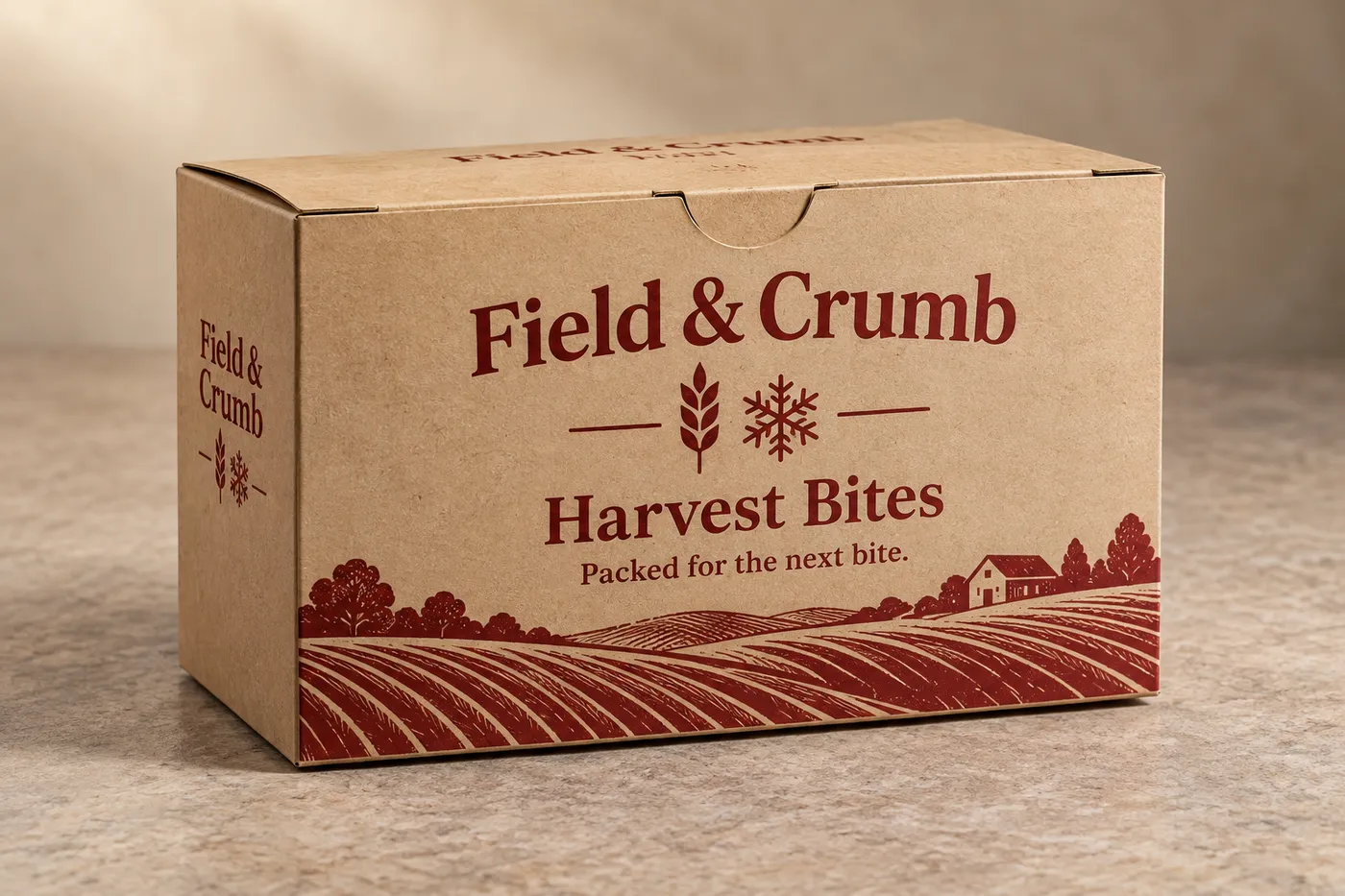
Available product
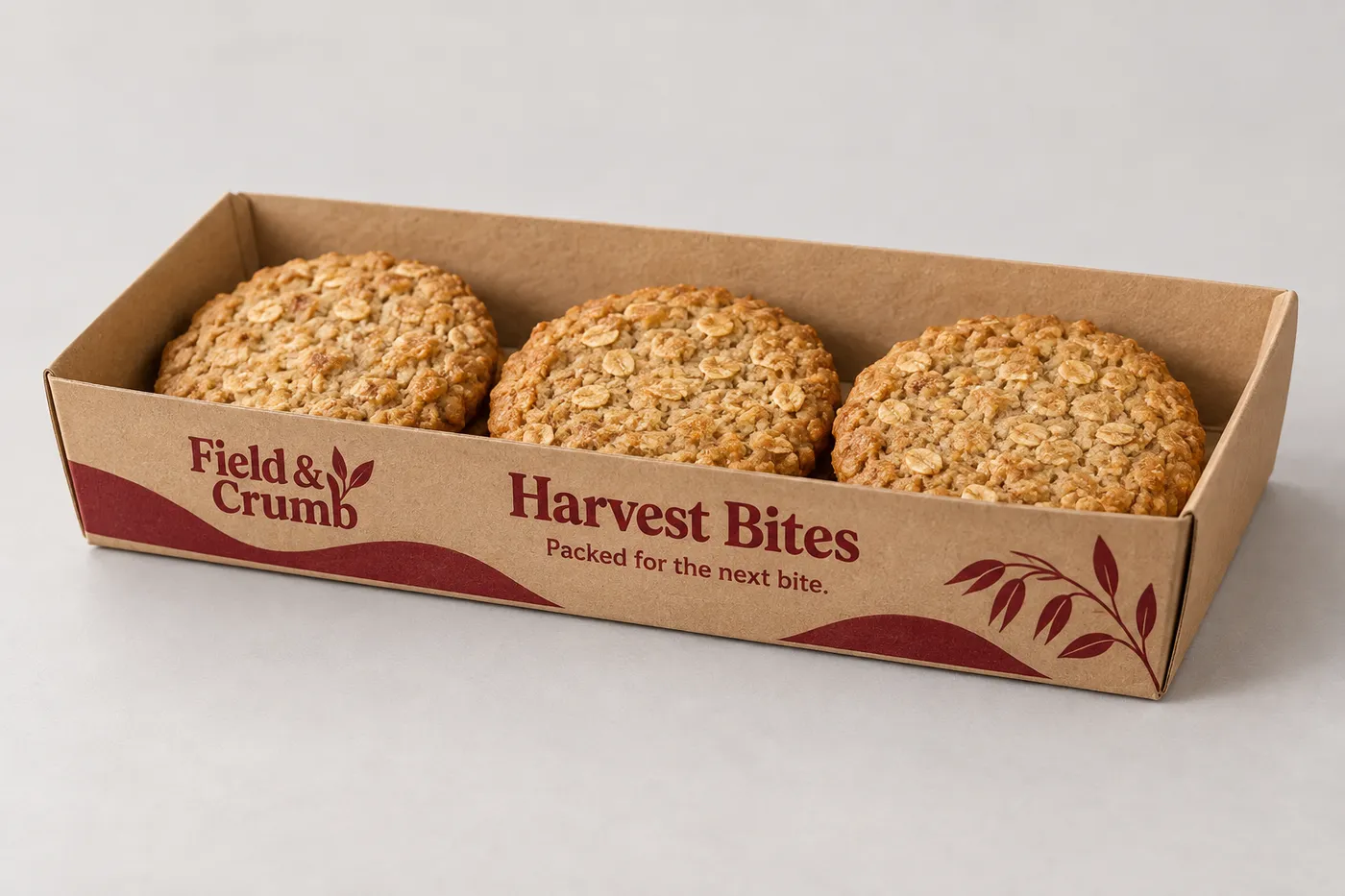
Available product
Available product
Available product
Plan the feeding format
Send the filled dimensions, food condition, opening preference, barrier requirements, artwork status, quantity, destination, and any multipack plan. Easy Box Packaging can then review the flexible structure, seal, print visibility, and filled presentation as one quote-ready specification.
Add your product details to see a quote summary.