Bakery and pastry counter service
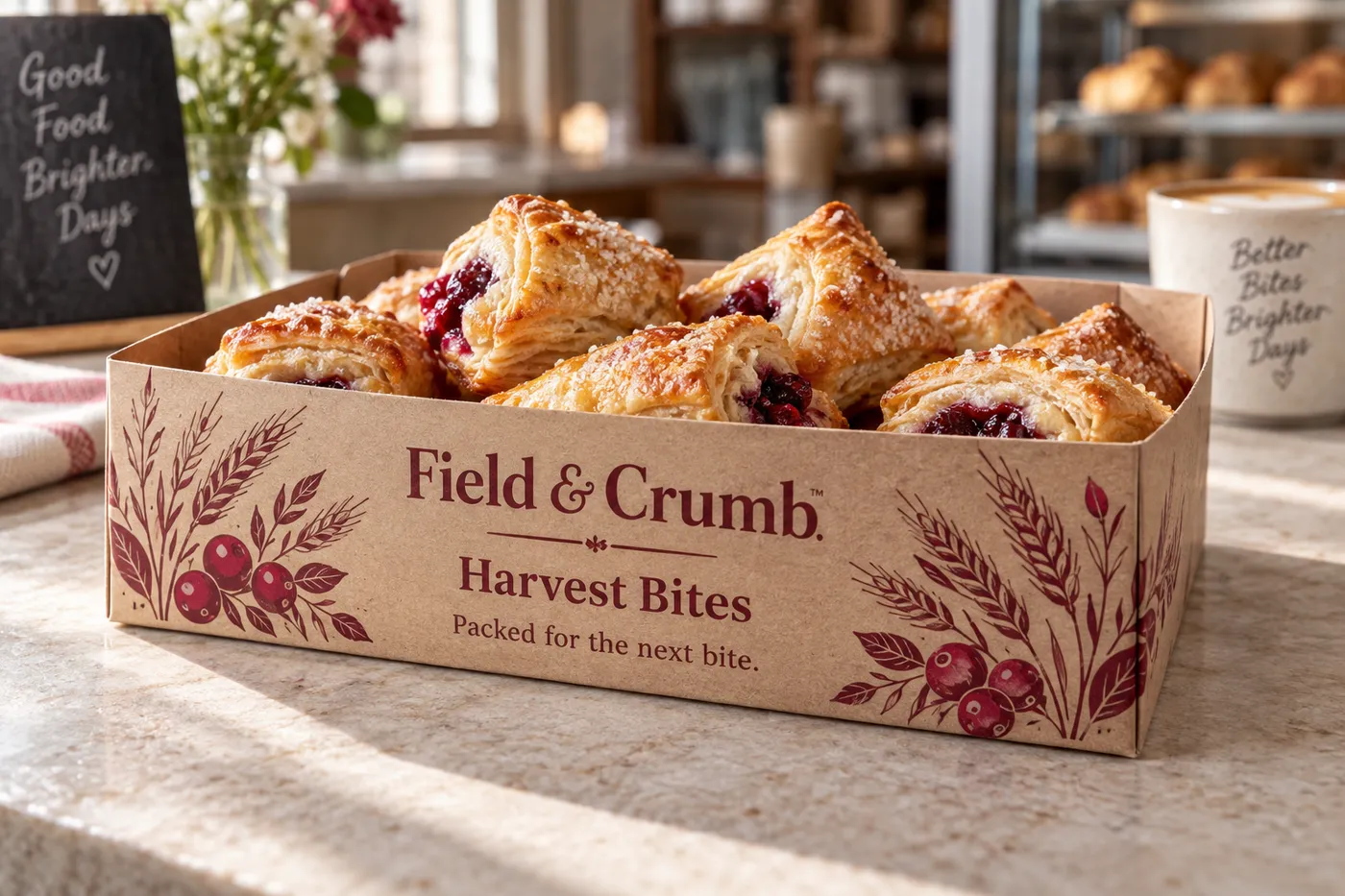
A shallow or raised-rim tray can be reviewed around warm pastries, cookies, slices, or other items that need a visible carry format.

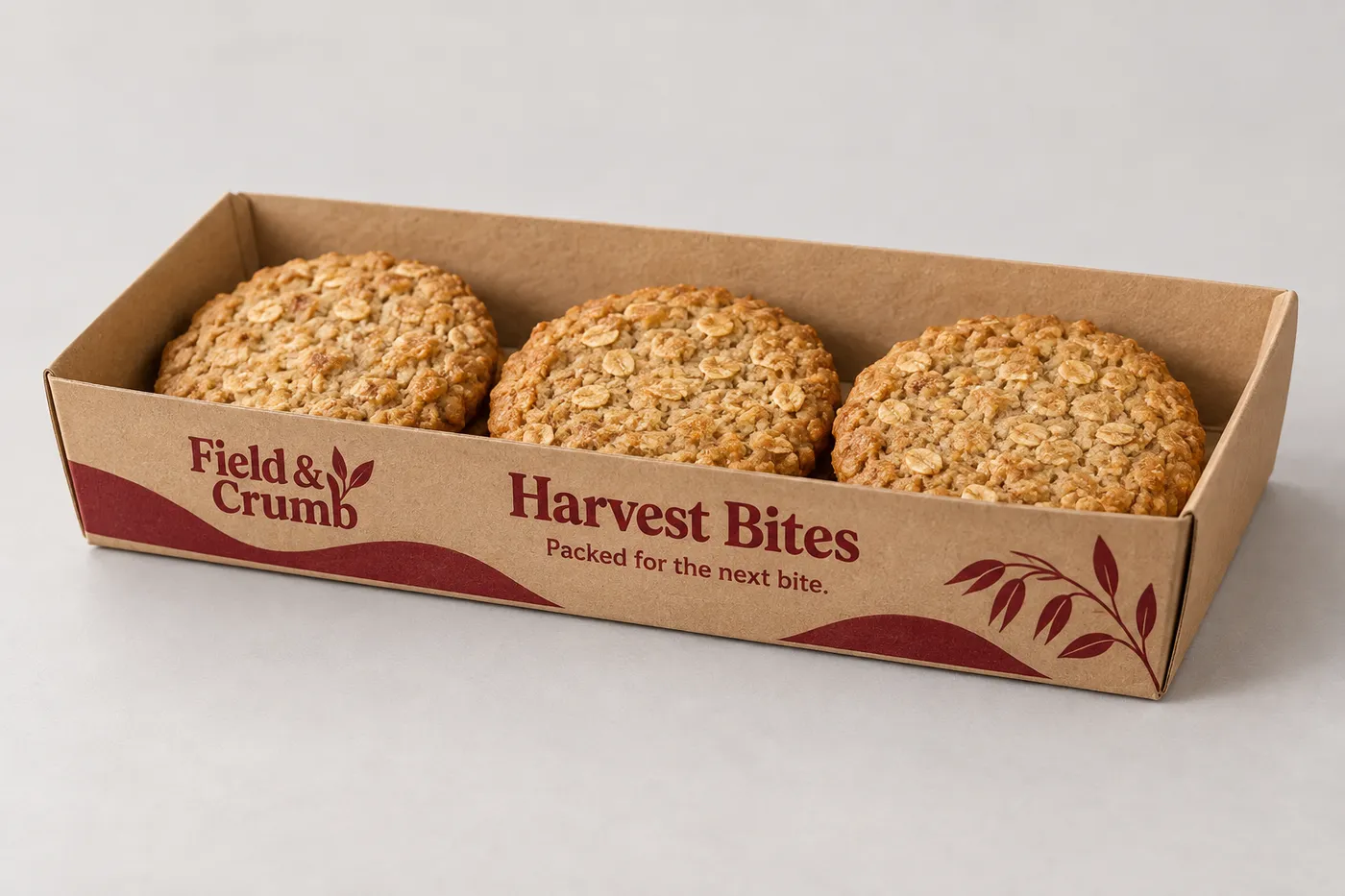
Printed kraft food tray with folded corners and biscuits visible above the shallow base
Food Boxes
Custom food trays give bakery items, snacks, confectionery, and prepared portions a defined open-top or low-profile paperboard format for counter service, display, and short-distance delivery. The tray is planned around the packed footprint, fill weight, rim height, warmth, grease or moisture, and carrying route, then reviewed for board, print coverage, finishes, and any liner or support needed for the actual food.
Last updated
Working quote
Product brief
Food trays are open-top or low-profile paper and board packs that keep a portion arranged while leaving the top visible for service, display, or quick access. A shallow tray can suit cookies, pastries, confectionery, fries, a sandwich component, or a small prepared-food portion, but the useful shape comes from the packed item rather than the category name. Note the finished length, width, height, widest points, fill weight, item count, and whether the food is warm, oily, moist, crumbly, or intended to remain visible. Also describe whether staff will hand it over at a counter, place it in a carry bag, display it on a shelf, or send it through a short delivery route.
The brief should show everything that will occupy the cavity: a wrap, liner, sauce cup, topping, divider, label, or inner pack. A tray sized only to the food can become too tight once a liner or garnish is added, while a tray that is too deep can make a small portion hard to lift and can hide the printed face. Share product photos or a physical sample when the shape is irregular. Those details let the dieline discussion follow the real food rather than an assumed stock footprint.
A broad, shallow profile can make a bakery portion easy to see and pick up. A higher sidewall or raised rim can be considered when the food needs a little more containment during a counter handoff or in a delivery bag. Locking corners, tuck features, or a separate inner support may be discussed around the packed geometry and the way staff load the tray. These are structural options to review, not a promise that one closure or height fits every portion.
Describe the route before settling the geometry. A dry snack tray for a retail counter can prioritize a clean front panel and an open view of the product. A warm pastry may need headspace, a liner, or a contact-surface review. A moist or sauce-heavy item may be better placed in a sealed inner pack before it goes into a printed outer tray. If the tray will be stacked, carried flat, or placed inside another carton, include that information because it changes the rim, base, and support conversation.
Kraft Paperboard can provide a natural printed face for bakery or snack presentation. SBS Paperboard can offer a smoother white surface when detailed product information or a clean retail panel matters. Grease-Resistant Kraft Paper can be considered when the packed food's oil exposure makes an untreated paper surface a poor fit. Corrugated Board can be reviewed as an outer layer around a larger set or a delivery pack, while Food-Grade Flexible Pouch Film is a category direction for an inner flexible format rather than a claim that every tray includes a pouch.
Material selection should account for the food, contact surface, temperature at packing, holding time, storage conditions, and market requirements. This page does not assert food-contact approval, a specific barrier rating, recycled content, or universal grease or moisture performance for any stock. If the food touches the tray, identify that contact clearly and share any regulatory or supplier requirement for review. If the tray holds a sealed inner bag, cup, or liner, state that separation so the outer print and the inner food-contact decision can be evaluated as distinct parts of the specification.
Supply the widest points and the real packed arrangement, not only a menu label. Include the footprint of toppings, wraps, sauce cups, dividers, and any headspace needed above a warm or delicate item. For a set, show the side-by-side or stacked layout with the number of pieces and the spacing between them. The base, sidewall, corner, and rim should be checked together so the tray remains practical to load and does not hide the food presentation.
Internal support depends on product geometry, weight, fragility, orientation, structure, product-to-tray clearance, fulfillment route, and the reveal wanted when the tray is opened or displayed. Support may be integrated into a folded paperboard feature or supplied as a separate paperboard component after the packed contents are reviewed. A light cookie assortment may benefit from a divider, while a heavier jar or cup may need a controlled base and a secondary outer pack. The right choice is confirmed against the actual product rather than inferred from the word tray.
Use the front rim or broad sidewall for the brand and product cue, then reserve other panels for ingredients, flavor, handling, storage, contact information, or other required content. Matte Lamination can create a lower-glare surface direction, while Gloss Lamination offers a higher-sheen appearance; the effect should be judged with the artwork and lighting in mind. Spot UV can highlight a small mark or line of type. Foil Stamping or Embossing/Debossing can be considered for selected details, subject to artwork, board, and fold review. These are finish directions. Barrier performance and food-contact suitability still depend on the approved specification.
The images illustrate how print can sit on the package. Your artwork should replace it with approved brand, product, ingredient, and regulatory information. On the assembled dieline, check that the wordmark stays upright on the visible sidewall, the rim remains clear, and small text does not cross a fold, corner lock, glue area, or support feature.
The standard fulfillment path starts at 50 units, and production is from 7 business days after digital proof approval. Free US shipping and dieline and proof review are included at no extra charge. A sample kit carries a $44.99 USD shipping charge credited toward the first order if you want to compare paper feel, corner behavior, print scale, and finish direction in hand. Pricing remains quote-only because the tray footprint, rim, board, contact or liner requirement, artwork coverage, finish, and quantity are specific to the order.
Send the finished packed dimensions, approximate weight, food temperature at packing, contact or liner details, item count, carrying or delivery route, artwork status, print coverage, finish direction, and destination. Quote requests are typically answered the same business day and always within 24 hours. Before approval, compare the digital proof with the packed food: check the base, rim, corner or lock position, required information, panel orientation, clearances around toppings, and how any finish is shown.
Food trays work best when the packed portion, structure, material, printed faces, and carrying route are considered together. A clear brief gives Easy Box Packaging enough information to review the construction without inventing a stock dimension or an unsupported food-safety claim.
Proof points
The proof should make the assembled tray clear. Compare the base, rim, corners, printed panels, contact or liner notes, and finish placement with the food and handling information supplied for the quote.
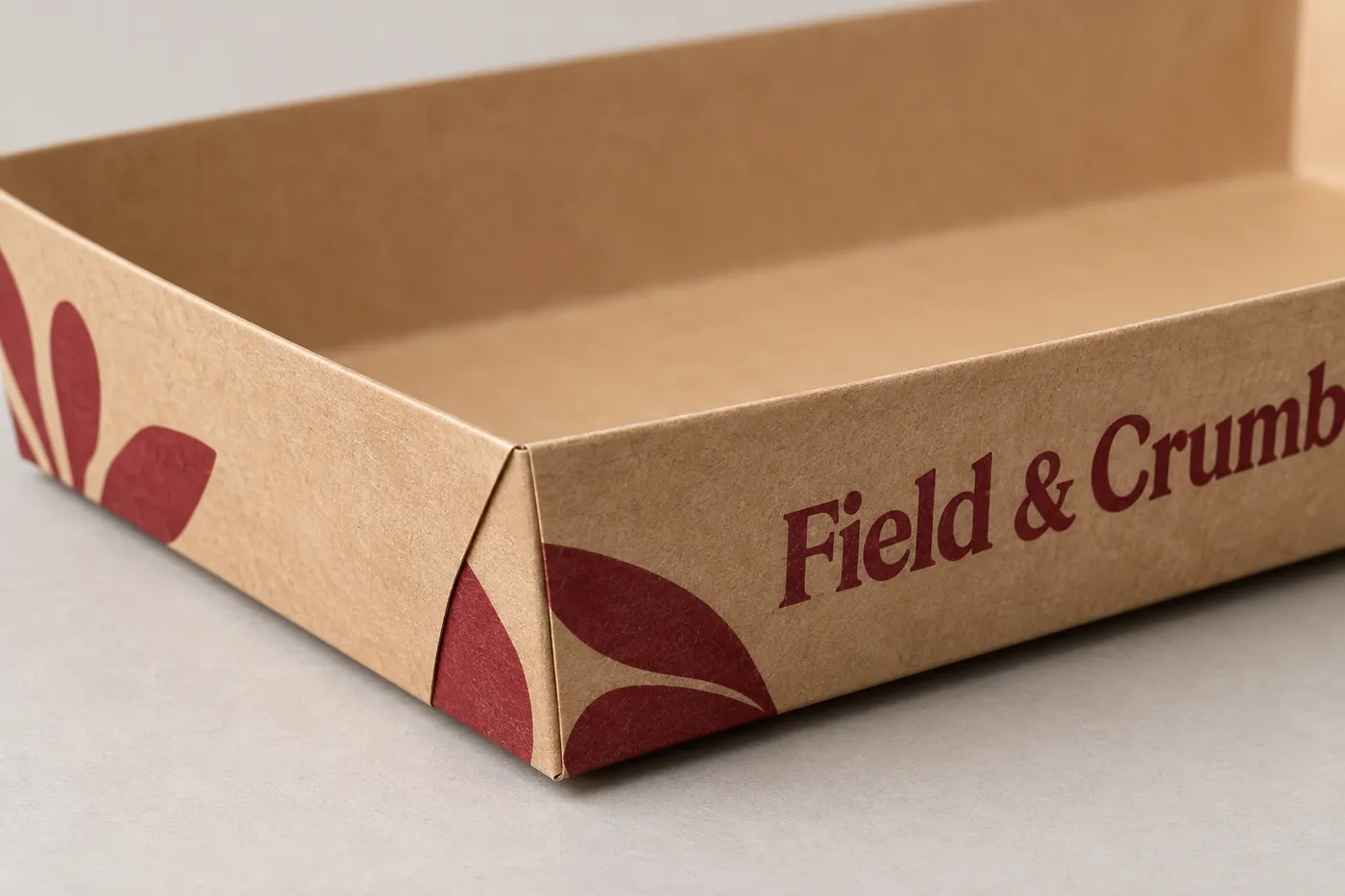
The tray should hold the actual portion, keep the visible faces readable, and suit the handoff route. Start with the packed footprint, height, rim, temperature, grease or moisture, and whether the food is carried open, bagged, stacked, or placed inside another pack.
A shallow or raised-rim tray can be reviewed around warm pastries, cookies, slices, or other items that need a visible carry format.
A printed kraft or SBS tray can organize a dry snack or confectionery portion while leaving room for product and required pack information.
An open-top format can be considered around a sandwich component, fries, or a meal portion when access, steam, and carrying position matter.
A divider or planned multi-item cavity can keep several portions arranged when the item count, spacing, and opening sequence are known.
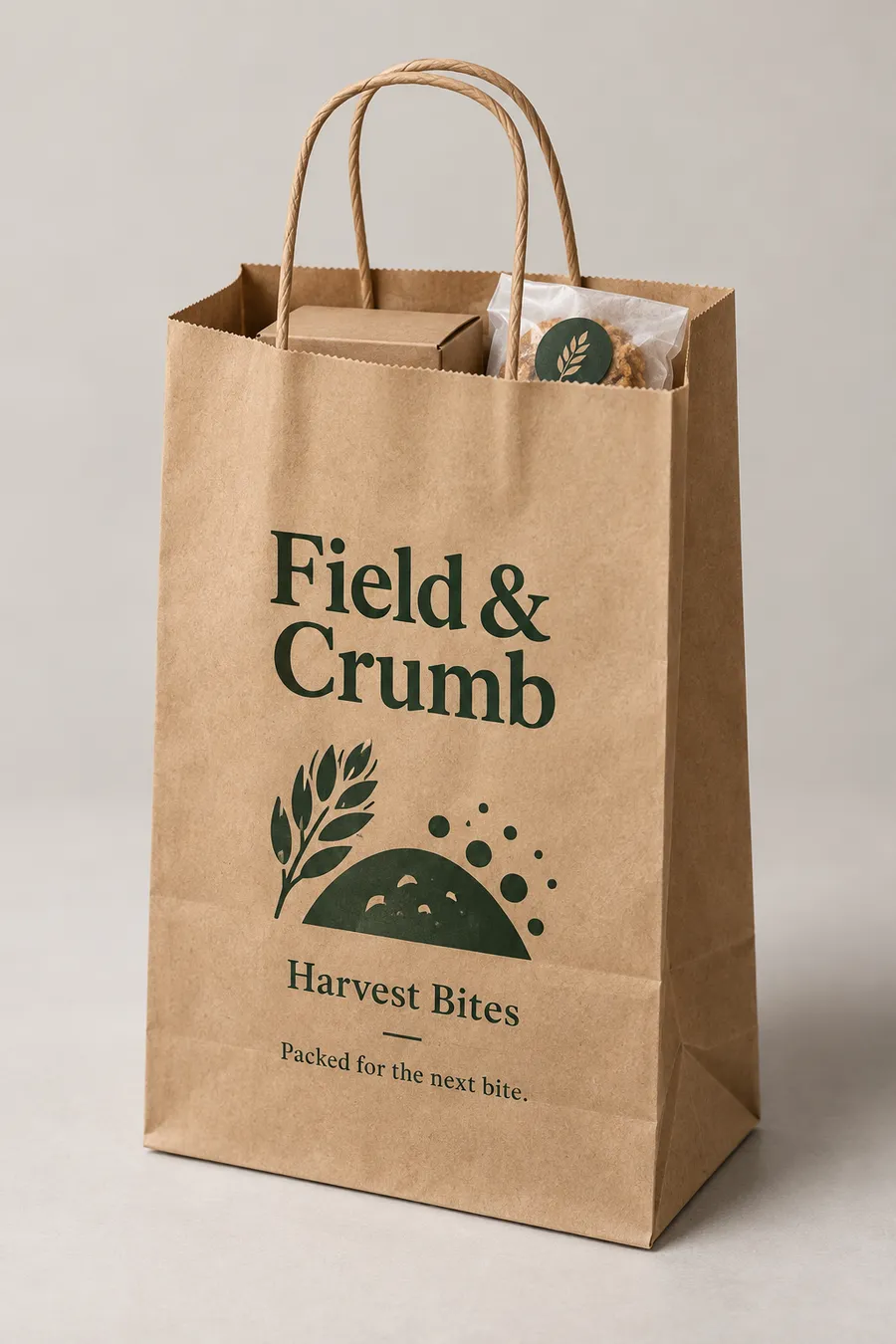
A tray inside a bag or corrugated outer pack can be reviewed when the food needs a defined base and a longer route than a direct counter handoff.
Use the front rim or broad sidewall for the brand and product cue, then map required information to faces that remain readable after folding. Keep finish decisions tied to the artwork, rim, corners, folds, and any food-contact or liner boundary.
The base, sidewall, rim, and any interior component are reviewed as one package. Depending on the food geometry, weight, orientation, clearance, structure, and route, support may be integrated into the folded tray or provided as a separate paperboard component.
Finished length, width, height, widest points, toppings, wraps, cups, liners, and item count establish the useful cavity.
Sidewall height, open access, corner locks, or a lift feature are considered around visibility, loading, carrying, and stacking.
A bag, tote, or corrugated outer pack can be reviewed when the tray travels beyond a simple counter handoff.
A quote is easier to evaluate when the food, route, profile, and artwork are described together rather than reduced to the category name alone.
Provide finished length, width, height, widest points, fill weight, temperature at packing, product photos, item count, and any topping, wrap, cup, divider, or liner.
Explain whether the tray is for counter service, retail display, delivery, or an outer pack, and whether it needs a low rim, raised rim, locking corner, divider, or support.
Share the preferred Kraft Paperboard, SBS Paperboard, Grease-Resistant Kraft Paper, or Corrugated Board direction, plus artwork status and finish preference.
Confirm base clearance, rim height, corners, panel orientation, required information, contact or liner notes, and finish representation before production begins.
Need help with structure, materials, or production planning? See how we manufacture custom packaging.
A sample kit ships for a $44.99 USD charge credited toward your first order, useful when you need to compare board feel, rim behavior, printed coverage, and finish before approving the food tray.
Shipping charge: $44.99. Credited toward your first order.
Request a Sample KitFind clear answers about fit, materials, and ordering below.
The format can cover dry snacks, confectionery, bakery items, prepared portions, fries, sampler sets, and an inner-pack presentation. The food's dimensions, warmth, grease or moisture, weight, contact surface, and route determine the suitable profile.
Share the finished packed length, width, height, widest points, fill weight, item count, temperature at packing, product photos, rim or access preference, liner or inner-pack details, delivery route, artwork status, and finish direction.
Kraft Paperboard, SBS Paperboard, Grease-Resistant Kraft Paper, and Corrugated Board are category directions. The final material depends on the food, contact requirement, structure, print surface, and handling route; no universal food-contact or barrier claim is implied.
A low or raised rim, locking corner, divider, liner, or support feature can be reviewed when it solves a defined visibility, loading, containment, or multi-item arrangement need. The feature is checked against the packed dimensions and artwork.
The approved standard estimate is from 7 business days after digital proof approval. Orders start at 50 units, and free US shipping is available on the standard fulfillment path.
Dieline and proof review are included on every order at no extra charge. The proof should confirm the packed fit, rim, corners, required information, panel orientation, contact or liner notes, and finish representation.
Orders start at 50 units and scale up to 500,000 for bulk runs, with pricing from $0.28 per unit on larger quantities. Standard production is from 7 business days after digital proof approval.
Compare nearby products and request the format that best fits your next run.
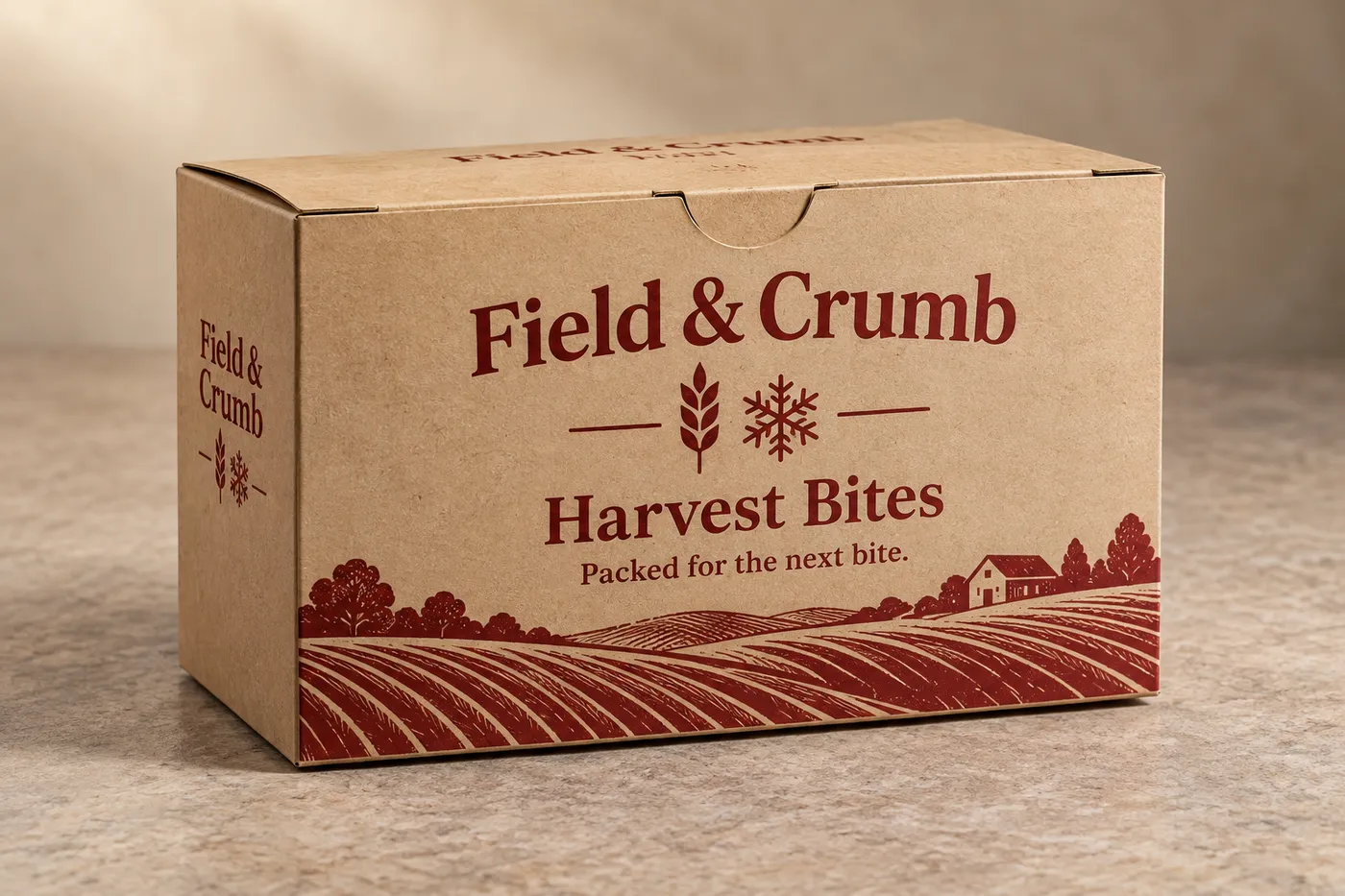
Available product
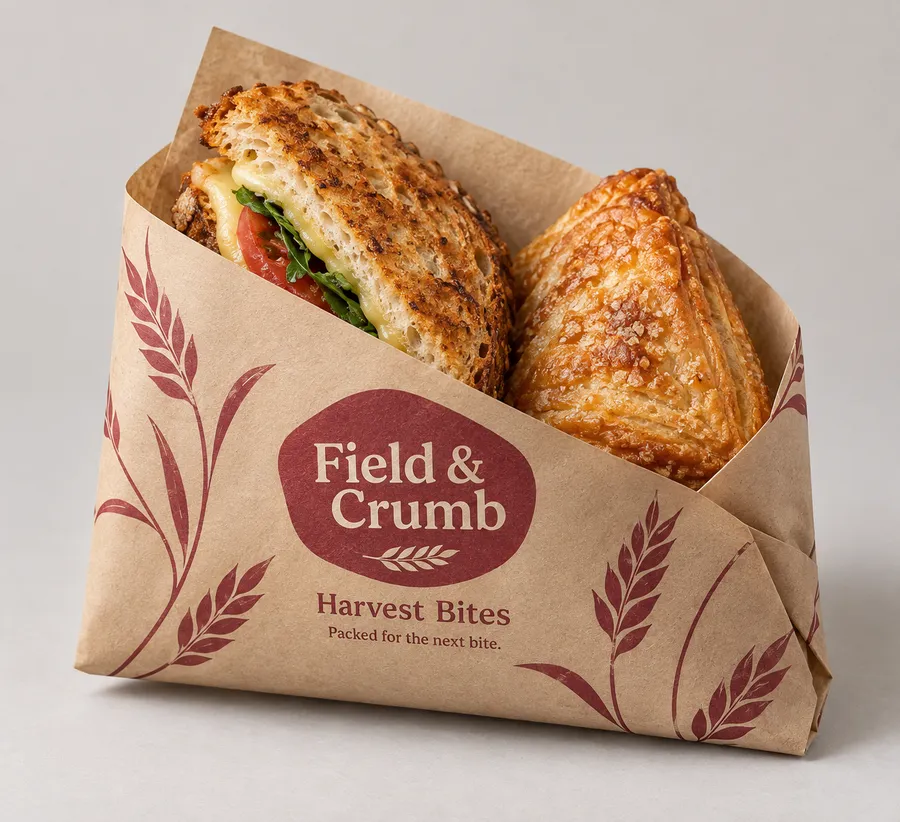
Available product
Available product
Available product
Plan the tray around the food
Send the packed food details, handoff route, profile preference, material direction, artwork status, and finish requirements. Easy Box Packaging can then review the tray, visible faces, and proof as one quote-ready specification.
Add your product details to see a quote summary.