Bakery trays and pastry bases
Wrap a printed band around a shallow tray or base so the bakery name and product panel stay visible while the opening remains accessible for filling.

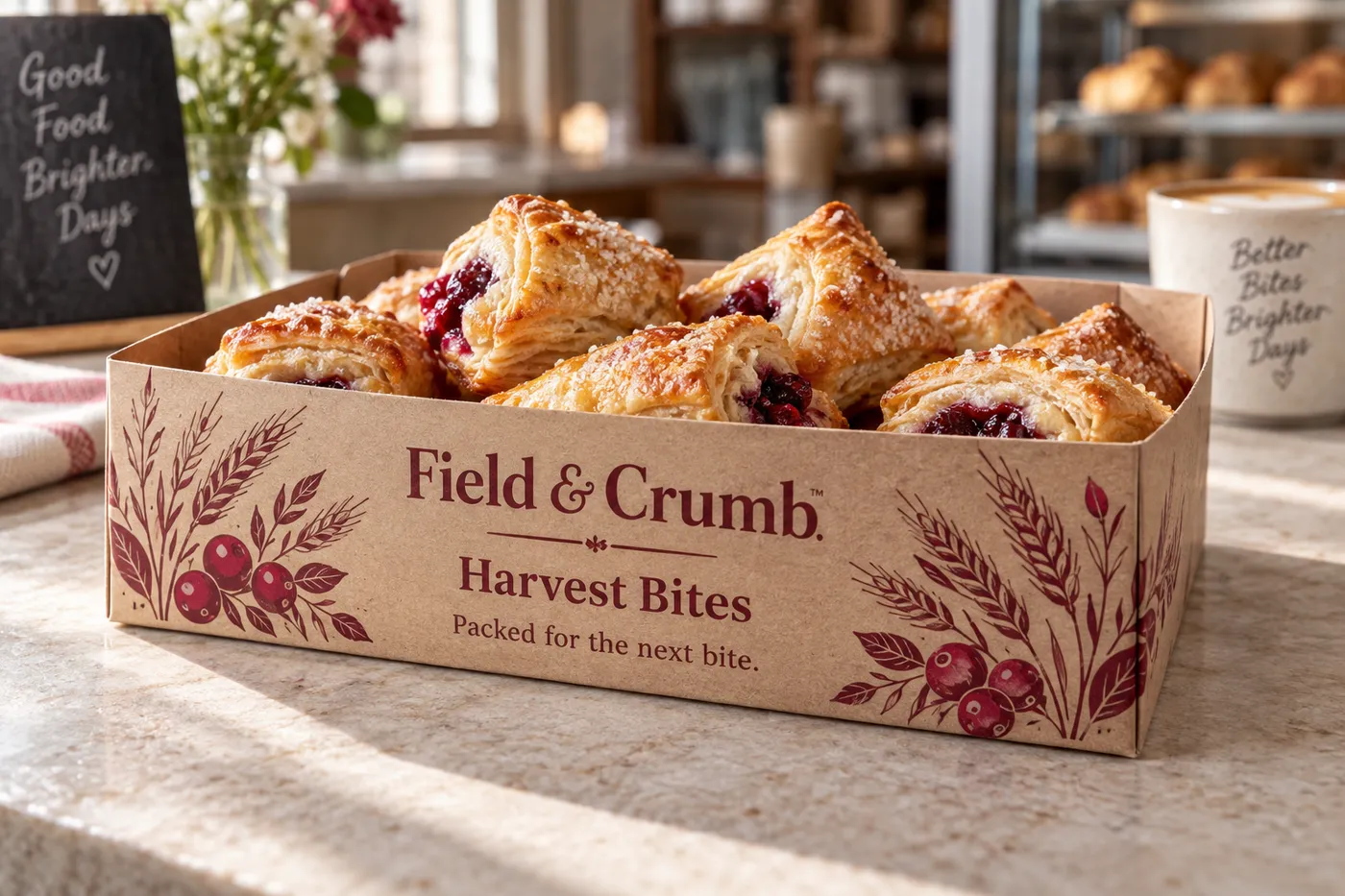
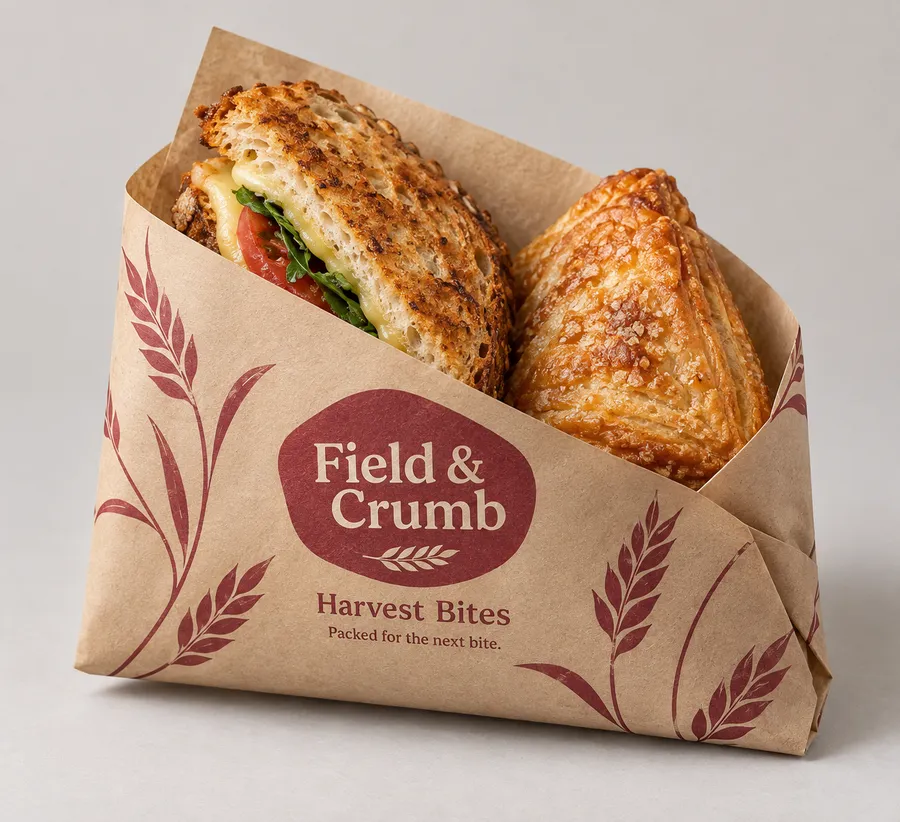
Printed food sleeve wrapped around an open bakery tray with a visible branded front panel.
Food Boxes
Food sleeve packaging wraps a printed paperboard band around a bakery tray, snack carton, sandwich pack, or prepared-food base. The sleeve can add a visible brand panel while leaving the opening accessible for filling and service. Share the packed footprint, sleeve overlap, food temperature and grease exposure, print coverage, and carrying route so the board and artwork are reviewed against the real pack.
Last updated
Working quote
Product brief
Food sleeve packaging adds a wraparound printed panel without closing the top of the pack. A sleeve can hold a tray, gather a small carton, or frame a bakery portion while the opening remains available for staff or the customer. That makes the overlap, seam position, board direction, and reveal important parts of the specification. Start with the filled item and the route it takes from counter to carrier bag, shelf, or short delivery, then decide how much of the base should remain visible.
The measurement brief should describe the packed length, width, and height at the widest points, plus any lid rim, corner radius, tab, handle, or protruding food surface. A sleeve around a shallow pastry tray behaves differently from one around a tall snack carton. Record the outside dimensions after the food is packed, not the nominal menu size, and identify whether a liner, napkin, inner carton, or divider stays inside. If several pack sizes share one artwork family, list each finished footprint so the sleeve is not stretched from an unsuitable master size.
A close-fitting band can keep the brand panel aligned around a tray or carton, while a looser presentation sleeve can leave a deliberate reveal at the opening. The seam may sit on the back, underside, or a side panel depending on where the logo and handling marks should read. A tuck or glued overlap changes the way staff apply the sleeve and the space available for copy. These are structural choices to compare with the packed height, fill weight, opening direction, and whether the pack is handed over or placed on a shelf.
Kraft Paperboard can support a natural paper appearance for bakery or takeaway presentation. SBS Paperboard can provide a smooth printed face for fine product information, while Corrugated Board may be considered when a larger outer format needs more board structure. Grease-Resistant Kraft Paper is a category option when the sleeve will sit near a greasy item, but actual food-contact suitability and any barrier or liner must be confirmed for the food and market. Food-Grade Flexible Pouch Film belongs to a different flexible format and should not be treated as a paperboard sleeve without a separate specification.
Describe whether the packed item is dry, warm, chilled, oily, sauced, crumbly, or separated from the sleeve by a tray or inner wrap. The sleeve may be a presentation layer rather than the direct food-contact surface, and the review should make that relationship explicit. Note the time between packing and handoff and whether steam needs an open path. A high band may hide a label or trap heat, while a short band may leave the artwork below the customer-facing line of sight.
Support and fit depend on the packed geometry, weight, orientation, outer structure, desired reveal, and the way the food is lifted or delivered. A sleeve can be paired with a tray, carton, or simple internal divider; the right combination is confirmed from the actual filled pack rather than one generic insert rule. If the sleeve is removed before eating, keep the seam and pull direction clear. If it stays on the pack, check that the opening, label area, and handhold remain usable.
Artwork should be mapped across the assembled sleeve with the overlap, seam, top edge, bottom edge, and any window or cut-out marked on the dieline. Keep the product name and handling copy on the panel that faces the customer first, and check that the repeat or side graphics do not disappear under the overlap. For a tray sleeve, show the packed tray in its normal orientation; for a snack carton, show the opening and the intended shelf-facing side together.
Matte Lamination and Gloss Lamination can change the surface appearance and handling character. Spot UV can call out a selected logo or small pattern area, Foil Stamping can highlight defined linework subject to artwork review, and Embossing/Debossing can add a tactile detail where the board and artwork allow it. Finish placement should be checked at the seam and folded edges, not judged only on a flat artwork file.
Send the packed dimensions, food format, quantity, board direction, overlap preference, print sides, artwork status, finish choices, and delivery route. Identify whether the sleeve is direct to the food, around a tray, or over an inner carton, and show any opening, window, tab, or carry feature that affects the wrap. Easy Box Packaging reviews the dieline and digital proof at no extra charge, so check the seam, panel order, top and bottom clearances, and visible artwork on the assembled pack.
The standard path starts at 50 units, with production from 7 business days after digital proof approval. Quote requests are answered within 24 hours, typically the same business day. A sample kit has a $44.99 USD shipping charge credited toward the first order. Final pricing remains quote-only because the sleeve circumference, board direction, print coverage, finish, and quantity change the specification; the confirmed filled pack is the useful starting point.
Proof points
A useful review checks the assembled sleeve around the filled tray or carton rather than only a flat artwork file.
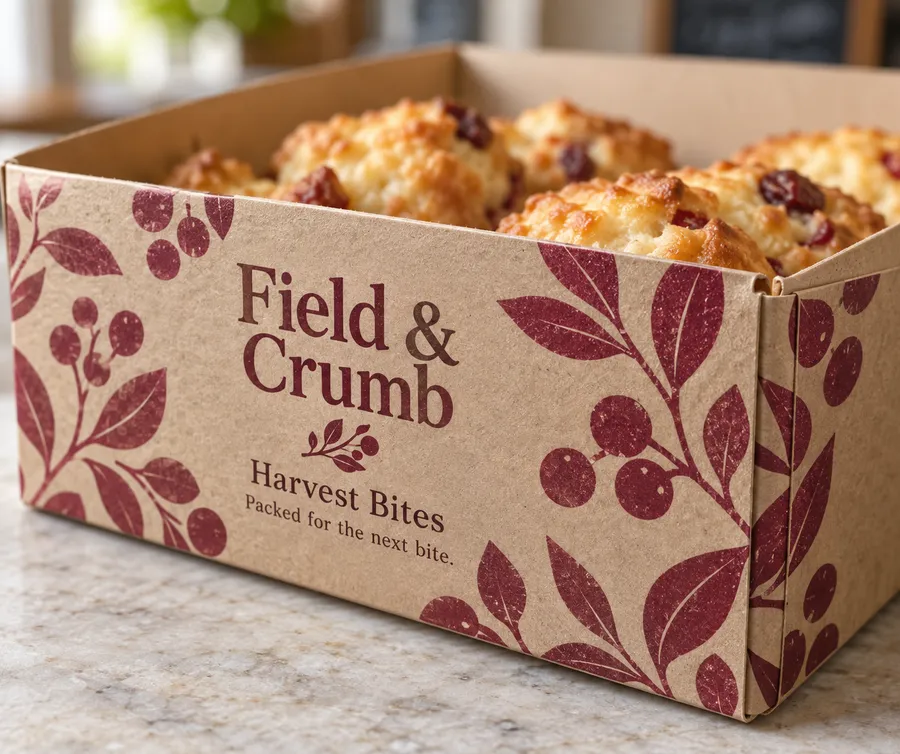
Give the packed length, width, and height, food exposure, overlap and seam position, print sides, quantity, and the way staff will apply and carry the sleeve. Those inputs define the working wrap more reliably than a generic tray or carton size.
Wrap a printed band around a shallow tray or base so the bakery name and product panel stay visible while the opening remains accessible for filling.
Use a sleeve to gather a small carton or tray, with the seam and top edge positioned so the food name reads without covering the opening.
Specify the overlap and carry route for packs that move from a counter into a bag or short-distance delivery, including any tray or inner wrap.
Choose the print surface and finish after the sleeve overlap and customer-facing panel are known, so selected artwork remains visible and practical to handle.
The band can sit around a tray, carton, or bakery base with a defined overlap and customer-facing reveal. The choice follows the packed geometry, food exposure, opening direction, and areas that should remain readable during handoff.
Measure the assembled food pack at its widest points, including a tray rim, lid, tab, liner, divider, or other component that changes the sleeve circumference.
Compare Kraft Paperboard, SBS Paperboard, or Corrugated Board with the filled weight, opening direction, exposure, and whether the pack is carried, shelved, or delivered.
Mark the overlap, top and bottom edges, safe areas, and panel order so the brand name and food information stay on the intended customer-facing side.
A clear packed-format brief keeps the quote and proof focused on the way the sleeve will be applied and handled.
Send the assembled dimensions, food shape, exposure notes, quantity, overlap preference, and handling route.
Select a board direction, sleeve seam, print coverage, and any finish accents for review.
Check the dieline, seam position, panel order, top and bottom edges, and visible artwork on the assembled pack.
After digital proof approval, the standard production estimate starts from 7 business days.
Need help with structure, materials, or production planning? See how we manufacture custom packaging.
Request a sample kit to compare board character and finish options. Shipping is $44.99 USD and is credited toward your first order.
Shipping charge: $44.99. Credited toward your first order.
Request a Sample KitFind clear answers about fit, materials, and ordering below.
Yes. The sleeve can be specified around a bakery tray, snack carton, sandwich pack, or takeaway base with a defined overlap and customer-facing panel. The assembled outside dimensions and opening direction should be marked in the brief.
Describe the food, grease or moisture exposure, service time, and whether a tray or inner carton separates the food from the sleeve. Those conditions guide the review of Kraft Paperboard, SBS Paperboard, Corrugated Board, or another approved category direction.
Send the logo or layout with print sides, bleed, safe areas, overlap, seam position, opening direction, and any window or tab. A digital proof shows how it lands on the assembled sleeve.
The standard fulfillment path starts at 50 units. Final quotation depends on the confirmed packed footprint, board direction, print coverage, overlap, and finish plan.
Production starts from 7 business days after digital proof approval on the standard path. Quote requests are answered within 24 hours, typically the same business day.
Orders start at 50 units and scale up to 500,000 for bulk runs, with pricing from $0.32 per unit on larger quantities. Standard production is from 7 business days after digital proof approval.
Common uses include bakery trays and pastry bases, sandwich and snack cartons, and counter and short delivery handoff. The final specification is set by the packed product and how it will be handled.
Compare nearby products and request the format that best fits your next run.
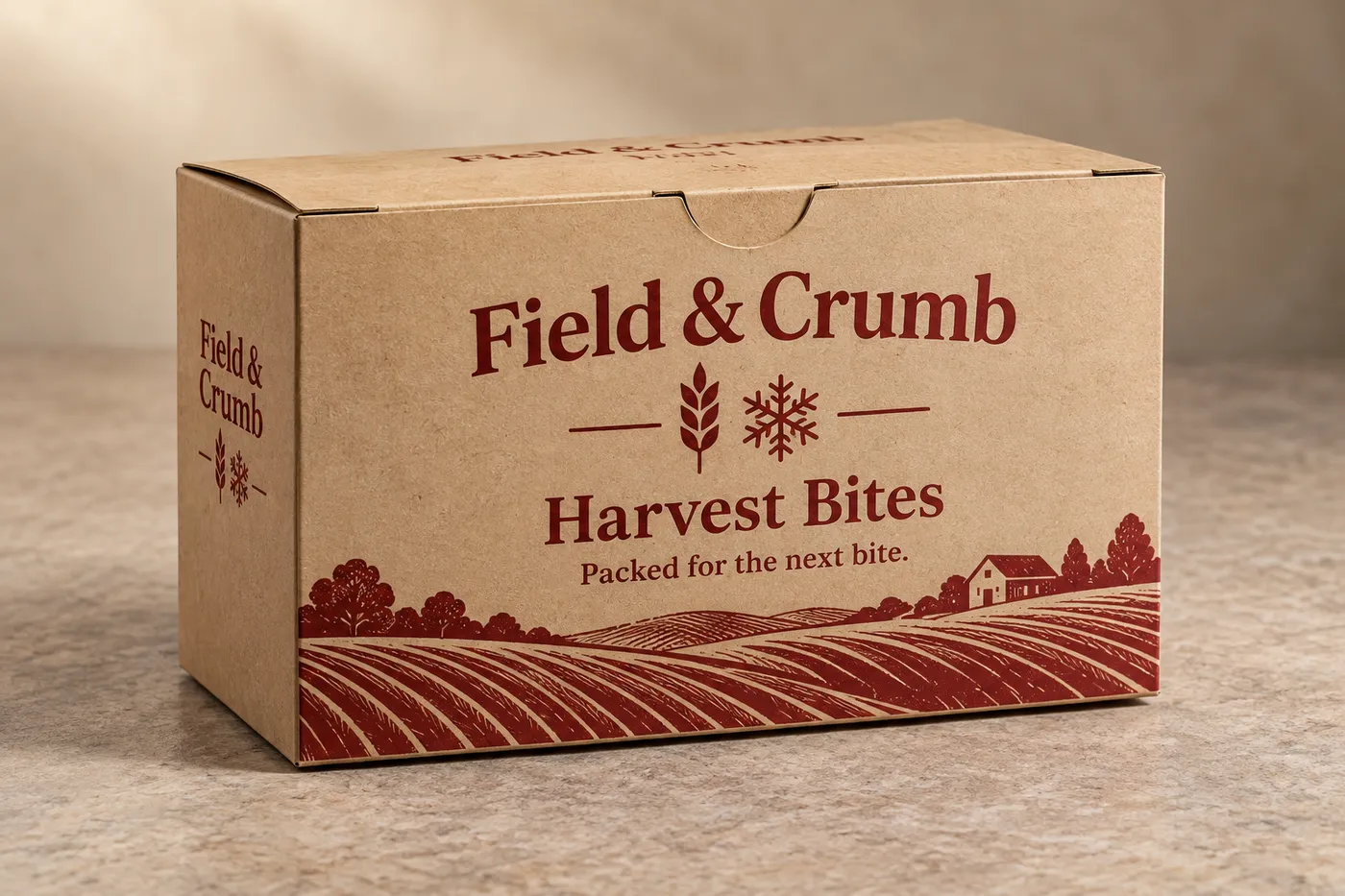
Available product
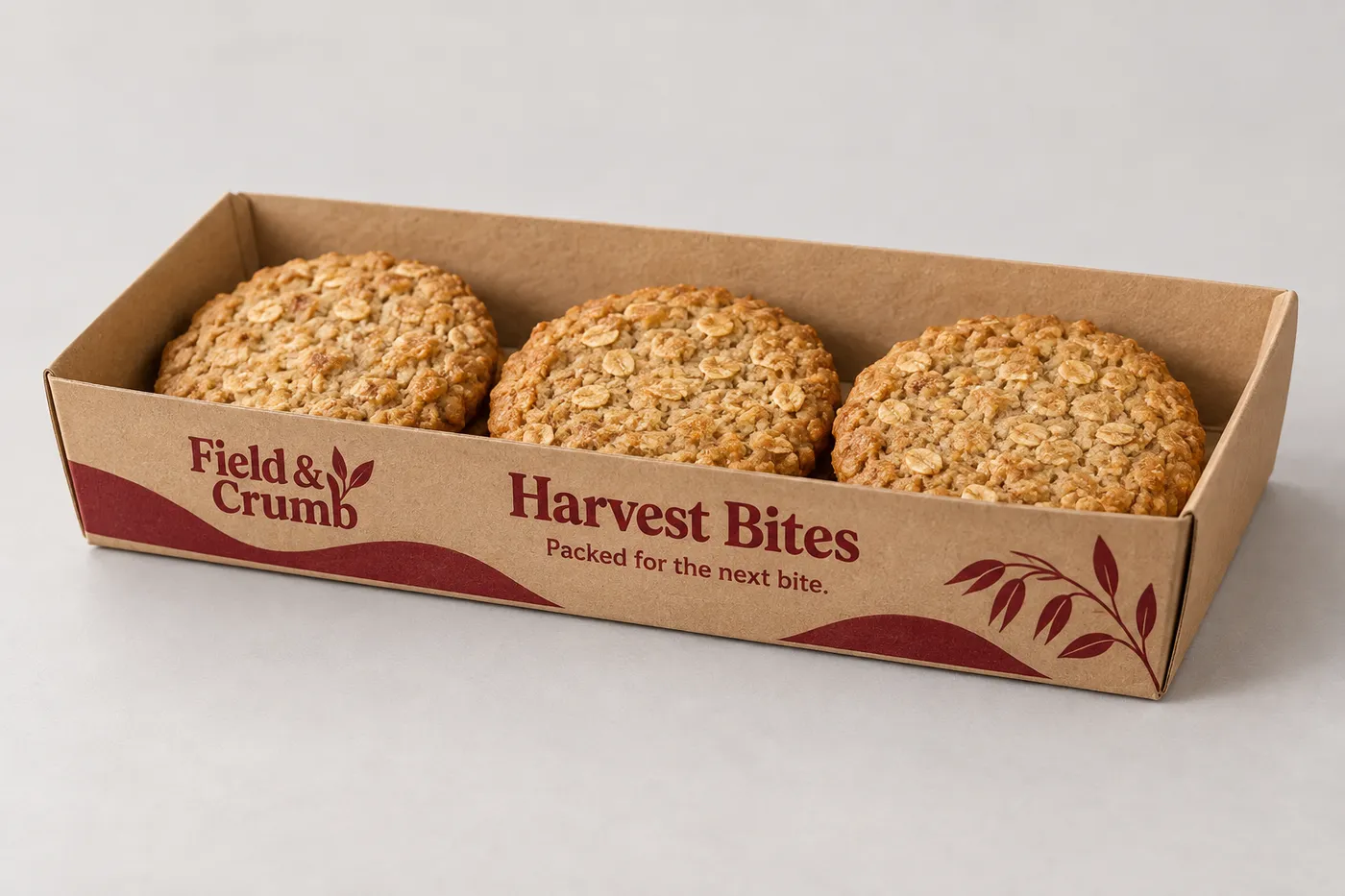
Available product
Available product
Available product
Prepare the packed format
Send the packed dimensions, food exposure, board direction, quantity, artwork, overlap, and seam plan. Easy Box Packaging will review the assembled format and return a quote-ready direction.
Add your product details to see a quote summary.