Skincare retail packaging
A printed box built around a single cream, balm, or scrub jar for shelf presentation.

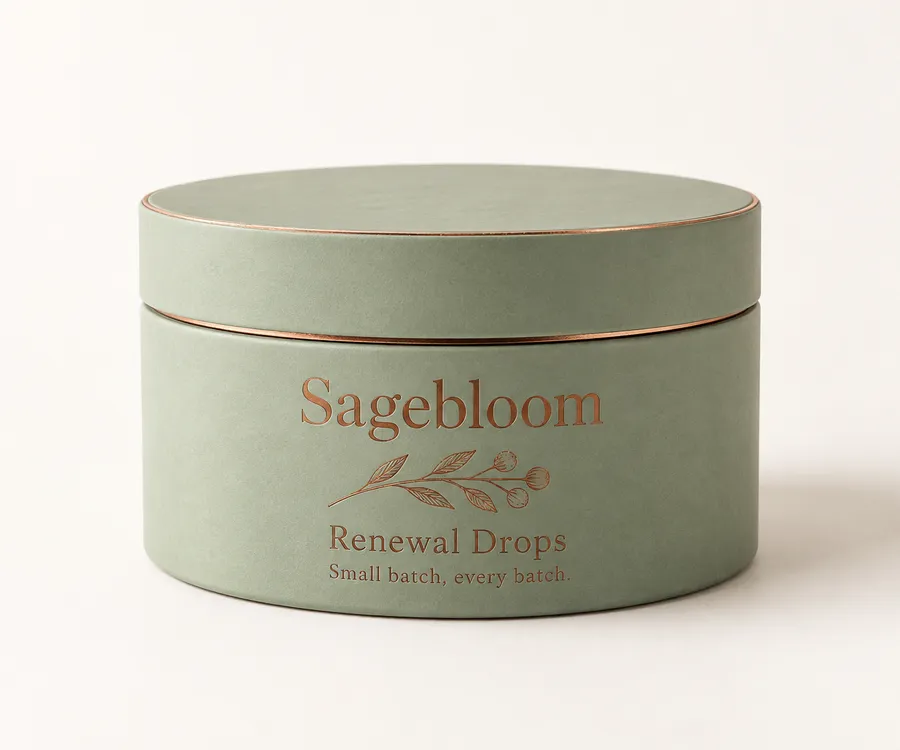
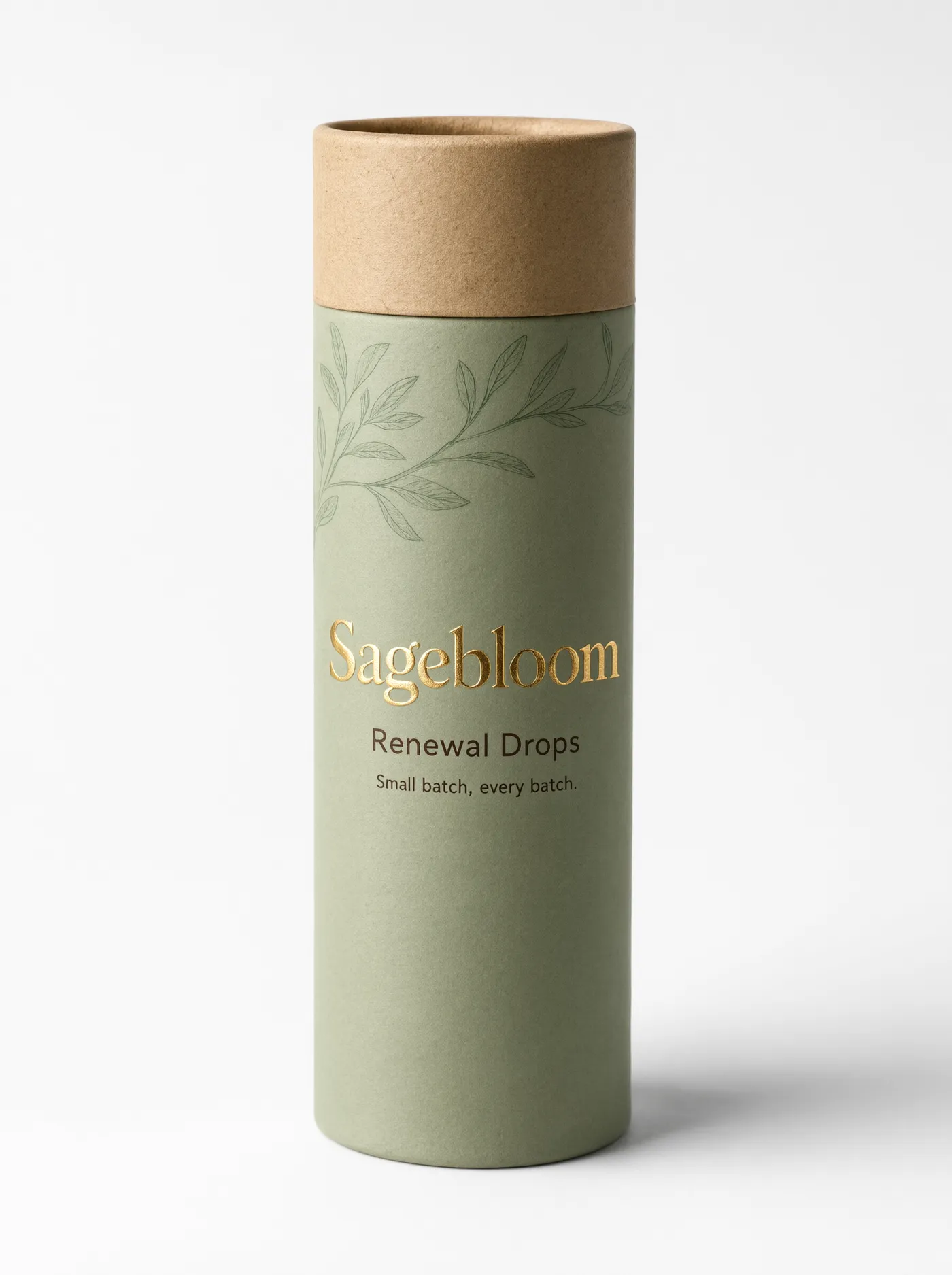
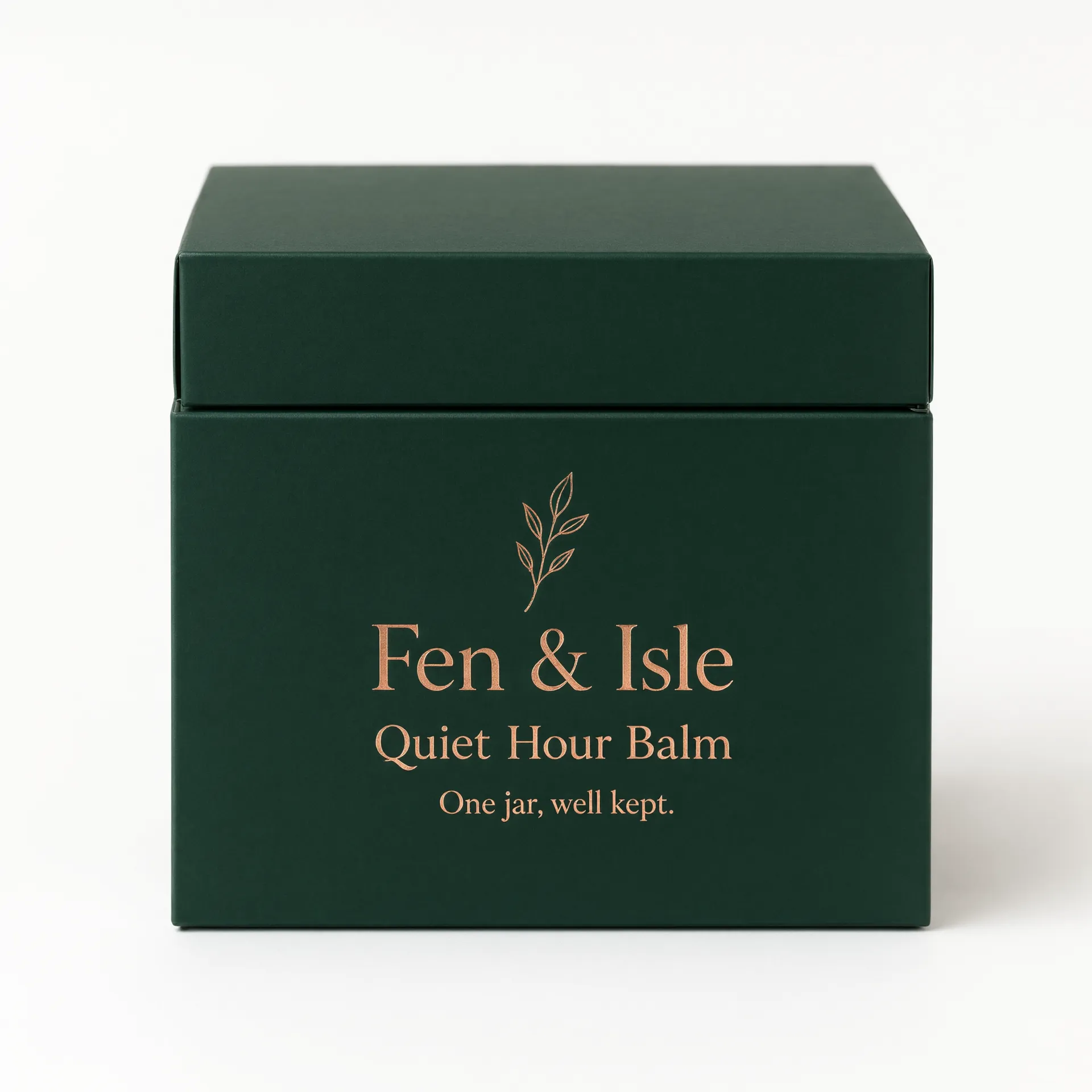
Closed sage-green cosmetic jar box with copper botanical foil and Sagebloom printing
Custom Cosmetic Boxes
Cosmetic jar boxes are printed packaging built around a round jar's actual height, body diameter, and lid width. Choose a rigid two-piece box for a more substantial presentation or a folding carton with a die-cut cavity for a lighter format, then specify the paperboard, print coverage, and finish around the jar's real footprint.
Last updated
Working quote
Product brief
A cosmetic jar does not present the same packing problem as a bottle. The container may be low and wide, the lid may extend past the body, and the widest point can sit at the shoulder rather than the base. Those details change the box opening, the depth of any retaining structure, and the amount of room needed above the lid. Cosmetic jar boxes work best when the dieline starts with the assembled jar rather than a generic round shape. That means considering the jar's height with its lid closed, the widest body or shoulder diameter, and the lid width when it is different from the body.
The box also needs to match the way the jar will be presented. A single cream, balm, or scrub jar may be sold as a shelf item, added to a gift set, or packed for direct shipment. Each setting puts a different emphasis on exterior stiffness, interior retention, print area, and shipping footprint. A quote can account for those tradeoffs once the product dimensions and intended use are clear.
A rigid two-piece base-and-lid box creates a fixed outer structure and a telescoping fit around the jar. It suits a retail or gift presentation where the box itself is part of the opening experience. The base can be sized closely to the jar while the lid gives the front and top panels a broad area for the brand treatment. The tradeoff is a heavier format that arrives as a formed box rather than a flat pack.
A folding carton with a die-cut cavity is a lighter alternative. It can ship flat before assembly and uses a shaped paperboard opening to position the jar. That makes it useful for direct-to-consumer fulfillment, subscription inserts, and lines where the outer pack needs to take less space before filling. The choice is not a ranking between two universal formats: the jar's weight, the sales setting, the desired unboxing feel, and the way the finished pack will be handled all matter.
The most useful starting information is the assembled height with the lid closed, the widest body or shoulder diameter, and the lid width when it extends beyond the body. Note whether the jar is glass or PET as well, because material and weight affect the support decision. A flared rim, thick lid, or raised closure should be called out instead of being folded into a single overall measurement.
Those details give the packaging team a practical basis for setting the cavity or telescoping fit. The goal is not to force every jar into the same opening. It is to keep the pack aligned with the actual footprint and leave enough room for the chosen paperboard structure and finish. If the jar format changes later, its updated measurements should be reviewed against its own dieline rather than treated as a minor variation of the first pack.
SBS paperboard provides a smooth, bright print surface for a retail-facing jar box. Kraft paperboard offers a more natural visual direction and changes how solid colors and fine details read. An FSC-certified paper option is available as a material choice when that sourcing detail matters to the brief; it is not a blanket statement about every board option.
A flat lid or front panel gives the artwork a predictable area for a wordmark, product name, botanical illustration, or short line of copy. Foil stamping can draw attention to fine linework or a small brand mark, while embossing or debossing can add a tactile change to the same panel. Combining the two is subject to artwork review so the line weights, board, and surface treatment are considered together. Matte lamination can give the box a low-sheen appearance and may show handling marks differently from a gloss surface. Spot UV adds a localized gloss contrast when that difference is part of the artwork direction.
A round jar may sit in a close-fitting rigid base, a shaped folding-carton cavity, or a separate paperboard support. The right choice depends on the jar's weight, its diameter relative to the box wall, whether the closure shifts the center of mass, and whether the finished pack is mainly displayed or shipped. A heavier glass jar in a taller presentation box may need a deeper or closer-fitting retention feature. A lighter PET jar in a compact carton may need a simpler cavity. Those are packaging decisions to confirm from the actual product, not fixed rules for every cosmetic jar.
The process starts with the jar information, preferred construction, artwork status, and any finish requirements. A dieline is then prepared for review, artwork is placed against that structure, and a digital proof is approved before production. Standard orders start at a minimum of 50 units, production begins after digital proof approval and runs from 7 business days, and free US shipping is included on the standard fulfillment path. Dieline and proof review are included on every order at no extra charge.
A $44.99 sample kit, credited toward your first order, can help you inspect board, print, and finish options before a larger commitment. Quote requests are typically answered within 24 hours, usually the same business day. For the quote, send the assembled jar height, widest diameter, lid width, material, intended sales setting, quantity, artwork status, and preferred construction if you already have one in mind.
This format can serve a single skincare jar on a retail shelf, a balm or scrub in a salon or spa counter display, or a small beauty set packed for an e-commerce order. Folding cartons can also work as inserts in a subscription box when the outside dimensions need to stay compact. A rigid two-piece format can give a gift-ready set a more defined structure. In each case, the useful question is how the jar should be held and presented, then which board and finish communicate that choice clearly.
Proof points
The construction and cavity start with the jar's assembled height, widest diameter, and lid width, then move through dieline and proof review before production.
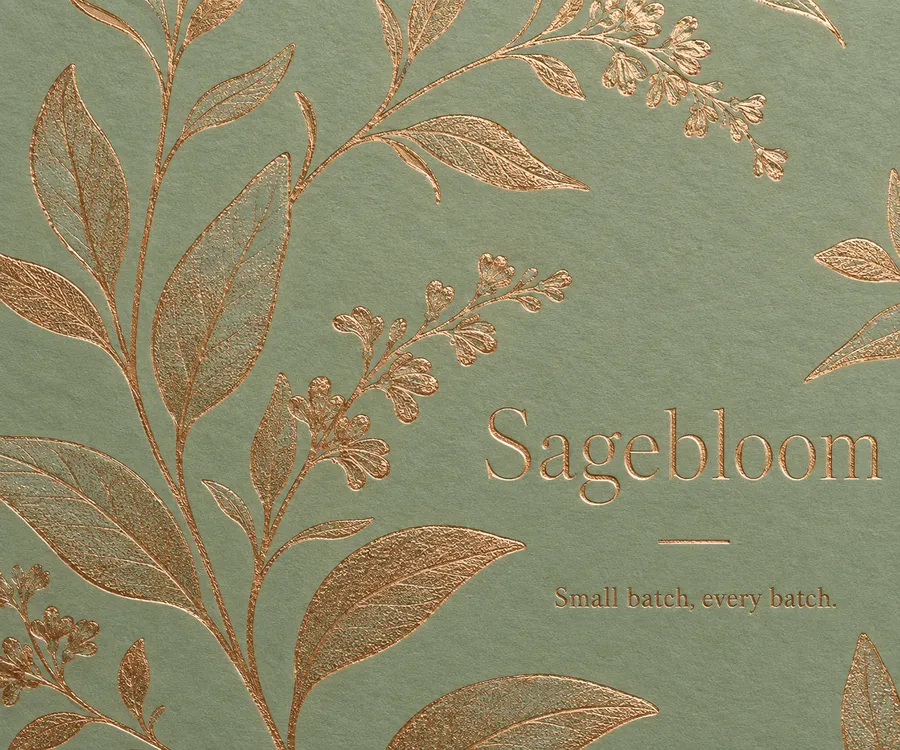
The assembled height, widest body or shoulder diameter, and lid width determine the useful starting point for a jar box. Glass or PET material, jar weight, and the choice between a rigid telescoping fit and a die-cut cavity then shape the internal support decision. These details are reviewed against the dieline before production.
A printed box built around a single cream, balm, or scrub jar for shelf presentation.
Rigid or multi-cavity structures that hold jars together in a defined presentation.
Folding cartons sized to nest within a larger monthly beauty shipment.
Print-forward boxes that give a jar a clear front and top panel at the point of sale.
Compact folding-carton formats or fitted rigid boxes prepared around the jar's actual footprint.
The flat lid and front panels give artwork a stable area for a brand mark, product name, botanical linework, or short copy. Finish combinations are reviewed against the chosen board and artwork.
The jar's geometry and weight are considered alongside the way the finished pack will be displayed or shipped. No single cavity style suits every round container.
A heavier glass jar can call for closer or deeper retention than a lighter PET jar.
Body, shoulder, or lid width can set the opening more than the jar's base diameter.
Retail display, gift presentation, subscription packing, and direct shipment place different demands on the outer structure.
A clear measurement and artwork brief gives the dieline review a useful starting point and keeps the construction decision tied to the actual product.
Send assembled height, widest diameter, lid width, material, quantity, and intended sales setting.
Select a rigid two-piece box or a folding carton with a die-cut cavity if you already know which presentation fits.
Confirm the jar fit, print coverage, and finish treatment against the structural drawing and digital proof.
Once the final proof is approved, production begins on the confirmed specification.
Need help with structure, materials, or production planning? See how we manufacture custom packaging.
A sample kit lets you inspect paperboard, print, and surface treatment before committing to a production specification for the jar box.
Shipping charge: $44.99. Credited toward your first order.
Request a Sample KitFind clear answers about fit, materials, and ordering below.
Not always. A rigid two-piece box can use a close-fitting base-and-lid structure, while a folding carton commonly uses a die-cut opening shaped around the jar's widest point. The choice depends on the jar's weight, geometry, and sales setting.
A rigid two-piece box arrives as a formed base and lid with a more substantial presentation. A folding carton is lighter, can ship flat before assembly, and uses a shaped paperboard cavity to position the jar.
Share the jar's assembled height with the lid closed, widest body or shoulder diameter, and lid width when it extends beyond the body. Also note whether the jar is glass or PET and whether the closure is raised or unusually deep.
They can be combined on a flat lid or front panel, subject to artwork review. Line weight, paperboard choice, and the surface finish should be considered together before the proof is approved.
Standard orders start at a minimum of 50 units. Production begins after digital proof approval and runs from 7 business days, with free US shipping on the standard fulfillment path.
Orders start at 50 units and scale up to 500,000 for bulk runs, with pricing from $0.35 per unit on larger quantities. Standard production is from 7 business days after digital proof approval.
Common uses include skincare retail packaging, gift-ready beauty sets, subscription box inserts, salon and spa counter display, and direct-to-consumer orders. The final specification is set by the packed product and how it will be handled.
Compare nearby products and request the format that best fits your next run.
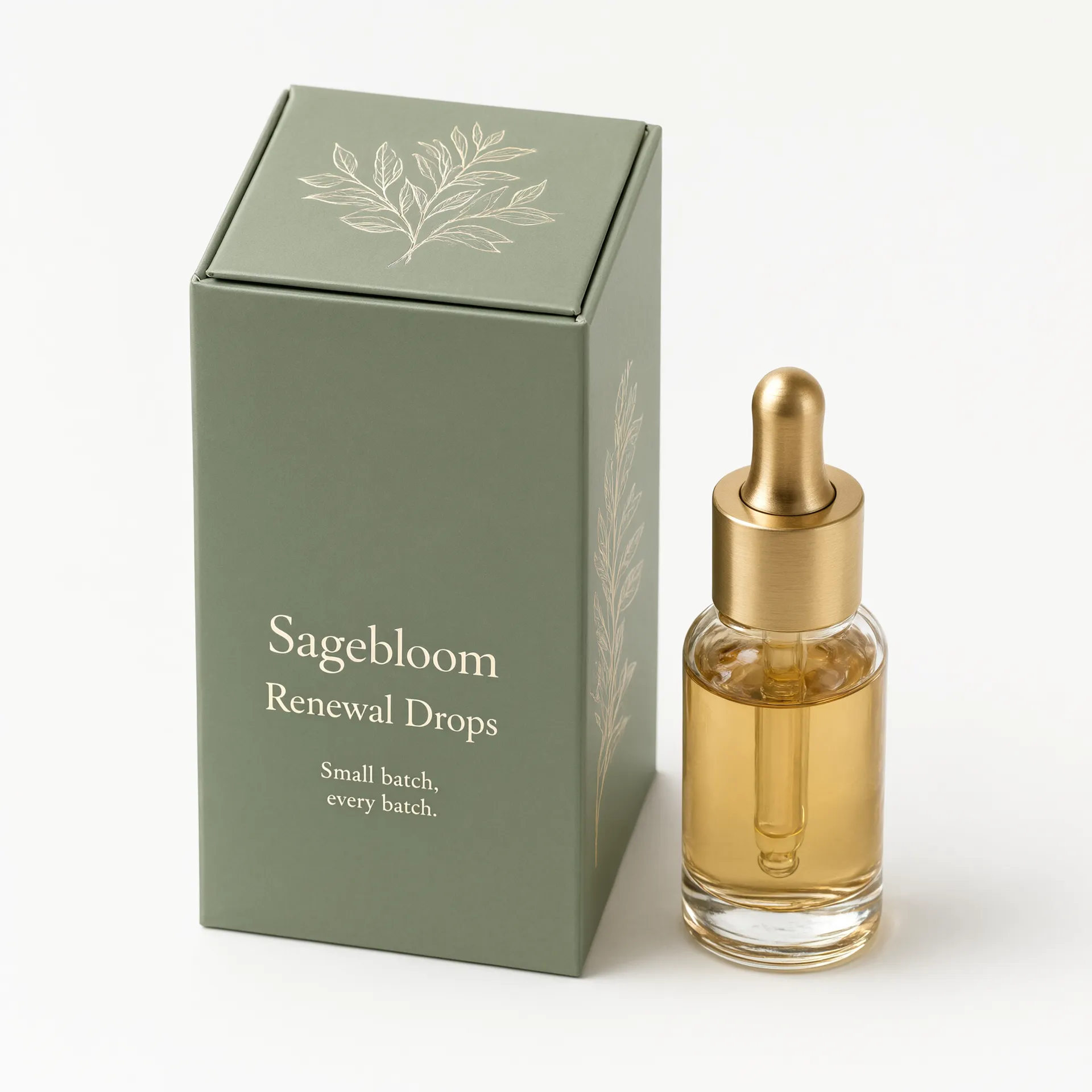
Available product
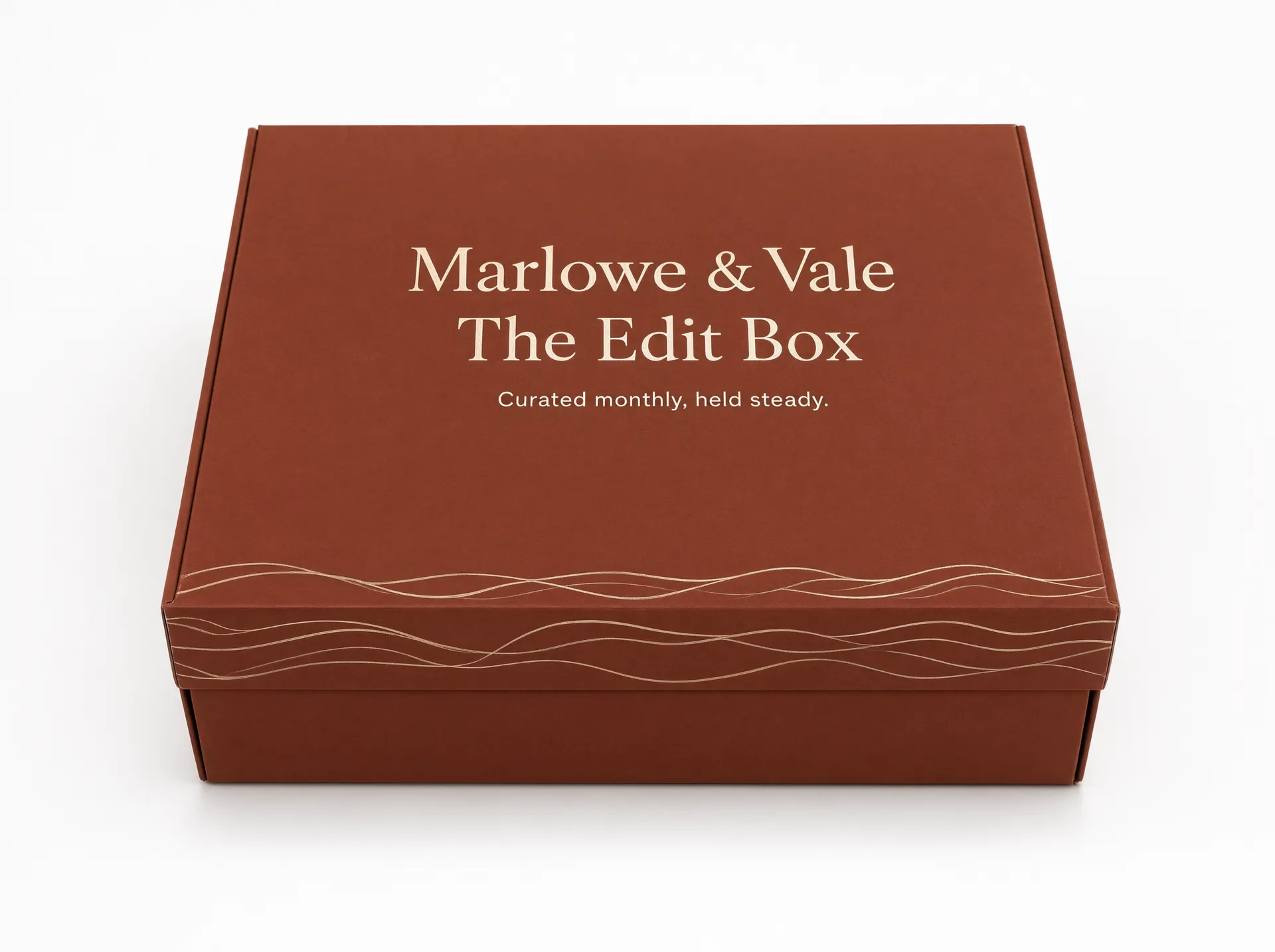
Available product
Available product
Available product
Start with the jar's actual footprint
Send the assembled height, widest diameter, lid width, material, quantity, and preferred construction for a quote scoped to your jar.
Add your product details to see a quote summary.