Monthly beauty subscription programs
A box holding a curated, multi-item product mix that can change each shipment.

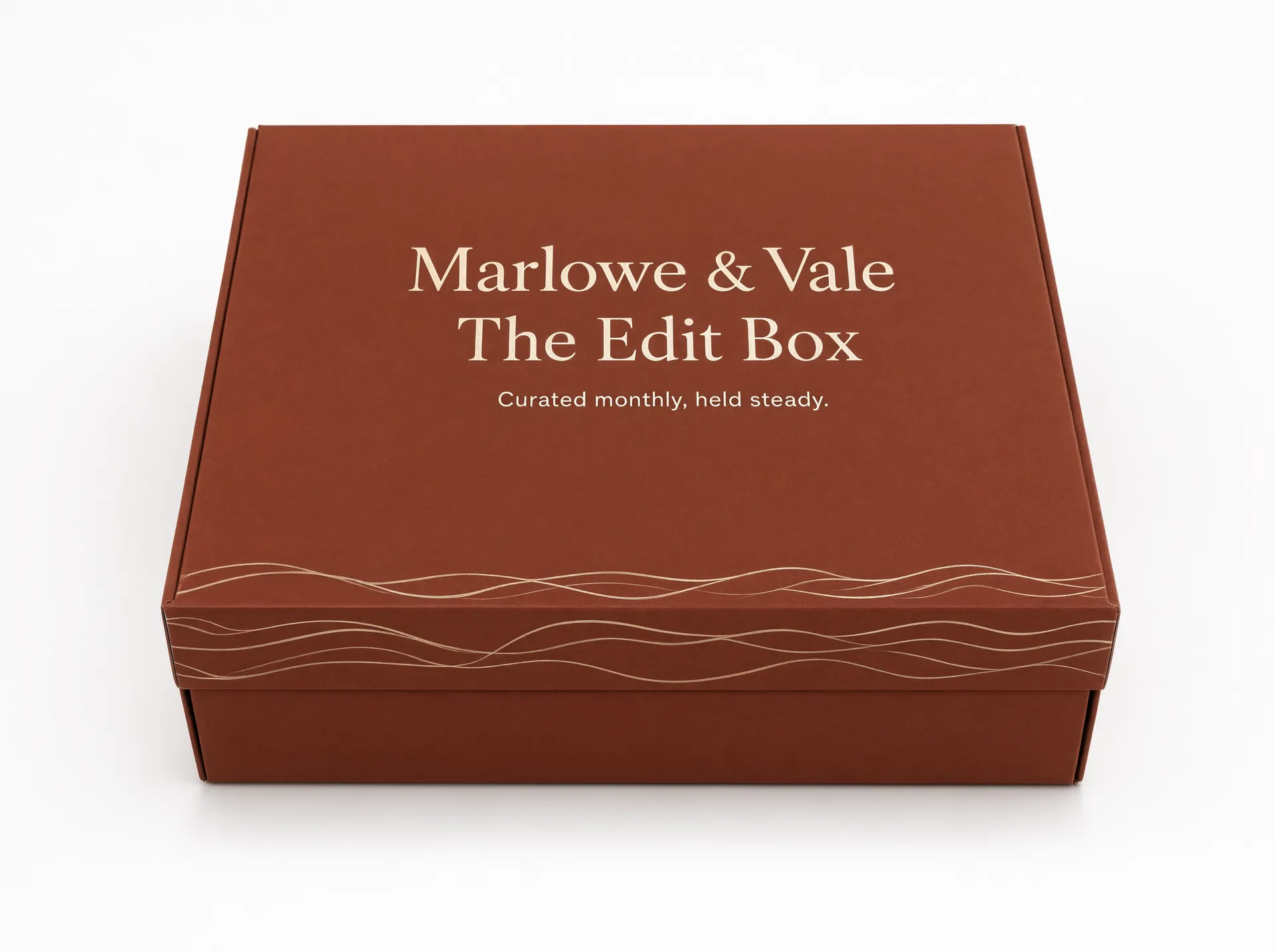
Closed terracotta rigid subscription box with a cream wave-line motif on the lid
Custom Cosmetic Boxes
Custom cosmetic subscription boxes built for brands shipping a curated set of beauty products every month, not a single item. Construction ranges from a rigid two-piece base-and-lid to a folding carton with a fitted insert tray, chosen around how many products, and what mix of sizes, need to travel together with movement kept to a minimum.
Last updated
Working quote
Product brief
A cosmetic subscription box usually ships several different items together — a cleanser, a compact, a sample jar, a card insert — rather than one bottle or palette. That mix can change from one shipment to the next, and the real design decision isn't the outer print treatment, it's how the box holds a variable group of products so nothing rattles loose or presses against a neighboring item. A single rigid jar box and a subscription box built for five or six different products solve for a different problem even when they carry the same printed brand identity.
A rigid two-piece base-and-lid construction holds its shape permanently and reads as a more considered unboxing moment, which matters when the box itself is part of a recurring monthly experience. A folding carton with a fitted insert tray is lighter to ship and can still separate several products from each other, which keeps shipping costs down on a program running every month rather than once. Neither option is a universal answer: a folding carton with a tray tends to suit boxes that lean lighter and ship at higher volume, while a rigid two-piece box suits a program where the unboxing itself is a bigger part of the brand's positioning.
Because item count and mix can change between shipments, sizing starts from the largest planned combination of products rather than a single item's dimensions. Share the individual footprint of every product likely to ship together — height, width, and depth for each — plus how many of each are typically included and whether any item is unusually tall, wide, or oddly shaped. A program alternating between four smaller items one month and two larger ones the next needs a tray flexible enough to hold either arrangement without leaving one item free to slide.
Internal support for a subscription box depends on more than one factor together: how many items ship in a given box, their relative weight, whether any item is fragile, how they're arranged, and how the box is fulfilled. A die-cut paperboard tray with separate cavities is common when items vary in shape, while a simpler divider strip can work when products are closer in size. Support may be built into the paperboard structure itself or supplied as a separate insert, depending on the specification confirmed during dieline review.
A subscription box is opened repeatedly by the same customer, so the printed identity carries more weight than a one-time purchase box does. Matte lamination resists fingerprint marks across repeated handling, spot UV can add contrast to a logo without a full gloss coat, and foil stamping reads cleanly on the flat panels most subscription cartons use. An FSC-certified paperboard or kraft option is available as part of the material specification for brands that want it.
A different product count or a materially different combination of item sizes isn't just a matter of style — the same carton style, sized for a new product mix, still needs its own dieline and tray review rather than reusing an existing die-cut. This matters most for a standing subscription program, where the box may need to accommodate a new item several months into the run.
Share the individual dimensions of every product likely to ship together, the typical item count per box, whether the mix changes month to month, and any print or finish preferences. Standard orders start at a minimum of 50 units, with production beginning after digital proof approval and typically running from 7 business days, and US shipping is included on every order. A $19.99 sample kit, credited toward your first order, lets you check tray fit and finish quality before committing to a full run. Dieline and proof review are included on every order at no extra charge, and quote requests are typically answered within 24 hours.
Proof points
The internal layout is set from your typical item count and footprint, so a varied monthly assortment ships with items kept separated and movement reduced.
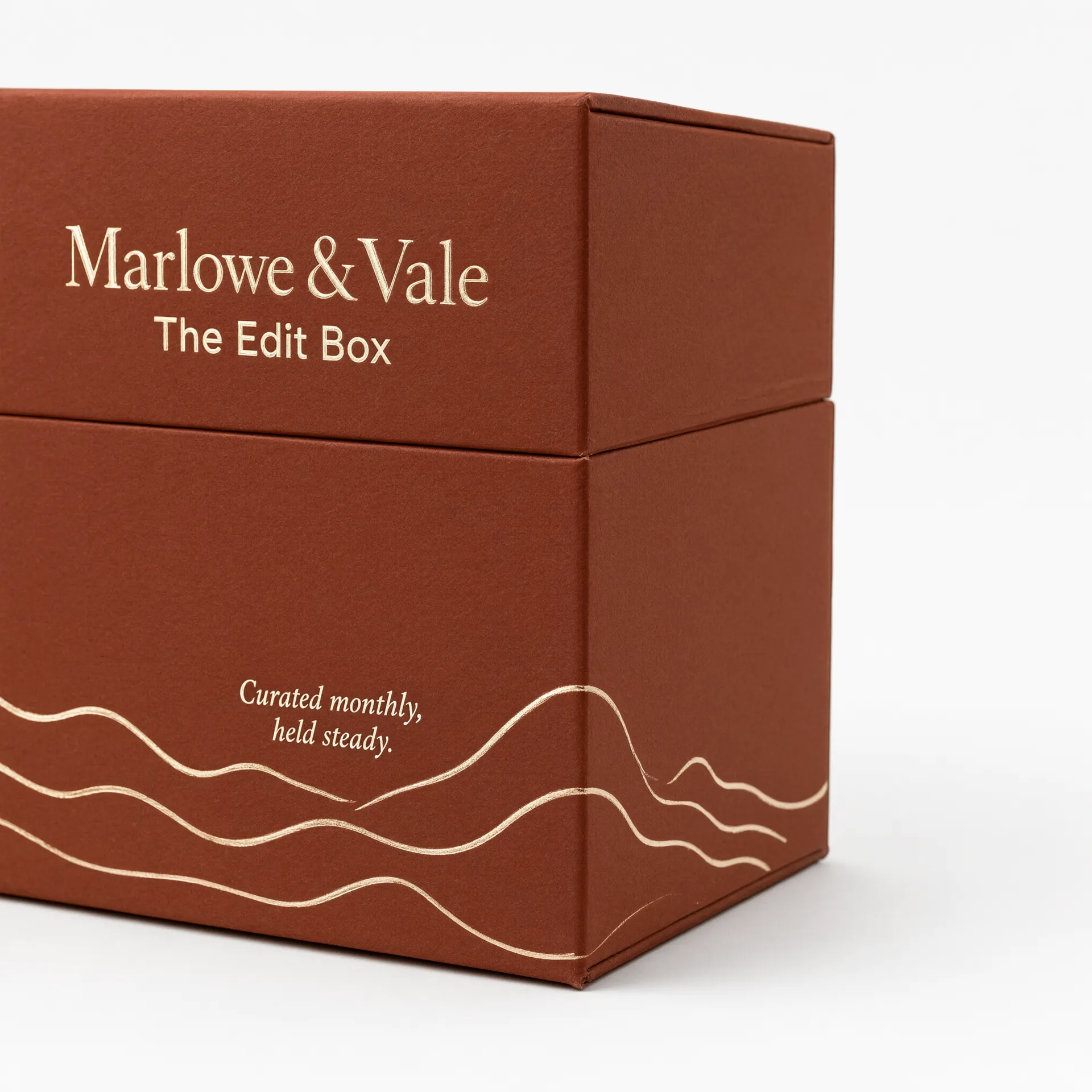
The number of items a subscription box holds depends on each product's individual footprint and how many are included in a given shipment, not a fixed count set in advance. A box built for four larger items uses a different internal layout than one built for six or eight smaller samples, which is why sizing starts from the full planned product mix rather than a single item's dimensions.
A box holding a curated, multi-item product mix that can change each shipment.
Smaller quantities of several products shipped together for a trial or introductory box.
A higher-finish box reserved for repeat or top-tier customers.
A one-off multi-item shipment outside a standing subscription cadence.
A subscription box is opened by the same customer month after month, so finish choices are checked against how the surface holds up to repeated handling.
Three specifics together decide whether a subscription box needs a divided tray or a simpler internal layout — no single factor decides it alone.
How many products ship together and whether their sizes vary.
Whether a heavier or more fragile item needs to be isolated from lighter ones.
Whether the same combination repeats each month or changes with each shipment.
Confirming the typical item count and footprint first avoids redesigning the tray later.
Height, width, and depth for each product likely to ship together.
Rigid two-piece box or folding carton with a fitted insert tray.
Confirm the tray fit is checked and approved before finalizing artwork.
Sign off on the final proof, then production begins.
See how the tray holds a sample product mix and how foil or matte lamination reads on the actual board before committing to production.
Shipping charge: $19.99. Credited toward your first order.
Request a Sample KitCustomer reviews
Category-wide customer review
We’re pleased with our custom packaging order from Easy Box Packaging. The boxes suit our products well, and we’d be happy to order again.
Category-wide customer review
Our bakery items look lovely in these bakery boxes. The packaging is simple to use and makes each order feel well presented.
Category-wide customer review
What I liked most was being able to get custom boxes made to our measurements. They fit our products well and give them a professional look.
Category-wide customer review
We were looking for printed packaging that would make our products look more polished. Really happy with how these custom boxes came out.
Category-wide customer review
The printed boxes look good both in photos and in person. They’ve made our product packaging feel more consistent and professional.
Category-wide customer review
Our products sit nicely inside the custom cardboard boxes, and the packaging is easy for our team to put together. A good result for our order.
Find clear answers about fit, materials, and ordering below.
It depends on each product's individual footprint and how many are included in a given shipment rather than a fixed count — share the dimensions and typical quantity of everything likely to ship together so the tray can be sized around the real mix.
Usually yes once more than two or three different products ship together — a die-cut tray or divider strip keeps each item separated from its neighbors, which matters more here than in a single-product box.
The carton style can carry over, but the dieline itself is never shared across a changing mix — every distinct item count or size combination needs its own dieline and tray review rather than reusing an existing die-cut.
A rigid two-piece box holds its shape permanently and suits a program where unboxing presentation matters most, while a folding carton with an insert tray ships lighter and tends to suit higher-volume programs running every month.
For many direct-to-consumer subscription programs it can, since the printed box is what the customer sees on arrival — the tray and outer structure are reviewed together during quotation to confirm that fit for your specific product mix.
Compare nearby products and request the format that best fits your next run.
Available product
Available product
Available product

Available product
Built around what ships each month
Send your typical item count, individual product dimensions, and construction preference for a quote scoped to your program.
Add your product details to see a quote summary.