Rolled or Stacked Products
A tube holds a rolled item or a stack of round pieces without the wasted internal space a rectangular box would leave around them.

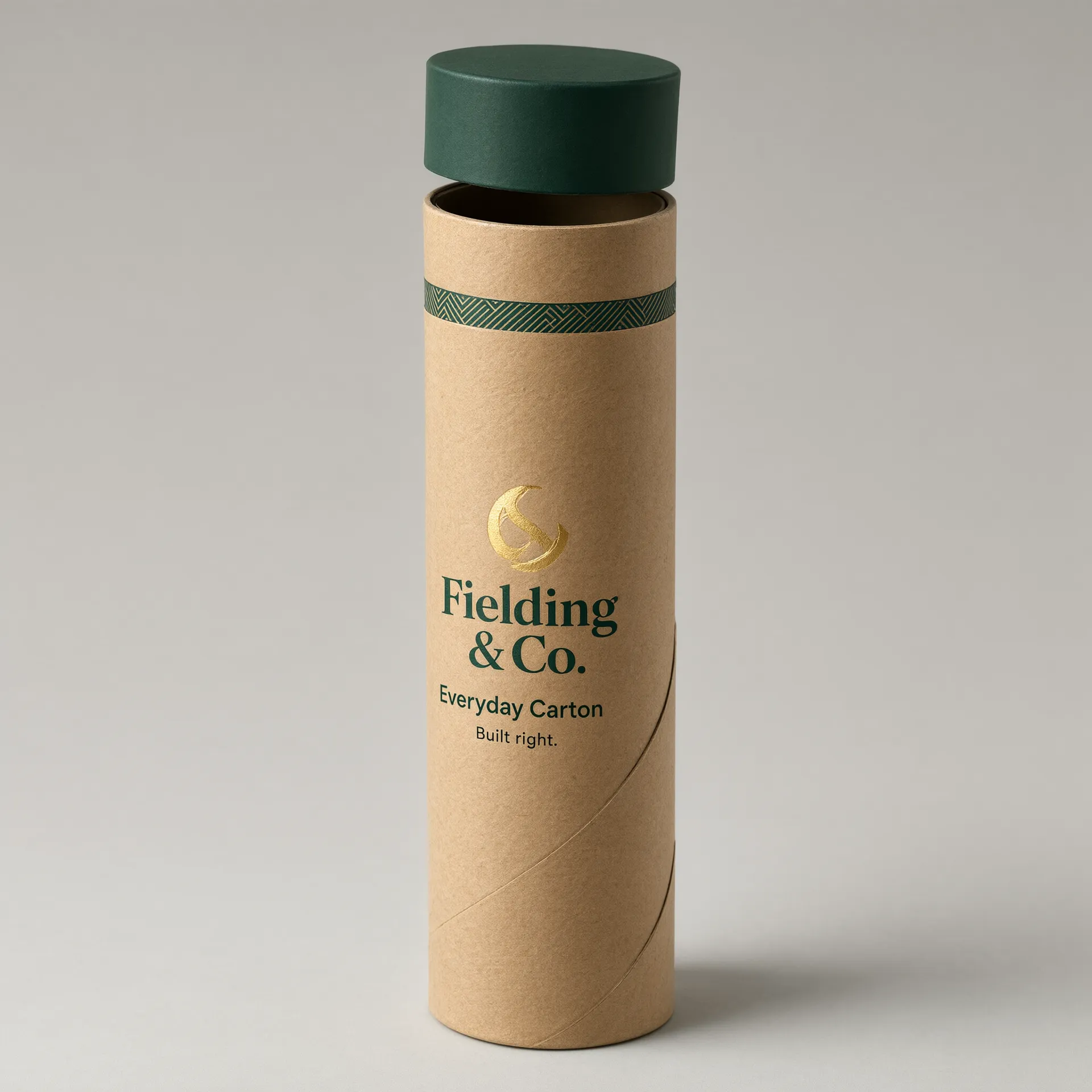
Kraft paperboard tube with a forest-green cap partially lifted off
Cardboard Boxes
Custom cardboard tube packaging built as a spiral-wound kraft or SBS paperboard tube with a telescoping paperboard end cap. Sized around a round or cylindrical product rather than forced into a rectangular carton, and printed with your own branding on a wraparound label or direct-printed surface.
Last updated
Working quote
Product brief
A round tube and a rectangular carton solve different packaging problems. A tube is the natural fit for a product that's already circular in cross-section, a rolled item, a stacked set of round pieces, or a bottle-shaped product, because it wastes no internal space the way a rectangular box does. A rectangular carton makes more sense once the product itself isn't round, or when flat-pack shipping and stacking efficiency matter more than a close fit around the product. Neither is a default; the product's own shape is what decides it.
A tube is defined by two numbers: diameter and height. The diameter should be sized close to the product's own width with just enough clearance to insert and remove it without excess empty space, and the height follows the product's own length or stack height. Sharing the product's actual diameter and length, rather than a rough size category, is what lets a tube get sized correctly on the first attempt.
Kraft paperboard keeps its natural brown fiber texture visible even under a printed label wrap, which reads as a rustic, craft-forward presentation. SBS paperboard starts from a smoother, whiter base, so a direct-printed surface or foil accent sits more cleanly and the finished tube reads as more polished. The tube wall thickness itself is typically built up from multiple spiral-wound plies, with more plies used for a taller or heavier-loaded tube, a detail confirmed during specification review rather than fixed in advance.
A telescoping paperboard cap slides over the tube's open end and is the standard closure, it doesn't require an insert or separate hardware, and it can be removed and replaced repeatedly without damaging the tube body. Whether an internal insert is also needed depends on the product's own shape, weight, and how much it would otherwise shift around during handling, not a default added regardless of what's being packed. A cap that fits too loosely can work its way off during shipping, while one that's too tight can be difficult to remove without applying force to the tube's own seam, so cap diameter is specified alongside the tube body rather than assumed to be a standard fit.
Getting an accurate quote starts with sharing the product's real diameter and length, plus a material preference between kraft and SBS paperboard. Orders start at a minimum of 50 units, and a dieline and digital proof review are included on every order at no extra charge before anything goes to production. Once the proof is approved, production typically begins and runs from 7 business days, with free US shipping included on the standard fulfillment path. For anyone who wants to check the tube's material and print quality before committing to a full run, a sample kit ships for a $44.99 shipping charge, credited toward the first order.
Proof points
Custom cardboard tube packaging is built from a consistent set of confirmed construction and material choices.
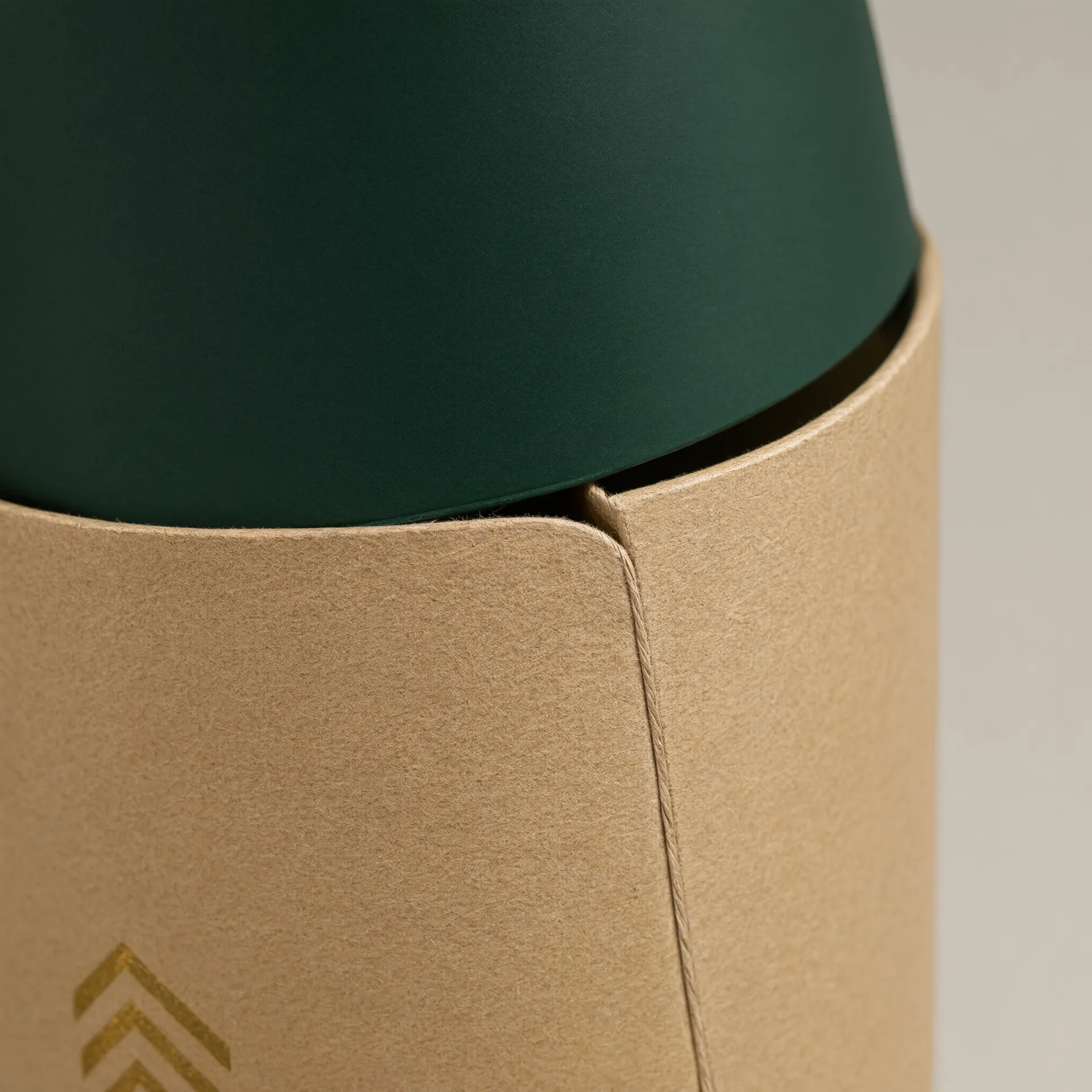
Tube diameter is sized close to the product's own width, with just enough internal clearance to insert and remove it without excess empty space around it, too tight and the product won't slide in cleanly, too loose and it shifts inside the tube during handling. Height follows the product's actual length or stack height the same way. Sharing the product's real diameter and length up front, rather than a size category, is what gets a tube sized correctly on the first attempt.
A tube holds a rolled item or a stack of round pieces without the wasted internal space a rectangular box would leave around them.
A tube sized close to a bottle's own diameter gives a presentation-focused alternative to a rectangular carton.
The telescoping cap gives a tube a distinct lift-off opening moment different from a folding or tuck-style box.
A printed tube gives a distinctive shelf or unboxing presence different from the standard rectangular formats most competitors default to.
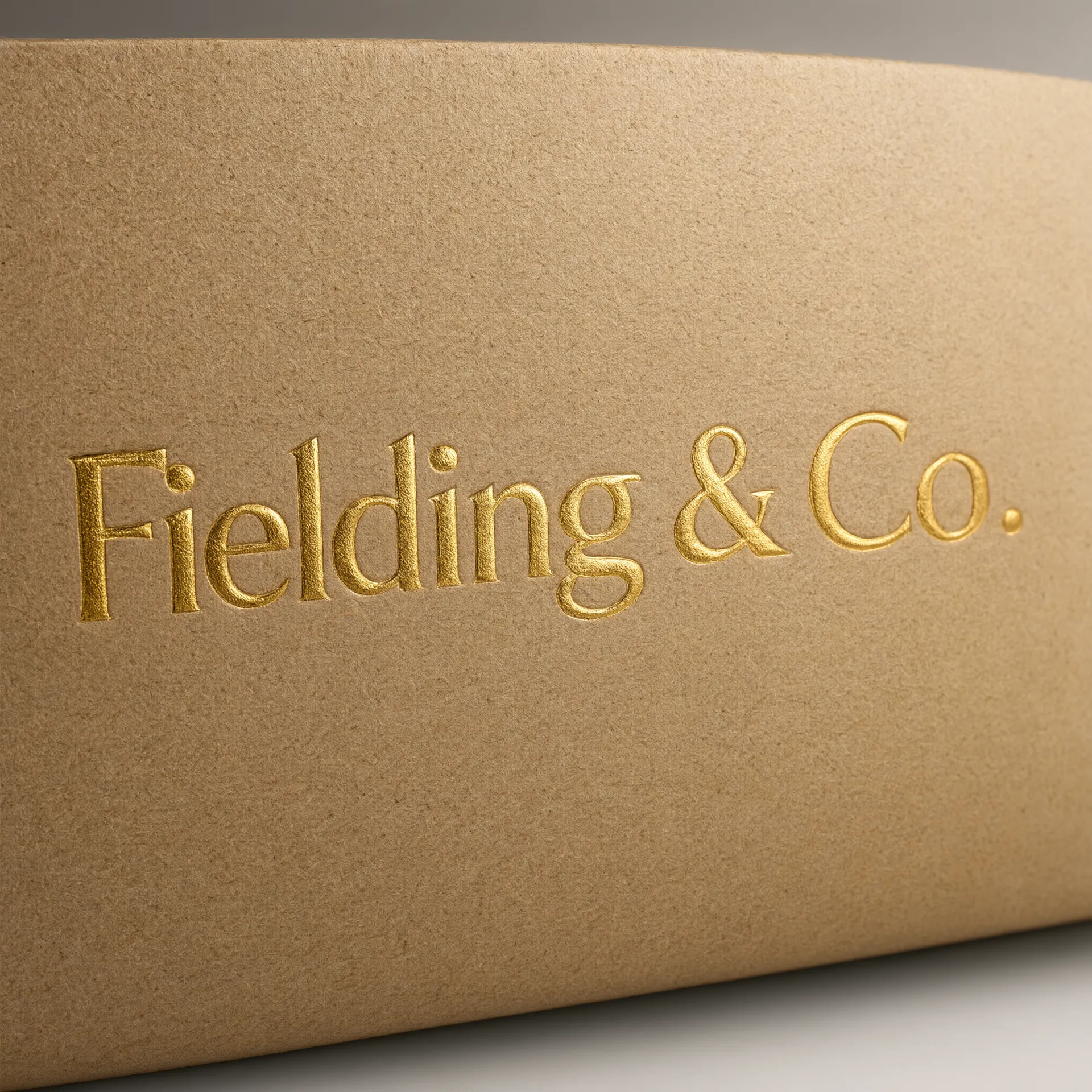
Finish options are applied to the printed label wrap or direct-printed tube surface.
Every order includes the same production support, regardless of diameter or material choice.
A dieline and digital proof review are included on every order at no extra charge.
Quote requests are typically answered the same business day, always within 24 hours.
Order a sample kit to check tube material and print quality before committing to a full run.
The path from quote to finished tubes follows the same steps for every order.
Provide the product's real diameter and length, quantity, and a material preference between kraft and SBS paperboard.
Provide print-ready artwork for the label wrap or direct-printed surface.
A dieline and digital proof are prepared and shared for review at no extra charge.
Confirm the reviewed proof before production begins.
Production begins after proof approval and typically runs from 7 business days.
Need help with structure, materials, or production planning? See how we manufacture custom packaging.
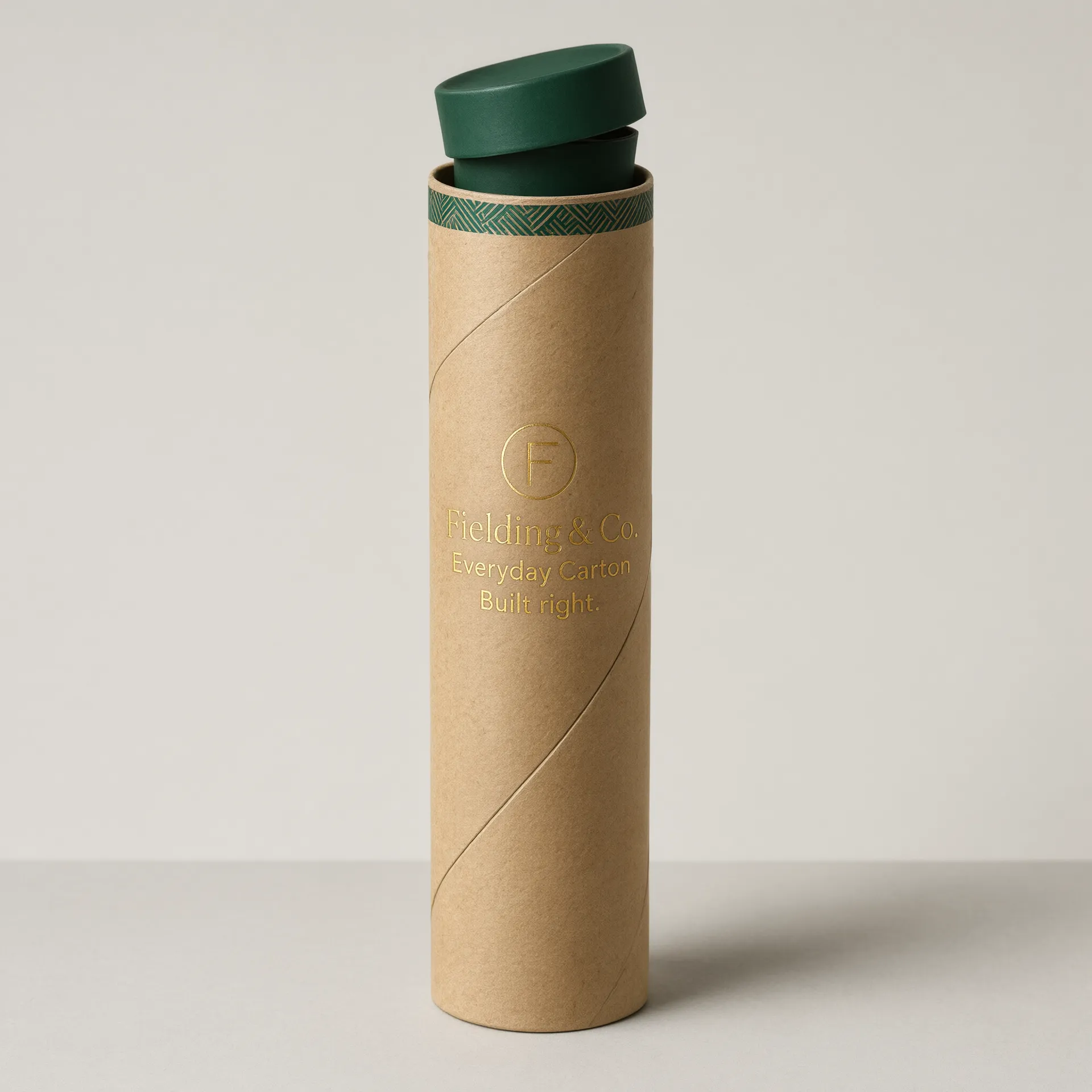
See the tube material, cap fit, and print quality before committing to a full run, a sample kit ships for a $44.99 shipping charge, credited toward your first order.
Shipping charge: $44.99. Credited toward your first order.
Request a Sample KitFind clear answers about fit, materials, and ordering below.
A round tube fits close around a round or cylindrical product with less wasted internal space, while a rectangular carton suits products with flat profiles and offers more efficient flat-pack stacking for shipping.
Diameter is sized close to the product's own width with just enough clearance to insert and remove it, and height follows the product's actual length. Sharing the real diameter and length gives the most accurate starting point.
Yes, tubes are printed with a wraparound label or a direct-printed surface, with foil stamping, matte lamination, or gloss lamination available as finish options.
It depends on the product's shape, weight, and how much it would otherwise shift during handling, not every tube needs one.
The minimum order is 50 units on the standard fulfillment path, with production typically beginning from 7 business days after proof approval.
Orders start at 50 units and scale up to 500,000 for bulk runs, with pricing from $0.40 per unit on larger quantities. Standard production is from 7 business days after digital proof approval.
Custom cardboard tube packaging built as a spiral-wound kraft or SBS paperboard tube with a telescoping paperboard end cap. Each order is made to order around your packed product and artwork, and the specification is confirmed against a digital proof before production.
Compare nearby products and request the format that best fits your next run.
Available product
Available product
Available product
Available product
Get Started
Send your tube diameter, length, quantity, material preference, and artwork status to get a quote, production begins after proof approval.
Add your product details to see a quote summary.