Retail dry-food pouches
A printed carton around a filled pouch, with a front panel for the recipe name and side or back panels for supplied ingredient and storage copy.

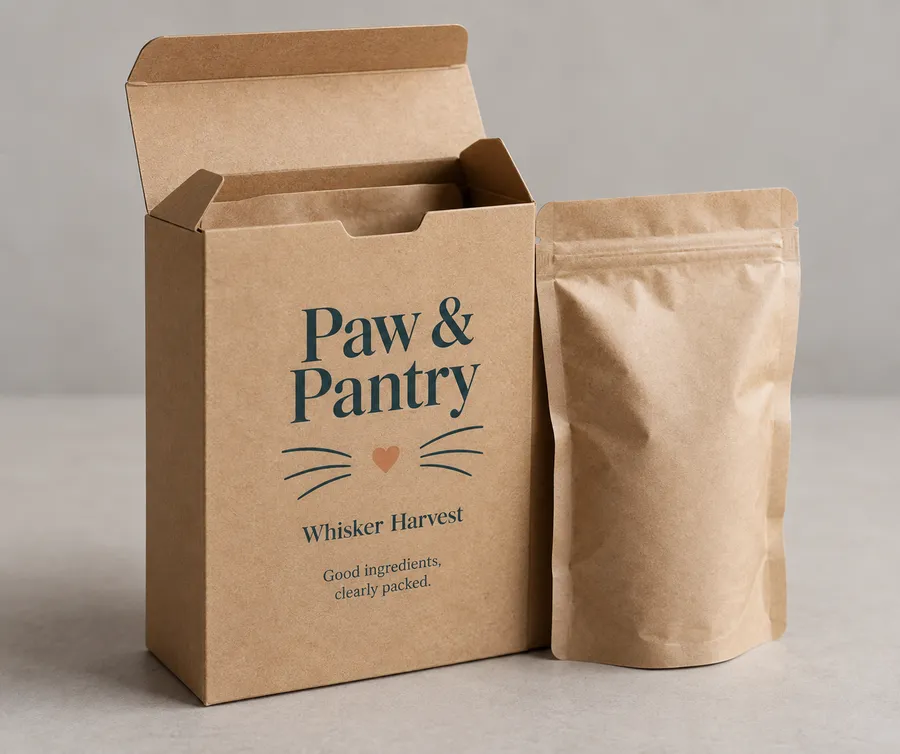
Kraft folding cat food carton with a printed front panel and stand-up pouch
Food Boxes
Custom cat food boxes are printed cartons planned around the filled pouch, tray, or dry-food format they present. Choose a folding structure, board direction, panel hierarchy, and finish that fit the product's footprint and route to shelf or customer, while leaving regulatory and ingredient copy room on the side and back panels.
Last updated
Working quote
Product brief
A custom cat food box starts with the packed product rather than a generic carton name. Share the filled pouch or bag length, width, height, gusset, seal area, and the amount of headroom the product needs. If the box will hold a tray of treats, a scoop, or several small packs, describe the arrangement and whether the inner units can move. Those details guide the footprint, panel proportions, opening route, and internal clearance. A carton for a flat dry-food pouch reads differently from a taller box holding several treat bags.
Keep the outer box and the inner food package distinct in the brief. The carton can carry the retail story and protect the presentation, while the pouch or liner handles the product format when one is required. State which surfaces must remain visible, where a tear notch or zipper sits on the inner pack, and whether the box travels inside a shipper. This avoids treating a printed outer carton as proof of food-contact performance that has not been confirmed.
A folding paperboard carton can suit a shelf-ready cat food range, treat assortment, or subscription presentation when the filled product has a stable footprint. A tuck-top or related closure keeps the package easy to open while leaving a broad front panel for the recipe name, life-stage cue, or flavor. A mailer-style carton may be considered when the printed box also travels through parcel handling, but the final choice follows the packed weight, product support, and delivery route.
The box should be sized around the filled pouch or grouped units, not an empty sample. Too much unused space can let a pouch shift and can make the pack look underfilled; too little clearance can press a seam or make loading awkward. If the product changes between flavors or life stages, list each filled footprint so a shared family structure can be checked before a single dieline is approved.
Kraft Paperboard can bring a natural paper character to a small-batch or ingredient-led cat food identity. SBS Paperboard offers a cleaner light surface for detailed illustrations, color blocks, and small type. Corrugated Board can be discussed for a protective outer shipper or a display requirement that calls for a fluted structure. These are category directions, not promises of a particular thickness, barrier, or food-contact approval; the selected stock is confirmed during the product review.
A matte or gloss surface changes how the printed cat, flavor, and ingredient panels read under shelf lighting. A window, if requested, should be reviewed with the inner pouch, folds, and copy zones rather than added after the artwork is complete. If the product needs a liner, sealed pouch, or separate tray, name it with the outer carton so the packaging team can review the whole presentation honestly.
The front panel should identify the product quickly, while the back and sides can hold ingredients, feeding guidance supplied by the brand, storage notes, barcode space, and the story behind the recipe. Matte Lamination and Gloss Lamination can be compared against the artwork; Spot UV can reserve gloss contrast for a cat illustration or wordmark; Foil Stamping can be considered for a restrained accent. The right combination depends on the artwork, folds, cut lines, and the panels that remain visible after the pouch is loaded.
Easy Box Packaging includes dieline and digital proof review on every order at no extra charge. The review checks the assembled footprint, opening, artwork orientation, practical copy zones, and finish areas before production. Provide final copy hierarchy and any required regulatory text early so a late change does not move a barcode, ingredient panel, or feeding statement into a fold.
Send the packed length, width, height, gusset or widest point, filled weight if known, number of inner units, opening preference, board direction, print coverage, finish preference, artwork status, and delivery destination. A photo of the pouch or an existing carton helps explain the seal, spout, zipper, tray, or scoop that needs clearance. If several recipes share a range, list each footprint and identify the dimensions that must stay common.
The standard minimum order is 50 units. Production runs from 7 business days after digital proof approval, and quote requests are typically answered the same business day, always within 24 hours. Pricing is quote-only because the structure, filled footprint, board direction, print coverage, finish, and quantity are scoped to the actual cat food format. Free US shipping is available on the standard fulfillment path. A sample kit can be requested when the brand wants to inspect the paper surface, folded edges, printed color, and finish direction before a full run.
After the product brief is complete, review the dieline and digital proof against the actual pouch or inner units. Keep the 50 units minimum and the 7 business days production anchor visible when planning a launch, and allow the 24 hours quote-response commitment for the first commercial conversation. If the pouch, recipe range, or presentation changes later, request a revised review so the box continues to show the product accurately at shelf and in the parcel.
Proof points
This format is a printed folding paperboard carton or related box structure for presenting a filled pouch, tray, or grouped treat units. The key construction questions are the packed footprint, opening route, internal clearance, panel hierarchy, and whether an outer shipper is needed for parcel delivery. The box is reviewed as packaging around the actual product; it should not be described as a confirmed food-contact barrier unless a separate specification supports that claim.
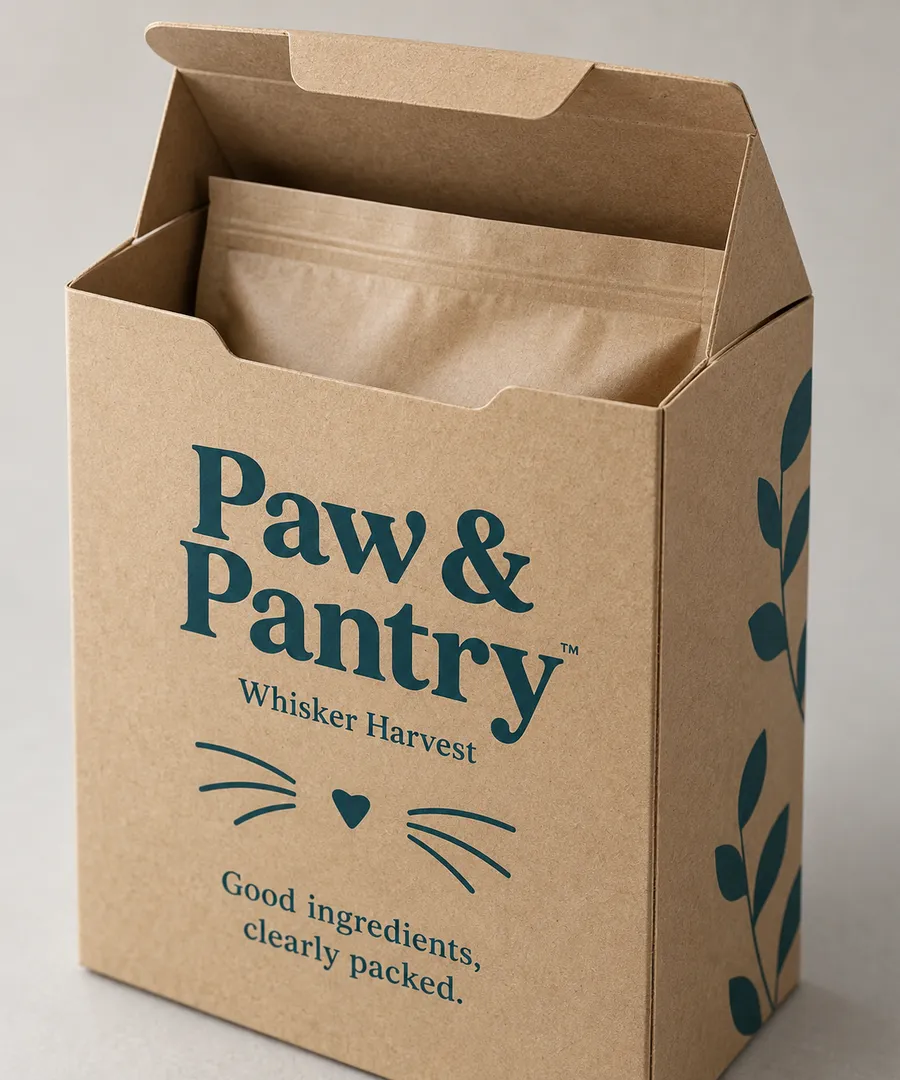
A cat food carton should identify the recipe or treat format quickly while leaving the side and back panels useful for ingredients, feeding guidance supplied by the brand, storage copy, and barcode space. Share the filled pouch or inner-unit footprint, the opening route, and the surfaces that must remain visible so the folds, closure, artwork, and practical copy zones can be reviewed as one dieline. A broad front panel can suit a retail pouch; a taller structure may suit grouped treat packs or a subscription presentation.
A printed carton around a filled pouch, with a front panel for the recipe name and side or back panels for supplied ingredient and storage copy.
A compact box for one or several treat packs, with the quantity, orientation, and any tray or scoop described before sizing.
A branded outer carton that presents the food format inside a parcel workflow, with the shipper, movement, and clearance discussed together.
A printed presentation for limited recipes, adoption events, or gift sets where artwork and panel hierarchy carry the campaign message.
The exterior can carry a restrained one-color mark or a fuller panel system with cat artwork, recipe naming, flavor cues, and practical information. Matte Lamination and Gloss Lamination change the surface appearance, Spot UV can create localized gloss contrast, and Foil Stamping can highlight selected lettering or linework subject to artwork review. Each direction should be checked against folds, cut edges, small type, barcode space, and the panels that remain visible after the pouch or inner units are loaded.
The carton is reviewed as a printed outer structure, the product it presents, and the route it takes to the customer. Dieline and digital proof review are included on every order at no extra charge, so the assembled footprint, opening, copy zones, artwork orientation, and finish can be checked together. Quote requests are typically answered the same business day, always within 24 hours, once the filled format and quantity are clear. A sample kit is available when the board surface, folded edges, or printed finish need an in-person check.
The filled footprint, folds, closure, artwork orientation, barcode area, and practical copy zones are reviewed together before approval.
Quote requests are typically answered the same business day, always within 24 hours.
Request a sample kit to examine the paper surface, folded edges, printed color, and finish direction before a full run.
A quote can be scoped accurately when the filled product, inner arrangement, and display goal are described together. Send the packed dimensions, quantity, opening preference, board direction, artwork status, print coverage, finish preference, and delivery destination.
Provide the pouch or inner-unit length, width, height, gusset or widest point, and filled arrangement.
State the number of packs, tray, scoop, divider, liner, zipper, spout, or other support that needs clearance.
Say whether the box is for a retail shelf, counter handoff, subscription parcel, event, or gift presentation.
Share the panels that need branding and any preference for one-color print, fuller coverage, or a selected finish.
Send available artwork or note that the cat illustration, recipe name, and practical copy are still being prepared.
Need help with structure, materials, or production planning? See how we manufacture custom packaging.
Request a sample kit to inspect the paperboard surface, folded closure, printed color, panel hierarchy, and finish direction before committing to a full cat food box run.
Shipping charge: $44.99. Credited toward your first order.
Request a Sample KitFind clear answers about fit, materials, and ordering below.
Custom boxes can present a filled dry-food pouch, treat bags, a tray of small packs, or a grouped gift arrangement. The right structure depends on the packed footprint, quantity, clearance, opening, and whether the printed carton travels inside a shipper.
The carton should be described as the printed outer pack unless a separate, confirmed specification says otherwise. Tell us whether the product uses a pouch, liner, tray, or other inner package so the outer structure is sized and described accurately.
Kraft Paperboard and SBS Paperboard are common directions for a printed carton, with Corrugated Board discussed for a protective outer structure when the brief calls for it. Matte Lamination, Gloss Lamination, Spot UV, and Foil Stamping can be considered subject to artwork and dieline review.
Possibly, when the filled pouches or inner units share a workable footprint and clearance. List each recipe format and identify the dimensions that must stay common so the dieline and panel plan can be checked before approval.
The standard minimum order is 50 units. Production runs from 7 business days after digital proof approval, and quote requests are typically answered the same business day, always within 24 hours. Your final unit price is confirmed in a quote because the structure, board, print coverage, finish, and quantity are scoped for the specific cat food format.
Orders start at 50 units and scale up to 500,000 for bulk runs, with pricing from $0.39 per unit on larger quantities. Standard production is from 7 business days after digital proof approval.
Yes. Free US shipping is included on the standard fulfillment path. Delivery timing and carrier details are confirmed when your quote is prepared.
Compare nearby products and request the format that best fits your next run.
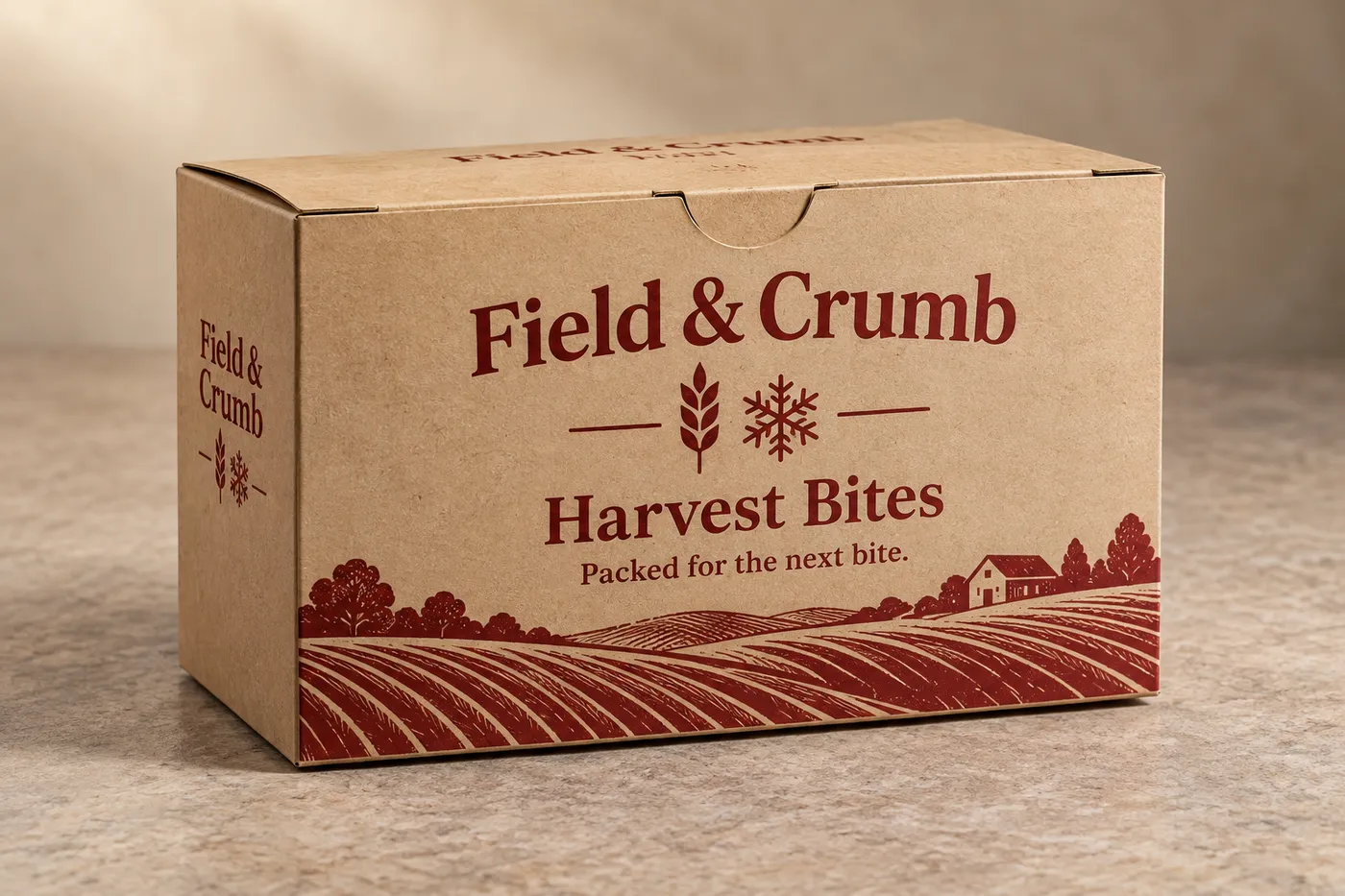
Available product
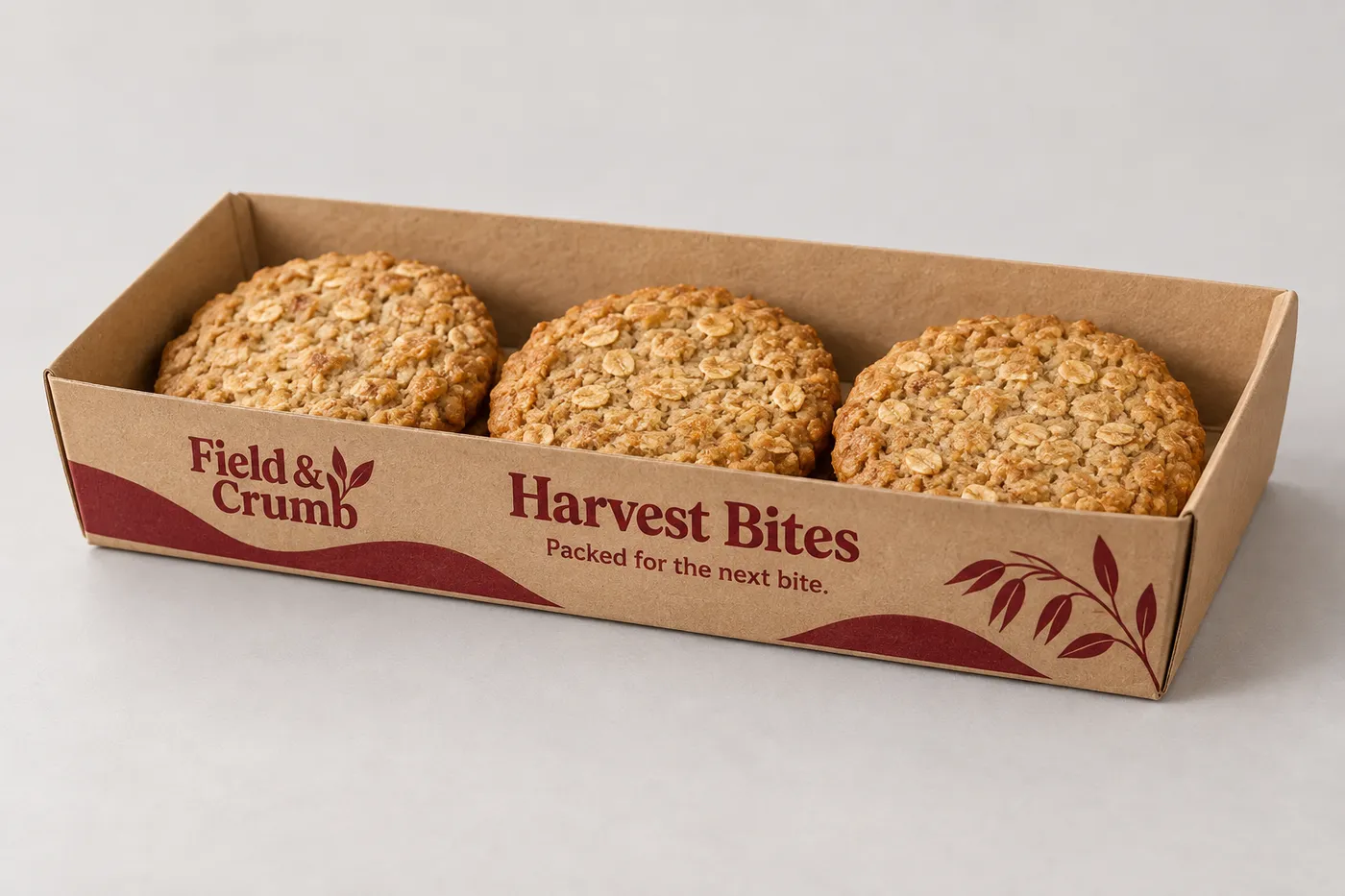
Available product
Available product
Available product
Get a Cat Food Box Specification
Send the pouch or treat-pack dimensions, inner arrangement, artwork status, board direction, and finish preference to start a quote for custom cat food boxes.
Add your product details to see a quote summary.