Skincare single units
Use a measured printed carton for a serum bottle, cream jar, facial oil, or treatment tube sold as one retail item.

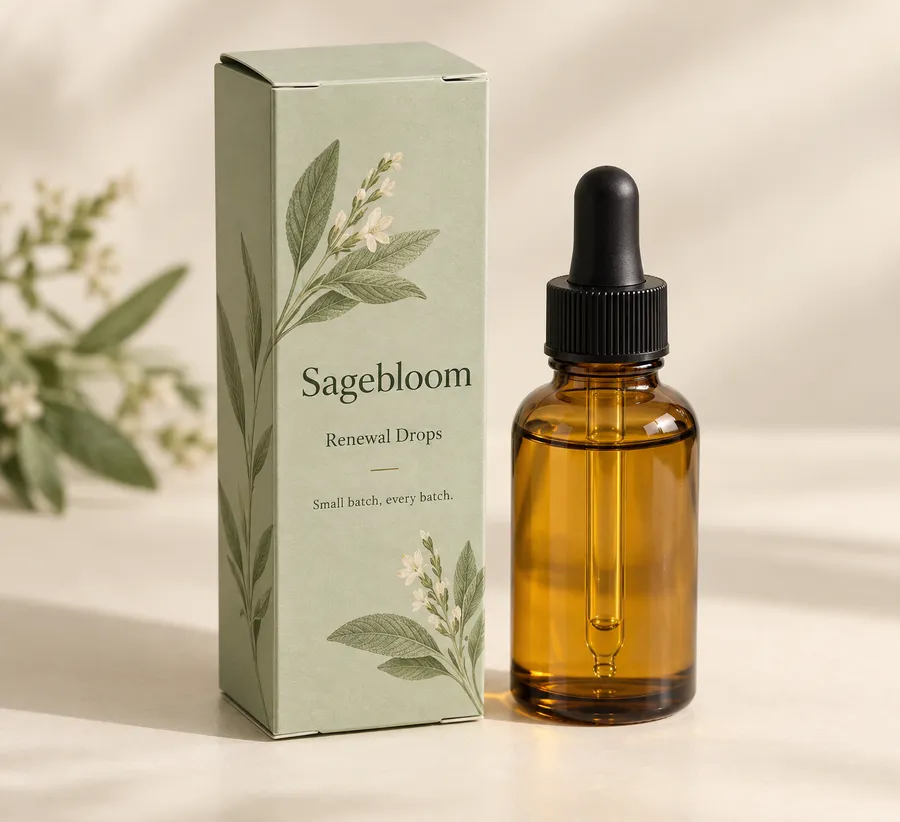
Pale sage folding cosmetic carton beside an amber dropper bottle on an ivory tabletop.
Custom Cosmetic Boxes
Custom cosmetic cardboard boxes give skincare, makeup, and beauty brands a printed folding carton shaped around the item being packed. Choose a reverse-tuck or another suitable carton structure, then confirm the product dimensions, board, print coverage, and finish during quotation. The result is a measured retail pack for single units, samples, or small beauty sets.
Last updated
Working quote
Product brief
A cosmetic carton has two jobs at once: present a small beauty product clearly and give it a defined paperboard enclosure for handling, storage, and shipment. That balance changes with the item inside. A tall glass dropper bottle, a shallow compact, and a wide cream jar do not use the same front-face proportions or closure arrangement. Custom cosmetic cardboard boxes are therefore specified around the product, its orientation, and the way the customer will encounter it, rather than selected from one universal outline. The aim is a clean outside panel, sensible opening behavior, and enough structure for the intended route to market.
A reverse-tuck-end folding carton is a practical starting point for many single cosmetic units because the top and bottom flaps create a familiar retail opening while keeping the printed front panel easy to read. A straight-tuck-end layout can suit a different opening direction or artwork arrangement, while an auto-bottom style may be considered when faster packing matters. These are structural options, not promises that one format fits every item. Closure depth, product height, wall stiffness, shelf orientation, and how the carton will be filled should be reviewed together. If the pack contains more than one component, an internal divider or fitted support can be considered when the geometry, weight, fragility, and presentation requirement call for it.
Start with the assembled product, not only the nominal fill volume. Supply the bottle, jar, tube, compact, or palette height; the widest body measurement; the base profile; closure or cap shape; shoulders, pump, neck, or other protrusions; and the orientation you want inside the carton. Note whether the item is supplied alone, with an applicator, or as part of a set. For a set, list each component and show how it should sit relative to the others. A photograph or physical sample can help clarify curved surfaces that a simple height and width list misses. EBP can then review the dimensions and construction together before a dieline is finalized. A different product height or closure profile normally calls for its own dieline review, even when the outside style looks similar.
SBS paperboard offers a smooth face for detailed print and is a natural option when the front panel, ingredient panel, and brand mockup need a clean reading surface. Kraft paperboard brings a more tactile natural appearance and can be considered when the visual direction calls for an uncoated-looking base. Corrugated board may be relevant when the package also has a shipping or display role, subject to the size and construction review. The board choice affects how folds, edges, windows, and internal supports are handled, so it belongs in the same conversation as the structure rather than being chosen after artwork is complete.
Finish selection should serve the artwork. Matte lamination can reduce glare on a broad printed panel, gloss lamination can change the surface character, and spot UV can draw attention to a selected mark or botanical detail. Foil stamping and embossing or debossing can add contrast or touch, but the final result depends on the artwork, placement, board, and production review. A small sample or proof is useful when a brand relies on subtle color contrast or tactile detail. The category pack includes a sample-kit path: the $44.99 shipping charge is credited toward the first order.
Once the product information and construction direction are clear, the order can move through specification confirmation, dieline preparation, artwork placement, and digital proof approval. Read the panels as a shopper would: the product name should have room to breathe, required copy should not be crowded by a fold, and the opening direction should make sense when the carton is viewed on a shelf or in an unboxing sequence. Print coverage, finish areas, windows, and any support piece should be called out before the proof is approved. Production starts from 7 business days after digital proof approval, subject to the confirmed order details and schedule.
A concise request should include the packed product dimensions, quantity, product count, preferred folding structure if known, board or kraft preference, print coverage, finish ideas, window or insert requirements, artwork status, and intended sales or shipping setting. The standard path starts at a minimum order of 50 units, and free US shipping is available on that path. If you are still comparing structures, send the product measurements and a photo first; the construction decision can be narrowed during review. This gives the quote team enough context to discuss a carton that is proportioned to the actual item instead of pricing an ambiguous outline.
The next step is a focused conversation about the product and the experience around it. Bring the physical details that affect the pack, the visual references that define the brand, and any handling condition that matters. With those inputs, custom cosmetic cardboard boxes can be evaluated as a complete printed package: structure, board, surface, opening, and proof all considered together.
Proof points
The useful proof is more than a color check. It gives the buyer a chance to review panel order, fold locations, opening direction, printed hierarchy, finish areas, and any support piece against the actual product brief. A digital proof is approved before production, so unresolved changes can be addressed while the specification is still clear.
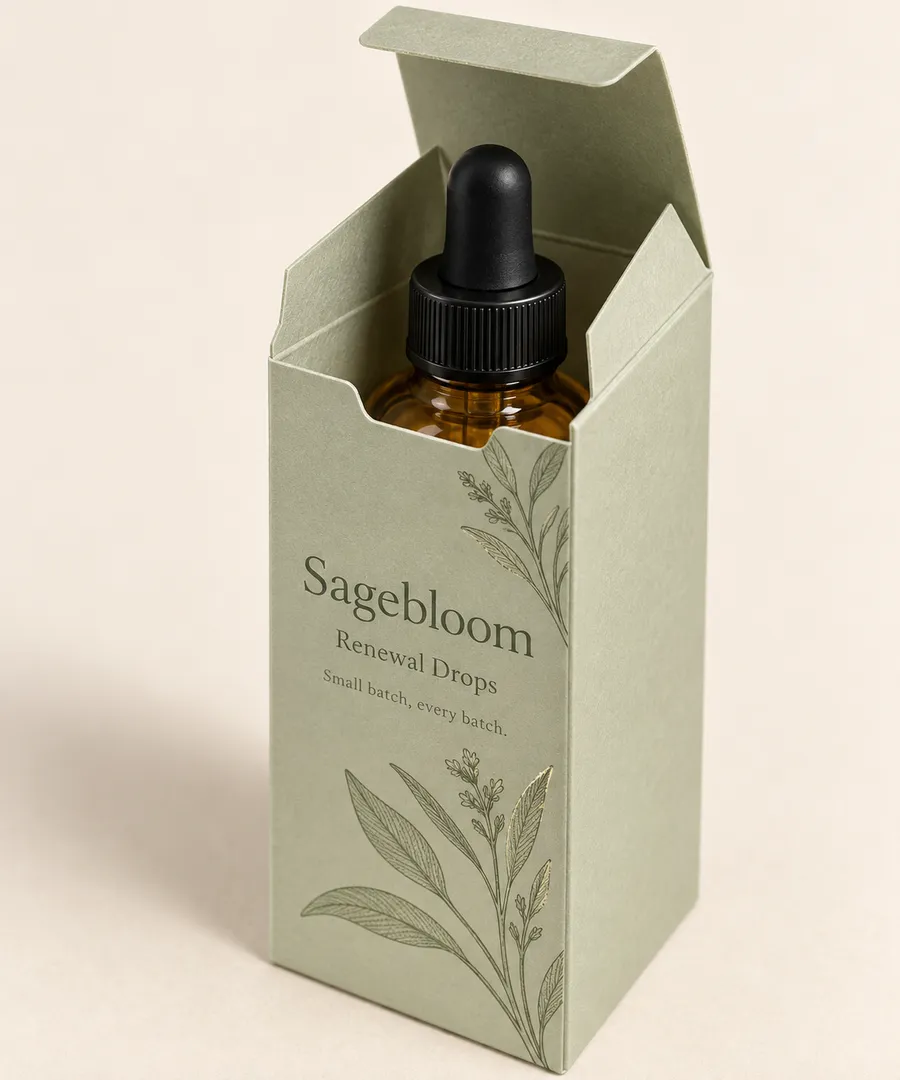
This format is suited to skincare, makeup, salon, and beauty-counter products that need a printed outer carton rather than an anonymous stock enclosure. The front panel can carry a sample print layout, product name, and concise supporting copy while the side and back panels hold the information your artwork supplies. The construction conversation stays practical: what is inside, how it is oriented, how it opens, and where the pack will be handled.
Use a measured printed carton for a serum bottle, cream jar, facial oil, or treatment tube sold as one retail item.
Plan the panel proportions and opening around compacts, palettes, lipstick, concealer, or other small makeup formats.
Coordinate the printed surface with a counter display setting where the front panel needs to read at a short distance.
Discuss dividers or shaped paperboard support when multiple bottles, jars, or accessories need a defined arrangement.
Review the carton together with the outer mailer or shipper so the opening and presentation survive the intended handoff.
A cosmetic carton gives the artwork several surfaces to work with: a front panel for the name and visual identity, side panels for concise supporting copy, and a back panel for supplied product information. Matte or gloss lamination changes the surface character, while spot UV, foil stamping, and embossing or debossing can be considered for selected details. The suitable combination depends on board, artwork, coverage, and proof review.
A single carton may be sufficient for a stable item, while a set or fragile component may benefit from a divider, platform, or fitted paperboard support. That choice depends on the product shape, weight, orientation, closure, outer carton, and presentation brief together. EBP can review those variables during specification instead of assuming an insert from the product category alone.
A measured cavity and suitable folding structure keep the outside presentation focused on one bottle, jar, tube, compact, or palette.
Component count and orientation guide whether a divider or shaped support should be discussed for a coordinated set.
Shelf orientation, handling route, and outer packaging can change the balance between presentation, access, and paperboard stiffness.
The easiest quote starts with the physical product and ends with an approved representation of the finished carton.
Send assembled measurements, component count, orientation, product photos or samples, quantity, and the intended retail or shipping setting.
Discuss the folding carton format, board direction, print coverage, finish ideas, window or support requirements, and any outer pack relationship.
Review panel order, folds, opening behavior, artwork placement, and finish areas, then approve the digital proof before production.
Once the confirmed details and proof are approved, the order follows the agreed production schedule from 7 business days.
Need help with structure, materials, or production planning? See how we manufacture custom packaging.
A sample kit is available with a $44.99 shipping charge credited toward your first order. Use it to compare paperboard surfaces, finish character, and printed detail before committing to a carton direction.
Shipping charge: $44.99. Credited toward your first order.
Request a Sample KitFind clear answers about fit, materials, and ordering below.
Yes. The structure is discussed around the assembled product dimensions, widest body, closure or cap, base profile, orientation, and any protrusions. Those details help determine the carton proportions and whether a support piece should be considered.
SBS paperboard is a natural option for a smooth printed face, while Kraft Paperboard suits a warmer tactile direction. Corrugated Board can be considered when the carton also has a shipping or display role. The final recommendation depends on the structure and use case.
Those finishes can be discussed for selected artwork areas. The result depends on the board, placement, coverage, and proof review, so the finish should be shown in the approved artwork direction rather than assumed from the product title.
Send the assembled product dimensions, quantity, component count, preferred orientation, artwork status, board or finish ideas, and any window, divider, or support requirement. A photo or physical sample is useful when the product has shoulders, a pump, a taper, or another non-rectangular profile.
The approved standard estimate is from 7 business days after digital proof approval. The schedule follows the confirmed construction, artwork, quantity, and order details.
The standard fulfillment path starts at a minimum order of 50 units. Send the quantity and product details with the quote request so the intended structure can be reviewed together.
Orders start at 50 units and scale up to 500,000 for bulk runs, with pricing from $0.29 per unit on larger quantities. Standard production is from 7 business days after digital proof approval.
Compare nearby products and request the format that best fits your next run.
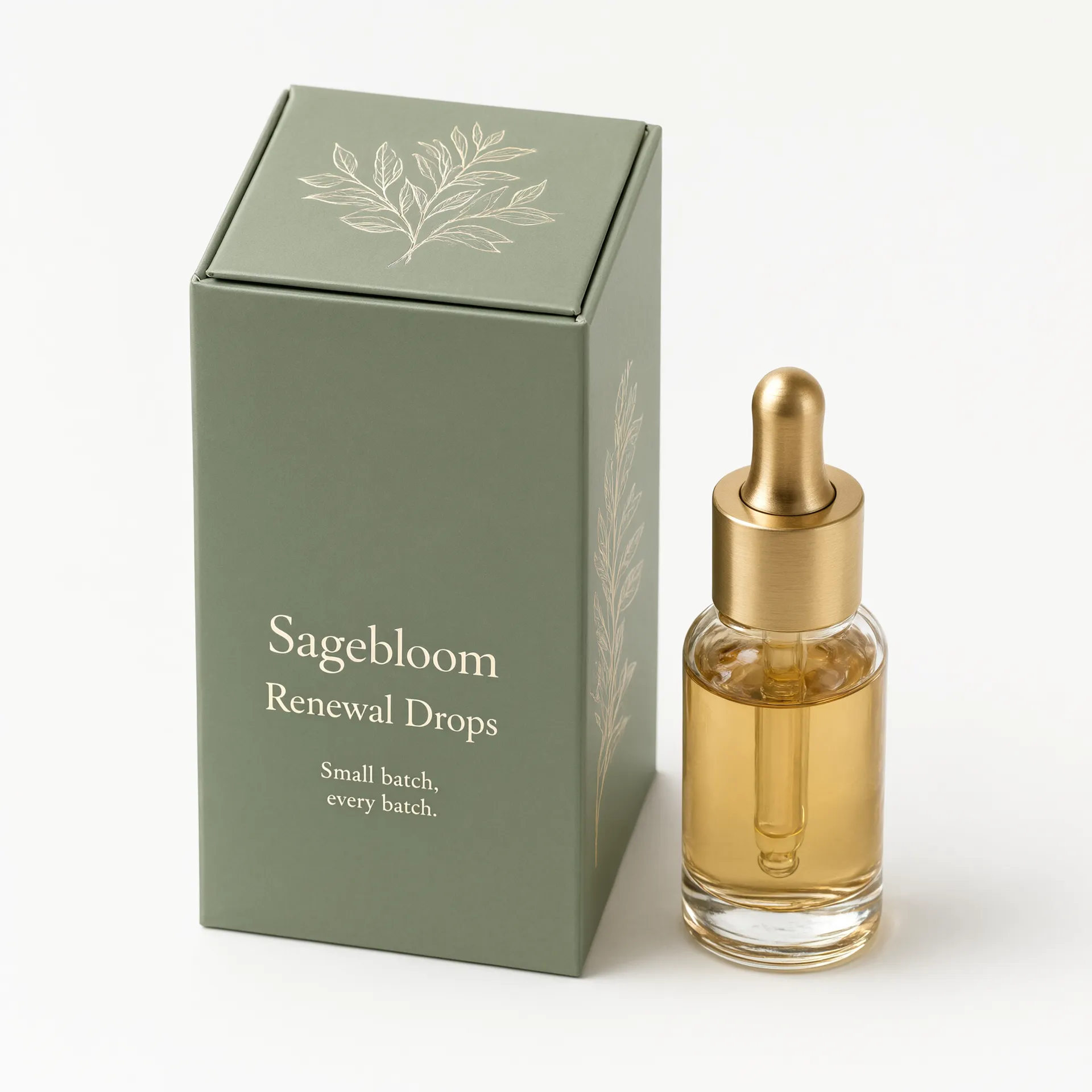
Available product
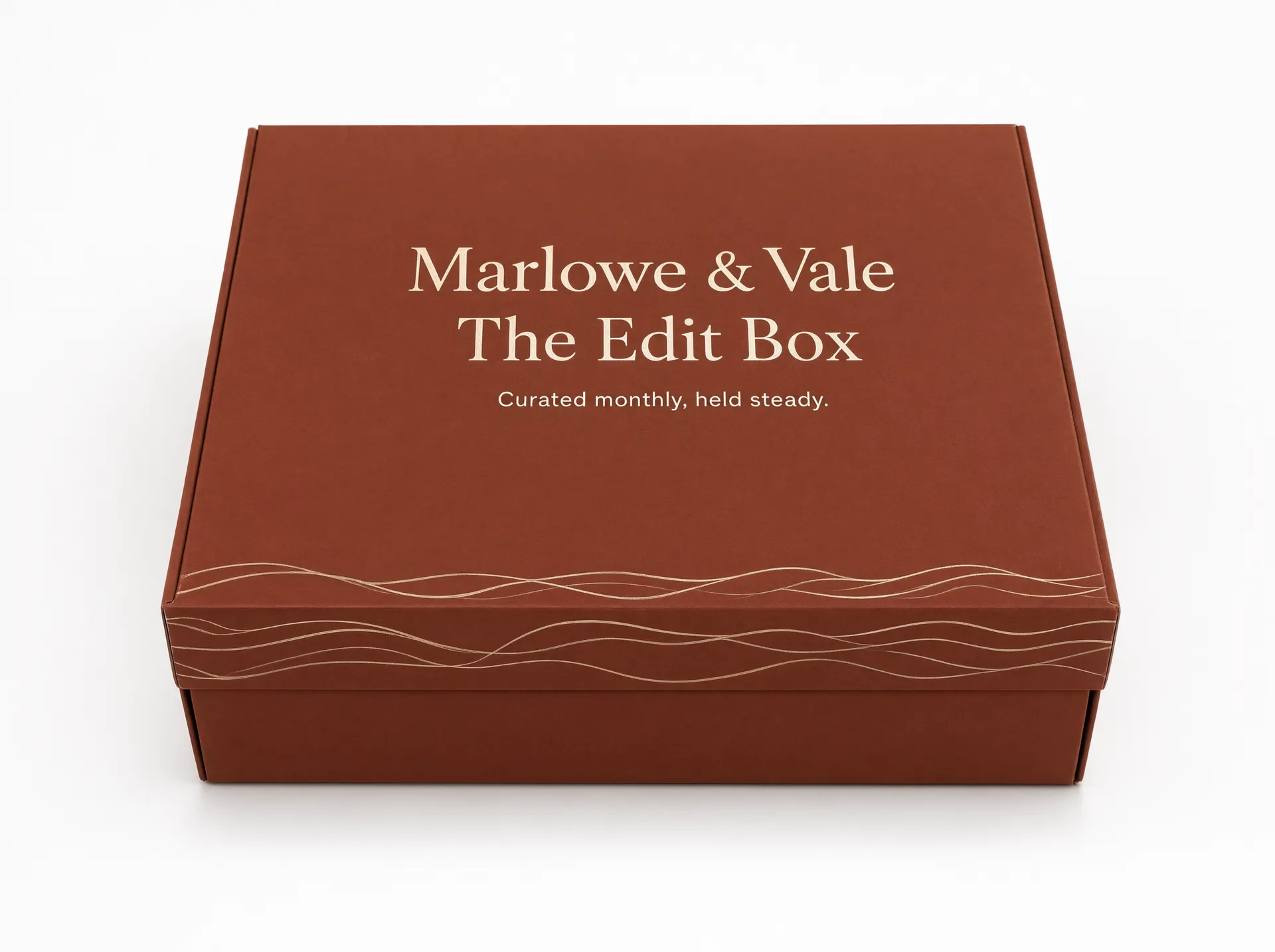
Available product
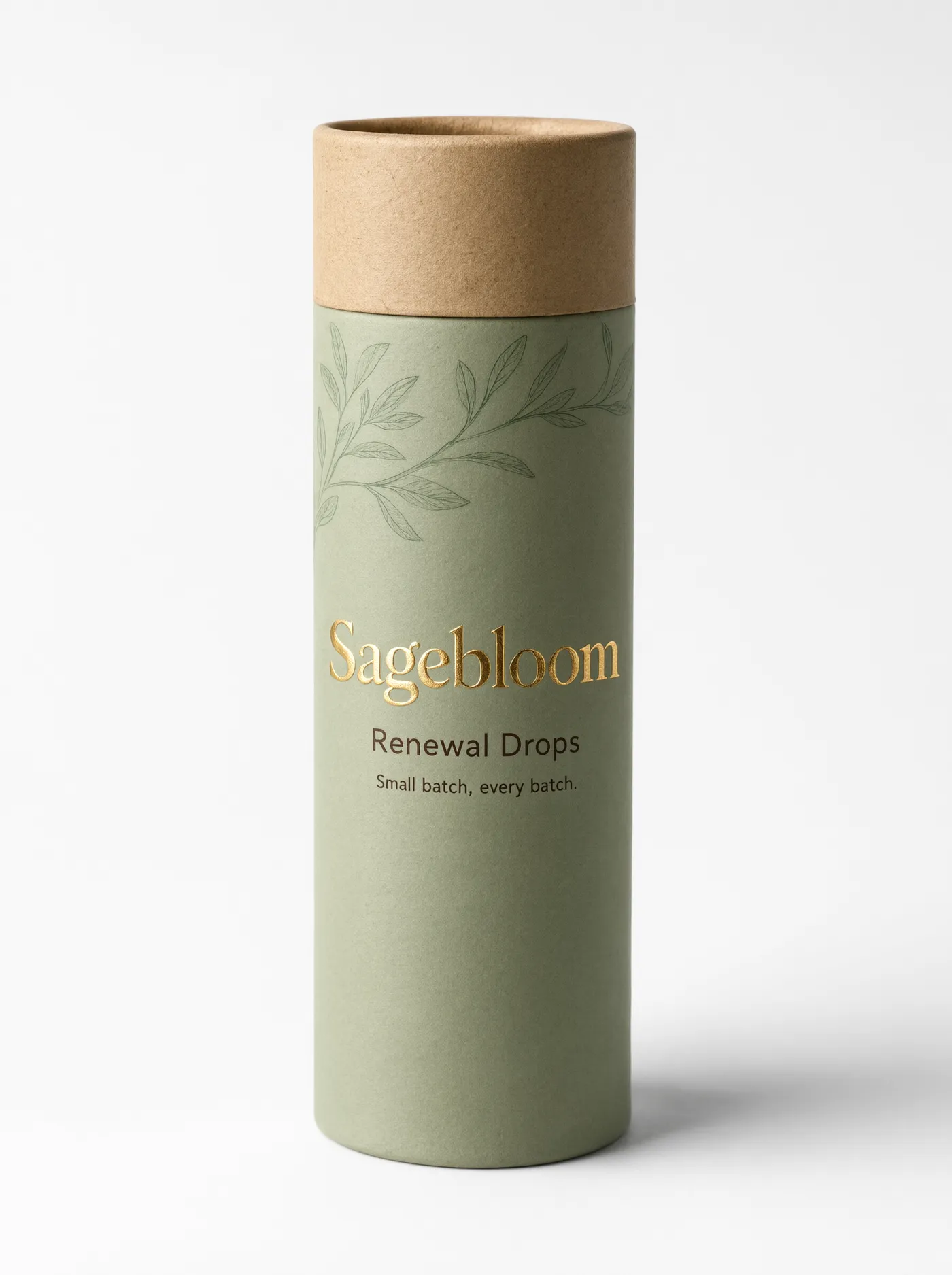
Available product
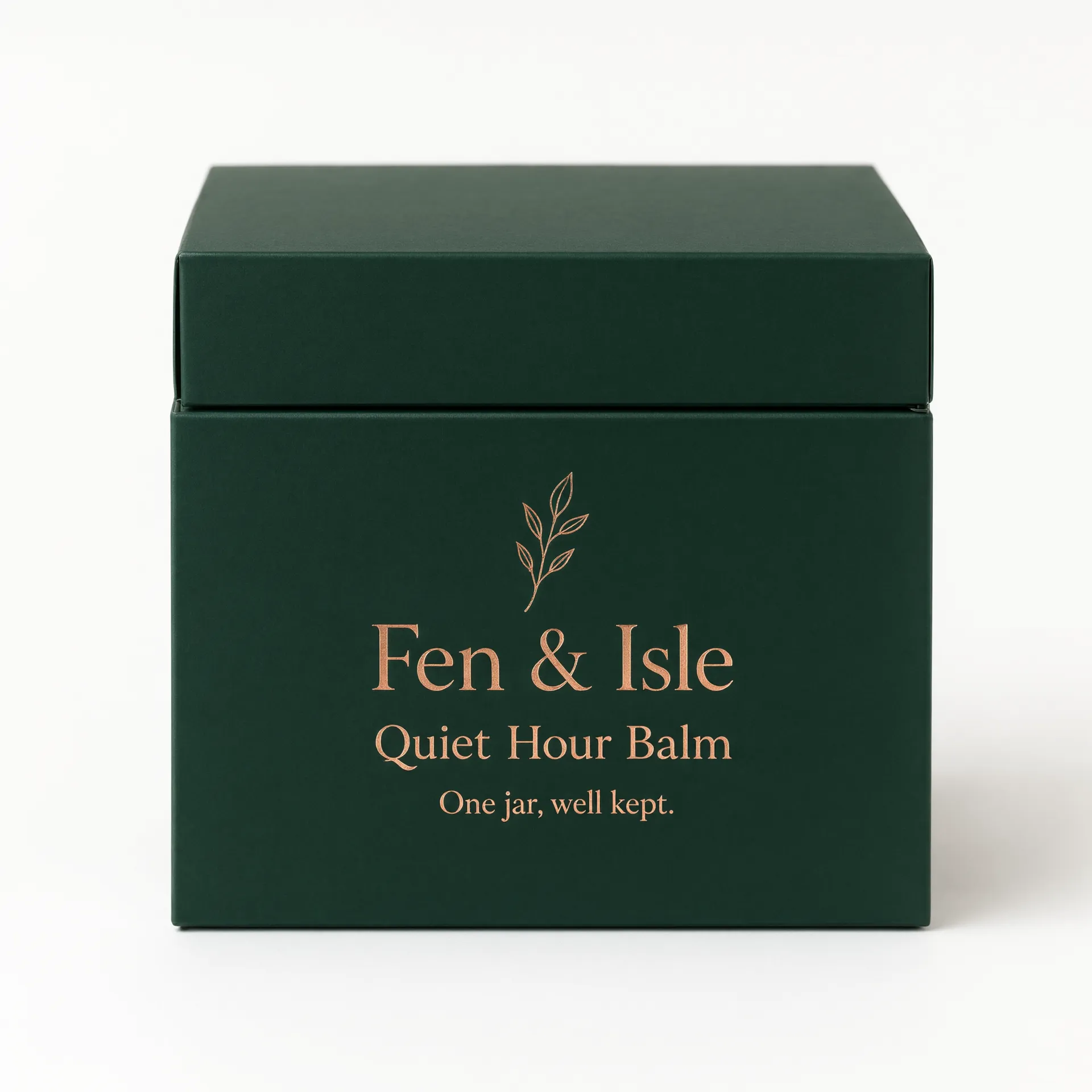
Available product
Ready to scope the carton?
Tell us what the carton will hold, how it should open, where it will be handled, and which printed details matter. We can then narrow the structure, material, finish, and support conversation around a real cosmetic package.
Add your product details to see a quote summary.