Skincare counter presentation
Place a serum or cream range in a compact countertop display where the backer can carry the brand message and the front opening keeps labels visible.

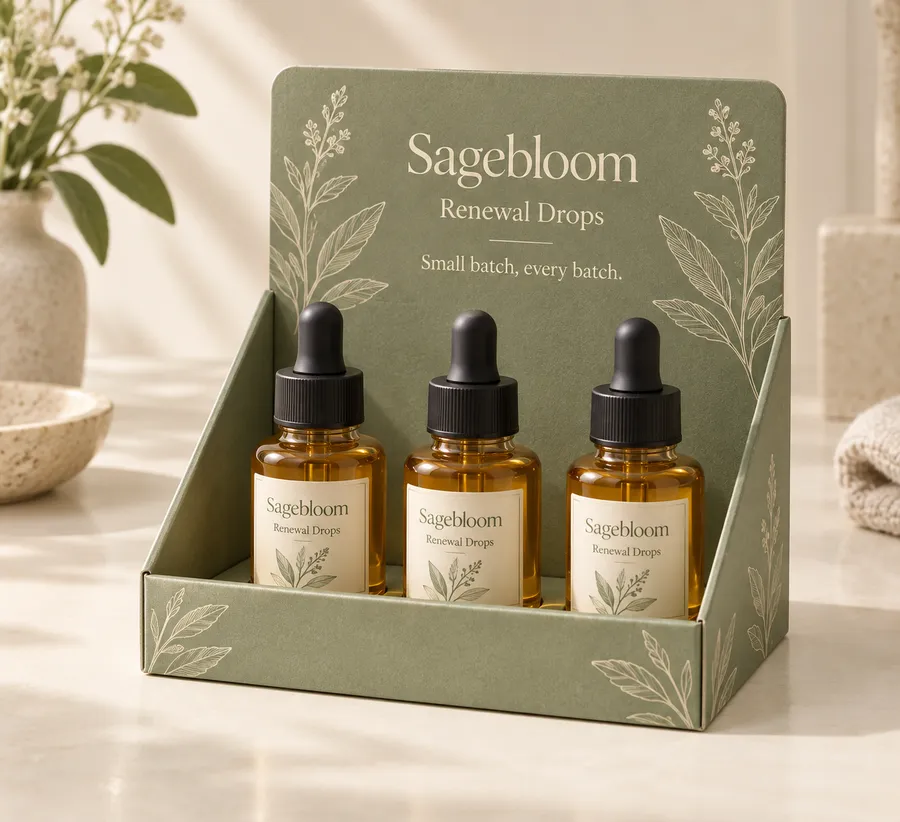
Sage-green open-front cosmetic display box with three amber dropper bottles and botanical Sagebloom Renewal Drops print.
Custom Cosmetic Boxes
Custom cosmetic display boxes give skincare, makeup, and beauty brands a printed way to present products at a counter or retail shelf. The structure can be scoped around a short row of bottles, jars, compacts, or cartons, with an open front, backer panel, and finish choices that suit the artwork and handling environment.
Last updated
Working quote
Product brief
A cosmetic display box has a different job from a closed shipping carton. It needs to keep the product presented in a deliberate position while giving the shopper a clear view of the pack and the printed brand message. An open-front tray with a backer panel is a useful starting point for skincare bottles, makeup cartons, sample-sized products, or a small counter assortment. The final footprint follows the filled product, the number of facings, and the way the display will be replenished.
The quotation conversation should begin with the product itself. Share the filled height, width, depth, cap or closure shape, and the number of units that should sit across the display. Those details guide the internal clearance, the front wall height, and the backer proportion. A low front edge can keep labels visible; a taller front edge can provide more restraint for a product that is easy to tip. If the display is intended for a shelf rather than a counter, share the shelf orientation and the viewing angle as well.
The open face is the main visual decision. It puts the product in view instead of hiding it behind a full front panel, while the rear panel creates a defined area for the logo, product name, directions, or other artwork your brand needs to place on the pack. The side walls and base panel establish the display footprint. Together, these parts help the box occupy a known space on a counter, salon retail fixture, or shelf.
A display carton can be planned for a single hero product or for a short run of matching units. Those are different layout decisions even when the outside style looks similar. A single-product display may leave more room for a centered pack and a taller printed backer. A row display needs a base wide enough for the chosen facings and a front edge that does not cover the product label. EBP can review the product geometry and artwork together so the visual balance is considered before production.
SBS Paperboard gives printed cosmetic display packaging a smooth face for color artwork, small type, and a clean brand panel. Kraft Paperboard offers a warmer, more tactile starting point when the design uses an earthy palette or wants the paper character to remain visible. Material selection should follow the product weight, display duration, handling conditions, and the surface you want the artwork to sit on.
Matte Lamination can reduce glare under bright retail or salon lighting. Gloss Lamination gives artwork a higher-shine surface. Spot UV can direct attention to a logo or a selected botanical detail without coating every panel. Embossing/Debossing adds relief to a mark or border, while Foil Stamping creates a metallic or pigmented accent that can be evaluated against the artwork linework. Each finish changes the surface and the visual hierarchy, so the finish plan belongs in the same conversation as the dieline and print proof.
The practical fit starts with the product geometry, not with a stock display footprint. A filled bottle with a shoulder and dropper cap needs a different opening and clearance approach from a flat compact or a rectangular cream carton. The box is laid out around the product's maximum filled profile, the orientation in which it will be displayed, and the clearance needed for loading and removal. That relationship sets the internal dimensions; the paperboard construction and fold allowances then inform the outside size.
For a display with several units, describe whether the products should touch, sit with visible separation, or be held by a divider or insert. The answer can affect the base layout and the way artwork is balanced across the front and backer. A sample or physical product is useful when the closure, shoulder, pump, or cap changes the center of gravity. If the product format changes later, the same display style can be resized with its own dieline; one physical tool should not be assumed to cover every format.
Artwork should be planned by panel. The backer often carries the largest brand message, while the front edge and side walls are read at a closer distance. Keep the brand name, product name, and important visual cues in areas that remain visible after the products are loaded. Spot UV, foil, and embossing work best when their placement is treated as part of the hierarchy rather than added as decoration after the layout is finished.
Use the print proof to check the reading order, contrast, fold positions, and how the display looks with the actual products in place. A cosmetic display is a three-dimensional presentation piece, so a flat artwork review alone does not answer every question. The quote can account for the selected paperboard, structure, print coverage, and finish combination, while the proof gives the team a shared reference before production.
The standard minimum order is 50 units. Production is from 7 business days after digital proof approval, and free US shipping is available on the standard fulfillment path. These are the planning facts to use when you are scheduling a launch, retail reset, salon replenishment, or small test run. Pricing remains quote-only because the unit cost depends on the display footprint, product count, board choice, print coverage, and finishing.
A $44.99 sample kit shipping charge is credited toward your first order. A sample can help you review the board feel, print treatment, front-wall visibility, and the way the packed product sits in the display. Send the product dimensions, quantity, desired display orientation, artwork status, material preference, finish preference, and delivery destination when requesting a quote. With those details, the packaging team can scope a display that answers the visual and handling requirements of the actual product.
Custom cosmetic display boxes suit a counter where the product needs to be presented without a separate fixture, a retail shelf where a printed backer can carry the brand story, a salon or spa retail area with a compact assortment, and direct-to-consumer launches that need a presentation-ready inner pack. They can also support a sample or travel-size collection when the product group is defined before the base and backer are drawn. The right structure depends on product geometry, replenishment method, and the amount of visible printed area the brand needs.
Proof points
The quotation and proof should resolve the physical and visual details that affect a display carton in use. Product geometry, panel visibility, and surface treatment each have a direct effect on the finished presentation.
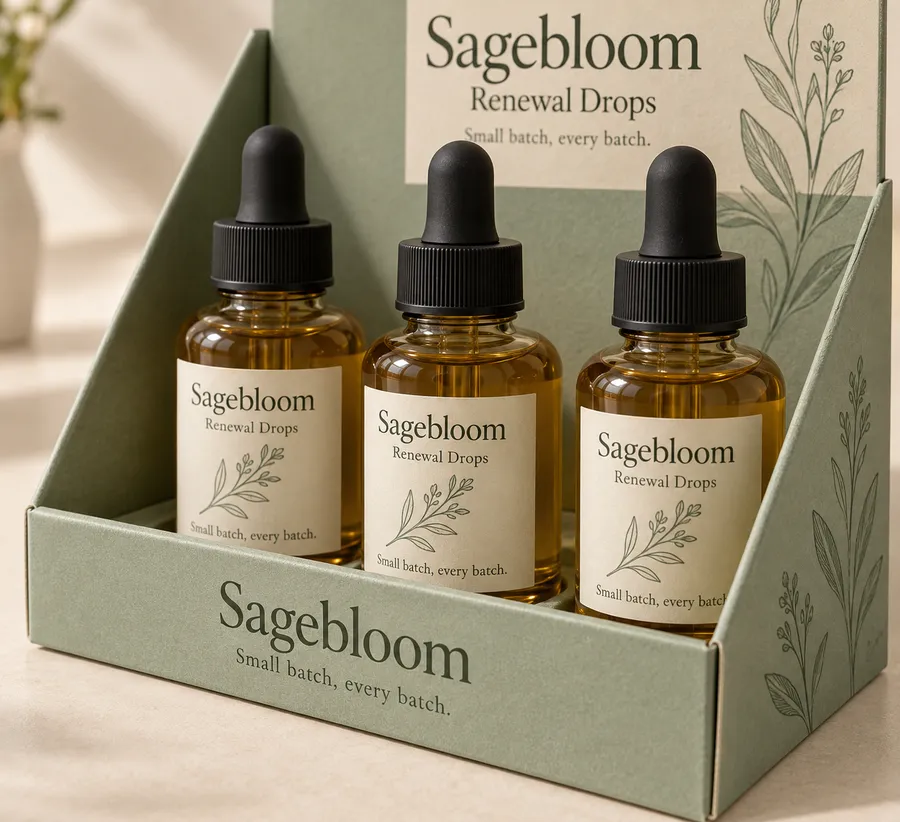
A low front wall keeps the packed cosmetic visible while a rear panel gives the brand a defined printed face. The base, side walls, and backer are scoped around the filled product profile and the chosen number of facings, so a counter display and a shelf display can be evaluated as related styles with different dielines.
Place a serum or cream range in a compact countertop display where the backer can carry the brand message and the front opening keeps labels visible.
Use a printed tray-style format for a small assortment that needs to sit neatly near the checkout or treatment area without a separate fixture.
Plan the backer and front edge for the shelf viewing angle, then size the base around the product facings and replenishment method.
Group defined travel-size or sample products in a presentation pack when their packed geometry and loading sequence are known before quoting.
The printed face can be kept quiet and tactile or given a stronger contrast between coated and uncoated areas. Select the finish by looking at the artwork, panel position, and lighting where the display will be seen.
Three practical questions usually determine the direction: how much of the product should remain visible, where the main artwork will be read, and how the display will be replenished. Answering those questions early keeps the structure, print plan, and product loading method aligned.
Choose a front-wall height that supports the product without hiding the label, cap, or strongest visual cue.
Use the upright rear panel for the brand name, product message, or artwork that needs to face the shopper.
Confirm whether staff will place individual units, a short row, or a small assortment into the base before the layout is finalized.
A clear input set makes the quotation more useful. Send the physical product information first, then confirm the presentation and artwork choices in sequence.
Send the filled product dimensions, closure or cap profile, product count, and preferred display orientation.
Confirm the open-front, backer, front-wall, and loading approach that fits the counter, shelf, salon, or ecommerce use case.
Provide the artwork or brand direction and identify the paperboard and finish preferences for the visible panels.
Check the dieline, panel placement, product visibility, and finish treatment, then approve the proof for production.
After proof approval, the confirmed display specification moves into the made-to-order production schedule.
Need help with structure, materials, or production planning? See how we manufacture custom packaging.
A $44.99 shipping charge for the sample kit is credited toward your first order. Use the sample to examine board feel, print treatment, front-wall visibility, and how your product sits in the display.
Shipping charge: $44.99. Credited toward your first order.
Request a Sample KitFind clear answers about fit, materials, and ordering below.
The structure can be scoped for skincare bottles, cream jars, compacts, cartons, or a defined small assortment. The filled product profile and the way it should face the shopper determine the base, front opening, and backer layout.
Yes. An open front is a practical starting point when product visibility matters. The front-wall height can be planned to support the pack without hiding the label, while the backer carries the main printed message.
SBS Paperboard and Kraft Paperboard are the category material options. SBS offers a smooth printed face; Kraft provides a more natural paper character. The choice should match the artwork, product weight, handling, and display setting.
The standard estimate is from 7 business days after digital proof approval. Timing should be considered alongside the proof review, product information, artwork readiness, and delivery destination.
Send the filled product dimensions, quantity, product count per display, preferred orientation, artwork status, paperboard and finish preferences, and delivery destination. Those inputs allow the display footprint and printed panels to be scoped around the actual use case.
The standard minimum order is 50 units. Your final unit price is confirmed in a quote because the unit cost depends on the display footprint, product count, paperboard, print coverage, and finishing choices.
Orders start at 50 units and scale up to 500,000 for bulk runs, with pricing from $0.36 per unit on larger quantities. Standard production is from 7 business days after digital proof approval.
Compare nearby products and request the format that best fits your next run.
Available product
Available product
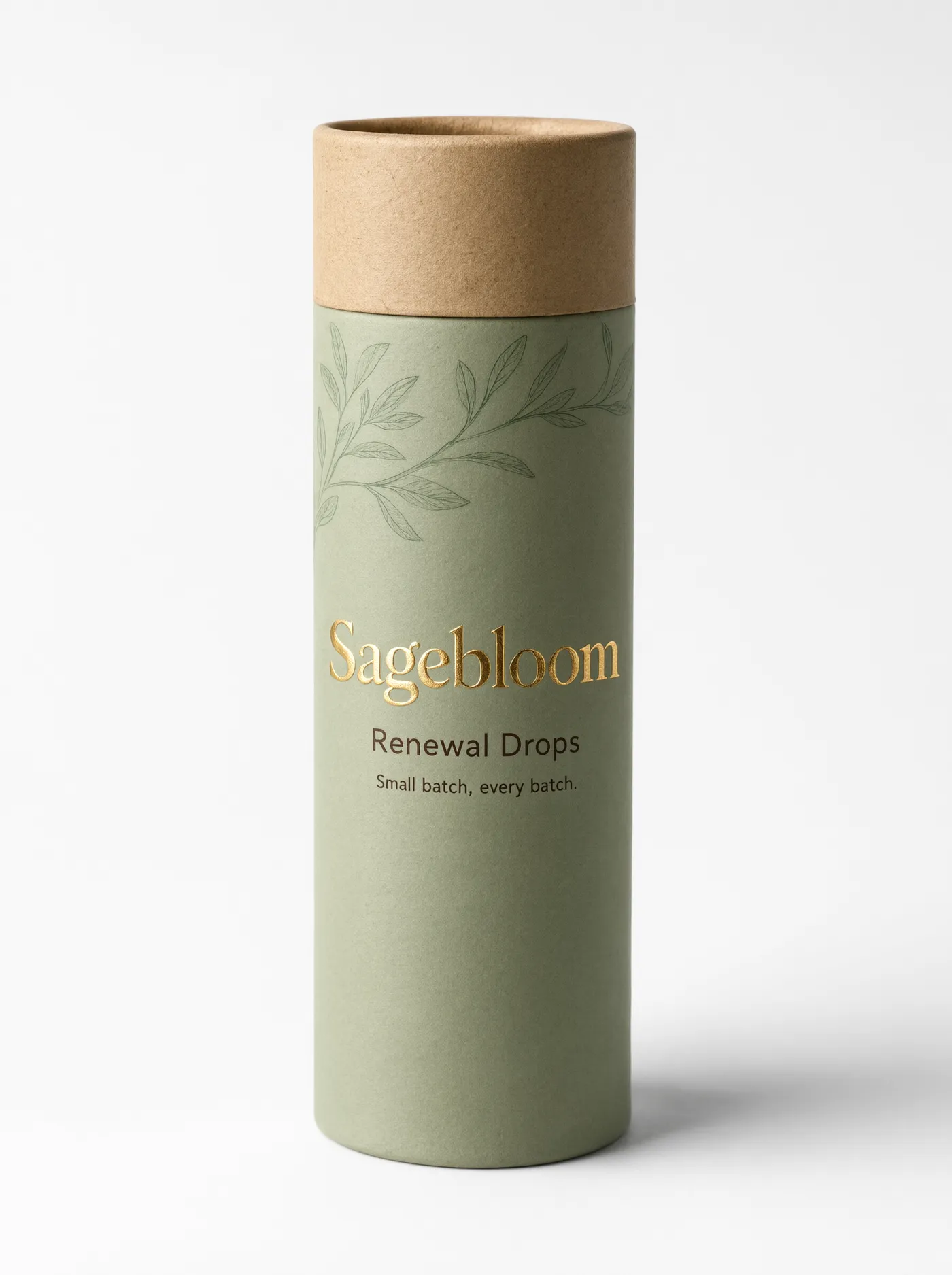
Available product
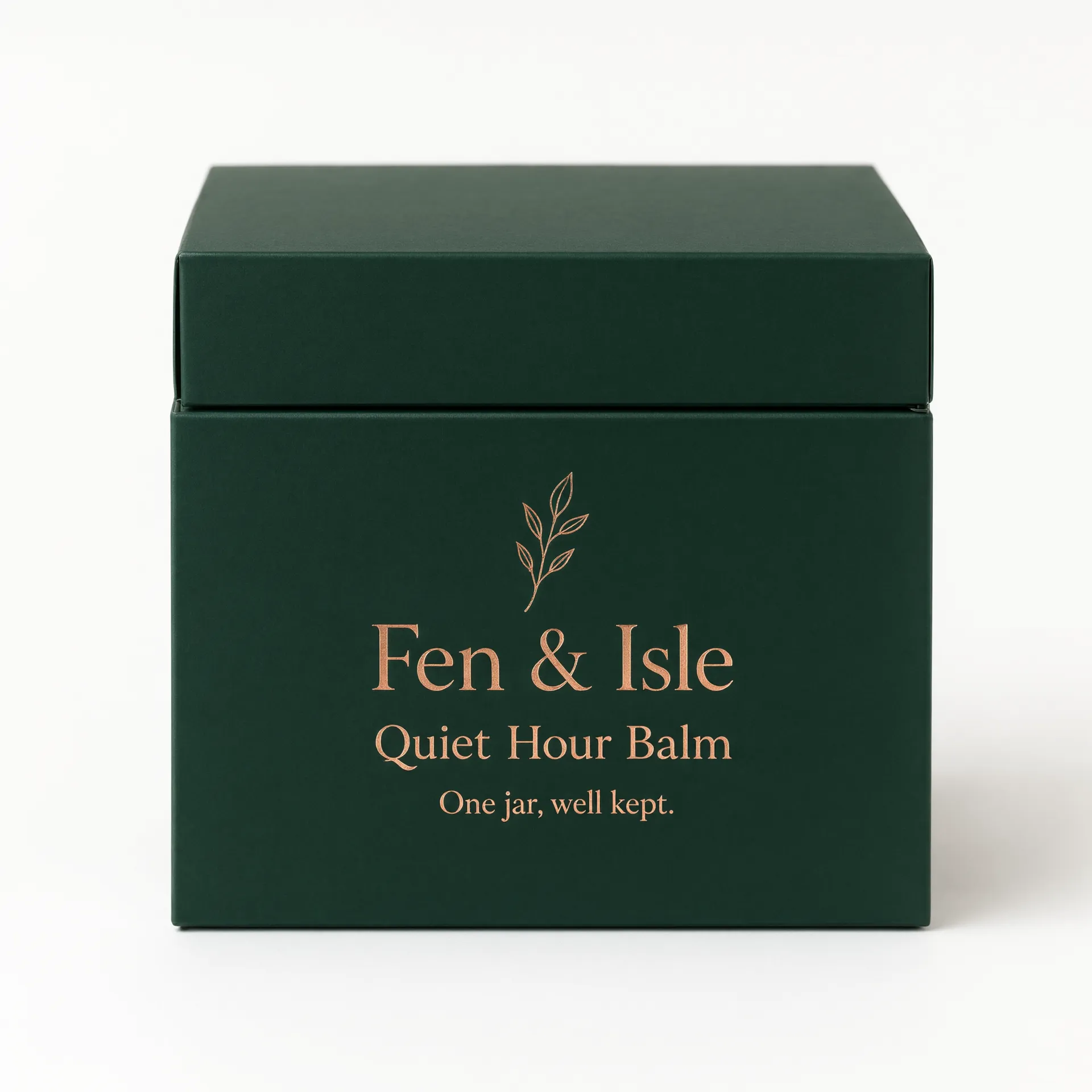
Available product
Plan the display around the product
Share the filled product dimensions, quantity, display orientation, artwork status, paperboard preference, finish direction, and delivery destination. The packaging team can then review the structure against the actual product and retail setting.
Add your product details to see a quote summary.