Skincare shelf presentation
A defined front angle and connected side panels give a serum, cream, or treatment product a distinctive retail face.

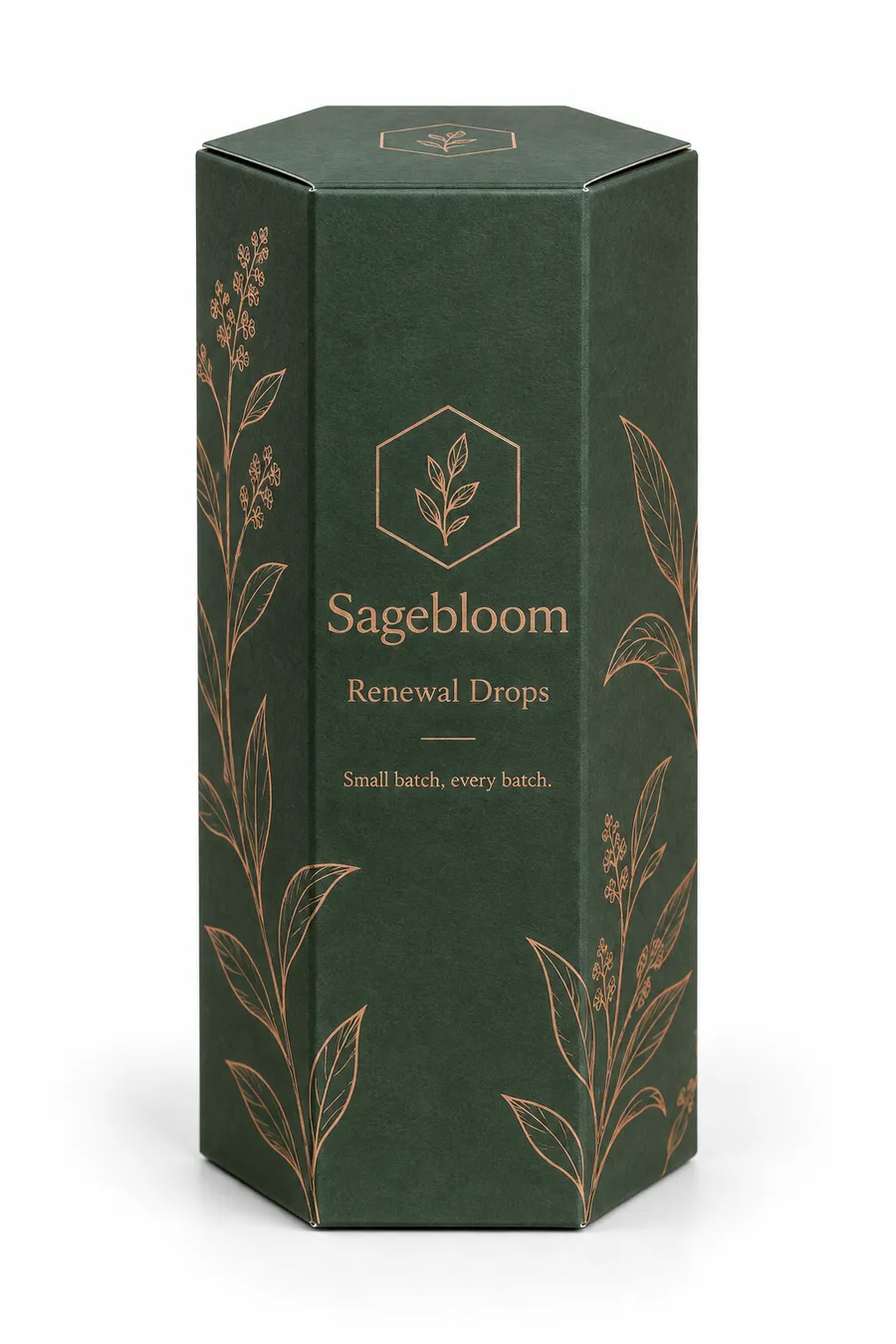
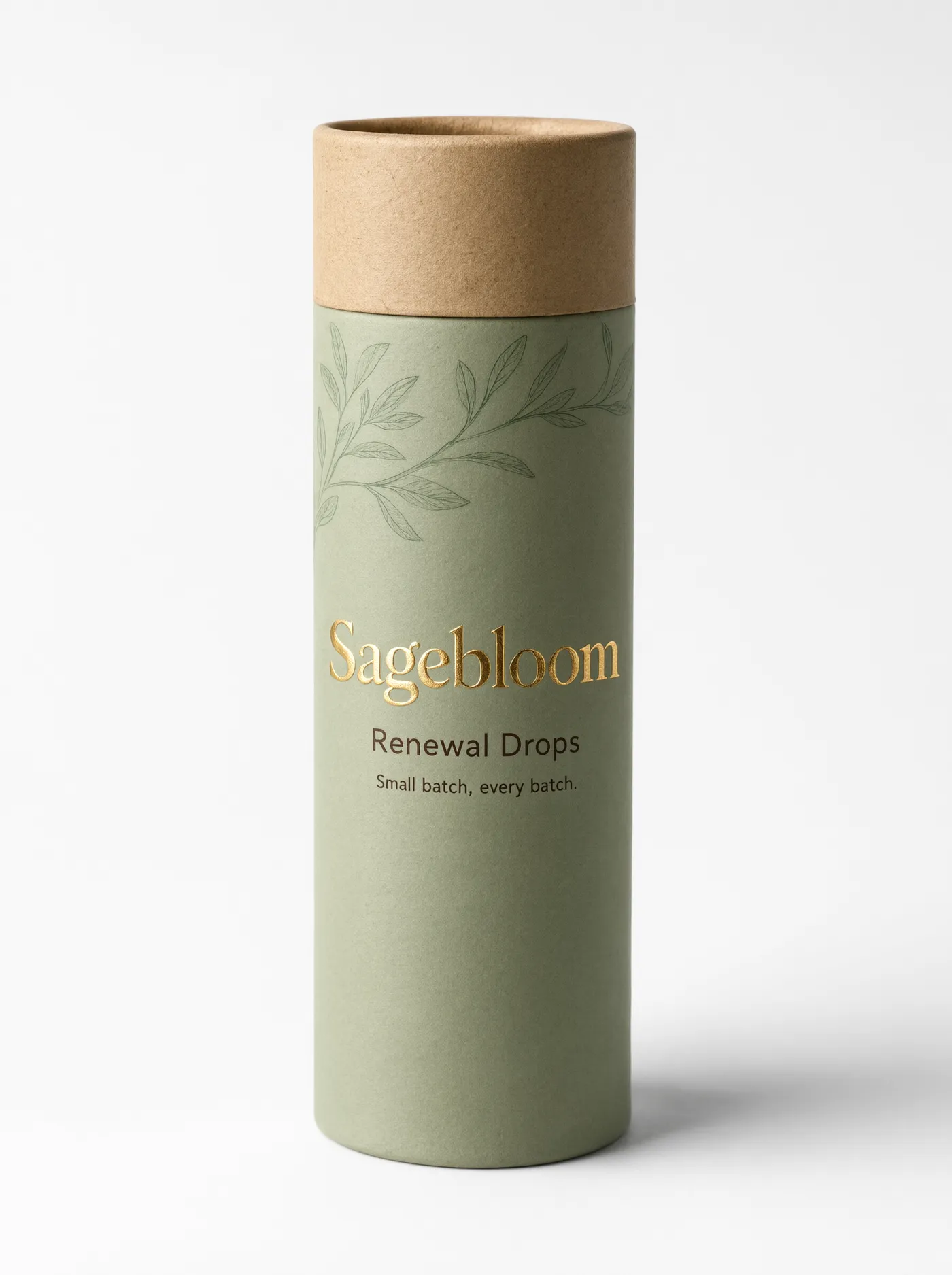
Closed sage-green hexagonal cosmetic box with copper botanical foil and Sagebloom print
Custom Cosmetic Boxes
Made-to-order cosmetic hexagon boxes give skincare, makeup, and beauty products a six-sided presentation with a defined front panel, connected side panels, and a structure sized around the packed item. Review the footprint, board, artwork, and finish together so the hexagonal shape reads clearly on shelf and remains practical to pack.
Last updated
Working quote
Product brief
Custom cosmetic hexagon boxes use a six-sided footprint to create a presentation that feels different from a square carton without making the package geometry an afterthought. The perimeter creates several visible panels, a defined front angle, and a seam or closure position that needs to be planned before artwork is placed. For a skincare bottle, makeup compact, or small beauty set, the useful question is not only whether the product fits inside the widest point. It is how the product sits, how the box opens, which panel faces the customer, and how the remaining panels carry information without making the pack look crowded. The final construction is confirmed against the product and order brief.
The quote should begin with the item as it will actually be packed. Share the product's assembled height, widest body measurement, cap or lid profile, and the orientation it should keep inside the box. A serum bottle may need attention around a dropper or cap, while a jar can be wider at its lid than at its base. A compact or palette can need a flatter internal footprint and a clear opening direction. If the box will hold more than one item, include the count, arrangement, and any separation required between pieces. These details help the packaging team review the internal clearance and the placement of the six-sided panels instead of borrowing a generic cosmetic size.
A folding hexagonal carton can be reviewed when the order benefits from a format that stores flat before assembly and presents a connected set of printed panels after folding. A rigid two-piece base-and-lid construction can be considered when the product needs a box that holds its shape for gift or retail presentation. The choice depends on the product's geometry, the desired opening motion, the way the package will be handled, and the route to the customer. The hexagonal outline alone does not decide the construction. A dieline review connects the base, side panels, top closure, and product clearance so the chosen structure is practical for the actual item.
The front-facing panel should be chosen before the artwork is finalized, because a hexagonal box can turn several faces toward a shopper at once. A logo or product name can sit on the primary panel, while ingredients, usage text, barcode information, or a secondary message can move to the adjacent faces. The seam and fold or join areas should remain clear of important type and fine artwork. If the package is intended for a counter display, the visible angle may be more important than the flat dieline view. Sharing the preferred viewing direction with the artwork gives the proof review a real presentation target.
SBS paperboard is a smooth direction for printed cosmetic packaging when the artwork needs clean color and a consistent surface. Kraft paperboard can provide a more natural tactile appearance when that visual language suits the brand. Corrugated board may be reviewed when the order requires a different level of structural support or a protective outer format, subject to the product and shipping route. An FSC-certified paperboard or kraft option is available as a material choice; that does not mean every finished box is automatically FSC-certified. Board selection should be confirmed with the box construction, product weight, artwork coverage, and handling route rather than treated as a separate cosmetic decision.
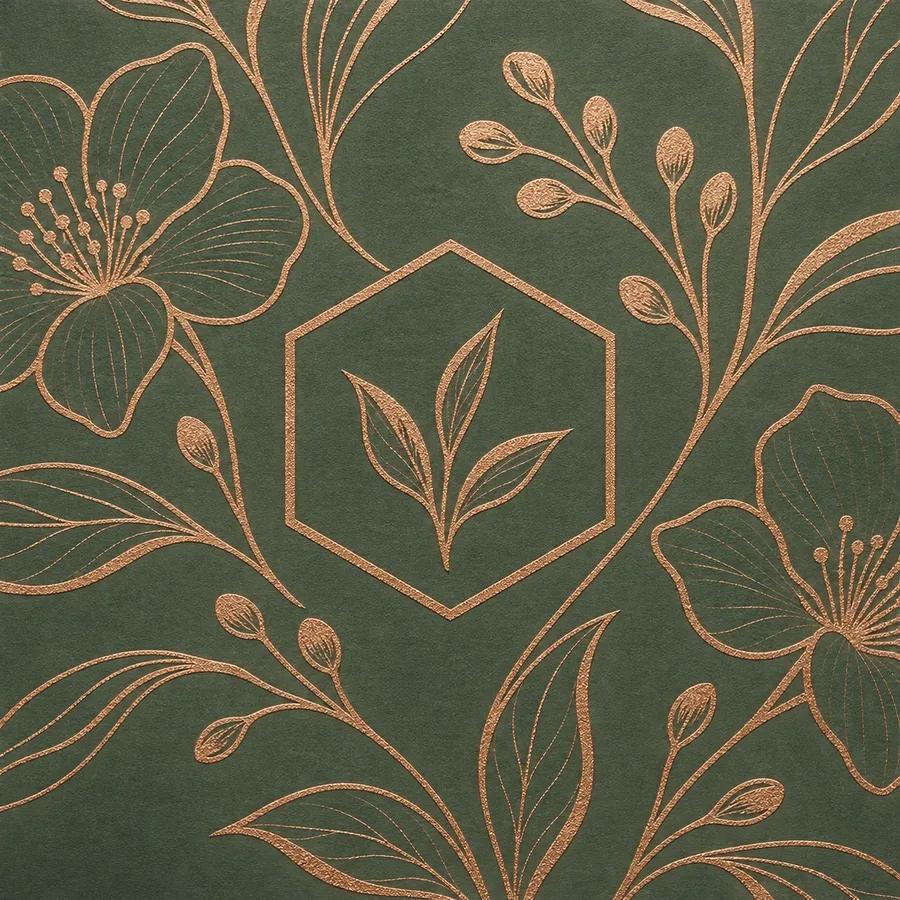
Foil stamping can draw attention to a name, border, or selected linework on the primary panel. Embossing or debossing can add tactile depth, while Spot UV can create a localized gloss contrast over a matte surface. Gloss lamination gives the printed carton a higher-sheen appearance, and matte lamination reduces glare for a softer presentation. The six-sided form makes finish placement especially important: a treatment that looks centered on one panel can feel offset when the adjacent face turns toward the viewer. Artwork and dieline review should confirm panel orientation, fold or seam clearance, and the relationship between the finish and the printed surface.
Orders start at 50 units on the standard fulfillment path. Production begins from 7 business days after digital proof approval, and free US shipping is available. A sample kit can be requested when the buyer needs to check the board, print surface, or hexagonal construction before a full run; the sample-kit shipping charge is $44.99 and is credited toward the first order. No product-specific unit price is stated here because this queue item has no defensible comparable pricing source. The quote should include the product measurements, packed quantity, artwork status, preferred material, finish direction, and any insert or separation requirement.
The digital proof is where the intended shape and the visible brand story are checked together. Confirm that the product sits in the intended orientation, the primary panel faces the customer, the side-panel information is readable, and the closure or lid does not cover important artwork. If the packed product, quantity, or presentation route changes after the initial brief, flag that change before approval because it can affect the dieline and estimate. Once the proof is approved, production can begin from 7 business days under the standard estimate. A clear brief gives the team enough information to review the hexagonal structure as a working cosmetic package, not just as a decorative outline.
Proof points
The box works when its six-sided geometry, product fit, and printed surfaces agree. These are the main decisions to confirm before production.
The six-sided footprint is only the starting point. Share the packed height, widest point, cap or lid profile, orientation, and quantity so the internal clearance, closure, and panel proportions can be reviewed against the actual cosmetic item.
A defined front angle and connected side panels give a serum, cream, or treatment product a distinctive retail face.
A lower profile can be planned around a compact, palette, or small makeup set with the opening direction kept clear.
A rigid or structured hexagonal format can be reviewed for a selected bundle when the item count and arrangement are known.
The printed panels can carry the brand story through an opening sequence that is planned around the packed item.
A six-sided box creates multiple visible faces, so the print treatment should be planned with the customer viewing angle, seam, and adjacent panels in mind.
A useful hexagon box brief connects the product geometry to the visible angle, the closure, and the printed panels before the artwork is approved.
Packed height, width, lid or cap profile, orientation, and item count inform the internal clearance.
The primary viewing face, adjacent information panels, seam, and closure are considered together.
Board, print treatment, and surface finish are checked against the intended shelf or unboxing presentation.
The process starts with the packed product and ends with a proof that shows the six-sided structure, artwork, and finish in the intended orientation.
Provide the packed height, widest point, cap or lid profile, orientation, item count, and expected quantity.
Indicate whether SBS or kraft paperboard and which print or surface treatments should be reviewed.
Mark the primary viewing panel, information panels, seam areas, and any artwork that must remain front-facing.
Confirm product clearance, panel orientation, closure, artwork placement, and finish before production approval.
Need help with structure, materials, or production planning? See how we manufacture custom packaging.
Request a sample kit to review board feel, print treatment, and how a hexagonal cosmetic construction presents in hand before committing to production.
Shipping charge: $44.99. Credited toward your first order.
Request a Sample KitFind clear answers about fit, materials, and ordering below.
Share the packed product's height, widest body point, cap or lid profile, orientation, and quantity. A jar, compact, and serum bottle can each change the internal clearance and the way the six panels are proportioned.
Yes, the structure can be reviewed around a bottle, jar, compact, or small beauty set. The product's actual footprint and closure profile determine the suitable clearance and opening direction.
SBS paperboard and kraft paperboard are available material directions. Another board construction can be reviewed when the product, handling route, or protective requirement calls for it.
Spot UV, embossing or debossing, foil stamping, matte lamination, and gloss lamination can be reviewed against the artwork, panel orientation, and selected board.
The standard fulfillment path starts at 50 units. Production begins from 7 business days after digital proof approval, with timing confirmed against the approved order details.
Orders start at 50 units and scale up to 500,000 for bulk runs, with pricing from $0.27 per unit on larger quantities. Standard production is from 7 business days after digital proof approval.
Common uses include skincare shelf presentation, makeup and compact packaging, gift-ready beauty sets, and direct-to-consumer unboxing. The final specification is set by the packed product and how it will be handled.
Compare nearby products and request the format that best fits your next run.
Available product
Available product
Available product
Available product
Custom cosmetic packaging
Send the product measurements, quantity, artwork status, and preferred finish direction so the six-sided structure can be reviewed for your cosmetic line.
Add your product details to see a quote summary.