Takeaway baskets
Line an open basket for fries, sandwiches, or shareable portions while keeping a repeat pattern or logo visible around the filled base.

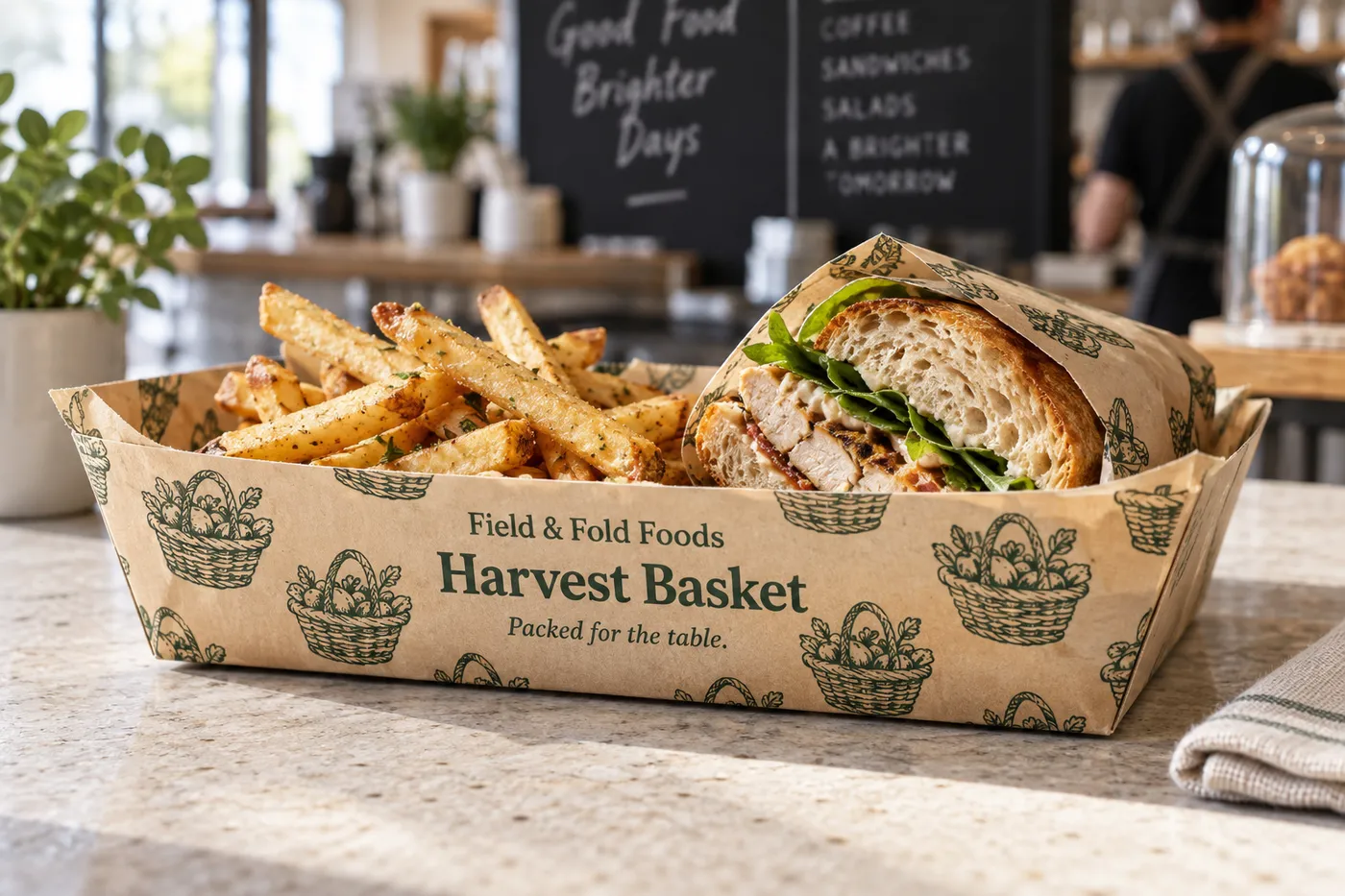
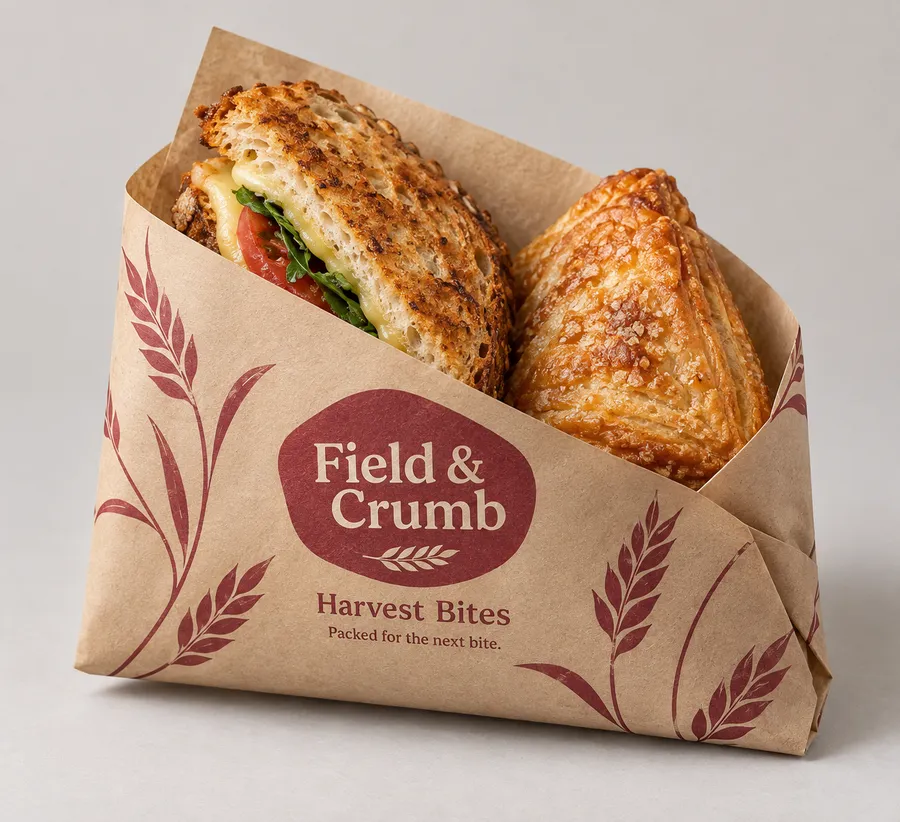
Printed custom food paper folded inside a takeaway basket with a visible branded front panel.
Food Boxes
Custom food paper gives takeaway baskets, trays, and bakery portions a printed surface that stays part of the serving experience. Choose a flat sheet or folded liner around the filled footprint, then review paper direction, grease or moisture exposure, artwork repeat, and finish placement. Share the food shape, basket dimensions, handling route, and print file so the paper is specified for the real service format.
Last updated
Working quote
Product brief
Custom food paper adds a branded interior surface to an open basket, tray, or portion presentation. It can be laid flat, wrapped around a base, or folded so selected panels remain visible after food is placed inside. That makes the finished piece different from a sealed pouch or a shipping carton: the paper is read while the food is carried and served, and its folds or overhang should work with the basket geometry. Start with the filled format and the customer-facing reveal, then choose the paper direction and artwork plan around those facts.
The useful brief names the food, the vessel, and the handling route. Fries in a shallow takeaway basket occupy the liner differently from a sandwich in a deeper tray, and a pastry portion may need a clean visible border rather than a tall wrap. Note the basket or tray's inside length and width, base shape, rim, corner radius, and any tuck or fold points. Record the filled footprint with the food in its normal serving position; do not measure an empty basket and assume the same area will remain visible. Include a sleeve, napkin, cup, or divider if it changes where the paper can sit.
Grease-Resistant Kraft Paper can be considered when the portion will leave oil or sauce marks on an ordinary sheet. The actual paper choice still depends on the food, contact conditions, service time, and whether an inner liner or tray separates the food from the printed surface. Kraft Paperboard can provide a more structured base or insert when the piece needs to hold a defined fold. Neither name alone determines suitability; the specification should identify the food type, expected exposure, and intended use so the material direction can be reviewed before production.
A flat liner can be sized to cover the basket base with a controlled amount of side reveal. A folded version can create a pocket, corner turn, or visible front panel, but excess paper may bunch against the food or interfere with service. When the paper sits inside an open tray, check the relationship between the printed face, fold direction, and the part of the artwork that remains visible after filling. If the same liner will serve several basket sizes, list each footprint instead of scaling one artwork file by guesswork.
A repeat pattern can carry a small logo, ingredient cue, or handling message across the areas that remain visible. A single logo field may be better when the basket is packed tightly and only one panel can be seen. Artwork should show the trim, bleed, safe area, repeat spacing, and any fold or tuck lines on the working dieline. Keep important type away from corners that may turn under, and review the assembled orientation rather than judging a flat sheet alone.
Matte Lamination or Gloss Lamination changes the surface appearance and handling character. Spot UV can place a localized gloss accent on a logo or pattern, while Foil Stamping can highlight selected linework subject to artwork review. Embossing/Debossing can add a tactile mark where the paper structure and detail are suitable. These are choices to compare with the paper direction, print coverage, and the way the liner will be folded or handled; they are not automatic requirements for every food format.
The liner should be checked with the filled food, not only as an isolated artwork rectangle. Describe whether the item is hot, chilled, dry, oily, sauced, crumbly, or served with a utensil, and state the expected time between packing and handoff. Note whether staff will fold the paper by hand, place it into a pre-formed basket, or use a simple tuck. Those details help set a practical overhang and keep branding from disappearing under the portion. They also help identify when a grease-resistant direction or a separate tray is worth reviewing.
If the basket travels inside a carrier bag, explain how the liner and food will be lifted together. A high front fold can look clear at the counter but fall inward during carrying, while a short base sheet may leave the basket exposed once the portion settles. Review the visible face, the fold sequence, and the filled footprint together. The finished paper should support a repeatable service motion without pretending that one layout fits every basket.
Send the basket or tray footprint, paper direction, quantity, print sides, artwork file, finish preference, and any food-contact or exposure notes. Mark the finished orientation and identify which edges are allowed to overhang. Easy Box Packaging can review the dieline and digital proof at no extra charge; the proof should be checked for repeat alignment, trim, readable type, and the way the artwork lands after folding. A sample kit is available with a $44.99 USD shipping charge credited toward the first order.
The standard path starts at 50 units, and production starts from 7 business days after digital proof approval. Quote requests are answered within 24 hours, typically the same business day. Final timing and construction remain dependent on the confirmed footprint, paper direction, print coverage, and finish plan. Providing those inputs at the start gives the quotation and proof a specific basis instead of a generic sheet size.
Proof points
A useful review checks the assembled liner rather than only a flat artwork file.
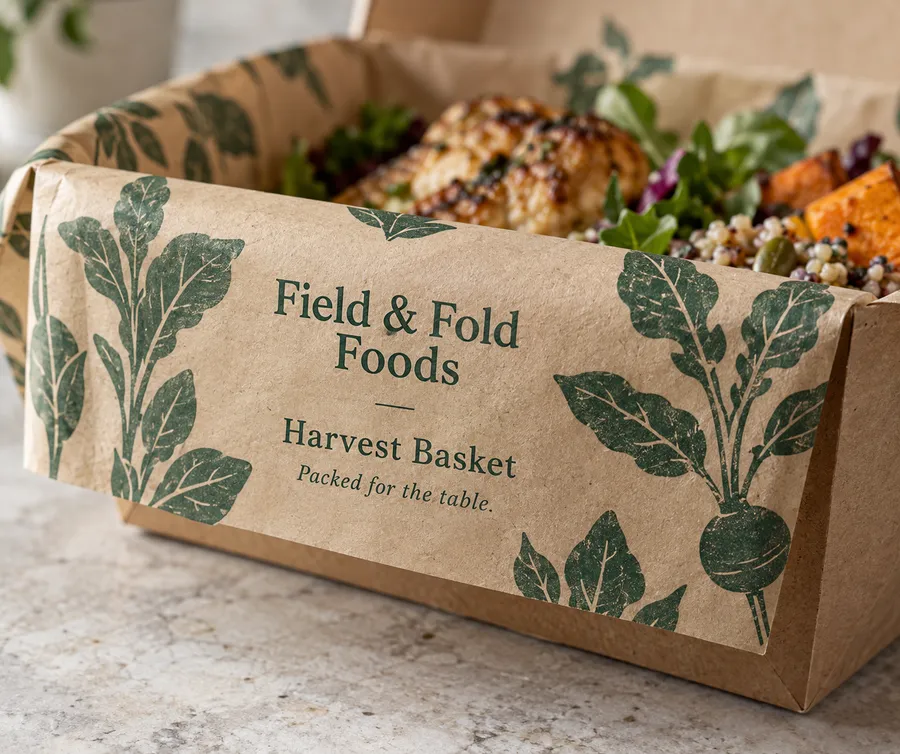
Give the filled basket or tray footprint, food exposure, fold or tuck points, print sides, quantity, and the way staff will place and carry the liner. Those inputs define the working format more reliably than a generic paper size.
Line an open basket for fries, sandwiches, or shareable portions while keeping a repeat pattern or logo visible around the filled base.
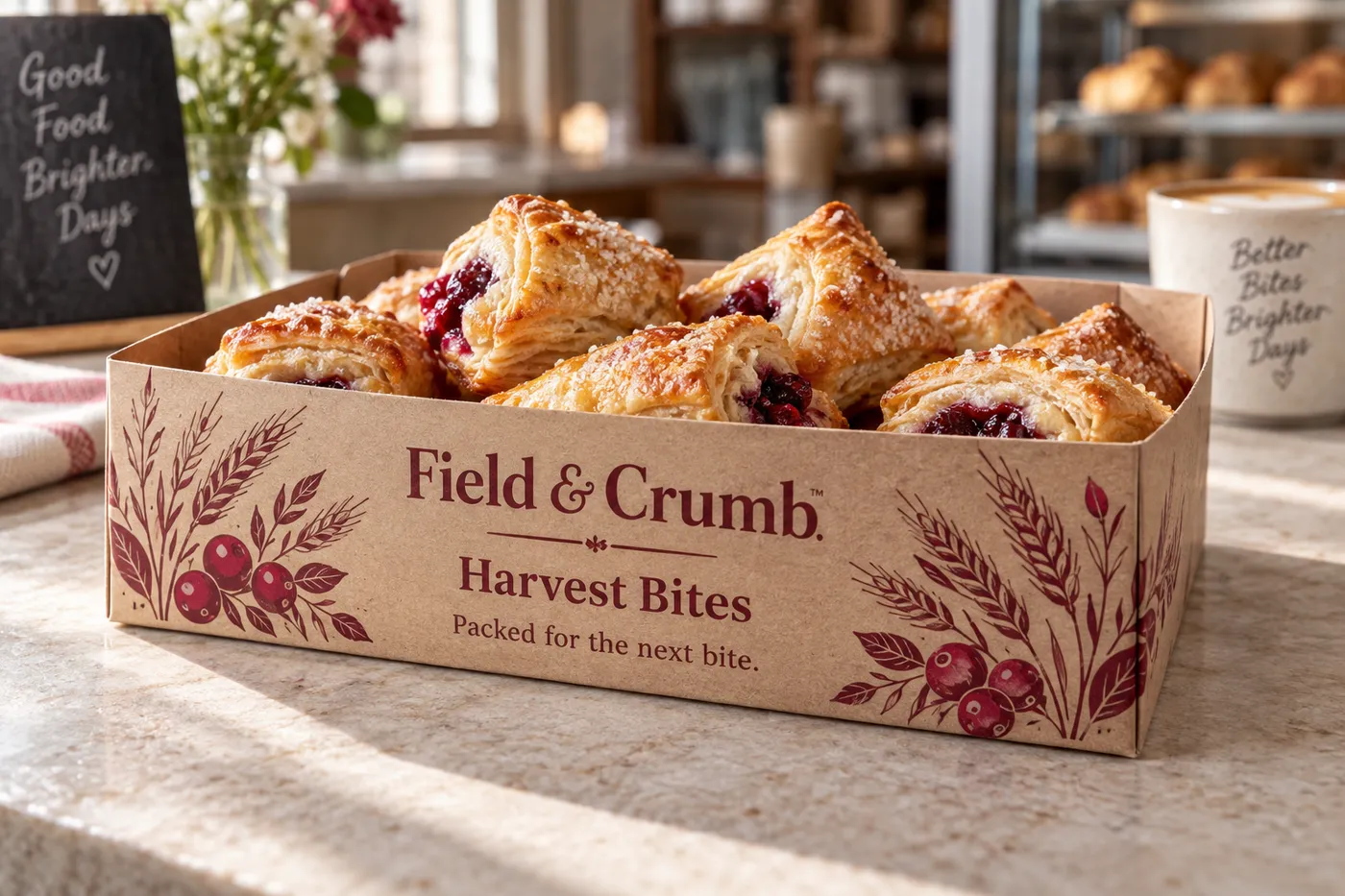
Use a flat or folded printed sheet under pastries, cookies, or snack portions where the tray edge and food arrangement determine the visible paper.
Create a repeatable liner format for handoff, with the fold, overhang, and carrying route reviewed around the actual basket or tray.
Choose the print surface and finish after the liner orientation is known, so selected artwork remains visible and practical to handle.
The paper can be kept flat, turned around a basket base, or folded into a visible front panel. The choice follows the filled food, the vessel, and the areas that should remain readable after packing.
Measure the inside base and the food in its normal serving position, including any divider, napkin, or cup that changes the available surface.
Compare Grease-Resistant Kraft Paper or another approved paper direction with the food, service time, and any separate tray or inner liner.
Mark trim, bleed, repeat spacing, safe areas, and fold orientation so the logo or message lands on the visible face.
A clear filled-format brief keeps the quote and proof focused on the way the paper will be used.
Send the basket or tray footprint, filled food shape, exposure notes, quantity, and handling route.
Select a paper direction, flat or folded geometry, print coverage, and any finish accents for review.
Check the dieline, fold orientation, trim, repeat alignment, and visible artwork on the assembled format.
After digital proof approval, the standard production estimate starts from 7 business days.
Need help with structure, materials, or production planning? See how we manufacture custom packaging.
Request a sample kit to compare paper character and finish options. Shipping is $44.99 USD and is credited toward your first order.
Shipping charge: $44.99. Credited toward your first order.
Request a Sample KitFind clear answers about fit, materials, and ordering below.
Yes. It can be specified as a flat sheet, a wrap, or a folded liner around the basket or tray footprint. The fold points and visible areas should be marked in the brief.
Describe the food, grease or moisture exposure, service time, and whether another tray or inner liner separates the food from the printed surface. Those conditions guide the paper review.
Send the logo or pattern with the intended repeat, print sides, bleed, safe areas, and any fold or tuck lines. A digital proof shows how it lands on the assembled liner.
The standard fulfillment path starts at 50 units. Final quotation depends on the confirmed footprint, paper direction, print coverage, and finish plan.
Production starts from 7 business days after digital proof approval on the standard path. Quote requests are answered within 24 hours, typically the same business day.
Orders start at 50 units and scale up to 500,000 for bulk runs, with pricing from $0.28 per unit on larger quantities. Standard production is from 7 business days after digital proof approval.
Common uses include takeaway baskets, bakery and snack trays, and café and food-truck service. The final specification is set by the packed product and how it will be handled.
Compare nearby products and request the format that best fits your next run.
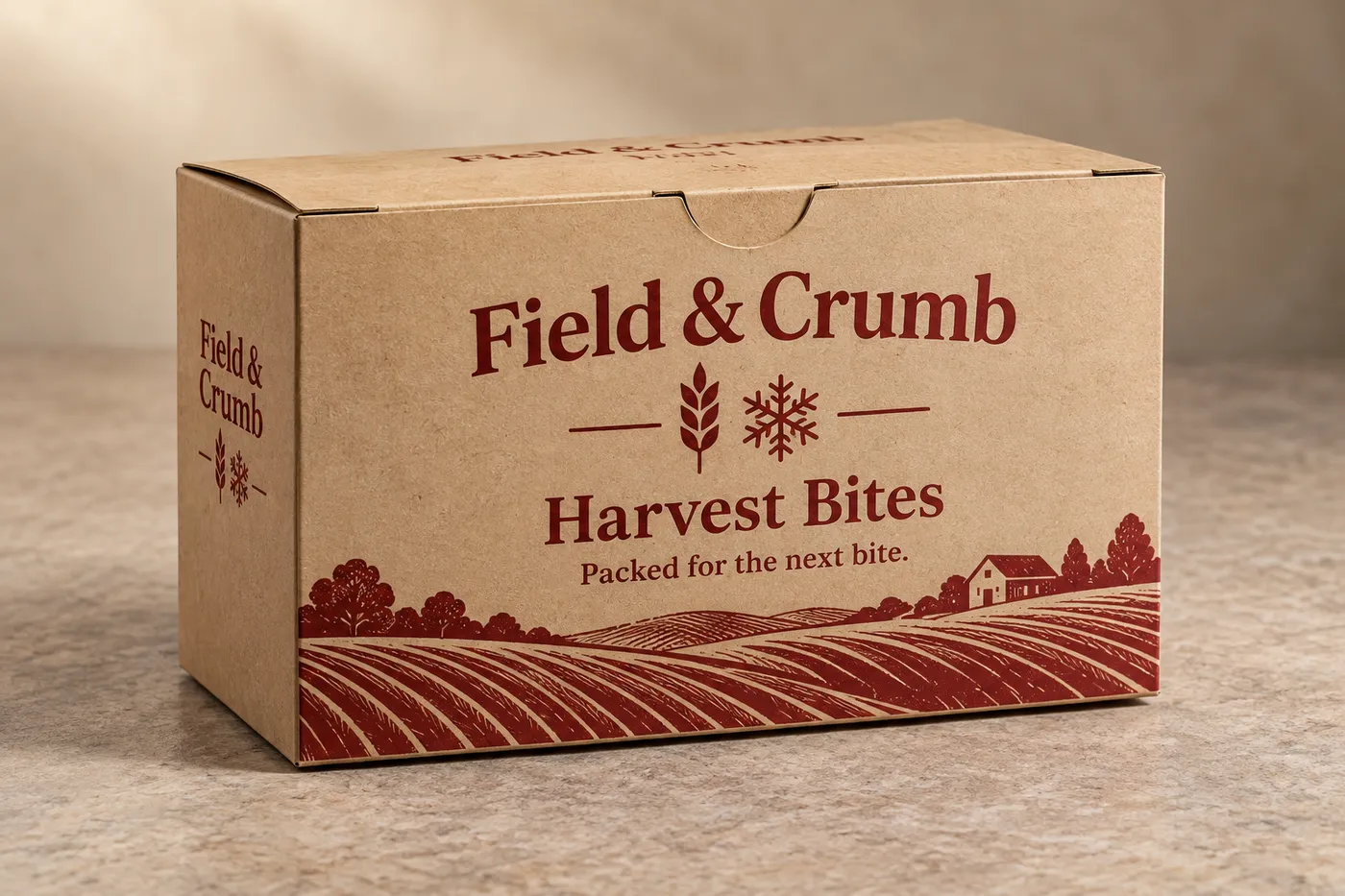
Available product
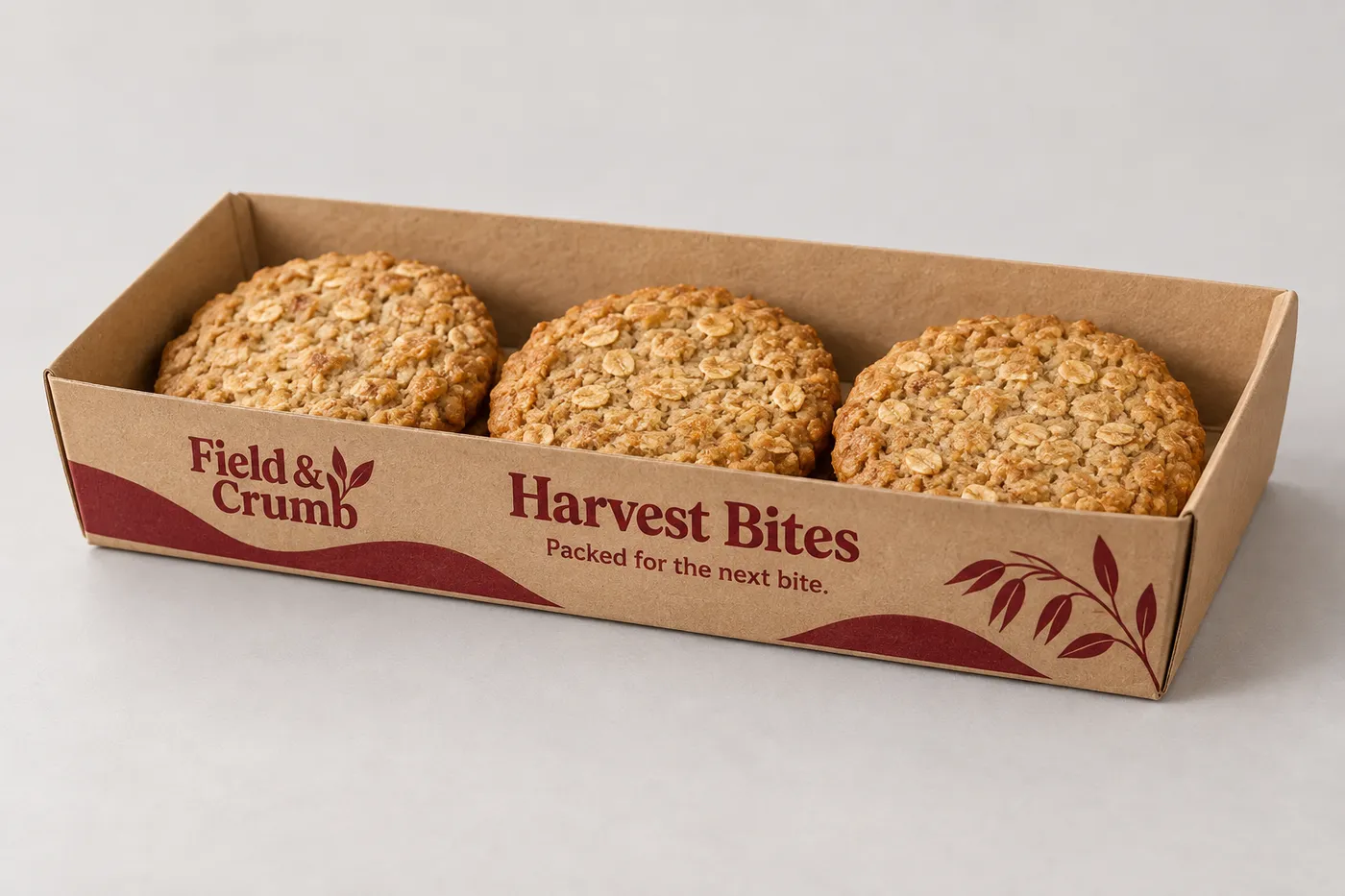
Available product
Available product
Available product
Prepare the filled format
Send the basket or tray dimensions, food exposure, paper direction, quantity, artwork, and fold plan. Easy Box Packaging will review the format and return a quote-ready direction.
Add your product details to see a quote summary.