Coffee, tea, and spices
A printed barrier pouch for aroma-sensitive dry goods when the fill, headspace, evacuation route, and opening routine are known.

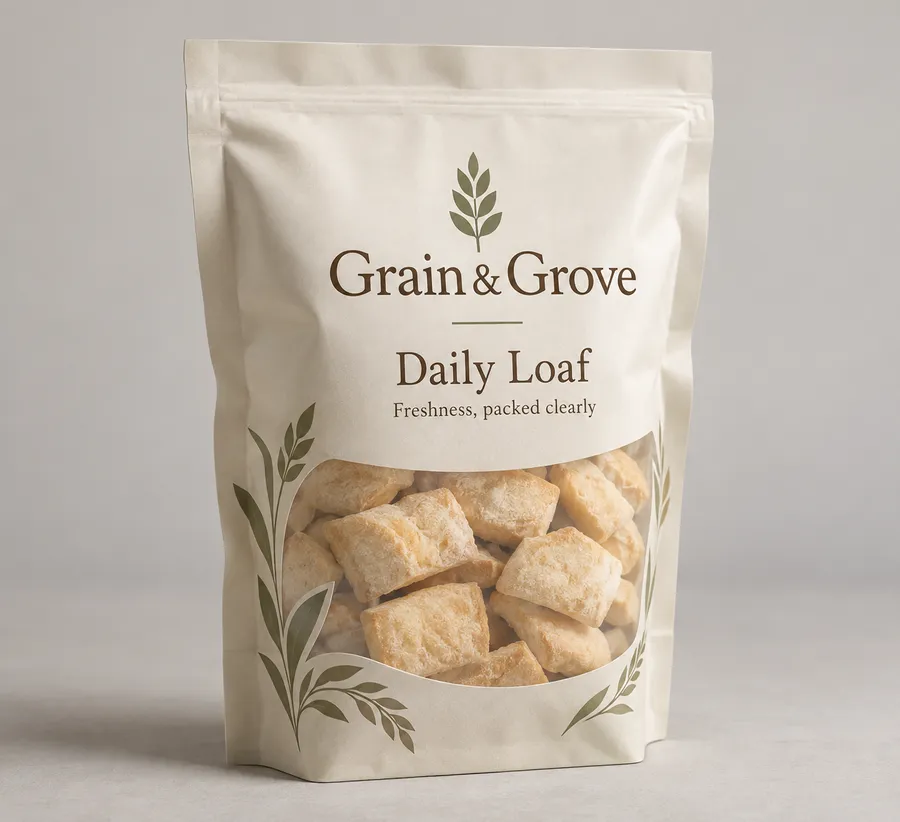
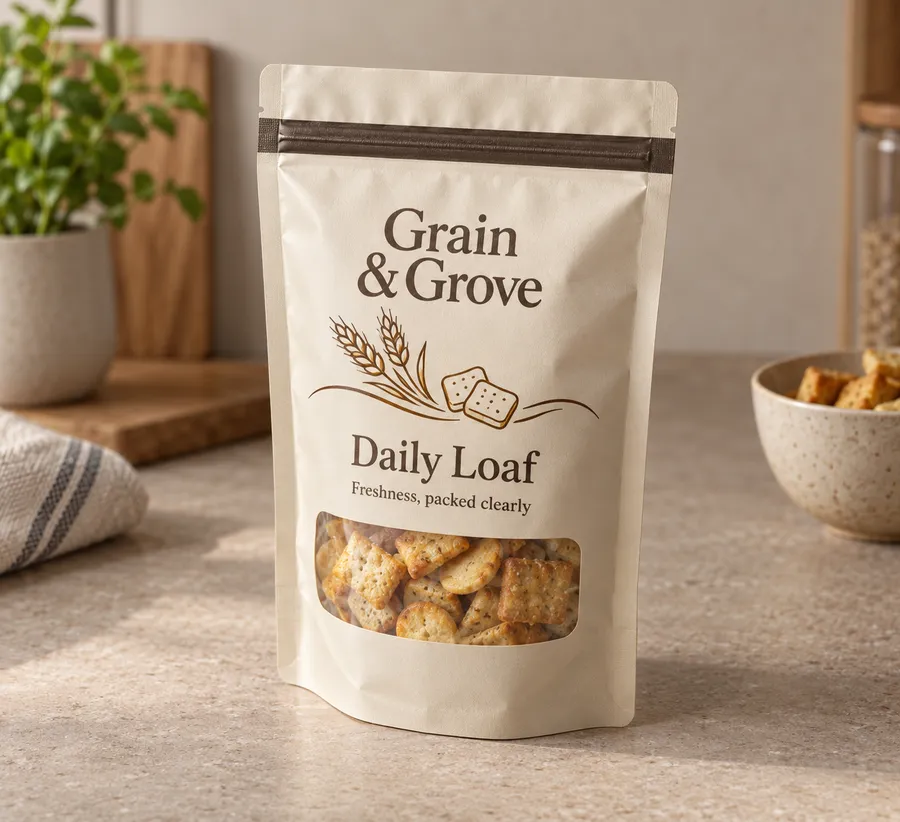
Printed warm ivory vacuum-seal pouch filled with pale dry bakery pieces
Mylar Bags
Custom mylar vacuum seal bags give dry foods and other products a printable flexible pouch that can be filled, evacuated, and closed around the actual pack geometry. Review the film structure, barrier direction, seal area, print coverage, and finish together so the bag suits the product, filling routine, storage position, and shipping route.
Last updated
Working quote
Product brief
A custom mylar vacuum seal bag creates a flexible barrier pack that can be filled, evacuated, and sealed around the product you actually ship. The format can suit coffee, tea, spices, dry bakery products, snacks, powders, pet treats, and other goods where removing excess air is part of the packing routine. It is not a universal stock size. The filled width, height, thickness, headspace, product shape, and seal clearance determine the pouch profile. A flat pouch for a compact powder behaves differently from a wider bag for granola or a fragile baked item, so the specification should start with the filled product and the intended vacuum cycle.
Begin with the packed width, height, depth, approximate weight, widest point, and how the contents settle when air is removed. Note whether the product has sharp corners, fragile decoration, dust, or particles that could reach the seal. A flat three-side-seal pouch may work for a compact fill, while a bottom or side gusset can provide more volume for a product that needs a stable standing profile before evacuation. Leave a practical working area at the opening so the filling process can be completed without pushing product into the seal. If a filled dummy or sample is available, include it with the brief; the resulting dieline can then be checked against the real folds and vacuumed profile.
Food-grade flexible pouch film is the starting direction for dry-food applications. A metalized or foil barrier laminate may be reviewed when light, aroma, or moisture sensitivity matters, while a polyethylene sealant layer supports the heat-seal side of the construction. Vacuum sealing changes the way the film lies against the product, but it does not create a universal shelf-life promise. Product moisture, oxygen sensitivity, fat content, filling temperature, storage conditions, and the evacuation process all need to be considered with the chosen structure. The final seal width, corner treatment, notch, and opening route should be confirmed in the proof rather than assumed from the keyword.
Use the front panel for the brand and product cue, then reserve the back for preparation, storage, ingredients, allergen notes, and other required information. Artwork should keep small type, variable data, and critical marks away from the top seal, side folds, and areas that can pull tight when air is removed. Matte lamination can give a controlled low-glare surface; gloss lamination can provide a brighter color direction; spot gloss or spot UV can highlight a selected mark; and metallic ink or a foil accent can be considered for limited lettering. These choices affect print appearance, not barrier performance. Confirm whether the front only, front and back, or selected panels need print so the map follows the filled and vacuumed view.
A reliable approval checks the empty pouch, the filled pouch, and the vacuumed pouch as related states. The dieline should identify the front and back panels, seal-safe margins, folds, notch or tear route, and any gusset. Easy Box Packaging includes dieline and digital proof review on every order at no extra charge. Use that review to check the product name, panel orientation, seal width, print registration, closure route, and finish placement before production. If the product or fill method changes after the first brief, flag it before proof approval because a different thickness or shape can change the way the film gathers at the seal.
Send the product type, packed width, height, depth, approximate weight, widest point, settling behavior, desired headspace, vacuum or filling method, preferred pouch profile, artwork status, print coverage, finish preference, and delivery destination. The standard minimum order is 50 units. Production starts from 7 business days after digital proof approval. On the standard path, the 50 units floor remains the starting quantity and the 7 business days estimate begins after proof approval. Quote requests are typically answered the same business day, always within 24 hours, and Free US shipping is available on the standard fulfillment path. Pricing remains quote-only because dimensions, barrier direction, seal area, print coverage, finish, and quantity are scoped around the actual product rather than one universal stock bag. A sample kit can be requested when you want to inspect the film, opacity, seal direction, and printed treatment before approving a full run.
Proof points
This format is a printed flexible pouch with a heat-sealed opening that can be evacuated around the filled product. The construction brief combines the pouch profile, barrier layers, sealant film, seal margin, opening direction, and panels that remain visible after the film gathers against the contents. Those choices are reviewed with product density, particles, storage, filling, and handling in mind.
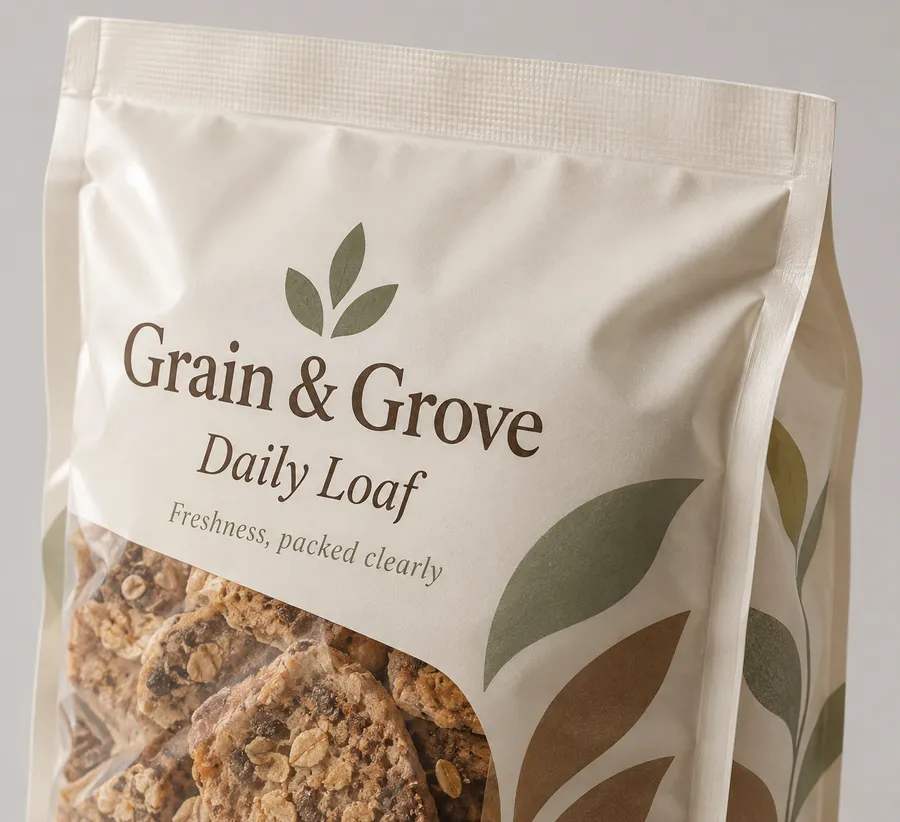
Size the pouch from the product after filling, not from a generic bag label. Share the packed width, height, depth, approximate weight, widest point, settling behavior, and headspace. The opening needs room for filling and a clean seal, while folds or a gusset should match the way the vacuumed pouch will lie, stand, ship, and open.
A printed barrier pouch for aroma-sensitive dry goods when the fill, headspace, evacuation route, and opening routine are known.
A flexible pack for measured powders where the seal margin, fine-particle handling, and clear front-panel information affect the brief.
A retail-facing sealed bag for nuts, granola, dried fruit, or other dry foods with a defined fill and supplied storage copy.
A branded pouch for treats or niche dry goods where piece size, settling, shipment position, and a one-way sealed top shape the structure.
The pouch panel can carry a brand mark, product name, variant, handling notes, and other approved customer-supplied copy. Matte lamination and gloss lamination can be considered for the selected printed surface; spot UV can create localized contrast, while metallic ink or foil stamping can highlight chosen lettering or linework. Every direction should be checked against the seal margin, notch, gusset, folds, and small type. The final combination follows the supplied artwork and selected flexible-pouch construction.
The bag is checked as a filled flexible structure, an evacuated profile, and a printed surface. Dieline and digital proof review are included on every order at no extra charge, so the seal margin, folds, print coverage, finish, and opening route can be considered together. Quote requests are typically answered the same business day, always within 24 hours, once the product and quantity are clear.
Packed dimensions, product shape, settling, headspace, and seal clearance are checked together before the pouch profile is fixed.
Front, back, folds, notch, and seal zones are mapped so important copy remains readable after evacuation and closing.
Review the digital proof and request a sample kit when you need to inspect film feel, opacity, seal direction, and finish first.
A quote can be scoped accurately when the fill, bag geometry, vacuum routine, and artwork are described together. Send the product type, packed dimensions, approximate weight, widest point, settling behavior, headspace, filling method, print coverage, finish preference, packing method, and delivery destination.
Provide the width, height, depth, approximate weight, and widest point of the product as it will sit inside the pouch.
State whether the contents settle, compact, shift during evacuation, or need headspace above the fill before sealing.
Note whether the pouch is filled by hand or on a line, evacuated once, opened by tear or cut, boxed for shipment, or stored upright.
Share the panels that need branding and any preference for broad coverage, a restrained mark, or a selected finish.
Send available artwork or note that the product identity, variant copy, and handling instructions are still being prepared.
Need help with structure, materials, or production planning? See how we manufacture custom packaging.
Request a sample kit to inspect the flexible pouch surface, sealed top, folded profile, and printed finish before committing to a full run.
Shipping charge: $44.99. Credited toward your first order.
Request a Sample KitFind clear answers about fit, materials, and ordering below.
It is a flexible printed pouch that is closed after filling by removing air and heat-sealing the opening. The correct width, height, profile, seal margin, film direction, and print coverage depend on the product and filling routine.
Share the filled width, height, depth, approximate weight, widest point, settling behavior, headspace, and storage position. Those details help set the front panel, folds, working opening, and seal clearance during review.
A heat-sealed opening is generally a one-way closure opened by cutting or tearing. If repeat opening is required, mention it in the brief so a resealable direction can be reviewed instead of assuming a sealed-only format.
Food-grade flexible pouch film is the category direction. Metalized or foil barrier laminate, polyethylene sealant film, and a conditional mono-material direction can be discussed around the product requirement. Matte lamination, gloss lamination, spot UV, metallic ink, and foil stamping can be considered subject to artwork review.
The standard minimum order is 50 units. Production starts from 7 business days after digital proof approval, and quote requests are typically answered the same business day, always within 24 hours. Your final unit price is confirmed in a quote because size, film direction, seal, print coverage, finish, and quantity are scoped for the actual product.
Orders start at 50 units and scale up to 500,000 for bulk runs, with pricing from $0.20 per unit on larger quantities. Standard production is from 7 business days after digital proof approval.
Common uses include coffee, tea, and spices, powders and supplements, snacks and pantry goods, and pet treats and specialty dry products. The final specification is set by the packed product and how it will be handled.
Compare nearby products and request the format that best fits your next run.
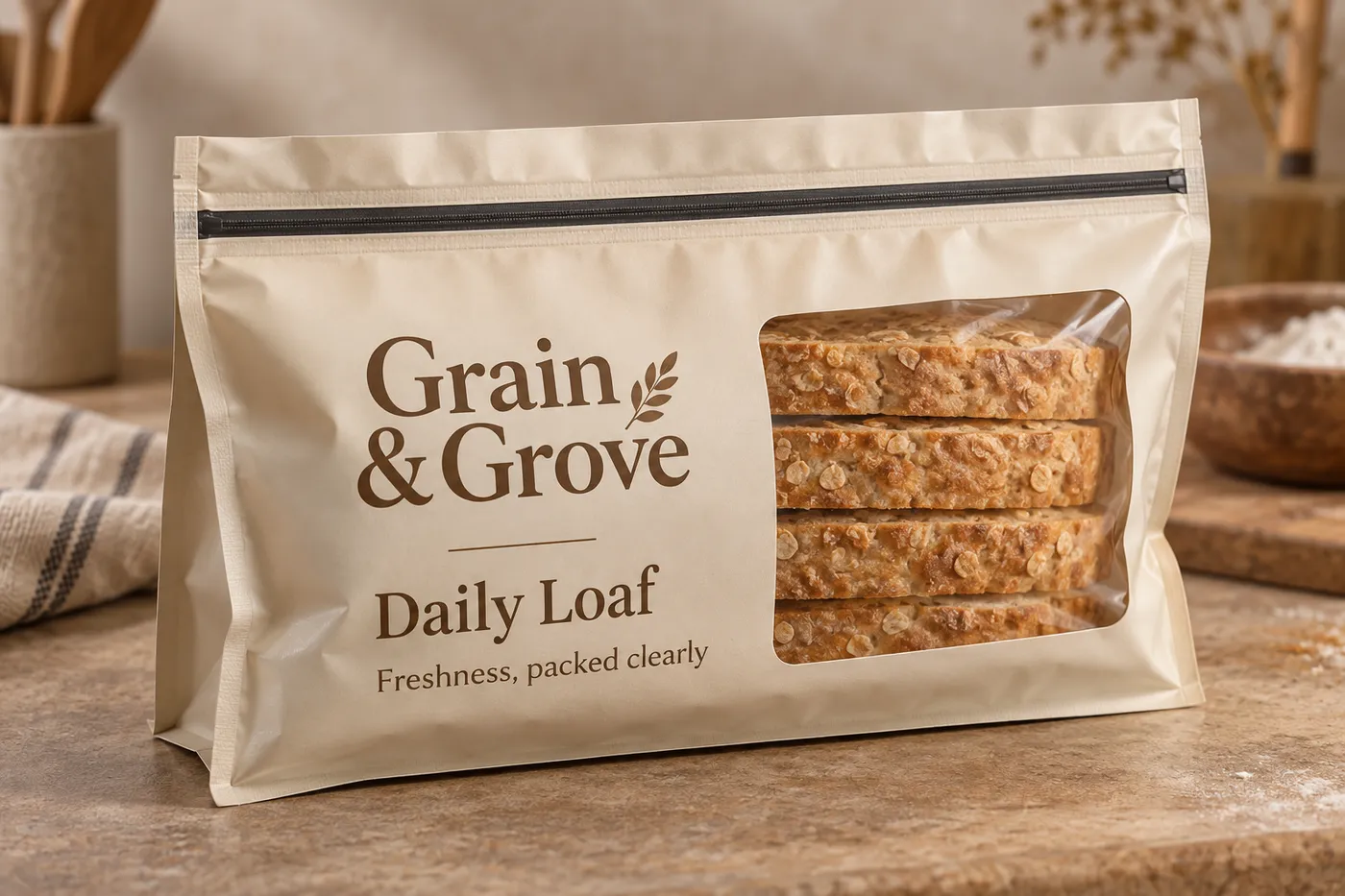
Available product
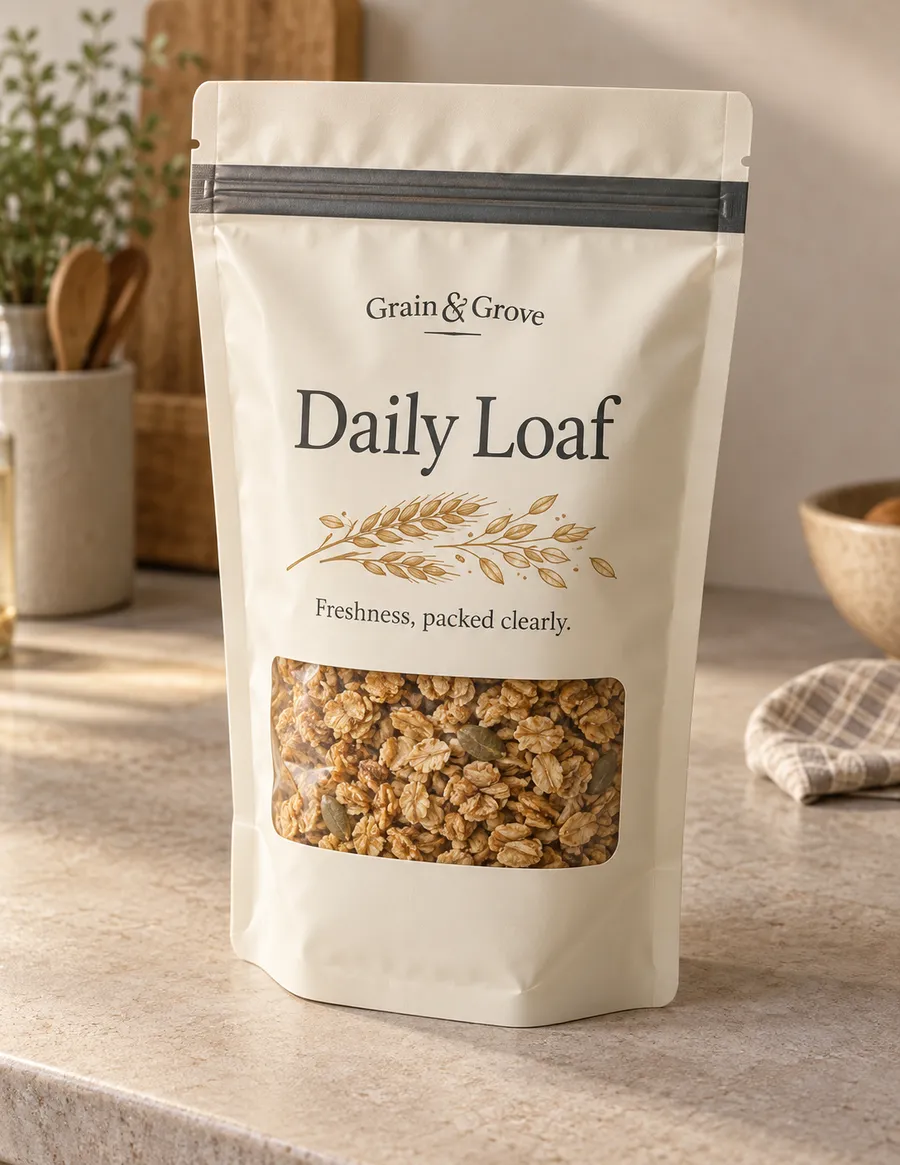
Available product
Available product
Available product
Get a Vacuum-Sealed Pouch Specification
Send the filled dimensions, product sensitivity, vacuum method, artwork status, and finish preference to start a quote for custom mylar vacuum seal bags.
Add your product details to see a quote summary.