Skincare and personal care
Use a controlled opening for creams, lotions, gels, and balms, or a jar when a wider access pattern suits the formula and routine.

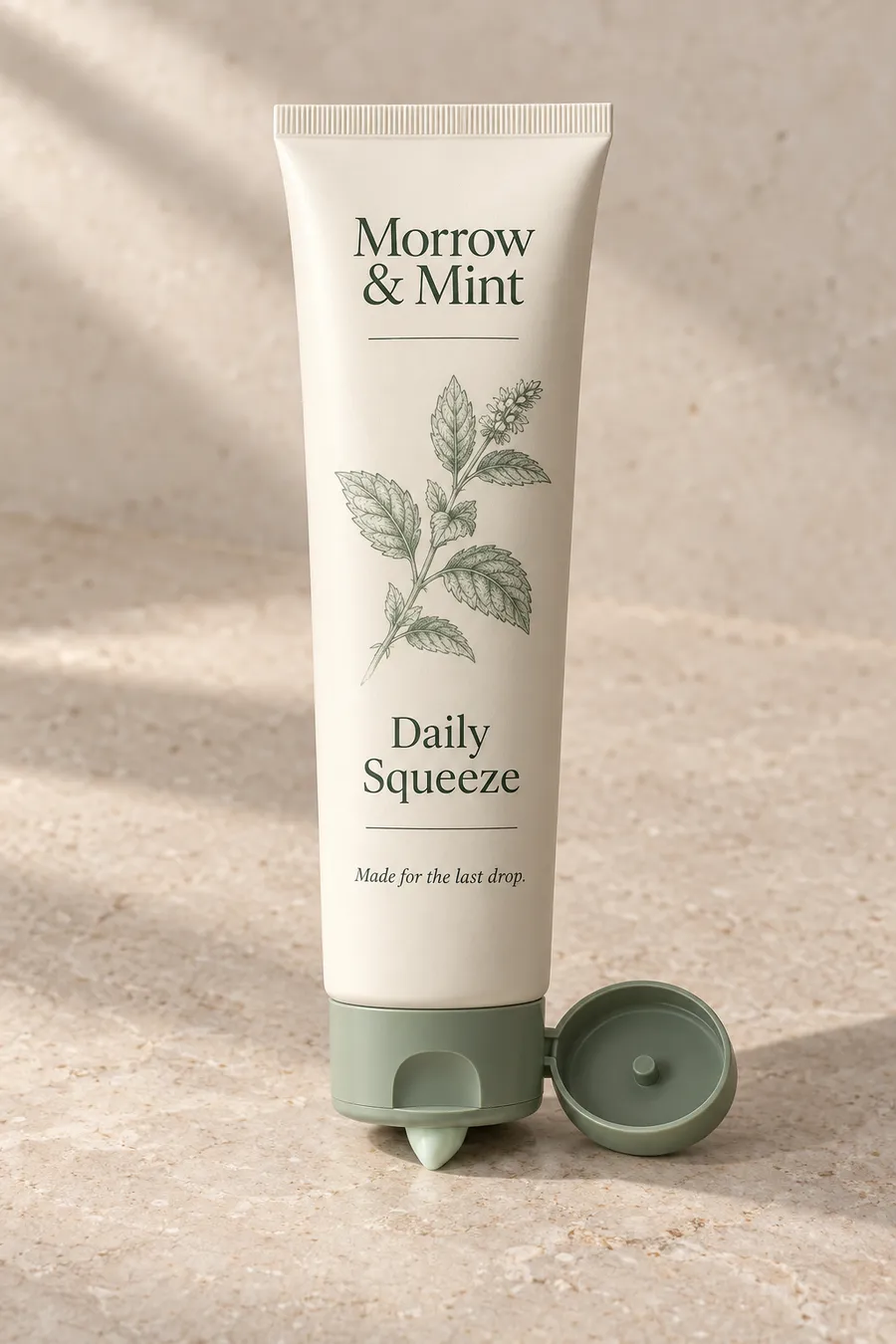
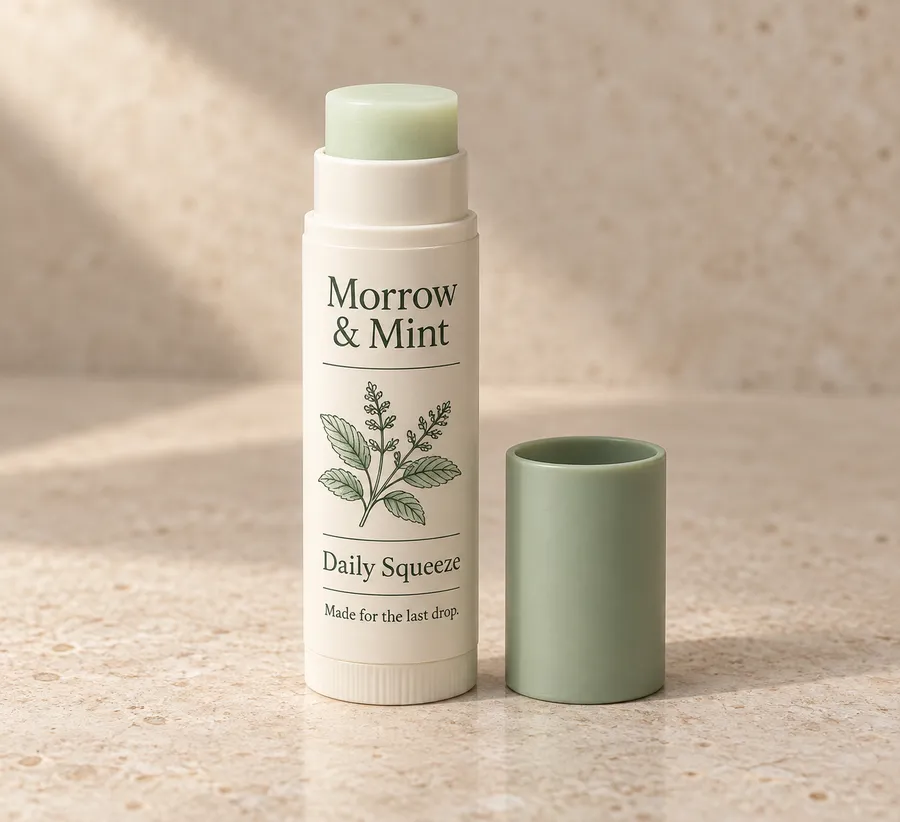
Custom squeeze tube with Morrow & Mint Daily Squeeze print, sage cap, and a small amount of cream at the open nozzle.
Tubes and Jars
Custom tubes packaging gives creams, gels, lotions, balms, sauces, pastes, and similar products a compact primary pack with a printable surface. Choose a squeeze tube when controlled dispensing matters or a jar when a wider opening suits filling and access. Start with formula behavior, fill volume, diameter, closure, print coverage, and handling route before requesting a quote.
Last updated
Working quote
Product brief
Custom tubes packaging can mean a flexible squeeze tube, a wide-mouth jar, or a tube-and-carton presentation built around a real formula. The practical starting point is how the product moves and how the customer reaches it. A thin lotion or gel may call for a smaller dispensing opening, while a thick balm or paste may need a wider passage or a jar opening that makes filling and scooping easier. State the formula class, approximate viscosity, target fill volume, and whether the product is used at a counter, in a travel kit, at an event, or through direct shipping. The material, liner, seal, and closure still need confirmation against the actual formula and market requirements.
The standard fulfillment path starts at 50 units. Production is from 7 business days after digital proof approval, while the final price remains quote-only because the construction, quantity, artwork, finish, and delivery route change the brief. Treat those commercial facts as planning anchors rather than as a promise about an unconfirmed tube or jar construction.
A squeeze tube concentrates the dispensing decision at one end of the pack. Describe the filled height, widest body diameter, shoulder or collar shape, opening size, cap width, orientation, and the amount the customer should reach per use. A flip-top cap may suit frequent one-handed access, a screw cap may suit a deliberate open-and-close routine, and a nozzle may direct a smaller stream. Those are format directions, not universal compatibility claims. The selected opening, seal, liner, and cap should be reviewed with the formula and filling process.
The curved body is also a print surface. Reserve a readable front panel for the product name and identification, then place ingredients, directions, warnings, barcode space, or batch information where the curvature keeps them legible. If the same artwork will be used across 2 fill volumes, review each proportion separately: a change in height or diameter can move the shoulder, seal, cap, and usable print area. Include any outer carton or sleeve so the tube is not specified in isolation.
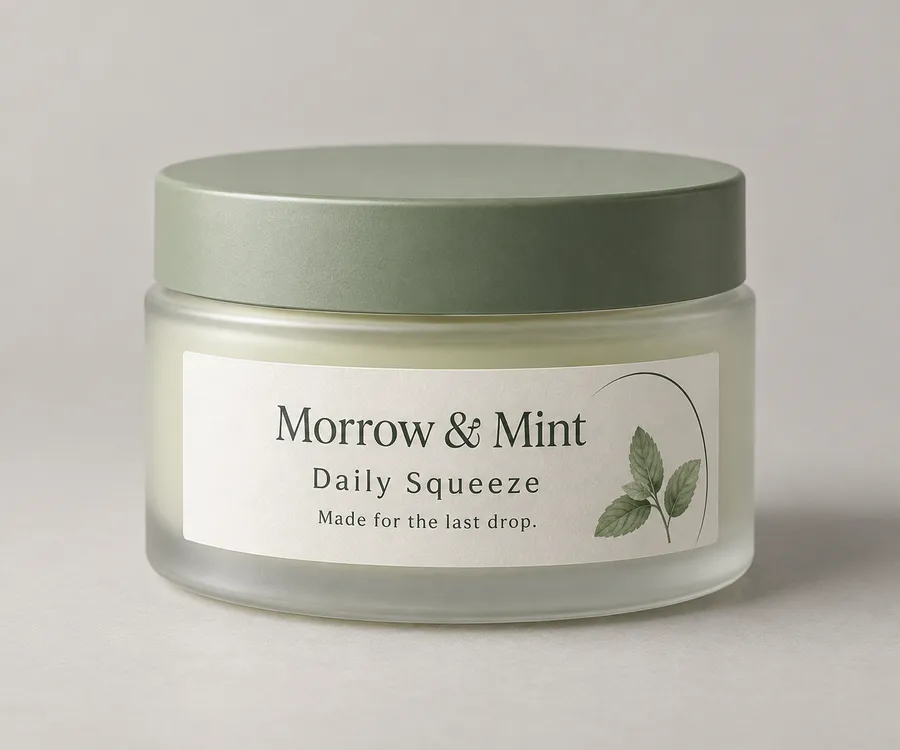
A jar gives a thicker product a wider opening for filling and access. Share the intended fill volume, body diameter, height, lid or closure style, headspace expectations, and whether an inner seal or liner needs to be discussed for the product and market. PET or PP jar material is a category direction, not a blanket declaration for every formula. Confirm the actual resin, seal, closure fit, and handling route before production.
Use the jar's top, side, or lid areas deliberately. A wrap label, direct print, or printed outer carton can carry the identity, while the lid may hold a short mark or opening cue. If a jar will travel in a mailer or retail carton, describe the packed orientation, clearance, and any secondary packaging requirement. Do not assume that a wide-mouth construction, liner, or seal is automatically suitable for a food, cosmetic, pharmacy, wellness, or household formula; that decision belongs in the product-specific review.
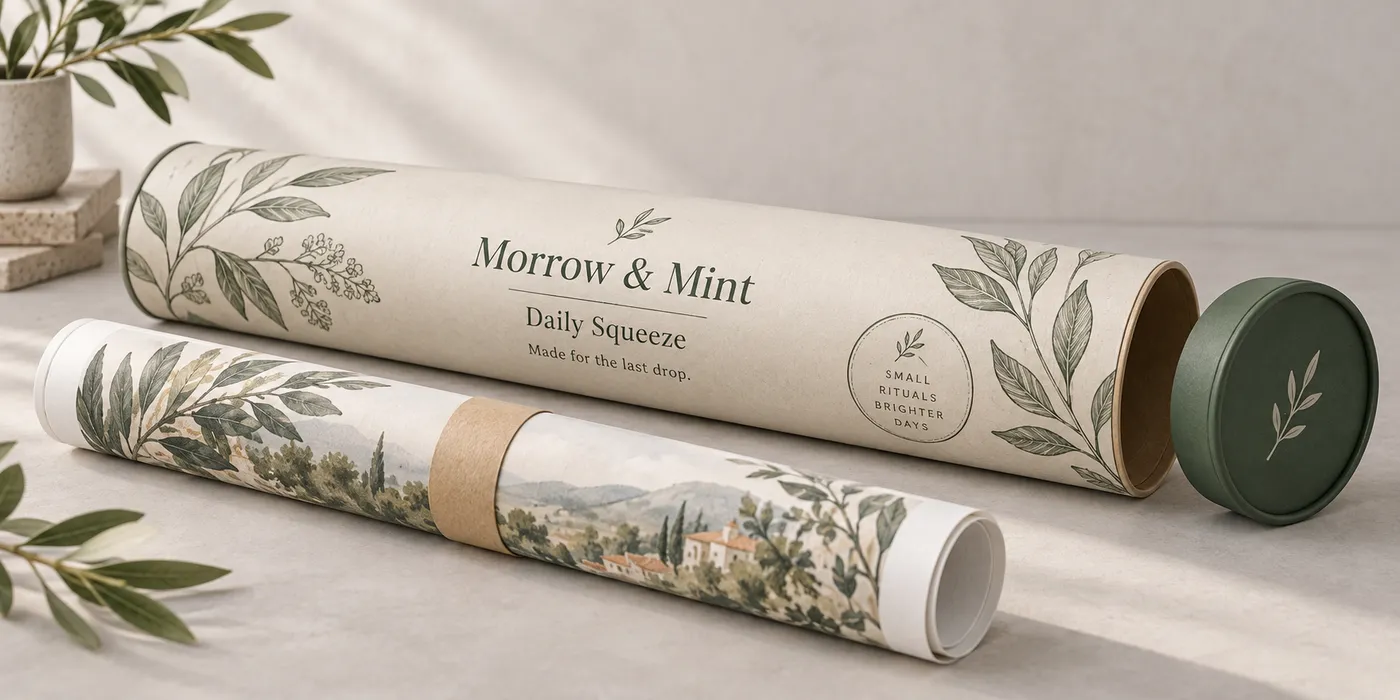
Category material directions include PE or multilayer plastic tube material, aluminum tube, PET or PP jar material, and SBS or kraft paperboard for an outer carton. The right choice depends on formula compatibility, dispensing behavior, fill process, customer handling, and the presentation route. Explain whether the tube or jar should feel soft, rigid, metallic, quiet, or highly graphic, and identify which areas must remain readable after filling and closure.
Matte Lamination and Gloss Lamination can guide the surface character of an outer carton or selected print area. Spot UV can focus contrast on a mark, Foil Stamping can add a defined metallic or pigmented accent, and Embossing/Debossing can add raised or recessed detail. These are finish directions for review, not automatic performance results. Artwork scale, curvature, registration, material, and any contact with a closure should be assessed together.
Send the product name, formula type, target fill volume, filled height and diameter, preferred tube or jar format, opening and cap or lid preference, artwork status, required copy, quantity, and delivery destination. Add whether the pack is intended for retail, travel, hospitality, events, direct-to-customer shipping, or a secondary carton. If the decision is still open between a squeeze tube and wide-mouth jar, state both alternatives so the comparison is explicit rather than hidden in a generic request.
Easy Box Packaging includes free US shipping on the standard fulfillment path, and dieline and proof review is included at no extra charge. Quote requests are typically answered the same business day and always within 24 hours. A sample kit carries a $44.99 USD shipping charge credited toward the first order when you need to compare surface character, cap or lid handling, print contrast, or outer-pack direction in hand. A sample does not confirm formula compatibility or replace the construction review.
Before production, inspect the digital proof at the scale and orientation in which the tube or jar will be handled. Confirm the brand field, product name, required information, print-safe areas, closure position, barcode clearance, and the relationship between the primary pack and any outer carton. For a tube, inspect the shoulder, tail seal, opening, and curved reading direction. For a jar, inspect the lid, side wall, label wrap, and any inner-seal or liner notation that still needs confirmation.
Custom tubes packaging works best when formula behavior, fill geometry, closure, material, print, finish, and shipping context are discussed as one system. Send the target volume, tube or jar preference, dimensions, artwork status, quantity, and delivery route to begin a grounded review.
Proof points
The proof should connect the primary pack to the formula, closure, printed surface, and handling route while keeping unconfirmed construction claims out of the final specification.
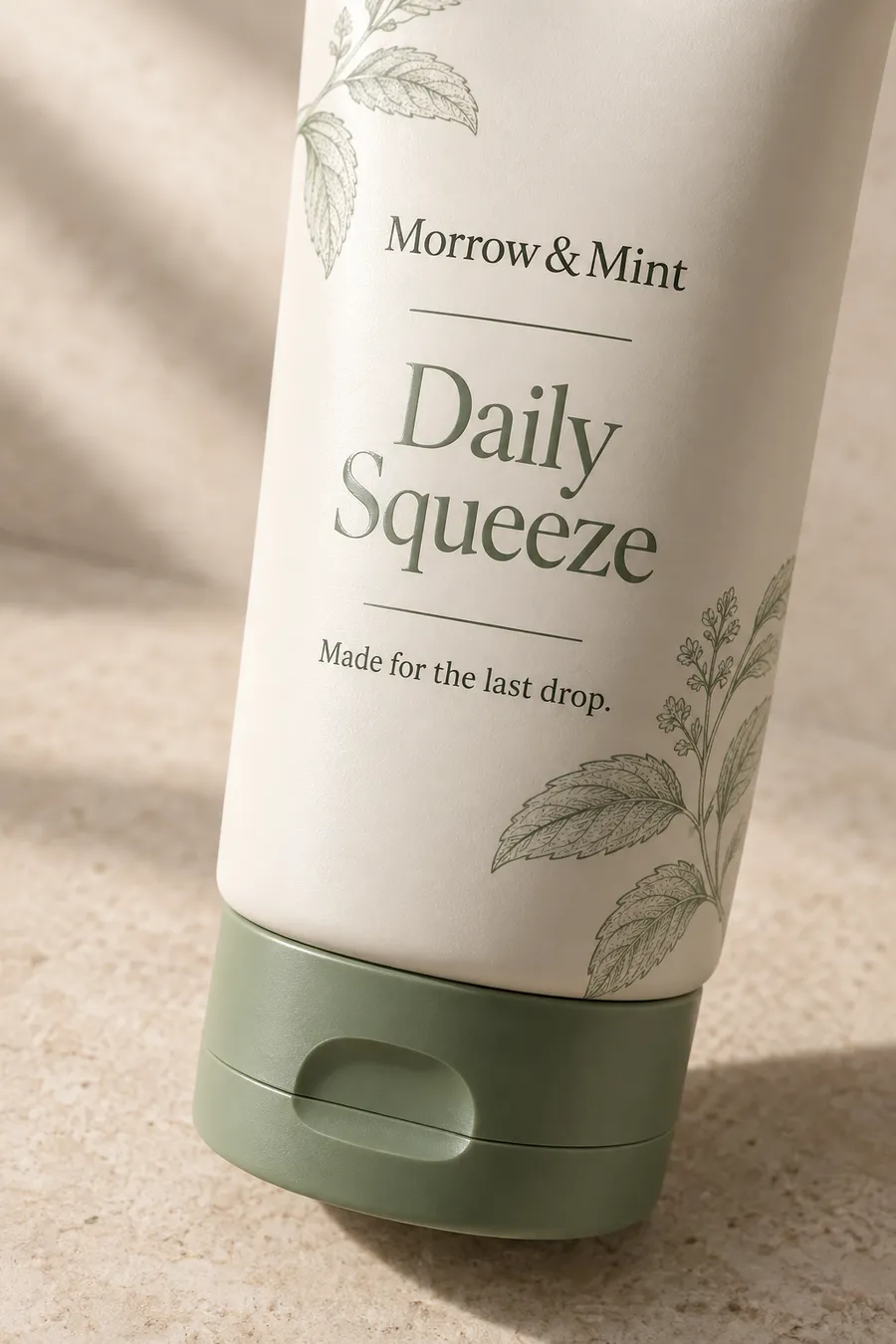
Share the target fill volume, filled height and diameter, formula behavior, tube or jar preference, opening, cap or lid, print area, and handling route. Those inputs keep the recommendation tied to the actual pack instead of an unverified generic construction.
Use a controlled opening for creams, lotions, gels, and balms, or a jar when a wider access pattern suits the formula and routine.
Keep the tube or jar compact and easy to identify for hospitality, events, subscription kits, or trial quantities, with the shipping pack reviewed separately.
Discuss formula, filling process, material, seal, opening, and required labeling together before selecting a squeeze or wide-mouth direction.
Use the primary print panel for clear identification while the closure, dispensing behavior, and handling route are matched to the product routine.
Give the product name and required information a readable hierarchy first, then use a finish direction to focus attention on one defined detail after the substrate and artwork are reviewed.
A clear brief lets the quote address dispensing, access, print, and secondary packaging without assuming a material or closure that has not been confirmed.
Describe whether the product is a thin lotion, gel, cream, balm, paste, sauce, or another consistency, and how often the customer opens or dispenses it.
Provide target volume, filled height, widest diameter, shoulder or collar, opening, cap or lid width, headspace expectations, and intended orientation.
Explain retail display, travel, hospitality, events, direct shipping, label information, outer carton needs, and the quantity being considered.
A useful request describes the formula, filled geometry, access pattern, printed surface, and delivery route together rather than naming only a color or logo.
Send formula class, target fill volume, approximate viscosity, intended use, required information, and any representative sample or reference.
Explain whether controlled squeeze dispensing or wide-mouth filling and access better fit the product, then note opening, cap or lid, orientation, and secondary-pack needs.
Share the brand or customer artwork, product name, required copy, barcode or label space, color direction, artwork status, and finish preference.
Confirm quantity, retail or direct-shipping route, delivery destination, print placement, closure position, and any construction details still needing confirmation.
Need help with structure, materials, or production planning? See how we manufacture custom packaging.
Ask about a sample kit when you need to compare tube or jar surface, cap or lid handling, print contrast, and outer-pack direction. The $44.99 shipping charge is credited toward the first order; a sample does not replace formula compatibility or final fit review.
Shipping charge: $44.99. Credited toward your first order.
Request a Sample KitFind clear answers about fit, materials, and ordering below.
The category covers compact primary-pack directions such as squeeze tubes and wide-mouth jars, with optional printed surfaces or an outer carton. The final material, opening, cap or lid, liner, seal, and print specification are confirmed around the formula and use case.
Choose a squeeze tube when controlled dispensing and a compact flexible format fit the product. Choose a jar when a wider opening helps filling and access. Formula behavior, fill volume, opening preference, and handling route should be reviewed together.
Share the formula class, target fill volume, filled height, widest diameter, shoulder or collar, opening, cap or lid, orientation, headspace expectations, required copy, and any outer carton or shipping-pack dimensions.
Material directions include PE or multilayer plastic tube, aluminum tube, PET or PP jar, and SBS or kraft paperboard for an outer carton. Finish directions include Matte Lamination, Gloss Lamination, Spot UV, Foil Stamping, and Embossing/Debossing, subject to review.
The standard evidence confirms a minimum order of 50 units and production from 7 business days after digital proof approval. Final timing depends on the confirmed construction, artwork, quantity, and delivery route.
Your final unit price is confirmed in a quote because the tube or jar format, material, closure, print coverage, finish, quantity, and delivery route define the final specification. Send those inputs for a product-specific review.
Orders start at 50 units and scale up to 500,000 for bulk runs, with pricing from $0.15 per unit on larger quantities. Standard production is from 7 business days after digital proof approval.
Compare nearby products and request the format that best fits your next run.
Available product
Available product
Available product
Available product
Custom tubes packaging quote
Send the product type, target volume, tube or jar preference, filled geometry, closure, artwork status, quantity, and delivery route. Easy Box Packaging can then review the primary pack, print surface, and any outer carton direction as one quote-ready brief.
Add your product details to see a quote summary.