Retail multi-ampoule sets
Insert trays holding a full treatment course of vials in one folding carton.

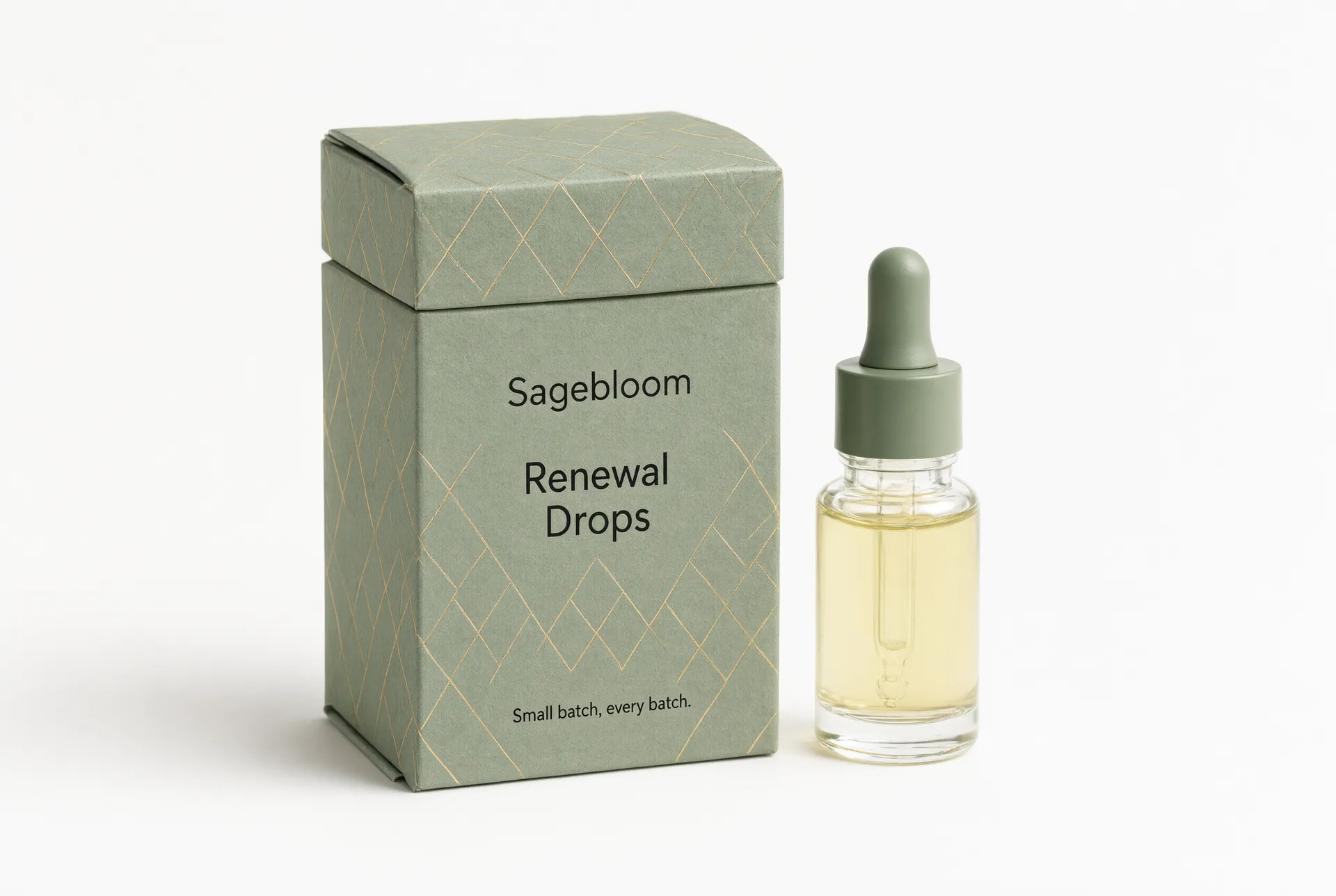
Primary product view
Custom Cosmetic Boxes
Peptide packaging solutions here mean a die-cut insert tray that holds individual glass ampoules or vials apart from each other inside one outer carton, sized to the actual vial count, diameter, and height supplied rather than a generic multi-pack template. Available in a folding carton outer for retail volume or a rigid two-piece outer for a premium single-treatment kit.
Last updated
Working quote
Product brief
A peptide line sold as single-dose ampoules or small vials has a different packing problem than a single jar or bottle: several small glass units need to sit apart from each other inside one outer carton, since glass-on-glass contact during transit is what actually causes chipped rims and cracked necks. The number of vials, their diameter, and their height set the insert-tray layout, not a generic multi-pack template.
A die-cut SBS paperboard insert tray with individual cavities is the standard way to hold multiple ampoules upright and apart inside the outer box. Divider walls between cavities keep each vial's body clear of its neighbors; a base platform inside the tray keeps the vial bases off the outer carton floor. The tray's cavity count and spacing follow directly from the ampoule count and diameter supplied — a 5-vial layout and a 10-vial layout need genuinely different tray dies, not a scaled version of the same one.
A folding carton suits a standard retail set at volume; a rigid two-piece box adds a heavier hand feel for a premium single-treatment kit sold at a higher per-unit price. Both accept the same die-cut insert-tray approach, so the choice mainly comes down to presentation tier and order volume rather than the tray engineering itself.
Retail multi-ampoule treatment sets, single-treatment sample kits, subscription-box inclusion where a smaller tray slots into a larger monthly box, and professional/spa back-bar packs ordered in bulk all use this same insert-tray approach, scaled to the vial count and outer format each case calls for.
A useful quote brief keeps the packaging decision tied to the product rather than to a generic stock format. Confirm the filled product or set contents, the orientation in which they should sit, the clearance needed for packing, and the way the package will be handled after it leaves the production line. Those details determine whether the structure already described in this page is the right starting point or whether the same visual direction needs a different insert, closure, or panel arrangement. The current specification brief records Material: SBS paperboard; Construction: Folding carton outer, or rigid two-piece outer box; Common finish: Foil stamping, spot UV, or matte lamination; Internal support: Die-cut multi-cavity insert tray with divider walls between individual vials.
The outer carton carries most of the branding, since the insert tray itself is typically left unprinted. The proof stage is where the dieline, copy, artwork, print coverage, and finish are checked together. It is also the point to confirm that any window, divider, riser, sleeve, or closure shown in the brief matches the real product rather than an assumed size. Sharing the ampoule's actual diameter, height, and set size before production reduces the chance of a loose-fitting tray after the dieline is cut. Send the product dimensions or a representative sample, the expected quantity, the preferred material direction, and the artwork status so the review can stay specific.
Retail multi-ampoule sets: Insert trays holding a full treatment course of vials in one folding carton. Single-treatment sample kits: A smaller tray sized for one or two ampoules, often paired with a sample program. Subscription box inclusion: A compact tray sized to slot into a larger monthly box. The best choice is the one that balances the opening experience, protection, print area, storage, and shipping context for this particular order. If the product line includes more than one size, treat each size as its own dieline review instead of assuming that one unverified dimension can be carried across the range.
The current brief records 50 units as a supported planning detail. The current brief records From 7 business days as a supported planning detail. The current brief records $19.99, credited toward your first order as a supported planning detail.
Proof points
Insert-tray cavities and outer construction work together so individual ampoules travel separated from each other.
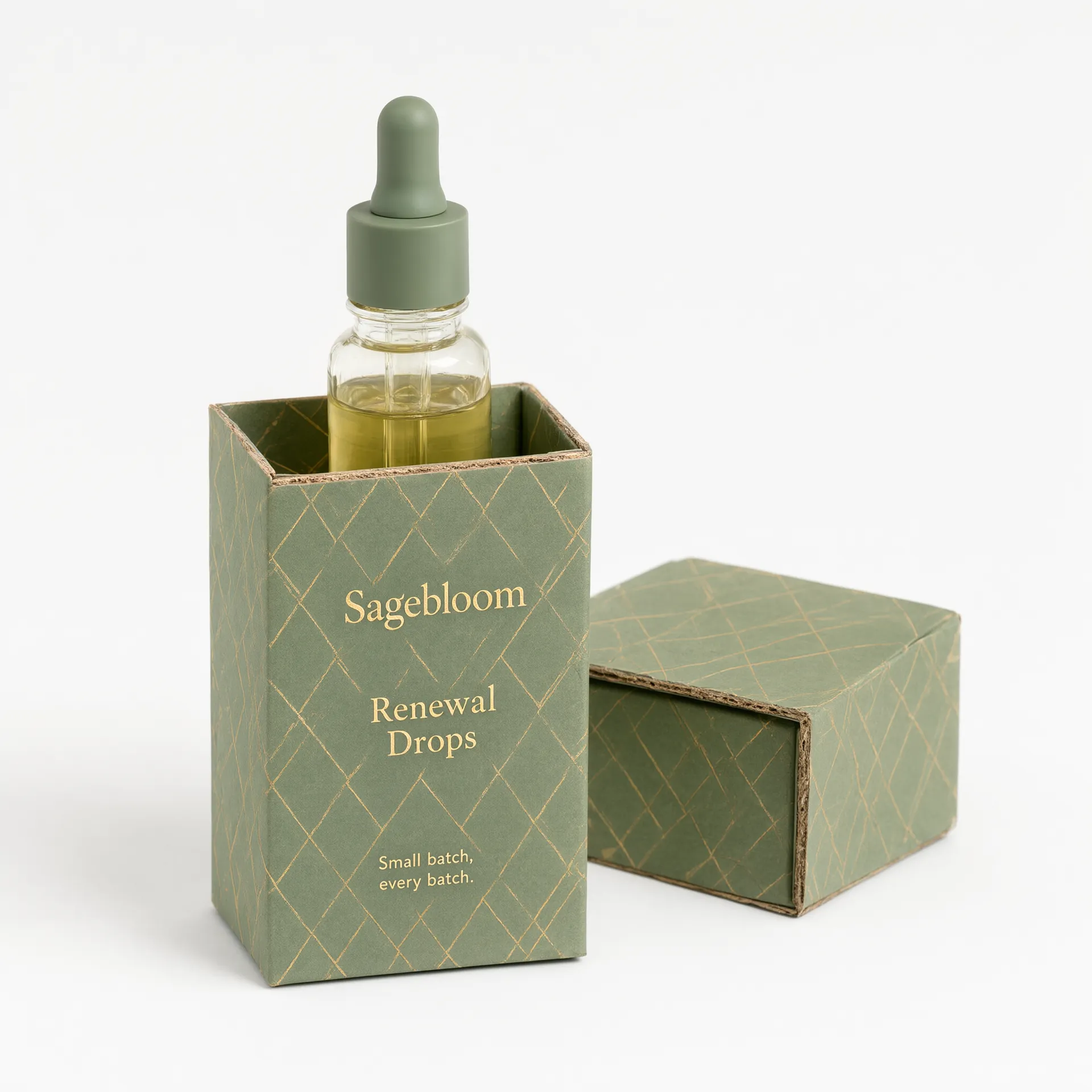
Send the ampoule diameter, height, and how many ship per box, and the insert tray's cavity layout is cut to match — keeping vials apart from each other inside the outer carton.
Insert trays holding a full treatment course of vials in one folding carton.
A smaller tray sized for one or two ampoules, often paired with a sample program.
A compact tray sized to slot into a larger monthly box.
Larger cavity counts for bulk ordering by treatment providers.
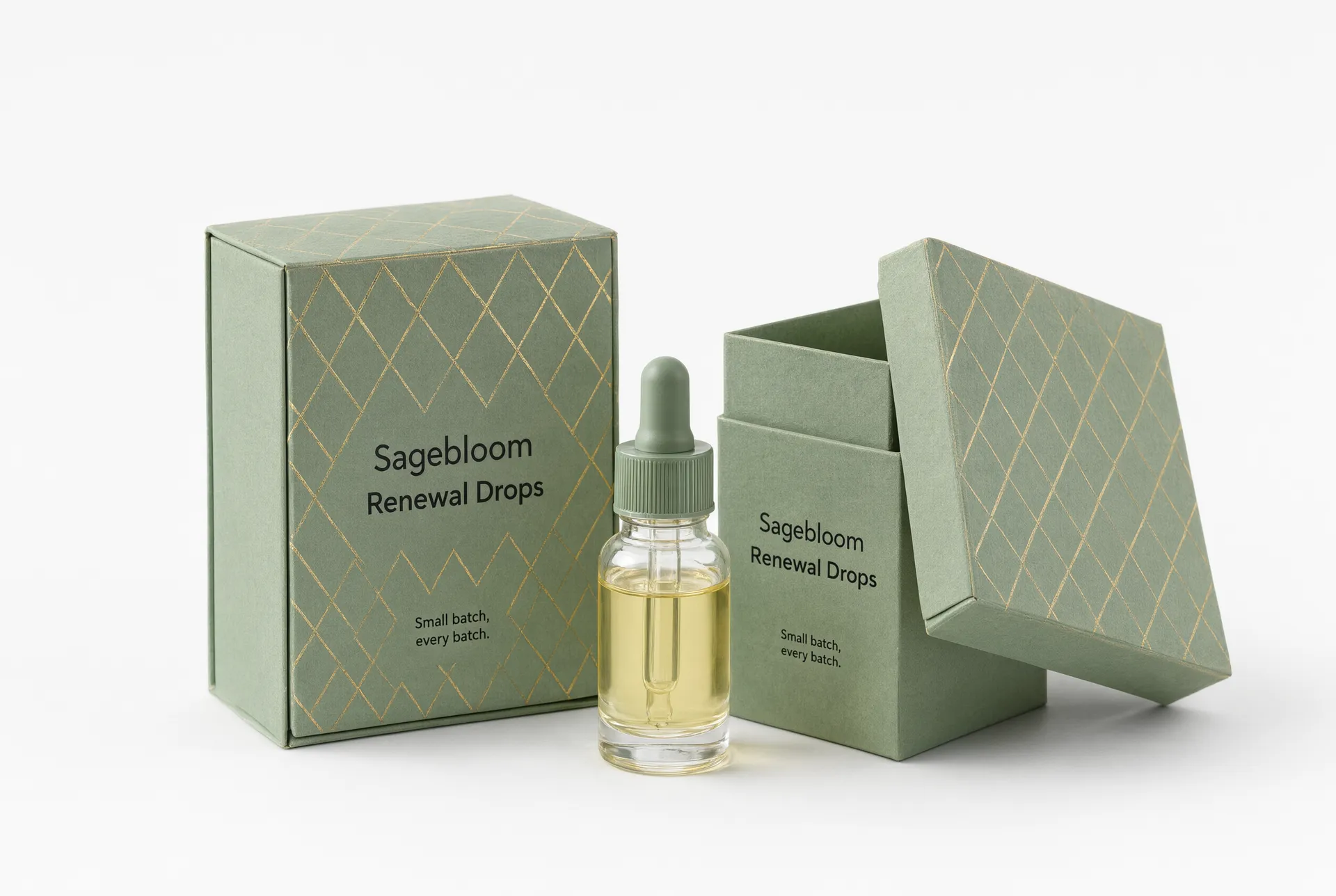
The outer carton carries most of the branding, since the insert tray itself is typically left unprinted.
A short set of facts about the vials and the set size points toward the right insert-tray design.
These set each cavity's dimensions in the insert tray.
Cavity count follows the actual number shipped per box.
Rigid outer box for a premium single-treatment kit, folding carton for retail volume.
Sharing the ampoule's actual diameter, height, and set size before production reduces the chance of a loose-fitting tray after the dieline is cut.
Diameter and height of the ampoule, and how many ship per box.
Folding carton or rigid two-piece box, based on volume and presentation goals.
Confirm cavity spacing before committing to the tray die.
Sign off on the final proof, then production begins.
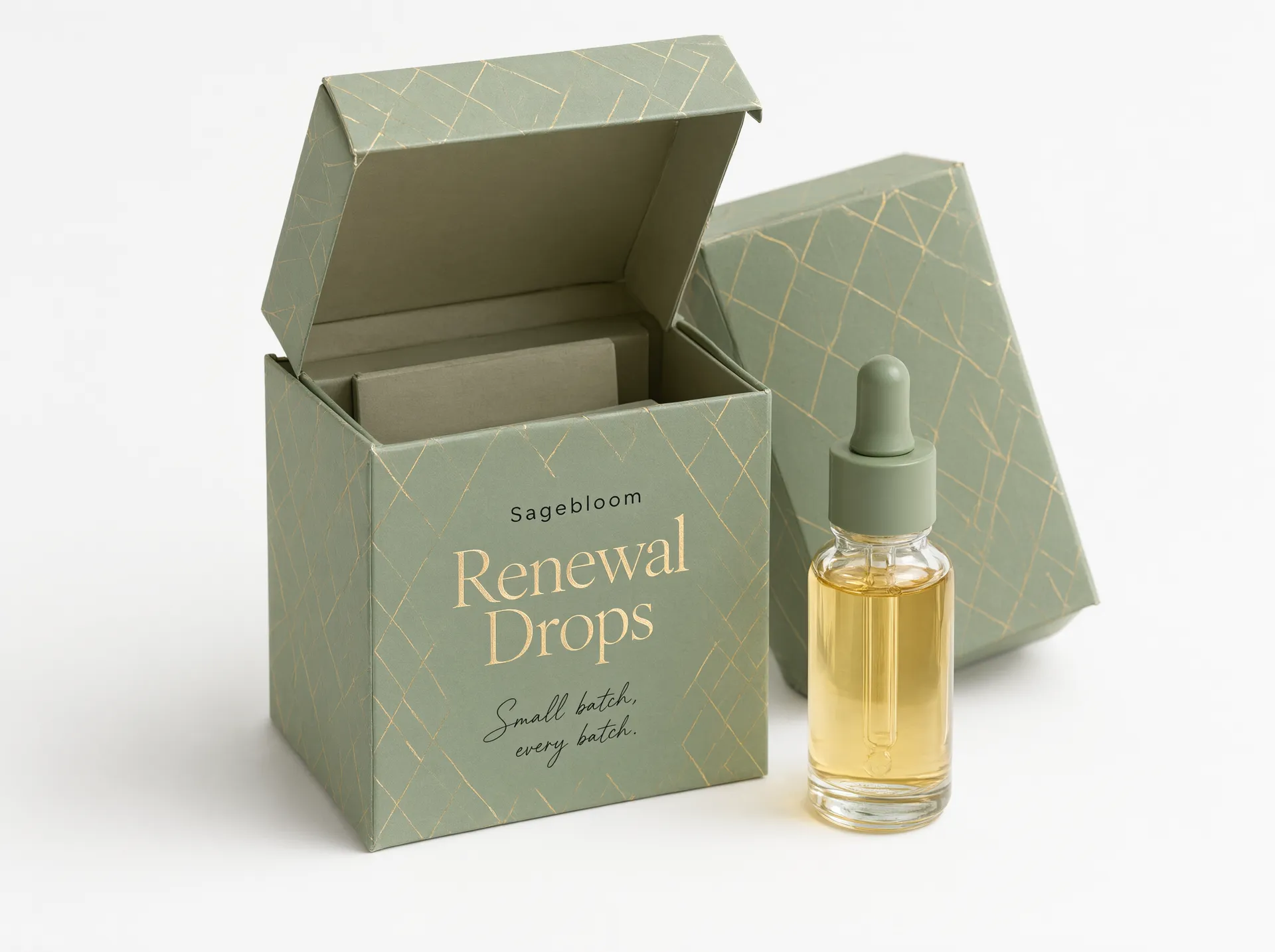
Check cavity spacing and outer-carton finish on an actual sample set before ordering at volume.
Shipping charge: $19.99. Credited toward your first order.
Request a Sample KitCustomer reviews
Category-wide customer review
We’re pleased with our custom packaging order from Easy Box Packaging. The boxes suit our products well, and we’d be happy to order again.
Category-wide customer review
Our bakery items look lovely in these bakery boxes. The packaging is simple to use and makes each order feel well presented.
Category-wide customer review
What I liked most was being able to get custom boxes made to our measurements. They fit our products well and give them a professional look.
Category-wide customer review
We were looking for printed packaging that would make our products look more polished. Really happy with how these custom boxes came out.
Category-wide customer review
The printed boxes look good both in photos and in person. They’ve made our product packaging feel more consistent and professional.
Category-wide customer review
Our products sit nicely inside the custom cardboard boxes, and the packaging is easy for our team to put together. A good result for our order.
Find clear answers about fit, materials, and ordering below.
Divider walls in the die-cut insert tray keep individual vials apart from each other, which reduces glass-on-glass contact compared with an unpartitioned box; the actual clearance depends on the vial diameter and set size supplied.
No — cavity count and spacing follow the specific vial count and diameter, so a 5-vial and a 10-vial set need separate tray dies rather than one design scaled up or down.
Not necessarily. A folding carton outer works for standard retail volume; a rigid outer box mainly suits a premium single-treatment kit sold at a higher per-unit price.
Usually no — the outer carton carries the branding, and the insert tray itself is typically left unprinted since it isn't the customer-facing surface.
Compare nearby products and request the format that best fits your next run.
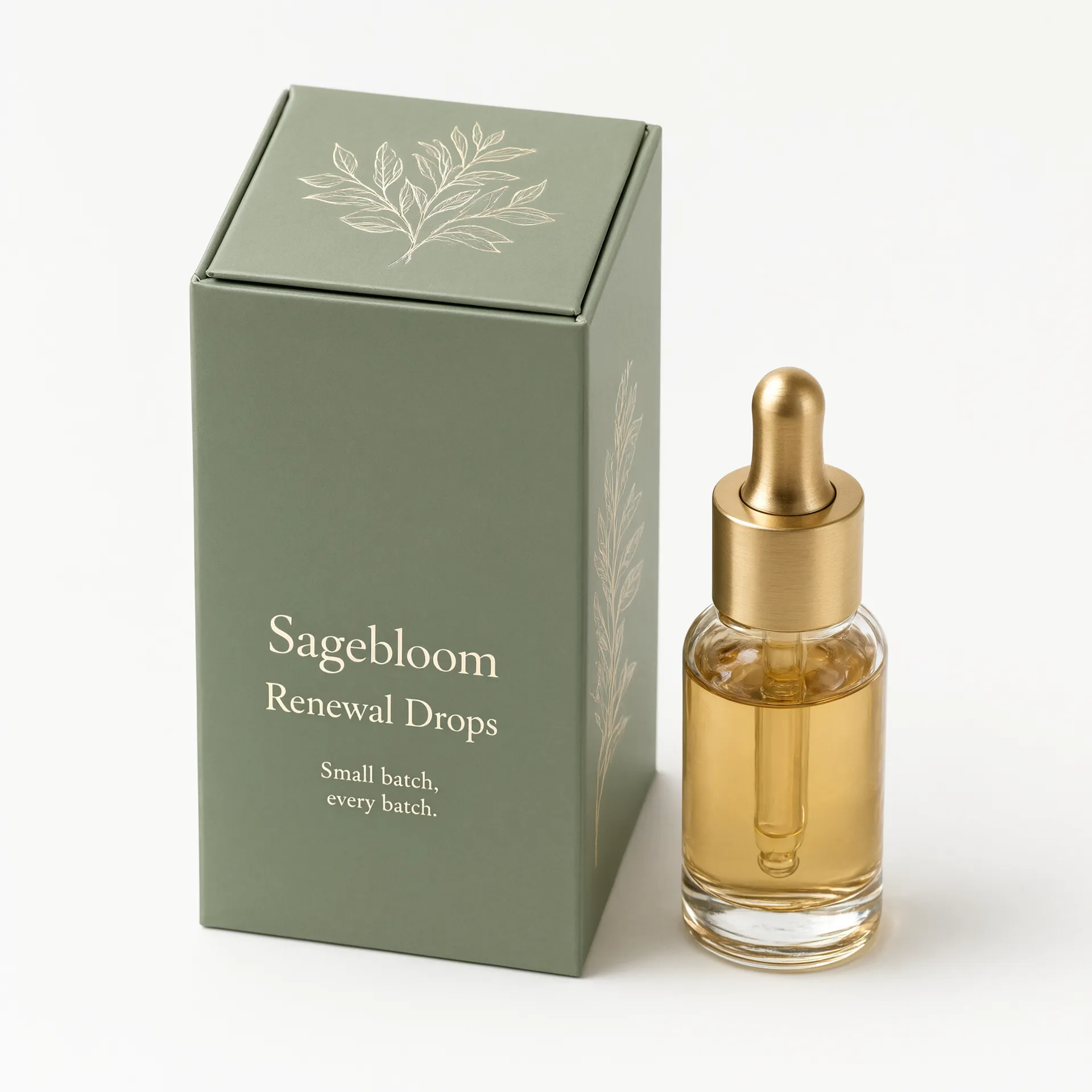
Available product
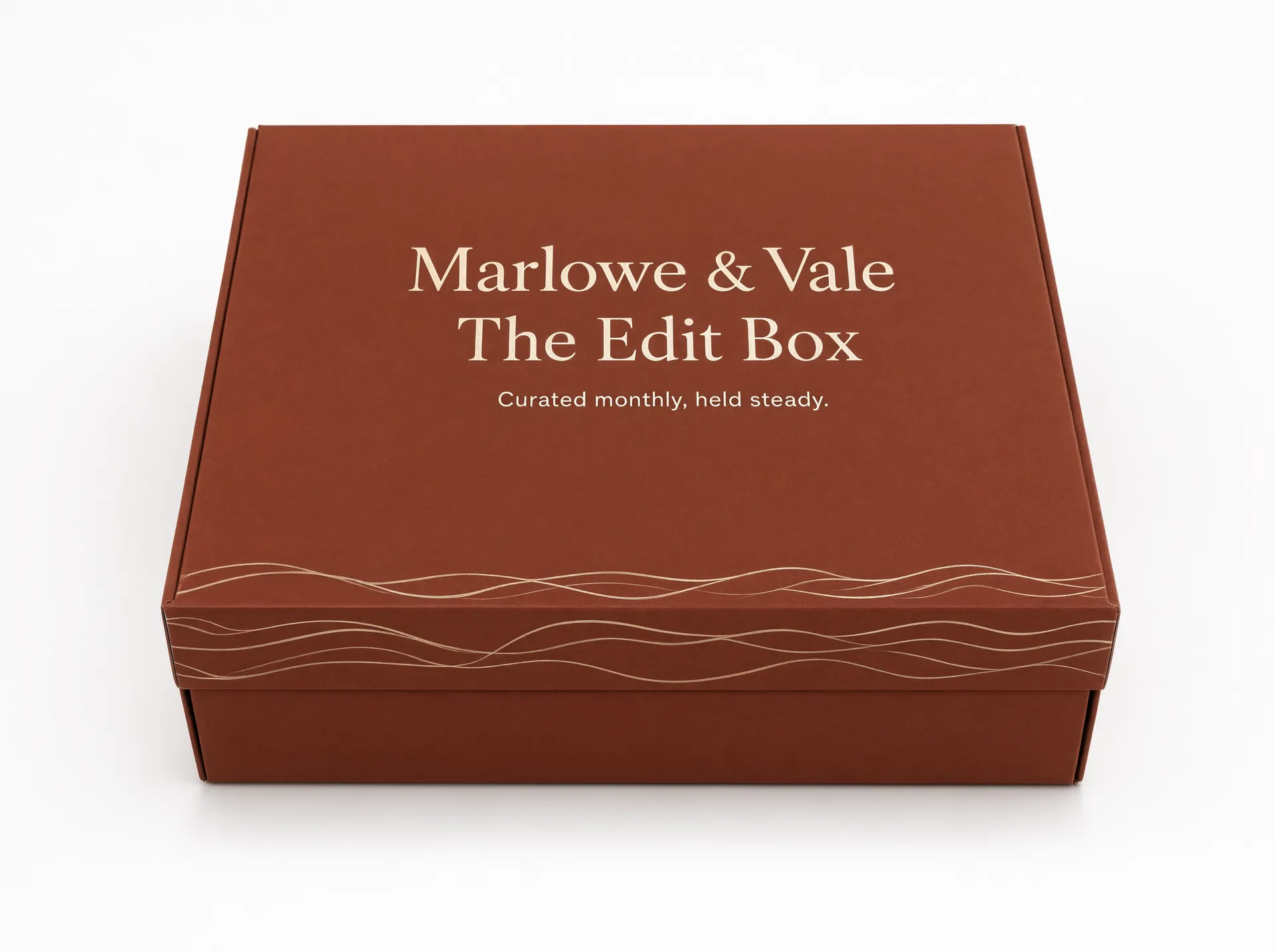
Available product
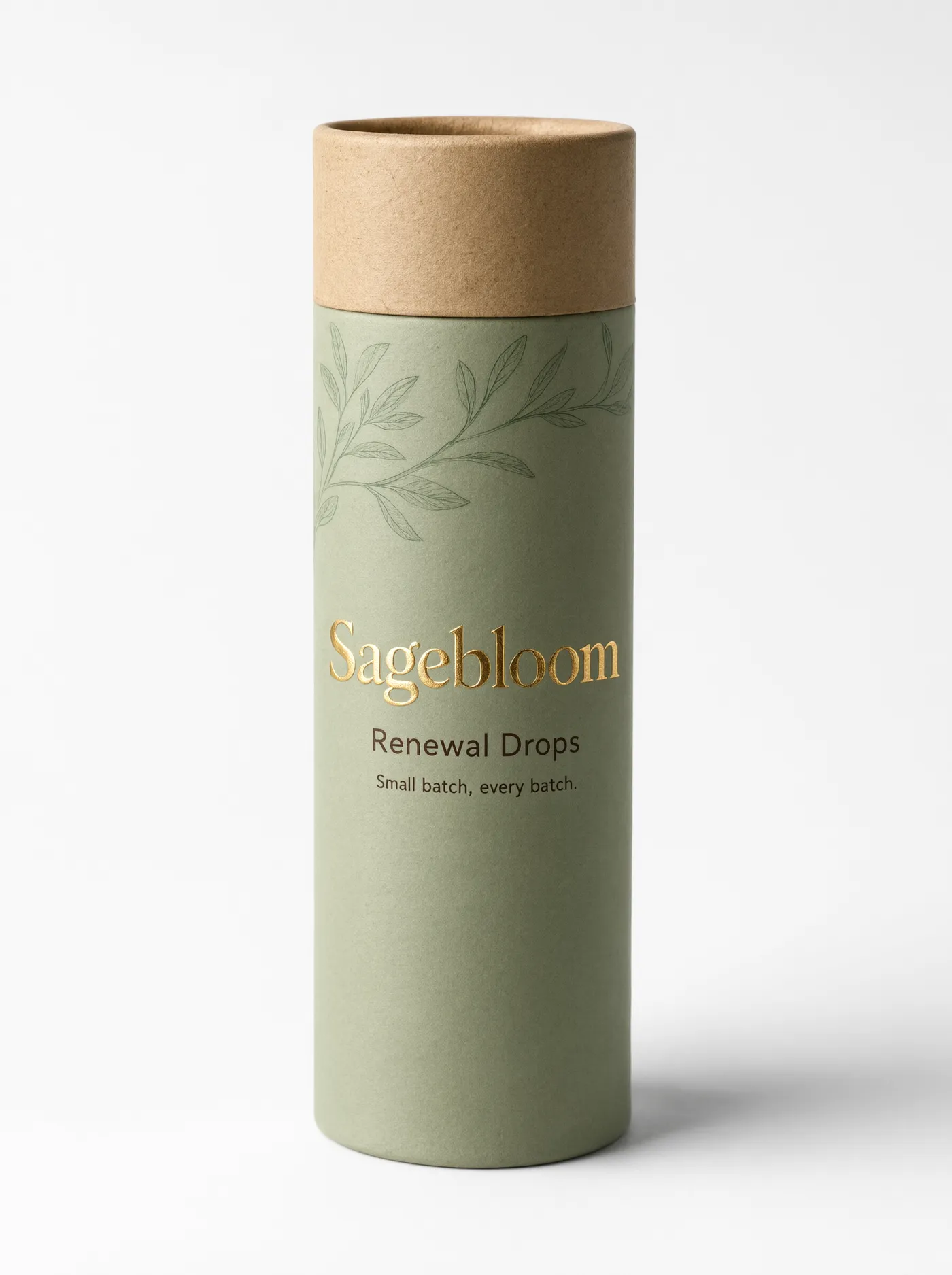
Available product
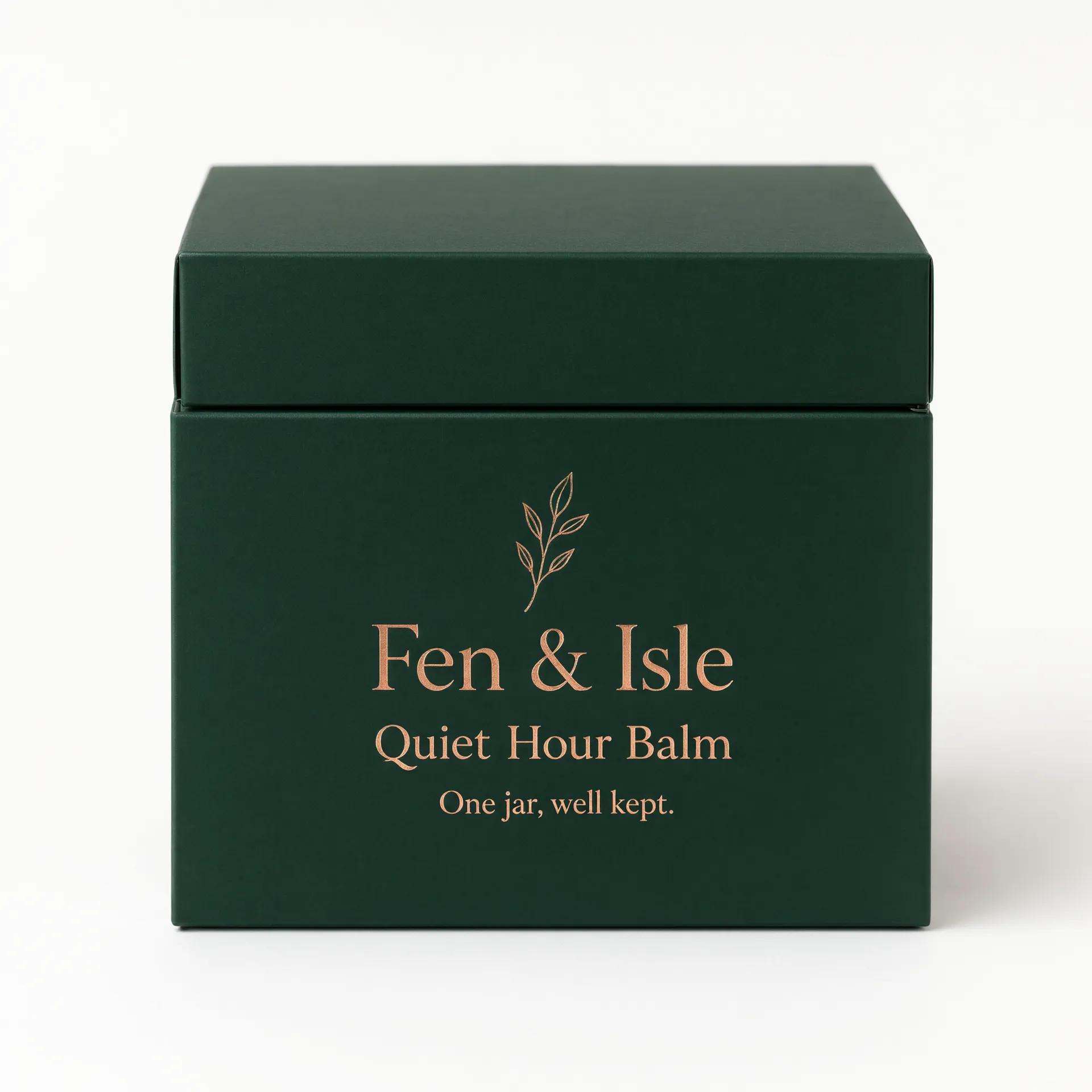
Available product
Start with the vial
Send vial diameter, height, and set size for a quote scoped to your product.
Add your product details to see a quote summary.