Retail shelf skincare
Folding cartons for drugstore or beauty-retailer shelf placement.

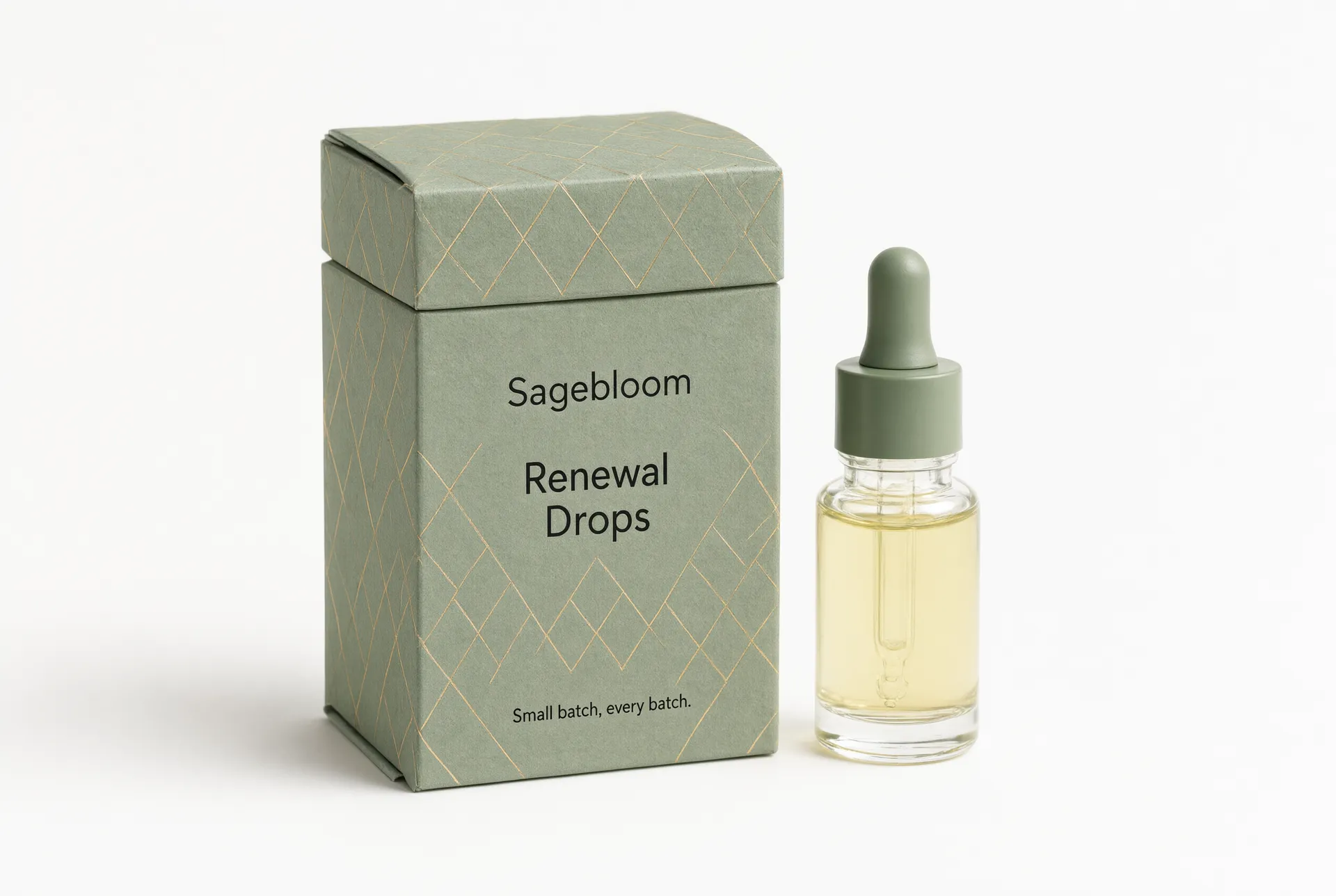
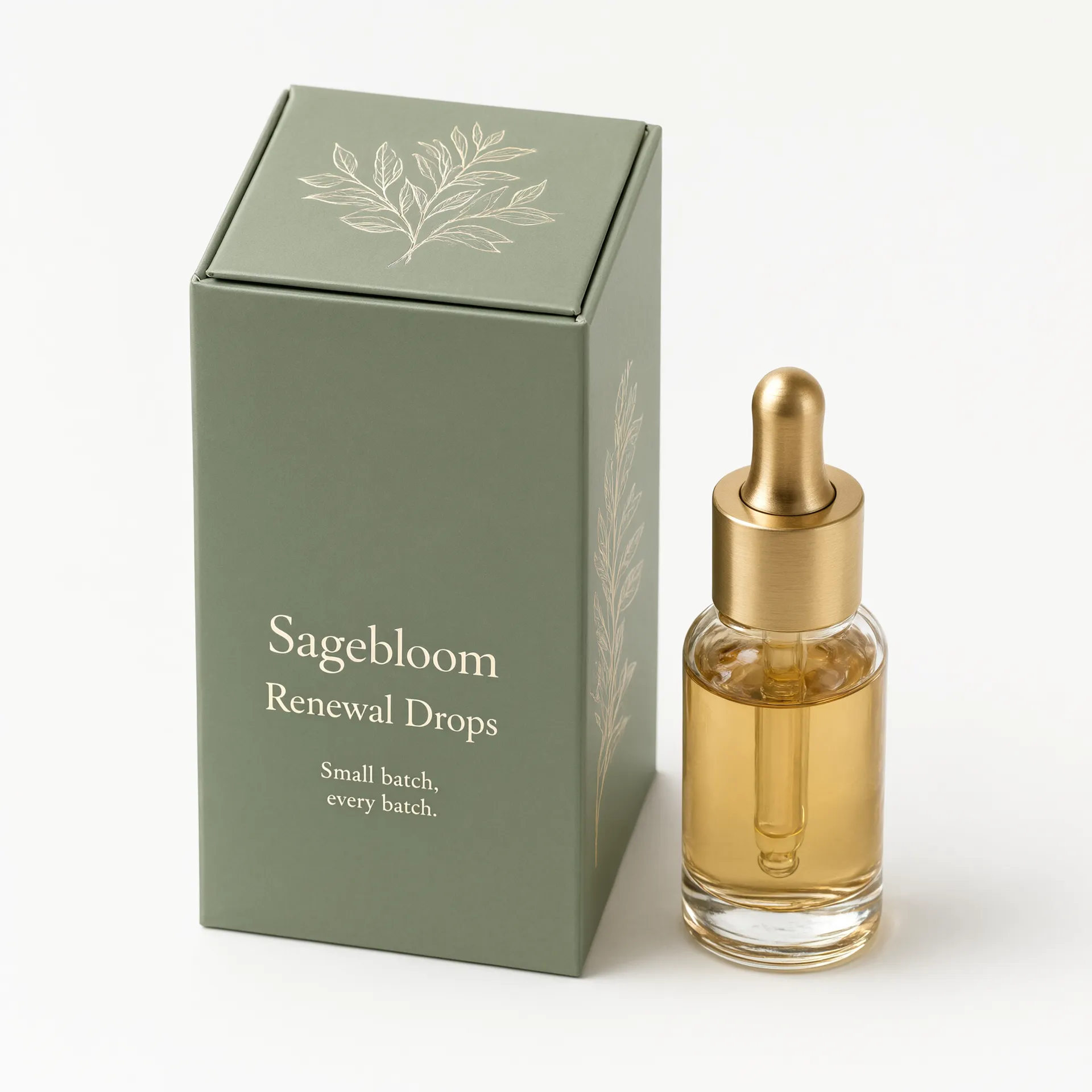
Closed rigid two-piece sage-green serum box with a gold foil diamond pattern, standing beside a glass dropper bottle
Custom Cosmetic Boxes
Serum boxes protect one of the more failure-prone items in cosmetic packaging: a glass dropper bottle whose height, base diameter, and cap width vary from one skincare brand to the next. A box cut around a different bottle's dimensions tends to leave the bottle rattling loose or make the lid hard to close. Easy Box builds each serum box around the actual bottle being packed, in either a rigid two-piece base-and-lid construction for a heavier, gift-tier unboxing feel, or a folding SBS paperboard carton for higher-volume retail lines, with foil stamping or embossing to carry a premium finish.
Last updated
Working quote
Product brief
A serum box exists to solve one problem: keeping a glass dropper bottle from moving during transit and handling, without hiding the product behind an unfamiliar shape. Bottle height, base diameter, and dropper cap width vary meaningfully across brands, so a box cut around a different bottle's dimensions tends to leave the bottle rattling loose or make the box difficult to close cleanly. Most people notice this the moment they lift a lid and hear something shift inside, a small thing, but it changes how a premium serum feels the moment before it's actually used.
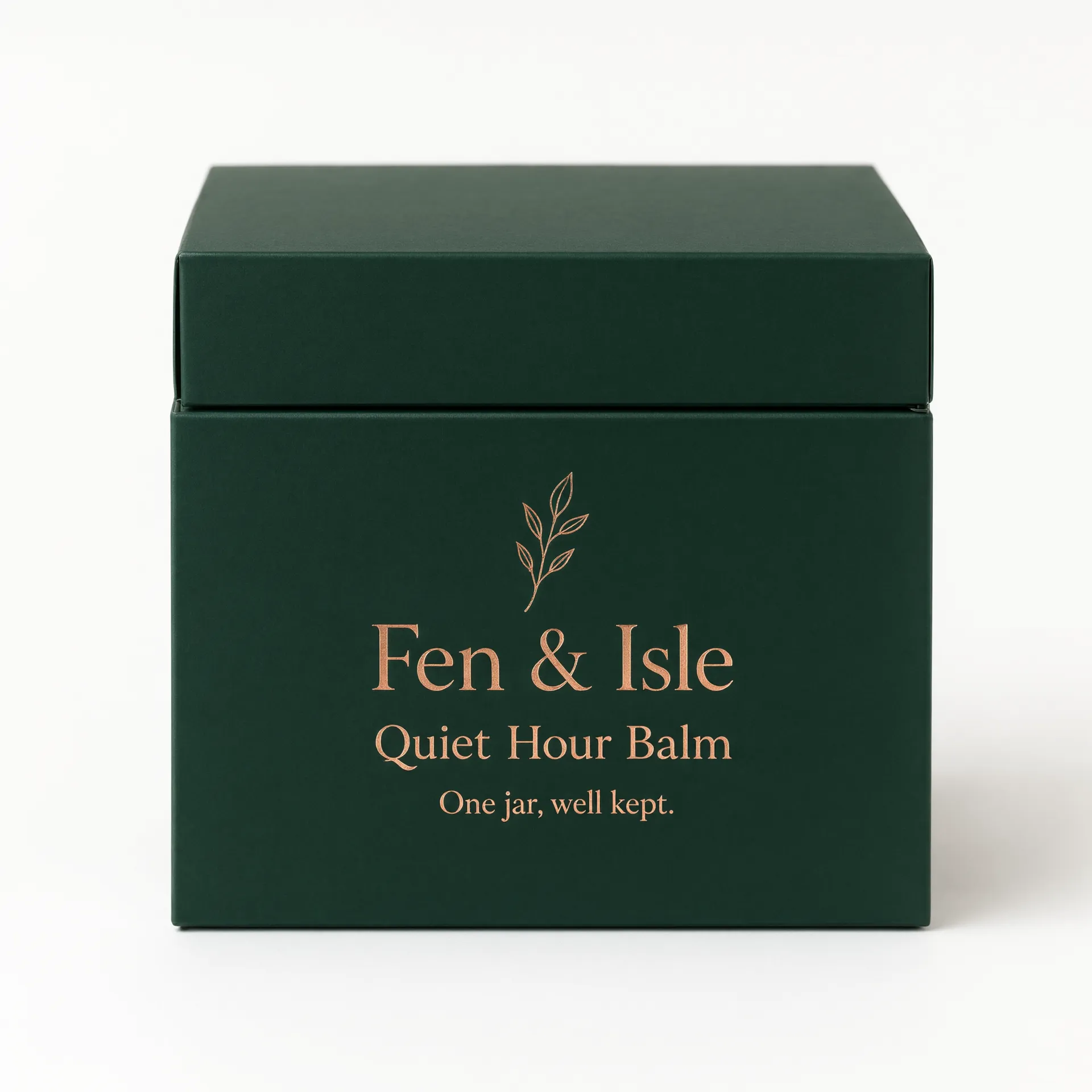
A rigid two-piece base-and-lid box gives a heavier, more deliberate unboxing moment and creates a gift-tier presentation, the kind of weight a customer notices before they've even opened it. A folding carton in SBS paperboard costs less to produce and ships flatter before assembly, which fits higher-volume retail lines where per-unit cost outweighs the unboxing weight. Rigid construction can suit boutique shelves and gift-tier presentations; folding cartons can be appropriate for drugstore aisles, subscription-box inserts, and mass-retail skincare lines, where speed and shelf density matter more than the extra weight in hand. In either construction, a die-cut riser or tab-locked flap built into the base is the first line of internal support; a separate insert is added only when the bottle's weight or shape calls for more than that base structure provides.
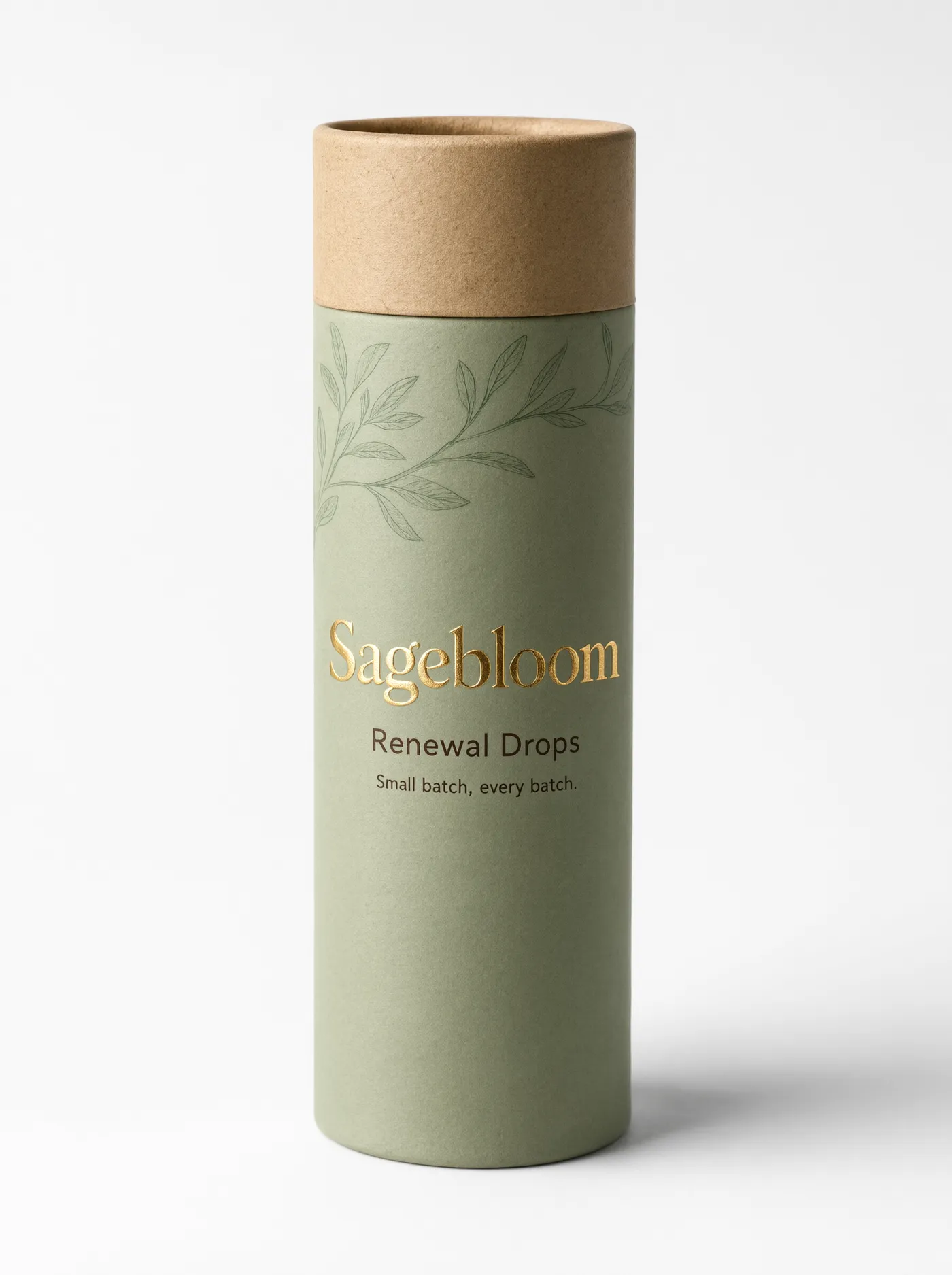
A light or kraft base with a single accent color, then foil stamping or embossing to carry the brand signal instead of dense photography or pattern work, is a common approach in this category. Foil stamping can highlight fine line weights well suited to a logo mark, subject to artwork review, while embossing adds a tactile cue that photographs well for an e-commerce listing, board choice and embossing depth should be reviewed together. One or two finish techniques are usually enough for dropper bottle packaging in this category to read as considered rather than busy.
Those same bottle measurements set the internal cavity for any given serum box. Choosing a visible window instead of a fully enclosed box changes the cut as well, and for a rigid build, adds a matching window die-cut to the wrap paper. Confirming these details against the real bottle before production means the first proof is close to the final run, instead of surfacing a fit problem after tooling is already cut. It's a short conversation that can save a reprint later.
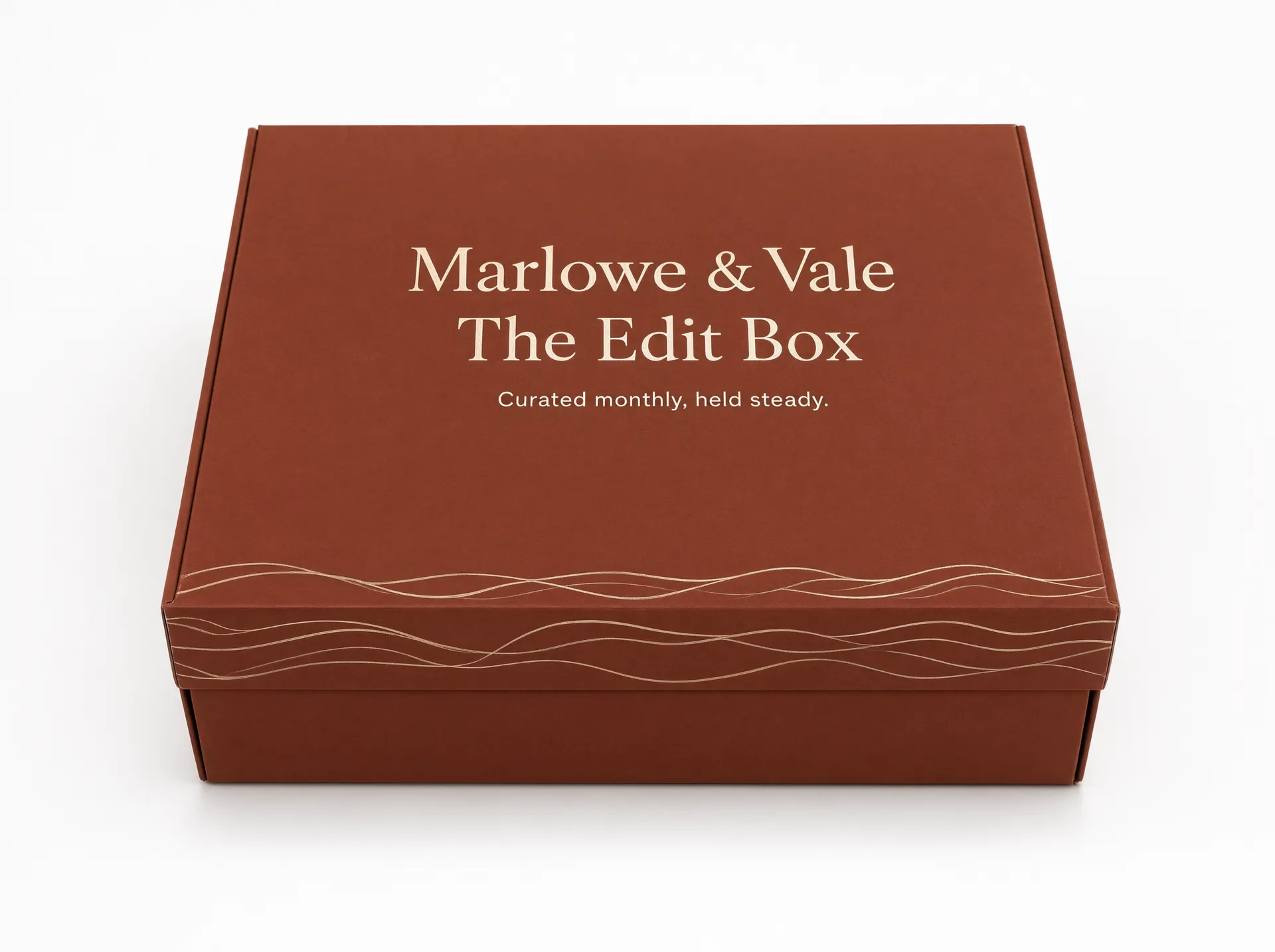
Skincare box packaging in this format shows up everywhere from mass retail to boutique gifting: a folding carton built for drugstore shelf placement, a rigid two-piece box for a gift-tier serum line, a compact carton sized to slot inside a larger subscription box, or a scaled-down version of the same box style for a travel or sample-size bottle. The right call usually comes down to two things, how the box needs to look in someone's hand, and how many units are moving through a warehouse at once.
A useful quote brief keeps the packaging decision tied to the product rather than to a generic stock format. Confirm the filled product or set contents, the orientation in which they should sit, the clearance needed for packing, and the way the package will be handled after it leaves the production line. Those details determine whether the structure already described in this page is the right starting point or whether the same visual direction needs a different insert, closure, or panel arrangement. The current specification brief records Material: SBS paperboard or chipboard-wrapped rigid stock; Construction: Rigid two-piece base-and-lid, or folding carton; Common finish: Foil stamping, embossing, or matte lamination; Internal support: Die-cut riser or tab-lock flap built into the base; a separate insert added for bottles whose weight or shape calls for extra support.
Most serum branding leans on one or two finish techniques rather than dense full-color coverage. The proof stage is where the dieline, copy, artwork, print coverage, and finish are checked together. It is also the point to confirm that any window, divider, riser, sleeve, or closure shown in the brief matches the real product rather than an assumed size. Sharing the bottle's real measurements before production reduces the chance of a fit issue turning up after the dieline is already cut. Send the product dimensions or a representative sample, the expected quantity, the preferred material direction, and the artwork status so the review can stay specific.
Retail shelf skincare: Folding cartons for drugstore or beauty-retailer shelf placement. Boutique and gift-tier serums: Rigid two-piece construction for a heavier unboxing experience. Subscription box inclusion: Compact folding cartons sized to fit inside a larger monthly box. The best choice is the one that balances the opening experience, protection, print area, storage, and shipping context for this particular order. If the product line includes more than one size, treat each size as its own dieline review instead of assuming that one unverified dimension can be carried across the range.
The current brief records 50 units as a supported planning detail. The current brief records From 7 business days as a supported planning detail. The current brief records $44.99, credited toward your first order as a supported planning detail.
Proof points
Internal support and outer construction work together so the bottle stays in place from the production line to the customer's counter.
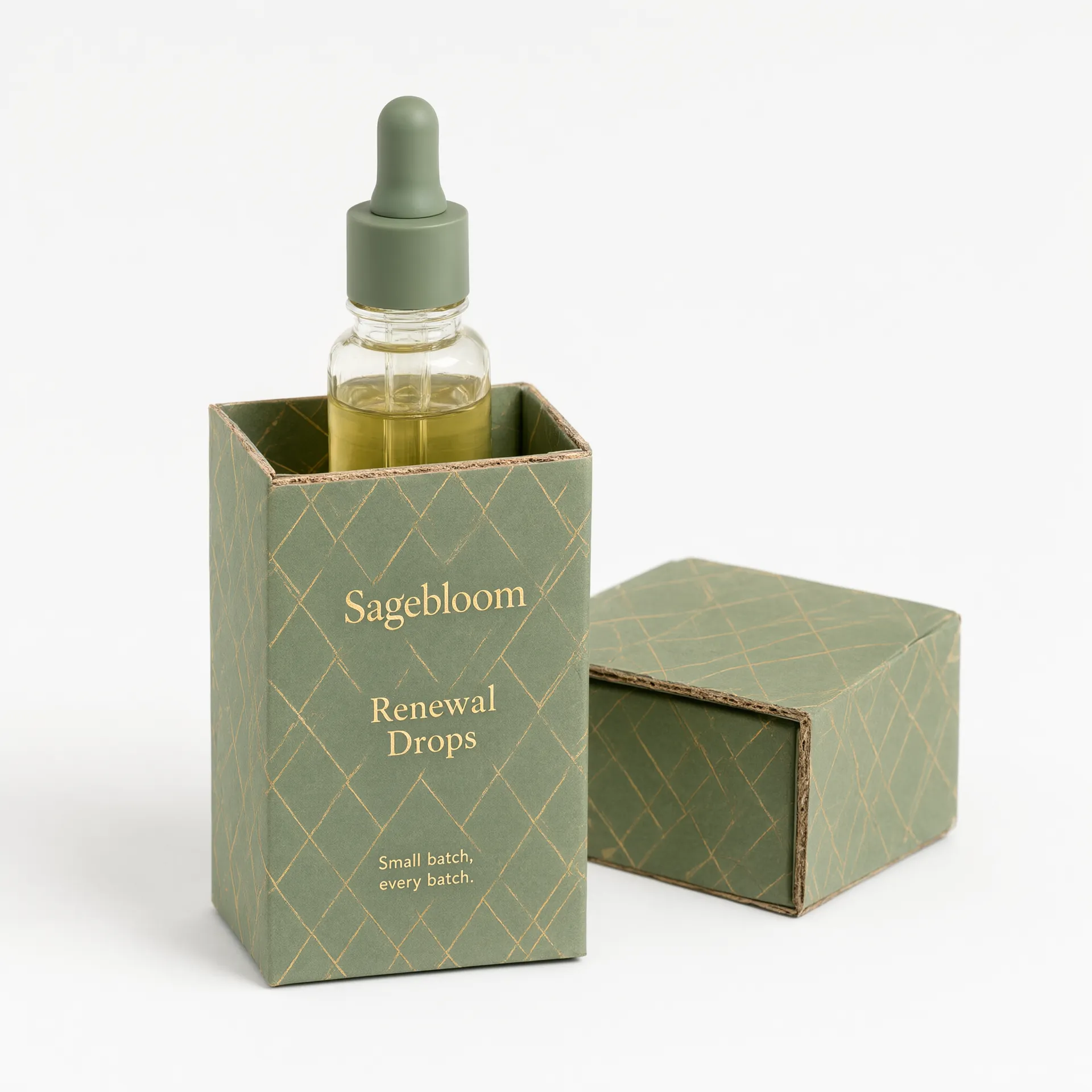
Send the bottle's height, base diameter, and dropper cap width, and the box is cut around those exact dimensions, with additional internal support added only for bottles whose weight or shape calls for it.
Folding cartons for drugstore or beauty-retailer shelf placement.
Rigid two-piece construction for a heavier unboxing experience.
Compact folding cartons sized to fit inside a larger monthly box.
The same box style scaled down for smaller bottle formats, with the dieline resized to that bottle's dimensions.
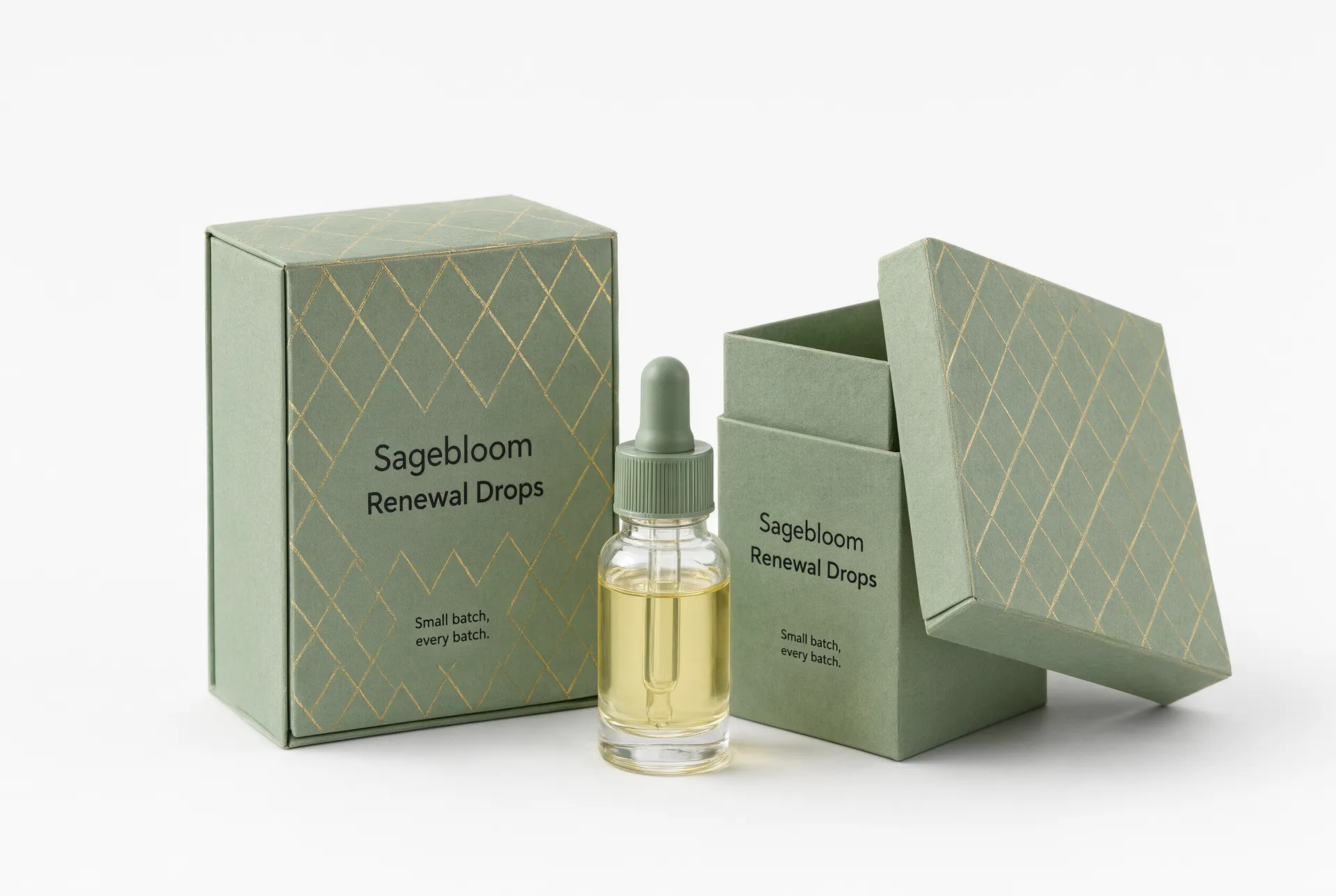
Most serum branding leans on one or two finish techniques rather than dense full-color coverage.
A short set of facts about the bottle and the order volume points toward the right construction.
Height, base diameter, and dropper cap width define the internal cavity.
Rigid two-piece for a heavier unboxing feel, folding carton for lower per-unit cost at volume.
A visible window changes the dieline and, for rigid boxes, the wrap-paper cutting.
Sharing the bottle's real measurements before production reduces the chance of a fit issue turning up after the dieline is already cut.
Height, base diameter, and dropper cap width.
Rigid two-piece or folding carton, based on volume and unboxing goals.
Confirm fit before committing to plates or foil dies.
Sign off on the final proof, then production begins.
Need help with structure, materials, or production planning? See how we manufacture custom packaging.
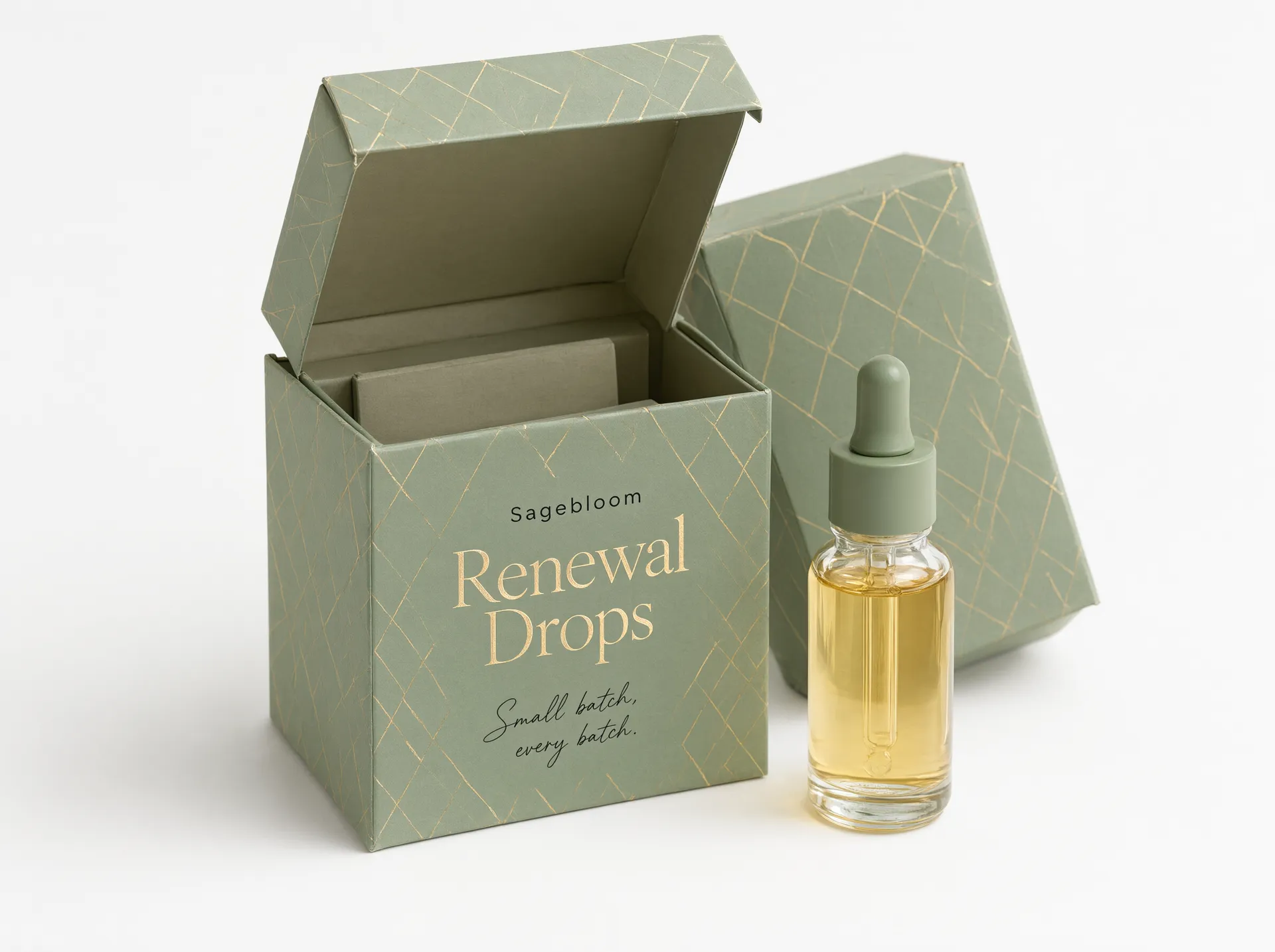
Compare rigid and folding construction side by side, and see how foil or embossing reads on the actual board.
Shipping charge: $44.99. Credited toward your first order.
Request a Sample KitFind clear answers about fit, materials, and ordering below.
The die-cut riser or tab-lock flap built into the base holds most glass dropper bottles steady on its own. A separate insert is added when the bottle's weight or shape calls for more support than that base structure provides.
Generally yes, since rigid construction wraps chipboard in printed paper rather than using a single printed sheet, but the price gap narrows at higher volumes.
Yes, though a window changes the dieline and, for rigid boxes, needs a separate window die-cut in the wrap paper, flag this early so it's priced correctly.
Rigid boxes generally take longer since wrapping and assembly add steps a folding carton skips, exact timing depends on your specific build.
Only if the bottles share very close dimensions. Most lines need a separate dieline per bottle size to avoid a loose or overly tight fit.
Orders start at 50 units and scale up to 500,000 for bulk runs, with pricing from $0.35 per unit on larger quantities. Standard production is from 7 business days after digital proof approval.
Serum boxes protect one of the more failure-prone items in cosmetic packaging: a glass dropper bottle whose height, base diameter, and cap width vary from one skincare brand to the next. Each order is made to order around your packed product and artwork, and the specification is confirmed against a digital proof before production.
Compare nearby products and request the format that best fits your next run.
Available product
Available product
Available product
Available product
Start with the bottle
Send bottle height, base diameter, and dropper cap width for a quote scoped to your product.
Add your product details to see a quote summary.