Mailer & Shipping Boxes
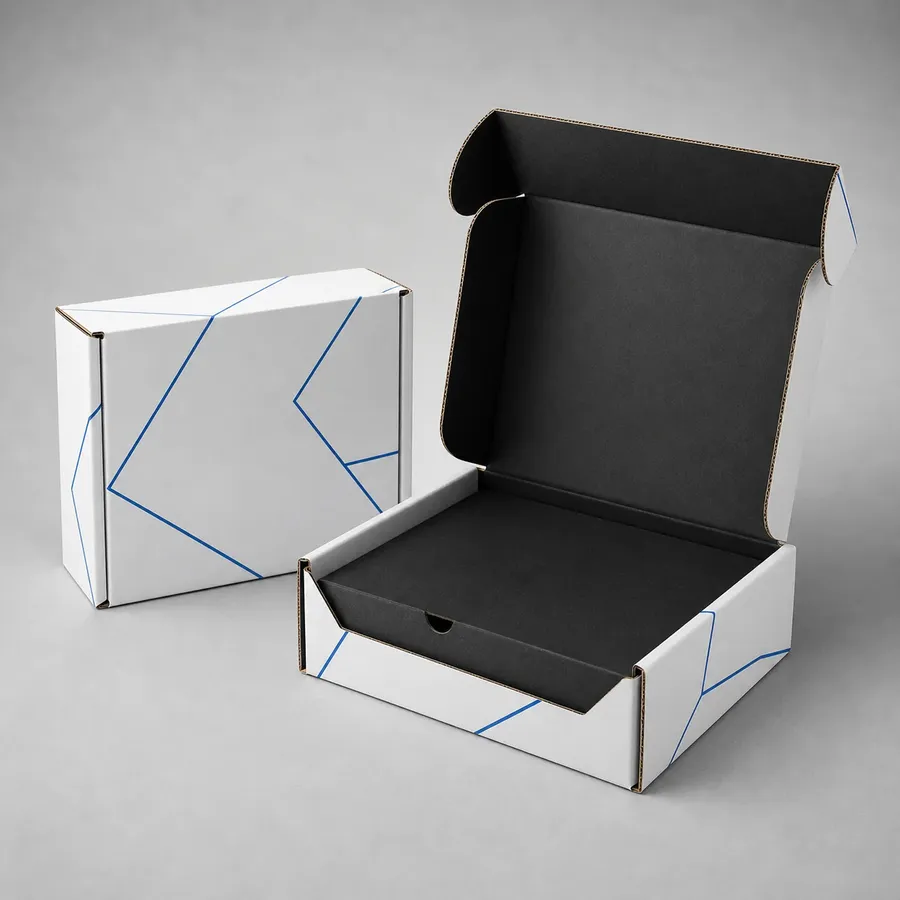
Custom Mailer Box
A presentation-led corrugated shipping box with space for branded inserts, tissue, or a card — built for a deliberate unboxing moment rather than just transit protection.
Request this format
Packaging Glossary
Custom mailer boxes protect products and signal your brand on every delivery. Here's what to look for in materials, sizing, and supplier selection.
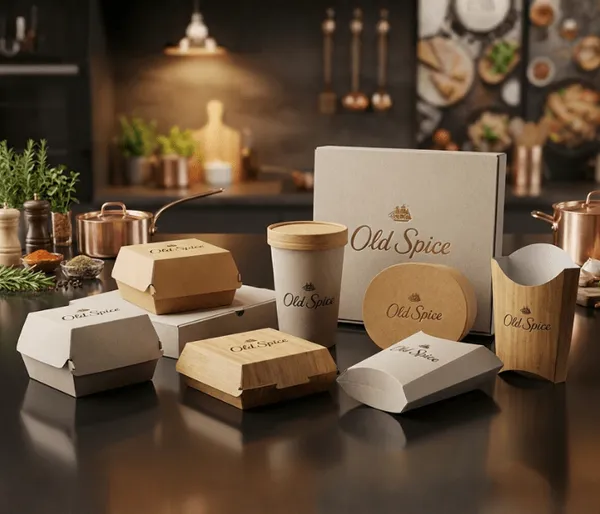
Your customer opens the door. There’s another generic brown cardboard box.
And your brand has already lost a moment.
That box is competing for shelf space in their mind before they even touch what’s inside. We’ve seen this happen hundreds of times: brands pour resources into product quality, customer service, email marketing—then hand that relationship off to a $0.50 plain box for shipping. It’s like wearing a great suit with grocery store shoes.
Here’s what actually happens when you ship in plain packaging:
You’re leaving repeat purchases on the table. Research suggests packaging influences repeat purchase decisions for a significant portion of consumers. An unboxing experience that feels thoughtless doesn’t just fail to impress. It actively signals that you don’t care about the whole experience.
Your customers become your marketers—or they don’t. Unboxing videos and photos get shared on social media constantly. A memorable box can turn a customer into a marketer. A plain box turns them into… someone who needed to ship something.
You’re sacrificing protection without saving money. Yes, plain boxes are cheaper upfront. But damaged shipments cost way more than the savings. Custom mailer boxes are engineered to protect your specific product at the weight and size you actually need—not some generic “shipping box” designed for everything and nothing.
So here’s the straight answer: Custom mailer boxes are worth switching to if you care about brand perception, repeat customers, and not dealing with damage complaints. Whether they’re financially worth it depends on your volume, margins, and how much your brand depends on customer experience.
We’ve built this guide to help you figure out which side of that line you’re on, and exactly how to make custom packaging work without breaking the budget.
What you’ll learn: – How to choose the right box type, material, and structure for your product – What to look for in a supplier (and red flags to avoid) – How to calculate whether custom packaging makes financial sense for your volume – Common design mistakes—and how to avoid them
Time to read: 12 minutes
A custom mailer box is corrugated or rigid cardboard designed and manufactured specifically for your products and brand. The “custom” part is the difference between a box and your box.
Custom mailer boxes can be sized exactly to your product (not one size too big), printed with your brand identity (logo, tagline, unboxing message), structured for your specific shipping method (tuck-top, auto-lock, with protective inserts), and manufactured from material that actually protects (corrugated thickness matched to product weight).
The generic alternative? Buying off-the-shelf custom shipping boxes. It’s cheap. It also looks like you don’t know what you’re doing.
Custom mailer boxes sit in the middle ground: they cost more than plain boxes but way less than overly engineered rigid packaging. For most e-commerce brands, that’s the sweet spot.
Mailer & Shipping Boxes
A presentation-led corrugated shipping box with space for branded inserts, tissue, or a card — built for a deliberate unboxing moment rather than just transit protection.
Request this format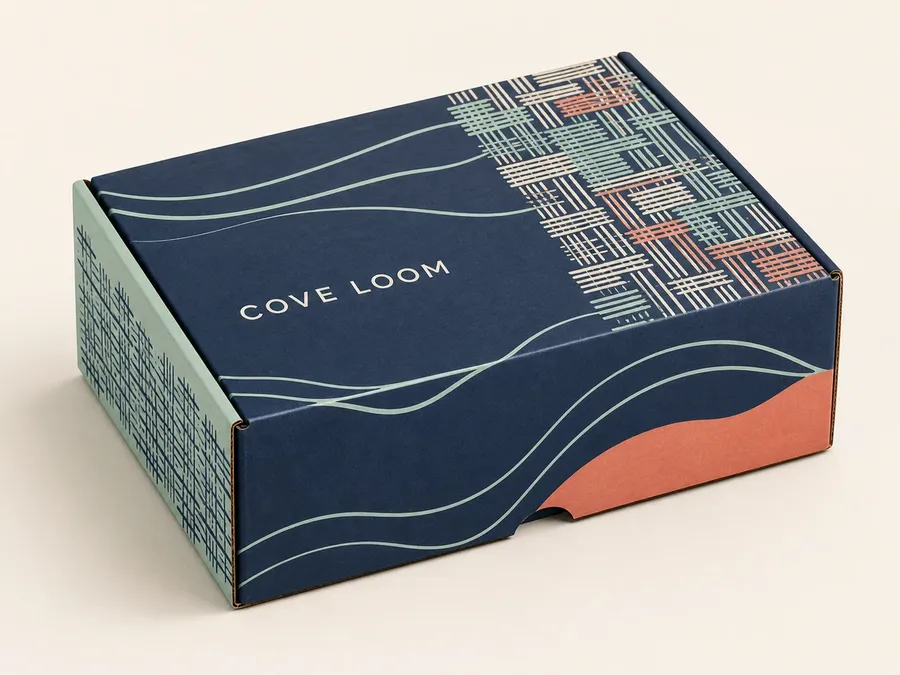
Mailer & Shipping Boxes
A custom-printed corrugated mailer designed for repeat subscription shipments, consistent inside-lid reveals, insert planning, and efficient recurring fulfillment.
Request this format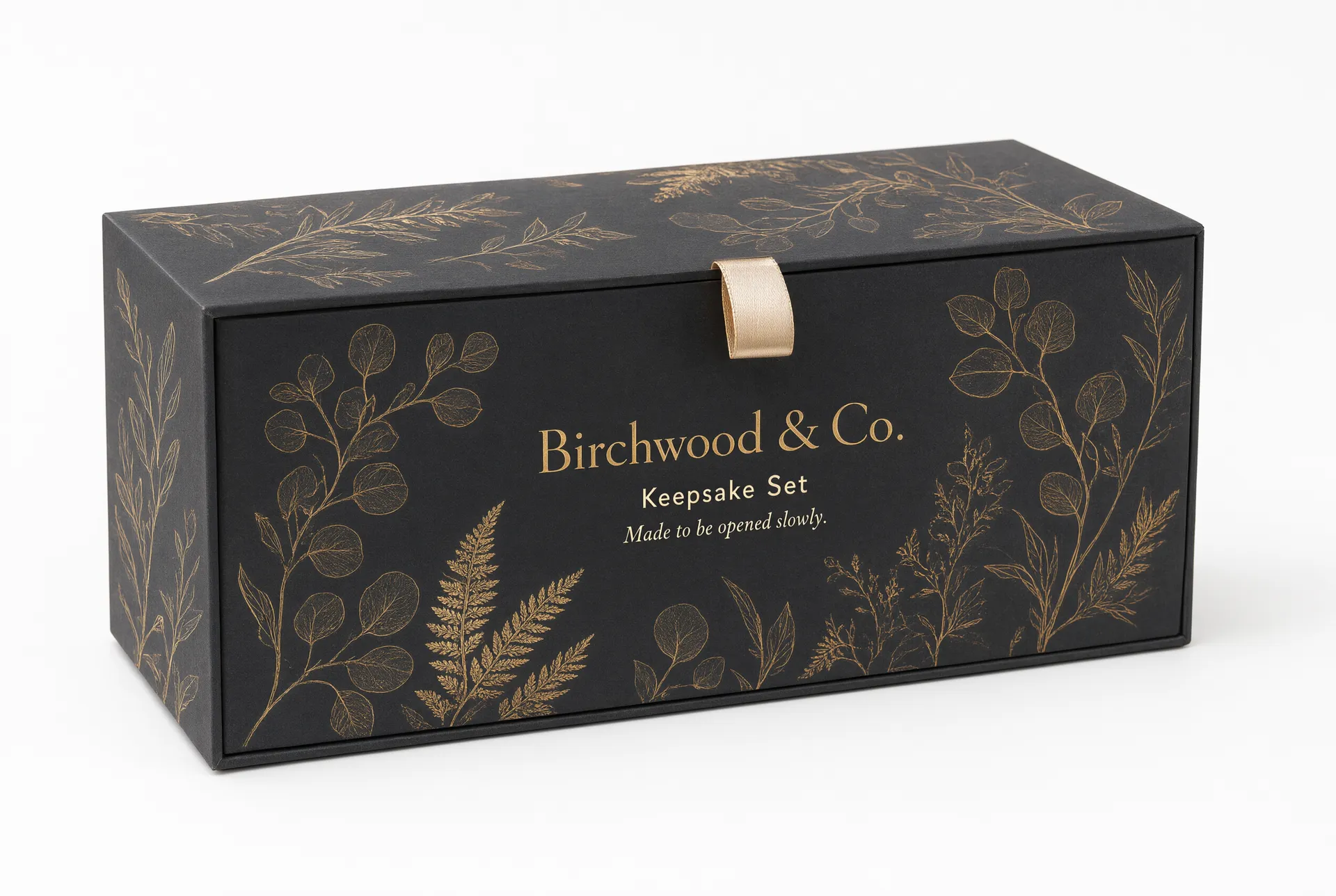
Gift Boxes
Presentation packaging for corporate gifting, product launches, and branded unboxing moments — built around how the box gets opened and how deeply it carries your branding, not tied to a single product type the way a dedicated gift-set box is.
Request this format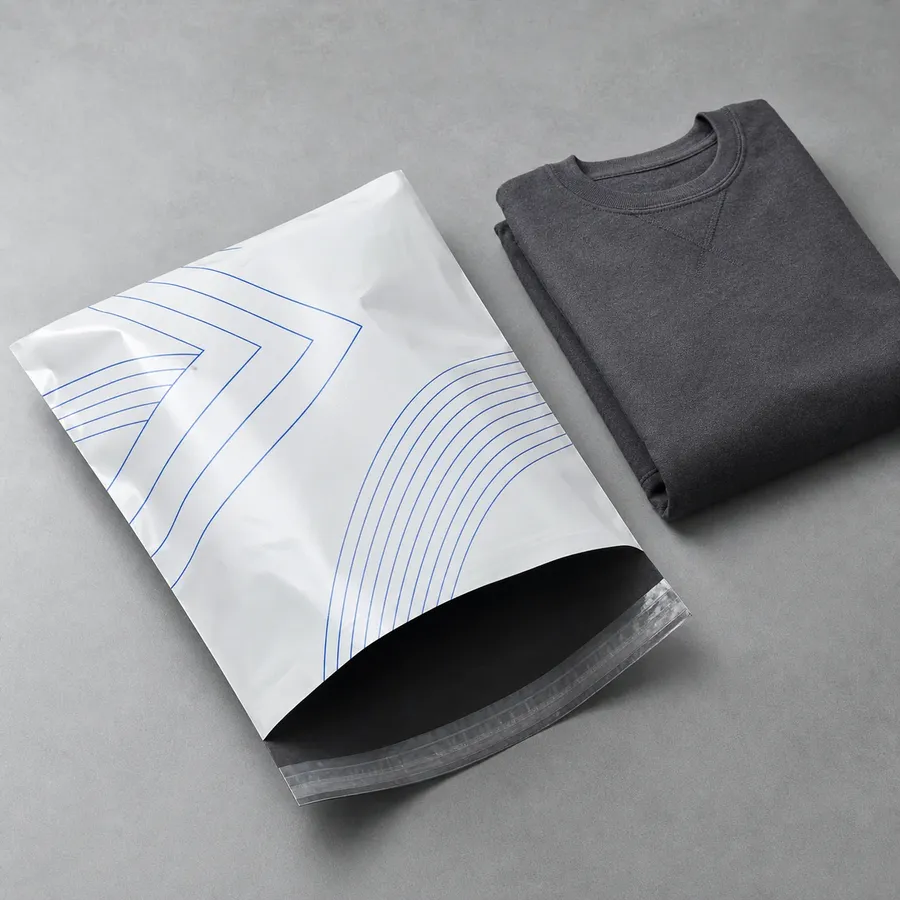
Flexible Mailers
A custom-printed flexible mailer for apparel and other non-fragile goods, built for lower-bulk dispatch.
Request this formatPackaging isn’t an afterthought. It’s the first physical touchpoint your customer has with your brand after they’ve made the purchase decision. And the unboxing experience starts the moment they pick up the box—not when they open it.
Think about the psychology for a second. Packaging signals quality before the product even gets opened. Your customer’s brain has already decided it’s cheap if the box feels flimsy—even if the product inside is premium. Conversely, a solid, well-designed box says something different: “We care enough to think about how this gets to you.”
The unboxing moment matters. For food, beauty, apparel, gifts—that moment when someone opens your box is the beginning of their relationship with your product. Make it thoughtful, and they remember it. Make it forgettable, and you lose them to a competitor next time.
Custom packaging also builds trust in ways plain boxes can’t. A branded mailer box signals that you’re established enough to invest in branding. You’re not scraping by trying to save $0.10 per unit. One of these signals builds trust; the other doesn’t.
And then there’s the pricing question. If you’re selling at a premium price point and shipping in plain brown, your customer is confused. Why did I pay $50 for this if you’re shipping it like it costs $5? Custom packaging closes that gap. The box becomes part of what they paid for.
This isn’t marketing fluff. It’s practical psychology. Your packaging either supports your brand story or it undercuts it. Neutral doesn’t exist.
The right format depends on your product and what you’re trying to achieve.
These are single-wall or double-wall corrugated cardboard (that wavy layer in the middle) formed into a box. They’re the workhorse of e-commerce packaging.
Best for: Most e-commerce products—apparel, shoes, beauty, food, electronics, books. Anything that needs solid protection but isn’t hyper-fragile.
Why they work: – Strong protection-to-weight ratio (they protect without adding bulk) – Fully customizable printing and sizing – Cost-effective at scale – Recyclable and can be FSC-certified – Available in kraft or bleached white cardstock
Typical thickness: 200# to 400# (measured by the weight of a ream of the cardstock). Heavier = more protection. For most items, 250# to 350# is the sweet spot.
Finishes: Matte or gloss printing; natural kraft (that honey-brown color) or bright white.
Corrugated boxes made from natural, unbleached kraft paper.
These work best for sustainable brands, specialty food, artisanal products, or brands with eco-conscious positioning. They signal sustainability—they look and feel eco-friendly. Full-color printing can be tricky on kraft (the paper absorbs ink differently), so simpler designs or spot colors often work better. Still fully protective, and slightly cheaper than white corrugated. If sustainability is part of your brand story, our guide to sustainable packaging options covers how to make certification claims that actually hold up.
Solid cardboard boards assembled into a box with a tucking flap (not a glued seal).
Premium, luxury, gift-oriented products do best here—jewelry, high-end cosmetics, watches, collectibles. They feel expensive and elegant, reusable, and create a beautiful unboxing moment. The trade-off is steep: $2–5+ per box. Only viable if your margins can handle it.
Tuck-top: The flap tucks into a slot on the base. Simpler, cheaper, works for light to medium items.
Auto-lock: The base interlocks and folds shut without needing the lid. More secure for heavier or fragile items. Slightly more expensive.
Real talk: for most standard mailer boxes, tuck-top is fine. Auto-lock is insurance for heavier products or rough handling.
A box too big wastes cardboard and costs more. A box too tight damages your product.
The rule: 0.5 inches of space on all sides between your product and the box wall. This gives room for protective padding without excessive empty space. The physics are straightforward—corrugated needs space to absorb impact. If your product is pressed against the walls, any drop transfers directly instead of being absorbed by the box.
Example: If your product is 8″ × 6″ × 4″, your box should be approximately 9″ × 7″ × 5″.
You can map this out yourself with a tape measure and some graph paper. But we’ve seen the brands that skip sampling end up calling after a full print run with sizing problems. If you want to simplify the process and get structural recommendations, Easy Box Packaging helps with custom sizing and design mockups to ensure everything fits.
The goal is simple: Maximum protection at minimum cost and weight.
Fragile items (glassware, ceramics, electronics) need double-wall corrugated, auto-lock base, protective inserts. Anything prone to breaking gets the full treatment.
Heavy items (books, tools, hardware) usually don’t need as much protection from crushing—but they need structural rigidity. Single-wall is often fine here.
Oddly shaped items (irregular sizes, parts sticking out) need custom-fitted inserts more than thick cardboard.
Food/cosmetics (moisture sensitivity, temperature concerns) might need moisture barriers. Kraft or white corrugated both work; inserts matter for keeping things separated.
USPS Priority/Ground gets more gentle handling. Standard corrugated is fine.
UPS/FedEx Ground gets rougher treatment. Upgrade to thicker walls or auto-lock.
Carrier with a reputation for rough handling? Err toward heavier cardboard. Fewer returns from damage pays for the upgrade. Our shipping protection guide goes deeper on how to match box specs to carrier and product weight.
Pricing depends heavily on how many you’re ordering:
Under 500 units: Pricing is steep per box. Consider stock boxes with custom labels.
500–1,000 units: Custom boxes become practical. Pricing drops meaningfully.
1,000–5,000 units: The sweet spot. Pricing is reasonable; custom options are all available.
5,000+ units: Pricing gets very attractive; you can afford design complexity.
A typical 1,000-unit run might cost $0.75–1.50 per box, while a 5,000-unit run often comes in lower—though actual pricing varies significantly by supplier, material spec, and your region. Pricing and MOQs vary. Request a custom quote for accurate details.
One-color print (logo on outside): Cheapest, still professional.
Two-color print: Good middle ground.
Full-color, four-side printing: More expensive, but your entire unboxing is branded.
Interior printing: This is where the magic happens. Even a simple message or logo on the inside flap costs relatively little and creates disproportionate impact.
If sustainability matters to your positioning, specify FSC-certified corrugated. Easy Box Packaging offers 100% FSC-certified options—it doesn’t cost much more and signals real commitment to customers who care.
Good mailer box design does three things: protects the product, represents your brand, and creates a memorable unboxing moment. For a broader look at where packaging design is heading, see our packaging design trends guide.
Keep it simple. Your logo, brand name, and maybe a tagline. That’s it.
Avoid tiny text (won’t print clearly), thin lines (they disappear in printing), more than three colors (gets messy), and clutter (less is more).
Good principles: – Logo large and clear – Color that matches your brand – One simple graphic or pattern (if any) – Your URL, not a long manifesto
The exterior is about recognition. The interior is where the moment lives.
This is the moment. When they open it, what do they see?
Option 1: Simple interior print—logo, thank you message, product care instructions.
Option 2: Custom inserts—dividers, branded tissue, product holders.
Option 3: A combination of both.
A beauty brand might print “Here’s how to use this” on the lid interior. A clothing brand might wrap the product in custom tissue with the logo. A gift box might have a handwritten-looking thank you message on the inside flap.
The cost difference is minimal. The impact is huge.
Branded tissue or crinkle fill looks better than plastic, protects your product, and feels intentional.
Custom dividers keep multi-item orders organized.
Protective foam or padding is necessary for fragile items. Choose recycled or biodegradable if sustainability matters to your brand.
Stickers or thank-you cards are cheap and high-impact. Include a discount code for repeat purchases.
Logo placement: Multiple spots (outside, inside top, inside bottom) feels thorough
Size of cutouts/windows: If showing the product through a window, position it right
Seal or branded tape: Typically costs approximately $0.05–0.15 per box, though pricing varies by supplier and volume. Adds a polished, premium touch.
Not all suppliers think the same way. Here’s what actually matters:
If a supplier just quotes you without asking questions, they’re not thinking about your specific needs. Good suppliers ask: What’s your product? How much does it weigh? How are you shipping? What’s your budget and timeline? What’s your brand voice?
This is non-negotiable. Feel your box. See how your design prints. Test fit your product. Colors, texture, and construction look different in person than in digital mockups. We don’t recommend committing to a full production run before seeing a physical sample—ever.
They should help refine sizing, suggest material thickness, and catch design issues before you’re locked in. You can measure it out yourself with DIY tools. If you want to simplify it, Easy Box Packaging helps with custom sizing and structural prototyping at no cost.
Custom boxes take time: 2–4 weeks for design/sampling, 2–3 weeks for production. If they promise faster, they’re lying or cutting corners.
Ask about FSC-certified materials, recyclable printing inks, minimal excess packaging, and options for leftover inventory.
Look for case studies or published client lists. If they’ve worked with brands you recognize, that’s a good sign. We’ve worked with over 10,000 brands on custom packaging, which means we’ve solved every problem you’ll likely encounter.
The best suppliers want you to succeed. They’ll explain trade-offs, talk you out of unnecessary features, and help optimize for your specific situation.
Here’s the cold reality: custom mailer boxes only make sense if they drive financial results.
Let’s say you’re shipping 500 units per month:
Plain boxes: Approximately $0.30/box = $150/month (costs vary by supplier) Custom boxes: $1.00/box = $500/month Difference: $350/month = $4,200/year
Does it pay for itself?
If your repeat purchase rate increases. Some brands find thoughtful e-commerce packaging contributes to retention—but track your own numbers before and after to measure the actual impact.
If average order value increases. People perceive custom packaging as premium; they’re sometimes willing to spend more next time.
If it prevents damaged shipments. Properly sized packaging reduces damage-related returns, potentially offsetting higher box costs. The impact depends on your product, fragility, and shipping method.
If it generates social amplification. Unboxing photos and videos get shared—but whether that drives meaningful acquisition depends on your audience and product category.
Honestly, we don’t have a clean number for the social impact. It varies.
Beyond financials, custom packaging does something harder to measure: it makes your brand feel real and established, signals that you care about the full experience, creates a moment people remember, gives customers a reason to share on social media.
These are brand-building touchpoints. They cost $0.50–1.00 per customer. That’s a reasonable investment for brand building.
To find your break-even:
Calculate the monthly box cost difference (custom minus plain)
Estimate the repeat purchase rate increase you’d need to justify it
Ask yourself: Is that realistic for my product and customer base?
Example: If the difference is $350/month and your average customer lifetime value is $200, you need just 1.75 extra repeat customers per month to break even. For most growing brands, that’s achievable.
Results vary significantly by brand. This is a framework, not a forecast.
This is how you end up with 5,000 custom mailer boxes that don’t fit your product. Never skip sampling.
“We can save $0.10 if we reduce size by half an inch.” Great—until damage happens and you lose the customer. Padding and space matter.
Five colors, multiple images, tiny text, a manifesto on the outside. It looks busy and unprofessional. Restraint is sophisticated.
Cheap suppliers often have long lead times, poor quality control, no design support, and difficulty with revisions. You’re not just buying a box; you’re buying reliability. The $0.20 difference often isn’t worth it.
Your customers see the outside once. They interact with the inside. That’s where the moment lives.
If you’re selling to conscious consumers and shipping in non-recycled, non-certified cardboard, you’re sending a mixed message. We see brands default to the cheapest option and then wonder why their boxes feel off. FSC-certified costs almost nothing extra; rebuilding trust after greenwashing costs a lot.
You can eyeball it, but structural engineers do this for a living. A few minutes of consultation prevents costly damaged shipments.
Shipping in plain brown boxes is a choice—usually made by accident because it’s cheap and available. Choosing custom mailer boxes says something different: We think you’re worth it. We’re building something that matters.
That moment when your customer opens a thoughtfully designed box? That’s not marketing. That’s respect. Respect builds loyalty.
Start here:
Audit your current boxes. How many per month? What’s your product’s fragility? What do you want customers to feel when they open it?
Talk to two or three suppliers. Ask questions. See how they respond. The best suppliers help you think through sizing, materials, and design—not just take your order.
Order a sample. Feel it. Test fit your product. See how your design prints. Worth a $50–100 investment.
Do the math. Does the cost make sense given repeat purchase rates and brand perception? For most growing brands, yes.
You don’t need the fanciest, most expensive box. You need a box that represents your brand accurately and protects your product. Everything else is details.
The plain brown box era is over for you. Let’s build something better.
Questions, answered
Typical timeline is 2–4 weeks for design, sampling, and approval, then 2–3 weeks for production. Some suppliers offer expedited production at a premium. Plan ahead.
Minimum order quantities typically range from 500–1,000 units, though this varies by supplier and specification. Confirm MOQs with your chosen vendor.
Yes. Any reputable supplier will send one—often free or for a small fee that gets credited toward your order.
For most products, 250# to 350# works. Light items (apparel, books): 250#. Heavier items (tools, hardware): 350#. Your supplier will recommend based on weight. The # rating refers to burst strength—how much pressure it takes to puncture the wall. Higher number = more resistance.
Matte diffuses light and hides handling marks. Gloss catches attention but shows fingerprints. In an unboxing context, matte tends to feel more intentional—you thought about the tactile experience.
Rarely. Most suppliers start immediately after approval. Changes cost money and delay shipment. Approve your design carefully before signing off.
Talk to your supplier about short-run options. Print-on-demand services exist but are expensive per unit. Stock boxes with custom stickers are cheaper for testing.
Most suppliers can design for you (sometimes for a fee). Having your brand assets ready (logo, colors, fonts) helps them move faster.
International boxes survive longer transit and rougher handling. Thicker corrugated is safer. Talk to your supplier about international-spec recommendations.
Request drop tests or ask about standards the supplier uses. ISTA (International Safe Transit Association) is the gold standard. Any supplier worth their salt can explain how their boxes meet those standards.
Start a packaging brief
Share the product, quantity, dimensions, and route to market. Easybox will help connect those requirements to a practical structure and production path.