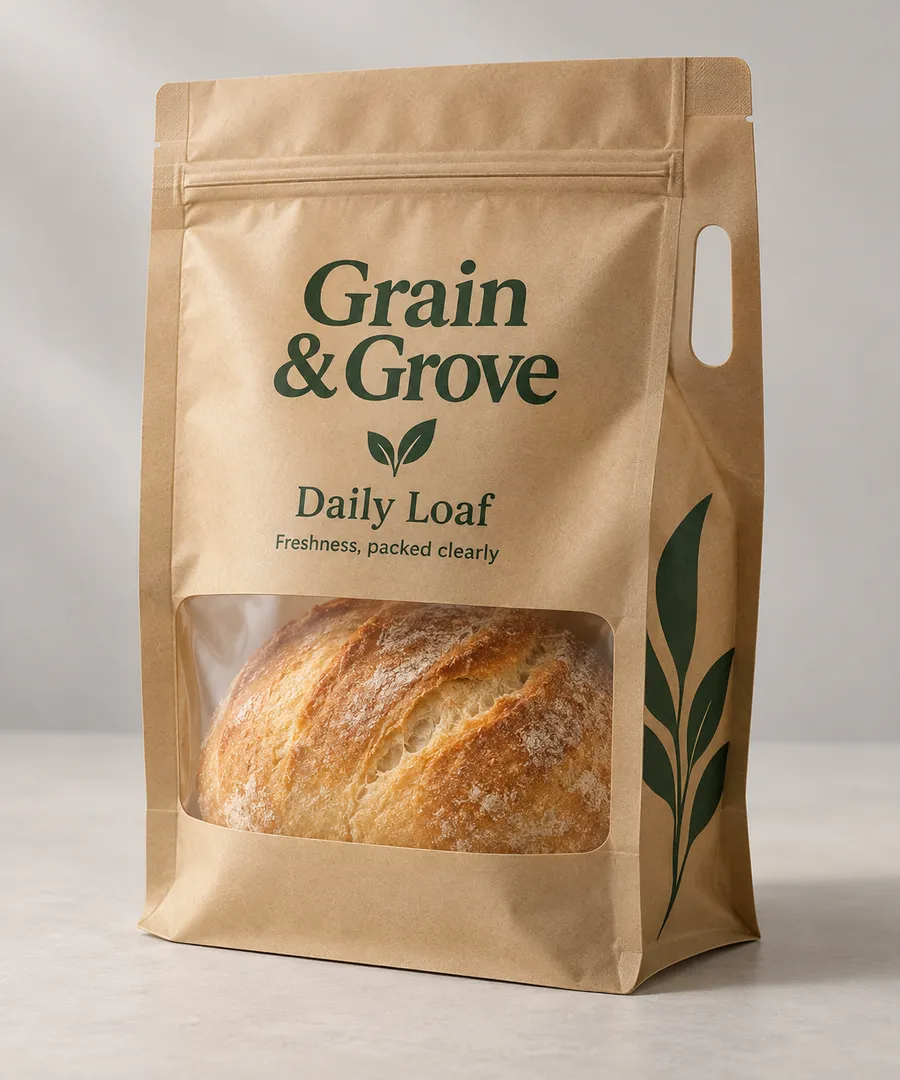
Mylar Bags
Custom Flexible Carry-Out Pouches
Custom flexible carry-out pouches use printed film around the packed product, with the closure, carry feature, barrier, and artwork reviewed as one pouch specification.
Request a Quote
Size Guides
Barrier packaging guide: how clear, metallized and foil structures protect against oxygen, moisture, light and aroma, with a product-to-risk table.
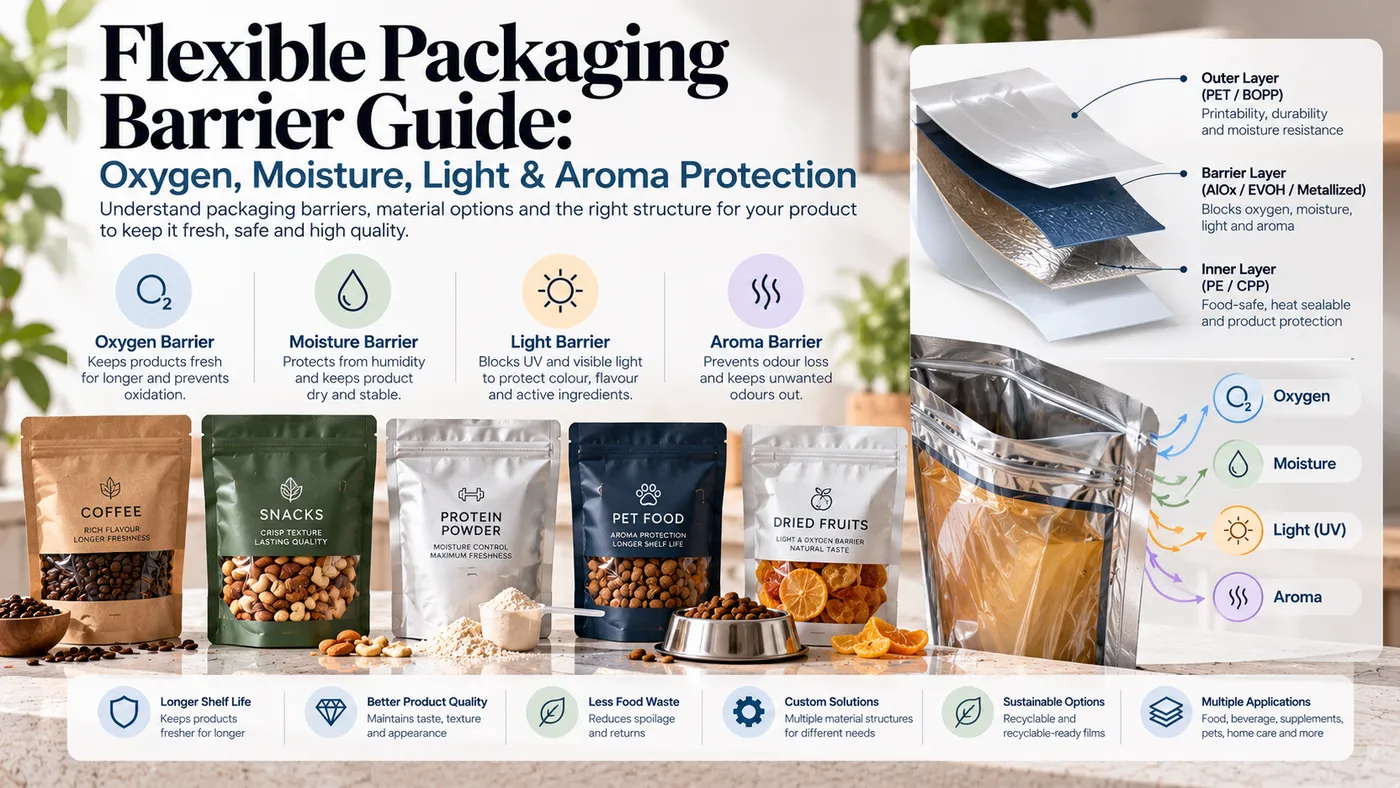
Quick answer: Barrier packaging uses layered films to slow oxygen, water vapor, light and aroma. Foil laminates block the most and are opaque. Metallized film is a strong, flexible middle option. Clear high-barrier film gives visibility with moderate protection. Barrier comes from the layers, not thickness alone. Ask any supplier for tested OTR and WVTR data.
*Last updated: November 2026.*
Barrier packaging is the reason a bag of coffee still smells like coffee months after roasting. It's also why a bag of crackers stays crisp. Every flexible pouch lets a little oxygen and moisture through. The question is how much, and what your product can tolerate.
Ratings are qualitative. Real performance varies by exact construction.
Barrier structure | Oxygen | Moisture | Light | Aroma | Visibility | Typical use |
|---|---|---|---|---|---|---|
Clear PET/PE laminate | Low | Low-moderate | Low | Low-moderate | Full | Dry snacks, short shelf life |
Clear high-barrier (EVOH or AlOx/SiOx-coated PET) | Moderate-high | Moderate-high | Low | Moderate-high | Full | Products customers want to see |
Metallized PET (MET-PET) laminate | High | High | High | High | None | Coffee, snacks, powders |
Aluminum foil laminate | Very high | Very high | Total | Very high | None | Sensitive or long-hold products |
Key takeaway: Pick barrier packaging by what your product fears most. Oxygen, moisture, light and aroma loss each need a different level of protection. Visibility usually costs you some barrier.
A barrier layer slows four things from crossing the pouch wall.
- Oxygen drives stale flavor, rancid fats and color loss. - Moisture makes dry goods soggy, or dries out moist ones. - Light and UV fade color and break down some ingredients. - Aroma escapes outward, or outside smells creep in.
No pouch stops all four forever. Good barrier packaging slows them enough for your product's real needs. That's a design decision, not a yes-or-no feature.
OTR means oxygen transmission rate. It measures how much oxygen passes through a film over time. WVTR means water vapor transmission rate. It does the same for moisture. Lower numbers mean a tighter barrier.
Labs follow standard methods. ASTM's F1927 covers oxygen under controlled humidity. ASTM's F1249 covers water vapor. Test temperature and humidity change the result, so numbers only compare fairly under the same conditions.
Here's the only figure I'll quote. One industry source puts a 4 mil mylar bag below roughly 0.5 cc/100 in²/day oxygen transmission. It puts a 7 mil bag below roughly 0.01. Treat both as approximate, supplier-published numbers. They vary by construction. Ask any supplier for tested OTR and WVTR data on the exact film.
This is the core of any metallized pouch vs foil pouch decision.
Clear films. Standard clear laminates let customers see the product. They give modest protection. Coated or EVOH-based clear films raise the barrier a lot. They still pass more light than metal does.
Metallized film. A micro-thin metal coating on PET (MET-PET) blocks light and most oxygen. It's lighter and more flexible than foil. The trade-off is flex cracking. Crumple a metallized pouch and you can hear the crinkle. Repeated flexing can open tiny gaps in the coating.
Foil laminate. Aluminum foil is the closest thing to a total barrier. It's opaque and stiffer. It can also crack or pinhole if folded sharply. So the choice isn't automatic.
My opinion: metallized film is the right default for most dry goods. Foil is worth the extra stiffness only when the product is truly sensitive. Mylar barrier bags usually mean one of these metallized or foil laminates.
Product | Main risk | Barrier priority | Suitable structure |
|---|---|---|---|
Ground or whole-bean coffee | Oxygen, aroma loss | High | Metallized or foil, often with a degassing valve |
Pet treats | Moisture, fat oxidation | Moderate-high | Metallized or clear high-barrier |
Protein and other powders | Moisture clumping | High | Metallized or foil |
Supplements and wellness blends | Moisture, light | High | Metallized or foil |
Dry snacks | Moisture, oxygen | Moderate | Metallized or clear high-barrier |
Dry herbs | Moisture, light, aroma | Moderate-high | Metallized or foil |
For food contact applications, verify your supplier's compliance documentation. That applies to every food row above.
Coffee needs a special note. Fresh roasted beans release carbon dioxide. A one-way degassing valve lets gas out without letting air in. It's a weak spot too, so a good valve matters.
Oxygen absorbers and desiccants are companions, not substitutes. They remove oxygen or moisture trapped inside the bag. They can't fix a leaky pouch wall.
A few Easy Box Packaging products that fit what this article covers.
Mylar Bags
Custom flexible carry-out pouches use printed film around the packed product, with the closure, carry feature, barrier, and artwork reviewed as one pouch specification.
Request a Quote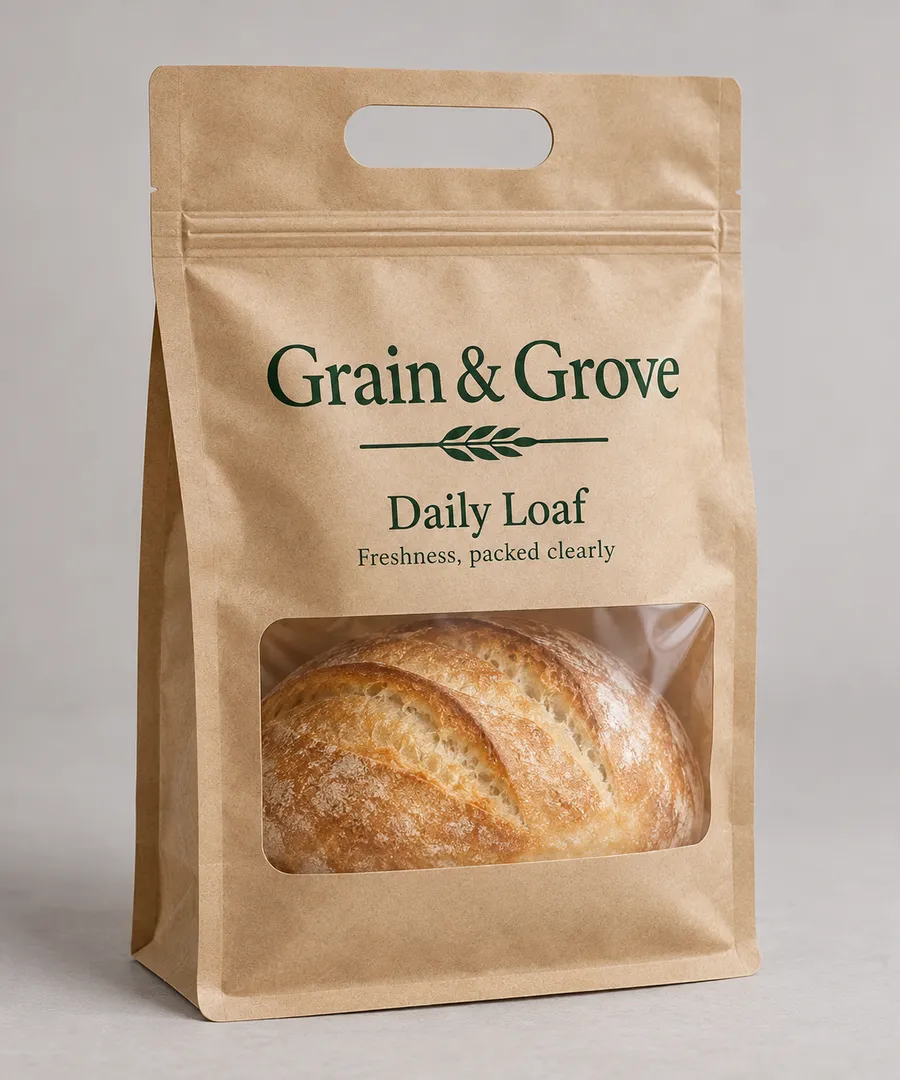
Mylar Bags
Custom flexible take-out pouches use printed film around the packed product, with the closure, carry feature, barrier, and artwork reviewed as one pouch specification.
Request a Quote
Mailer Boxes
A custom plain mailer box for brands that want made-to-order shipping packaging with a simple, unprinted exterior. The structure is sized around the packed product, with the lid, closure, board direction, and interior presentation reviewed together. Add a limited mark or finish only if the package needs more than a plain surface.
Request a Quote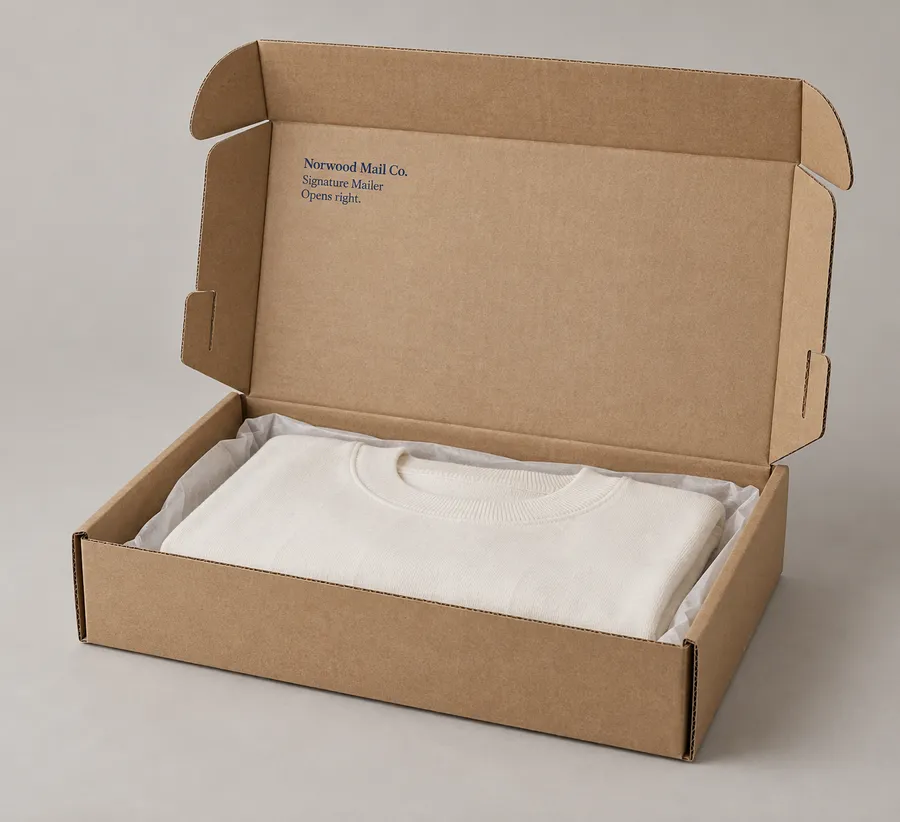
Mailer Boxes
Custom plain mailer boxes give brands a made-to-order shipping format with an intentionally quiet, unprinted exterior. The box is still sized around the packed product, with the lid, locking panels, board direction, and opening sequence reviewed together. Choose a natural paperboard direction by default, or scope a small controlled mark or finish when the pack needs a measured brand touch.
Request a Quote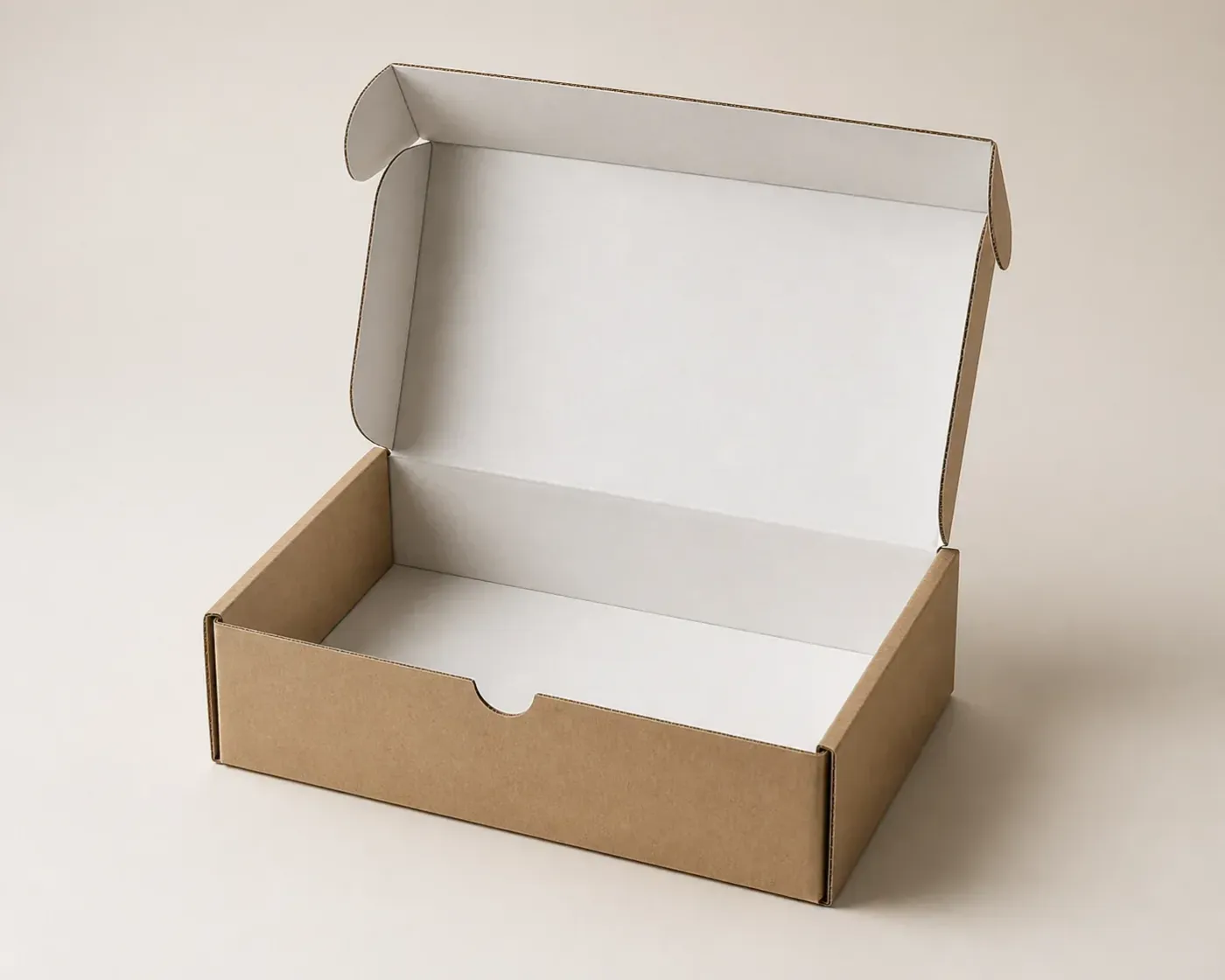
Mailer & Shipping Boxes
A one-piece corrugated mailer built around product fit, folded side protection, and a presentation-ready opening for e-commerce orders, subscriptions, and launch kits.
Request a Quote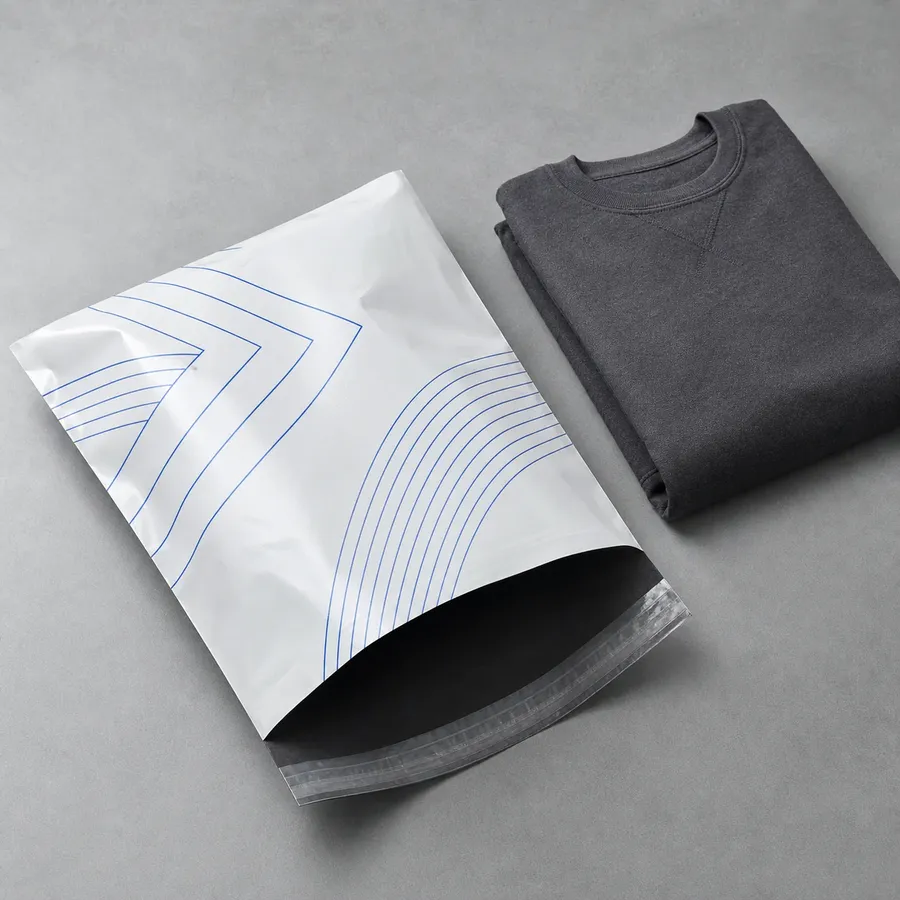
Flexible Mailers
A custom-printed flexible mailer for apparel and other non-fragile goods, built for lower-bulk dispatch.
Request a QuoteMil thickness helps with puncture resistance and stiffness. It doesn't set barrier by itself. A thick plain film can leak more than a thin foil laminate. Barrier comes from the layers: the PET, the metal or coating, and the sealant.
Our mylar bag thickness guide covers mil tiers in detail. Use it to pick strength. Use this guide to pick structure. For sizing, see our mylar bag sizes chart and stand-up pouch sizes.
Most barrier failures aren't in the film. They're at the edges and openings.
- Heat seals: A partial or wrinkled seal leaks, whatever the film. - Zippers: They're convenient, but they don't seal like heat-welded film. Expect some gas exchange after opening. - Valves: They let gas out. A poor valve lets air in. - Pinholes and flex cracks: Rough shipping can damage thin metal layers.
Design the closure to match the product. A one-use pouch may not need a zipper. A reclosable one should accept some barrier trade-off.
Vague requests get vague quotes. Bring these to any supplier, including us:
1. Layer structure: which films, in which order, and whether it's foil or metallized. 2. Tested OTR and WVTR: with test temperature and humidity stated. 3. Seal type and closure: heat seal, zipper, valve, tear notch. 4. Compliance documents: for food contact, ask for the supplier's paperwork. 5. Your product's needs: fat content, moisture level, light sensitivity.
We offer digital, offset and flexographic printing, and you can see our manufacturing process. Many products start from 50 units. For lighter shipping formats, see our flexible mailers.
What is barrier packaging? Barrier packaging is packaging built from layers that slow oxygen, moisture, light and aroma. Each layer adds a different kind of protection.
What is the difference between OTR and WVTR? OTR measures oxygen passing through a film, and WVTR measures water vapor. Lower numbers mean a tighter barrier in both cases.
Is a metallized pouch as good as a foil pouch? Metallized pouches give high barrier at lower weight and better flexibility. Foil laminates usually block more, but they're stiffer and opaque.
Does a thicker mylar bag mean a better barrier? Not by itself. Thickness adds strength, while barrier depends on the layers. A supplier's tested OTR data tells you more than mil rating.
Can I have a clear pouch with high barrier? Yes, to a degree. Clear films with EVOH or AlOx/SiOx coatings give moderate-to-high barrier. They still let more light through than metallized film.
Do coffee bags need a degassing valve? Fresh roasted coffee releases carbon dioxide, so many roasters use a one-way valve. It lets gas escape while limiting air entering.
Where do barrier pouches usually fail? Mostly at seals, zippers, valves and flex-cracked spots. The film itself is rarely the weak point.
Do oxygen absorbers replace a barrier film? No. Absorbers clean up oxygen inside the bag. A barrier film keeps new oxygen from coming in.
Good barrier packaging matches the film to what your product fears. Don't pay for foil if metallized does the job. Don't use plain clear film on something that spoils with air. Ask for tested numbers, and don't guess.
Need a specific barrier spec or custom size? Get a free quote. We run mylar bags and stand-up pouches in any size.
Questions, answered
Barrier packaging is packaging built from layers that slow oxygen, moisture, light and aroma. Each layer adds a different kind of protection.
OTR measures oxygen passing through a film, and WVTR measures water vapor. Lower numbers mean a tighter barrier in both cases.
Metallized pouches give high barrier at lower weight and better flexibility. Foil laminates usually block more, but they're stiffer and opaque.
Not by itself. Thickness adds strength, while barrier depends on the layers. A supplier's tested OTR data tells you more than mil rating.
Yes, to a degree. Clear films with EVOH or AlOx/SiOx coatings give moderate-to-high barrier. They still let more light through than metallized film.
Fresh roasted coffee releases carbon dioxide, so many roasters use a one-way valve. It lets gas escape while limiting air entering.
Mostly at seals, zippers, valves and flex-cracked spots. The film itself is rarely the weak point.
No. Absorbers clean up oxygen inside the bag. A barrier film keeps new oxygen from coming in.
Start a packaging brief
Share the product, quantity, dimensions, and route to market. Easy Box Packaging will help connect those requirements to a practical structure and production path.