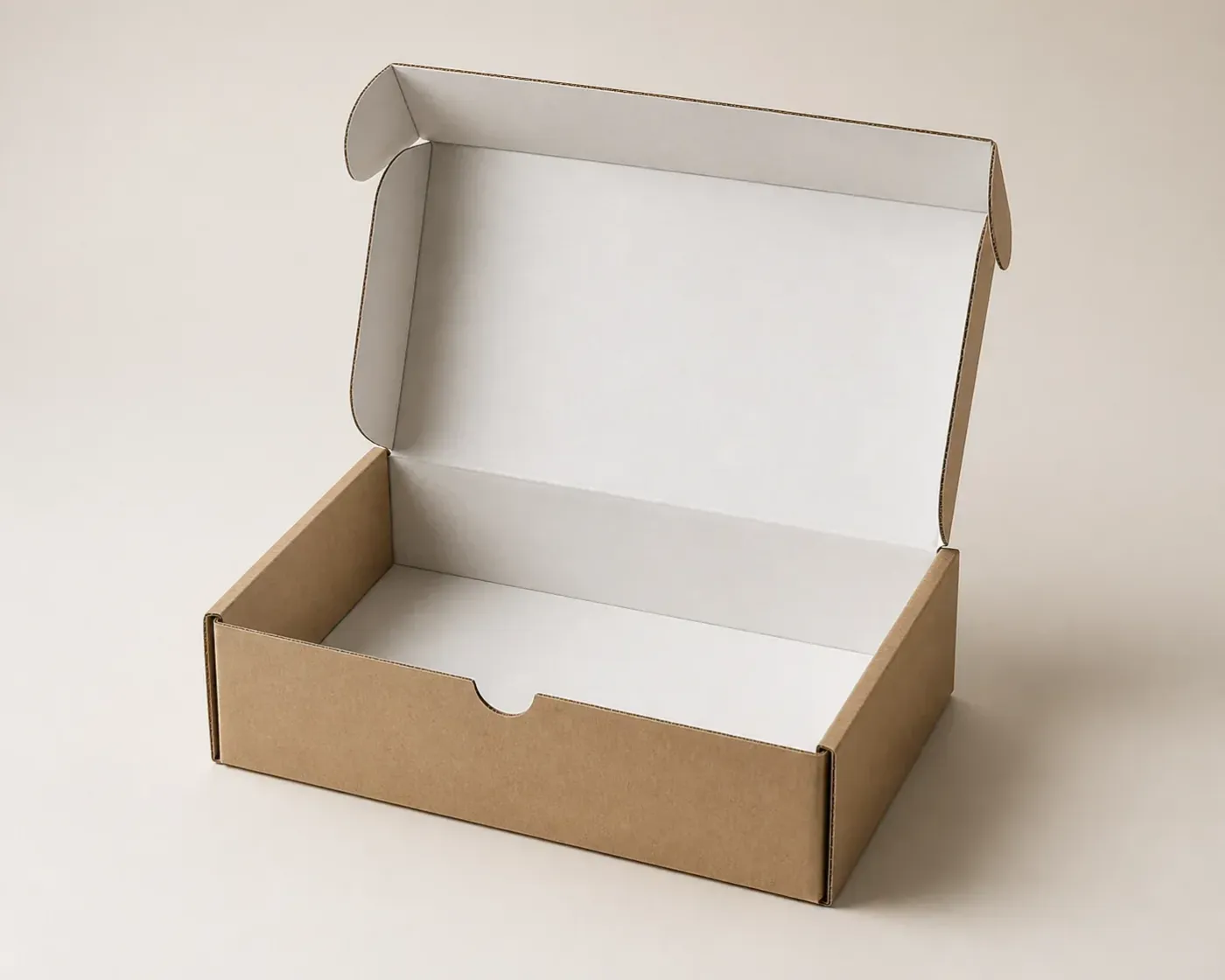
Mailer & Shipping Boxes
Corrugated Mailer Box
A one-piece corrugated mailer built around product fit, folded side protection, and a presentation-ready opening for e-commerce orders, subscriptions, and launch kits.
Request a Quote
Packaging Glossary
Short run packaging vs long-run offset printing compared: setup cost, per-unit price, MOQ, turnaround, and how to request a free packaging quote today.
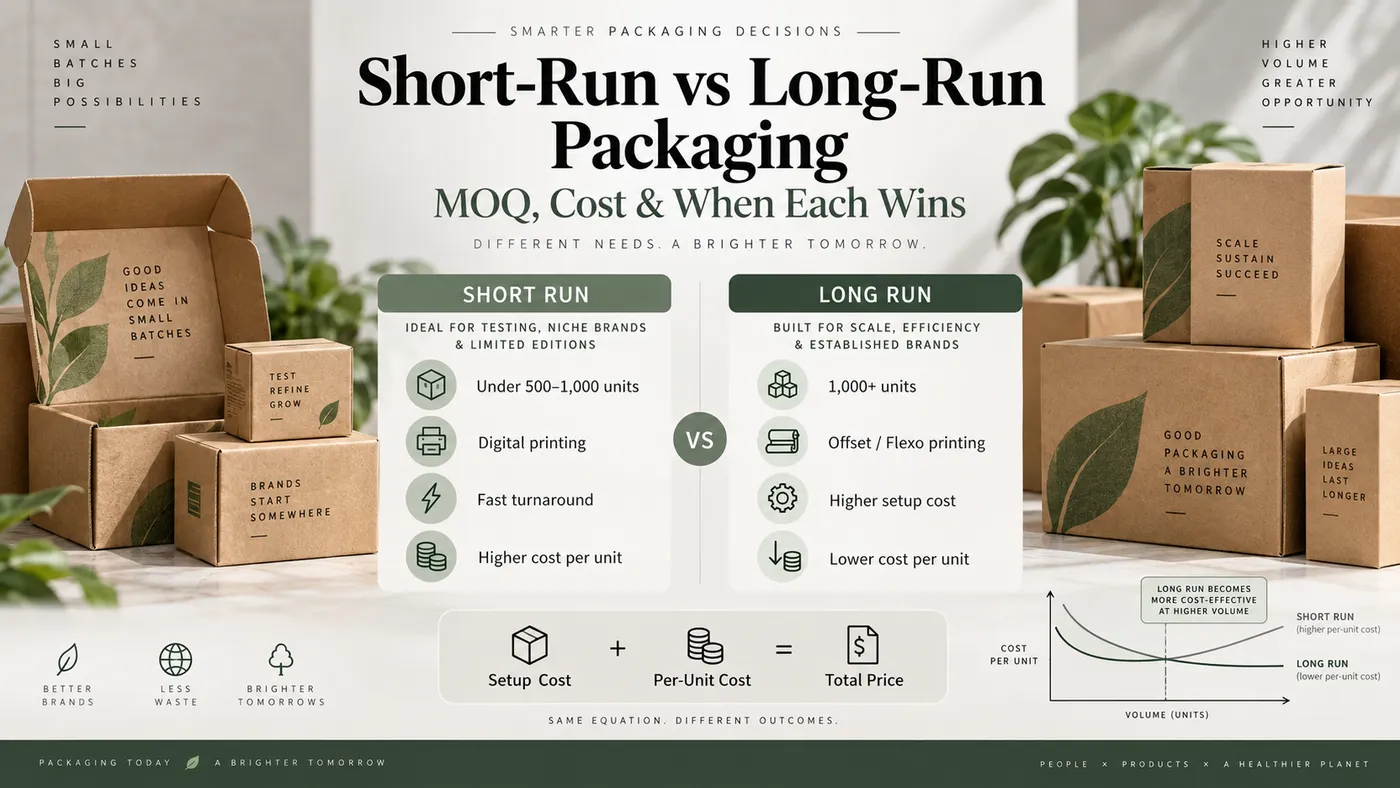
Short run packaging is typically under 500 to 1,000 units. It’s printed digitally. There are no plates to make. Turnaround is fast, but the cost per unit is higher. Long-run packaging covers 1,000 units and up. It uses offset or flexo printing. Setup costs more upfront, but the cost per unit drops as volume grows.
This article covers short run packaging in plain terms. It covers the cost structure behind it. It also covers how to know which side of that line your order falls on.
The line isn’t a strict rule. It shifts based on your box design. A simple one-color box might make sense on offset at a lower volume. A five-color box with foil accents needs more volume to justify the same switch. Request a quote for the exact crossover point on your specific design.
Two costs make up your total price. One is setup cost. This covers plates, dies, and press setup. The other is per-unit cost, the price to print and cut each box once setup is done.
Setup cost stays fixed no matter how many units you order. Spread it across more units, and the cost per box drops. That’s why long runs get cheaper per unit as volume grows. Short runs skip most of that setup cost entirely. That keeps the entry point low, but the per-unit price stays higher.
Digital printing needs no plates. The press reads your file directly and prints it. This cuts setup cost to almost nothing. It also means your first box and your five-hundredth box cost close to the same per unit. PRINTING United Alliance covers general digital and offset press standards. It’s useful background for comparing printing methods in more depth.
The tradeoff shows up at higher volumes. Digital’s per-unit cost stays roughly flat. It doesn’t drop much as you order more. Past a certain volume, offset becomes the cheaper option instead.
Offset and flexo printing both need plates. Making those plates costs money upfront, before a single box gets printed. That upfront cost is the tradeoff for a much lower per-unit price at volume.
More colors and more finishing steps mean more plates. That raises the setup cost further. This is exactly why the short run packaging crossover point moves. It depends on your design, not just your order size.
I’ve seen a brand assume their five-color box with foil accents would hit offset breakeven fast. They expected the same volume as a plain one-color mailer. Their supplier ran the numbers. The crossover sat much higher because of the extra plates and finishing setup.
The brand stuck with digital short runs longer than they expected. It was still the cheaper choice per unit until they cleared a volume well above their first estimate. A simpler box would have crossed over to offset far sooner.
Short run packaging often stays the smarter choice for longer than a brand assumes. Color count and finishes are the reason why.
Digital short runs turn around faster. There’s no plate-making step to wait on before printing starts. Offset and flexo long runs need plates made first. That adds lead time before the press even starts running.
A few Easy Box Packaging products that fit what this article covers.
Mailer & Shipping Boxes
A one-piece corrugated mailer built around product fit, folded side protection, and a presentation-ready opening for e-commerce orders, subscriptions, and launch kits.
Request a Quote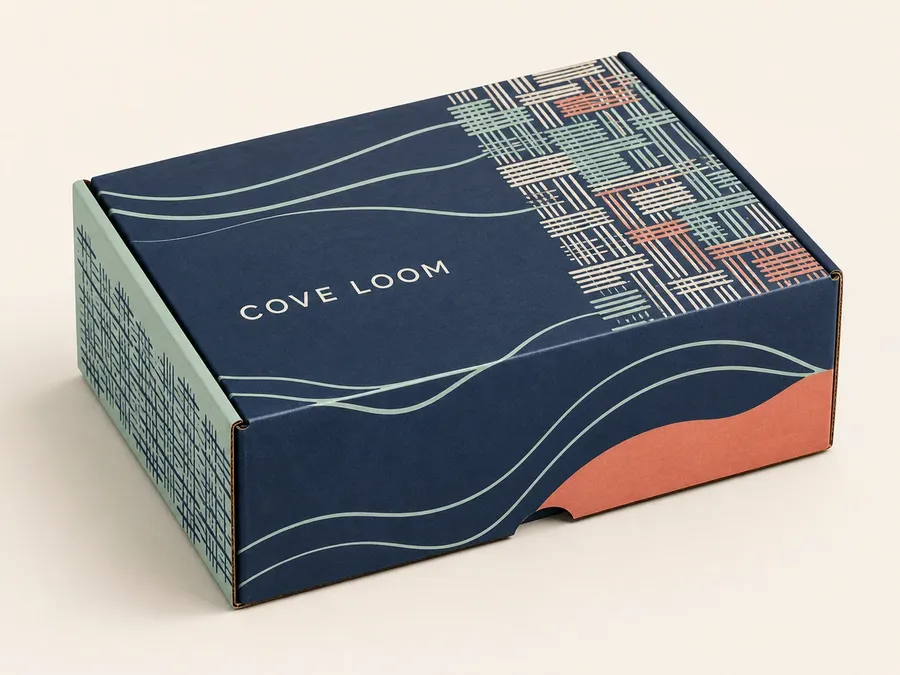
Mailer & Shipping Boxes
A custom-printed corrugated mailer designed for repeat subscription shipments, consistent inside-lid reveals, insert planning, and efficient recurring fulfillment.
Request a Quote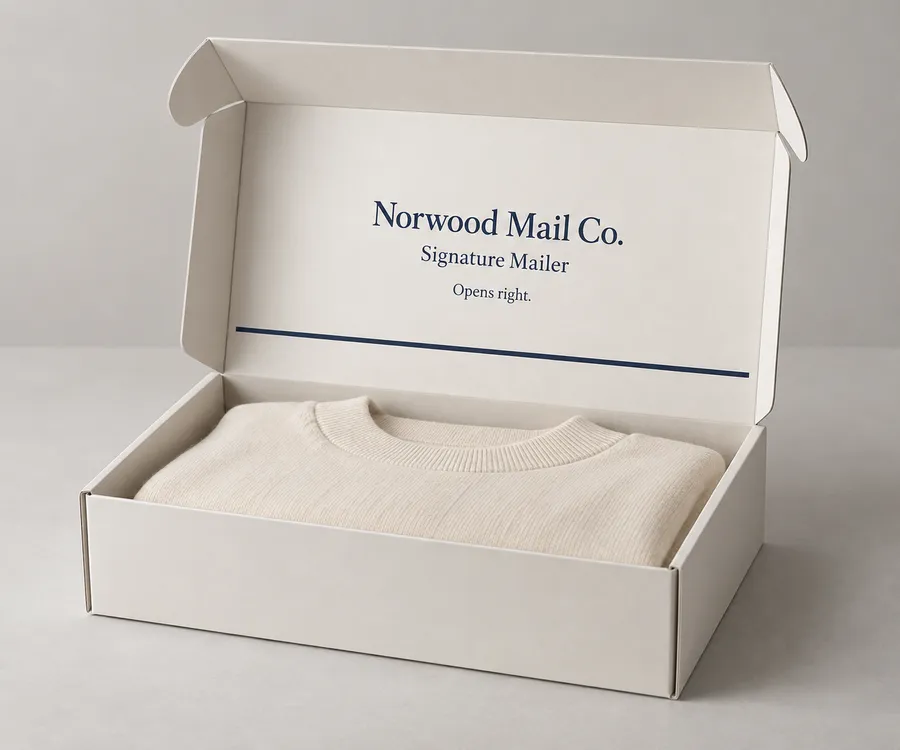
Mailer Boxes
Rigid mailer boxes give shipped products a more structured paperboard presentation than a flexible mailer, with a fold-over closure, planned internal clearance, and printed surfaces shaped around the order. Choose the material direction, opening style, interior support, and finish with the packed product and shipping route in view.
Request a Quote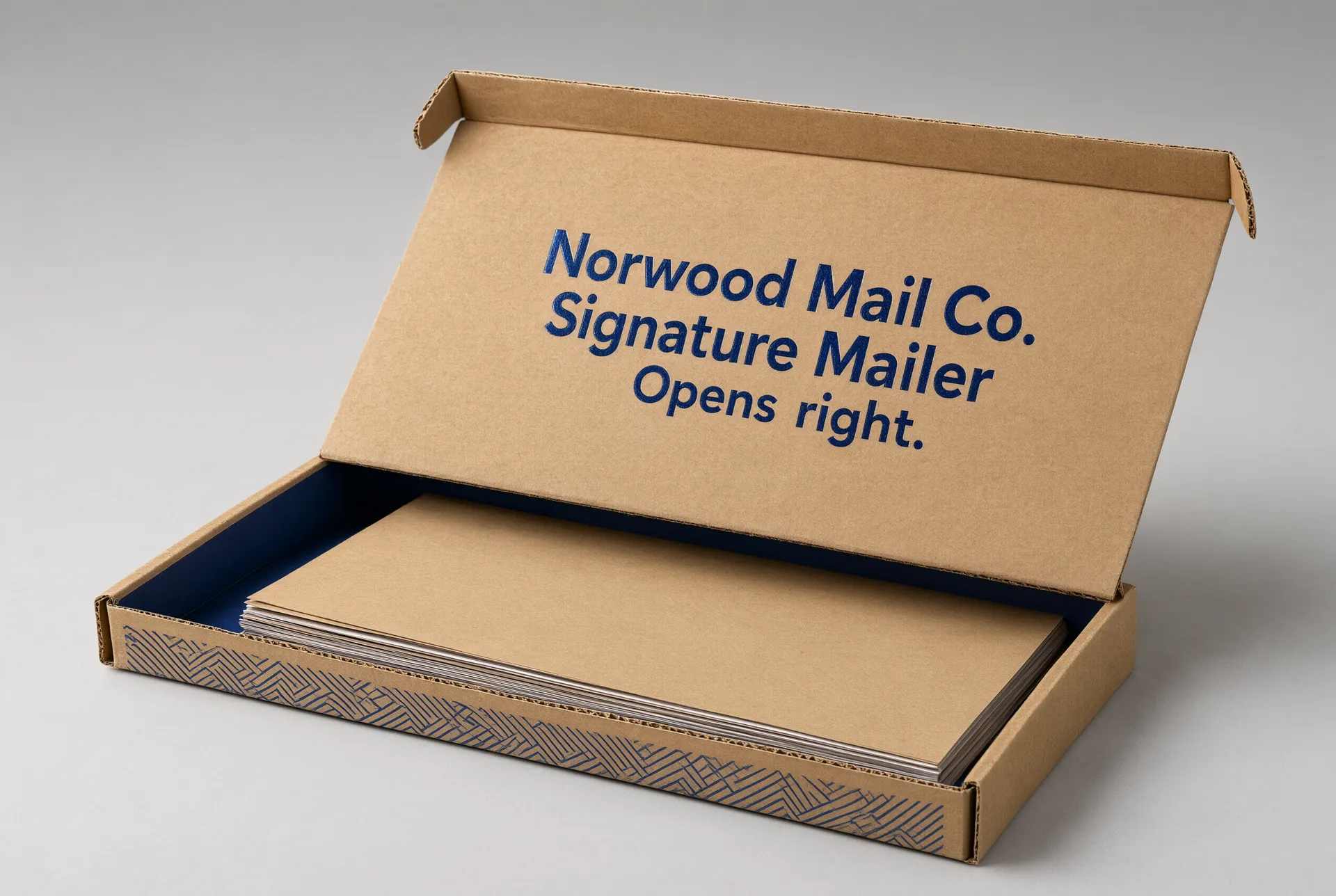
Mailer Boxes
Custom literature mailer boxes built as a flat, auto-lock-bottom corrugated mailer sized around catalogs, brochures, or printed materials. Printed with your own branding inside and out, and sized close to the contents rather than built for a bulkier product.
Request a Quote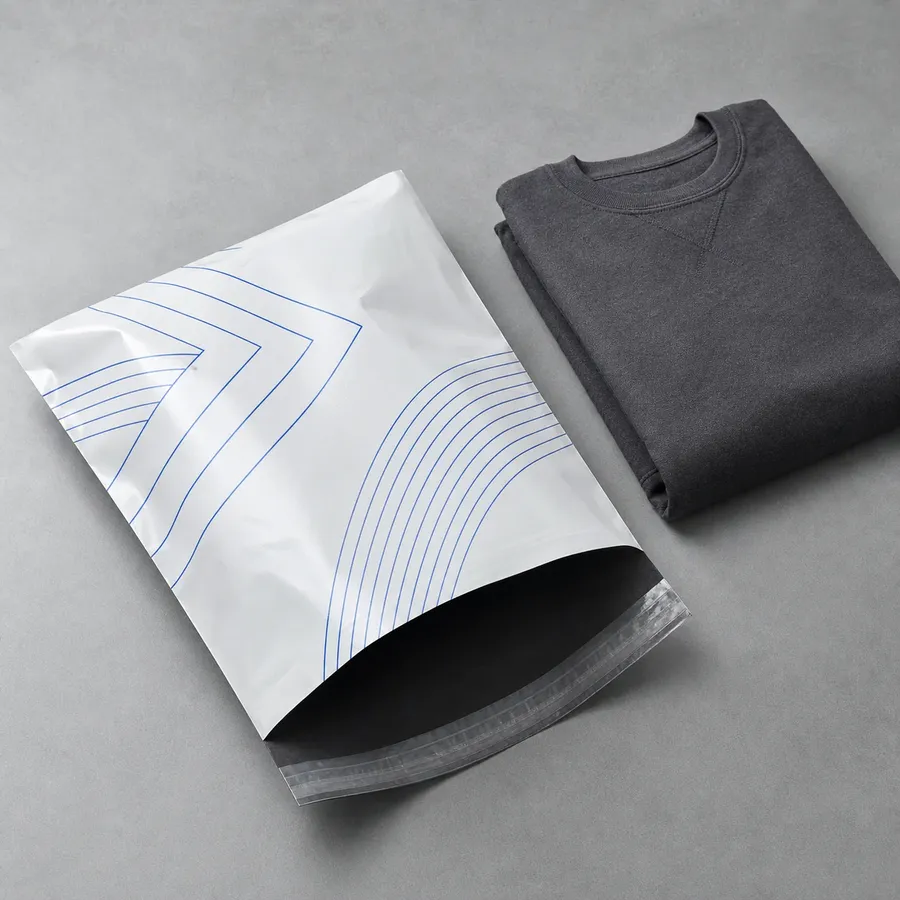
Flexible Mailers
A custom-printed flexible mailer for apparel and other non-fragile goods, built for lower-bulk dispatch.
Request a Quote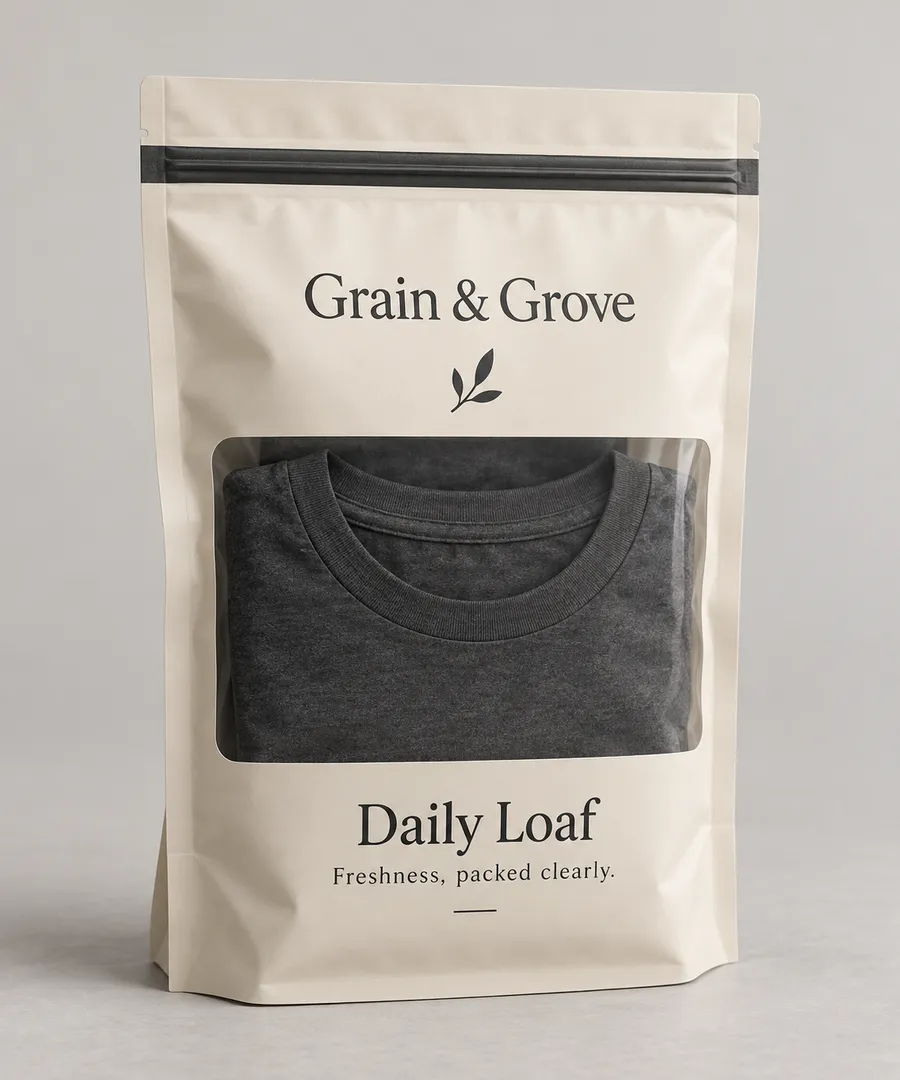
Flexible Mailers
Custom t-shirt bags give apparel brands a printable flexible package for folded shirts, limited drops, subscription orders, and retail handoff. Choose the bag profile, opacity or window, closure, film feel, and print coverage around the folded garment and packing routine. Share the finished fold dimensions, garment count, artwork, and finish direction so Easy Box Packaging can review a practical pouch instead of a generic stock bag.
Request a QuoteThis matters for reorder timing. A short run gets you inventory faster when you need it soon. A long run needs more advance planning, but it pays off at volume.
Factor | Short Run (Digital) | Long Run (Offset/Flexo) |
|---|---|---|
Typical volume | Under 500-1,000 units | 1,000+ units |
Setup cost | Minimal, no plates | Higher, plates required |
Cost per unit | Higher, stays flat | Lower, drops with volume |
Turnaround | Faster | Slower, plates add lead time |
Best for | Testing, small brands, frequent design changes | Established volume, stable design |
Start with your actual annual unit volume, not just your first order size. A brand planning steady reorders should weigh long-run pricing even if the first order is small.
Check your reorder frequency next. Frequent small reorders often favor digital, even at a higher per-unit cost. It avoids re-cutting plates each time your design shifts.
Factor in how often your design changes. Offset plates lock in your artwork. A brand still testing packaging design should stay on digital short runs until the design settles.
Finally, consider your brand’s current stage. A newer brand testing the market benefits from short run packaging’s lower upfront cost. Faster turnaround matters too, even at a higher per-unit price. This is especially common for brands selling through an ecommerce storefront. Order volume can be hard to predict in the first year.
The first mistake is comparing short run packaging and long-run pricing using only unit count. Color count and finishes shift the crossover point, sometimes by a wide margin.
A related mistake is locking into a long run before your design is finalized. Offset plates are expensive to remake. A design change after plates are cut means paying for new ones.
The third mistake is assuming digital always costs more overall. A brand with frequent small reorders faces a different math problem. Repeatedly re-cutting offset plates can cost more than digital across the same total volume.
A fourth mistake is ignoring turnaround time in the cost comparison. A long run’s lower per-unit price doesn’t help if the plate lead time misses your launch date.
A fifth mistake is skipping a quote request entirely and guessing at the crossover point. Your supplier can run the actual numbers for your specific dieline, color count, and finishes. Our guide to what a dieline actually is covers how your cut-and-fold layout factors into that cost.
If the project is still being validated, compare low-MOQ custom packaging can help frame a smaller first production order.
Questions, answered
Generally under 500 to 1,000 units. It’s printed digitally, with no plates required. The exact cutoff depends on your specific box design.
Usually, yes, at high volume. The total cost can still come out lower for a brand with frequent small reorders. It avoids repeated plate costs.
Yes. More colors and finishes raise offset’s setup cost, which pushes the crossover point to a higher volume. Our guide to budgeting ecommerce packaging covers other cost factors worth weighing alongside print method.
Yes. Many brands start on digital short runs while testing a product. They move to offset once volume and design stabilize. Get a free quote, dieline and design support included.
Talk to the team
Tell us what you are packing and how it will be sold or shipped. Easy Box Packaging will review the specification and send a quote.