Mailer & Shipping Boxes
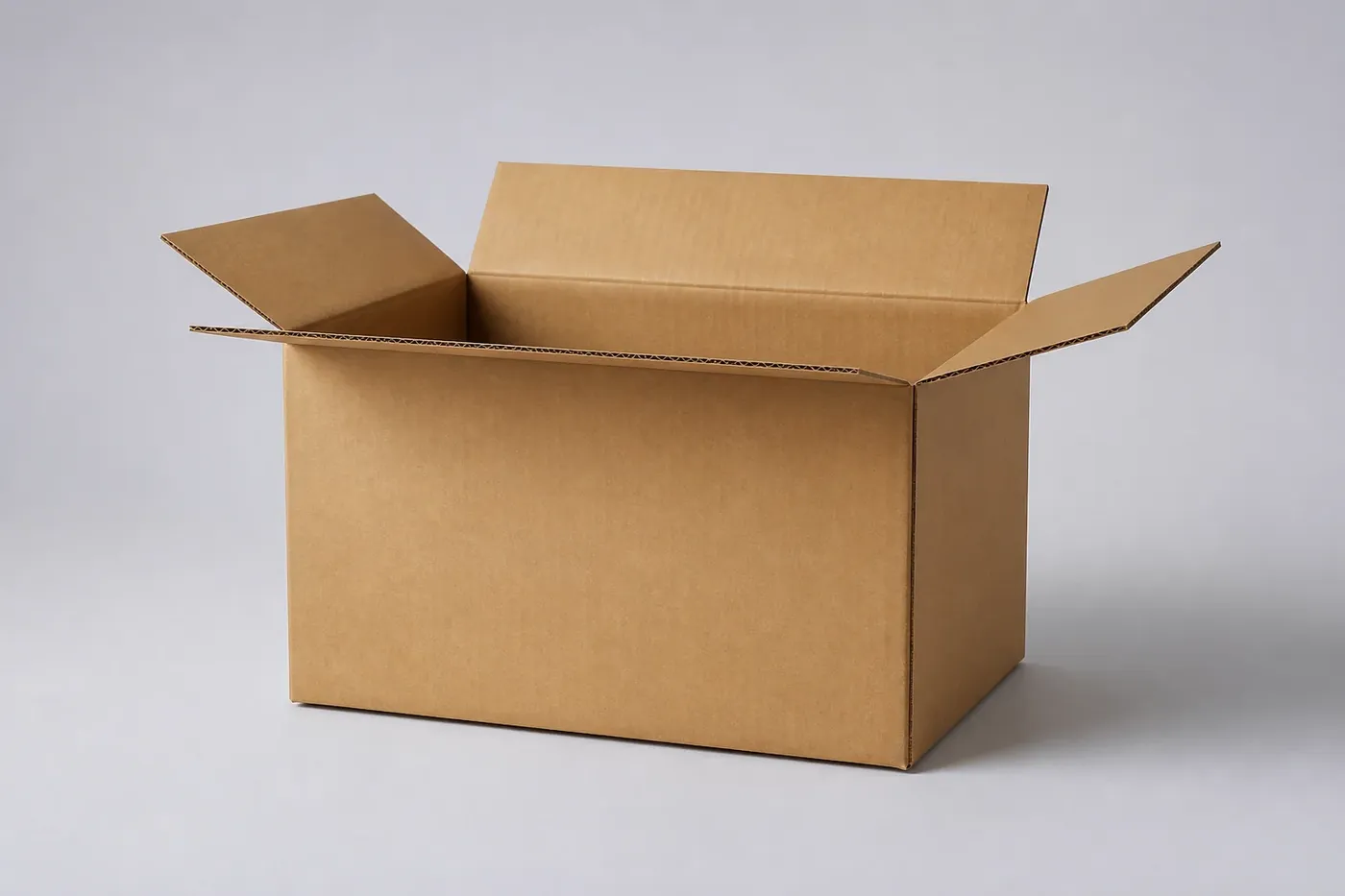
E-Commerce Shipping Box
A made-to-order corrugated shipping carton specified around packed dimensions, gross weight, cushioning, closure, label placement, and the demands of parcel fulfillment.
Request this format
Packaging Glossary
What is kraft paper? See the real differences between natural and white kraft, common paper weights, and recyclability, then request a free quote today.
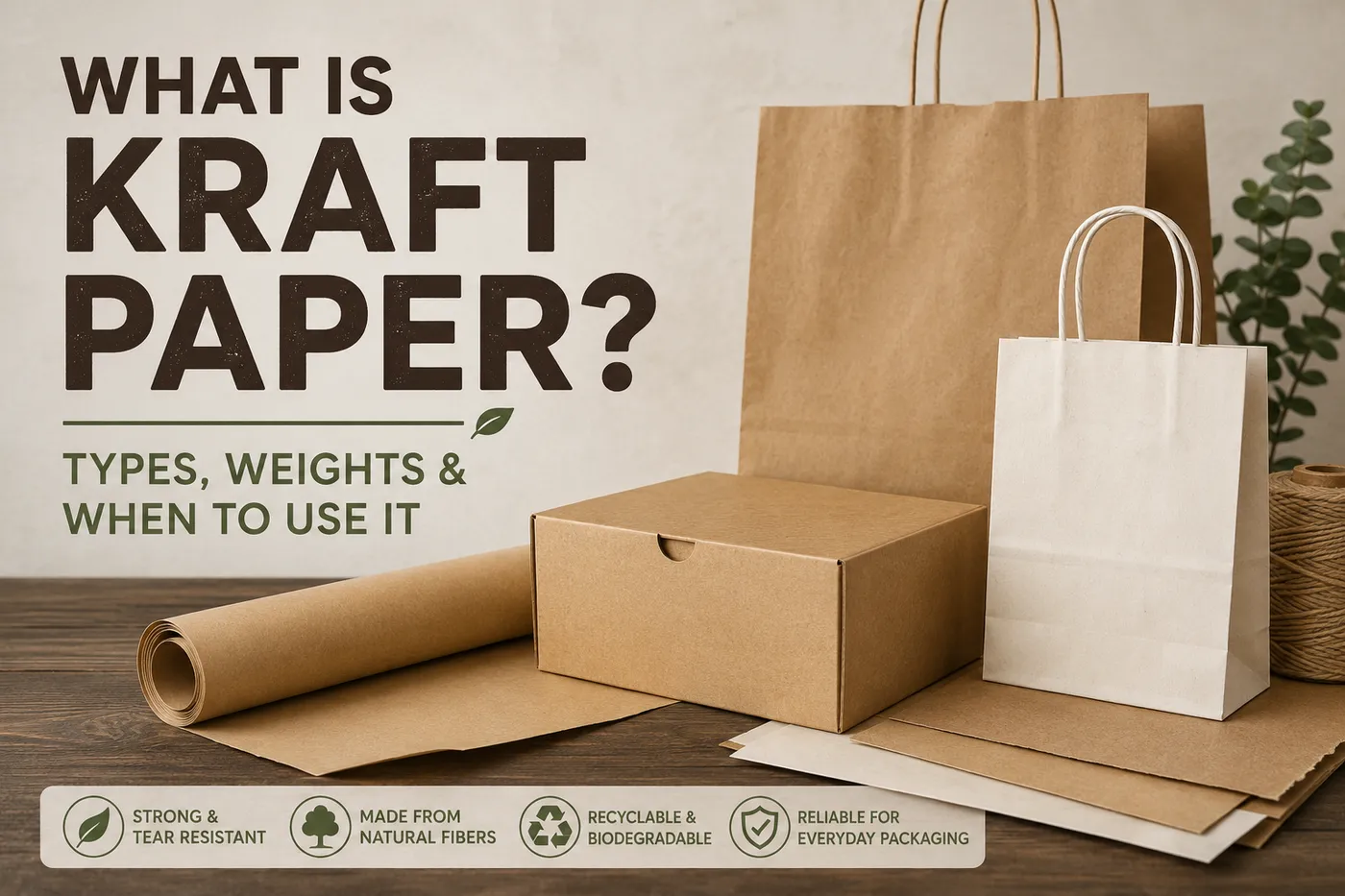
Kraft paper is a strong, tough paper made through the kraft process. It comes in two main looks: natural brown, or bleached white. Brands use it for bags, wraps, and box exteriors. It’s known for its tear strength and its raw, honest look.
The name “kraft” comes from the German word for strength. That’s fitting. Kraft paper earns its name through how it’s made, not just how it looks.
You’ve likely handled kraft paper without thinking about it much. Grocery bags, shipping tape backing, and plain wrapping paper are common examples. Packaging just borrows the same base material and dresses it up for a brand.
Kraft paper starts as wood chips. Mills cook those chips in a hot mix of chemicals. That mix breaks down lignin, the glue-like substance that binds wood fibers together. What’s left is pulp, made mostly of clean cellulose fibers.
This method is called the kraft process, or the sulfate process. It’s the method behind most of the world’s paper pulp. Mills favor it because it produces strong fibers and recovers most of its own chemicals for reuse.
Once the pulp is ready, it gets pressed and dried into sheets. At this stage, the paper is brown. That brown color comes from leftover lignin still in the fibers. Mills can stop here, or bleach the pulp further to make it white.
Natural kraft, sometimes called brown kraft, skips the bleaching step. It keeps more of its lignin. That lignin adds color, but it also helps hold the fibers together. Natural kraft tends to be the strongest common paper grade at a given weight.
White kraft goes through an extra bleaching step. Mills use agents like chlorine dioxide or hydrogen peroxide to strip out color. That gives a bright, clean look that suits sharp print and bold branding.
Here’s the part most guides skip. Bleaching doesn’t just remove color. It also slightly weakens the bonds between fibers. That means white kraft is usually a bit less strong than natural kraft at the same weight. You can’t get pure white and top strength from the same sheet. It’s a real tradeoff, not just a look.
I’ve seen a brand ask for a bright white kraft mailer with top tear strength. That was for one heavy product. Those two goals pull in different directions on the same paper base. Once we explained the tradeoff, they picked a slightly heavier white kraft weight. That made up the difference without giving up the bright look they wanted.
If both color and strength matter to your product, ask for swatches of each. You can compare tear strength and shade by hand yourself. Easy Box Packaging can help match kraft weight and color to what your product actually needs.
Kraft paper gets measured in basis weight, usually shown in pounds or GSM. Common packaging grades run roughly 30 to 70 pounds. Lighter weights suit wraps, bags, and tissue-style uses. Heavier weights suit box liners, mailers, and sturdier bags.
Weight alone doesn’t tell the whole story. A heavier natural kraft sheet and a lighter white kraft sheet can feel similarly sturdy in hand. That happens even at different weights. Always ask your printer for the exact weight and finish together, not weight alone.
Weight also affects how a kraft sheet folds and creases. Lighter grades fold crisply and hold sharp edges well, which suits small bags and wraps. Heavier grades resist creasing less cleanly. But they hold up far better against punctures, tears, and rough handling along the way.
Kraft paper also comes in different textures. Smooth kraft has a flatter, more even surface, which suits fine print detail. Textured or “ribbed” kraft has a rougher feel. Brands often use it to lean into a raw, handmade look. Neither texture changes the base strength much. It’s mostly a look and feel choice on top of the weight and color decisions already covered.
A few Easy Box Packaging products that fit what this article covers.
Mailer & Shipping Boxes
A made-to-order corrugated shipping carton specified around packed dimensions, gross weight, cushioning, closure, label placement, and the demands of parcel fulfillment.
Request this format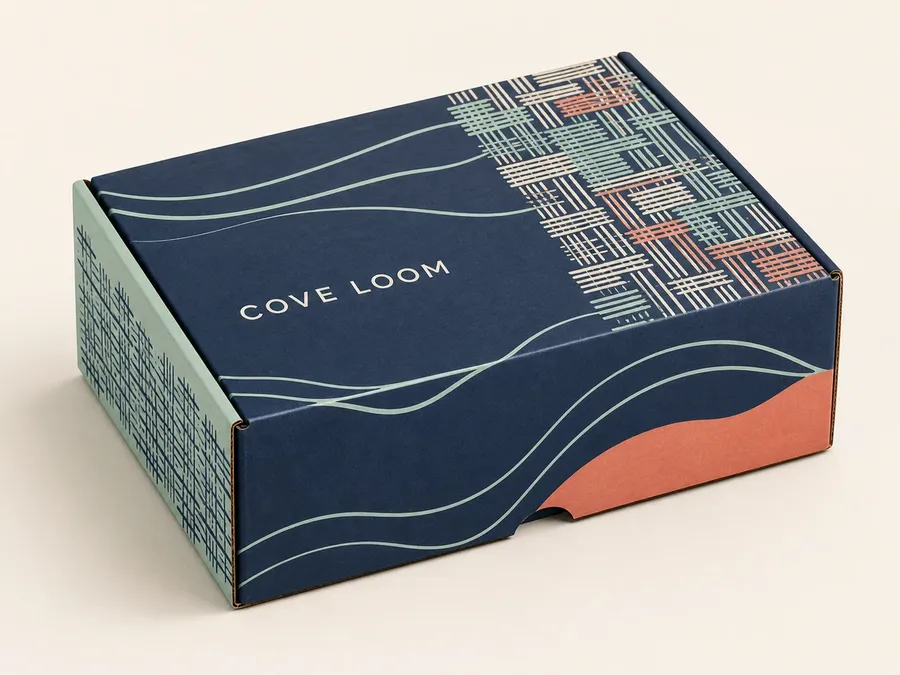
Mailer & Shipping Boxes
A custom-printed corrugated mailer designed for repeat subscription shipments, consistent inside-lid reveals, insert planning, and efficient recurring fulfillment.
Request this format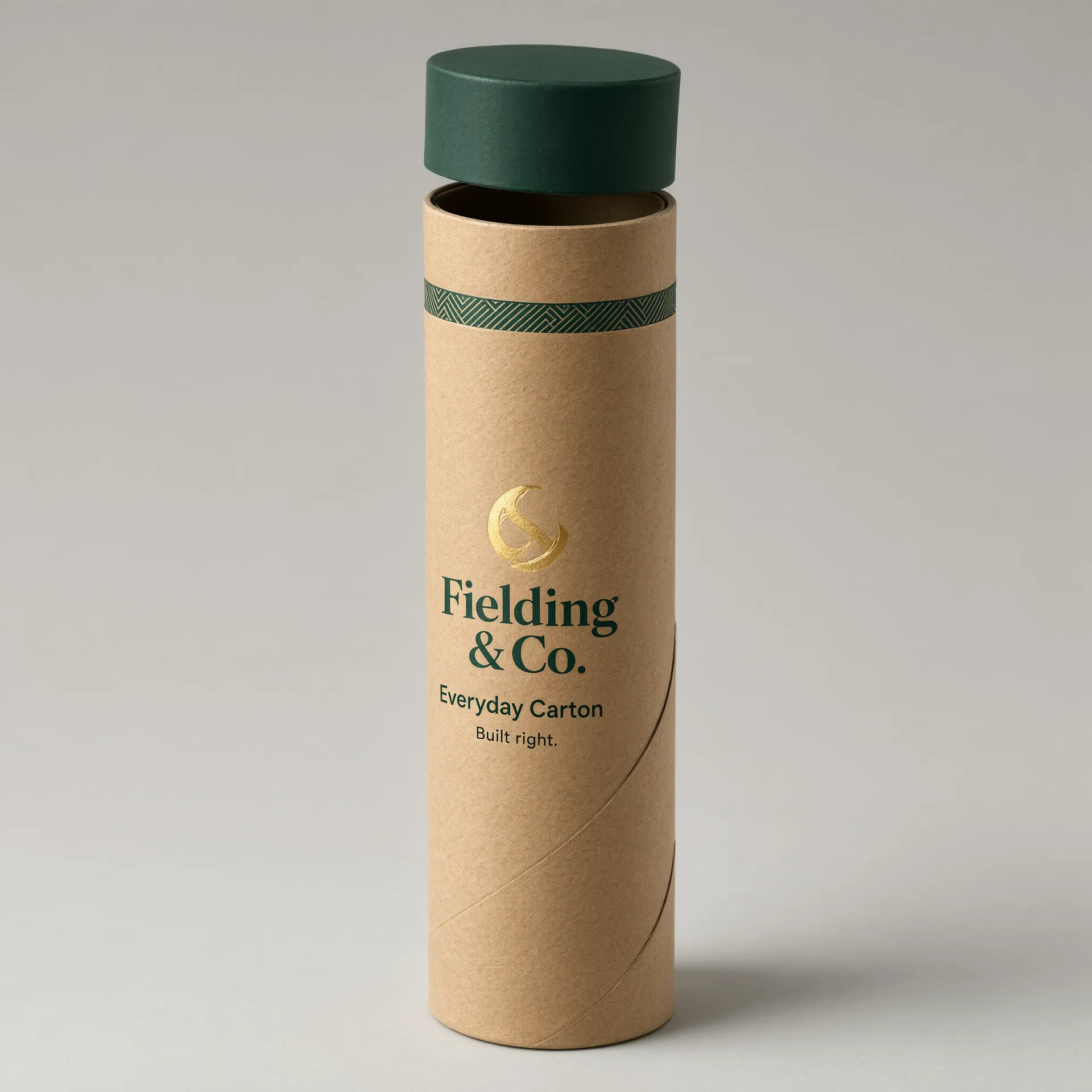
Cardboard Boxes
Custom cardboard tube packaging built as a spiral-wound kraft or SBS paperboard tube with a telescoping paperboard end cap. Sized around a round or cylindrical product rather than forced into a rectangular carton, and printed with your own branding on a wraparound label or direct-printed surface.
Request this format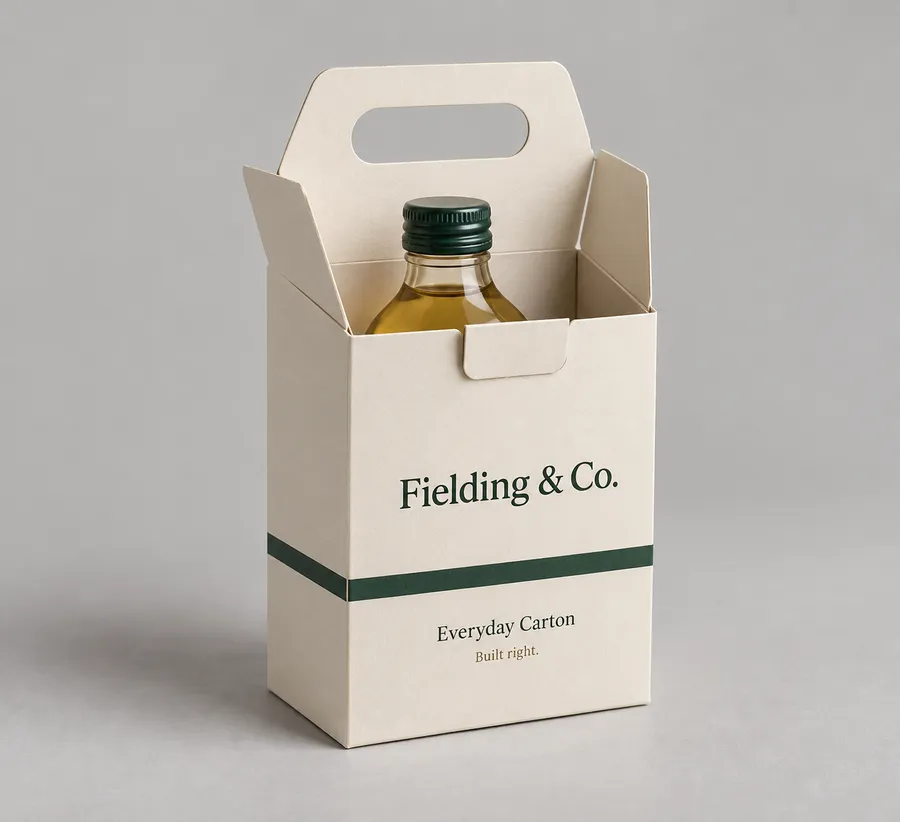
Cardboard Boxes
Custom cardboard boxes with handles for products that need a practical carry point and a printed outer surface. The folding paperboard format can be shaped around the packed product, with a die-cut top handle, tuck or locking closure, and board and finish choices reviewed against the intended weight, presentation, and route to the customer.
Request this formatFactor | Natural (Brown) Kraft | White Kraft |
|---|---|---|
Color | Brown, unbleached | White, bleached |
Strength | Slightly stronger at same weight | Slightly less strong at same weight |
Look | Raw, rustic, earthy | Clean, bright, premium |
Best for | Rugged bags, eco-forward brands | Bold branding, sharp print detail |
Plain, uncoated kraft paper is generally recyclable, like most paper packaging. Recycling programs handle it the same way they handle other clean paper and cardboard.
Coatings and laminations change that picture. A kraft sheet with a plastic coating, foil layer, or heavy wax finish may not recycle as easily. It’s still called “kraft” on the label, but the coating changes things.
If recyclability matters to your brand, ask your printer exactly what’s on the kraft sheet. The base paper name alone won’t tell you enough. A quick question about coatings and finishes up front avoids a mismatched sustainability claim later.
There’s one more mix-up worth clearing up. “Kraft paper boxes” can mean two different things. Sometimes it means a box built directly from kraft paperboard or kraft corrugated. Other times it means a plain box wrapped or lined in kraft paper as a finishing touch.
Both are valid choices. They’re just structurally different. A box built from kraft material carries the look and the strength properties in the structure itself. A kraft-wrapped box uses kraft mostly for the outer look. The real strength comes from whatever material sits underneath it. Ask which one a quote actually covers before you commit to a design.
The first mistake is assuming “kraft” always means the same paper. Natural and white kraft behave differently, even under the same name. Ask which one a quote actually covers.
The second mistake is picking kraft purely for looks. Checking whether the weight fits the product often gets skipped. A gorgeous kraft mailer that tears open in transit is a real problem. It’s one of the quieter packaging mistakes that kill the unboxing moment.
The third mistake is assuming any kraft finish is automatically eco-friendly. Coatings and laminations can undercut that claim. Ask specifically about the finish, not just the base paper.
The fourth mistake is comparing kraft weights across mills without confirming the finish. A 40-pound sheet from one mill and a 40-pound sheet from another can feel different. It depends on natural versus white processing, and on any coating on top.
A fifth mistake is assuming a darker brown means a stronger sheet. Shade alone isn’t a reliable strength signal. Two natural kraft sheets can look nearly identical in color and still differ in weight and tear strength. Confirm the actual basis weight, not just the visual tone.
Want a rustic, eco-forward look for something like custom mailer boxes or a handmade product? Natural kraft usually fits best. Want sharp, bold branding with fine print detail? White kraft gives you a cleaner canvas for that.
Shipping something with real weight or fragility? Choose your kraft weight based on the product, not just the look. A heavier kraft grade protects better regardless of color. Sample both a natural and white option at your target weight first. The small delay is worth it before you lock in a final design.
Not sure which kraft option is right? Browse kraft packaging options or check our kraft paper material guide for more on stock and pricing. Getting the weight and finish right the first time matters. A box that survives its trip intact builds trust from the first order on. That’s part of why packaging drives repeat purchases down the line.
Questions, answered
Kraft paper comes from wood pulp, made through the kraft process. That process uses chemicals to break down lignin and leave strong cellulose fibers behind.
Natural kraft skips bleaching. It keeps its brown color and extra strength. White kraft goes through a bleaching step. That brightens it, but it slightly reduces strength at the same weight.
Plain, uncoated kraft paper is generally recyclable. Coatings, foil layers, or heavy laminations can make it harder to recycle, so check the exact finish first.
Most shipping grades run 40 to 70 pounds. The right weight still depends on your product’s size and how fragile it is.
Yes, generally. Kraft paper is made specifically for strength and tear resistance. That’s why it’s used for bags, wraps, and box exteriors, instead of standard printer paper. Get a free quote — dieline and design support included.
Start a packaging brief
Share the product, quantity, dimensions, and route to market. Easybox will help connect those requirements to a practical structure and production path.