Action figures and dolls
Keep a standing figure visible through a window or above a low front lip while the back panel carries the product story.

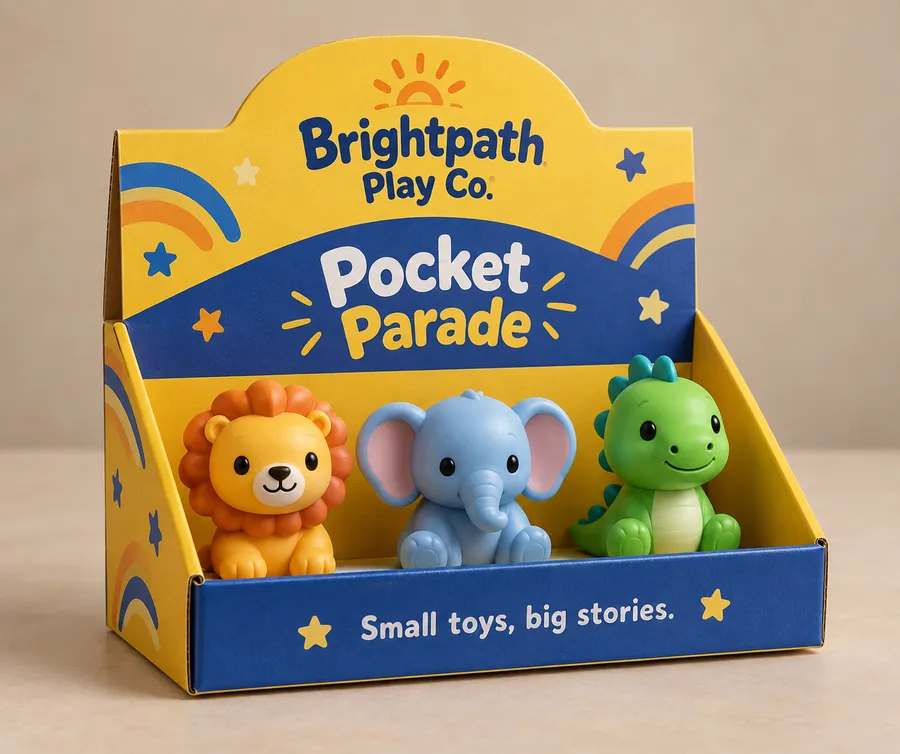
Brightpath Play Co. Pocket Parade display toy box with three collectible figures in a printed open-front tray.
Display Boxes
Custom display toy boxes keep a toy visible while giving the shelf, counter, or promotional table a defined footprint. Share the toy's packed dimensions, weight, number of facings, viewing angle, opening, board preference, artwork status, quantity, and delivery route so the box can be reviewed around the actual play product.
Last updated
Working quote
Product brief
A display toy box has two jobs: keep the toy in a readable position and give the printed pack a clear face for the shopper. Start with the setting. A countertop tray may need an open front for quick access, while a window carton may keep the toy enclosed but visible on a retail shelf. A hanging pack, a counter display, and a parcel-ready carton each have a different center of gravity, loading motion, and panel hierarchy. The useful structure follows the toy, not a generic box name.
Describe the actual product before choosing the format. Record the toy's finished length, width, height, weight, widest points, projecting parts, packaging sleeve, and any accessories that stay in the pack. State whether one toy or a set of 2 or 3 pieces faces the shopper. Include the direction the toy should point, the panel that must remain readable, and whether a child-facing feature needs to remain visible through a window or open front. This keeps the quote tied to the real object.
Measure the toy in the arrangement that will be loaded. Include a blister, tissue wrap, inner card, elastic, tray, or divider if one stays with the finished product. Note the tallest point, the widest pose, the clearance needed for a hand to remove the item, and the room needed for replenishment. If the box travels loaded, describe the shipping route and whether it sits inside a second carton. These details affect the base, lip, insert, and closure.
The outside dimensions are not the usable interior. Board folds, seams, a front ledge, a window margin, and a support card occupy space. A 1-piece toy and a 3-piece set can need different dielines even if their shelf width looks similar. The assembled proof should show the intended toy, not only a flat artwork sheet. Check the opening direction, score lines, cut edges, viewing window, and reading order before production.
Kraft Paperboard can support a natural printed direction, SBS Paperboard offers a smooth face for small type and saturated artwork, and Corrugated Board can be considered when the packed toy or delivery route calls for more structure. Those are category directions, not a promise of a particular gsm, flute, load rating, or toy-safety approval. The toy's weight, fragility, center of gravity, shelf position, storage space, and whether the box travels loaded determine the suitable construction.
An open-front tray makes replenishment quick; a raised back panel creates a taller brand area; a window carton protects the toy while keeping its face visible; a folded support can hold a standing figure or irregular accessory. A fitted insert may separate 2 components, but its layout should follow the actual accessory sizes and loading motion. Do not assume a universal insert or transit rating before the finished geometry is reviewed.
Put the toy name and primary brand cue on the panel a shopper sees after loading. Use the back or side panels for age guidance, contents, care notes, barcode space, or a short play description. Keep critical copy away from scores, cut edges, windows, and ledges that could hide a word. A digital proof can show when the toy blocks artwork or when the opening reverses the reading order.
Matte Lamination and Gloss Lamination can be considered for the printed surface. Spot UV, Foil Stamping, and Embossing/Debossing can emphasize one mark or line of type. Finish choices remain subject to stock, artwork scale, fold placement, and handling. The fictional image mockup uses Brightpath Play Co. / Pocket Parade / Small toys, big stories.; production artwork should use the buyer-approved brand and required information.
Send the packed toy dimensions, count per display, approximate weight, pose or orientation, fragile projections, window or open-front preference, board direction, print coverage, finish request, artwork status, quantity, and delivery destination. A product photograph or physical sample helps when the toy is tapered, articulated, uneven, or supplied with a separate accessory. Explain whether the box is stocked on a shelf, handed over at an event, shipped inside a master carton, or mailed with the toy already loaded.
The standard fulfillment path starts at 50 units, and production is from 7 business days after digital proof approval. Free US shipping, dieline and proof review, and quote responses within 24 hours are approved service facts for the standard path. Pricing remains quote-only because the final footprint, construction, print coverage, finish, and quantity determine the specification. A sample kit carries a $44.99 USD shipping charge credited toward the first order when you need to compare material and finish direction in hand.
Review the display toy box as a filled package. Check that the toy sits in the intended pose, the 1 front opening or window remains practical, the visible face is not obscured, and every fold, seam, insert, and closure follows the approved route. Confirm the product name, age or contents information, and finish placement on the assembled view. This final check connects presentation to the real geometry and prevents an attractive flat layout from becoming a confusing finished pack.
A well-specified custom display toy box connects the toy, viewing angle, construction, printed panels, and delivery route. When those decisions are supplied together, Easy Box Packaging can turn the brief into a quote-ready dieline and proof without assigning unsupported dimensions, prices, or performance claims.
Proof points
The proof should connect the box construction to the actual toy so fit, opening, print orientation, and surface direction can be checked together.
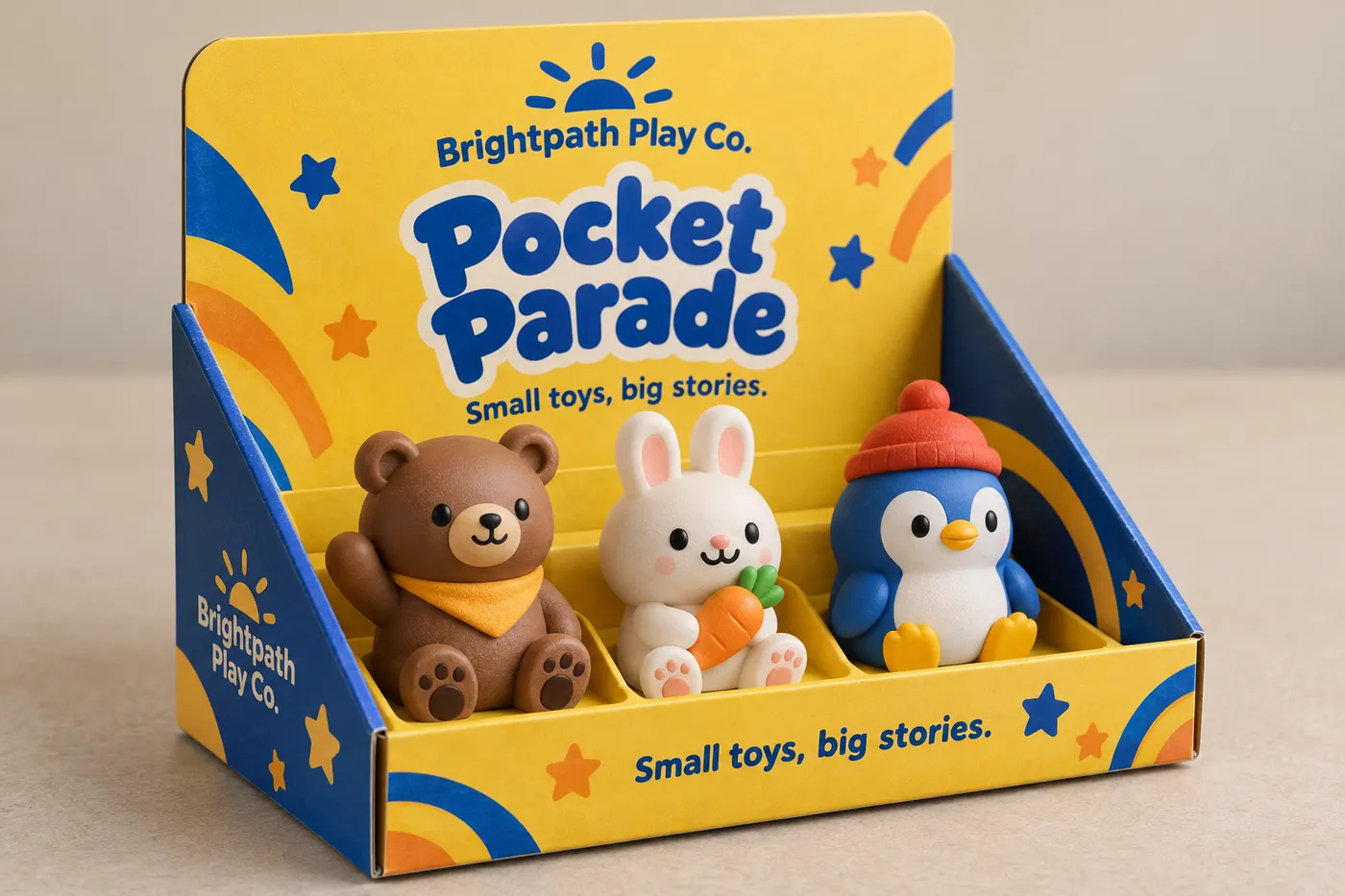
The toy footprint, viewing face, opening route, board direction, printed panels, and delivery conditions determine whether the display should use a window carton, tray, back panel, or fitted support. Share those variables before artwork is treated as final.
Keep a standing figure visible through a window or above a low front lip while the back panel carries the product story.
Use a wider tray or window carton when the toy's soft shape needs room without losing a defined shelf footprint.
Organize cards, tokens, or miniature pieces with a fitted support and a readable front panel.
Plan a multi-piece arrangement, printed campaign message, and replenishment route for a limited run or event display.
The front, side, back, window surround, and any visible interior form one printed surface system. Map the artwork on the assembled box so reading direction, folds, opening, and required information remain intentional.
A focused brief connects the construction to the toy and setting before the dieline and printed surface are finalized.
Provide finished length, width, height, weight, count, pose, accessories, and any inner wrap, blister, or card.
Identify the panel shoppers should see, the loading direction, the front access, and whether the box travels loaded.
State the board direction, print coverage, required copy, finish preference, and information that must remain readable.
A quote is easier to evaluate when the toy, display setting, construction, print map, and delivery route are described together.
Provide dimensions, weight, count, pose, accessories, fragile projections, and photographs or a physical sample.
Identify the shelf, counter, hanging, event, or parcel route and the panel shoppers should see first.
State a starting preference for Kraft Paperboard, SBS Paperboard, Corrugated Board, print coverage, and finishes if known.
Confirm the footprint, toy arrangement, opening direction, panel orientation, and artwork placement before digital proof approval.
Request a sample kit to compare paperboard and corrugated surfaces, print treatment, and opening feel. The $44.99 USD shipping charge is credited toward your first order.
Shipping charge: $44.99. Credited toward your first order.
Request a Sample KitCustomer reviews
5 out of 5 from 25 reviews.
The artwork on our custom display box came through clearly, and the structure feels right for products that need shelf or counter visibility. We were happy with the communication and the finished packaging.
We're pleased with our custom display box. It protects and presents our product well, and the custom sizing made a noticeable difference for our business.
We compared several packaging options before ordering display boxes. The an open front and strong printed branding gives our product a cleaner presentation and makes the customer experience feel more considered.
Our team needed an open front and strong printed branding for our products, so we chose Easy Box Packaging for display boxes. The result is sturdy, practical, and well suited to our daily packing process.
We ordered custom Display Boxes for our products that need shelf or counter visibility, and the fit worked well. The an open front and strong printed branding made packing straightforward and the finished custom display box looks professional.
We’re pleased with our custom packaging order from Easy Box Packaging. The boxes suit our products well, and we’d be happy to order again.
Find clear answers about fit, materials, and ordering below.
Share the packed toy dimensions, weight, count, pose, display setting, viewing face, preferred structure, board direction, print coverage, finish, quantity, and delivery destination. Photos or a physical sample can clarify an unusual shape.
It can be planned for several toys or components when the sizes, count, orientation, and arrangement are provided together. A materially different arrangement may need its own dieline.
Category-supported directions include Kraft Paperboard, SBS Paperboard, and Corrugated Board. The suitable choice depends on toy geometry, presentation, handling, and the delivery route.
Matte Lamination, Gloss Lamination, Spot UV, Foil Stamping, and Embossing/Debossing are category finish directions. Final suitability depends on artwork scale, stock, folds, and handling.
Production is from 7 business days after digital proof approval on the standard path. Orders start at 50 units, and Free US shipping is available on the standard fulfillment path.
Pricing remains quote-only because the finished footprint, construction, print coverage, finish, and quantity determine the project specification.
Orders start at 50 units and scale up to 500,000 for bulk runs, with pricing from $0.39 per unit on larger quantities. Standard production is 5–7 business days from art or dieline approval.
Compare nearby products and request the format that best fits your next run.
Available product
Available product
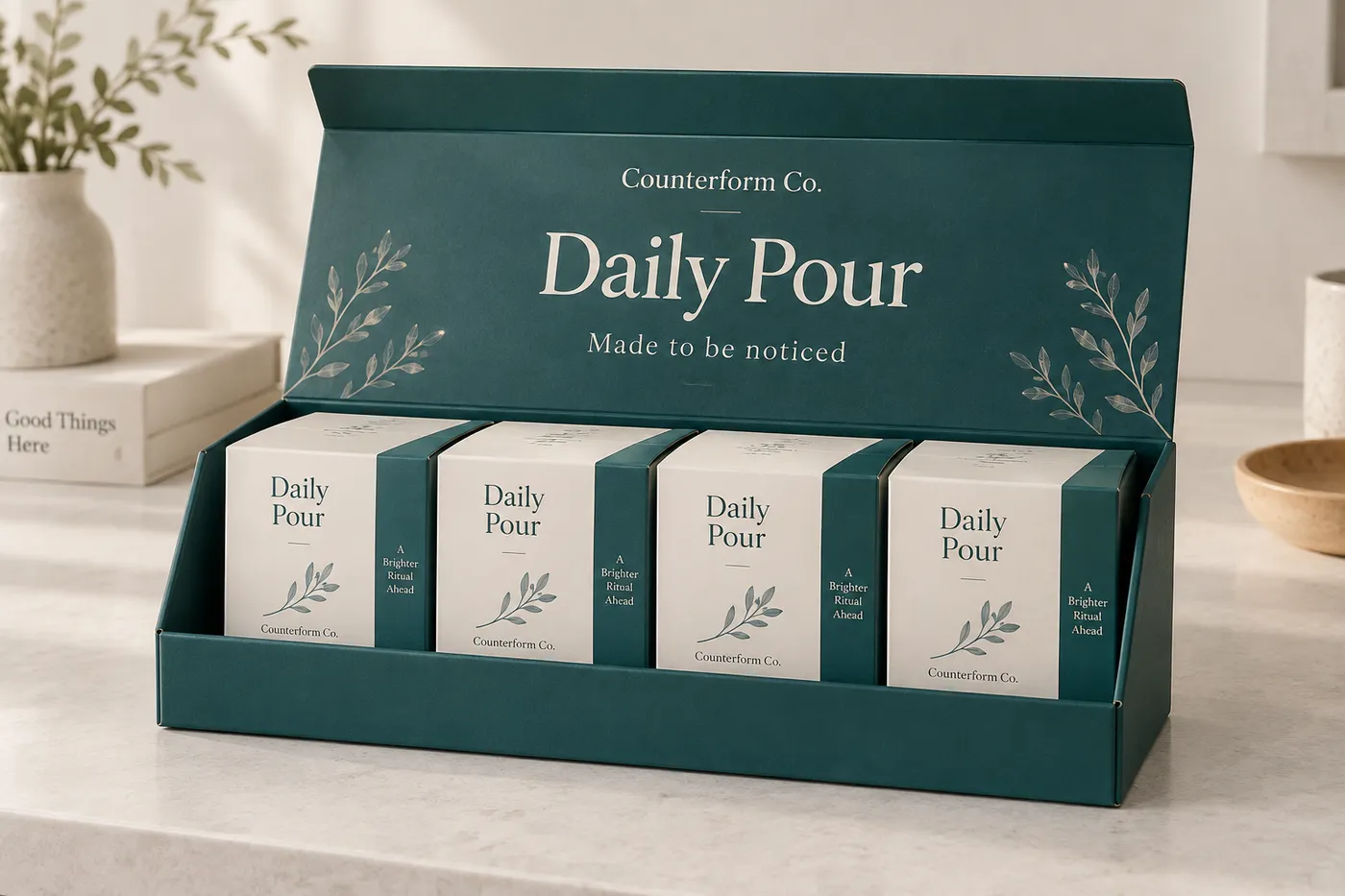
Available product
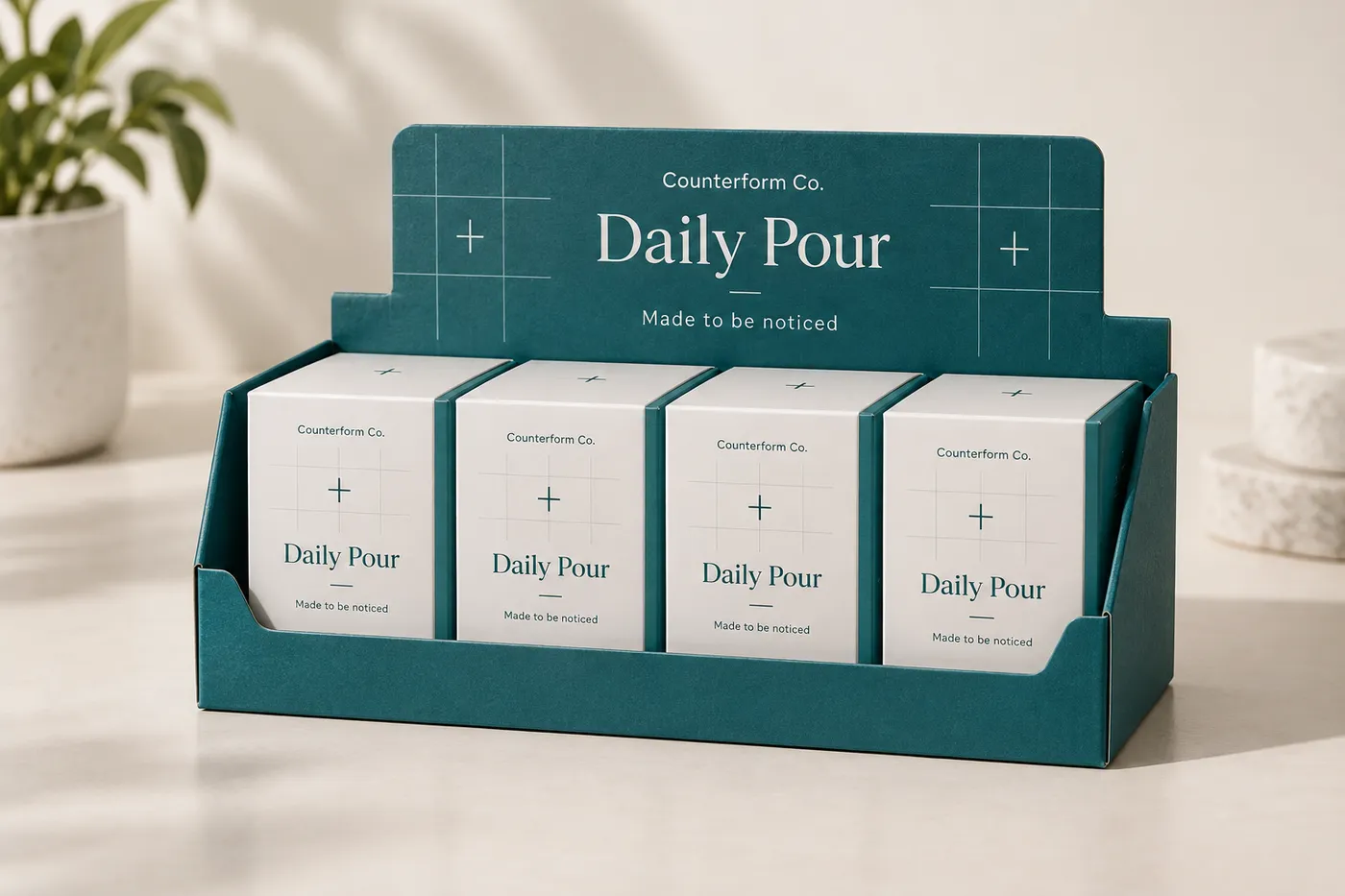
Available product
Plan the toy presentation
Send the packed toy details, display setting, viewing face, construction direction, artwork status, quantity, and destination. Easy Box Packaging can then review the box, support, and printed surfaces as one quote-ready specification.
Add your product details to see a quote summary.