Coffee, tea, and spices
A considered barrier and closure review can support aroma-sensitive dry products when the filling and storage route are supplied.

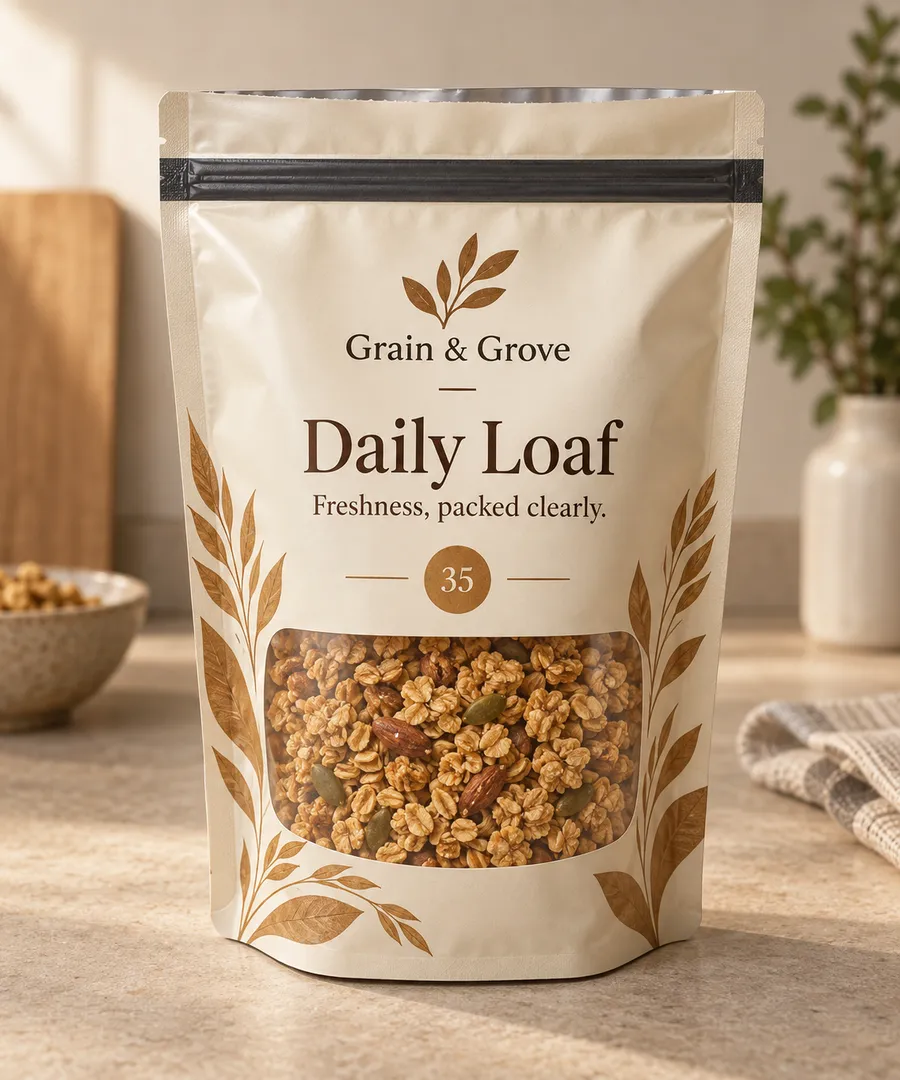
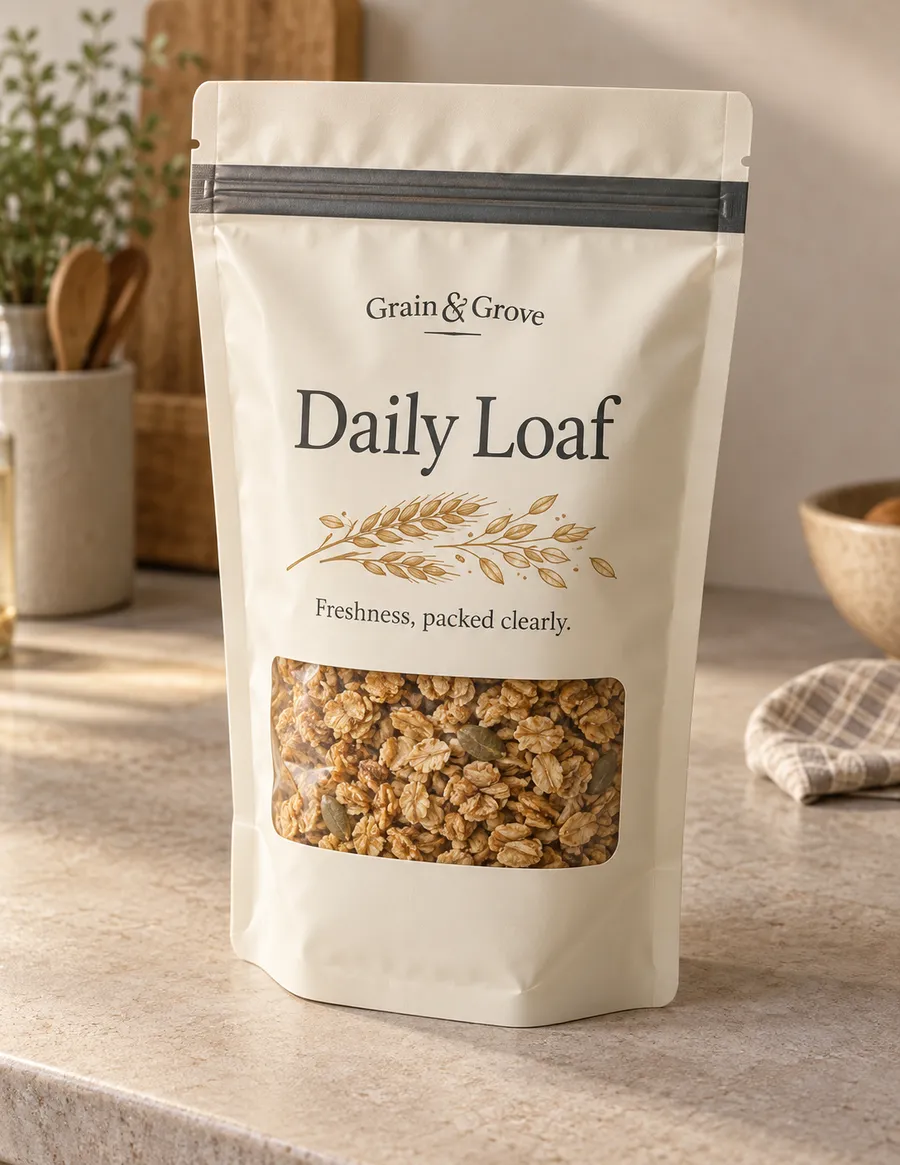
Printed warm ivory custom 35 mylar bag with a zipper, clear window, and granola inside.
Mylar Bags
Custom 35 mylar bags give dry foods, pantry products, and other small-batch goods a flexible branded format built around the real filled product. Treat “35” as the buyer's requested product designation until the quote confirms whether it refers to a size, fill, or internal variant; do not infer a dimension from the keyword. Choose a flat or stand-up profile, closure, print coverage, and finish, then share the fill weight, packed dimensions, storage needs, and artwork so Easy Box Packaging can review the complete pouch specification.
Last updated
Working quote
Product brief
Custom 35 mylar bags combine a printable flexible surface with a construction that can be reviewed around moisture, aroma, oxygen, light, and filling requirements. The useful starting point is the filled pack, not a generic stock size. The number “35” is retained as the product designation from the brief; it is not treated as a width, height, gauge, or fill weight until the quote confirms what the buyer means. Send the packed length, width, height, widest points, fill weight, headspace, and any inner wrap or insert. A small flat pouch may suit a spice or sample portion, while a stand-up pouch with a bottom gusset can make a larger coffee, granola, tea, or pet-treat fill easier to load and store. The filled shape affects the seal area, zipper position, front panel, back-panel copy, and side or bottom gussets.
A clear quote brief should state whether 35 refers to a requested size family, a fill or count, an internal SKU label, or another commercial convention. Do not convert that label into an invented measurement. Confirm the finished packed dimensions and target weight separately, then review the pouch profile around the product as it will actually sit in the bag. This small clarification prevents an artwork file, zipper position, or production assumption from being built on the wrong interpretation.
Food-grade flexible pouch film is a practical base for many dry products. A metalized or foil barrier laminate can be considered when aroma, moisture, oxygen, or light sensitivity is part of the brief, while a polyethylene sealant film supports the heat-seal conversation. These are construction directions to review against the real product, not a universal promise of shelf life or complete protection. Product composition, water activity, oil content, filling temperature, storage conditions, and shipping route can all change the recommendation. The final material needs to be confirmed for the specific pack and its intended recycling route.
The opening routine matters as much as the film. A resealable zipper can make an opened pouch practical for repeat use. A tear notch can help with first opening, and a heat-sealed top can suit a pack that is closed after filling and opened once by the customer. The zipper, notch, seal, and filled product need to be checked together so contents do not push into the closure or make the usable opening too narrow. If the pouch is filled on a line, explain the equipment and orientation because the opening width and seal margins may need to accommodate that process.
Use the front panel for the brand cue, product name, variant or 35 designation, weight statement, and a simple storage or preparation message. Reserve the back for ingredients, warnings, preparation notes, barcode placement, lot coding, and required business information. Gussets can carry a short instruction or repeated color cue, but important copy should stay away from zipper tracks, folds, side seams, tear notches, and top crimps. Artwork should show safe zones and reading direction on the dieline rather than treating the bag as one flat rectangle.
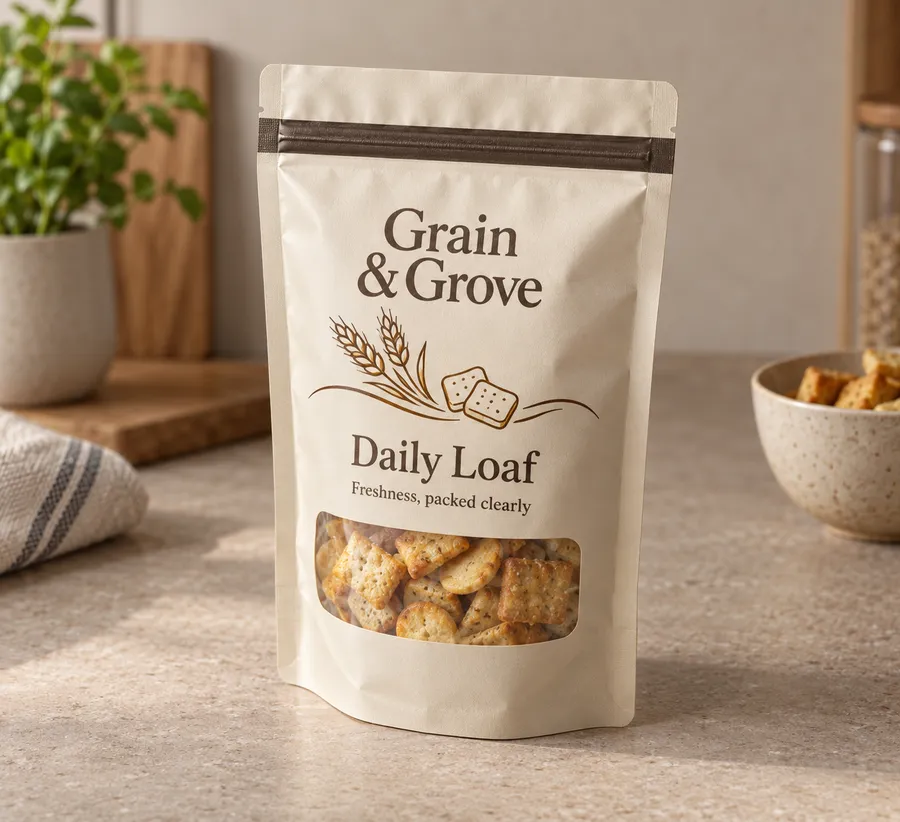
Matte lamination can reduce glare around a product photograph or restrained illustration. Gloss lamination creates a brighter, more reflective surface. Spot gloss or spot UV can isolate one logo detail, while metallic ink or a foil accent can add controlled contrast to selected lettering. Finish choices should be reviewed with the barrier film and color artwork so the final proof represents the actual print relationship. The printed example in the images shows print placement only, and production uses your approved artwork.
The standard fulfillment path starts at 50 units, with production from 7 business days after digital proof approval. Free US shipping is an approved service fact for the standard path, and dieline and proof review are included at no extra charge. Quote replies are typically returned the same business day and always within 24 hours. Pricing stays quote-only because the laminate, bag dimensions, closure, print coverage, finish, and quantity change the actual cost.
For a useful quote, provide the filled product or measured dummy, packed dimensions, target weight, the confirmed meaning of the 35 designation, product type, storage conditions, intended opening frequency, quantity, destination, and artwork status. Note whether the pack needs a window, tear notch, zipper, heat seal, or another opening feature. A sample kit has a $44.99 USD shipping charge credited toward the first order, so film feel, opacity, seal behavior, and finish can be compared before approving a custom run.
A clear brief prevents a bag from being selected only for appearance. Powder may require attention to dust at the seal, oily contents may need a different barrier review, and fragile pieces may need clearance so a top closure does not crush them. Describe whether the product is loaded hot or at ambient temperature, whether it is flushed, whether it will sit in a retail display, and whether it will travel inside an outer shipper. Shipping vibration, stacking, and repeated handling can change the practical value of a gusset, zipper, tear notch, or reinforced seal.
The final proof should show the filled arrangement and the print map together. Check front and back orientation, the confirmed 35 product cue, closure position, seal-safe margins, required information, lot and barcode areas, finish placement, and the way the filled pouch stands or lies. Easy Box Packaging can then discuss the film, barrier, closure, artwork coverage, and finish as one quote-ready specification. No single mylar construction is correct for every product; the useful decision is the one that connects the material and geometry to the way the product is filled, shipped, stored, opened, and identified.
Proof points
The proof should show the filled pouch and artwork on the assembled pack. Compare the closure, seal margin, panel orientation, barrier direction, and finish placement with the product brief.
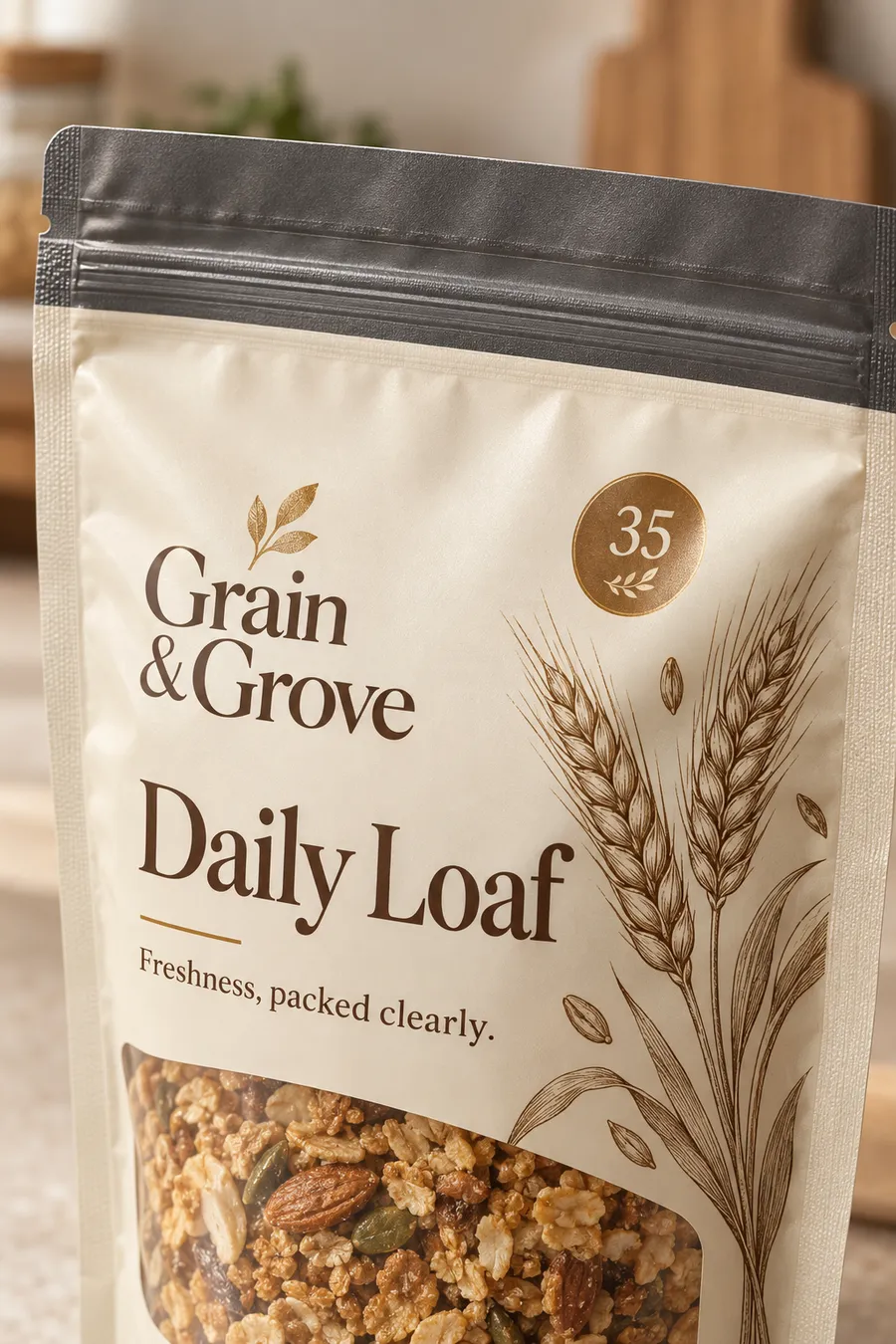
Start with the filled product and its handling route. Film, barrier, closure, seal margin, and printed panels should support practical storage while keeping the brand and required information easy to read.
A considered barrier and closure review can support aroma-sensitive dry products when the filling and storage route are supplied.
A stand-up or flat pouch can be sized around a measured portion with front artwork and a zipper or top seal selected for the opening routine.
The film, fill weight, dust at the seal, and required information can be reviewed together before the pouch profile is finalized.
The filling temperature, product flow, barrier direction, and closure should be discussed together before artwork is locked.
Map artwork on the filled bag so the brand, product cue, handling notes, lot area, and required information remain readable when the pouch is sealed or folded.
The pouch is reviewed as a filled package, not as a flat artwork file. Profile, barrier, closure, and finish depend on moisture, aroma, light exposure, fill weight, opening routine, and shipping context.
Use packed length, width, height, widest points, fill weight, headspace, and any inner wrap to set the pouch profile and seal area.
A zipper, tear notch, or heat seal can be considered around how the customer opens, stores, and reseals the product after the first use.
Place brand, product cue, handling notes, barcode, lot area, and required copy away from folds, zipper tracks, and crimp zones.
A useful quote starts with the filled product and the way the customer will open and store it. These steps turn that routine into a pouch specification that can be checked before production.
Provide packed length, width, height, widest points, fill weight, product format, temperature at filling, and any insert or inner wrap.
State whether the bag needs a zipper, tear notch, heat seal, window, or a simple top seal, and how often it will be reopened.
Mark front, back, gusset, seal, zipper, barcode, lot, handling, and no-print zones in the artwork or brief.
Check film direction, pouch profile, barrier, closure position, seal margin, print orientation, and finish placement on a filled-pack proof.
Need help with structure, materials, or production planning? See how we manufacture custom packaging.
A sample kit carries a $44.99 USD shipping charge credited toward your first order, useful when you need to compare film feel, opacity, seal behavior, and finish direction before approving a custom 35 mylar bag.
Shipping charge: $44.99. Credited toward your first order.
Request a Sample KitFind clear answers about fit, materials, and ordering below.
The 35 designation is kept as the product label from the brief until the quote confirms whether it refers to a size family, fill or count, or an internal variant. Send the finished packed length, width, height, fill weight, and target quantity separately so no dimension is inferred from the keyword.
Send the packed length, width, height, widest points, fill weight, product format, headspace, and any insert or inner wrap. Include filling temperature, storage conditions, intended opening routine, and the confirmed meaning of the 35 designation.
Food-grade flexible film, metalized or foil barrier laminate, polyethylene sealant film, and suitable mono-material directions can be reviewed. The choice depends on moisture, aroma, oxygen, light, composition, storage, and the local recycling route.
It depends on the routine. A zipper can support repeated opening, while a heat seal can suit a pack closed after filling for short-cycle or retail use. A tear notch can be considered with either route.
Yes, artwork can be mapped across front, back, gusset, and selected seal-safe zones. Keep the 35 product cue, handling notes, lot information, barcode placement, and other important copy away from folds, zipper tracks, and the top crimp.
The standard fulfillment path starts at 50 units. Production starts from 7 business days after digital proof approval; the final schedule is confirmed with the quote and proof.
No. Your final unit price is confirmed in a quote because the laminate, dimensions, closure, print coverage, finish, and quantity change the actual cost. Send the filled-product details and artwork status for a product-specific quote.
Orders start at 50 units and scale up to 500,000 for bulk runs, with pricing from $0.25 per unit on larger quantities. Standard production is from 7 business days after digital proof approval.
Compare nearby products and request the format that best fits your next run.
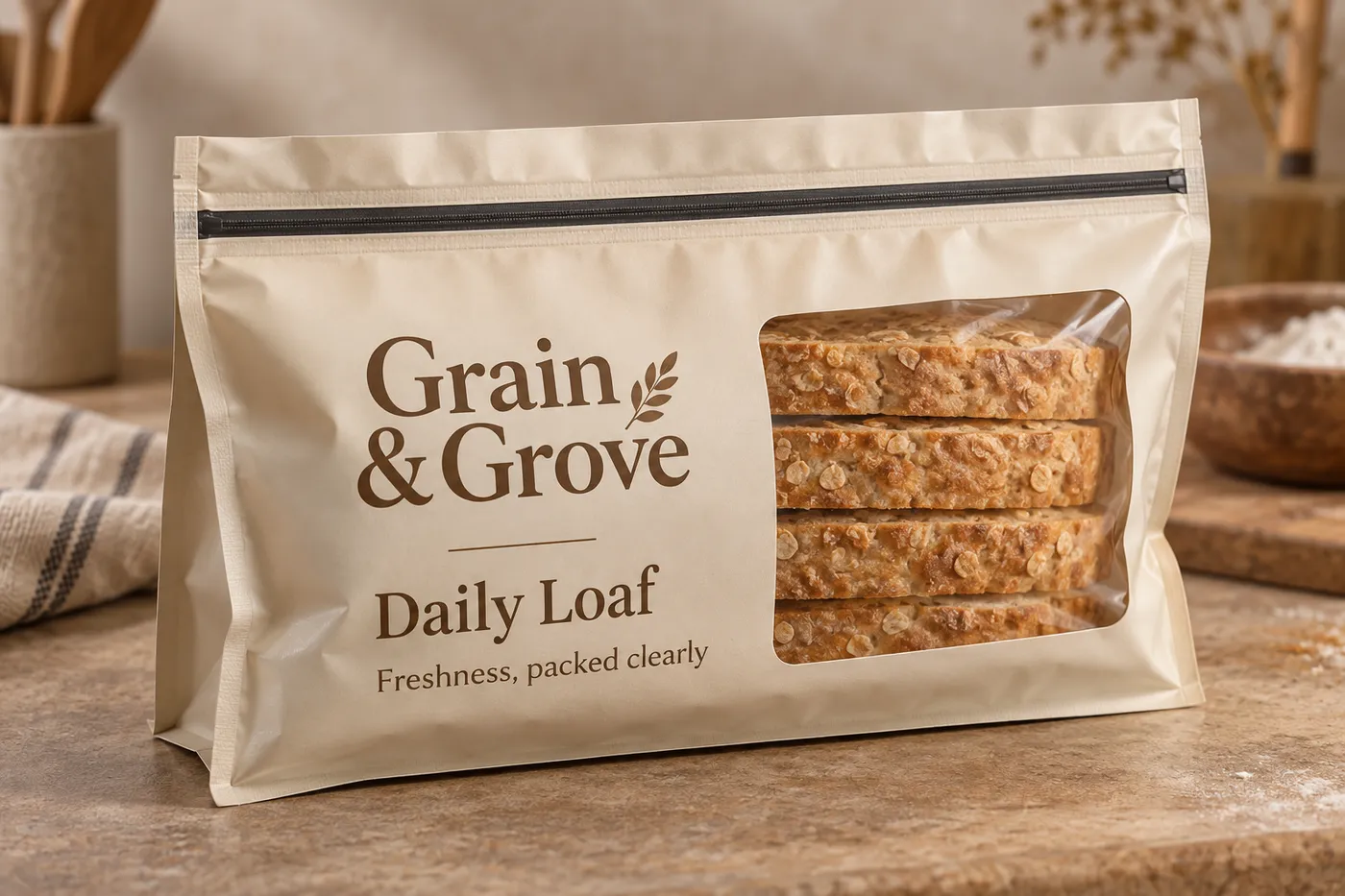
Available product
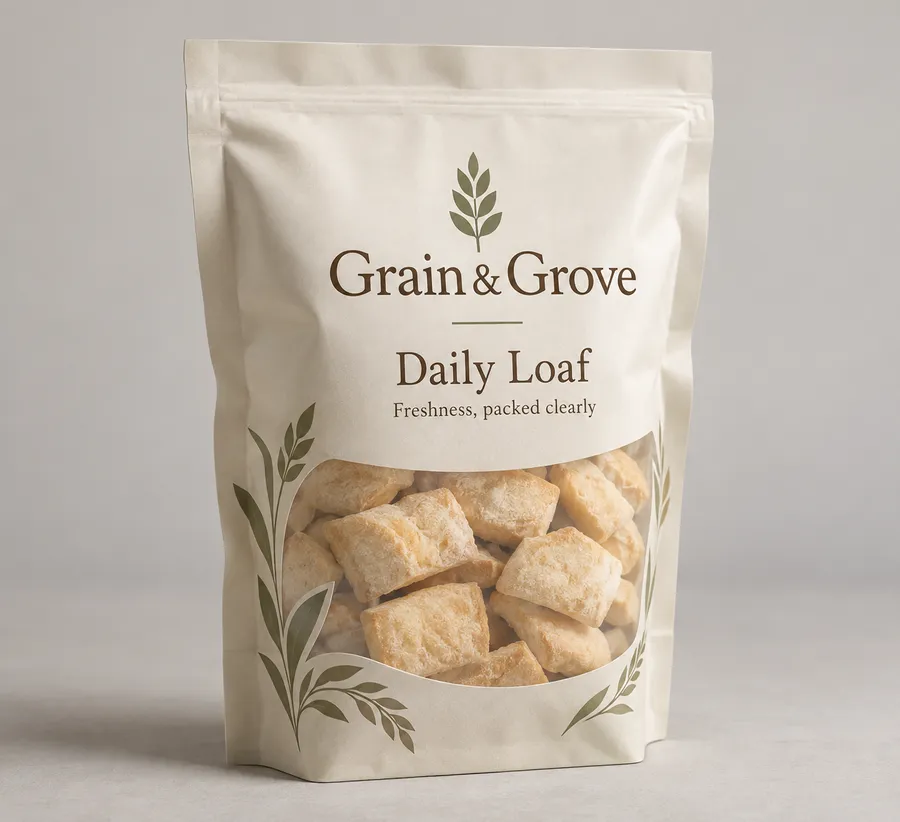
Available product
Available product
Available product
Plan the printed pouch
Send the product type, filled dimensions, weight, storage routine, closure preference, artwork status, and finish direction. Easy Box Packaging can then review the film, barrier, pouch profile, seal-safe print map, and proof as one quote-ready specification.
Add your product details to see a quote summary.