Botanical teas and infusions
A printed pouch for loose leaves, herbs, or blends where aroma, light exposure, fill settling, and repeat opening shape the brief.

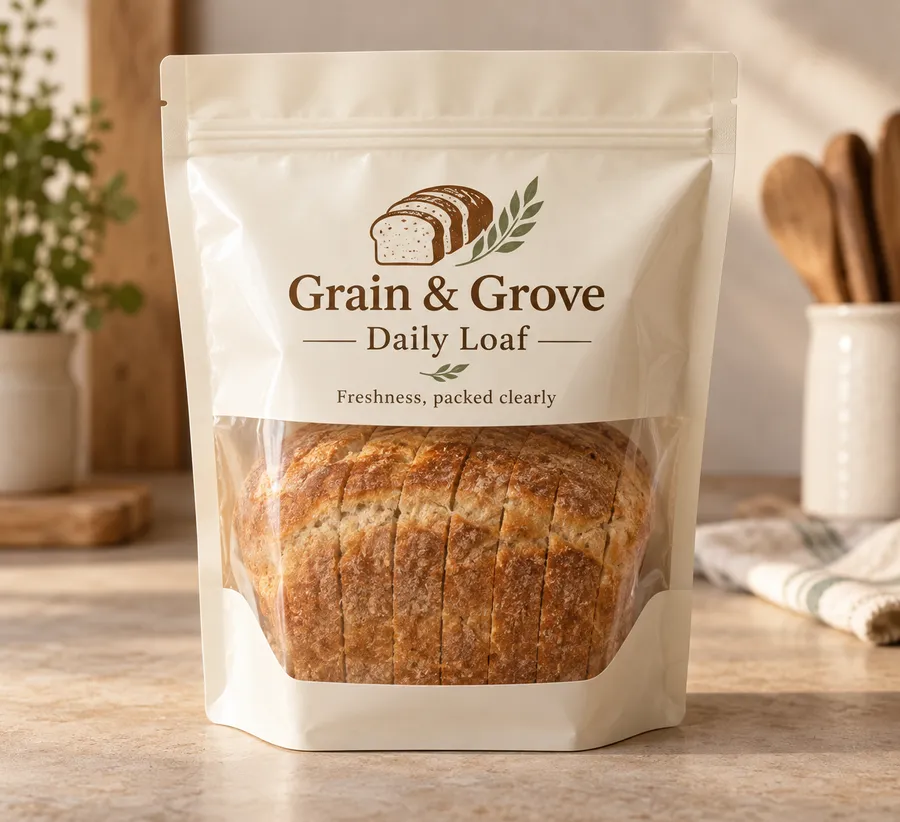
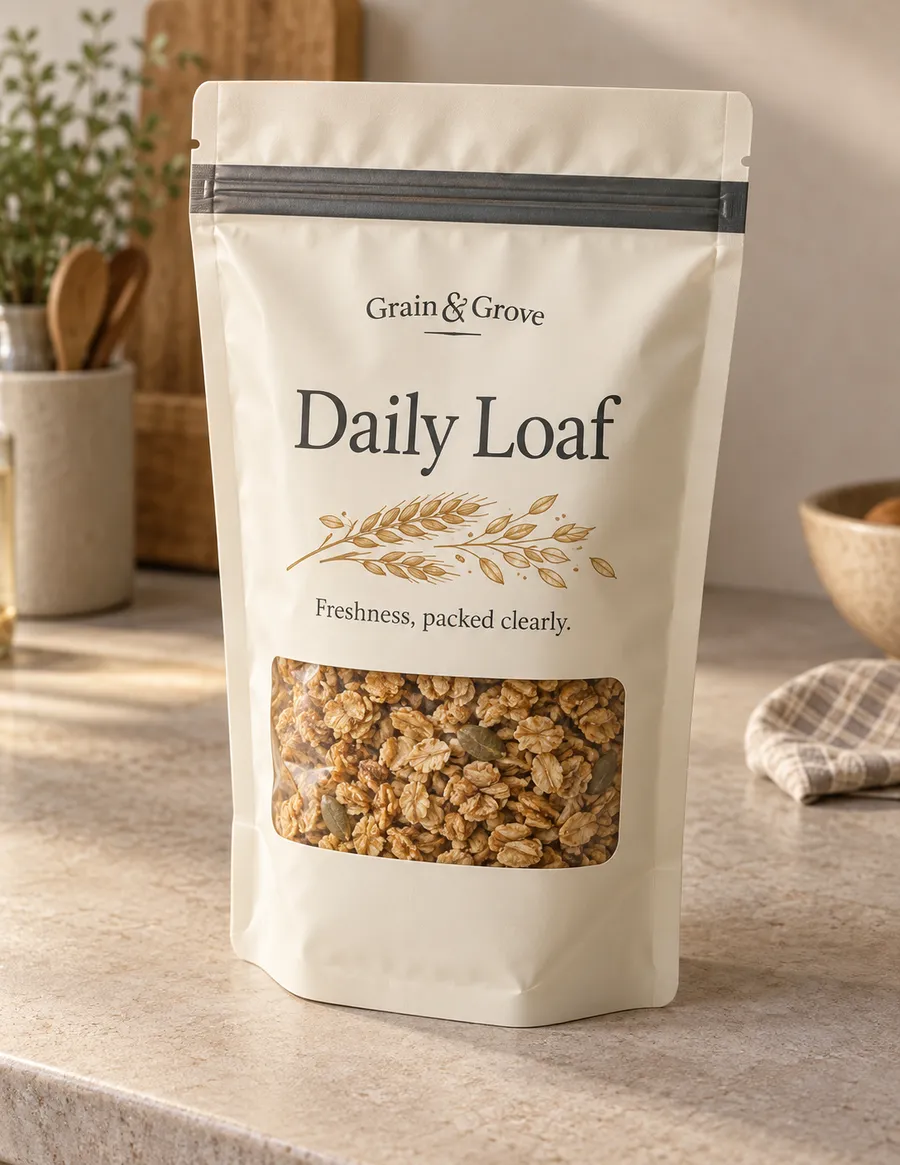
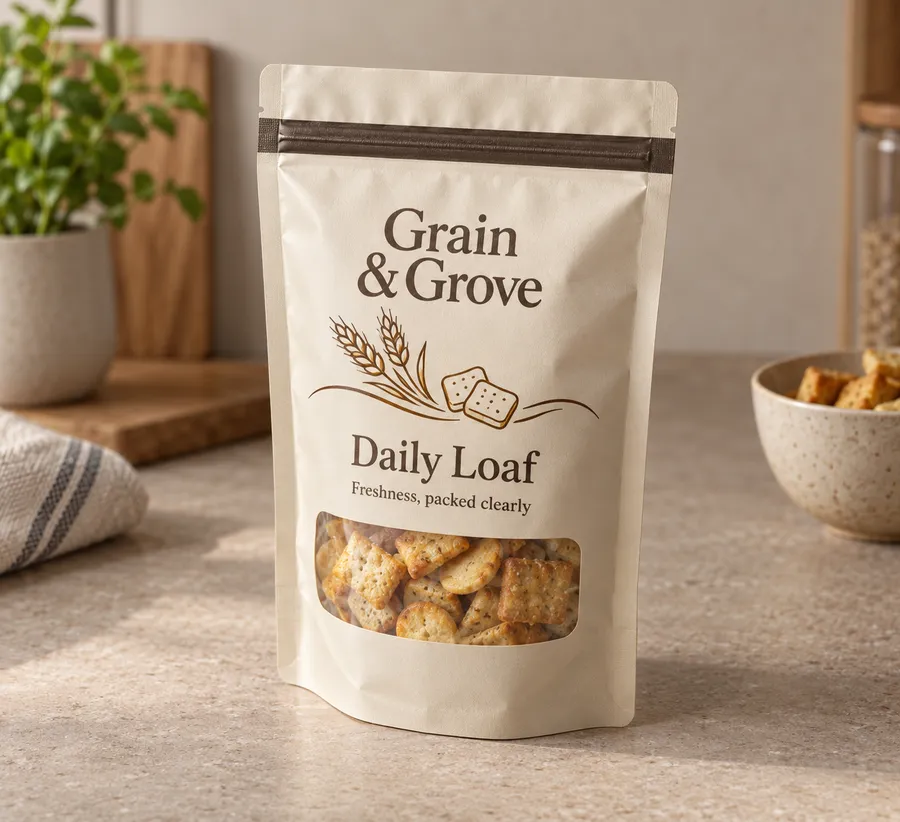
Printed warm ivory exotic mylar pouch with a resealable top and sliced loaf inside
Mylar Bags
Custom exotic mylar bags give specialty dry products a made-to-order flexible pouch with a distinctive printed face. Set the bag geometry, barrier direction, closure, opening, artwork coverage, and finish around the product's shape, aroma, moisture sensitivity, and handling routine, then review the dieline and digital proof before production.
Last updated
Working quote
Product brief
Custom exotic mylar bags give a specialty product a flexible format that can feel considered without forcing it into a rigid package. The word exotic may describe a rare spice blend, botanical tea, specialty snack, giftable pantry item, pet treat, or another dry product with a distinctive story. The bag still has to be sized and constructed around the real fill. Product density, aroma, moisture sensitivity, settling, opening frequency, and shipping position affect the specification more than the adjective on the brief. Easy Box Packaging can review those variables with the front panel, closure, barrier direction, and finish so the pouch is developed as a usable pack rather than a decorative sleeve.
Begin with the product as it will actually be packed. Share the filled width, height, depth, approximate weight, widest point, and whether the contents settle or shift before closure. A loose botanical blend may need a different footprint from a dense spice or a compact confectionery portion, even when the label uses the same product family. A bottom gusset can change the standing base and front-panel proportion; a side gusset can alter the fold and how the bag presents in a basket or shipment. The top needs working room for the chosen zipper, tear feature, or heat seal. Final allowance is established during specification and dieline review, so a quote request should include the filled shape and handling context instead of relying on a nominal size alone.
The material direction should follow what the contents need during storage and opening. Food-grade flexible pouch film can be considered for dry foods, while metalized or foil barrier laminate may be reviewed when light, aroma, or moisture sensitivity is part of the brief. Polyethylene sealant film supports the sealant side of the construction, and a mono-material direction can be discussed where the required barrier and local recycling stream allow it. A heat-sealed top can suit a one-way or tamper-evident routine; a zipper can suit a product that is opened repeatedly. Describe whether the pouch is filled by hand or on a line, whether it ships in a carton, and whether the customer stores it upright or flat. Those details keep the closure and base decisions connected to the real use.
The front panel is where an exotic product can explain its name, variety, origin story supplied by the customer, and use guidance without turning the pouch into a wall of copy. Keep important artwork away from the zipper track, heat-seal margin, tear area, gusset fold, and any surface that will disappear when the bag is full. Matte lamination can provide a restrained surface direction, gloss lamination can create a brighter visual treatment, and spot gloss or spot UV can draw attention to a selected mark. Metallic ink or a foil accent can be considered for chosen lettering or linework, subject to artwork review. These finishes are visual and tactile decisions, not proof of a universal shelf-life or barrier outcome.
A distinctive pouch is easier to approve when the filled geometry and artwork are checked together. The dieline should show the front and back panels, base or side folds, closure area, seal clearance, and quiet zones around details that need to remain legible. Easy Box Packaging includes dieline and digital proof review on every order at no extra charge. That review is the point to check the product name, variant, panel hierarchy, opening direction, finish, and filled height before production begins. If the contents change from a loose blend to a dense fill, or the opening changes from one-way sealing to repeat use, flag it before approval so the structure is reviewed against the new routine.
Send the product type, filled width, height, depth, approximate weight, widest point, aroma or moisture sensitivity, settling behavior, opening frequency, preferred closure, artwork status, print coverage, finish preference, packing method, and delivery destination. The standard minimum order is 50 units, and the same 50 units floor applies on the standard fulfillment path. Production starts from 7 business days after digital proof approval, and quote requests are typically answered the same business day, always within 24 hours. Free US shipping is available on the standard fulfillment path. Pricing remains quote-only because the pouch dimensions, barrier direction, closure, print coverage, finish, and quantity are scoped around the actual product rather than one universal stock bag. A sample kit can be requested when you want to inspect a flexible pouch surface, closure direction, and printed treatment before committing to a full run.
Proof points
This format is a printed flexible pouch rather than a rigid jar, carton, or paper sack. The construction brief combines the filled shape, base or side gusset, opening routine, seal area, barrier direction, and panels that remain visible when the pouch stands or lies in a shipment. Those decisions are reviewed with product density, aroma or moisture sensitivity, storage, and repeat opening in mind.
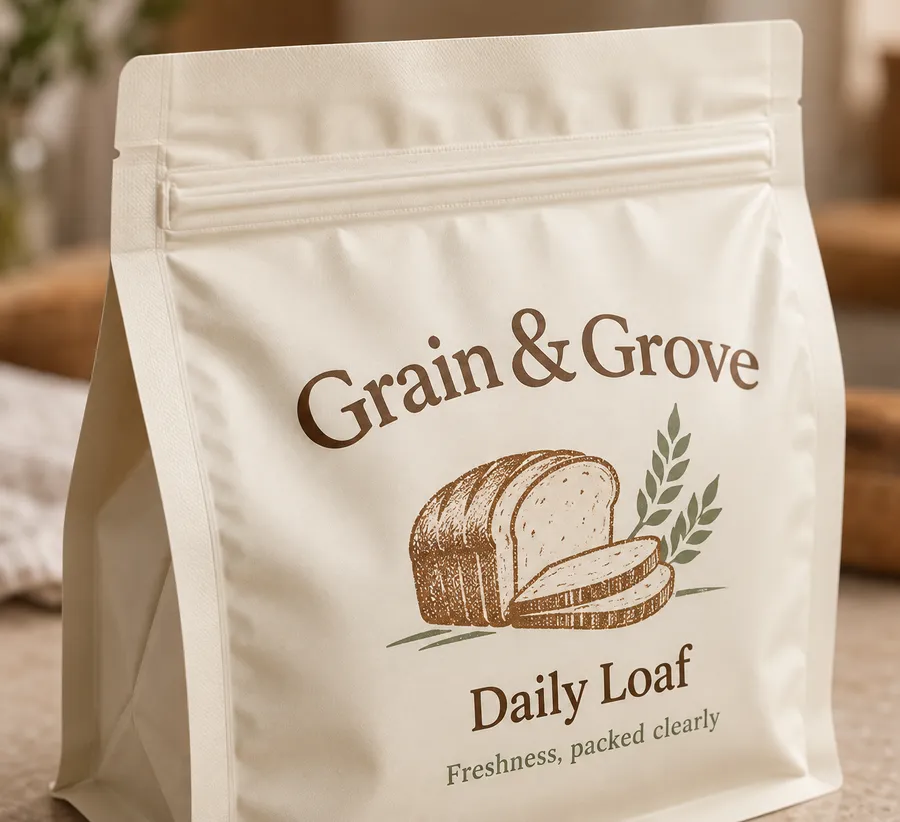
An unusual dry product should be measured in its packed state, not inferred from a product name. Share the filled width, height, depth, approximate weight, widest point, settling behavior, and storage position. A gusset changes the standing base and the visible front panel, while the top needs clearance for the selected zipper, tear feature, or heat seal. If the product has more than one fill condition, describe each arrangement so the dieline can be reviewed around the actual shape.
A printed pouch for loose leaves, herbs, or blends where aroma, light exposure, fill settling, and repeat opening shape the brief.
A compact or gusseted pack for distinctive dry blends, sized around the particle shape, fill weight, and front-panel information.
A flexible retail-facing format for nuts, confections, dried fruit, or small-batch foods with a visible variant and storage routine.
A branded pouch for treats or other dry goods where the opening frequency, kibble or piece size, and shipping position affect the structure.
The pouch panel can carry a brand mark, product name, variety, origin story supplied by the customer, handling notes, and other approved copy. Matte lamination and gloss lamination can be considered for the selected printed surface; spot gloss or spot UV can create localized contrast, while metallic ink or a foil accent can highlight chosen lettering or linework. Every direction should be checked against the zipper, seal, gusset, folds, and small type. The final combination follows the supplied artwork and selected flexible-pouch construction.
The pouch is checked as a filled flexible structure, a printed surface, and an opening routine. Dieline and digital proof review are included on every order at no extra charge, so the base or side fold, closure area, seal clearance, artwork hierarchy, and finish can be considered together. Quote requests are typically answered the same business day, always within 24 hours, once the product and quantity are clear. A sample kit is available when you want to inspect the film and closure direction first.
Filled geometry, folds, closure area, seal clearance, and artwork placement are checked together before approval.
Quote requests are typically answered the same business day, always within 24 hours.
Request a sample kit to examine the flexible pouch surface, opening direction, and printed treatment before a full run.
A quote can be scoped accurately when the fill, bag geometry, opening routine, and artwork are described together. Send the product type, packed dimensions, approximate weight, widest point, sensitivity considerations, preferred closure, print coverage, finish preference, packing method, and delivery destination.
Provide the width, height, depth, approximate weight, and widest point of the product as it will sit inside the pouch.
State whether the contents settle, compact, shift during handling, or need headspace above the fill before closure.
Note whether the pack is one-way, repeatedly opened, filled by hand, filled on a line, boxed for shipment, or stored upright.
Share the panels that need branding and any preference for broad coverage, a restrained mark, or a selected finish.
Send available artwork or note that the product identity, variant copy, and handling instructions are still being prepared.
Need help with structure, materials, or production planning? See how we manufacture custom packaging.
Request a sample kit to inspect the flexible pouch surface, opening or closure direction, folded base or side gusset, and printed finish before committing to a full specialty run.
Shipping charge: $44.99. Credited toward your first order.
Request a Sample KitFind clear answers about fit, materials, and ordering below.
It describes a specialty product or distinctive presentation, not a fixed bag construction. The correct pouch still depends on the filled shape, density, aroma or moisture sensitivity, opening frequency, storage position, print coverage, and finish.
Share the filled width, height, depth, approximate weight, widest point, settling behavior, and whether the bag will stand, lie flat, ship in a carton, or be reopened. Those details help set the front panel, fold, opening, and closure clearance during review.
A heat-sealed top can suit a one-way routine, while a zipper or other resealable feature can suit repeat use. The choice should follow how the pouch is filled, opened, stored, and shipped rather than the product name alone.
Food-grade flexible pouch film is the category direction. Metalized or foil barrier laminate, polyethylene sealant film, and a conditional mono-material direction can be discussed around the product requirement. Matte lamination, gloss lamination, spot gloss or spot UV, metallic ink, and foil accents can be considered subject to artwork review.
The standard minimum order is 50 units. Production starts from 7 business days after digital proof approval, and quote requests are typically answered the same business day, always within 24 hours. Your final unit price is confirmed in a quote because size, barrier direction, closure, print coverage, finish, and quantity are scoped for the actual product.
Orders start at 50 units and scale up to 500,000 for bulk runs, with pricing from $0.40 per unit on larger quantities. Standard production is from 7 business days after digital proof approval.
Common uses include botanical teas and infusions, specialty spices and seasonings, giftable snacks and pantry goods, and pet treats and niche dry products. The final specification is set by the packed product and how it will be handled.
Compare nearby products and request the format that best fits your next run.
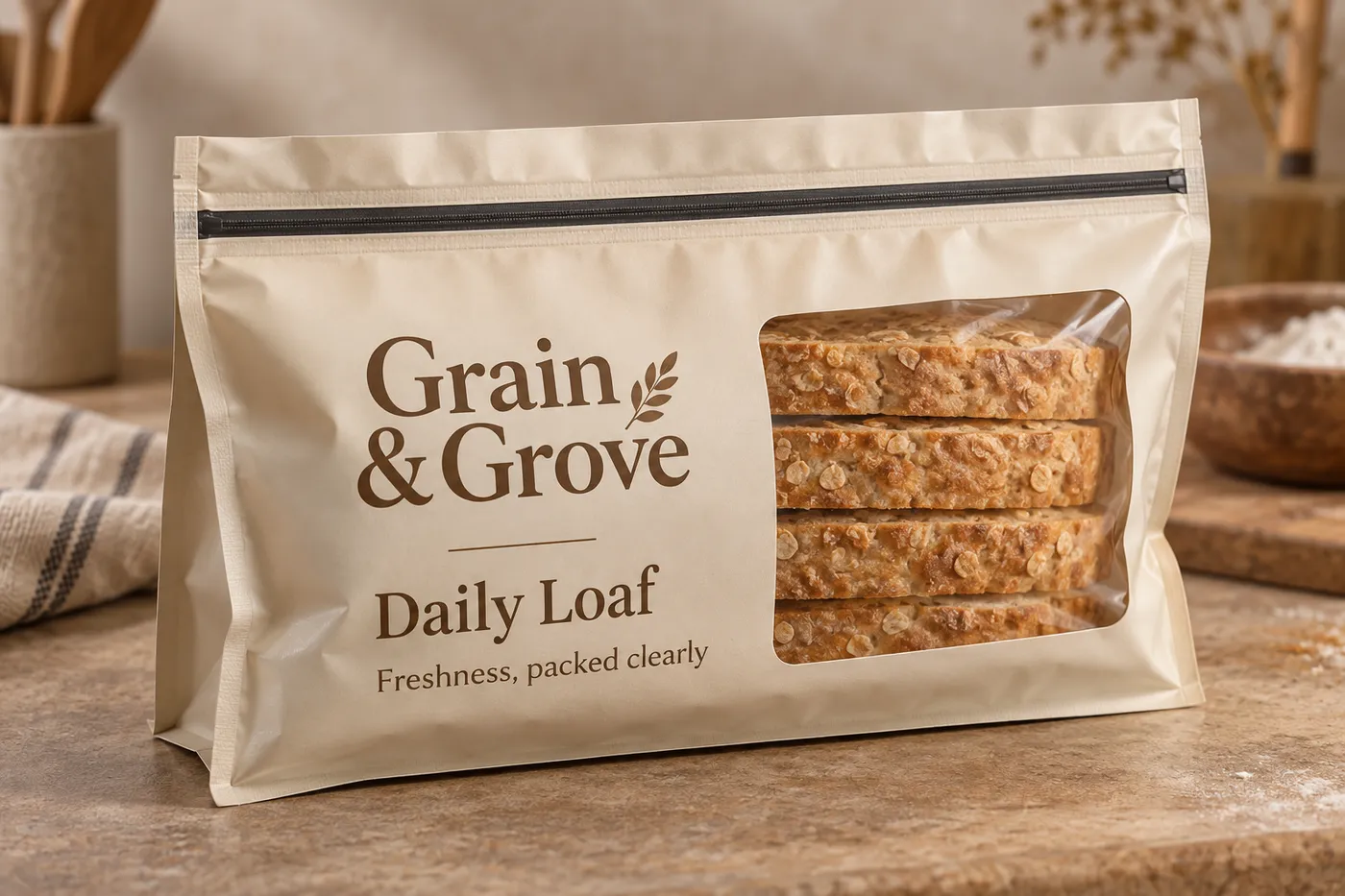
Available product
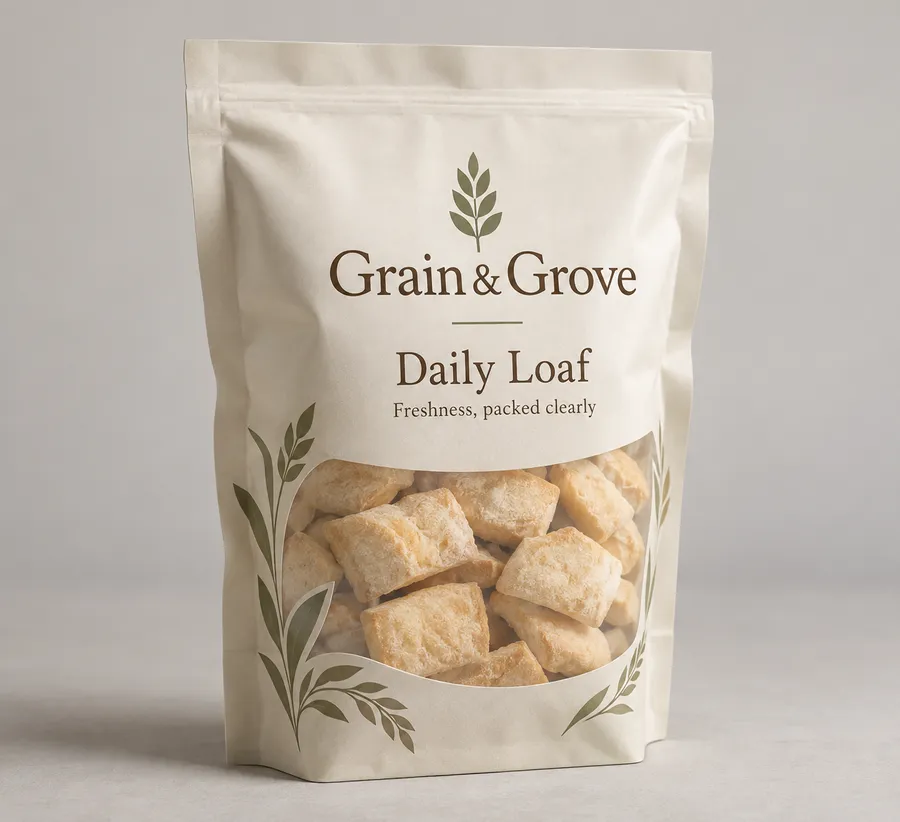
Available product
Available product
Available product
Get a Specialty Pouch Specification
Send the filled dimensions, product sensitivity, opening routine, artwork status, and finish preference to start a quote for custom exotic mylar bags.
Add your product details to see a quote summary.