Skincare and personal care
Use a controlled dispensing opening for creams, lotions, gels, and balms, with the fill volume and cap handling set around repeated bathroom or travel use.

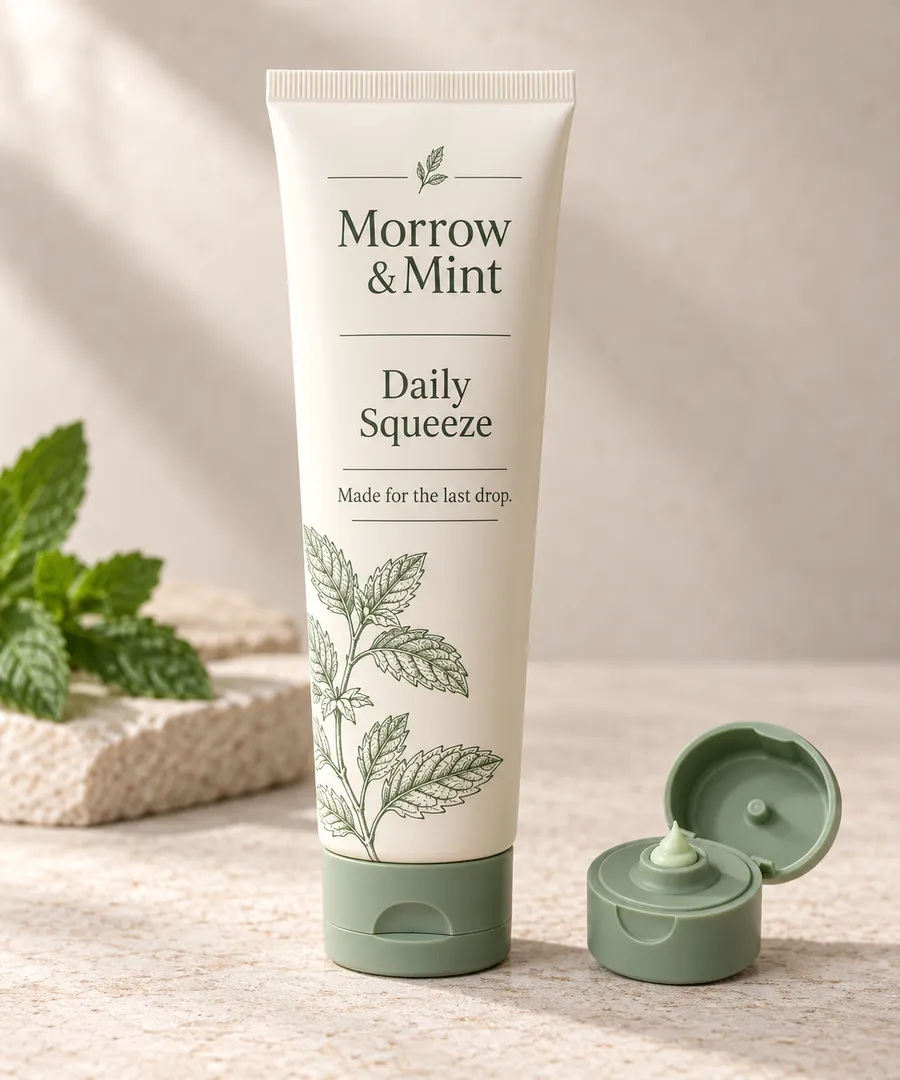
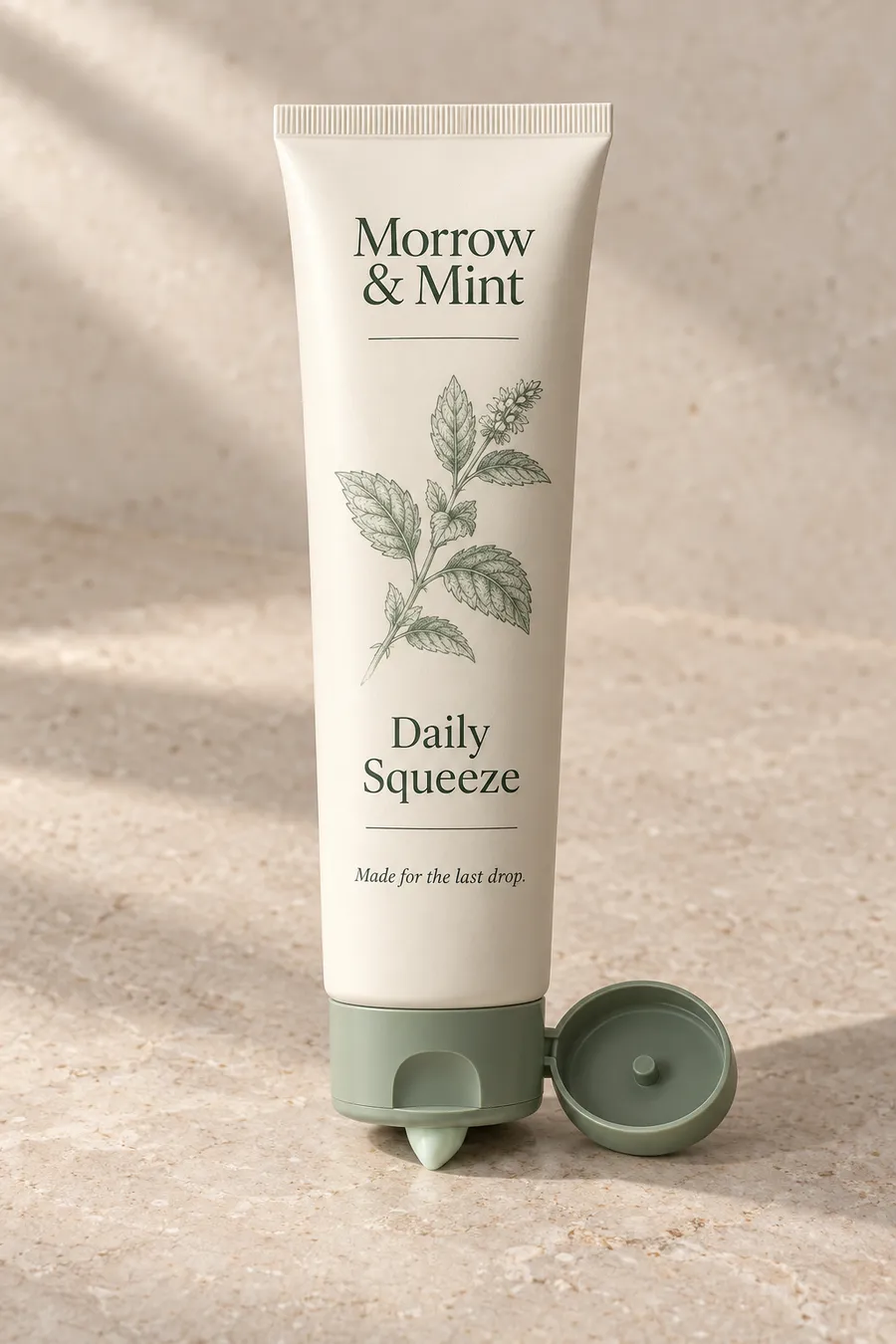
Custom squeeze tube with Morrow & Mint Daily Squeeze print, sage cap, and a small amount of cream at the open nozzle.
Tubes and Jars
Custom squeeze tubes give creams, gels, lotions, balms, sauces, and other dispensed products a compact primary pack with a printable curved surface. Start with the formula viscosity, fill volume, tube diameter, shoulder, opening, and cap style, then choose the material and finish that fit the use case. Orders start at 50 units, with production from 7 business days after digital proof approval.
Last updated
Working quote
Product brief
A useful custom squeeze tube begins with the product's behavior in the hand. A light lotion or gel may need a smaller dispensing opening and a cap that can be opened with one hand, while a thicker balm or paste may need a wider passage and a shoulder that collapses predictably. Food, personal-care, wellness, and household formulas each bring different compatibility and labeling questions, so the tube material, closure, liner, and seal should be confirmed against the actual formula and market.
Share the formula's viscosity, fill volume, intended orientation, and how often the customer will open the pack. A travel tube, a bathroom counter tube, and a retail shelf tube may use the same general format but need different proportions, cap handling, and printed information. The tube is a primary pack; any outer carton, sleeve, or shipping pack should be discussed as a separate layer rather than assumed from the tube alone.
The starting measurements are the filled height, widest body diameter, shoulder or collar shape, cap width, and the usable area that must remain clear for a barcode, ingredients, directions, or a batch mark. State the target fill volume and whether the product is filled by hand or on a line. Do not choose a nominal size from artwork dimensions alone: the shoulder, seal area, cap, and headspace affect the finished footprint and the way the tube sits.
A size change can alter the print panel, grip, opening position, and shipping orientation. For that reason, provide the packed product dimensions and any secondary packaging before the final specification or dieline is approved. If the tube will be sold in more than one fill volume, treat each size as its own review rather than assuming one artwork file will fit every proportion.
Tube construction is a tradeoff between handling, appearance, compatibility, and the dispensing experience. PE or multilayer plastic can suit flexible squeeze formats, while aluminum can give a different hand feel and collapse behavior; the exact layer structure and liner must be confirmed for the formula. A flip-top cap supports quick access, a screw cap can suit a deliberate open-and-close routine, and a nozzle can direct a smaller amount. The right choice depends on the product, opening frequency, filling process, orientation, and customer handling, not on the cap name by itself.
Internal support is not normally a separate insert inside a squeeze tube. Instead, fit and stability are considered across the tube body, shoulder, seal, cap, any carton, and the route to the customer. If a tube is paired with an outer carton, support may depend on its geometry, weight, orientation, presentation, clearance, and fulfillment method. Those variables should be described together so the outer structure can be reviewed without promising a universal fit or shipping result.
The curved body gives the brand a continuous printed moment, but the artwork still needs a clear hierarchy. Reserve one readable panel for the product name and key identification, then place directions, ingredients, warnings, and other required information where the finished curvature keeps them legible. Confirm the print process and ink or coating compatibility for the chosen tube material before production.
Matte Lamination can create a lower-glare surface direction, while Gloss Lamination can create a brighter reflective appearance. Spot UV can focus gloss on a selected mark, Foil Stamping can add a metallic or pigmented accent, and Embossing/Debossing can create a raised or recessed detail. These are finish directions, not automatic performance guarantees; artwork scale, curvature, registration, and the selected substrate should be reviewed together.
Send the product name, formula type, target fill volume, packed height and diameter, preferred material, cap or opening direction, artwork status, required copy, finish preference, quantity, and delivery route. Easy Box Packaging can use that brief to discuss a suitable squeeze-tube direction and identify the decisions that still need confirmation. A digital proof is reviewed and approved before production. The standard evidence available for this workflow states a minimum order of 50 units and production from 7 business days after that proof approval; these are starting commercial signals, while final pricing and construction remain quote-specific.
The sample-kit option is a separate way to compare surface character, cap handling, and print direction before committing to a full run. It carries a $44.99 shipping charge credited toward the first order. A sample cannot confirm formula compatibility or replace a product-specific size and closure review, but it can make the tactile and visual choices easier to compare.
A concise brief prevents avoidable rework. Include the filled product or a representative container, the target volume, the widest diameter and filled height, the opening and cap preference, whether the tube stands or lies down, any outer carton requirement, the information that must appear on the curved print area, and the quantity you are considering. Add whether the product is cosmetic, food, wellness, household, or another formula class so compatibility and required labeling questions are visible early.
Quotes are scoped around the confirmed construction, artwork, finish, quantity, and delivery route. If a choice is still open, such as plastic versus aluminum, flip-top versus screw cap, or tube alone versus tube plus carton, name the alternatives so the comparison is explicit. This keeps the recommendation tied to the product rather than to a generic squeeze-tube picture.
Proof points
These are grounded starting points for the commercial and production conversation; material compatibility, closure behavior, and final pricing remain product-specific.
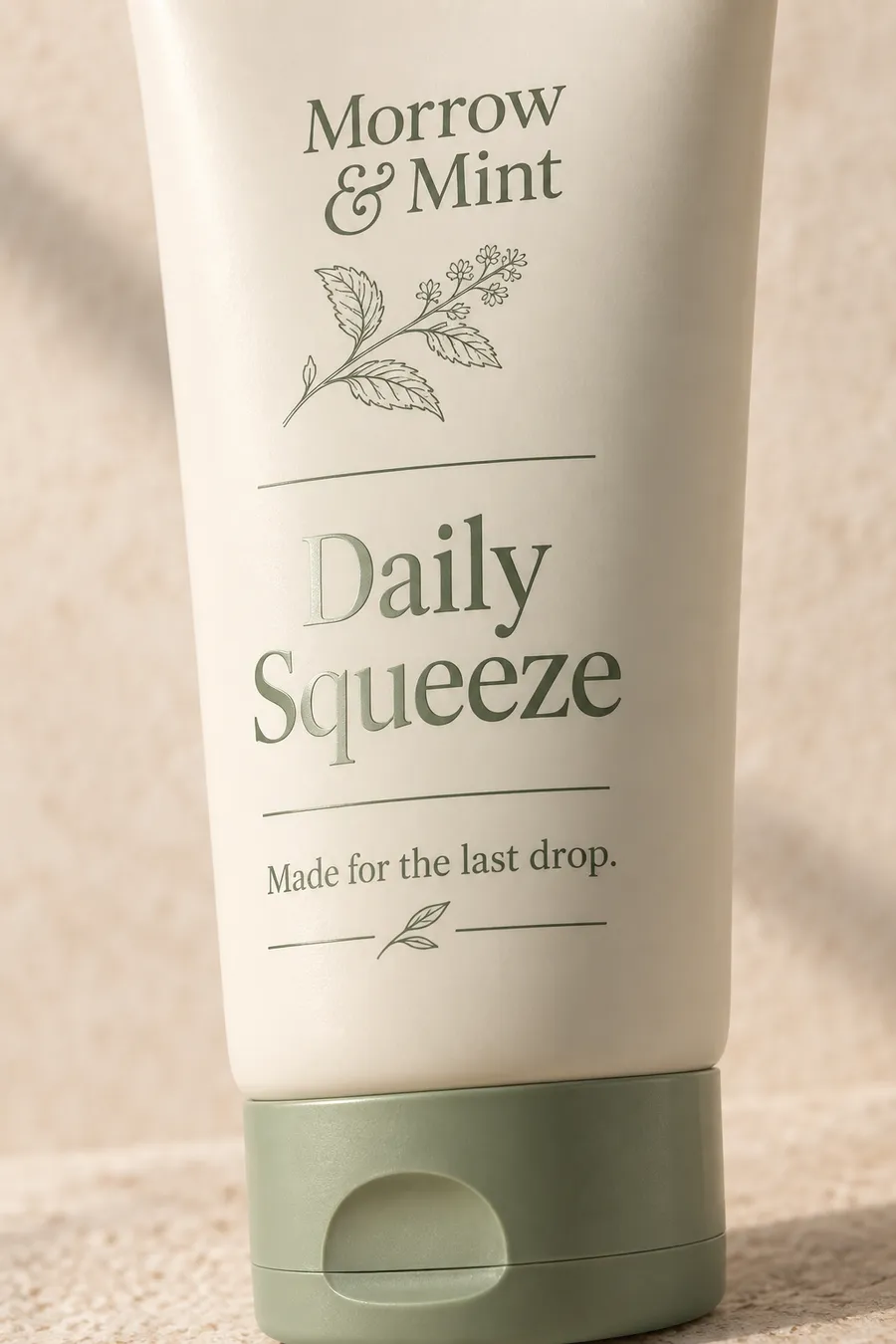
Share the formula type, target fill volume, filled height, widest diameter, shoulder, cap width, and intended orientation. Those inputs let the tube body and dispensing opening be discussed around the actual product rather than a generic stock proportion.
Use a controlled dispensing opening for creams, lotions, gels, and balms, with the fill volume and cap handling set around repeated bathroom or travel use.
Keep the tube compact and easy to identify for hospitality, events, subscription kits, or trial quantities; review the outer pack if units will be mailed.
Discuss the formula, fill process, material, seal, and required labeling together before selecting a squeeze format for sauces or pastes.
Use the printed curved panel for clear identification while the opening, cap, and handling route are matched to the product's routine.
Start with identification and required information, then use a finish to focus attention on one defined detail after the substrate and artwork are reviewed.
A clear brief helps the quote address dispensing, handling, print, and any outer pack without assuming an unverified construction.
Describe whether the product is a thin lotion, gel, thick cream, balm, paste, sauce, or another consistency so the opening and closure conversation starts in the right place.
Provide target volume, filled height, widest body diameter, shoulder or collar shape, cap width, and whether the tube stands or lies down.
Explain retail display, travel, bathroom-counter use, event distribution, direct shipping, or any outer carton requirement.
The more clearly the formula, filled geometry, and handling route are described, the more useful the construction and artwork discussion becomes.
Send the formula class, target volume, filled height, widest diameter, shoulder or collar details, and any representative sample.
Explain whether a nozzle, flip-top, or screw cap better matches viscosity, opening frequency, orientation, and the amount dispensed per use.
Share the brand, product name, required copy, barcode or label space, artwork status, color direction, and finish preference.
State the quantity, retail or direct-shipping route, secondary packaging needs, and delivery destination so the quote brief is complete.
Need help with structure, materials, or production planning? See how we manufacture custom packaging.
Ask about samples to compare printed surface directions, finish character, and closure feel. The $44.99 shipping charge is credited toward the first order; a sample does not replace formula compatibility or fit confirmation.
Shipping charge: $44.99. Credited toward your first order.
Request a Sample KitFind clear answers about fit, materials, and ordering below.
The supplied commercial evidence confirms a minimum order of 50 units. Price and timing should be confirmed for the selected tube material, closure, artwork, finish, and delivery route.
Share the formula class, target fill volume, filled height, widest body diameter, shoulder or collar shape, cap width, intended orientation, and any outer carton or secondary-pack requirement.
A thicker formula may call for a different opening or cap behavior than a thin lotion, but the correct choice depends on viscosity, dispensing amount, orientation, and the filling process. Confirm it against the actual product.
The curved body can be planned as a printed surface with a defined information hierarchy. Matte Lamination, Gloss Lamination, Spot UV, Foil Stamping, and Embossing/Debossing are finish directions subject to substrate and artwork review.
The standard evidence states production from 7 business days after digital proof approval. Final timing remains dependent on the confirmed construction, artwork, quantity, and delivery route.
A sample option is available with a $44.99 shipping charge credited toward the first order. It can help compare surface and cap character, but it does not replace formula compatibility or final fit review.
Orders start at 50 units and scale up to 500,000 for bulk runs, with pricing from $0.15 per unit on larger quantities. Standard production is from 7 business days after digital proof approval.
Compare nearby products and request the format that best fits your next run.
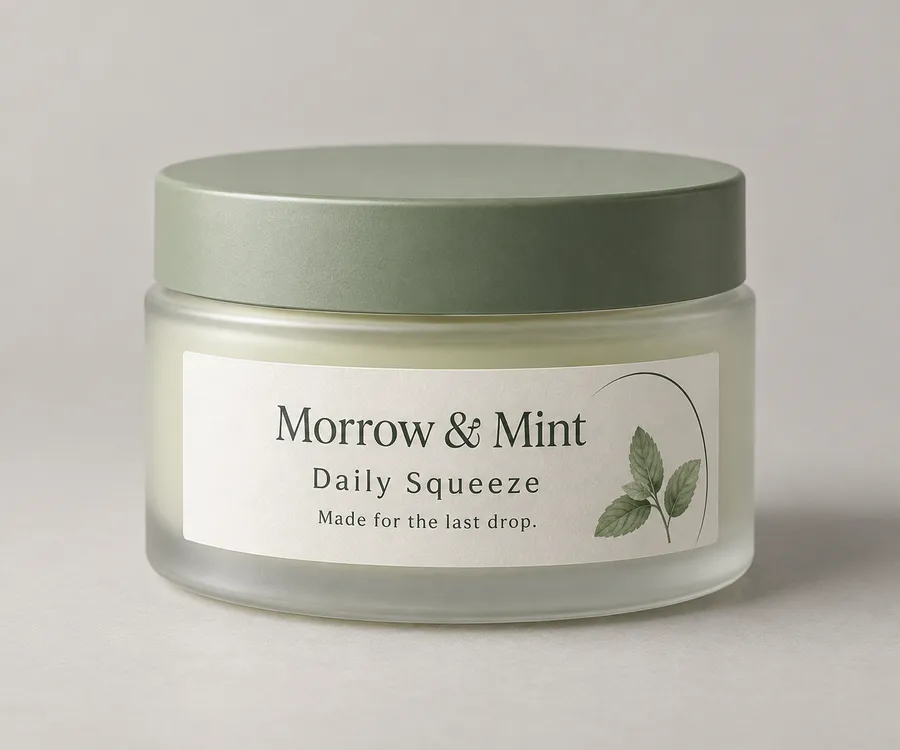
Available product
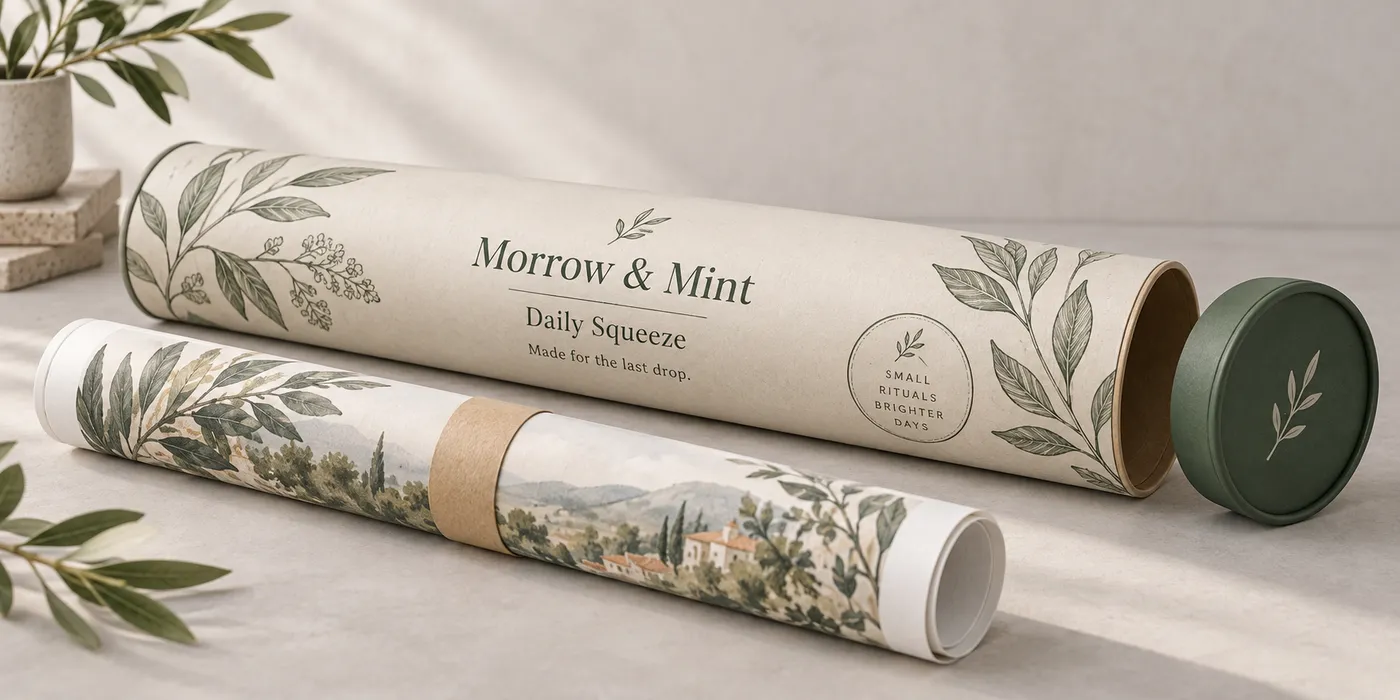
Available product
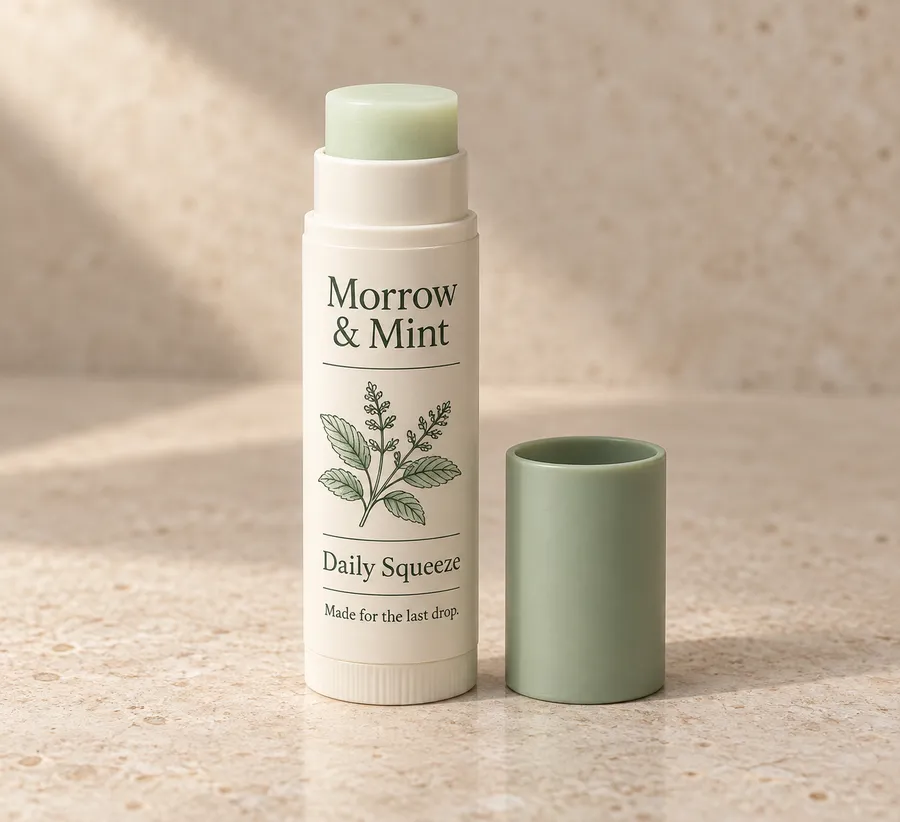
Available product
Available product
Custom squeeze tube quote
Send the filled product dimensions, target volume, formula type, cap preference, artwork status, quantity, and delivery route. Easy Box Packaging will use that brief to discuss a suitable printed tube direction and confirm the final commercial details.
Add your product details to see a quote summary.