Single retail item
A printed carton can keep one product aligned while presenting the name, instructions, and required information on shelf.

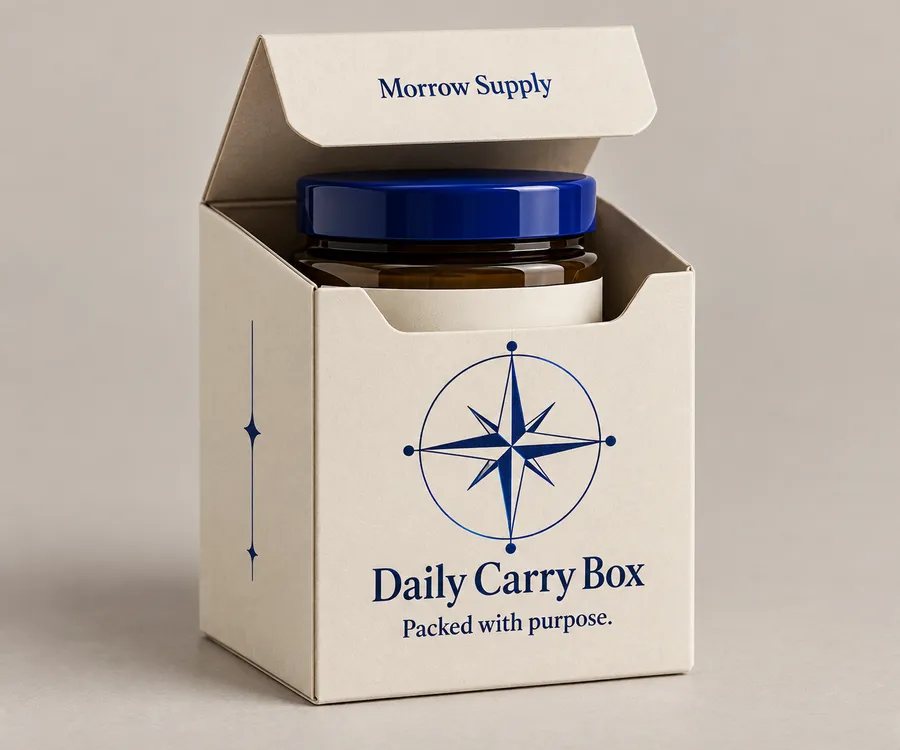
Warm ivory small product box with cobalt print, tuck flap, and amber jar
Product Boxes
Small product boxes are custom cartons or compact rigid and corrugated packs sized around the item, its finished wrap, and any accessory that travels with it. Choose a tuck closure, sleeve, window, fitted insert, or shipping-ready layer according to how the product is displayed, handed over, or delivered. Share the packed dimensions, weight, artwork, board direction, finish, and quantity so the box is reviewed around the real product rather than a nominal stock size.
Last updated
Working quote
Product brief
Small product boxes work when their footprint follows the item rather than a generic category size. Measure the product at its widest, tallest, and deepest points with the cap, label, wrap, accessory, or protective layer that will remain inside. Note whether the item is cylindrical, rectangular, tapered, irregular, or fragile. A close fit can reduce movement and keep the printed front panel aligned, but the final clearance still needs to account for board build, opening route, and the way the box will be handled.
A small retail carton may only need a clean tuck end and readable side panels. A direct-to-customer pack may need an opening sequence, a small insert, or an outer layer that makes the parcel route easier to manage. If the product is handed over at a counter, a printed lid or sleeve can carry the presentation. If it travels through a parcel network, the shipping layer, internal clearance, and product weight become more important than decorative treatment.
A folding carton is a practical direction for lightweight retail products that need printed panels and efficient storage. A sleeve can wrap a tray or inner product while leaving a reveal for the first view. A rigid two-piece construction can be considered when the unboxing feel and repeated handling justify a more substantial structure. Corrugated Board can be considered for a protective outer pack or shipping-ready layer when the delivery route calls for it. These are construction directions, not promises of a universal strength rating; the finished dimensions, product weight, stacking, and route should be confirmed before a specification is approved.
Small boxes with multiple components need the arrangement designed before the outside is set. A paperboard insert, divider, or shallow tray can keep a bottle, accessory, card, or sample in a defined position, while an open cavity may be enough for a single stable item. Describe what the recipient should see first and which pieces must not touch. For a window, identify the panel that should reveal the product and the information that must remain on the printed area. For a solid front, plan where the brand, product name, directions, ingredients, warnings, or market-required copy will sit.
SBS Paperboard offers a smooth face for small type, color-sensitive artwork, and a clean retail panel. Kraft Paperboard can support a natural paper character when the visual direction calls for it. Corrugated Board can add structure to an outer layer, but flute, liner, and protective performance remain order-specific decisions. An FSC-certified paper option is available as a material direction; that does not mean every finished box is automatically certified.
Finish should help the information and handling rather than hide them. Matte Lamination can reduce glare on a compact panel. Gloss Lamination can make selected color areas more reflective. Spot UV can highlight a logo, product name, or small motif against a matte field. Foil Stamping can draw attention to a short line of type, and Embossing/Debossing can add tactile detail where the board and artwork support it. Keep fine copy away from folds, tuck cuts, windows, and areas that will be rubbed during opening. Map the artwork on the assembled dieline so the orientation reads correctly on every face.
A useful brief includes the finished length, width, height, widest points, approximate weight, product orientation, accessories, insert preference, opening style, print coverage, material direction, finish, and destination. If the product will be shipped, explain the outer parcel, expected handling, and whether the box is itself the shipper or sits inside another carton. If it remains on a shelf, explain the front-facing orientation and which information a shopper must read without opening it.
The standard fulfillment path starts at 50 units, and production begins from 7 business days after digital proof approval. Free US shipping and dieline and proof review are included at no extra charge. A sample kit carries a $44.99 USD shipping charge credited toward the first order when you need to compare board feel, closure, insert direction, print coverage, or finish in hand. Pricing remains quote-only because the product footprint, structure, artwork, board, finish, quantity, and destination change the specification.
Before approval, inspect the assembled proof for product clearance, flap orientation, panel order, barcode or required information, insert position, window placement, finish representation, and any text that becomes hidden after folding. Quote requests are typically answered the same business day and always within 24 hours. A clear review at this stage helps prevent a small box from becoming too tight for the packed item or too loose for its delivery route.
Small product boxes are most useful when fit, protection, printed information, and opening experience are treated as one brief. Once the real product and handling route are described, Easy Box Packaging can review the construction without inventing a stock dimension, unsupported performance claim, or generic price.
Proof points
A digital proof should show how the small box reads after folding, filling, and opening.
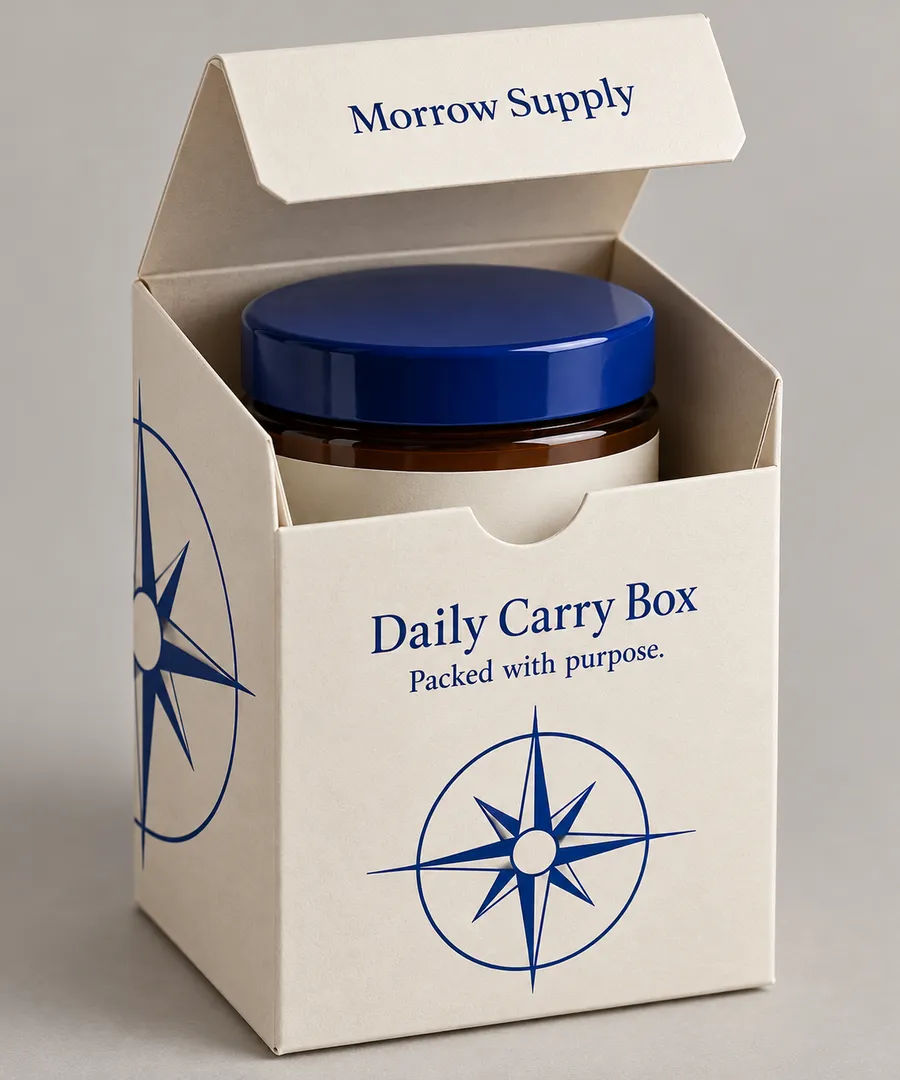
Describe the finished product, wrap, accessories, opening route, and delivery conditions first; the dieline and printed panels can then be reviewed around the actual pack.
A printed carton can keep one product aligned while presenting the name, instructions, and required information on shelf.
A fitted insert or divider can separate a primary item from a cable, tool, card, sample, or complementary piece.
A considered opening and a protective outer layer can support a parcel route without hiding the product story.
A sleeve, printed lid, window, or tactile finish can shape the first view when the box remains visible after handover.
Keep the product name and first-view panel clear, then place directions, ingredients, warnings, barcode, and other required copy on the faces that remain readable after folding.
Fit, construction, print surface, and handling route each affect the final specification.
Use the finished footprint, widest points, weight, wrap, and accessories to set useful clearance.
Choose a folding carton, sleeve, rigid format, insert, or corrugated layer according to display and delivery.
Map brand, product information, window areas, folds, and finish accents on the assembled dieline.
A quote-ready brief turns the real product and handling route into a checkable box specification.
Provide finished length, width, height, widest points, weight, wrap, label, cap, and any accessory that remains inside.
Explain whether the box is shelf-facing, handed over, shipped inside a parcel, or intended to act as the outer shipper.
Indicate a folding carton, sleeve, rigid format, window, insert, divider, tray, or corrugated layer to review.
Send the brand, product name, required copy, barcode, print coverage, material direction, and finish preference.
Check clearance, flap orientation, panel order, window, insert, finish placement, and text on the assembled box.
Need help with structure, materials, or production planning? See how we manufacture custom packaging.
A sample kit carries a $44.99 USD shipping charge credited toward your first order, useful when you need to compare paperboard feel, closure, insert direction, print coverage, or finish before approving a small product box.
Shipping charge: $44.99. Credited toward your first order.
Request a Sample KitFind clear answers about fit, materials, and ordering below.
Measure the finished item at its length, width, height, and widest points, then repeat with the wrap, label, cap, accessory, or card that will remain inside. Note shape, weight, orientation, and any fragile area so the clearance and closure can be reviewed around the packed product.
A folding carton or sleeve can provide efficient printed panels for a lightweight shelf product. A rigid two-piece format may suit a more substantial handoff, while a corrugated layer can be considered when the product travels through a parcel route. The final choice depends on the item, handling, and delivery conditions.
Yes. An insert, divider, or shallow tray can separate a product from accessories, while a window can reveal the item or label without opening the pack. The arrangement, window placement, board, and any contact requirements are confirmed during the specific order review.
Kraft Paperboard, SBS Paperboard, and Corrugated Board are category material directions. Matte Lamination, Gloss Lamination, Spot UV, Foil Stamping, and Embossing/Debossing can be considered for selected artwork. An FSC-certified paper option is available as a material direction.
Plan the brand, product name, key benefit or use direction, ingredients or materials where required, warnings, barcode, weight, origin, and other market-required copy across the assembled panels. Keep small type away from folds, windows, cuts, and high-rub areas.
The standard fulfillment path starts at 50 units. Production begins from 7 business days after digital proof approval, and free US shipping plus dieline and proof review at no extra charge are included. Your final unit price is confirmed in a quote because the product, structure, artwork, finish, and quantity determine the specification.
Orders start at 50 units and scale up to 500,000 for bulk runs, with pricing from $0.24 per unit on larger quantities. Standard production is from 7 business days after digital proof approval.
Compare nearby products and request the format that best fits your next run.
Available product
Available product
Available product
Available product
Specify the real product
Send the packed dimensions, weight, accessories, opening preference, delivery route, artwork status, material direction, and finish. Easy Box Packaging can then review fit, print, and handling as one quote-ready specification.
Add your product details to see a quote summary.