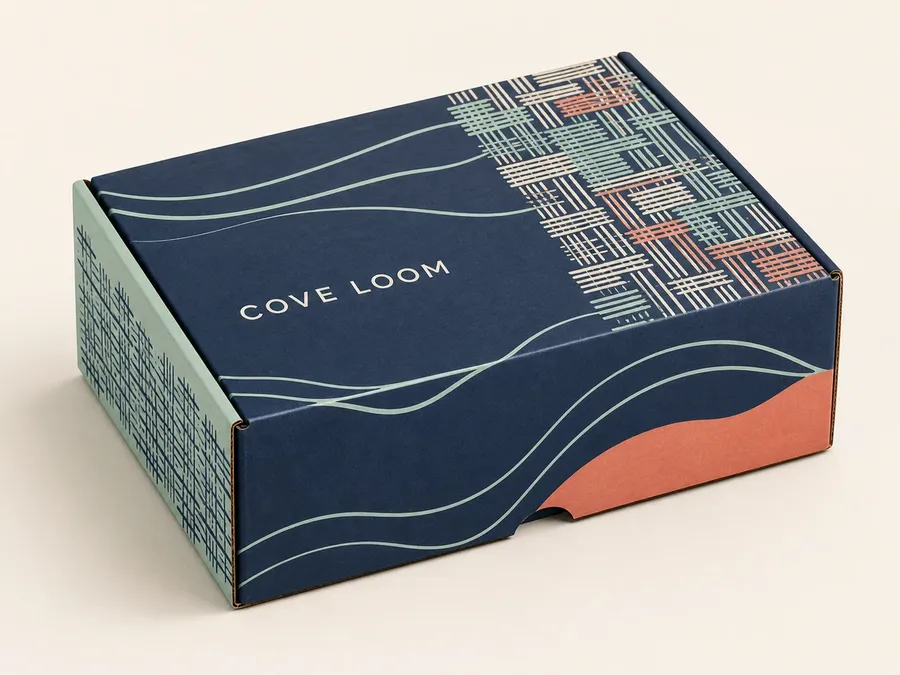
Mailer & Shipping Boxes
Subscription Mailer Box
A custom-printed corrugated mailer designed for repeat subscription shipments, consistent inside-lid reveals, insert planning, and efficient recurring fulfillment.
Request a Quote
Packaging Design Guides
A practical guide for small businesses planning a first custom packaging order, including MOQ, artwork, structure, quoting, and proof approval.
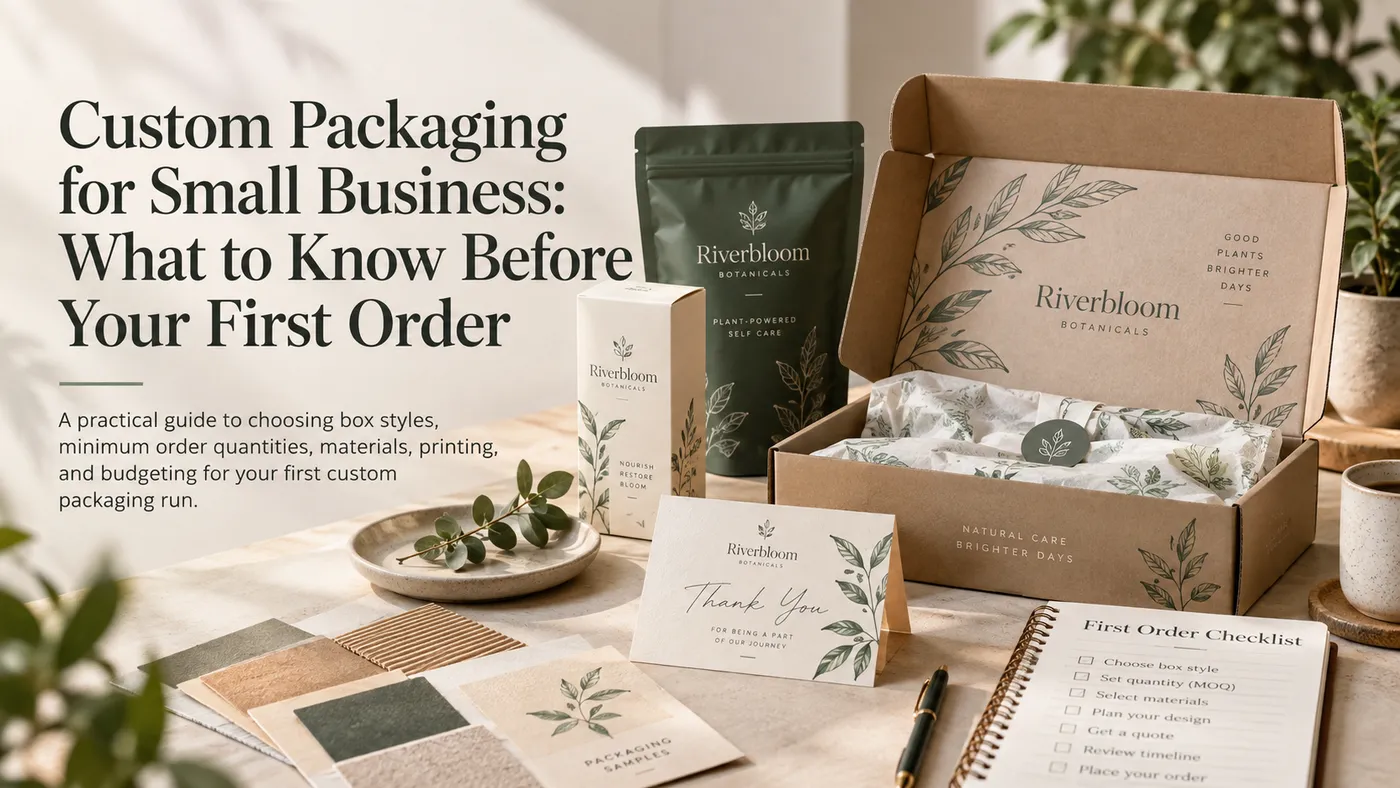
Custom packaging is possible for a small business when the first order is planned around a clear product specification, a realistic quantity, and a structure that fits the sales channel. A useful brief helps a manufacturer quote the same job you intend to order, even when your artwork or box style is not final.
“Custom” does not always mean a large, complex package run. It can mean a box sized to your product, printed with your artwork, or fitted with an insert for a particular set of items. The right starting point is the product and the job the package must perform: protect it, present it, ship it, or combine several pieces.
Yes. Small businesses can request a custom structure and printed packaging, but the available quantity, material, print method, and finish depend on the specification. A first run may use a straightforward folding carton, mailer, or sleeve rather than a highly assembled package. If you need a rigid box, insert, window, or special closure, share that requirement early because it changes the quote and production review.
Easy Box Packaging lists some custom options from 50 units. Treat that as a starting point, not a promise for every structure: confirm the minimum for the exact dimensions, board, insert, print, and finish in your quote.
MOQ means minimum order quantity. It is the smallest run a supplier will produce for a specific construction and specification. A 50-unit starting point may work for a product launch, pilot run, seasonal test, or small subscription batch. It does not mean every 50-unit order has the same unit cost or lead time.
The quantity affects setup, material purchasing, printing, assembly, and shipping. Ask the manufacturer to state what the MOQ includes and whether samples, tooling, setup, or freight are separate. If you expect repeat orders, mention the likely run pattern so the structure can be planned for consistent reorders.
You do not need finished artwork to start. You do need the information that defines the job. Send the product dimensions in the packed state, approximate weight, quantity, sales or shipping route, and any fragile or unusual areas. Include a photo or sample when the product shape is difficult to describe.
If you know the structure, name it. If you do not, describe the outcome: “a printed box for one bottle that ships directly to customers,” or “a carton that holds three items in a fixed order.” Mark unknown material, insert, or finish choices as “please recommend” rather than guessing.
Artwork helps once the structure and dieline are confirmed, but it should not lead the dimensions. A manufacturer normally supplies or confirms the dieline after the product fit and construction are reviewed. Your working files should identify the logo, required copy, colors, barcode, panel information, and any images or marks that must remain clear.
Before production, confirm the file format, bleed, safe area, color mode, print sides, and finish notes. If your artwork is not ready, provide the brand assets and copy you do have and ask what can be reviewed first. Do not approve a proof with placeholder copy or an unconfirmed product dimension.
A few Easy Box Packaging products that fit what this article covers.
Mailer & Shipping Boxes
A custom-printed corrugated mailer designed for repeat subscription shipments, consistent inside-lid reveals, insert planning, and efficient recurring fulfillment.
Request a Quote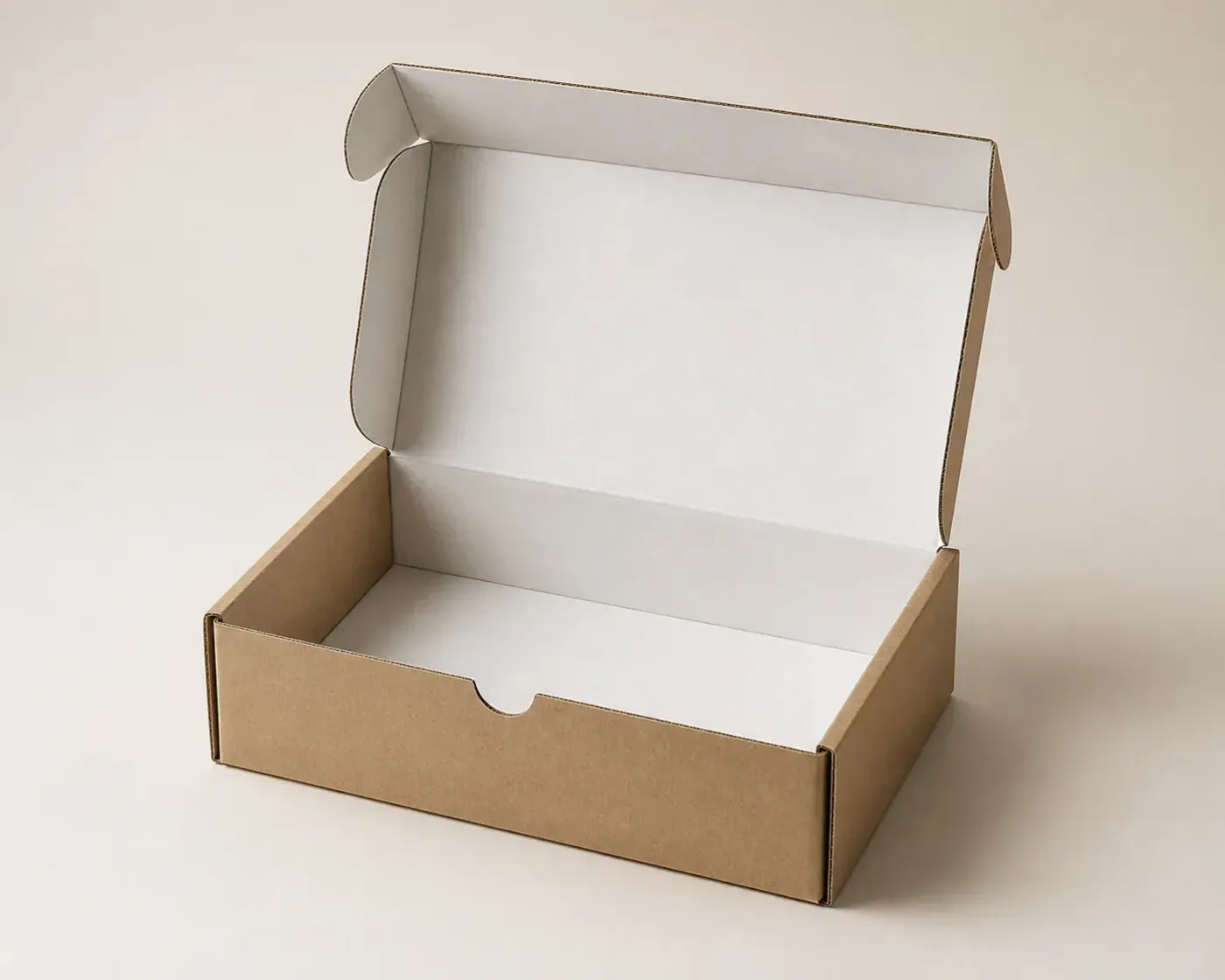
Mailer & Shipping Boxes
A one-piece corrugated mailer built around product fit, folded side protection, and a presentation-ready opening for e-commerce orders, subscriptions, and launch kits.
Request a Quote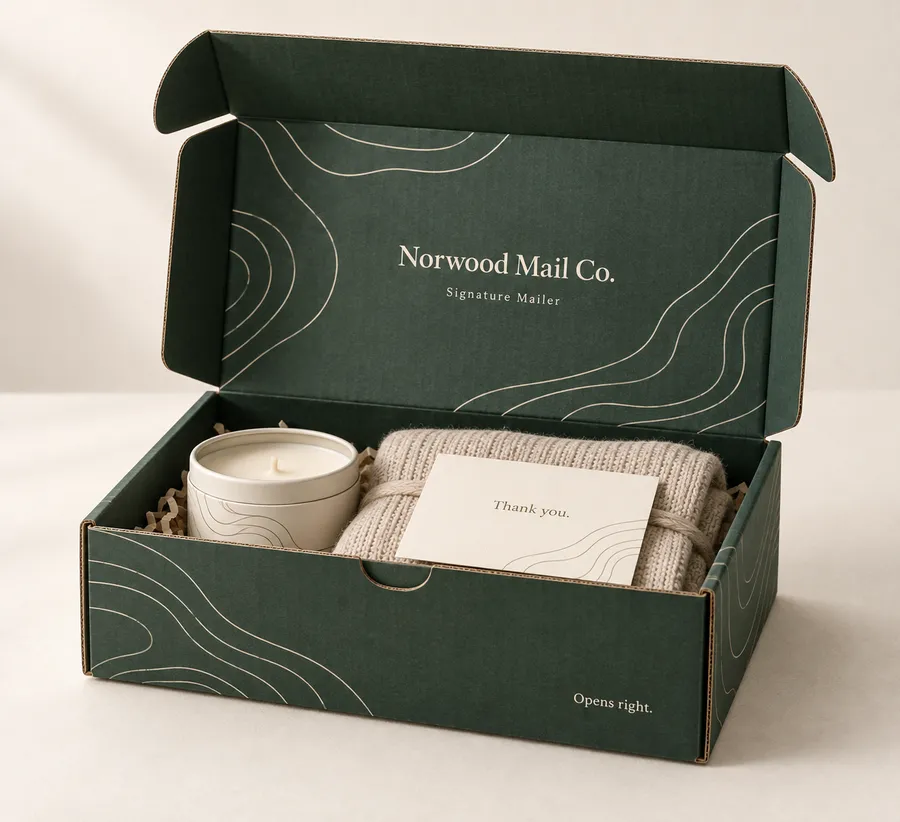
Mailer Boxes
Custom mailer gift boxes combine a protective shipping structure with a printed unboxing presentation for subscription gifts, retail bundles, and direct-to-recipient orders. Choose the packed dimensions, board family, outside or inside print, and finish around the gift set you are shipping, then review the dieline and digital proof before production.
Request a Quote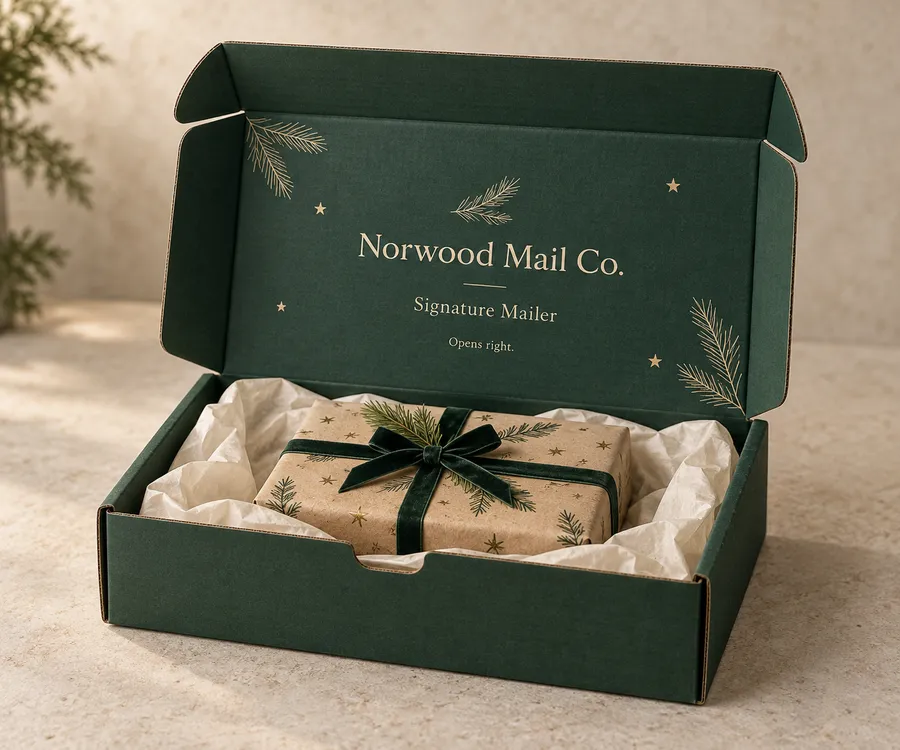
Mailer Boxes
Christmas mailer boxes give seasonal gifts a protective shipping format and a deliberate opening sequence. Choose a one-piece mailer around the packed product, then decide on corrugated board or kraft paperboard, exterior and interior printing, and a finish that supports the holiday artwork without obscuring the closure or fit.
Request a Quote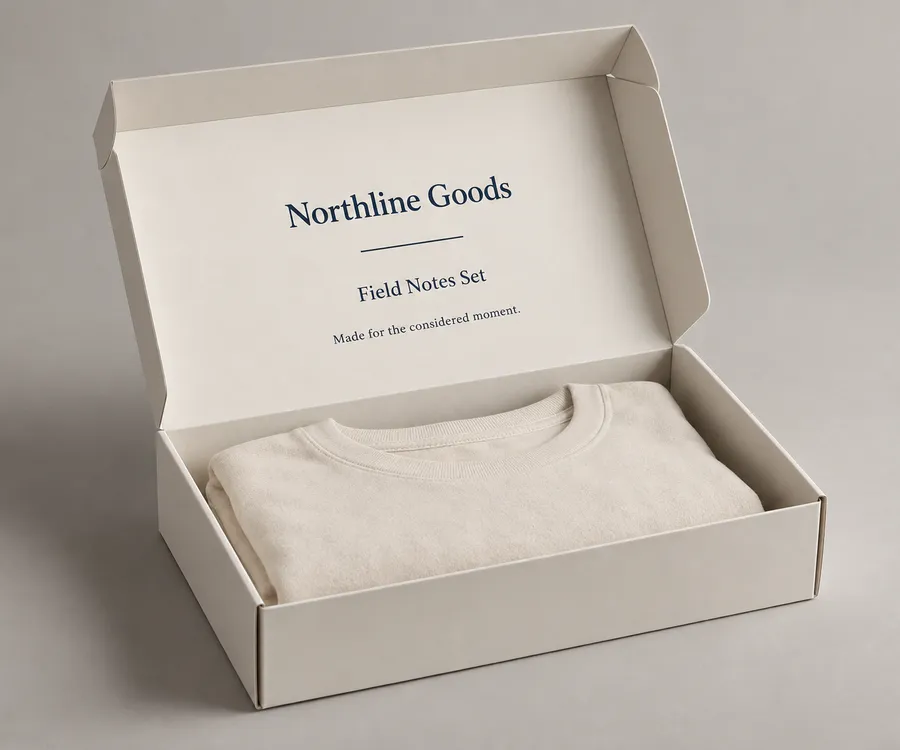
Rigid Boxes
Custom rigid mailers give shipped products a defined paperboard structure and a deliberate opening sequence. The finished direction is built around the packed product, then refined through the closure, internal support, printed panels, finish, and shipping route so the mailer is neither loose around its contents nor overbuilt for the order.
Request a Quote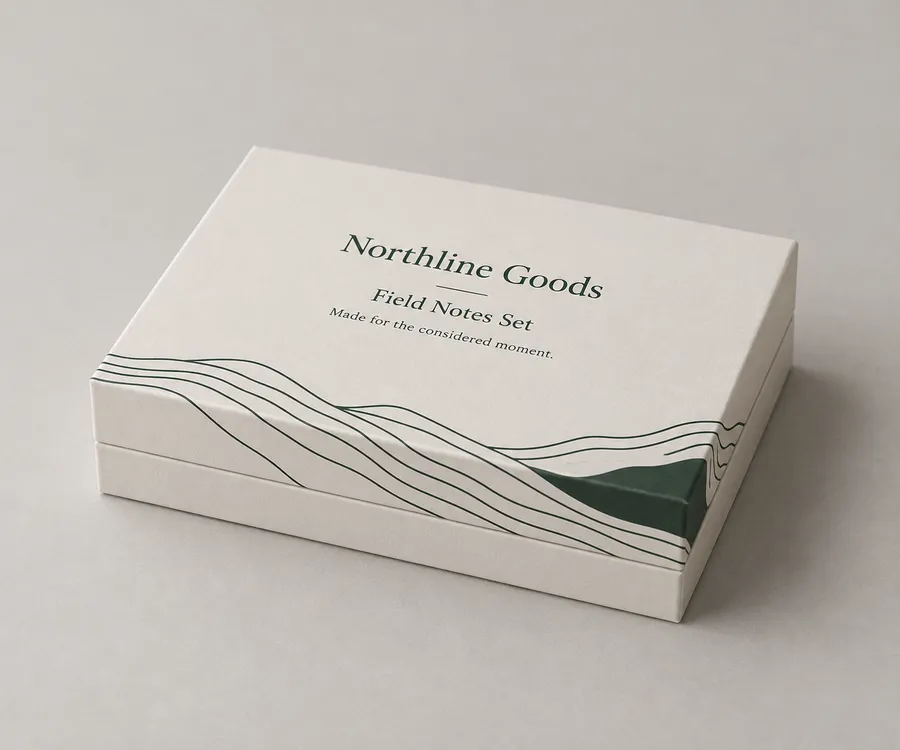
Rigid Boxes
Small rigid boxes give compact products a firm base-and-lid presentation without forcing a nominal stock size. The finished footprint is scoped around the packed item's length, width, height, weight, insert needs, opening sequence, printed panels, and shipping route.
Request a QuoteChoose the structure by use, not by appearance alone. A folding carton can suit retail bottles or products packed inside a separate shipper. A mailer can combine product presentation with direct shipping. A rigid box can support a premium gift or multi-item set, but it uses more board and assembly. A sleeve and tray can give a clean presentation while keeping the inner tray separate.
For a product already using a carton, compare custom supplement box kits to the contents, label-panel needs, and sales route. The package should protect the product, leave space for required information, and be practical for your packing and fulfillment steps.
Cost is shaped by the structure, dimensions, material, print coverage, finish, insert, closure, quantity, sampling, and shipping route. A smaller box is not automatically cheaper if it needs a fitted insert or complex assembly. A simple print run may be more predictable than a multi-part rigid set.
Ask for a quote that identifies the same specification in every option. Compare the inside dimensions, board or material, print sides, finish, insert, quantity, sample, setup, production timing, and freight. That makes the decision clearer without relying on a single headline number.
Start with the brief, review the recommended structure, confirm the dimensions, and then review the dieline and proof. Check the assembled opening, panel copy, barcode, fit, insert, and artwork version. Keep the approved proof with the quote. Production timing starts after digital proof approval and depends on the final specification; Easy Box Packaging lists production from 7 business days on its standard route.
The separate custom packaging quote form is useful when some decisions are still open. Explain what you know, identify what needs a recommendation, and ask the supplier to confirm the minimum and timing for the exact format.
The most common mistakes are measuring the product without its cap or insert, choosing a structure before describing the shipping route, sending artwork without a confirmed dieline, and comparing quotes with different quantities or finishes. Another is treating an estimated production time as a guaranteed delivery date. Ask questions while the brief is still flexible, then approve only the final written specification.
For a process overview, read how to get custom packaging made, which walks through measurement, structure selection, proof review, and production approval.
Questions, answered
Yes. Small businesses can request a custom structure and printed packaging, but the available quantity, material, print method, and finish depend on the specification. A first run often uses a straightforward folding carton, mailer, or sleeve rather than a highly assembled package.
MOQ means minimum order quantity: the smallest run a supplier will produce for a specific construction and specification. Easy Box Packaging lists some custom options from 50 units, so confirm the minimum for your exact dimensions, board, insert, print, and finish in your quote.
No. You need the information that defines the job: packed product dimensions, approximate weight, quantity, and the sales or shipping route. Artwork follows once the structure and dieline are confirmed.
Send the product dimensions in the packed state, approximate weight, quantity, sales or shipping route, and any fragile or unusual areas. Add a photo or sample if the shape is hard to describe, and mark unknown material, insert, or finish choices as "please recommend".
Choose by use, not appearance alone. A folding carton suits retail bottles or products packed inside a separate shipper, a mailer combines presentation with direct shipping, a rigid box supports a premium gift or multi-item set, and a sleeve and tray give a clean presentation with a separate inner tray.
Cost is shaped by the structure, dimensions, material, print coverage, finish, insert, closure, quantity, sampling, and shipping route. A smaller box is not automatically cheaper if it needs a fitted insert or complex assembly.
Production timing starts after digital proof approval and depends on the final specification. Easy Box Packaging lists production from 7 business days on its standard route, and an estimated production time is not a guaranteed delivery date.
The most common mistakes are measuring the product without its cap or insert, choosing a structure before describing the shipping route, sending artwork without a confirmed dieline, and comparing quotes with different quantities or finishes.
Plan your first order
Share your product dimensions, quantity, and how you plan to sell or ship it. Easy Box Packaging will review the specification and send a quote, with the minimum confirmed for your exact format.