Mailer boxes, rigid boxes, and folding cartons can all carry custom artwork, but they solve different protection, presentation, and shipping problems. The right choice starts with how the product will be sold and handled.
The Short Answer
Choose a mailer box when shipping protection and an all-in-one unboxing experience matter most. Choose a rigid box for premium presentation and reuse. Choose a folding carton for efficient, lightweight retail packaging at a lower unit cost.
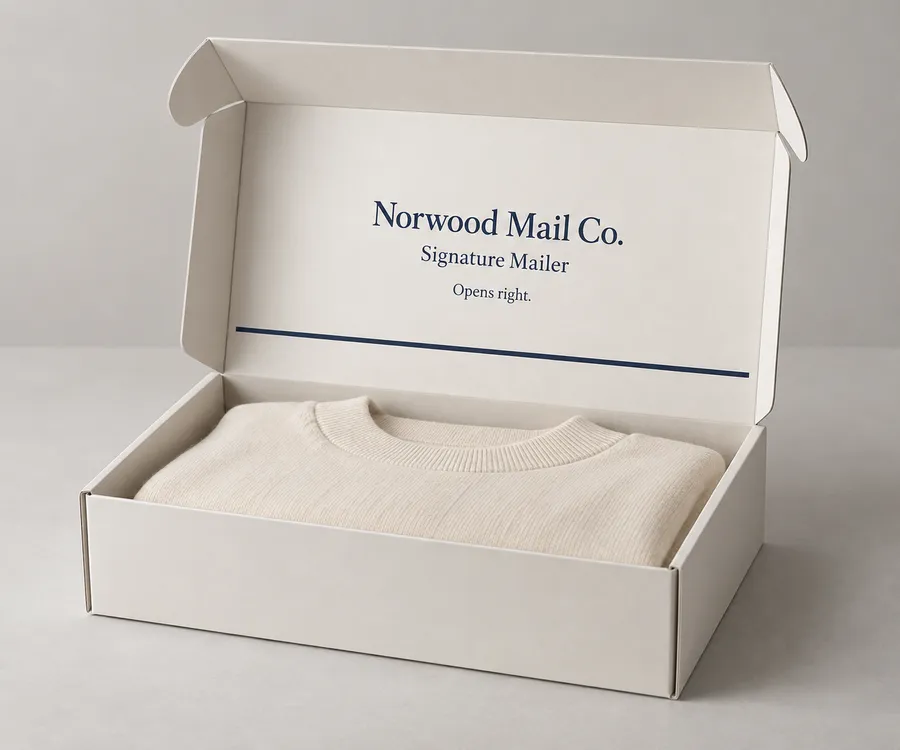
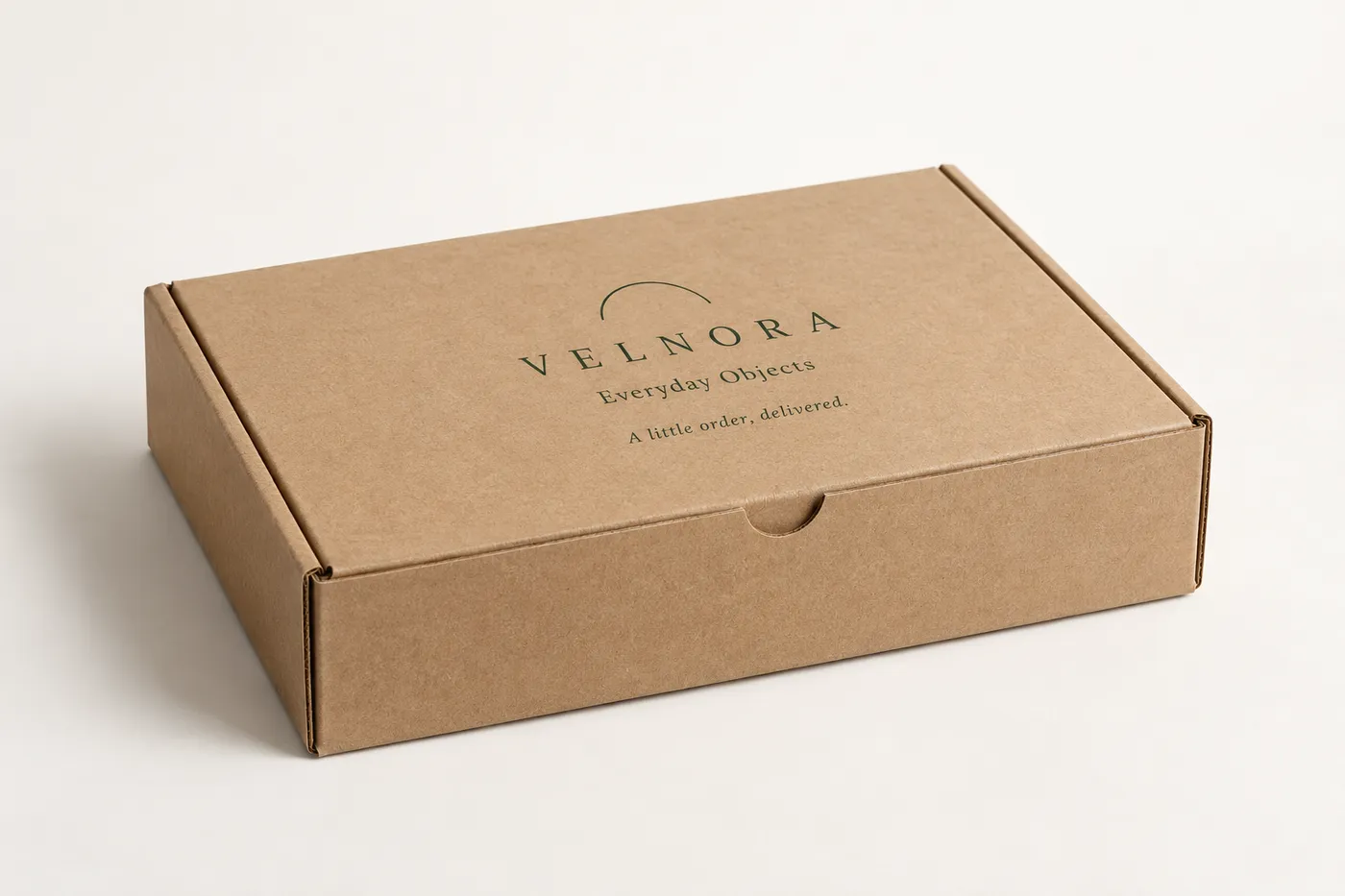
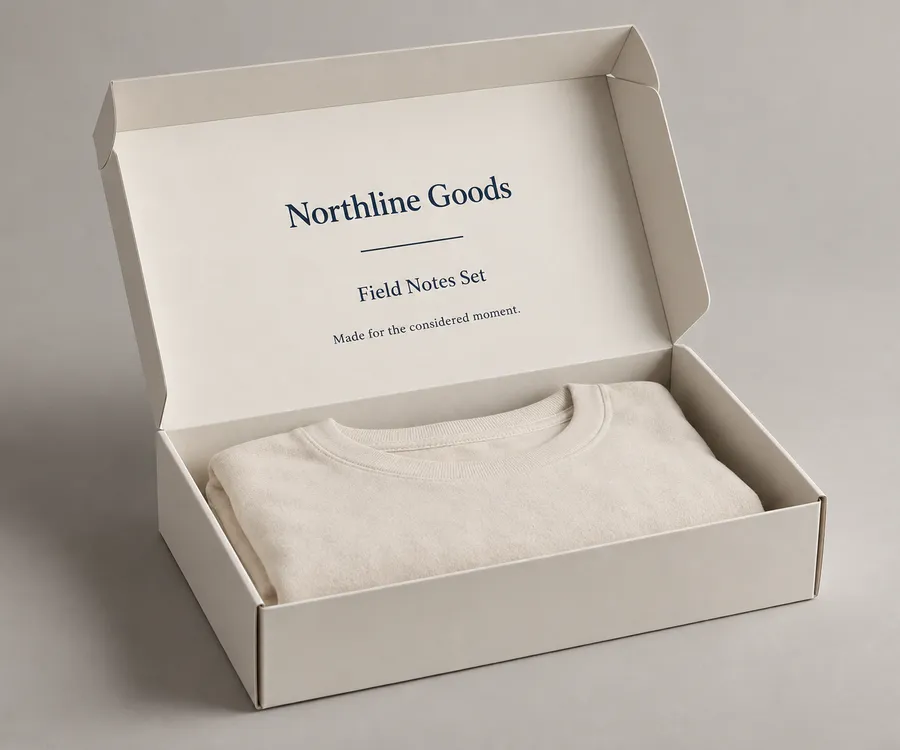
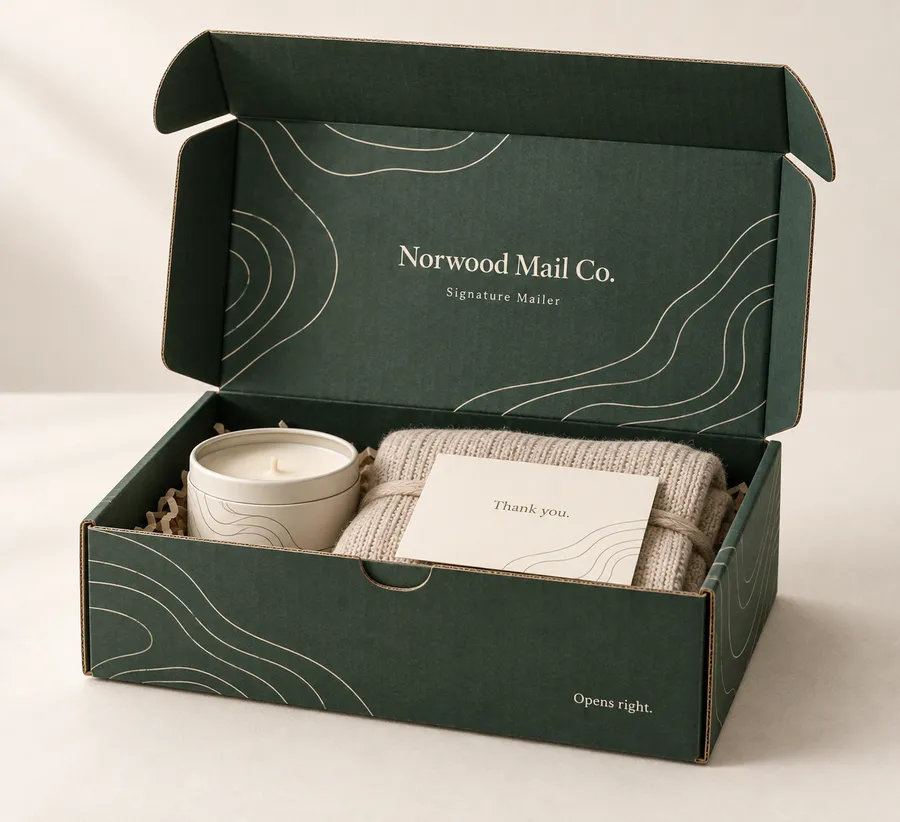
Mailer boxes use corrugated board and a hinged lid to combine shipping protection with presentation. They work well for e-commerce orders, subscription programs, launch kits, and products that need more crush resistance than a paperboard carton.
They usually ship flat, assemble without tape, and can carry print inside and outside. The tradeoff is more material and storage space than a folding carton, so they are best used when the box is also part of the delivery experience.
Products that fit this guide
A few Easy Box Packaging products that fit what this article covers.
Rigid mailer boxes give shipped products a more structured paperboard presentation than a flexible mailer, with a fold-over closure, planned internal clearance, and printed surfaces shaped around the order. Choose the material direction, opening style, interior support, and finish with the packed product and shipping route in view.
Custom mailer boxes coordinate the packed size, closure and printed presentation of an e-commerce order. Discuss corrugated construction, inside and outside artwork, and any insert or divider requirements. Easy Box Packaging reviews the proposed specification and proof before production, with the final board, finish and delivery terms confirmed in your quote.
Custom rigid mailers give shipped products a defined paperboard structure and a deliberate opening sequence. The finished direction is built around the packed product, then refined through the closure, internal support, printed panels, finish, and shipping route so the mailer is neither loose around its contents nor overbuilt for the order.
Custom mailer gift boxes combine a protective shipping structure with a printed unboxing presentation for subscription gifts, retail bundles, and direct-to-recipient orders. Choose the packed dimensions, board family, outside or inside print, and finish around the gift set you are shipping, then review the dieline and digital proof before production.
A rigid two-piece gift box with a lift-off lid for a single keepsake, bottle, or jar. Choose SBS or kraft paperboard, then size the base and any insert around the item so the finished presentation has the structure and finish the gift calls for.
Small rigid boxes give compact products a firm base-and-lid presentation without forcing a nominal stock size. The finished footprint is scoped around the packed item's length, width, height, weight, insert needs, opening sequence, printed panels, and shipping route.
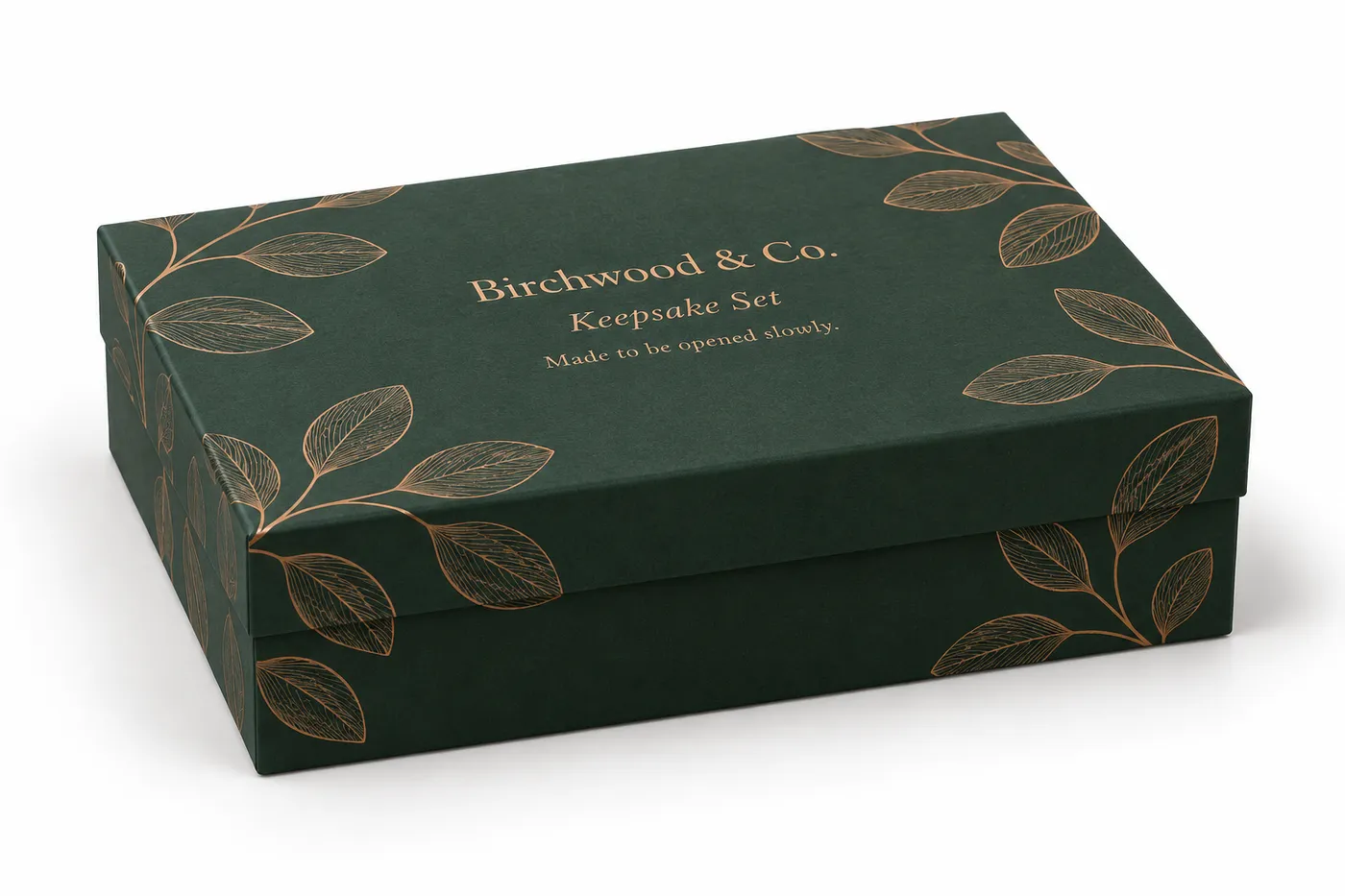
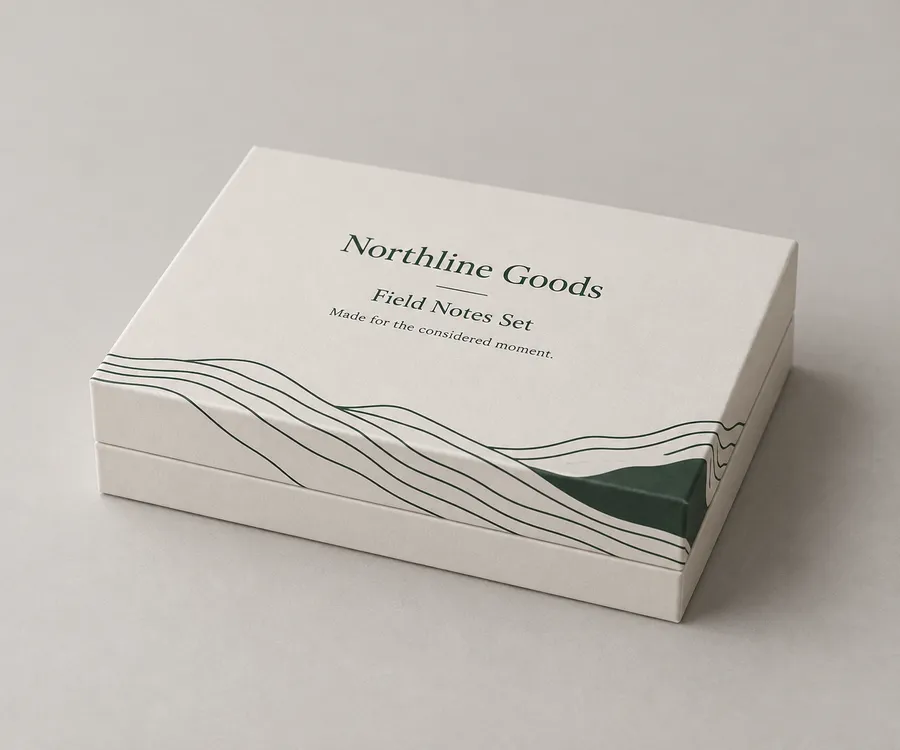
Rigid boxes are built from thick board that stays assembled instead of folding flat. Their weight, clean edges, and wrapped surfaces make them a strong choice for luxury gifts, cosmetics, electronics, and limited-edition launches.
They deliver the most premium feel of the three formats, but they cost more to manufacture and ship. Use them when presentation, perceived value, and long-term reuse justify the additional material and freight.
Folding Cartons
Folding cartons use printed SBS or kraft paperboard that is cut, scored, and glued into a lightweight retail box. They are efficient for products such as CBD cartridges, creams, concealers, snacks, and other items that need clear shelf communication without heavy shipping protection.
Cartons ship flat, run efficiently at scale, and support matte or gloss lamination, spot UV, foil stamping, and embossing. Bakery bags and flexible pouches solve different food formats, but many CBD and cosmetic products in the Easy Box catalog are classic folding-carton applications.
How to Choose
Start with the sales channel. For direct shipping, choose corrugated mailers unless the product already has protective secondary packaging. For a premium gift or keepsake experience, price a rigid box. For retail shelves, compact products, and cost-efficient volume, begin with a folding carton.
Then compare product weight, fragility, storage space, order quantity, and finishing requirements. A physical sample and an approved dieline are the safest way to confirm fit before a full production run.
Questions, answered
Frequently Asked Questions
Which box type has the lowest unit cost?+
Folding cartons are usually the most economical for lightweight retail products because they use less material, ship flat, and run efficiently at volume.
Can mailer boxes replace a shipping carton?+
Often, yes. A correctly specified corrugated mailer can serve as both the branded package and shipping container, but fragile or heavy products may still need inserts or an outer shipper.
When is a rigid box worth the added cost?+
A rigid box is most useful when premium presentation, gifting, reuse, or a higher perceived product value is central to the customer experience.
What is the difference between mailer boxes, rigid boxes, and folding cartons?+
Mailer boxes use corrugated board and a hinged lid to combine shipping protection with presentation. Rigid boxes use thick board that stays assembled for a premium feel. Folding cartons use printed SBS or kraft paperboard that ships flat and suits lightweight retail packaging.
How do I choose between them?+
Start with the sales channel: direct shipping points to corrugated mailers, a premium gift or keepsake points to a rigid box, and retail shelves with compact products point to folding cartons. Then compare product weight, fragility, storage space, order quantity, and finishing requirements.
Which format gives the most premium unboxing?+
Rigid boxes deliver the most premium feel of the three formats, with thick board, clean edges, and wrapped surfaces. Mailer boxes also create an all-in-one unboxing experience when shipping protection matters as much as presentation.
How can I confirm the fit before a full production run?+
A physical sample and an approved dieline are the safest way to confirm fit before a full production run. Compare the packed product, weight, and fragility against the proposed structure first.
Talk to the team
Choosing a mailer, rigid box, or folding carton?
Tell us what you are packing and how it will be sold or shipped. Easy Box Packaging will review the specification and send a quote.