Quick answer: Packaging EPR means extended producer responsibility. It makes brands help pay to recycle the packaging they sell. Several states now have laws, from California to Maine. Dates, rules, and who counts as a producer differ by state. Check your state agency for current rules.
*Last updated: November 2026.* *Last reviewed: October 2026. We re-review quarterly. Next review: January 2027.*
Not legal advice. This page is general info from a packaging maker. Please consult counsel or a compliance specialist about your own duties.
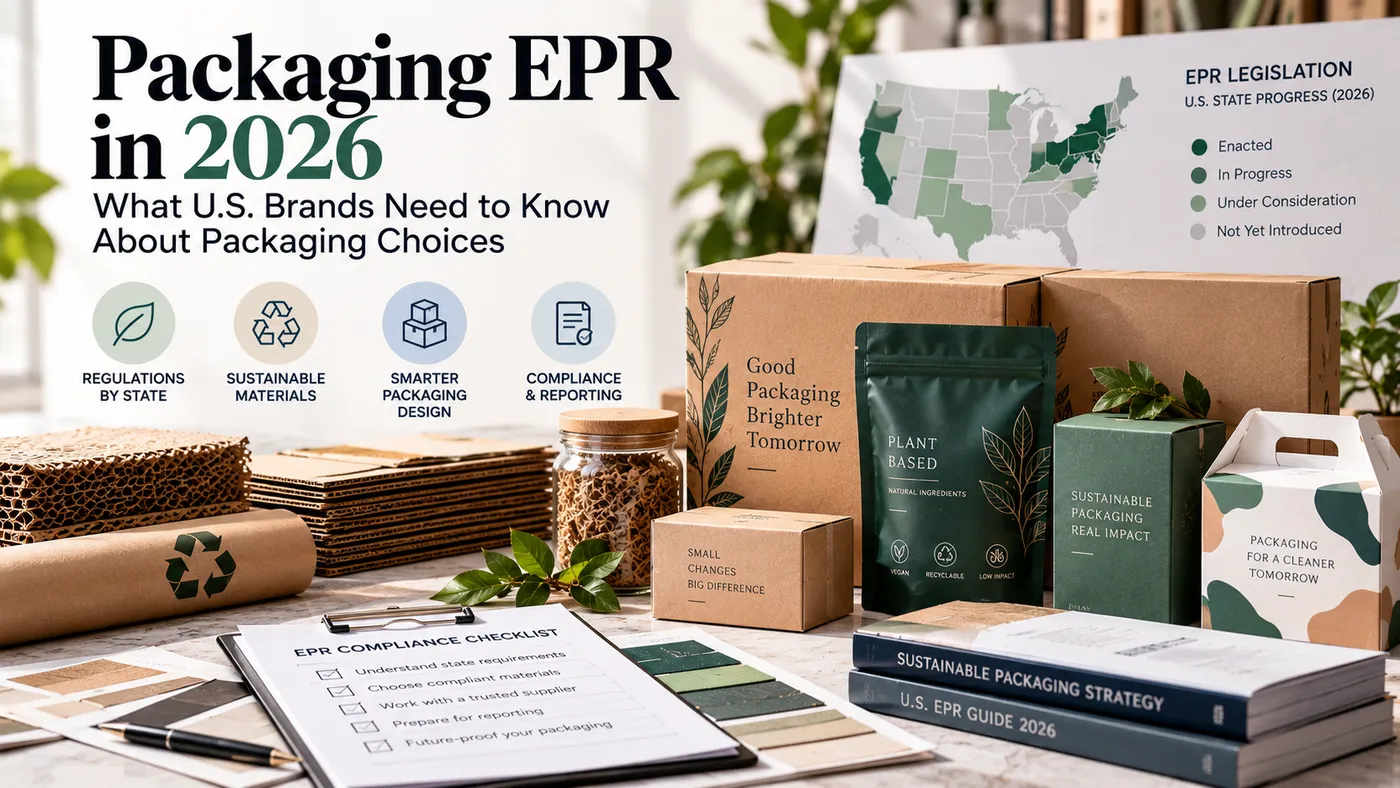
Packaging EPR 2026 is no longer a future topic for U.S. brands. Extended producer responsibility packaging laws are live in some states. This table shows where each state stands. We checked each agency page in October 2026.
State
Law status
Key date(s)
Source
California
SB 54 enacted 2022. Permanent regulations effective May 1, 2026. Circular Action Alliance approved as first producer responsibility organization (PRO).
PRO plan submitted to the Advisory Board June 15, 2026. 2032 reduction and recycling goals.
Key takeaway: There's no single national rule. Each state sets its own dates, definitions, and exemptions. A brand that ships nationwide may face several programs. Good packaging records matter more than any one deadline.
What Packaging EPR 2026 Means in Plain English
Packaging EPR 2026 shifts the cost of managing packaging waste. Taxpayers and local governments used to carry most of it. Under EPR, brands that sell packaged goods help fund recycling.
Most state programs run through a producer responsibility organization, or PRO. Brands join the PRO. The PRO collects fees and pays for recycling. The state agency oversees it.
CalRecycle puts it simply. EPR gives producers primary responsibility for products after their useful life. Colorado calls its program industry-funded and industry-run, under state watch.
Fees often vary by material. Colorado adopted eco-modulation rules in November 2025. These reward packaging that is more recyclable and reusable. Minnesota's law also calls for fees that reward some design choices. Your material choices can change what you pay.
Who Counts as a Producer
Definitions differ, so read your state's text. Packaging EPR 2026 rules hinge on who counts as a producer. Two agencies give a useful starting point.
Washington's Ecology says a producer is usually the brand owner of a product sold in the state. Sometimes it's the manufacturer, importer of record, or distributor. Minnesota's MPCA says it's usually the brand owner, maker, or importer.
Minnesota's rules also reach online sales. The agency says rules cover packaging sold into the state. They also cover packaging used to ship a product in. That includes online orders. One exemption covers packaging for goods sent between businesses to make another product.
Small brands may have exemptions. Maine's agency lists revenue and tonnage limits in its FAQ. Other states set their own. I'm not listing them all because they change. Check your state agency page.
What Data Brands Should Collect
Every EPR packaging USA program asks producers to report something. Maine's DEP says producers report by material type once its program starts. You can prepare now.
Start a simple spreadsheet. For each product, log:
- The format: box, mailer, pouch, insert, bag, or label. - The base material, such as paperboard, corrugated, plastic film, or foil. - Weight per unit, measured on a scale, not estimated. - Coatings, laminates, windows, and mixed materials. - Recycled content, if your supplier can prove it. - Where you ship, by state, and units shipped. - Supplier spec sheets and the date you received them.
This is general good practice. It's not a legal checklist. Your state's reporting rules may ask for more or less.
Products that fit this guide
A few Easy Box Packaging products that fit what this article covers.
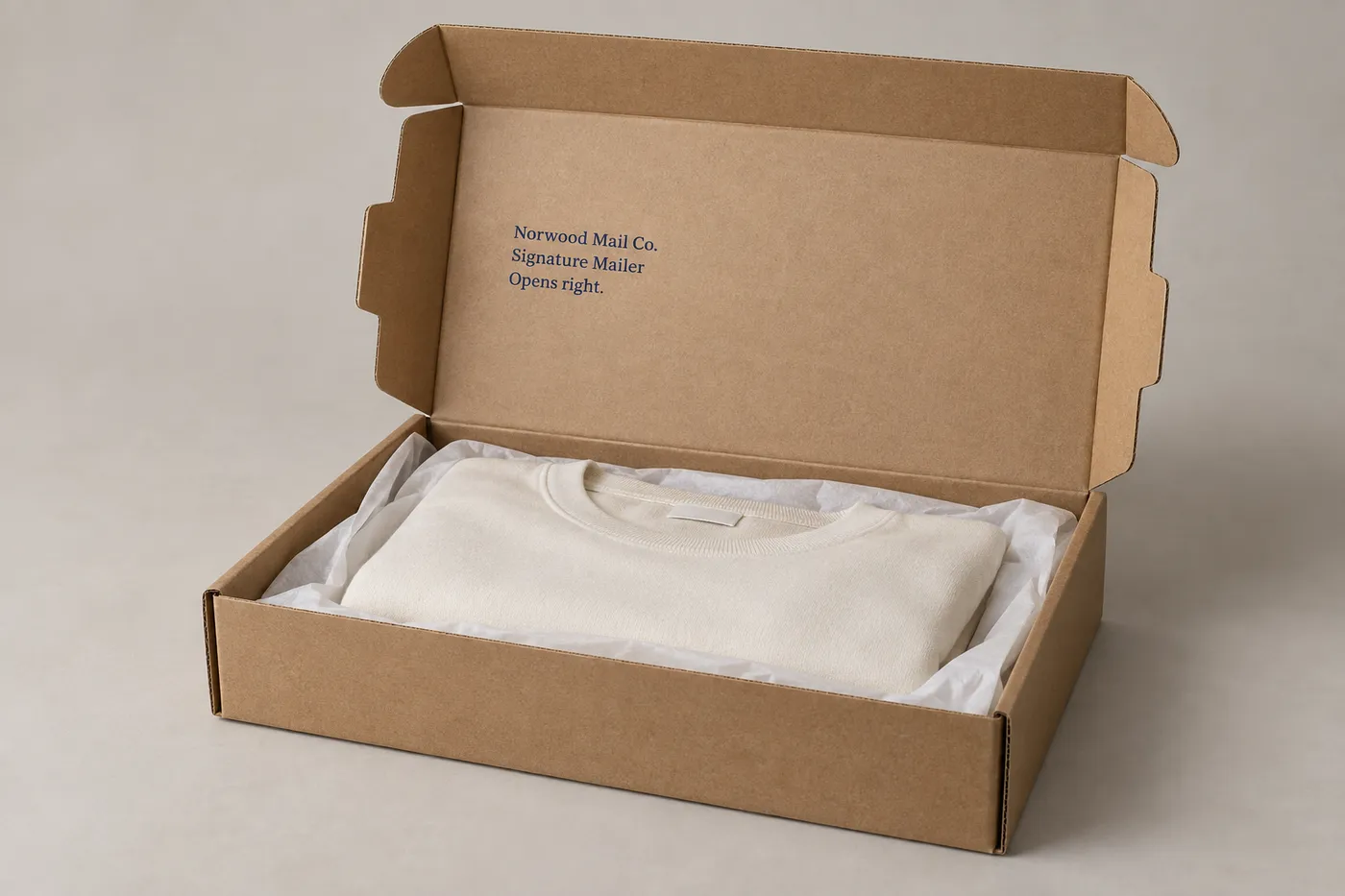
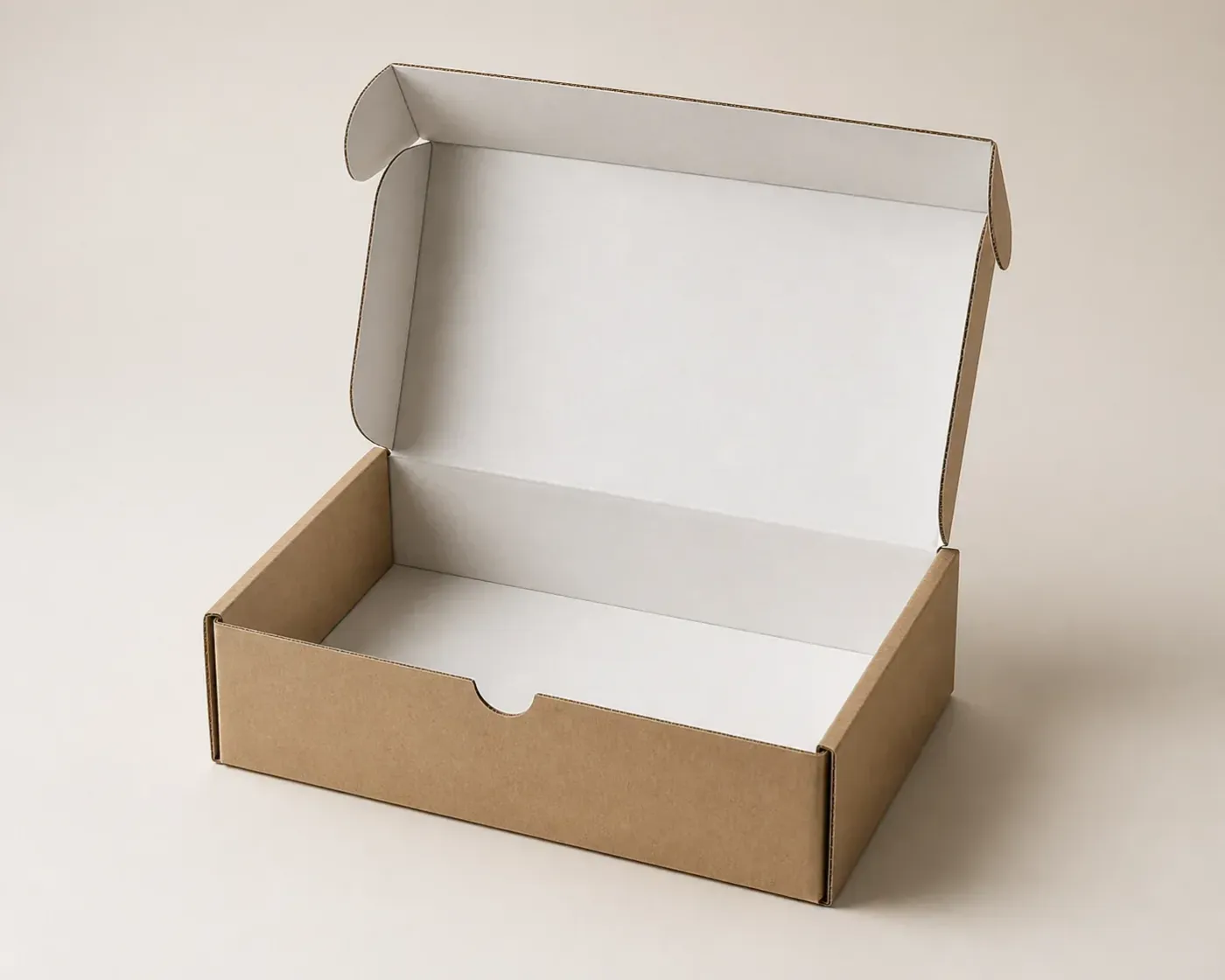
A custom plain mailer box for brands that want made-to-order shipping packaging with a simple, unprinted exterior. The structure is sized around the packed product, with the lid, closure, board direction, and interior presentation reviewed together. Add a limited mark or finish only if the package needs more than a plain surface.
Custom plain mailer boxes give brands a made-to-order shipping format with an intentionally quiet, unprinted exterior. The box is still sized around the packed product, with the lid, locking panels, board direction, and opening sequence reviewed together. Choose a natural paperboard direction by default, or scope a small controlled mark or finish when the pack needs a measured brand touch.
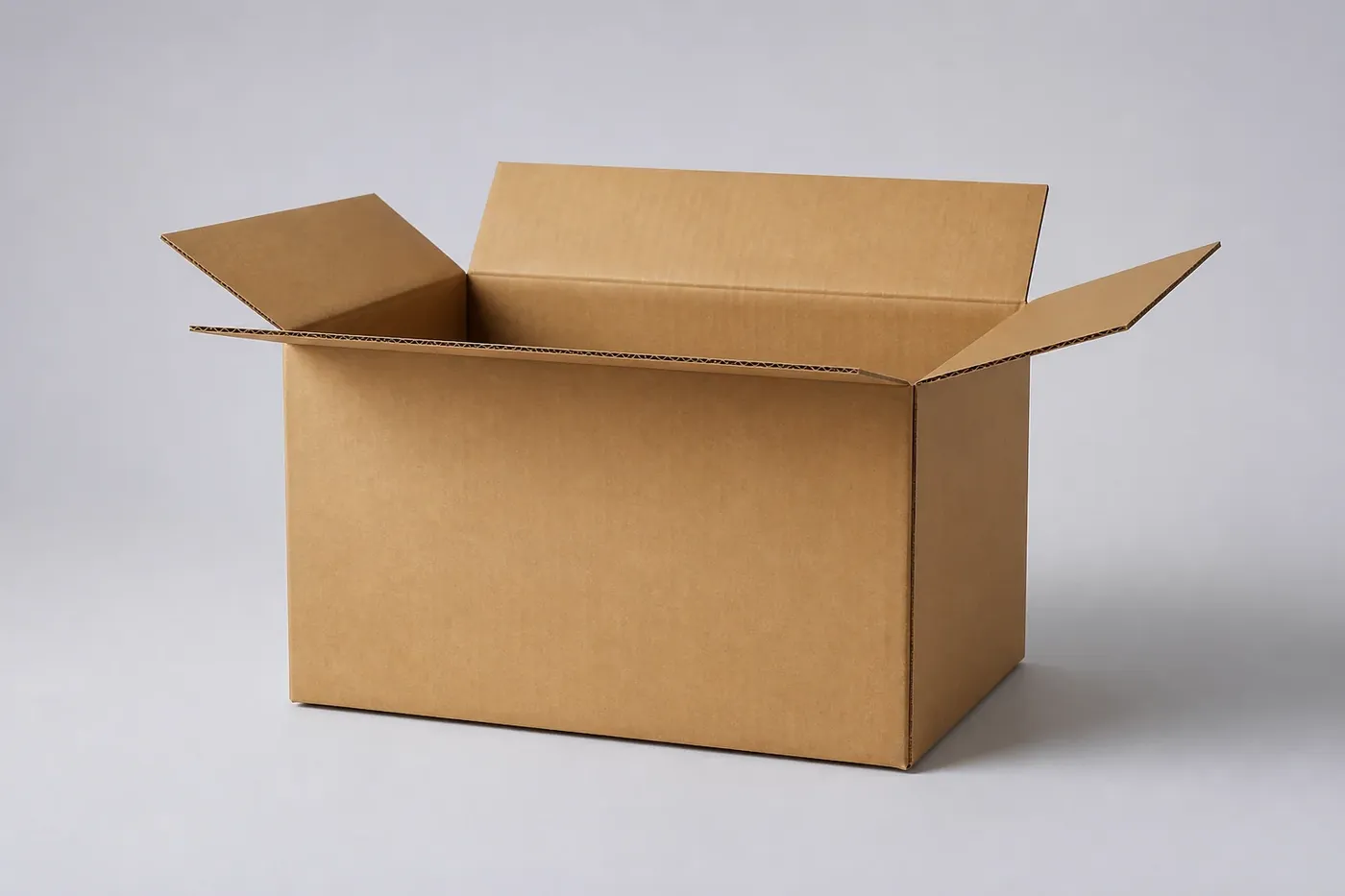
A made-to-order corrugated shipping carton specified around packed dimensions, gross weight, cushioning, closure, label placement, and the demands of parcel fulfillment.
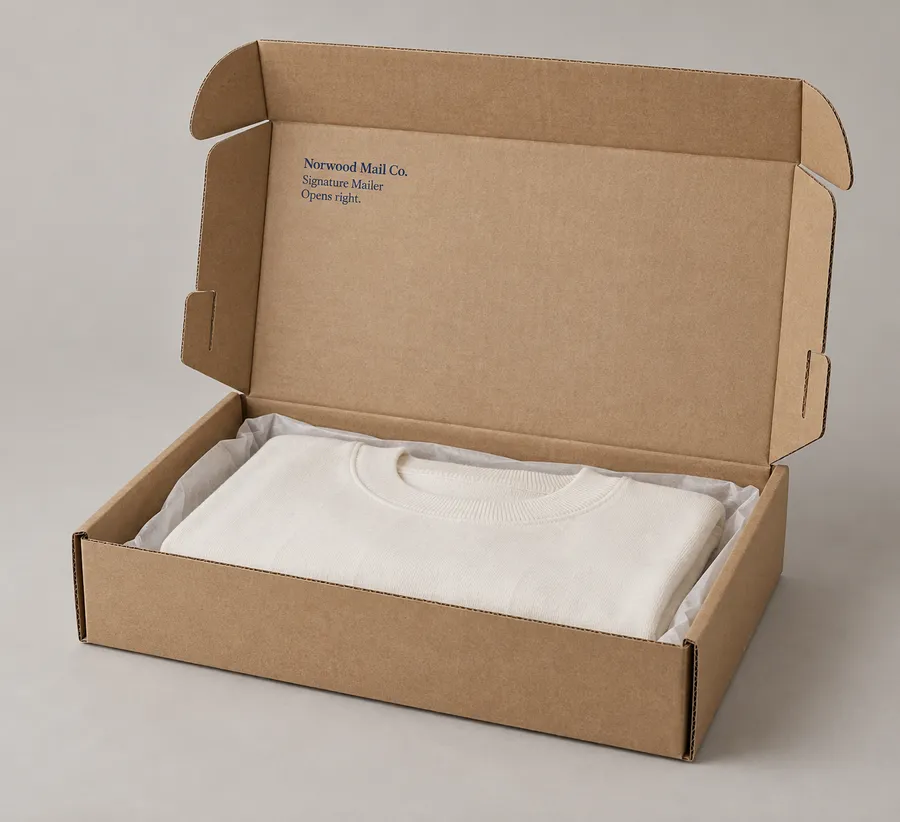
A one-piece corrugated mailer built around product fit, folded side protection, and a presentation-ready opening for e-commerce orders, subscriptions, and launch kits.
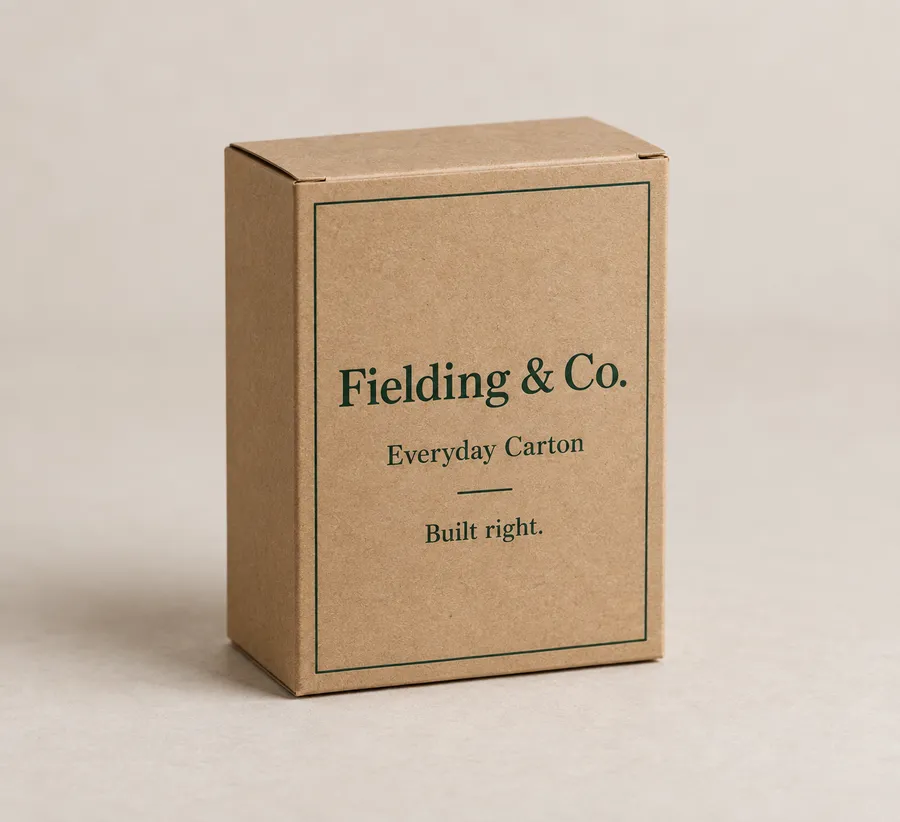
Small cardboard boxes made to order around the packed product, with a compact footprint, custom printed panels, and a choice of paperboard or corrugated construction reviewed against the way the box will be handled.
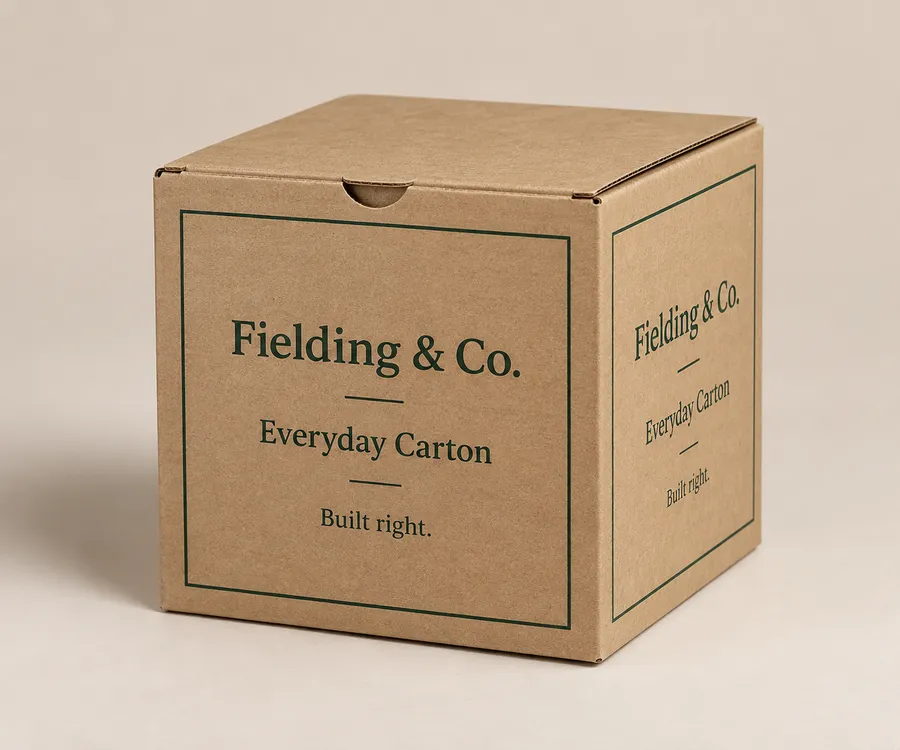
Cube cardboard boxes made to order around a product that needs balanced faces and a defined footprint. Choose a printed paperboard carton for shelf or counter presentation, or review corrugated construction when the handling route calls for a different board direction and closure.
Recyclable packaging regulations treat materials differently, state by state. Maine's material list is one example. It marks "uncoated paper and paper coated on one side only, including cardboard and paperboard" as readily recyclable. Coatings show up in the details, so they matter.
We haven't found a government source that ranks every material in every state. So we won't claim one. Use these as questions for your own review:
- Does the package mix materials, such as a film bonded to board? - Is a window patch or foil stamp attached to a paper carton? - Could a simpler structure do the same job? - Is the pack bigger than it needs to be? Less material can mean lower reported weight.
There are trade-offs. A coating may protect a product from moisture or scuffing. Dropping it could raise damage rates. A smaller box may need more padding inside. The right answer depends on your product. Our guide to what eco-friendly custom packaging costs and what works covers some of these trade-offs in practice.
What to Ask Your Packaging Supplier
Brands often ask us what we need from them. Flip that around. Here's what to ask your supplier:
1. What is the base material and weight of each component? 2. Are there coatings, laminates, adhesives, or inks? What are they? 3. Can you provide a written material spec sheet for my project? 4. What recycled content, if any, can you document? 5. Do you have a sample so I can check the material myself? 6. How will you tell me if a spec changes between orders?
Keep the answers on file. They'll help with any state report later. New to ordering? Our guide on how to get custom packaging made walks through the steps.
A note on us. Easy Box Packaging is a manufacturer, not a compliance adviser. We can help document material specs on request. Our manufacturing page shows how we work. Our eco-friendly boxes page lists material options. We don't claim any product meets a state's EPR or recyclability rules. That call is yours and your advisers'.
What This Page Doesn't Cover
This page doesn't cover every state, exemption, or fee. California SB 54 packaging rules alone run long. It skips labeling laws, toxics rules, and federal rules. Other states may have bills we haven't verified, so we left them out. Rules also change. Table dates come from agency pages as of October 2026.
FAQ
What does packaging EPR mean? It means brands help pay to collect and recycle the packaging they sell. CalRecycle says EPR gives producers primary responsibility for products after their useful life.
Which states have packaging EPR laws in 2026? Seven states appear in this guide. They are California, Colorado, Oregon, Maryland, Minnesota, Maine, and Washington. Their programs are at different stages. Check each agency page in the table.
Is California SB 54 in effect? Yes. CalRecycle says the permanent regulations took effect May 1, 2026. Circular Action Alliance is approved as the first PRO. Its plan went to the Advisory Board on June 15, 2026.
Does packaging EPR apply to small brands? It depends on the state. Some states exempt small producers by revenue or tonnage. Maine's DEP lists limits in its FAQ. Check your state agency, because limits change.
Does EPR apply to online sales and shipping boxes? In Minnesota, yes. MPCA says rules cover packaging used to ship a product into the state, including online orders. Other states may differ.
What is a producer responsibility organization? A PRO is a nonprofit that brands join. It collects fees and funds recycling services. Circular Action Alliance is the approved or accepted PRO in California, Colorado, Maryland, Oregon, and Minnesota.
What packaging data should I start collecting? Start with material type, weight per unit, coatings, and recycled content. Add units shipped by state, plus supplier spec sheets. This is good practice, not a legal checklist.
Does using recyclable packaging make me compliant? No. EPR is about registering, reporting, and paying fees where required. Packaging choices may change fees in some states. Ask counsel what applies to you.
Packaging EPR 2026: Where to Go From Here
Packaging EPR 2026 is a patchwork. California's regulations are live. Colorado, Oregon, and Maryland have approved programs. Plan for packaging EPR 2026 reporting now. Minnesota, Maine, and Washington are still building theirs. I'd start with records, not redesigns. Know what you ship and what it's made of.
Packaging laws 2026 keep moving. Don't rely on this page alone. Check your state agencies. Talk to counsel or a compliance specialist. We'll re-review this page in January 2027.
Need to document your packaging specs? Get a free quote. Our team can share material details for your project with your quote.
Questions, answered
Frequently Asked Questions
What does packaging EPR mean?+
It means brands help pay to collect and recycle the packaging they sell. CalRecycle says EPR gives producers primary responsibility for products after their useful life.
Which states have packaging EPR laws in 2026?+
Seven states appear in this guide. They are California, Colorado, Oregon, Maryland, Minnesota, Maine, and Washington. Their programs are at different stages. Check each agency page in the table.
Is California SB 54 in effect?+
Yes. CalRecycle says the permanent regulations took effect May 1, 2026. Circular Action Alliance is approved as the first PRO. Its plan went to the Advisory Board on June 15, 2026.
Does packaging EPR apply to small brands?+
It depends on the state. Some states exempt small producers by revenue or tonnage. Maine's DEP lists limits in its FAQ. Check your state agency, because limits change.
Does EPR apply to online sales and shipping boxes?+
In Minnesota, yes. MPCA says rules cover packaging used to ship a product into the state, including online orders. Other states may differ.
What is a producer responsibility organization?+
A PRO is a nonprofit that brands join. It collects fees and funds recycling services. Circular Action Alliance is the approved or accepted PRO in California, Colorado, Maryland, Oregon, and Minnesota.
What packaging data should I start collecting?+
Start with material type, weight per unit, coatings, and recycled content. Add units shipped by state, plus supplier spec sheets. This is good practice, not a legal checklist.
Does using recyclable packaging make me compliant?+
No. EPR is about registering, reporting, and paying fees where required. Packaging choices may change fees in some states. Ask counsel what applies to you.
Start a packaging brief
Turn the article into a packaging brief.
Share the product, quantity, dimensions, and route to market. Easy Box Packaging will help connect those requirements to a practical structure and production path.