Retail-ready presentation
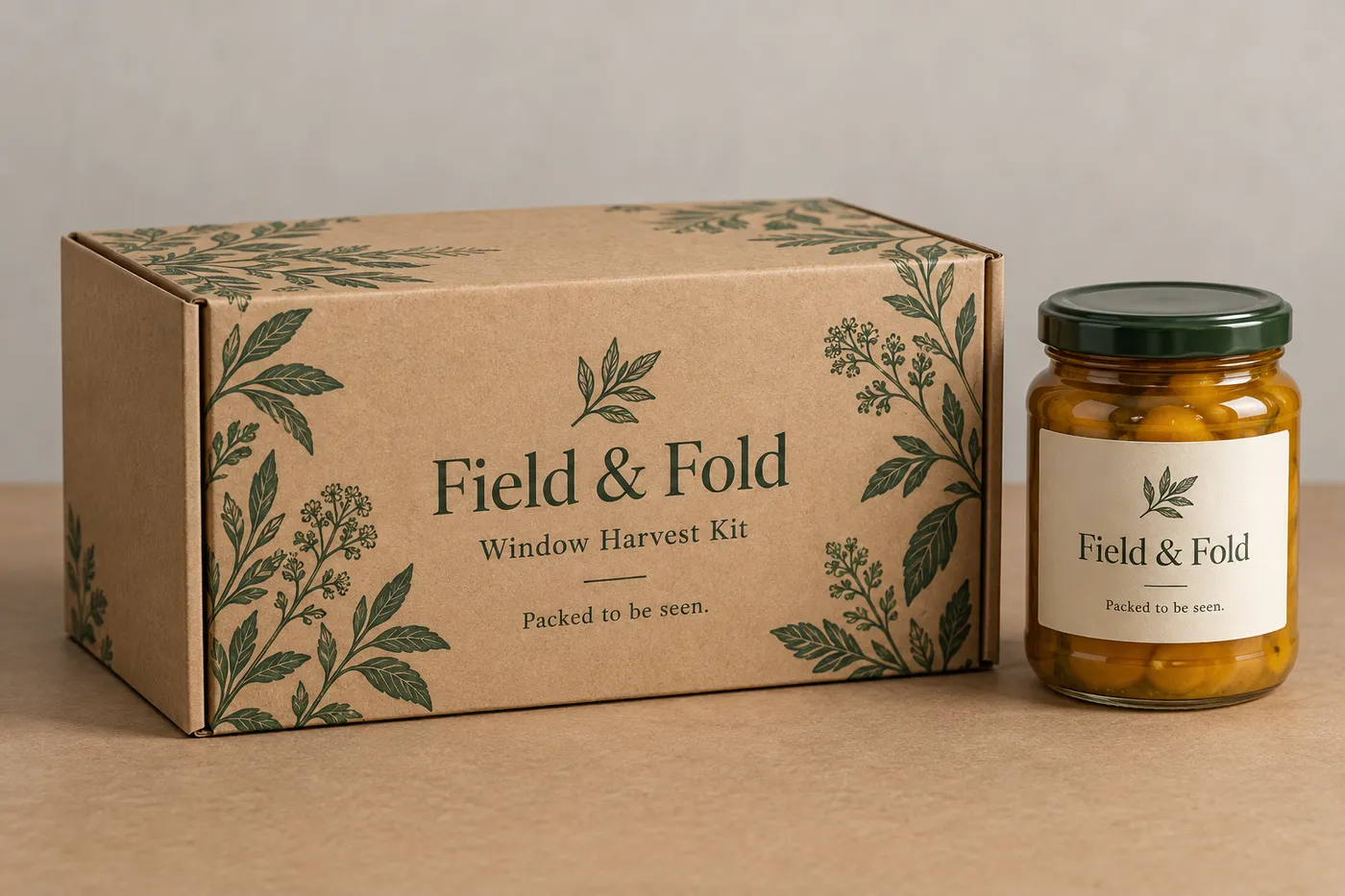
A shaped printed wrap can frame a product on a shelf or counter while keeping the front face and opening path easy to understand.

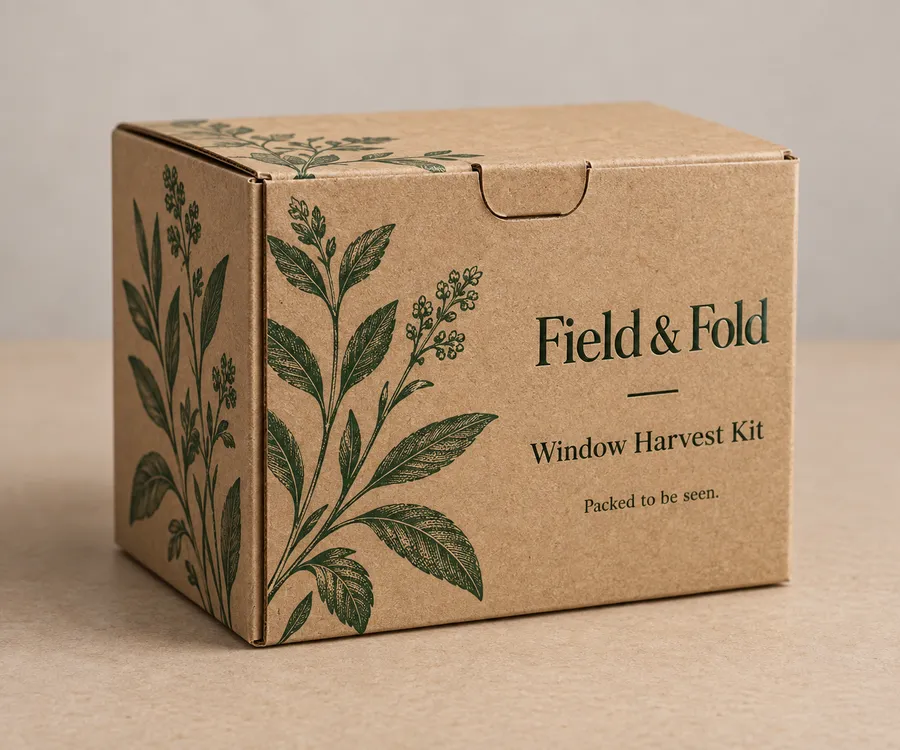
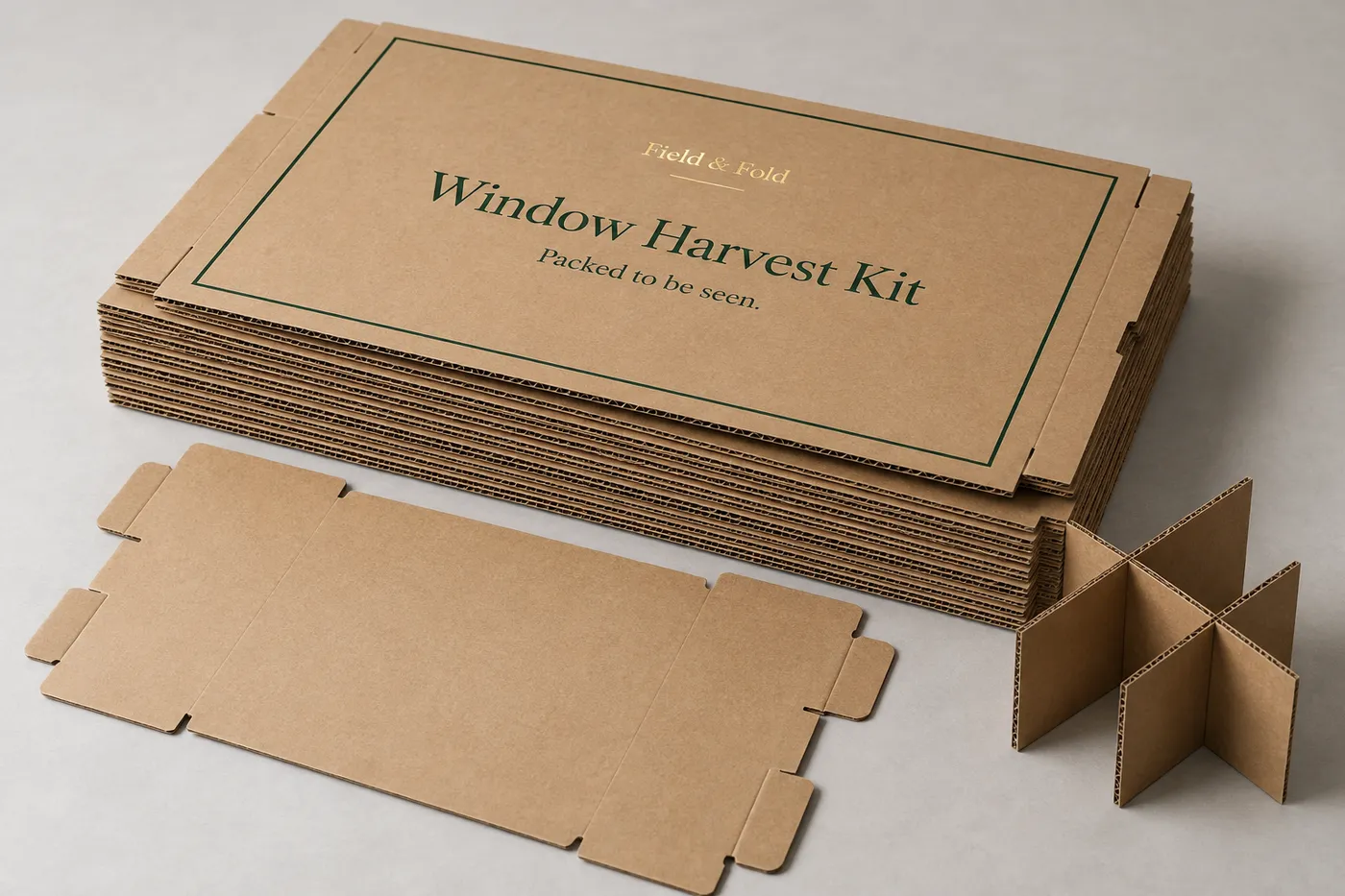
Formed kraft corrugated wrap box with printed panels, scored folds, and tuck tab closure
Corrugated Boxes
Custom corrugated wrap boxes are shaped around the product, opening path, and handling route rather than treated as a generic sleeve. Corrugated board, scored wrap panels, closure tabs, printed surfaces, and optional support can be reviewed together so the finished package fits the item and the way it will be packed, displayed, or handed over.
Last updated
Working quote
Product brief
A corrugated wrap is useful when a product needs a shaped paperboard shell, a visible printed surface, or a guided opening path without defaulting to a plain shipping carton. Begin with the packed product and the handoff route. Tell us whether the wrap will sit around one item, group several pieces, protect a prepared set, or provide a presentation layer inside another package. Those choices affect the footprint, panel width, score placement, closure, and any support that keeps the load in position.
Share the packed length, width, height, widest points, weight, orientation, item count, and any protrusions or accessories. A bottle, a low rectangular product, and a small kit can all use a wrap-style construction, but they do not create the same clearance or opening requirements. Include a photo or simple top and side sketch when the product is irregular. A realistic brief helps the dieline show where the wrap starts, overlaps, locks, and releases.
The outside dimensions should be planned from the filled arrangement, not from an empty template. Note the clearance needed around the product, whether the wrap should grip, slide over, or fold around it, and whether an insert, divider, or riser is being considered. The wrap may arrive flat and be formed at the packing bench, or it may be supplied in a more assembled state for a faster handoff. Explain the loading sequence so the score lines and tabs support the actual motion.
A tuck tab, locking tab, overlap seam, sleeve-style fold, or another closure can be reviewed against the geometry. The practical choice depends on how the package is filled, opened, carried, stored, and displayed. A short local delivery, a parcel route, and a retail counter each expose the wrap to different handling moments. Do not ask for a generic strong wrap without describing those moments.
Corrugated Board is the primary material direction for this product. Kraft Paperboard and SBS Paperboard are also category directions when a different printed surface or structure is appropriate, subject to review. Do not assume a flute grade, gsm, edge-crush value, food-contact approval, or moisture rating until it is confirmed for the specific job. The material name describes a direction for discussion, not a product-specific performance guarantee.
Internal support depends on product geometry, weight, orientation, fragility, and the desired reveal. It may be integrated into the wrap structure or supplied as a separate insert after the specification is reviewed. A stable item with a simple footprint can need a different solution from a fragile or irregular item, even when both occupy the same overall volume. If the wrap is meant to hold a product visibly on a shelf, the panel and opening should be checked together so the product does not disappear behind a fold.
A wrap has several connected panels, so artwork needs to account for score lines, cut edges, overlap areas, tabs, seams, and the surface visible after forming. Share the brand hierarchy, product name, instructions, code placement, handling notes, and any panel that must stay clear. The digital proof should show how the artwork travels around the product, where the front face lands, and whether the opening path hides an important message.
Matte Lamination, Gloss Lamination, Spot UV, Embossing/Debossing, and Foil Stamping are category finish directions that may be reviewed against the board, folds, cut edges, artwork scale, and handling context. A finish changes the surface treatment; it does not replace the need to select a suitable wrap structure. If the package will be nested or handled repeatedly, call that out before the finish is selected.
A retail-ready wrap can frame a product on a shelf or counter while leaving the opening sequence easy to understand. A local delivery wrap can organize a prepared item or small bundle with printed panels that travel around the handoff. A subscription or gift kit can use the wrap as a branded reveal around a set, provided the packed arrangement and closure are clear. Small-batch food, produce, or handmade goods may also use a shaped corrugated format for short-distance presentation, but any food-contact or regulatory requirement must be confirmed separately rather than assumed.
The standard fulfillment path starts at 50 units. Production is from 7 business days after digital proof approval, with free US shipping and dieline and proof review included at no extra charge. Quote requests are answered within 24 hours, typically the same business day. A sample kit carries a $44.99 USD shipping charge credited toward the first order when you need to compare board feel, fold direction, print treatment, and closure before committing to a run.
Include packed dimensions, weight, quantity, orientation, item count, handling route, loading method, closure preference, board direction, artwork status, finish direction, label or code area, and any divider or support need. Note whether the wrap should ship flat, form at the packing bench, or arrive ready for a particular handoff. A final proof should make the product position, score lines, overlap, closure, printed panels, support, and finish representation easy to inspect before approval.
A well-scoped corrugated wrap is a coordinated structure: the product footprint sets the panels, the route informs the closure and board review, and the proof confirms the artwork after forming. Give those facts together so the quote describes a real package instead of a generic sleeve.
When the packed item changes, revisit the wrap rather than copying an earlier outline. A heavier product may need a different support conversation; a taller product may move the front panel and closure; a display-led product may need more uninterrupted print area. These are specification questions for the quote, not promises that every format behaves the same way.
The most useful reference is a simple measured brief paired with the intended opening sequence. Mark the side that should face the customer, the side that carries a label or code, and the area that must remain clear during packing. That information lets the proof review focus on the finished package and gives the production discussion a concrete starting point.
Proof points
The useful proof is a formed-package check, not a flat artwork check alone.
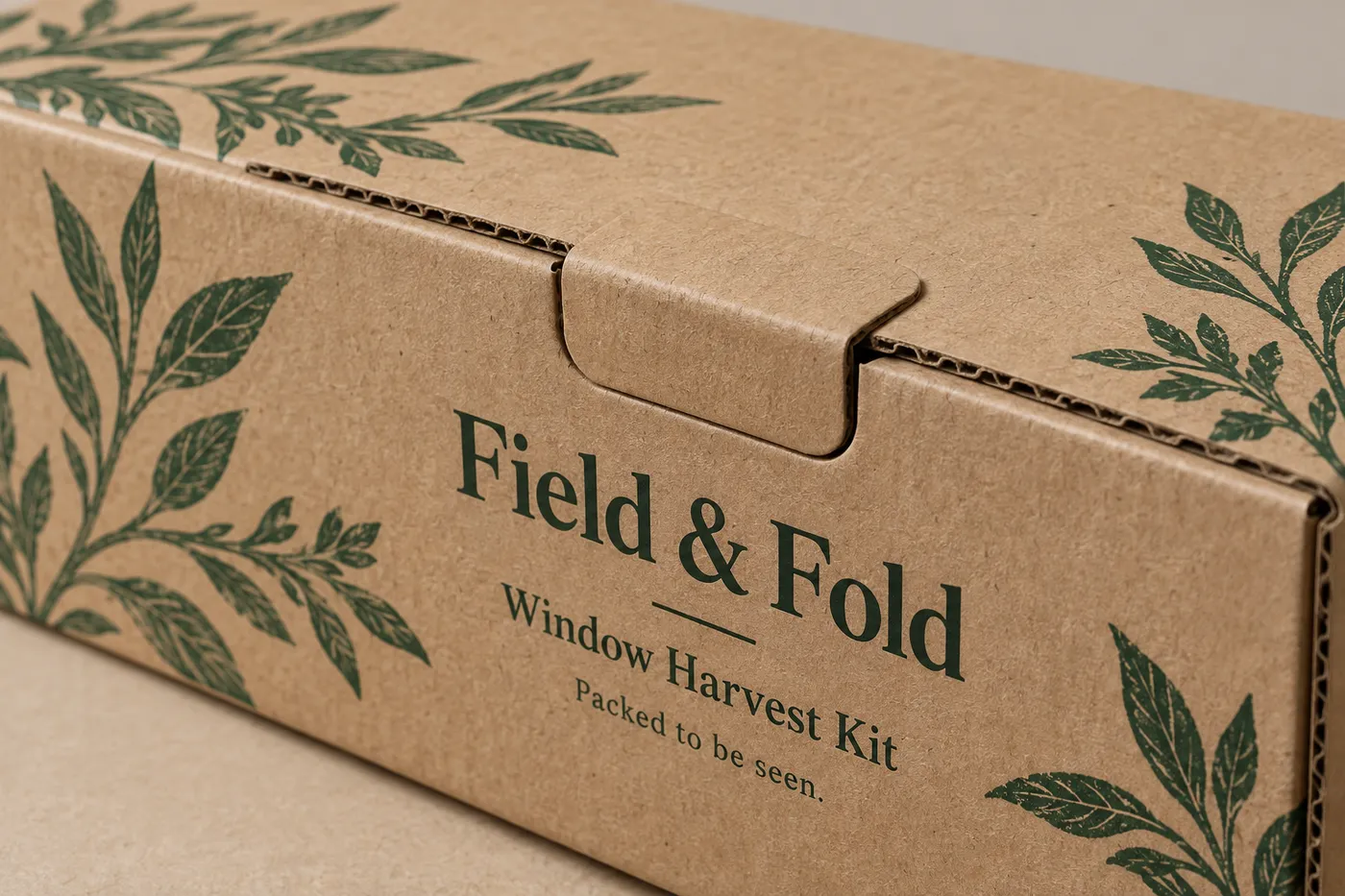
The wrap is sized with the product footprint, score lines, overlap, closure, printed panels, and handling route in view. That keeps the package defined while preserving the structure needed for the intended opening and handoff.
A shaped printed wrap can frame a product on a shelf or counter while keeping the front face and opening path easy to understand.
A corrugated shell can organize a prepared item or small bundle while the fold and closure stay practical for a short handoff.
Printed panels and a deliberate reveal can organize a seasonal set or recurring bundle around the actual packed arrangement.
A wrap can add a defined presentation layer to handmade or short-distance goods when the load and any regulatory requirements are reviewed first.
Share the dieline, artwork, color references, code placement, clear areas, and any panel that must face the customer. Finishes are selected with scores, overlap, seams, board direction, and the packed product in view.
Send the packed dimensions, weight, orientation, item count, closure preference, artwork status, clear areas, and route. Those inputs give the dieline and proof review a real basis.
Describe the product footprint, protrusions, orientation, and desired clearance so the wrap panels and score lines are reviewed against the real load.
Describe whether the wrap slides over, folds around, overlaps, or locks so the closure can be reviewed around the loading sequence.
Check the front face, overlap, score lines, product position, opening path, printed hierarchy, and finish representation together in the digital proof.
A clear sequence keeps the packed product, construction, and artwork aligned before the run begins.
Send packed dimensions, weight, orientation, item count, route, closure preference, clear areas, and whether the wrap ships flat or forms at the packing bench.
Provide the dieline if available, printed panels, color references, codes, finish direction, and a photo or sketch of the packed arrangement.
Check the scores, overlap, closure, visible front face, product position, printed hierarchy, and opening sequence together. Dieline and proof review are included at no extra charge.
Once the configuration and proof are approved, production starts from 7 business days and the standard fulfillment path includes Free US shipping.
Need help with structure, materials, or production planning? See how we manufacture custom packaging.
A sample kit carries a $44.99 USD shipping charge credited toward your first order, giving you a way to review board feel, print, finish, and fold direction before committing to a run.
Shipping charge: $44.99. Credited toward your first order.
Request a Sample KitFind clear answers about fit, materials, and ordering below.
Measure the packed product's width, depth, and height, then note orientation, weight, item count, desired clearance, opening sequence, and closure preference. A photo or sketch helps clarify the load.
Yes. A tuck, tab, overlap, sleeve-style fold, or other closure can be considered when it matches the packed product, loading sequence, and route. The final relationship is confirmed in the dieline review.
Corrugated Board is the main material direction, with Kraft Paperboard or SBS Paperboard reviewed when the structure and printed surface call for it. Matte Lamination, Gloss Lamination, Spot UV, Embossing/Debossing, and Foil Stamping are finish directions subject to artwork and production review.
Yes. Dieline and proof review are included at no extra charge. Check the scores, overlap, closure, product position, artwork, codes, clear areas, and opening sequence together before approval.
The approved standard estimate is from 7 business days after digital proof approval. The final schedule follows the confirmed construction, artwork, quantity, and production path.
The standard fulfillment path starts at 50 units. The final quote depends on the finished panel layout, board direction, closure, artwork, handling route, and quantity requested.
Orders start at 50 units and scale up to 500,000 for bulk runs, with pricing from $0.18 per unit on larger quantities. Standard production is from 7 business days after digital proof approval.
Compare nearby products and request the format that best fits your next run.
Available product
Available product
Available product
Available product
Corrugated wrap packaging
Send the packed dimensions, route, artwork, quantity, opening sequence, closure preference, and support needs. We will review the panels, scores, overlap, printed surfaces, and proof as one configuration.
Add your product details to see a quote summary.