Retail-ready presentation
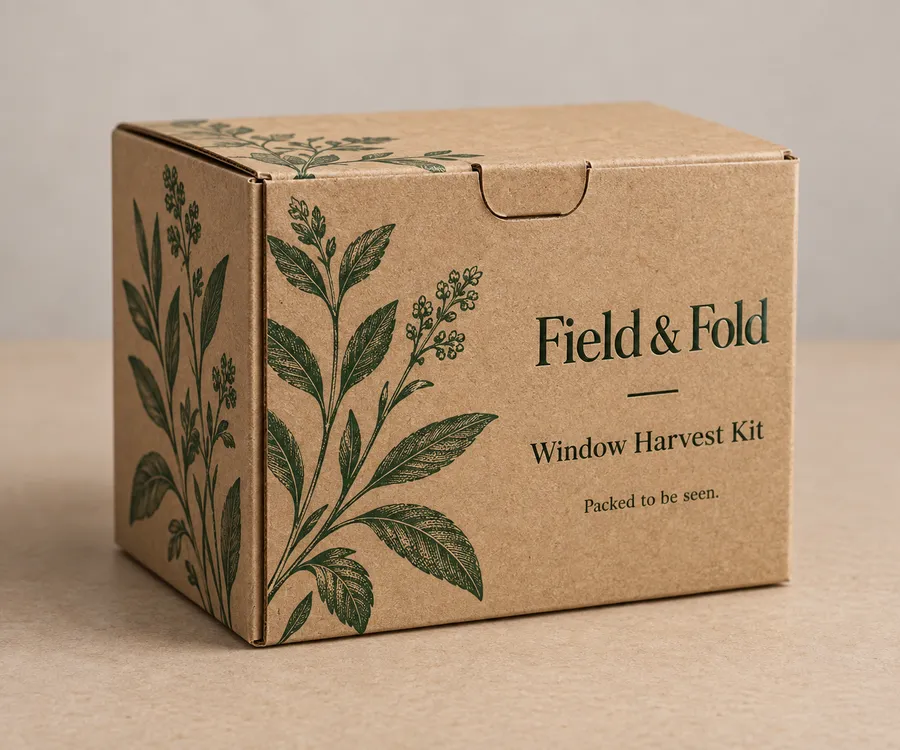
A printed front and side panel can identify the product on a shelf or counter while the corrugated shell keeps the format practical to handle.

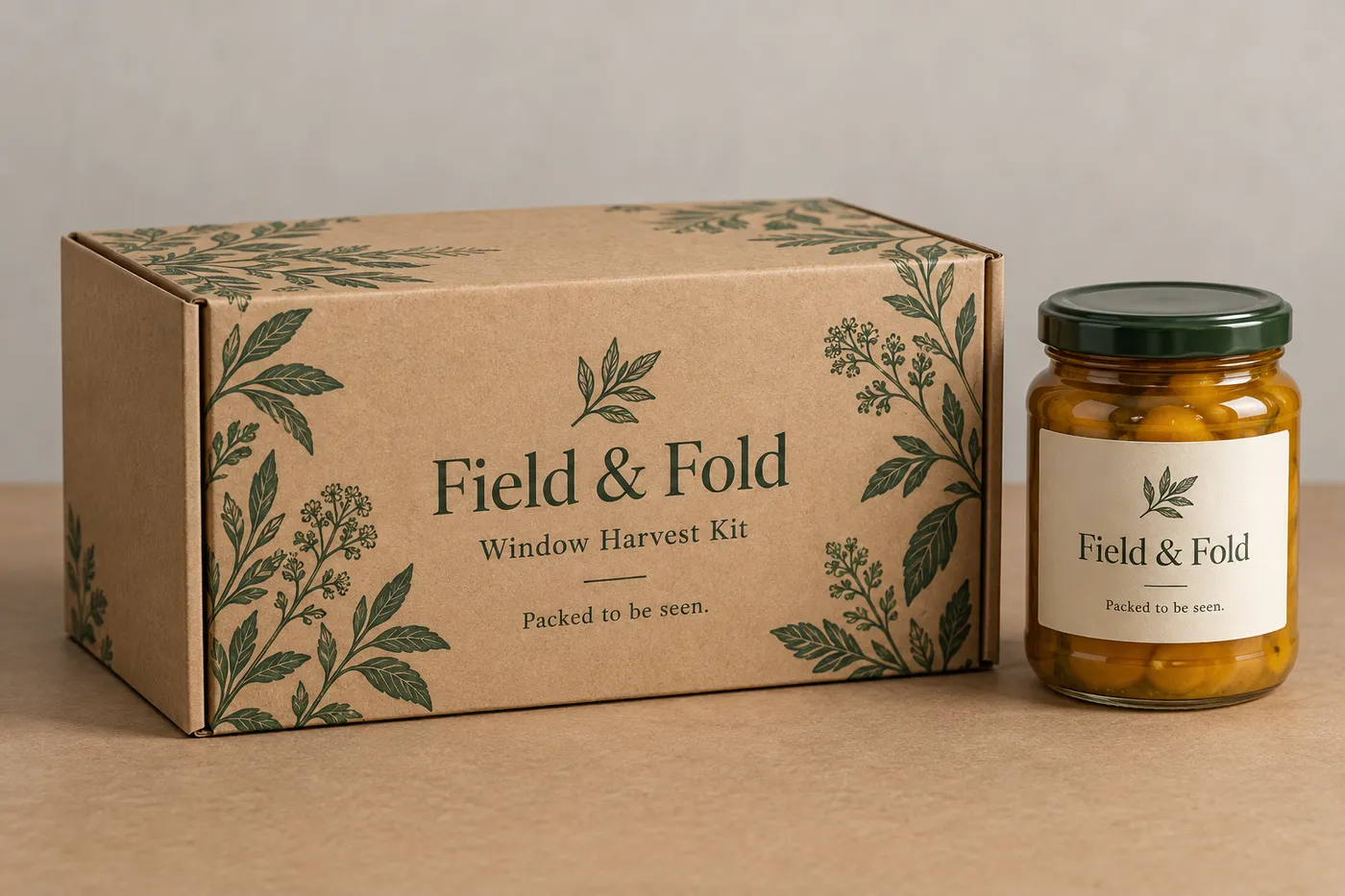
Printed kraft corrugated carton with green botanical artwork beside an amber pantry jar
Corrugated Boxes
Custom printed corrugated boxes sized around the packed product and the way it will be shipped, displayed, or handed over. Plan the board construction, opening, printed panel coverage, and finish together so a practical protective shell also carries clear brand and product information.
Last updated
Working quote
Product brief
Custom printed corrugated boxes work best when the physical job and the printed job are specified together. Begin with the finished length, width, height, weight, orientation, widest point, and any part that must remain visible or accessible. A small retail item, a subscription set, and a parcel-ready product may share the same category name but need different clearances, closures, and panel layouts. Include whether the box is filled and closed by hand, assembled ahead of time, or folded during a repeatable packing sequence.
The handling route changes the brief. A carton that sits on a counter can prioritize a clear front panel and quick opening, while a parcel shipment needs its closure and exposed edges considered against sorting and repeated handling. A short local delivery also creates a different conversation from a longer carrier route. Describe stacking, storage, transit distance, and whether the box will remain visible after delivery. Those details help the structural review focus on a real handoff rather than a generic rectangle.
Corrugated Board is the central material direction for a box that needs a defined fluted shell around the packed item. Kraft Paperboard or SBS Paperboard can be discussed when the desired surface, panel treatment, or presentation calls for another paperboard direction, subject to the final structural review. The category context does not establish a flute grade, gsm, edge-crush value, food-contact approval, or exact performance rating, so those details should be confirmed for the actual specification rather than promised in advance.
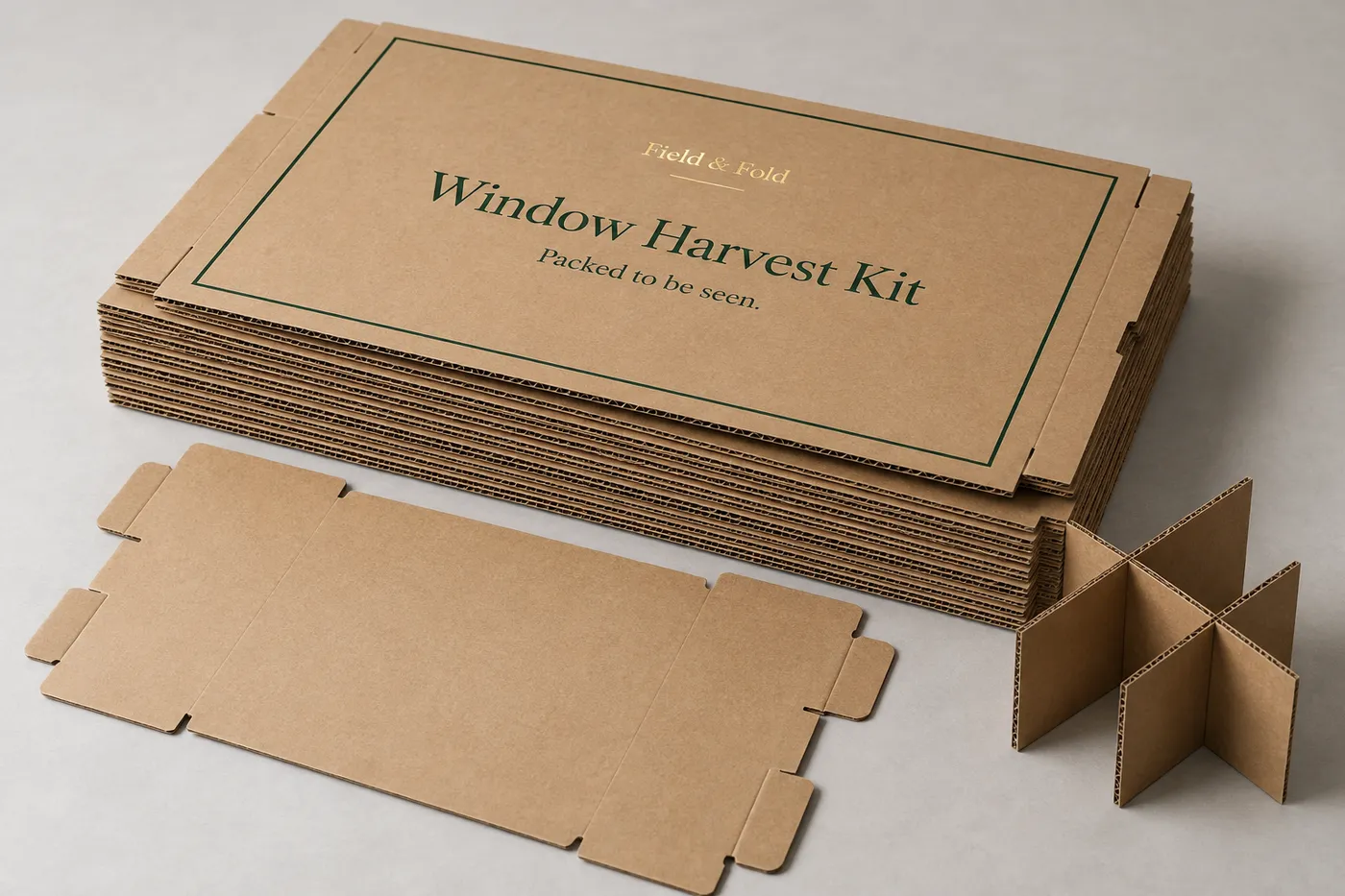
The closure may be a tuck, tab, lid, or another folding arrangement suited to the footprint and opening sequence. Internal clearance should be based on the product's geometry, weight, fragility, orientation, and any protective material. Depending on those variables, support can be integrated into the corrugated construction or reviewed as a separate insert. If the box needs a die-cut handle, window, divider, or shaped panel, describe the feature's job and the areas that must stay clear of cuts and folds.
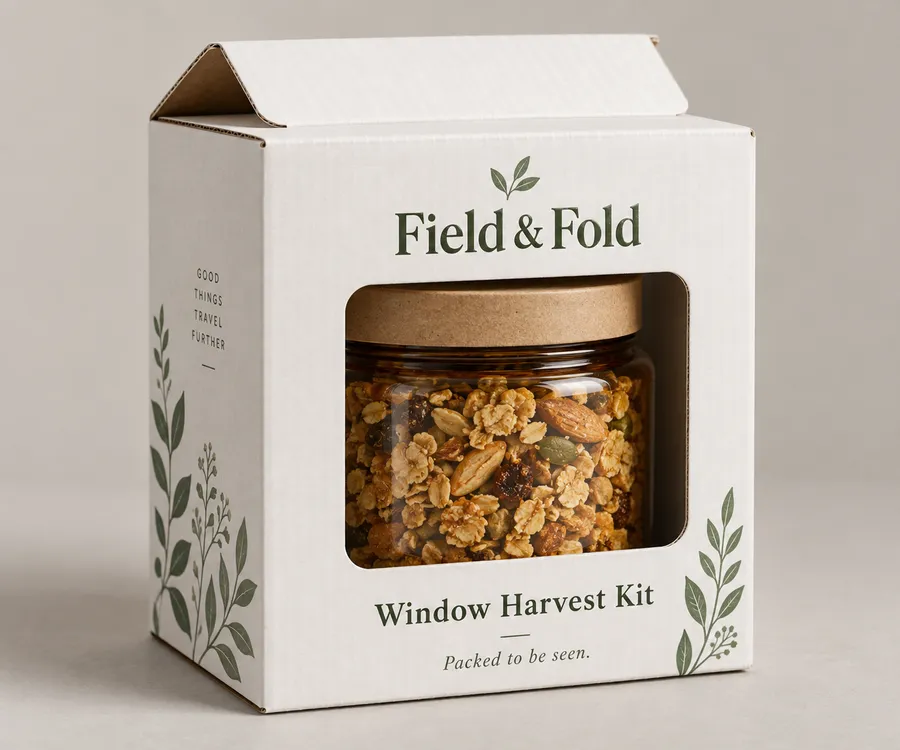
The exterior panels can carry the brand name, product name, instructions, handling cues, barcode, or a short message. Share the dieline if one exists, along with artwork status, color references, code placement, and the panel that should face the customer first. A printed design that looks balanced on a flat artboard can become crowded after folding, so the proof should show the assembled reading direction, closure, seams, and any cut edges together. If the box is intended to show the product through a window, mark the clear area and the feature that must remain visible; do not treat the opening as an isolated decorative mark.
Matte Lamination and Gloss Lamination provide different surface directions for the printed panels. Spot UV can add localized gloss contrast, while Embossing/Debossing or Foil Stamping may suit a selected wordmark or line detail when the board, artwork scale, and production method support it. These are finish directions, not universal performance promises. Review them around folds, cut edges, small type, and handling points before approval.
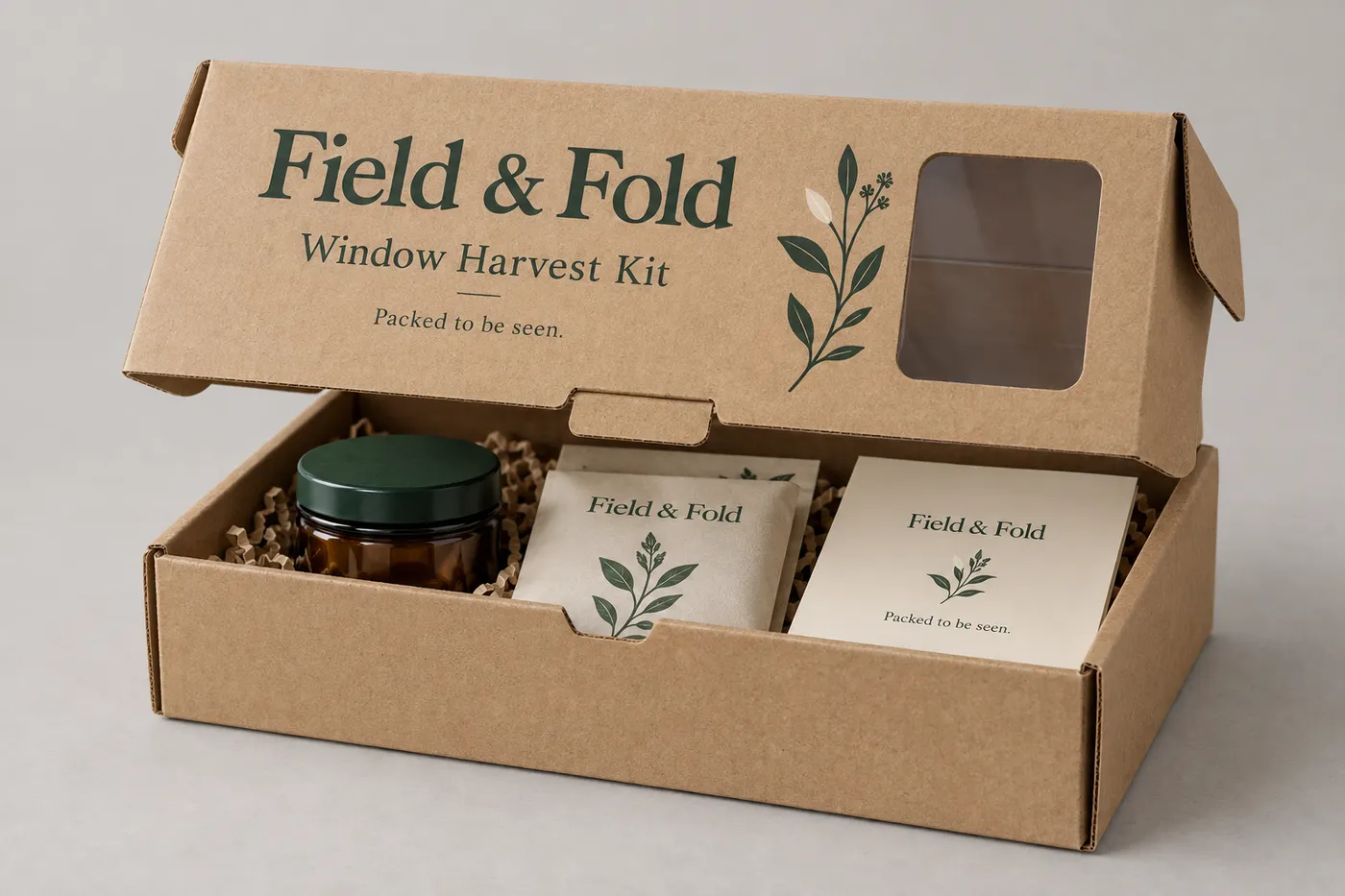
A branded corrugated carton can introduce a product on a retail shelf, identify a prepared order during local delivery, or make a subscription and promotional kit easier to recognize at the point of handoff. A printed shipper can reserve one panel for the main brand surface and use the sides or inside lid for instructions and product context. A box with a planned window can show a selected surface before opening, while a closed format can keep the contents protected and the message on the outside.
The right use case depends on the product and the route. Tell us if the pack is for ecommerce, retail counter presentation, gifting, sampling, produce, handmade goods, or a mixed handoff. Include how the item is loaded, whether it needs a divider or insert, what should be visible, and whether finished cartons are stored flat or assembled. Those specifics keep the printed corrugated box tied to a real operation.
For a quote, provide product dimensions, packed weight, quantity, orientation, target outside size if known, closure preference, artwork status, desired print coverage, material direction, finish direction, and handling route. A product photo, sketch, or sample can clarify clearance and visibility. If a clear window, handle, divider, or other cut feature is required, explain the function and the panel it belongs on. The dieline and proof review should confirm the cut, folds, print hierarchy, opening sequence, and packed-product relationship before production.
The standard fulfillment path starts at 50 units. Production begins from 7 business days after digital proof approval. Free US shipping and dieline and proof review are included on the standard path, and quote requests are answered within 24 hours. A sample kit carries a $44.99 USD shipping charge credited toward the first order when you need to compare board feel, printed coverage, and finish direction in hand.
A useful brief connects the box's protective task with its printed communication. When the packed dimensions, route, closure, board direction, artwork, and finish are reviewed as one configuration, the resulting carton can arrive ready for the way it will actually be filled, moved, opened, and seen.
Proof points
The useful proof is an assembled-package check, not a flat artwork check alone.
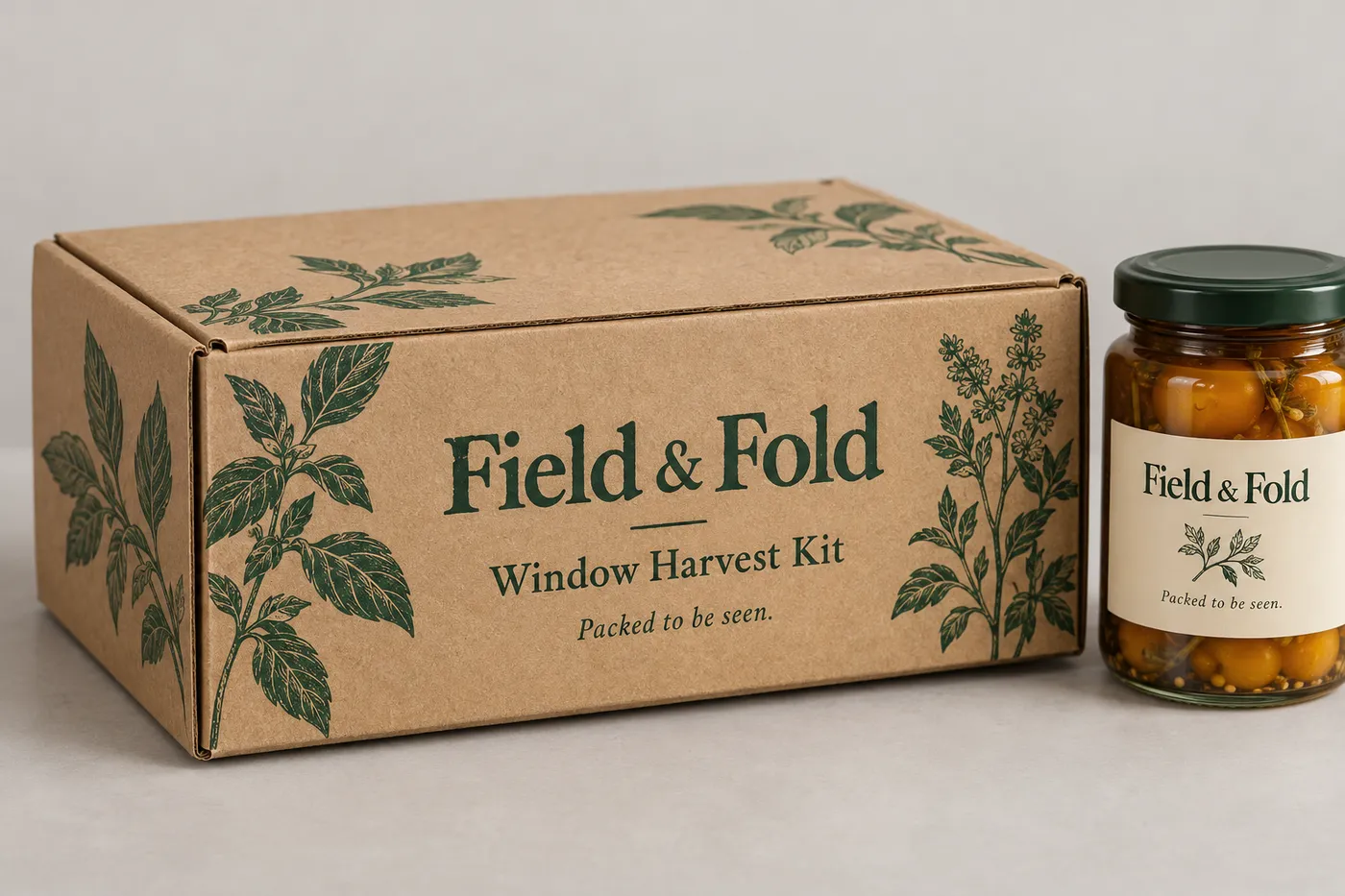
The box footprint, opening, board direction, printed panels, and finish are reviewed together with the product dimensions, weight, orientation, visibility needs, and handling route. That keeps the protective shell and brand surface working as one package.
A printed front and side panel can identify the product on a shelf or counter while the corrugated shell keeps the format practical to handle.
A branded carton can arrive as part of the customer experience, with the closure and interior clearance reviewed around the packed order.
Printed panels and an optional window or divider can explain a recurring set or event pack before the recipient opens it.
Produce, pantry items, handmade goods, accessories, and curated sets can use the format when visibility and a defined shell both matter.
Start with the assembled opening sequence. Decide what the recipient should see on the front, sides, top, closure, and any inside panel, then choose a finish direction that supports the artwork without obscuring folds or cuts.
Send packed dimensions, weight, quantity, route, closure preference, artwork status, print coverage, material direction, and any window, handle, or divider requirement. Those inputs give the dieline and proof review a specific basis.
Length, width, height, widest point, weight, orientation, and clearance needs guide the footprint and interior arrangement.
Retail display, local delivery, parcel transit, gifting, and storage context can change the closure, exposed edges, and panel priorities.
Review folds, seams, cuts, printed hierarchy, opening sequence, and product visibility together in the assembled configuration.
A clear sequence keeps the packed product, construction, and artwork aligned before the run begins.
Send dimensions, weight, orientation, quantity, protective packing, product count, and any part that must remain visible or accessible.
Note retail, ecommerce, local delivery, parcel transit, gifting, storage, and whether cartons ship flat or assembled.
Provide the dieline if available, panel hierarchy, color references, code placement, closure preference, and any window, handle, or divider request.
Check the assembled footprint, folds, seams, printed reading direction, cut features, product clearance, and finish representation together.
After digital proof approval, production starts from 7 business days on the standard fulfillment path with Free US shipping.
Need help with structure, materials, or production planning? See how we manufacture custom packaging.
A sample kit carries a $44.99 USD shipping charge credited toward your first order, giving you a way to review board feel, printed coverage, finish direction, and construction before committing to a run.
Shipping charge: $44.99. Credited toward your first order.
Request a Sample KitFind clear answers about fit, materials, and ordering below.
Share the packed length, width, height, widest point, weight, orientation, product count, intended route, quantity, artwork status, closure preference, material direction, and finish direction. A photo, sketch, or sample helps clarify clearance and any part that must remain visible.
Those features can be discussed when their job and panel location are clear. Explain what should be visible, carried, separated, or accessed, then review the cut against folds, seams, printed panels, and the packed product in the dieline.
Corrugated Board is the central material direction, with Kraft Paperboard or SBS Paperboard reviewed when the structure and printed surface call for it. Matte Lamination, Gloss Lamination, Spot UV, Embossing/Debossing, and Foil Stamping are finish directions subject to artwork and production review.
Provide the dieline or request one, identify the primary customer-facing panel, and check folds, seams, closure, codes, cut edges, and any clear area in the digital proof. The assembled reading direction matters more than a flat artboard view alone.
The standard fulfillment path starts at 50 units. Production begins from 7 business days after digital proof approval, and the final schedule follows the confirmed construction, artwork, quantity, and route.
A sample kit is available with a $44.99 USD shipping charge credited toward the first order. It can help you compare board feel, printed coverage, finish direction, and construction before approving the custom specification.
Orders start at 50 units and scale up to 500,000 for bulk runs, with pricing from $0.35 per unit on larger quantities. Standard production is from 7 business days after digital proof approval.
Compare nearby products and request the format that best fits your next run.
Available product
Available product
Available product
Available product
Custom printed corrugated quote
Send the packed dimensions, quantity, route, artwork status, preferred board and closure, print coverage, and finish direction so the corrugated construction can be reviewed with the customer-facing surface.
Add your product details to see a quote summary.