Direct-to-customer fulfillment
A corrugated carton with a practical closure and reviewed support can be scoped for a product moving through a delivery route.

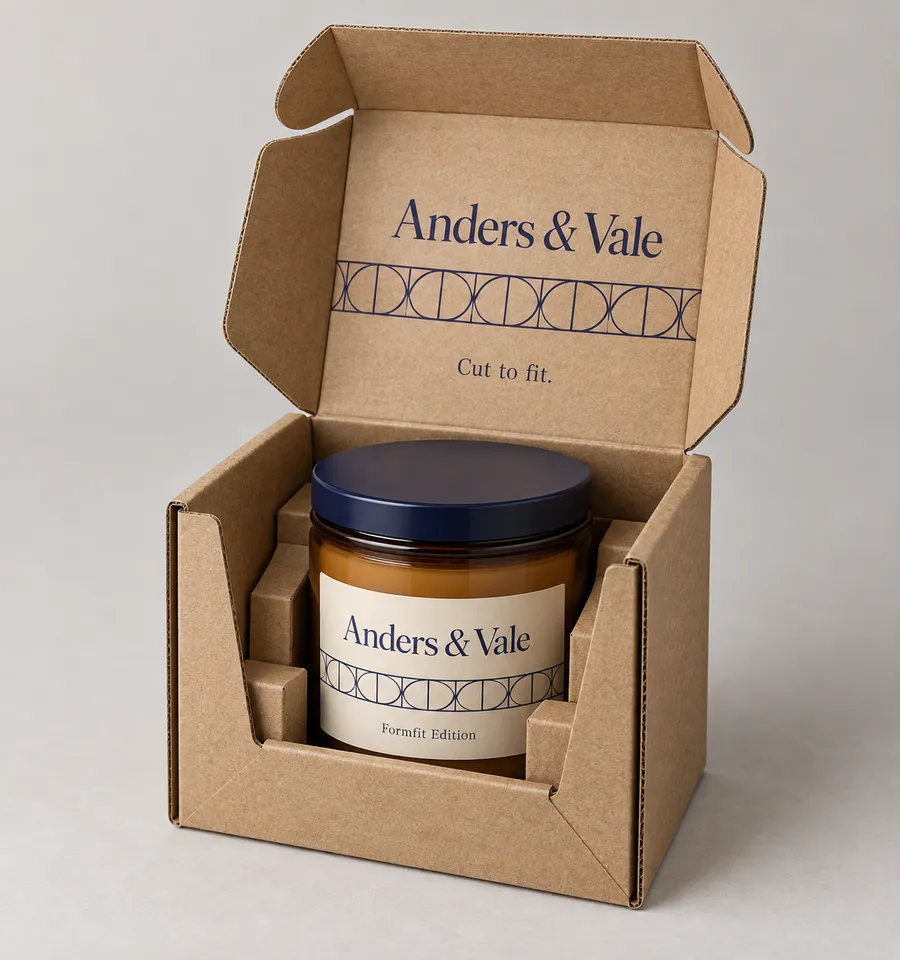
Open kraft die-cut corrugated box with an amber candle jar in folded support
Die-Cut Boxes
Custom die-cut corrugated boxes are built around a defined product, packed arrangement, or opening sequence rather than a standard rectangle. The cut can shape panels, locking tabs, tuck flaps, and internal support for retail presentation or fulfillment. Share the packed product and handling route so the dieline, board direction, printed surface, and finish can be reviewed as one specification.
Last updated
Working quote
Product brief
A die-cut corrugated box earns its custom shape when the cut solves a specific packaging problem. That might be a locking tab that keeps a carton closed, a tuck flap that changes how it opens, an angled front that presents a product, or a folded support that keeps a packed item in a defined position. The right starting point is not an attractive outline by itself. It is the product, the way it is packed, the route it will take, and the moment when the customer or warehouse operator needs to open it. A custom corrugated box can then be designed around that job rather than around a standard carton borrowed from another product.
The same die-cut corrugated format can be built with different panel relationships. A tuck-top can make the opening sequence straightforward for a retail pack. Locking tabs can keep a one-piece carton closed without separate hardware. A shaped side panel or front cut can change the product reveal, while a folded internal feature can separate or support the contents. These are structural choices to review against the packed arrangement, not features to add by default. Share whether the box will hold one item, a set, or a product plus accessories. The count and orientation affect the footprint, the fold sequence, and how much of the printed exterior is visible when the pack is opened.
For a product that needs a more deliberate presentation, the cut can create a clear front face and a controlled opening path. For a fulfillment pack, the priority may be a practical closure and a board direction that suits the handling route. A box can serve both roles, but the dieline should show which surface is customer-facing and which surfaces are used for closing, stacking, or internal support.
A useful quote brief includes the product's assembled length, width, height, widest points, protrusions, closure or cap shape, packed weight, orientation, and the number of items in each box. If the contents are irregular, include a photo or a simple side and top view so the cut and folded support can be discussed with the actual geometry. Also note whether the product arrives already bundled, needs a divider, or is packed with a leaflet, accessory, or protective component.
The outside shape should follow the packed load and the intended opening, while practical clearance is confirmed during specification and dieline review. Do not substitute a generic product category for the actual item. A low rectangular product, a tall bottle, and a multi-piece kit create different questions around panel width, fold placement, closure reach, and product visibility. If the box will be filled by hand or by a packing line, include that information because insertion direction and access can influence the cut.
Corrugated board is the primary material direction for this product, with the final construction reviewed against the packed weight, handling route, presentation, and artwork. Kraft paperboard and SBS paperboard are also category material directions, but they solve different surface and structure questions; the selected material should follow the product brief rather than a generic claim that one stock is always better. If the box needs a natural kraft appearance, artwork should account for the base color and the reading contrast. If the printed face needs a smoother presentation, the surface choice and print coverage should be discussed before the dieline is treated as final.
Foil stamping can draw attention to selected lettering or linework subject to artwork review. Matte lamination can change the surface appearance and handling feel, while Spot UV can add a localized high-gloss contrast to a wordmark or selected graphic. These treatments should be checked against folds, cut edges, locking tabs, and small type. A finish is part of the panel plan; it is not a substitute for selecting the board and structure that the packed product needs.
The box should be easy to understand at the point of packing and opening. Internal support depends on product geometry, weight, orientation, fragility, structure, presentation, fulfillment, clearance, and the desired reveal. It may be integrated into the corrugated structure or supplied as a separate insert after the specification is reviewed. The choice is not determined by weight alone. A light product with an unusual shape can need a different support approach from a heavier product with a stable footprint.
Artwork should identify the front panel, side panels, closure surfaces, cut edges, score lines, glue or tuck areas, and any printed region that disappears under a flap. The digital proof is the place to check reading direction and whether the sample print layout printed panels represent the intended treatment. The production version should use the buyer's approved artwork, with the proof confirming the panel map before production begins.
The standard fulfillment path starts at 50 units, and production is from 7 business days after digital proof approval. Free US shipping and dieline and proof review are included at no extra charge. If you want to compare a board surface, cut edge, closure, or print treatment in hand, a sample kit carries a $44.99 shipping charge credited toward the first order. Quotes are typically answered the same business day and always within 24 hours.
Send the product dimensions, packed weight, quantity, orientation, intended route, closure preference, board direction, finish direction, artwork status, and any support or divider requirement. Include the size of the packed bundle rather than an unfilled product size when the box will contain multiple pieces. The quote can then reflect the actual cut, folded structure, and production review instead of a generic corrugated box assumption.
A final proof should make the relationship between product, dieline, artwork, and opening sequence easy to inspect. Confirm the closure, cut features, support, printed panels, and finish representation before approval so the approved specification describes the box that will actually be produced.
Proof points
A useful proof shows more than the outside silhouette. It should make the product position, closure sequence, cut edges, and printed panel map clear enough to review against the supplied brief.
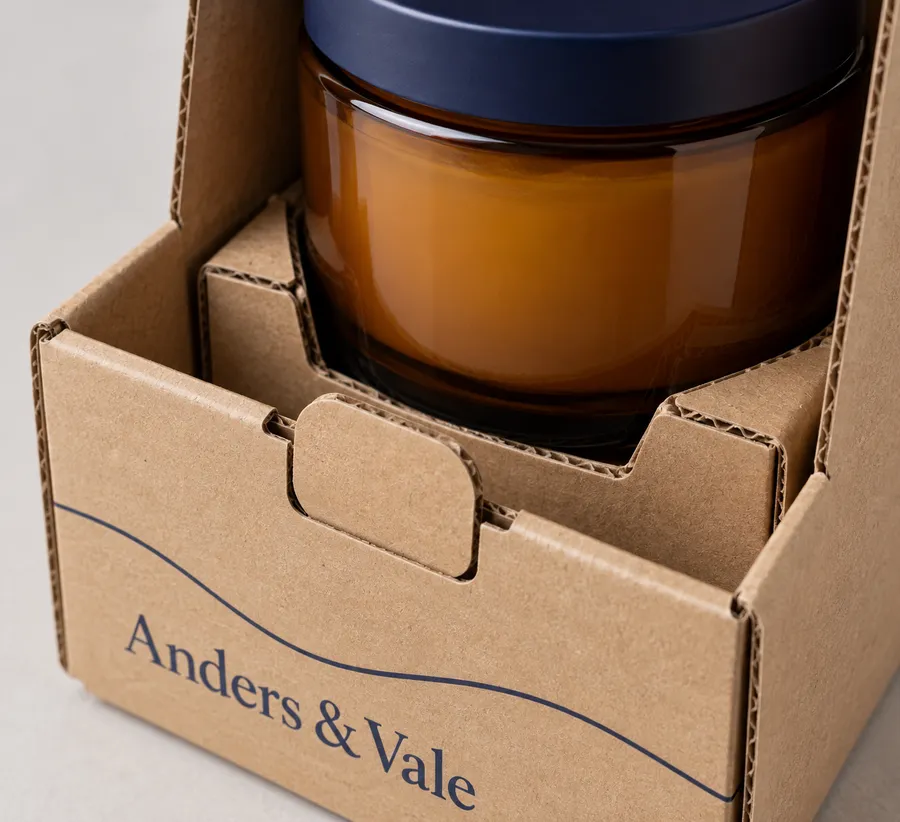
The custom cut matters when a standard carton leaves the closure, product reveal, or internal support unresolved. Share the packed product and handling route so the box can be planned around its panels, tabs, folds, and customer-facing surfaces before print is finalized.
A corrugated carton with a practical closure and reviewed support can be scoped for a product moving through a delivery route.
A defined front panel, shaped cut, or controlled opening can organize how a packed product is presented on a shelf or in a handoff.
A one-piece die-cut structure can be planned around a repeatable arrangement of a product, leaflet, and accessory without treating the kit as an empty rectangle.
A custom opening sequence and printed interior can support a considered reveal when the product set is part of the presentation.
The front panel, closure, side walls, and cut features create different reading angles. Choose the treatment with the kraft surface, folds, tabs, and artwork scale in mind.
A die-cut box is a folded system rather than a flat outline. The review connects the packed product to the closure, support, printed panels, and way the finished carton will be handled.
Assembled dimensions, widest points, protrusions, packed weight, orientation, and item count inform the interior footprint and cut features.
Locking tabs, tuck flaps, and the opening direction can be reviewed with the packing route and the panel the customer sees first.
Front, side, fold, and closure artwork is checked against score lines, cut edges, hidden areas, and the selected surface treatment.
A quote is easier to evaluate when the packed product, handling route, cut purpose, and artwork status are described together rather than reduced to the product name alone.
Provide assembled dimensions, widest points, protrusions, packed weight, quantity per box, orientation, accessories, and any divider or support requirement.
Explain whether the carton is intended for fulfillment, retail presentation, a recurring kit, a gift set, or another defined opening moment.
Share the cut feature, closure preference, corrugated board direction, artwork status, and any preference for foil stamping, matte lamination, or Spot UV.
Confirm the product position, tabs, folds, closure, cut edges, printed panel orientation, support, and finish representation before production begins.
Need help with structure, materials, or production planning? See how we manufacture custom packaging.
A sample kit ships for a $44.99 USD charge credited toward your first order, useful when you need to compare corrugated surface, cut edges, closure direction, or printed finish before approving the box.
Shipping charge: $44.99. Credited toward your first order.
Request a Sample KitFind clear answers about fit, materials, and ordering below.
Share the assembled length, width, height, widest points, protrusions, packed weight, quantity per box, orientation, closure preference, and intended handling route. Include a photo or simple view when the product shape is irregular.
Yes, locking tabs, tuck flaps, shaped panels, access openings, and folded support can be considered when each feature has a defined packing, opening, or presentation purpose. The final relationship is confirmed in the dieline review.
Support depends on product geometry, weight, orientation, fragility, structure, presentation, fulfillment, clearance, and the desired reveal. It may be integrated into the corrugated structure or supplied as a separate insert after the specification is reviewed.
Corrugated board is the primary material direction for this product. Kraft paperboard and SBS paperboard are also category directions, while foil stamping, matte lamination, and Spot UV can be reviewed against the artwork, folds, cut edges, and selected surface.
The approved standard estimate is from 7 business days after digital proof approval. Orders start at 50 units, and free US shipping plus dieline and proof review are included on the standard fulfillment path.
Orders start at 50 units and scale up to 500,000 for bulk runs, with pricing from $0.35 per unit on larger quantities. Standard production is from 7 business days after digital proof approval.
Custom die-cut corrugated boxes are built around a defined product, packed arrangement, or opening sequence rather than a standard rectangle. Each order is made to order around your packed product and artwork, and the specification is confirmed against a digital proof before production.
Compare nearby products and request the format that best fits your next run.
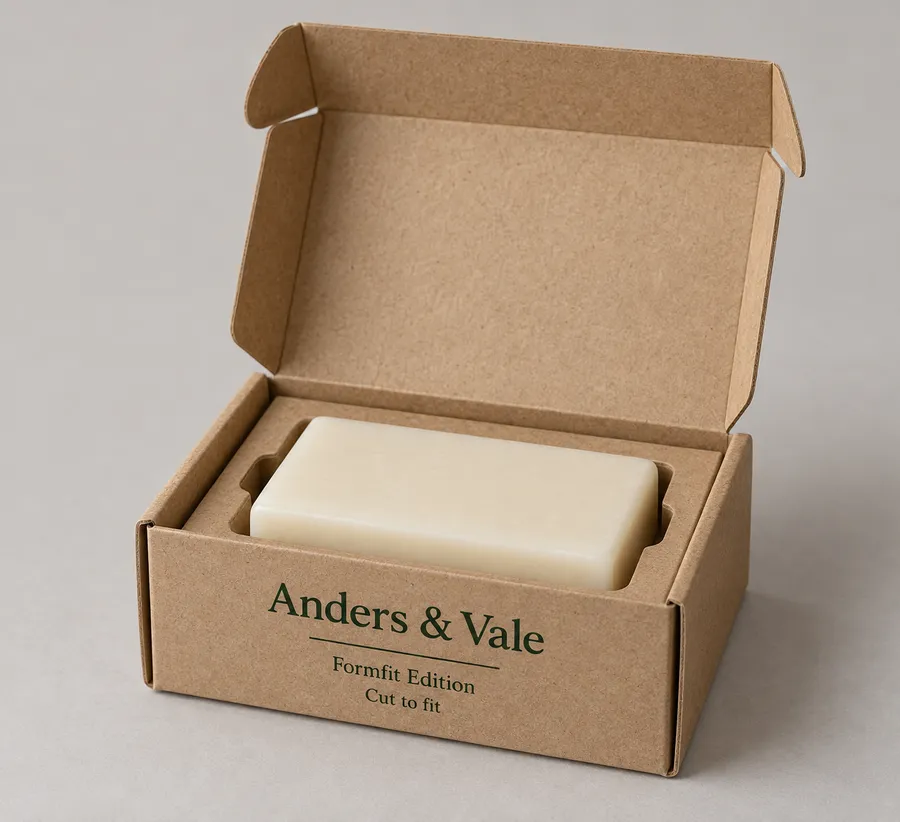
Available product
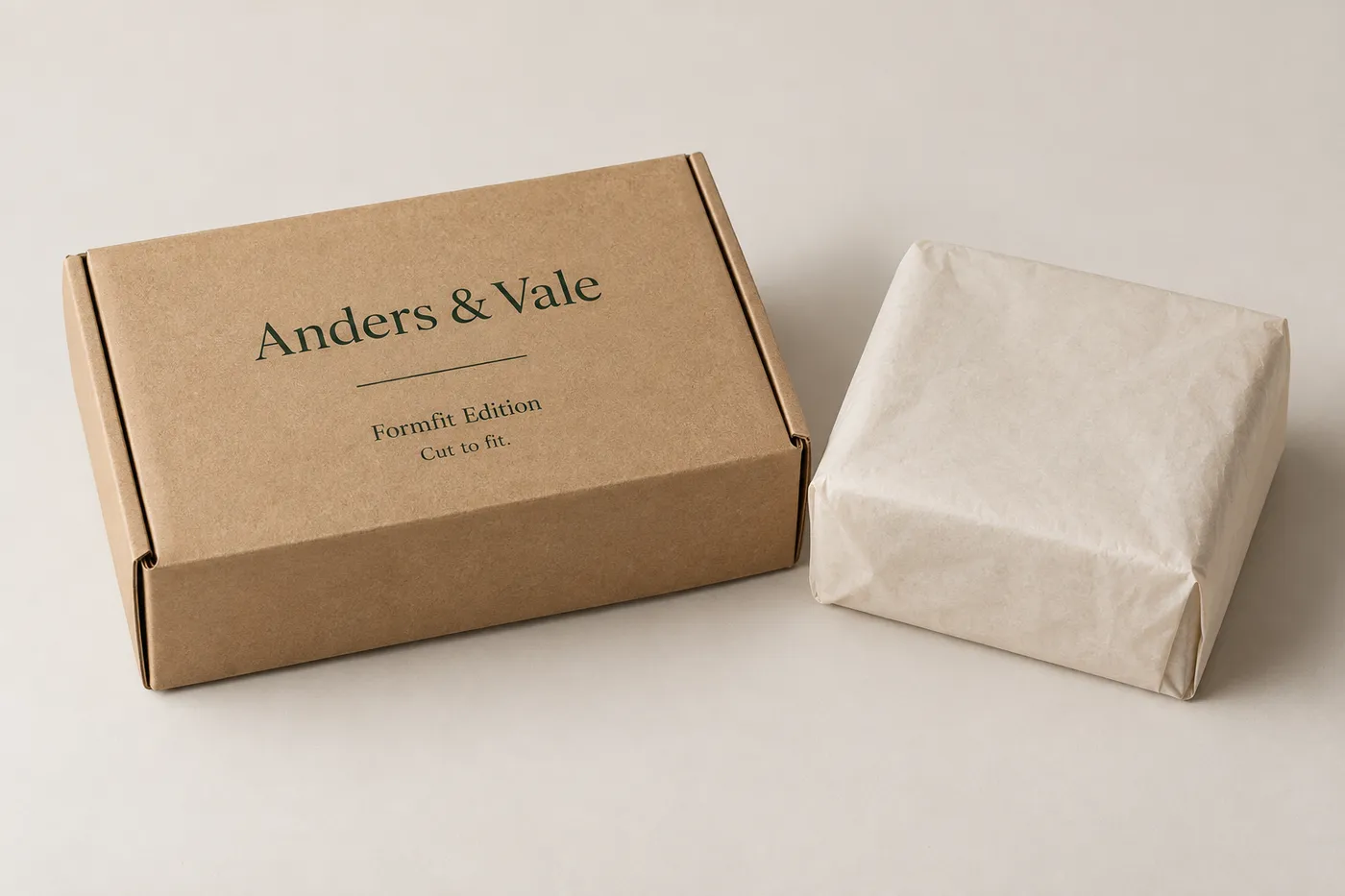
Available product
Available product
Available product
Plan the cut around the product
Send the packed product details, intended route, cut purpose, closure preference, board direction, and artwork status. Easy Box Packaging can then review the dieline, support, printed panels, and finish as one quote-ready specification.
Add your product details to see a quote summary.