Ecommerce Dispatches
A custom-cut outer package for a retail product that needs a defined printed lid, front panel, and opening sequence.

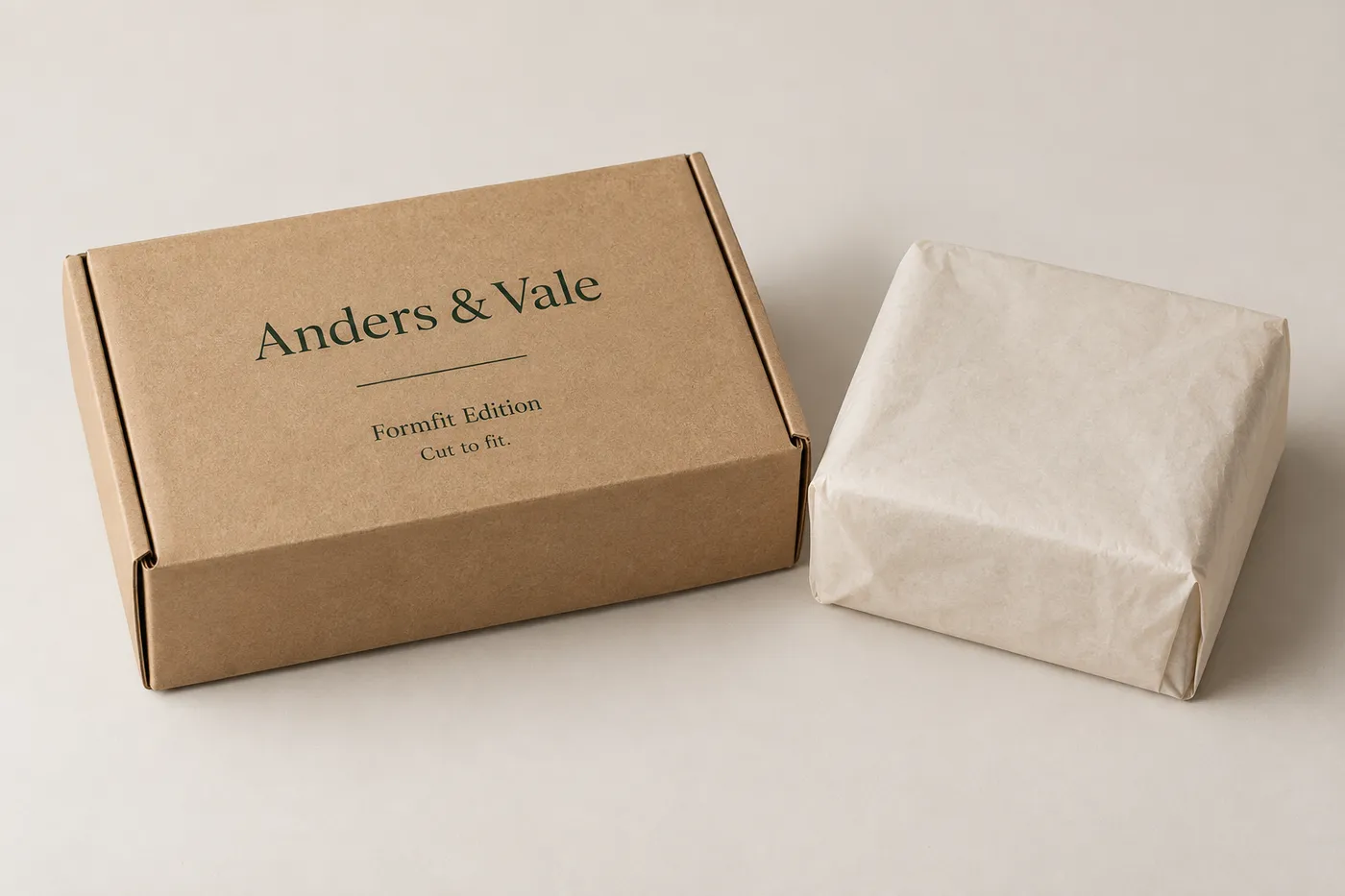
Closed kraft die-cut mailer box with a small tissue-wrapped parcel beside it
Die-Cut Boxes
Die-cut mailer boxes built around a custom-cut folding mailer structure for ecommerce orders, subscription shipments, and retail dispatches. The dieline can define the tuck-in lid, locking tabs, panel proportions, and print area around the packed product, with corrugated board, SBS paperboard, or kraft paperboard reviewed against the shipment and presentation needs.
Last updated
Working quote
Product brief
Die cut mailer boxes are selected when a standard rectangular package does not explain the actual product, closure, or presentation job. The custom-cut folding structure can define an integral tuck-in lid, locking side tabs, panel proportions, and a printed surface around the parcel that will travel inside. That gives the buyer a clear starting point for ecommerce dispatches, subscription kits, and direct-to-customer orders without pretending that every product needs the same interior or outer profile. The useful question is not simply whether the box is die-cut. It is which cut supports the intended opening, closing, carrying, and packed-product arrangement.
A mailer can be designed as a compact printed package for a single retail item, a small product set, or a shipment that needs a more considered opening sequence. The final structure still depends on the packed product, the material direction, the quantity, and the artwork. This page describes the decisions to bring into a quote and proof review; the order-specific dieline confirms the final panel and closure arrangement.
Start with the packed product rather than an existing carton name. Share the assembled length, width, and height of the item or set, then note anything that changes the usable envelope: a lid, protruding closure, tissue wrap, product sleeve, or separate insert. If several items travel together, describe their orientation and whether they need individual positions or can share one interior space. The package needs enough room for the intended presentation without turning unused space into an unplanned structural variable.
Also identify how the finished mailer will be handled. A small parcel handed to a customer at a counter has a different brief from a mailer moving through parcel fulfillment. Tell the quoting team whether the box will be packed inside another shipper, sent as the outer shipping package, or used for a subscription or gift program. Include the product count per box, the packed weight if it affects the handling brief, and any surface that must remain visible when the lid is opened. These details help the structure discussion stay tied to the real order.
The integral lid and side tabs carry more than decoration. They determine how the box opens, where the front panel sits, and how the printed artwork is read before and after opening. A tuck-in mailer can suit a clean folded presentation when the closure needs to remain part of the board structure. A different panel balance may be more useful when the opening reveal, a product card, or a printed interior message matters. Those are structural choices to review with the packed product, not promises that one closure works for every shipment.
The cut also affects how the package lays flat before folding and how the panels meet after assembly. Different product sizes normally require their own dieline review even when the family resemblance remains the same. If the product changes from a single item to a set, or if an insert, tissue wrap, or secondary carton is added, tell the team before the dieline is approved. That keeps the cut, fold positions, and available print panels aligned with the actual pack.
Corrugated board, SBS paperboard, and kraft paperboard are material directions to review for this category. The choice depends on the packed product, the handling route, the desired board appearance, and the surface the artwork needs. Corrugated board can be considered when the mailer needs a fluted paperboard construction. SBS paperboard can suit a smooth printed face. Kraft paperboard can support a natural paper tone and tactile appearance. The final material should be confirmed with the specification and intended use rather than assumed from the product name.
Finishes can change how the printed panels look and feel. Foil stamping can highlight selected lettering or linework, while matte lamination, gloss lamination, or Spot UV can be evaluated with the artwork and the surface in view. A finish is not a substitute for reviewing fold lines, closure areas, or the natural paper tone. The proof should show where artwork sits in relation to the cut and folds so the printed front, lid, side panels, and any interior panel read as intended.
Support inside a die-cut mailer depends on several inputs together: product geometry, weight, orientation, fragility, outer structure, product-to-box clearance, desired reveal, and how the package will be fulfilled. Support may be integrated into the paperboard structure or provided as a separate insert, depending on the specification. It should not be chosen from weight alone or treated as an automatic feature of every mailer.
If the product is loose, irregular, delicate, or presented as a set, describe the positions that need to stay clear during packing and opening. If the mailer is only an inner presentation box inside a larger shipping carton, say so. If it is the outer package, describe the route and handling conditions so the construction can be reviewed with the shipment brief. The goal is a documented fit and opening decision, not an unsupported promise about transit results.
The standard fulfillment path starts at 50 units. Production is estimated from 7 business days after digital proof approval, and free US shipping is included. A sample kit can be requested when you want to examine board feel, print coverage, or the folded mailer structure before a full order; the sample-kit shipping charge is $44.99 and is credited toward the first order. There is no product-specific unit price published in this draft because no defensible comparable source was available, so pricing remains quote-only.
For a useful quote, send the packed product dimensions, product count per mailer, expected quantity, intended shipping role, artwork status, preferred material direction, finish requirements, and any insert or presentation requirement. If you are not sure which board or closure direction fits, describe the product and handling route first. The structural recommendation can then be reviewed against the information that actually changes the dieline.
The production path begins with specification confirmation, continues through the custom dieline and artwork review, and reaches a digital proof before the order is approved. Read the proof as a physical package: check the panel orientation, tuck-in lid, locking tabs, printed edges, interior message area, and the space allocated to the packed product. If a product size, count, material, or finish changes after that review, flag it before approval because the dieline or commercial estimate may need to be revisited.
After digital proof approval, production is estimated from 7 business days on the standard path. The finished mailer should reflect the product it was sized around, the way it will be opened, and the artwork that was approved. Bringing the right measurements and use context to the first conversation makes the custom cut more useful than a generic mailer template and gives the proof a concrete job to confirm.
Proof points
The useful proof points are structural and visible: how the mailer closes, how the packed item sits inside, which board direction is being considered, and where the approved print appears around the cut.
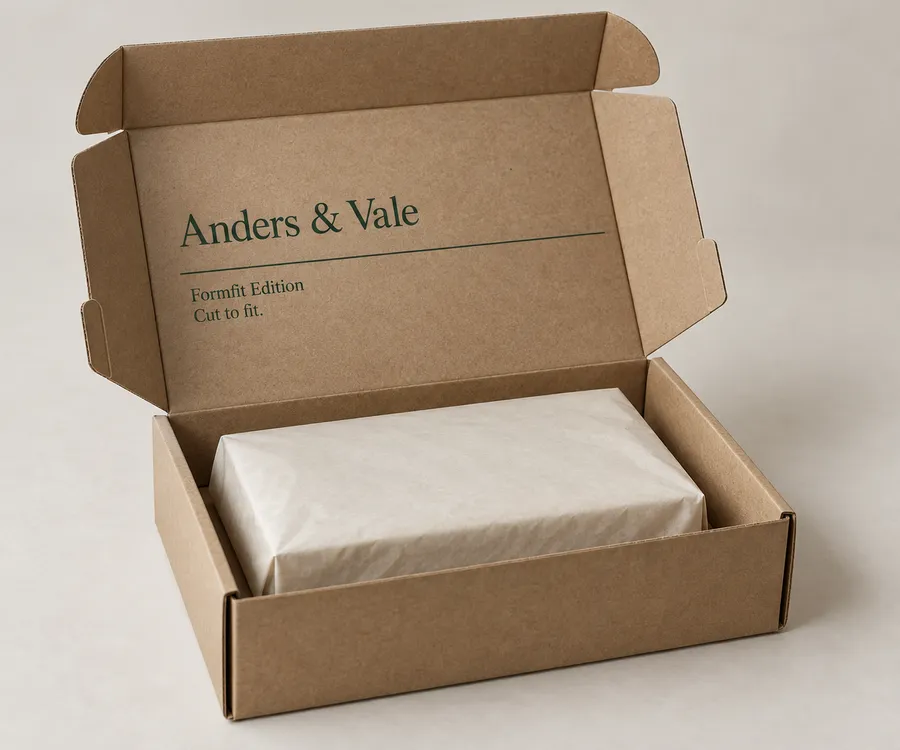
The custom dieline is reviewed around the assembled product, opening sequence, and intended handling route. Product dimensions, product count, closure geometry, and any tissue, sleeve, or insert are considered before the tuck-in lid and printed panels are finalized.
A custom-cut outer package for a retail product that needs a defined printed lid, front panel, and opening sequence.
A folding mailer that can be reviewed around a recurring product arrangement, printed interior message, or small group of items.
A presentation-focused mailer for orders where the package is opened by the recipient rather than transferred into another box.
A made-to-order box for brands that need the cut, board direction, and visible artwork to follow a specific packed product.
The cut and fold lines should be reviewed with the artwork so the visible top, front, side, and interior panels carry the intended reading order.
A clear brief gives the structure review something physical to solve: the packed product, its orientation, the way the box will be handled, and the artwork or finish that needs to land on the visible panels.
Share the assembled length, width, height, product count, and any closure, sleeve, tissue, or insert that travels inside the mailer.
Discuss the tuck-in lid, locking side tabs, board direction, and intended shipping role before the dieline is approved.
Review panel orientation, fold placement, printed edges, and the opening reveal in the digital proof before production approval.
The route from product brief to finished packaging starts with the packed dimensions and handling context, then confirms the custom cut, artwork, and proof.
Provide the assembled dimensions, product count, orientation, handling route, and any sleeve, tissue, or insert.
Discuss corrugated board, SBS paperboard, or kraft paperboard alongside the desired print and surface treatment.
Check the tuck-in lid, locking side tabs, panel proportions, fold positions, and interior clearance against the product brief.
Confirm artwork placement, visible edges, opening sequence, and the relationship between the print and the custom cut.
Approve the reviewed proof once the structure, artwork, material direction, and finish are aligned.
Need help with structure, materials, or production planning? See how we manufacture custom packaging.
Check the board feel, printed surface, and folded mailer structure before a full run; sample-kit shipping is $44.99 and is credited toward the first order.
Shipping charge: $44.99. Credited toward your first order.
Request a Sample KitFind clear answers about fit, materials, and ordering below.
Start with the assembled product dimensions, product count, orientation, closure geometry, and any sleeve, tissue, or insert that travels inside. The final clearance and fold positions are confirmed during the dieline review.
Corrugated board, SBS paperboard, and kraft paperboard are material directions to review against the packed product, handling route, printed surface, and intended presentation.
Yes. Artwork can be reviewed with foil stamping, matte lamination, gloss lamination, or Spot UV on the visible panels, subject to the cut, folds, and surface specification.
The standard minimum order is 50 units. Production is estimated from 7 business days after digital proof approval, and your final unit price is confirmed in a quote when no product-specific price source is confirmed.
Orders start at 50 units and scale up to 500,000 for bulk runs, with pricing from $0.35 per unit on larger quantities. Standard production is from 7 business days after digital proof approval.
Common uses include ecommerce dispatches, subscription kits, direct-to-customer gifts, and retail fulfillment. The final specification is set by the packed product and how it will be handled.
Yes. Free US shipping is included on the standard fulfillment path. Delivery timing and carrier details are confirmed when your quote is prepared.
Compare nearby products and request the format that best fits your next run.
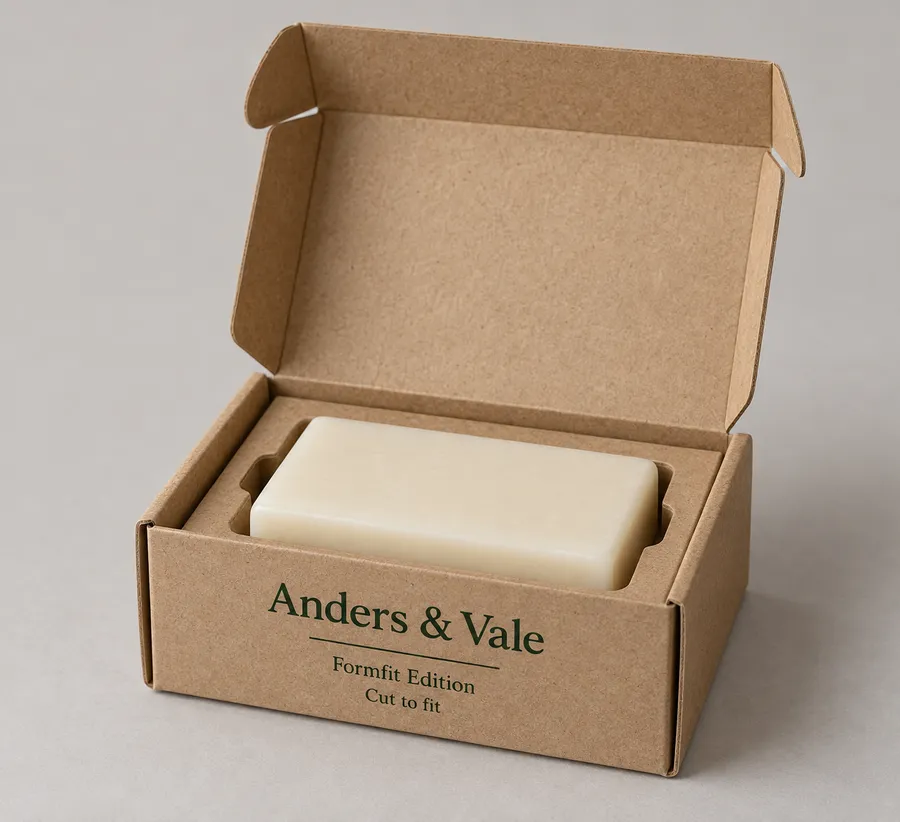
Available product
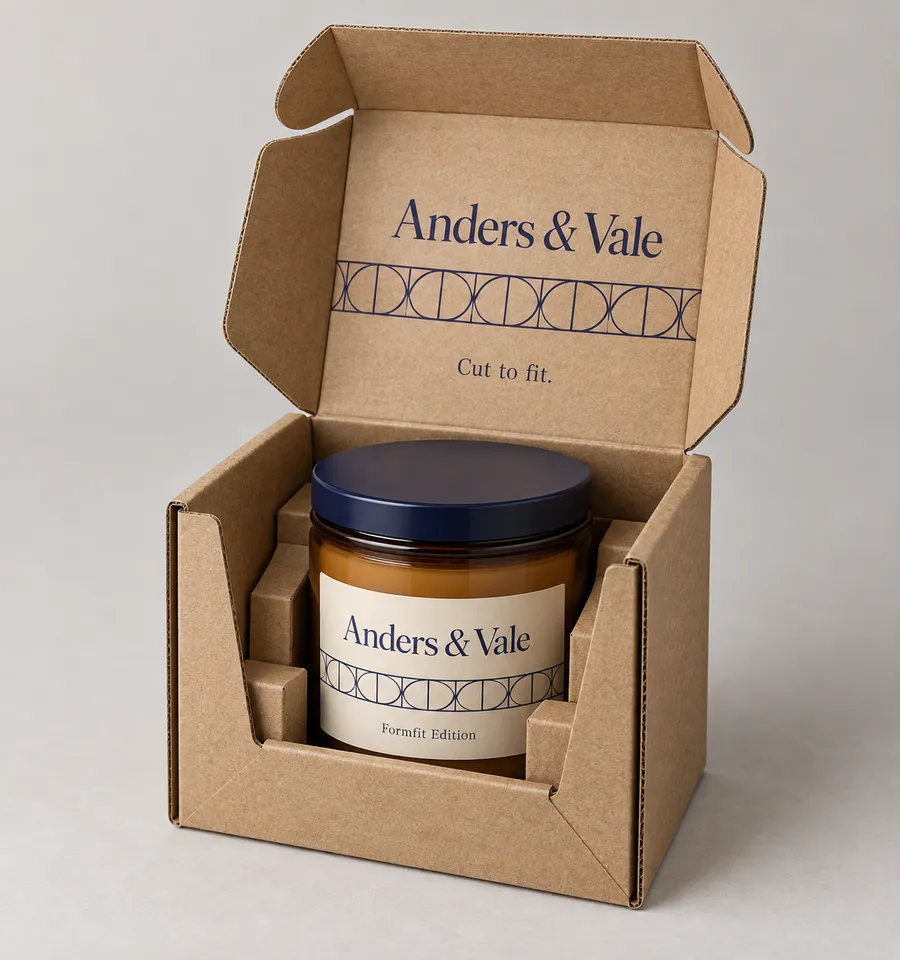
Available product
Available product
Available product
Get Started
Send the packed product dimensions, quantity, intended shipping role, material or finish preferences, and artwork status to request a quote.
Add your product details to see a quote summary.