Mailer & Shipping Boxes
Custom Mailer Box
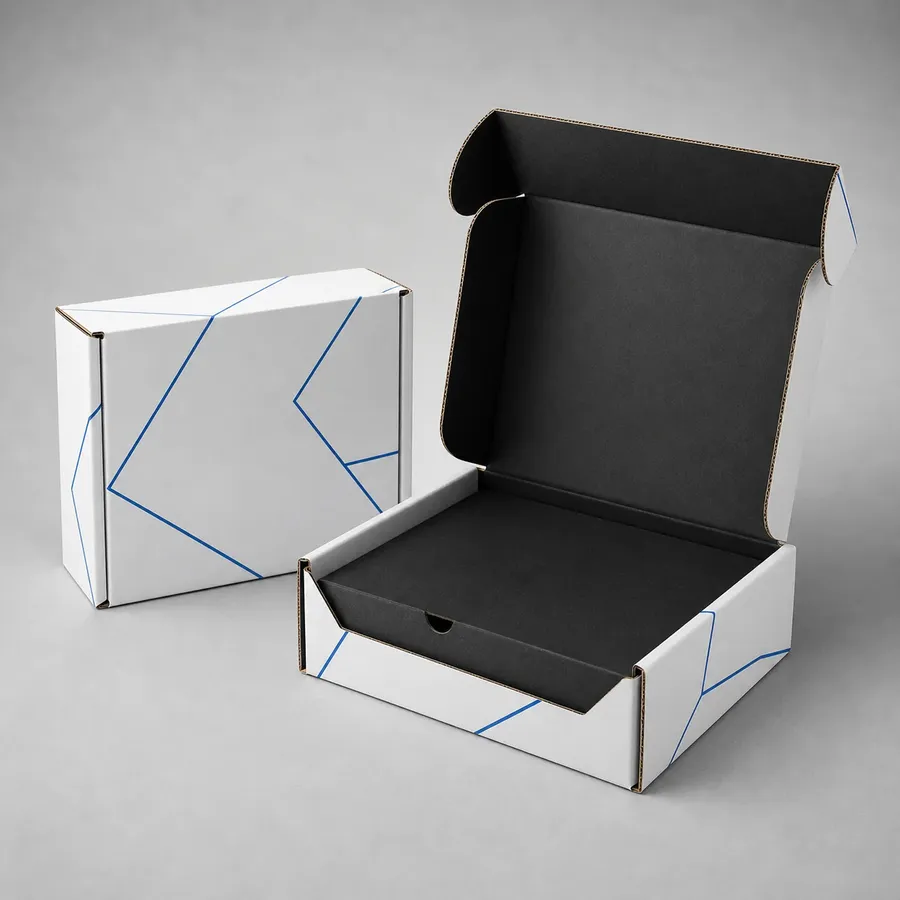
A presentation-led corrugated shipping box with space for branded inserts, tissue, or a card — built for a deliberate unboxing moment rather than just transit protection.
Request this format
Packaging Glossary
Box insert types compared: foam, cardboard, molded pulp, and plastic, plus the tooling and minimum order tradeoffs vendors skip. Get a free quote today.
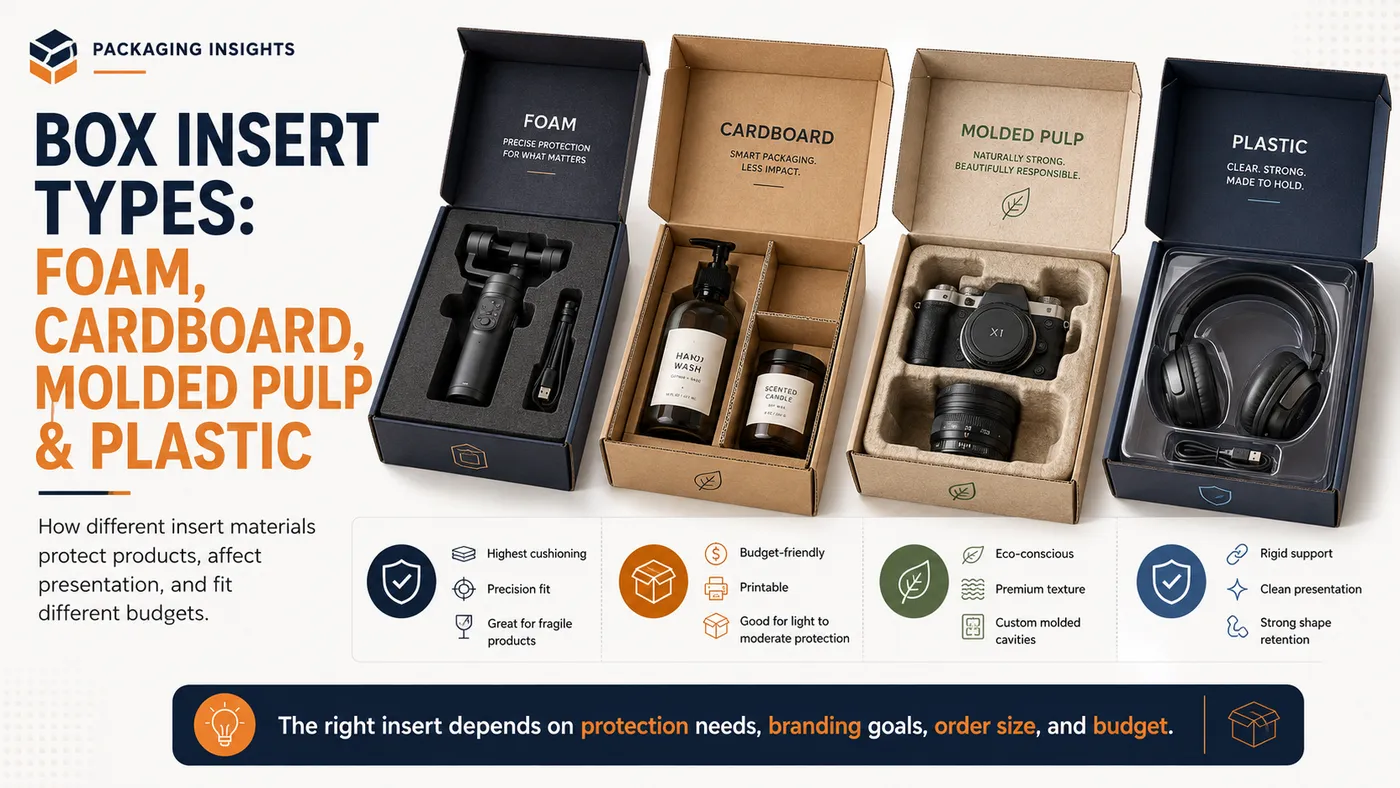
A box insert is the shaped piece that sits inside a box. It holds your product in place. It cushions it during shipping too. The material you pick changes things. Foam, cardboard, molded pulp, or plastic all protect differently. They look different too. Each one is accessible at different order sizes. Most guides compare protection levels and stop there. The real decision often comes down to something else. Which material actually fits your order size and budget right now?
That’s the part most vendor pages skip. One of these four options can shut a small brand out before they even see a per-unit price.
Foam offers some of the strongest protection of any insert material. It comes in a few densities. Softer foam cushions light, delicate items. Firmer foam, sometimes called EVA, holds a shape well. It resists compression under repeated handling too.
Foam gets die-cut to match your product’s exact outline. That makes it a strong fit for electronics, tools, and anything with sharp edges. Fragile components benefit from that precise fit. It doesn’t print well, though. If branding on the insert itself matters to you, foam isn’t the material for that.
Cardboard inserts are the flexible, budget-friendly option. They fold into dividers, trays, or simple shaped supports. Corrugated stock also prints well. You can add branding directly onto the insert itself, not just the outer box.
Protection-wise, cardboard sits in the middle. It won’t cushion like foam does. It holds products in place and prevents shifting during transit, though. That’s often enough for moderately fragile items. Heavy impact protection usually isn’t the priority for those products.
Molded pulp is fiber-based, shaped into a custom cavity using heat and pressure. It has a distinctive textured look. You’ve likely seen it in premium electronics packaging. It’s the kind of insert that makes an unboxing feel like an event.
It’s genuinely eco-friendly, made from recycled paper fiber. That’s a real selling point for brands leaning into sustainability. Here’s what most vendor pages leave out, though. Molded pulp needs a dedicated custom mold. That means a separate tooling charge on top of your per-unit cost. It also usually comes with a minimum order quantity well above what foam or cardboard requires.
I watched a small brand get excited about molded pulp for their first production run. They liked the premium, eco-forward look. Once the quotes came back, the tooling charge and the minimum order size made it a poor fit. Their first batch was simply too small to justify it. They switched to a die-cut foam insert instead. It kept the protection level they needed. There was no upfront tooling commitment either. They left the door open to revisit molded pulp once their volume grew into it.
If you’re testing a new product or ordering a smaller first run, ask about tooling costs first. Check the minimum order quantity too, before falling for the eco-premium pitch. It’s a real material with real advantages. It’s just not accessible at every order size.
Plastic inserts, usually clear thermoformed trays, create a polished, retail-ready presentation. You’ll see them constantly in cosmetics, food, and pharmaceutical packaging. The product itself becomes part of the visual appeal in those cases.
They don’t print directly, similar to foam. The clear plastic lets your product show through as its own visual statement, though. That’s the whole point. A thermoform tray sells transparency, literally and as a design choice.
Here’s a genuinely useful fact most comparisons bury. Only cardboard prints well among these four materials. Foam, molded pulp, and plastic all rely on something else to carry your branding. That means the product itself, a printed outer box, or an inserted card. If an insert needs to double as a branding surface, cardboard is close to your only real option.
Cardboard and molded pulp both recycle easily through standard paper streams. Foam and plastic don’t. Most foam used in packaging is petroleum-based and doesn’t break down easily through standard curbside recycling. Thermoform plastic trays face a similar problem. Mixed or unmarked plastics often get rejected by local recycling programs entirely.
A few Easy Box Packaging products that fit what this article covers.
Mailer & Shipping Boxes
A presentation-led corrugated shipping box with space for branded inserts, tissue, or a card — built for a deliberate unboxing moment rather than just transit protection.
Request this format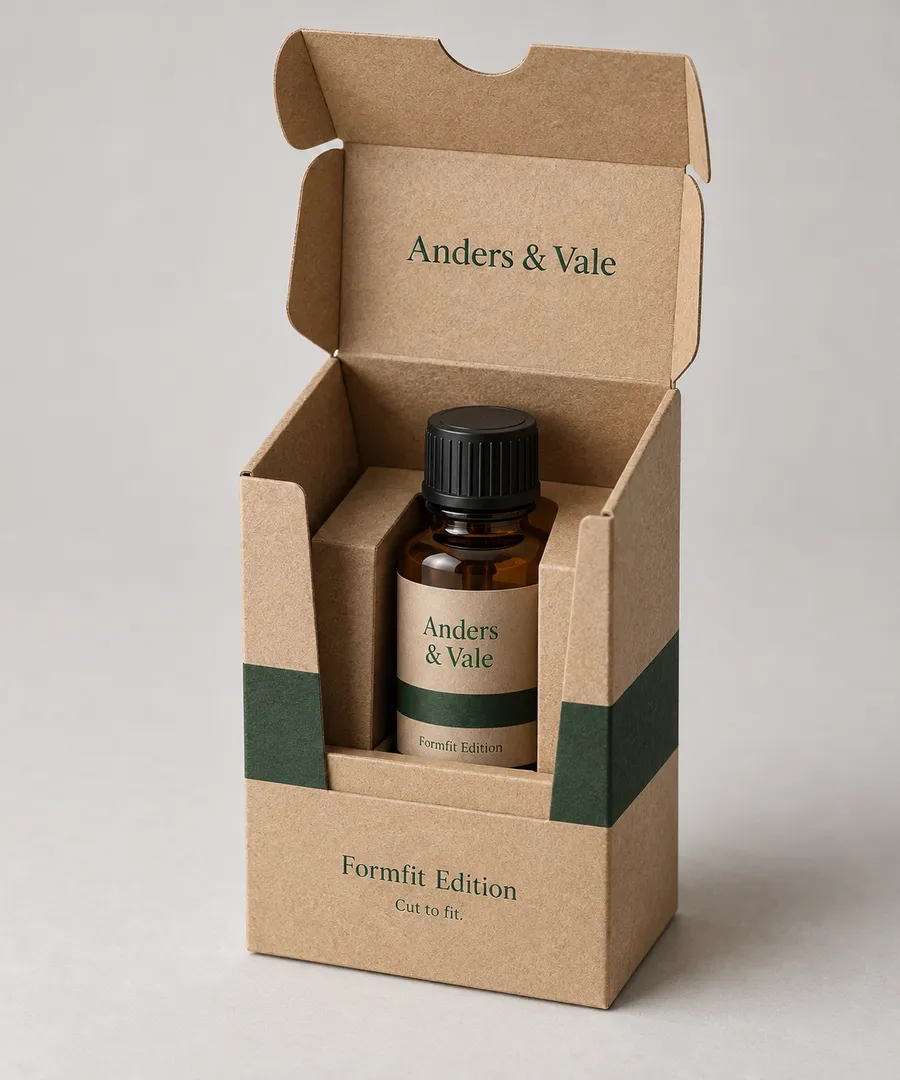
Die-Cut Boxes
Custom die-cut cardboard boxes built around the job the cut needs to do: hold a product in a defined position, create a functional closure or handle, or change what a customer sees before opening. Choose kraft paperboard, SBS paperboard or corrugated board, then review the dieline, print and finish around the packed product
Request this format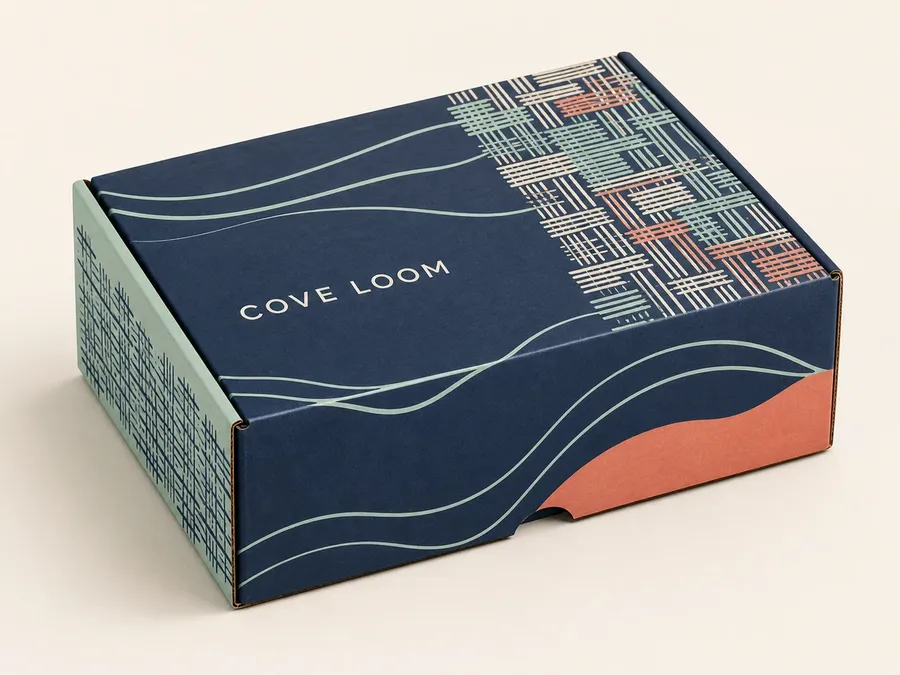
Mailer & Shipping Boxes
A custom-printed corrugated mailer designed for repeat subscription shipments, consistent inside-lid reveals, insert planning, and efficient recurring fulfillment.
Request this format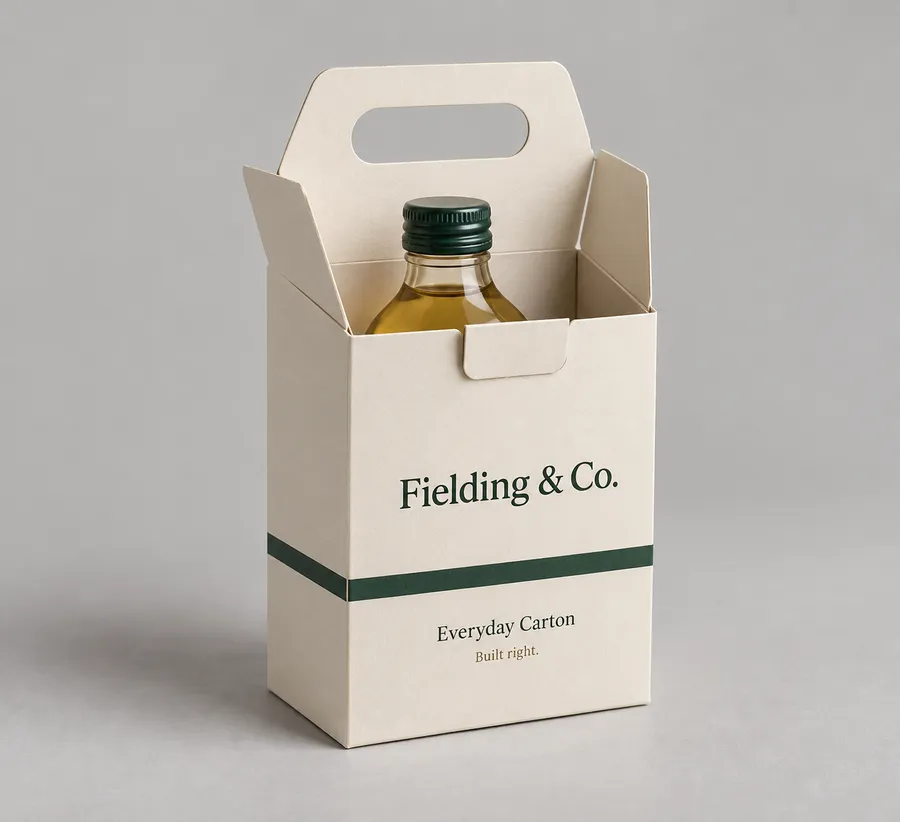
Cardboard Boxes
Custom cardboard boxes with handles for products that need a practical carry point and a printed outer surface. The folding paperboard format can be shaped around the packed product, with a die-cut top handle, tuck or locking closure, and board and finish choices reviewed against the intended weight, presentation, and route to the customer.
Request this formatIf sustainability matters to your brand story, that’s worth weighing against the protection foam and plastic offer. A hybrid approach works well here. Pair a smaller foam or plastic component with a cardboard or molded pulp shell. You capture some recyclability upside without giving up protection where it actually counts.
A drawing or a spec sheet can look perfect and still be wrong in your hands. Insert tolerances matter more than most buyers expect going in. A cavity cut a millimeter too tight can crack a foam edge on assembly. One cut too loose lets a product shift during transit anyway, defeating the entire purpose of the insert.
Request a physical sample cut to your actual product dimensions before locking in a production run. This applies across all four materials, not just the expensive ones. It’s a cheap, fast way to catch a fit problem before it becomes thousands of units.
Some products don’t fit neatly into one insert category, and that’s fine. A corrugated tray can hold a foam block in place for the fragile component. A printed cardboard divider handles the rest of the layout. Combining materials this way often costs less than building the entire insert from the most protective option. It also keeps branding opportunities where cardboard can actually carry them.
Material | Protection | Cost Accessibility | Sustainability | Printability |
|---|---|---|---|---|
Foam | High | Good at most order sizes | Lower (typically petroleum-based) | Poor |
Cardboard | Moderate | Best at small order sizes | High | Good |
Molded Pulp | Moderate-High | Limited by tooling and MOQ | High | Poor |
Plastic/Thermoform | Moderate | Good at most order sizes | Lower | Poor |
The first mistake is picking molded pulp for a first small production run, without checking tooling costs first. Check the minimum order quantity too. The eco-premium look isn’t worth much if the order size doesn’t pencil out.
The second mistake is choosing foam purely for maximum protection, on a product that isn’t actually fragile. That extra cost buys cushioning nobody needed.
The third mistake is expecting foam, pulp, or plastic to carry your branding the way cardboard can. Plan your branding around the box or an inserted card instead, if your insert material can’t print.
A fourth mistake is skipping a physical fit test before committing to a full run. That’s one of those packaging mistakes that kill the unboxing moment. It happens long before a customer ever sees the box.
Shipping electronics or anything with sharp, delicate components? Foam earns its cost there. That’s especially true for electronics packaging built around precise, die-cut cavities.
Building a premium, printed unboxing moment on a budget or a smaller first run? Cardboard inserts give you protection and branding together. There’s no tooling commitment required.
Presenting jewelry packaging or another product where the shaped cavity itself matters? If your order volume can absorb the tooling cost, molded pulp is worth exploring.
Selling cosmetics or anything where seeing the product matters as much as protecting it? A thermoform tray does that job directly.
Not sure which fits your order size and product? Easy Box Packaging can help match insert material to your actual volume and fragility needs. Sample testing is available before you commit to a full production run.
An insert is easy to treat as an afterthought next to the box itself. Get the material wrong, though, and you’ll notice it fast. It shows up in damage rates, cost per unit, or a tooling bill nobody budgeted for. Getting it right ties into why packaging drives repeat purchases, not just a cleaner unboxing video.
Questions, answered
Foam usually offers the strongest cushioning. That’s especially true for products with sharp edges or delicate components.
Cardboard inserts print well. Foam, molded pulp, and plastic generally can’t carry printed branding directly.
Often not for a first small run. The tooling cost and minimum order quantity usually favor foam or cardboard until your volume grows. Get a free quote — dieline and design support included.
Start a packaging brief
Share the product, quantity, dimensions, and route to market. Easybox will help connect those requirements to a practical structure and production path.