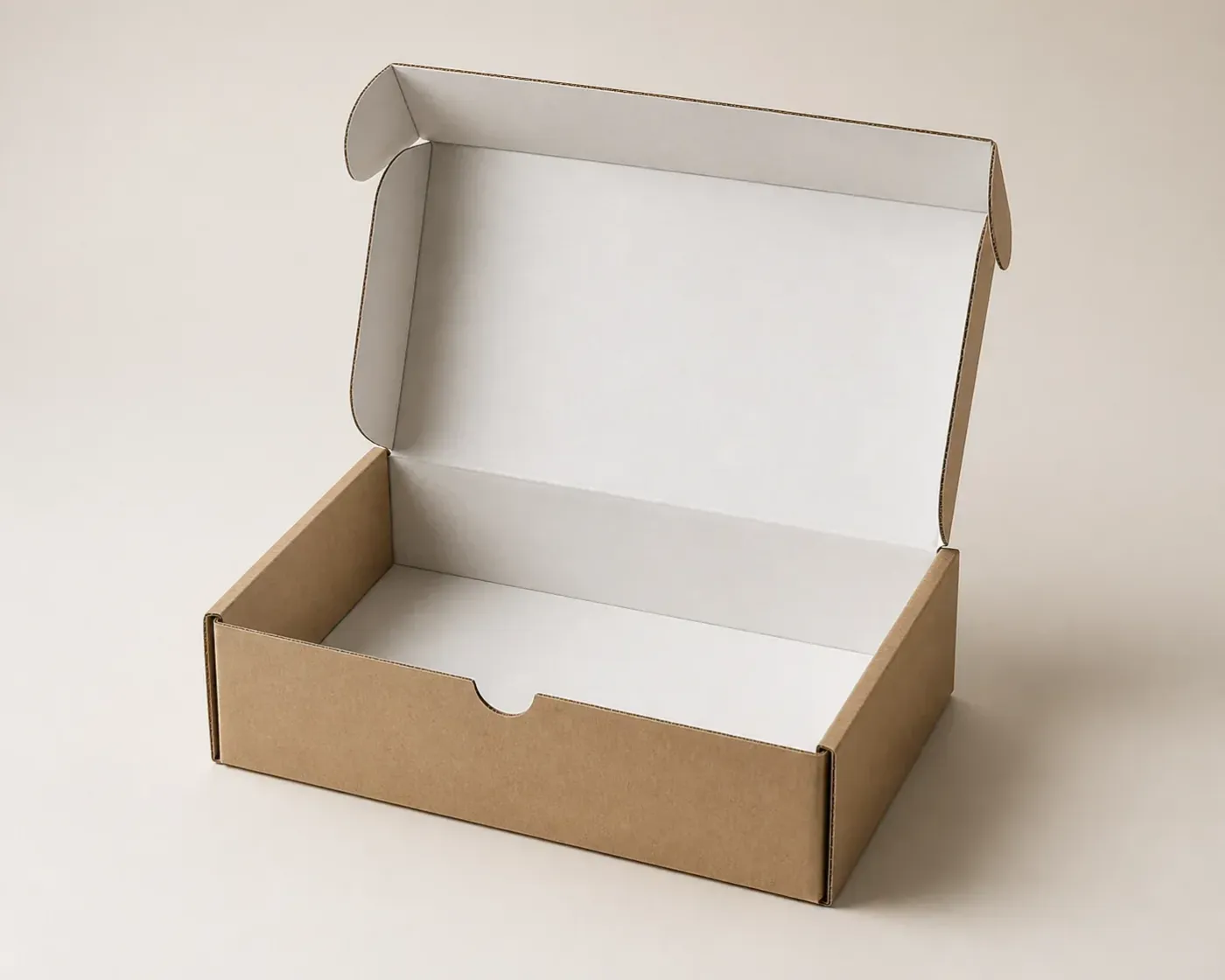
Mailer & Shipping Boxes
Corrugated Mailer Box
A one-piece corrugated mailer built around product fit, folded side protection, and a presentation-ready opening for e-commerce orders, subscriptions, and launch kits.
Request a Quote
Size Guides
Custom packaging inserts compared: paperboard, corrugated, molded pulp and foam by protection, fit, tooling and recyclability, with product examples.
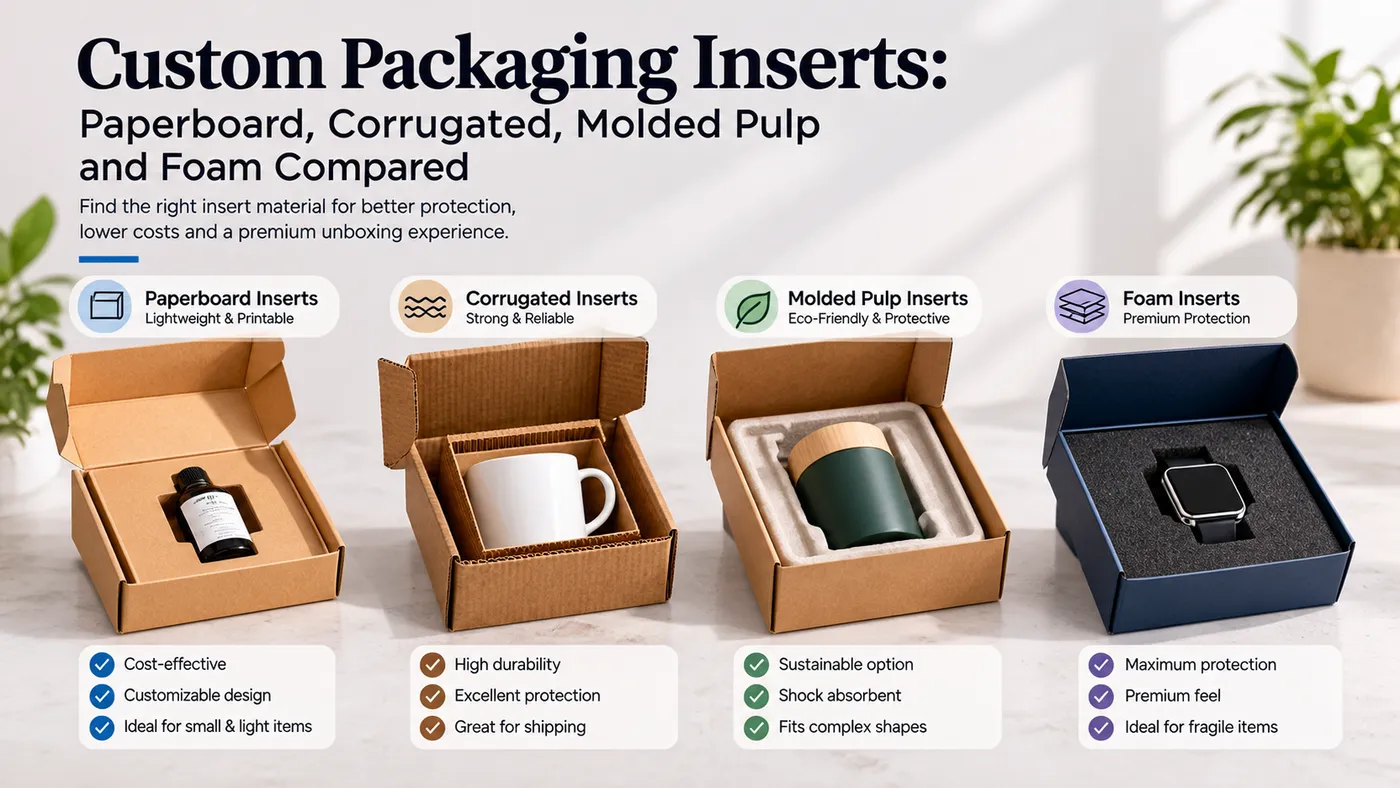
Quick answer: Pick custom packaging inserts by fragility first. Paperboard inserts hold light, sturdy items and look clean. Corrugated inserts add crush strength for shipping. Molded pulp suits odd shapes and fiber-based brands. Foam gives the softest cushioning. Presentation, tooling and recyclability then break the tie, and your quote confirms the structure.
*Last updated: November 2026.*
Custom packaging inserts hold your product in place inside the box. They stop it sliding, rattling and scuffing. The table below compares the main types in plain terms.
Insert type | Protection | Presentation | Tooling | Weight | Recyclability |
|---|---|---|---|---|---|
Paperboard (folded) | Light to moderate | Clean, easy to print | Simple cutting die | Very light | Often accepted where paper is collected |
Corrugated (E-flute) | Moderate to strong | Plain, kraft look | Cutting die | Light | Often accepted where cardboard is collected |
Molded pulp | Moderate to strong | Natural, textured | Mold required | Light | Often accepted, depends on local program |
Foam (EVA or PE) | Strong cushioning | Soft, premium feel | Die or routed cut | Very light | Limited, depends on local program |
Die-cut cardboard dividers | Light, separates items | Basic to clean | Cutting die | Very light | Often accepted where cardboard is collected |
Key takeaway: Match the insert to how the product breaks, not to how the box looks. A pretty insert that lets a glass jar shift is still a failed insert.
An insert does three jobs. It locks the product in position, absorbs shock, and frames the item for the customer who opens the box.
Some inserts do only the first job. A simple divider keeps two bottles from clinking. Others do all three. A fitted tray in a rigid box makes a candle look like a gift.
This guide covers structural inserts. If you want marketing inserts like thank-you cards, our guide on packaging inserts for ecommerce covers those.
Easy Box Packaging lists custom inserts among its manufacturing options. Our manufacturing page also names paperboard and corrugated board among the materials we work with. Molded pulp and foam are covered here as general industry education, not as a list of what we make.
Paperboard inserts are folded or die-cut from solid paperboard. Think of a tray with a cut-out, or a fold-up cradle for a small bottle.
They print well. You can carry brand color or a pattern inside the box. That matters in retail packaging where the unboxing is part of the sale.
The limit is crush strength. Paperboard holds a light, solid item well. It won't protect a heavy glass jar dropped on a hard floor. I'd never trust it alone for anything fragile and heavy.
Corrugated inserts use fluted board. E-flute is thin and prints cleanly. That suits inserts inside a retail or mailer box.
The flutes act like tiny arches. They resist crushing far better than flat board. That makes corrugated inserts a sound pick when the box will travel through a carrier network.
The trade-off is looks. Plain kraft corrugated reads as shipping gear, not luxury. You can print it or line it, but it rarely feels as refined as a wrapped paperboard tray.
Molded pulp vs foam is the choice most buyers argue about. Both fit odd shapes. They differ in feel, tooling and end-of-life.
Molded pulp is formed from fiber in a mold. It has a natural, textured look. It holds shaped items like bottles and electronics well, and many brands pick it for a fiber-based story.
Foam, usually EVA or PE, is softer. It cushions sensitive items better than any fiber option. It's also the premium-feeling pick in a rigid box with a cut-out for a device or instrument.
My opinion: if the product is truly delicate and high value, foam earns its place. If the product is merely breakable, fiber usually does the job and fits a lower-waste story.
This table maps common products to a starting point. Treat it as a first guess, then test with your real item.
Product | Recommended insert | Why |
|---|---|---|
Candle in a jar | Corrugated or paperboard collar | Holds the jar upright and stops side movement |
Cosmetics jar or bottle | Paperboard cradle or pulp tray | Light, prints well, keeps glass from touching |
Glass bottle | Corrugated divider or molded pulp | Resists crushing and isolates each bottle |
Electronics | Foam or molded pulp | Soft contact and a snug, shaped fit |
Gift set | Paperboard tray with cut-outs | Shows each item and keeps the layout tidy |
For candles, check jar and tin dimensions first. Our candle box sizes guide lists them.
Rank your product on two things: how easily it breaks, and how hard the box will be handled.
A sturdy item in a rigid gift box needs little more than a paperboard tray. The box does the protecting. A fragile item shipped across the country needs a stronger insert and a stronger outer box.
Here's a quick way to think about it:
- Low fragility, low handling: paperboard inserts. - Low fragility, rough shipping: corrugated inserts. - High fragility, shaped item: molded pulp or foam. - Several items that touch: die-cut cardboard dividers.
The insert never works alone. Inserts often depend on the parent box. A strong insert in a weak box still fails. Our rigid boxes and mailer boxes both pair with inserts, so plan the two together.
A few Easy Box Packaging products that fit what this article covers.
Mailer & Shipping Boxes
A one-piece corrugated mailer built around product fit, folded side protection, and a presentation-ready opening for e-commerce orders, subscriptions, and launch kits.
Request a Quote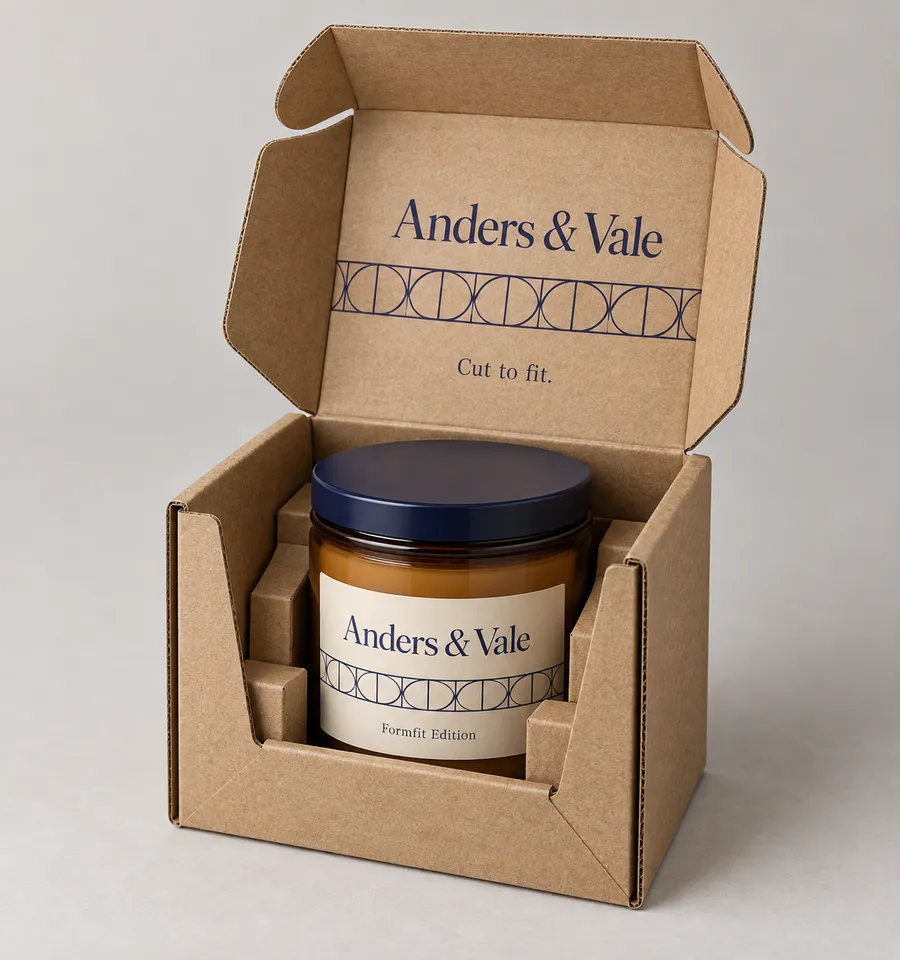
Die-Cut Boxes
Custom die-cut corrugated boxes are built around a defined product, packed arrangement, or opening sequence rather than a standard rectangle. The cut can shape panels, locking tabs, tuck flaps, and internal support for retail presentation or fulfillment. Share the packed product and handling route so the dieline, board direction, printed surface, and finish can be reviewed as one specification.
Request a Quote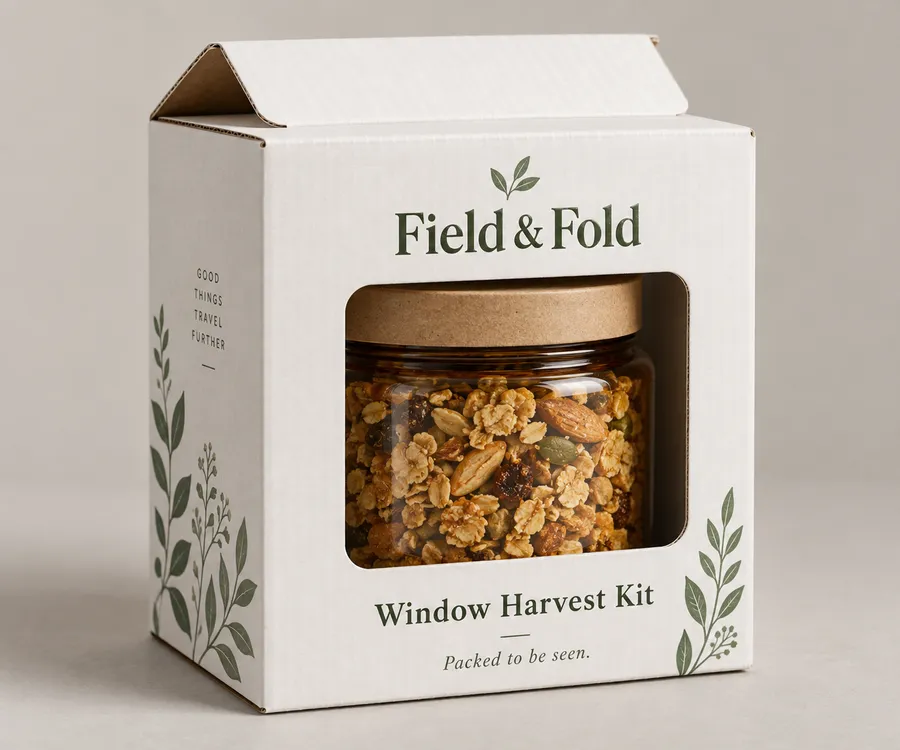
Corrugated Boxes
Custom white corrugated boxes give brands a clean printable surface with the practical structure of fluted paperboard. They can be shaped for retail presentation, local delivery, or ecommerce packing, with a die-cut window, tuck closure, or other panel details planned around the packed item. Board choice, dimensions, print coverage, and finish are reviewed together.
Request a Quote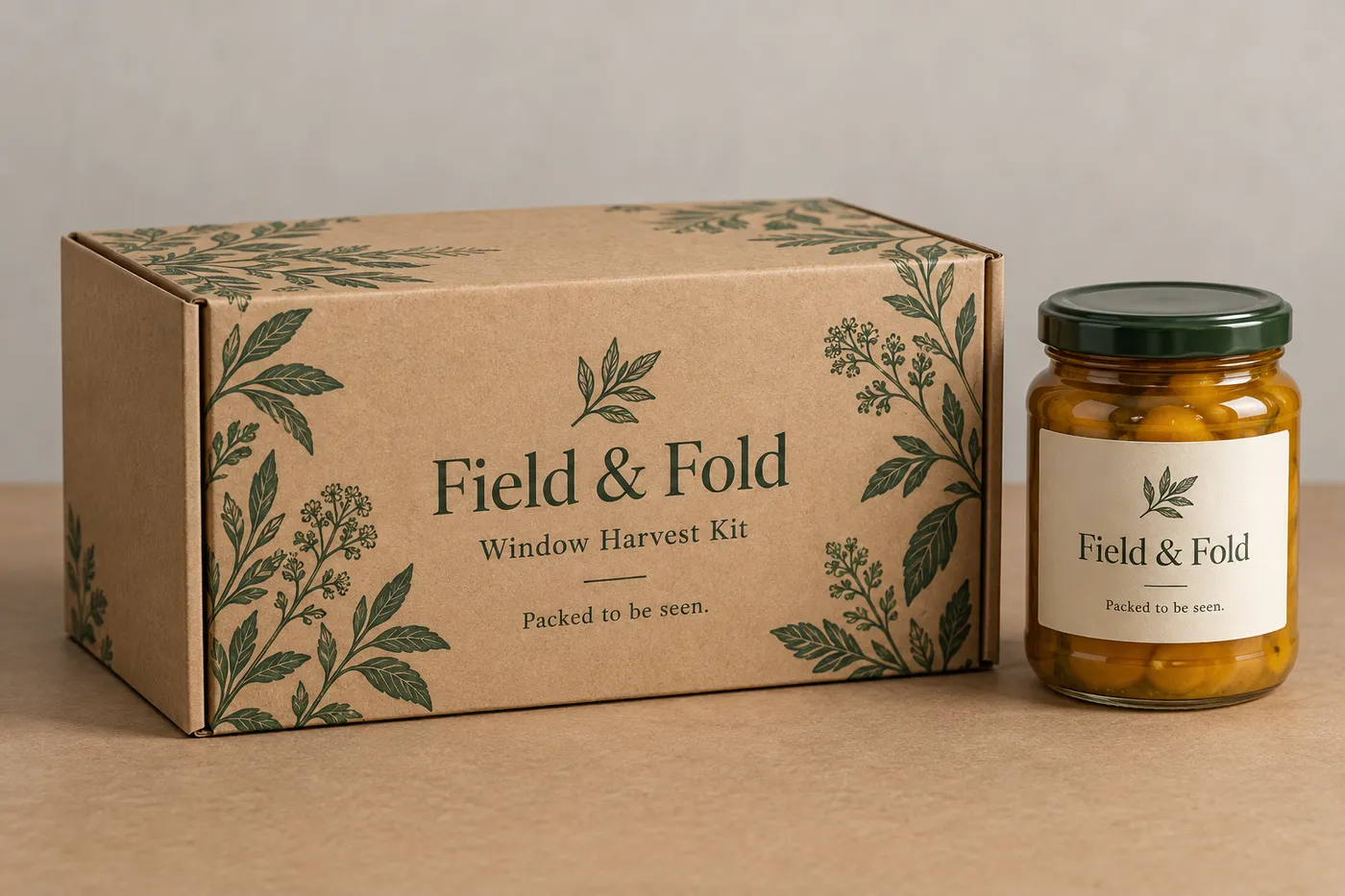
Corrugated Boxes
Custom printed corrugated boxes sized around the packed product and the way it will be shipped, displayed, or handed over. Plan the board construction, opening, printed panel coverage, and finish together so a practical protective shell also carries clear brand and product information.
Request a Quote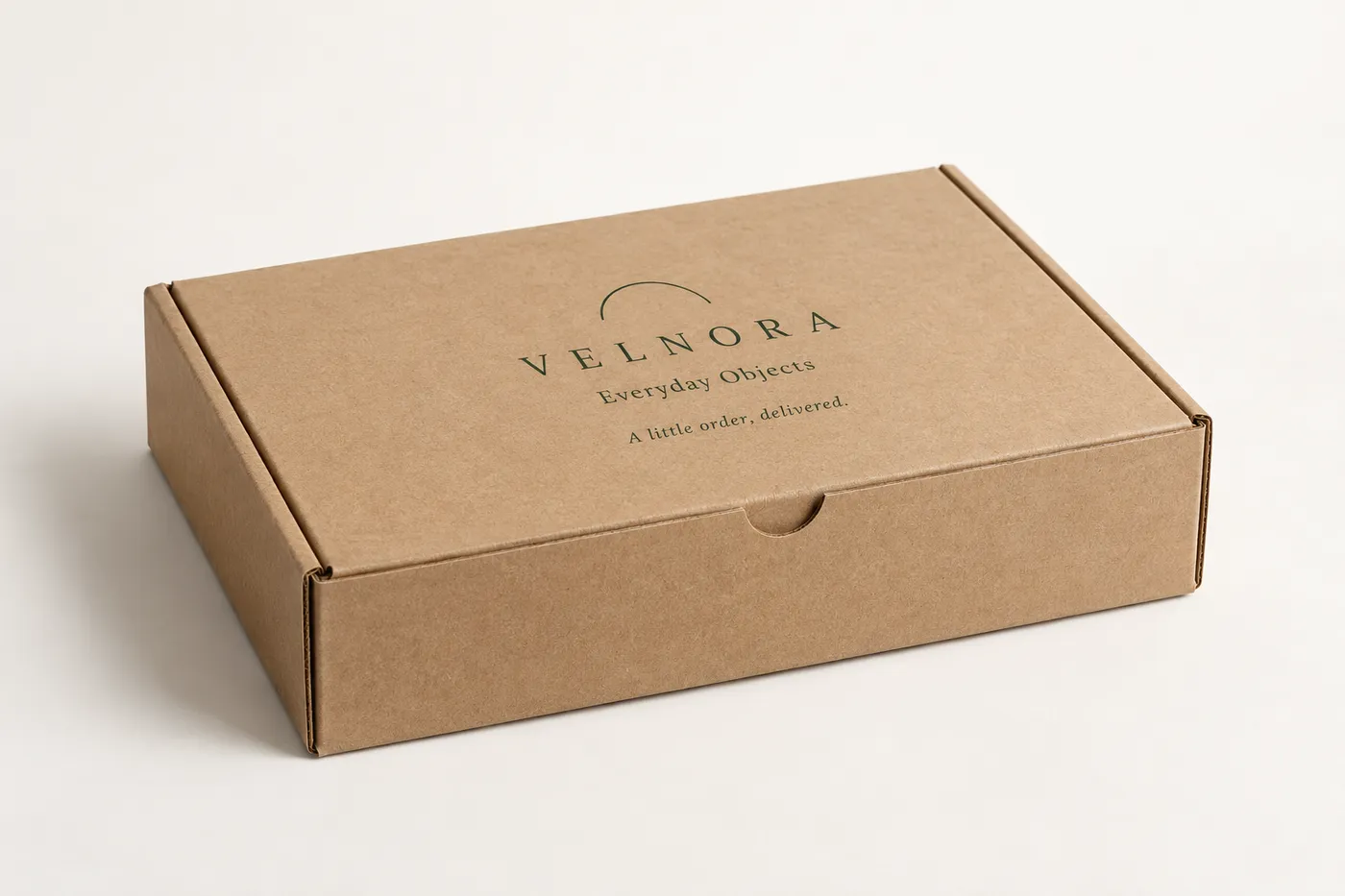
Mailer & Shipping Boxes
Custom mailer boxes coordinate the packed size, closure and printed presentation of an e-commerce order. Discuss corrugated construction, inside and outside artwork, and any insert or divider requirements. Easy Box Packaging reviews the proposed specification and proof before production, with the final board, finish and delivery terms confirmed in your quote.
Request a Quote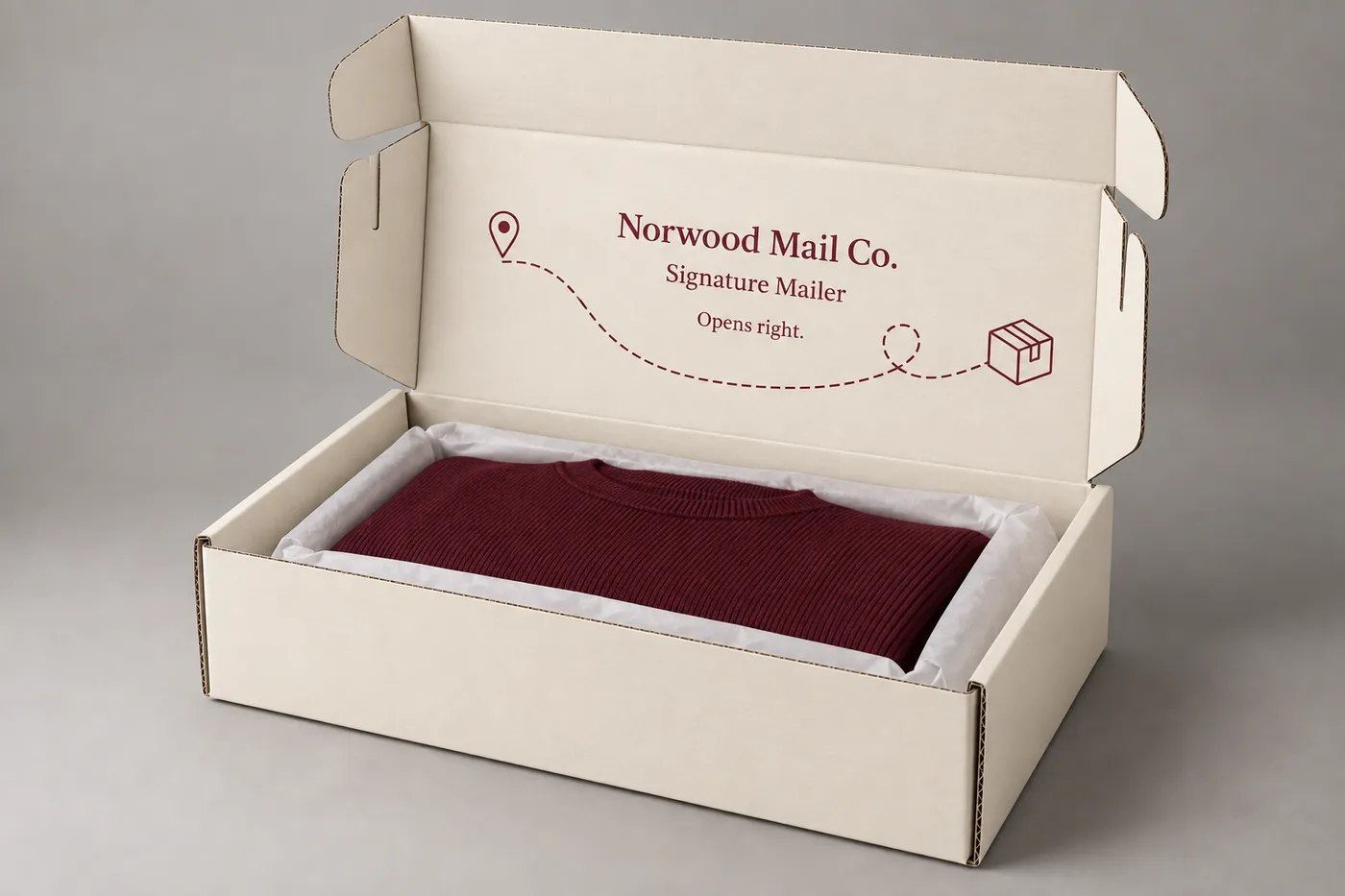
Mailer Boxes
Custom ecommerce mailer boxes are made-to-order folding boxes sized around the packed length, width, and height of your order. Choose a corrugated or paperboard format, an integrated tuck-in closure, exterior or interior print, and a finish that suits the unboxing experience without adding avoidable bulk around the product.
Request a QuoteFit is where most insert projects go wrong. Measure the real product, not the spec sheet. Measure its length, width and height at the widest points. Include pumps, caps, lids and labels.
Then allow clearance. Too tight, and the product won't drop in or lift out cleanly. Too loose, and it shifts in transit. Clearance depends on the material. Paperboard flexes less than foam, so foam can grip a little tighter.
I've seen brands approve a design from a drawing, then find the cap was 2 mm wider than they measured. A physical sample catches that early. Our manufacturing page notes that material, structural and production samples can confirm fit before full production.
Give your manufacturer the packed dimensions, the weight, and any fragile points. Then check the sample with the real product in hand.
Most inserts need a tool. Paperboard and corrugated inserts use a cutting die. It's a shaped blade mounted on a board that cuts and creases each sheet.
Molded pulp needs a mold, and foam needs a cutting tool or a routed path. A custom shape means a custom tool. A standard shape may reuse an existing one.
That's why shape complexity matters. A simple rectangular tray with two cut-outs is easier to tool than a form that wraps a bottle. More complex shapes can need more setup time.
You don't need to design the die yourself. Share the product and the box, and the manufacturer builds the structure. Ask about tooling at the quote stage, not after approval.
Recyclability depends on where your customer lives. Local programs differ. Paper-based inserts are often accepted in curbside programs. Foam is much less likely to be.
I wouldn't print a recyclable claim on a box without checking the rules for your market. Don't assume. Mixed-material inserts, such as paper glued to foam, can also be harder to sort.
If end-of-life matters to your brand, say so up front. Your manufacturer can suggest a mono-material option. Then describe it to customers in careful terms, such as "check your local program."
Every insert trades something for something else.
- Protection vs. presentation: the strongest cushioning is rarely the prettiest. - Material vs. tooling: molds and dies add setup, so small runs favor simpler shapes. - Soft feel vs. recyclability: foam feels premium but is harder to recycle in many areas. - Snug fit vs. packing speed: a tight insert looks great but slows your packers.
Ask for a sample. It shows the trade-off better than any table.
Inserts rarely get ordered alone. They usually pair with the box that holds them, so the box often sets the practical minimum.
Many of our custom products start from 50 units. Standard production is 7 business days after approval. Rush starts from about 4 days. The final minimum for an insert depends on the structure and the parent box. Our MOQ by format guide explains how that works.
What's the best material for custom packaging inserts? It depends on fragility. Paperboard suits light items, corrugated suits shipped goods, and molded pulp or foam suit shaped or delicate products. Test the real product with a sample.
Are paperboard inserts strong enough for glass? Paperboard alone is usually enough for light glass in a protective outer box. For heavy or shipped glass, corrugated or molded pulp is the safer pick.
What's the difference between molded pulp vs foam? Molded pulp is fiber-based with a textured look and firm hold. Foam is softer and cushions better. Foam is usually harder to recycle than pulp.
Do corrugated inserts need to be E-flute? No. E-flute is a thin flute that prints cleanly and suits inserts inside retail boxes. Heavier products may call for a thicker flute.
Can custom box inserts be printed? Paperboard inserts print well, and corrugated can be printed or lined. Pulp and foam are usually left plain or colored by the material itself.
How do I measure a product for an insert? Measure length, width and height at the widest points, including caps and pumps. Then allow clearance. Confirm fit with a physical sample.
Are inserts recyclable? Many paper-based inserts are accepted where paper and cardboard are collected, but it varies by local program. Foam is much less likely to be accepted.
What's the minimum order for custom packaging inserts? Many custom products start from 50 units. The practical minimum for an insert depends on its structure and the parent box, so request a quote.
Start with how your product breaks. Then check fit, tooling and what the parent box can carry. Paperboard keeps things light and clean, corrugated adds crush strength, and molded pulp or foam handle shaped or delicate items.
My view: don't overbuild. Choose the lightest option that survives your real shipping route, and test it with a sample. That's how custom packaging inserts earn their cost.
Need an insert built for your product? Get a free quote. We'll confirm the structure, minimum and timeline with your quote.
Questions, answered
It depends on fragility. Paperboard suits light items, corrugated suits shipped goods, and molded pulp or foam suit shaped or delicate products. Test the real product with a sample.
Paperboard alone is usually enough for light glass in a protective outer box. For heavy or shipped glass, corrugated or molded pulp is the safer pick.
Molded pulp is fiber-based with a textured look and firm hold. Foam is softer and cushions better. Foam is usually harder to recycle than pulp.
No. E-flute is a thin flute that prints cleanly and suits inserts inside retail boxes. Heavier products may call for a thicker flute.
Paperboard inserts print well, and corrugated can be printed or lined. Pulp and foam are usually left plain or colored by the material itself.
Measure length, width and height at the widest points, including caps and pumps. Then allow clearance. Confirm fit with a physical sample.
Many paper-based inserts are accepted where paper and cardboard are collected, but it varies by local program. Foam is much less likely to be accepted.
Many custom products start from 50 units. The practical minimum for an insert depends on its structure and the parent box, so request a quote.
Start a packaging brief
Share the product, quantity, dimensions, and route to market. Easy Box Packaging will help connect those requirements to a practical structure and production path.